Keychron Review 2026: Is It a Good Brand?
Keychron makes affordable, Mac-friendly mechanical keyboards with QMK/VIA support. Superb value and customization, but QC and stock can be hit or miss.
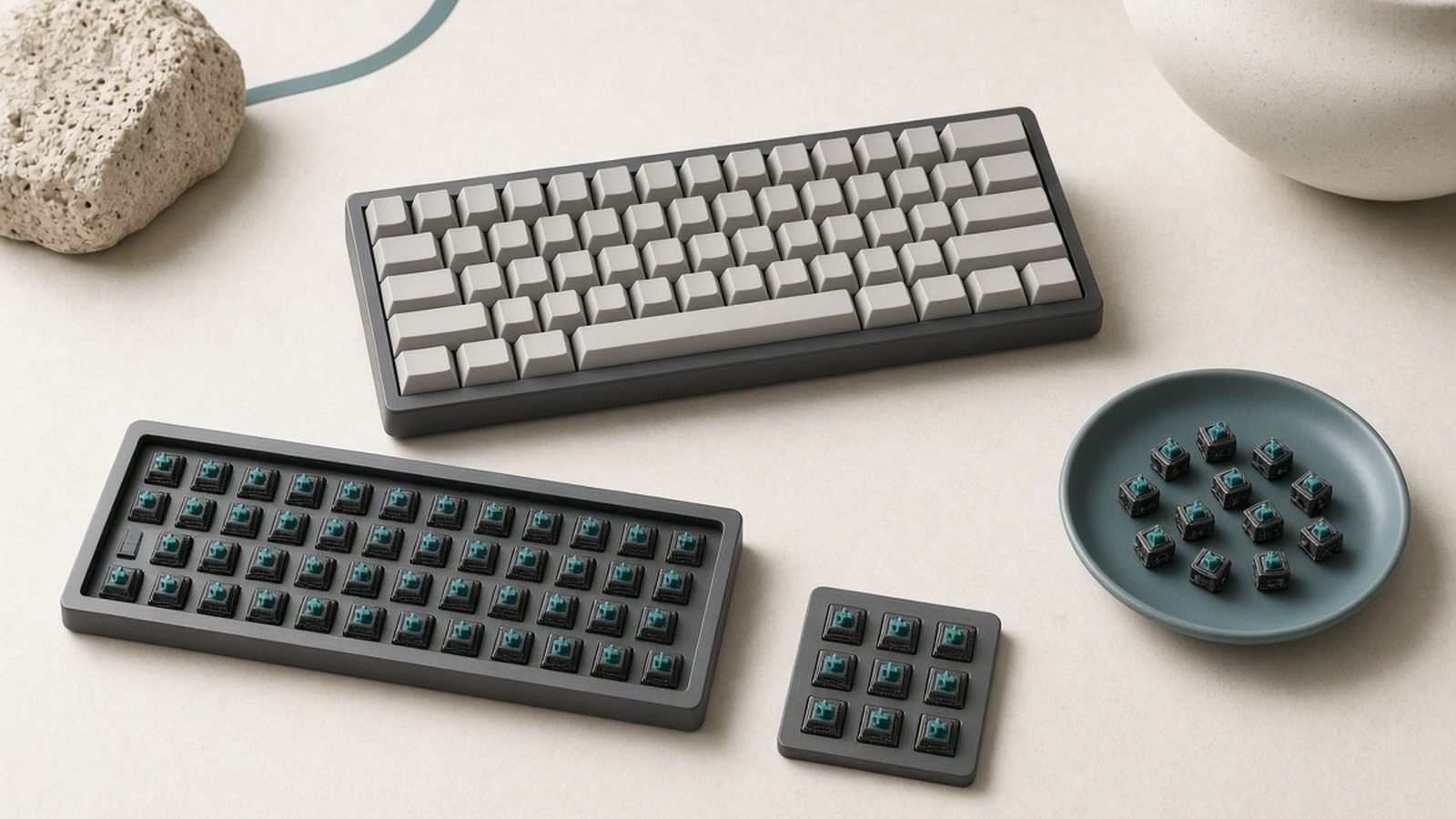
Keychron occupies the gap between mass-market keyboards and the custom “endgame” scene. It got there by combining mechanical switches, wireless connectivity and proper Mac layouts at prices the mainstream brands were not matching, then bringing enthusiast hardware — gasket mounts, hot-swap sockets, open QMK/VIA firmware — down to those prices as well. The lineup now runs from budget wireless boards to aluminum Q-series customs, with the plastic-cased V series keeping the same mount and firmware for less. The savings show up at the edges: in unit-to-unit variation, in stock that runs out on the popular models, and in boards that reward a little tuning after purchase.
If you want a hackable, Mac-and-Windows keyboard that punches far above its price, Keychron is a standout. If you want flawless out-of-box consistency or same-day availability, it can occasionally frustrate.
Company overview
Keychron is a keyboard specialist founded in 2017 and based in Hong Kong, with manufacturing in mainland China. It rose to prominence by combining mechanical switches, wireless connectivity and Mac layouts at prices the mainstream brands weren’t matching, then leaned hard into the enthusiast movement with its Q and V series. The company is privately held and community-driven, with an active presence on Reddit and its own forums.
Reputation in plain terms: Keychron is the bridge between mass-market keyboards and the custom “endgame” scene. Enthusiasts respect it for shipping gasket mounts, hot-swap sockets and open firmware at accessible prices; newcomers like that it works on a Mac out of the box. It’s not a luxury bespoke maker, but it delivers most of that experience for far less money.
What Keychron makes
- Wireless mechanical keyboards — the K and V series, spanning compact 60% to full-size layouts with Mac/Windows toggles.
- Enthusiast custom keyboards — the Q series (aluminum, gasket-mounted, QMK/VIA) and the wireless Q-Max variants.
- Low-profile keyboards — the K Pro and slim boards for people who want a thinner, laptop-like feel with mechanical switches.
- Ergonomic and split boards — models aimed at comfort and wrist relief.
- Accessories — keycaps, switches, palm rests, and the occasional mouse or number pad.
Standout Keychron products in 2026
- Keychron Q1 (flagship enthusiast board) — a 75% aluminum, gasket-mounted, hot-swap keyboard with QMK/VIA and a knob; the model that defined Keychron’s premium reputation, around $199 / £189.
- Keychron K8 Pro — a tenkeyless wireless workhorse with hot-swap switches and QMK/VIA; see our Keychron K8 Pro Review: The Default Work Keyboard, Still? for the full breakdown.
- Keychron V-series — plastic-cased versions of the Q boards that keep the gasket mount and open firmware at a lower price; a top pick in our Best Mechanical Keyboards 2026: Typing & Gaming roundup.
- Keychron K Pro low-profile — for people who find full-height mechanical boards too tall; a common cross-shop against membrane and scissor keyboards in our Best Wireless Keyboards 2026: Top Boards for Work guide.
- Keychron Q-Max series — the Q boards with 2.4GHz wireless added, closing the gap between wired custom feel and cable-free convenience.
Strengths
- Exceptional value — gasket mounts, hot-swap sockets and aluminum cases at prices boutique makers can’t touch.
- Mac-first design — proper Mac layouts, media keys and switchable Mac/Windows modes out of the box.
- QMK/VIA support — genuinely open firmware on most models, so remapping, macros and layers are easy and permanent.
- Hot-swappable switches — swap switches without soldering on most current boards, making experimentation cheap.
- Broad range and multi-device wireless — something for compact, full-size, low-profile and ergonomic buyers, with Bluetooth multi-device pairing.
Weaknesses & criticisms
- Variable quality control — occasional issues like stabilizer rattle, uneven backplate foam or the odd dead hot-swap socket; most boards are fine, but the tail is real.
- Stock and shipping gaps — popular configurations sell out and restocks can lag, and some launches ship in waves.
- Wireless latency for gaming — Bluetooth and even 2.4GHz boards aren’t tuned for competitive esports; dedicated gaming brands still lead on polling and latency.
- Stock stabilizers and foam invite tuning — enthusiasts often lube stabs or swap foam to unlock the board’s best sound and feel, which not every buyer wants to do.
- Software is firmware-based, not a slick app — VIA is powerful but less hand-holding than Logitech’s or Razer’s consumer software.
Reliability & support
Keychron boards are generally durable, and the hot-swap design means a failed switch is a cheap, tool-free fix rather than a dead keyboard. The bigger reliability story is QC variance at unboxing: most units are excellent, but a minority arrive with a fixable defect. Keychron offers a limited warranty (commonly around one year) and sells replacement parts, switches and keycaps directly, which is a real advantage for long-term ownership and repair. Support is handled online and is broadly responsive, though international RMA shipping can be slow and occasionally the resolution is a replacement part you install yourself. Firmware is a strong point: QMK/VIA is stable, well-documented and community-supported, so boards stay configurable for years without depending on a vendor app.
Who should buy Keychron
Buy Keychron if you want a customizable, Mac-and-Windows mechanical keyboard that delivers most of the enthusiast experience without the enthusiast price, and you don’t mind occasionally tuning a stabilizer or waiting for a restock. It’s ideal for developers, writers and anyone curious about the custom keyboard hobby but not ready to buy a group-buy board.
Look elsewhere if you need guaranteed lowest-latency wireless for competitive gaming, want a plug-and-forget board with a polished consumer app, or can’t tolerate any out-of-box imperfection. A dedicated gaming-keyboard brand or a mainstream office keyboard may suit you better.
FAQ
Is Keychron a good brand?
Yes. Keychron offers outstanding value in mechanical keyboards, with gasket mounts, hot-swap switches and open QMK/VIA firmware at accessible prices, plus genuine Mac support. Its main weaknesses are occasional QC variance and stock shortages.
Is Keychron reliable?
Mostly yes. The boards are durable and the hot-swap design makes repairs easy, but quality control at unboxing varies, so a minority of units need a small fix. Long-term reliability is good, helped by readily available spare parts.
Where is Keychron from and who owns it?
Keychron is a privately held keyboard company founded in 2017 and based in Hong Kong, with manufacturing in mainland China. It sells worldwide through its own site and major retailers.
Is Keychron better than Logitech?
For customization, mechanical feel and Mac layouts, Keychron leads. For polished software, low-latency wireless and office ergonomics, Logitech is stronger. Choose Keychron to tinker, Logitech to plug in and forget.
Do Keychron keyboards work on a Mac?
Yes, better than most. Keychron boards ship with Mac layouts, media keys and a Mac/Windows switch, making them one of the most Mac-friendly mechanical keyboard brands available.
Are Keychron keyboards good for gaming?
For casual and single-player gaming, yes, especially wired. For competitive esports, dedicated low-latency wireless gaming keyboards still have the edge over Keychron’s Bluetooth and 2.4GHz boards.
Zen Tech Hub may earn a commission from links on this page, at no extra cost to you.
Keychron products & guides on Zen Tech Hub
Our reviews, comparisons and buying guides featuring Keychron.
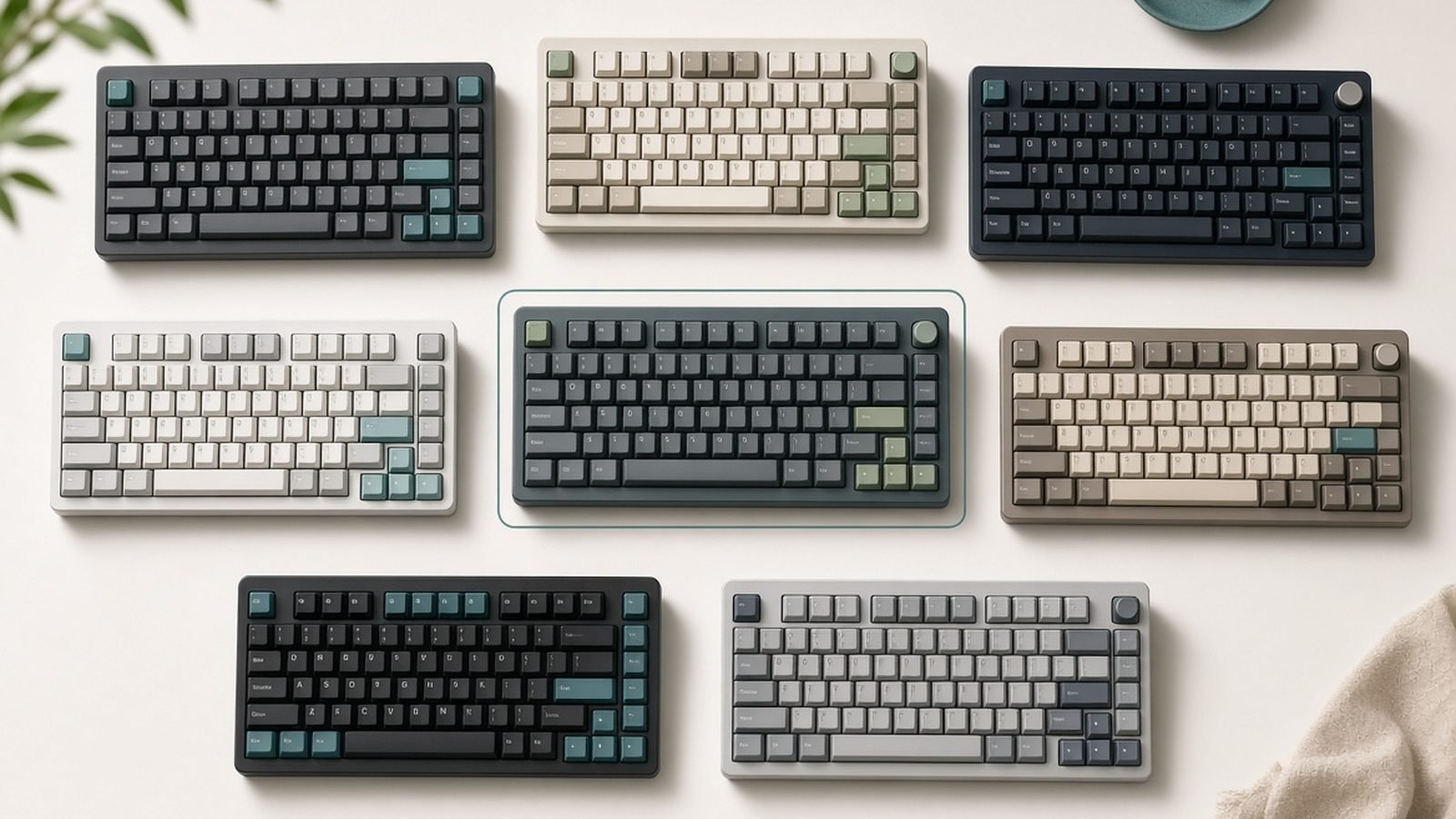
The best mechanical keyboard for typing and gaming in 2026. Keychron, NuPhy, Logitech, Wooting and budget picks ranked, with US and UK prices.
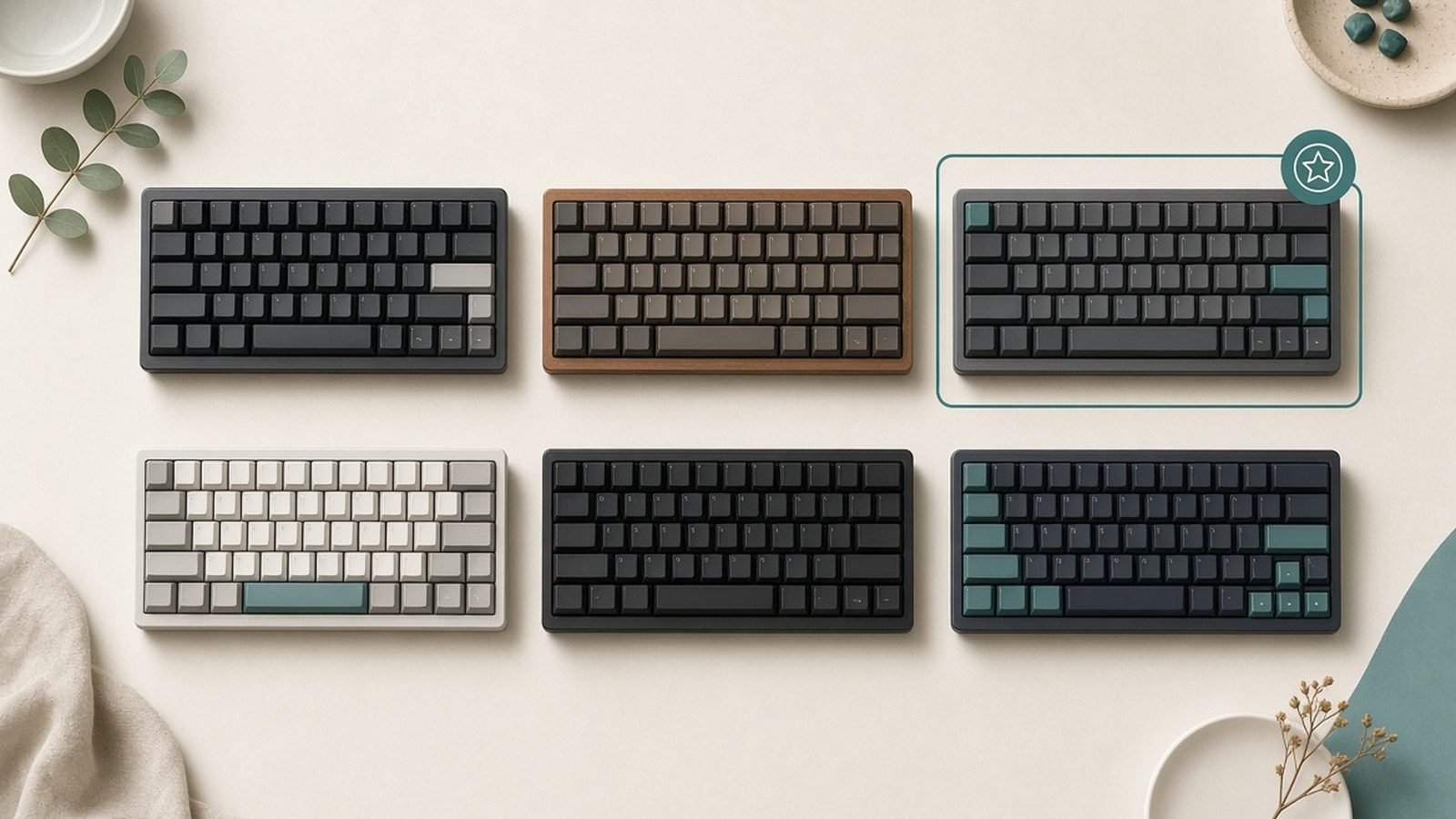
The best mechanical keyboard for programming in 2026, from the Keychron K8 Pro to hall effect and low-profile picks — with UK ISO buying advice.
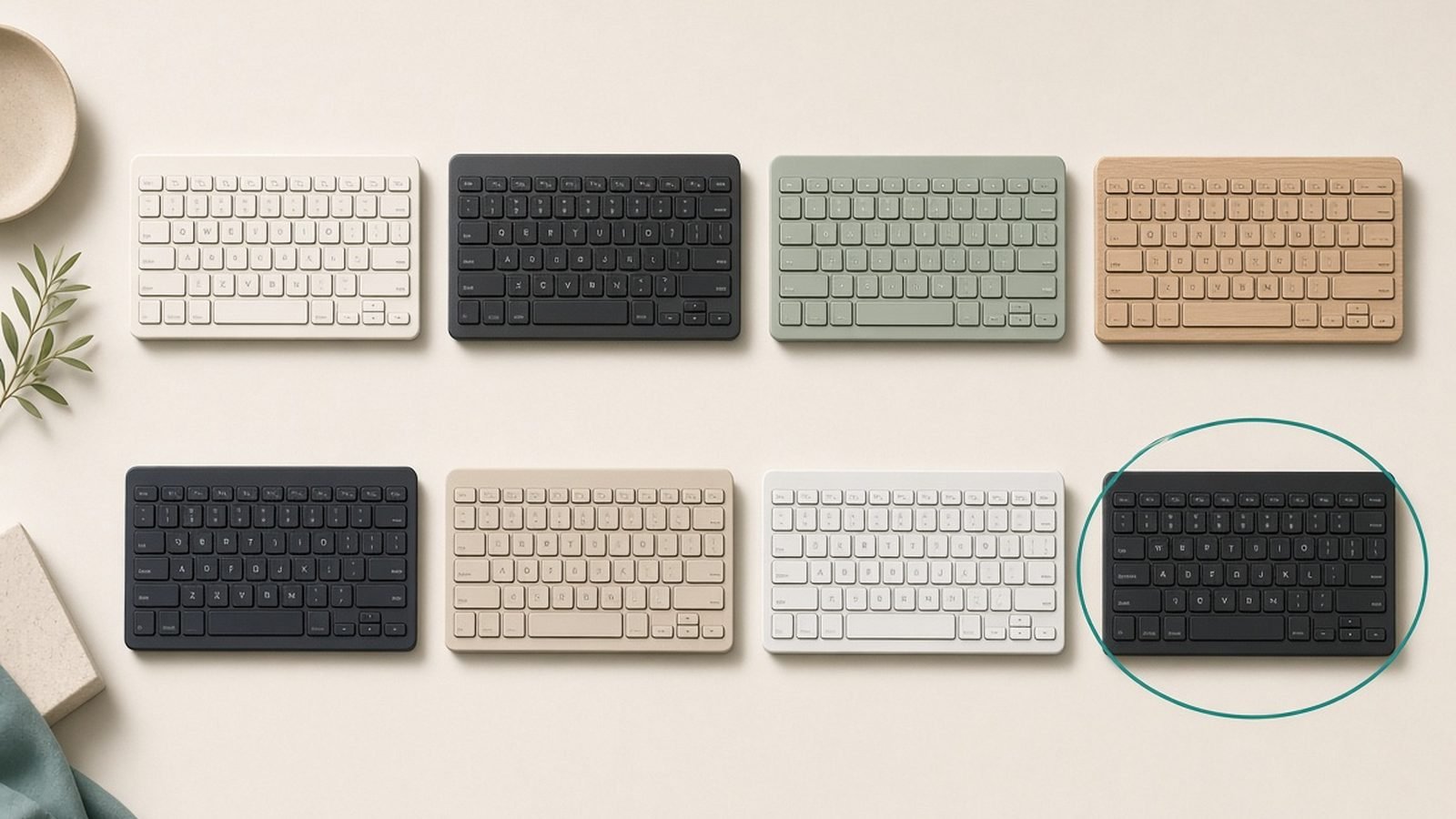
The best wireless keyboard for work and typing in 2026. Logitech MX Keys, Keychron, Apple Magic Keyboard and budget picks ranked, with US and UK prices.
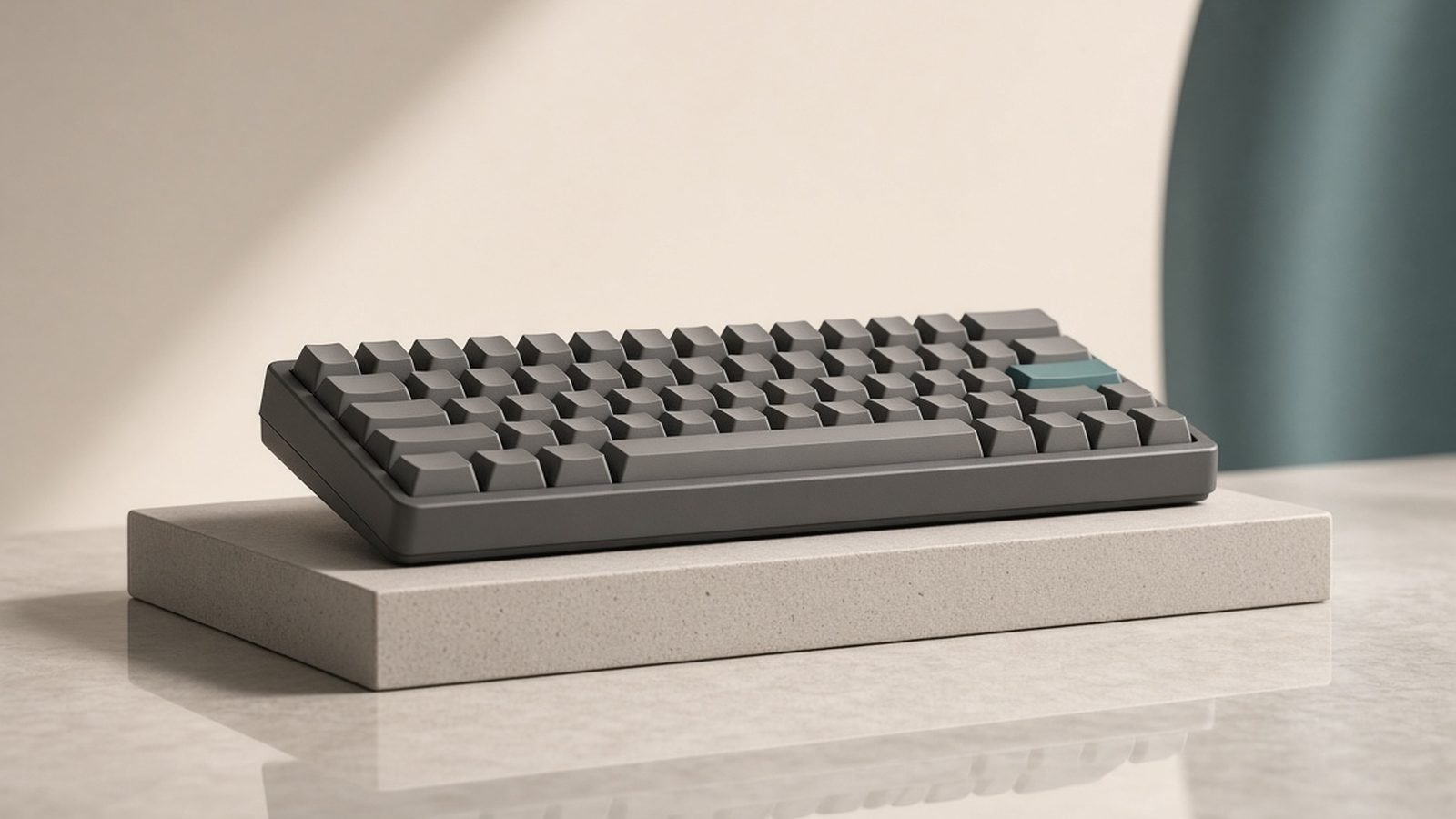
Our Keychron K8 Pro review after years on the market: build, battery life, QMK/VIA setup, UK ISO buying advice and whether it still beats the K8.

Keychron Q Series review: gasket-mounted, hot-swappable, QMK/VIA custom mechanical keyboards. Sound, build, which size to pick and who should buy in 2026.
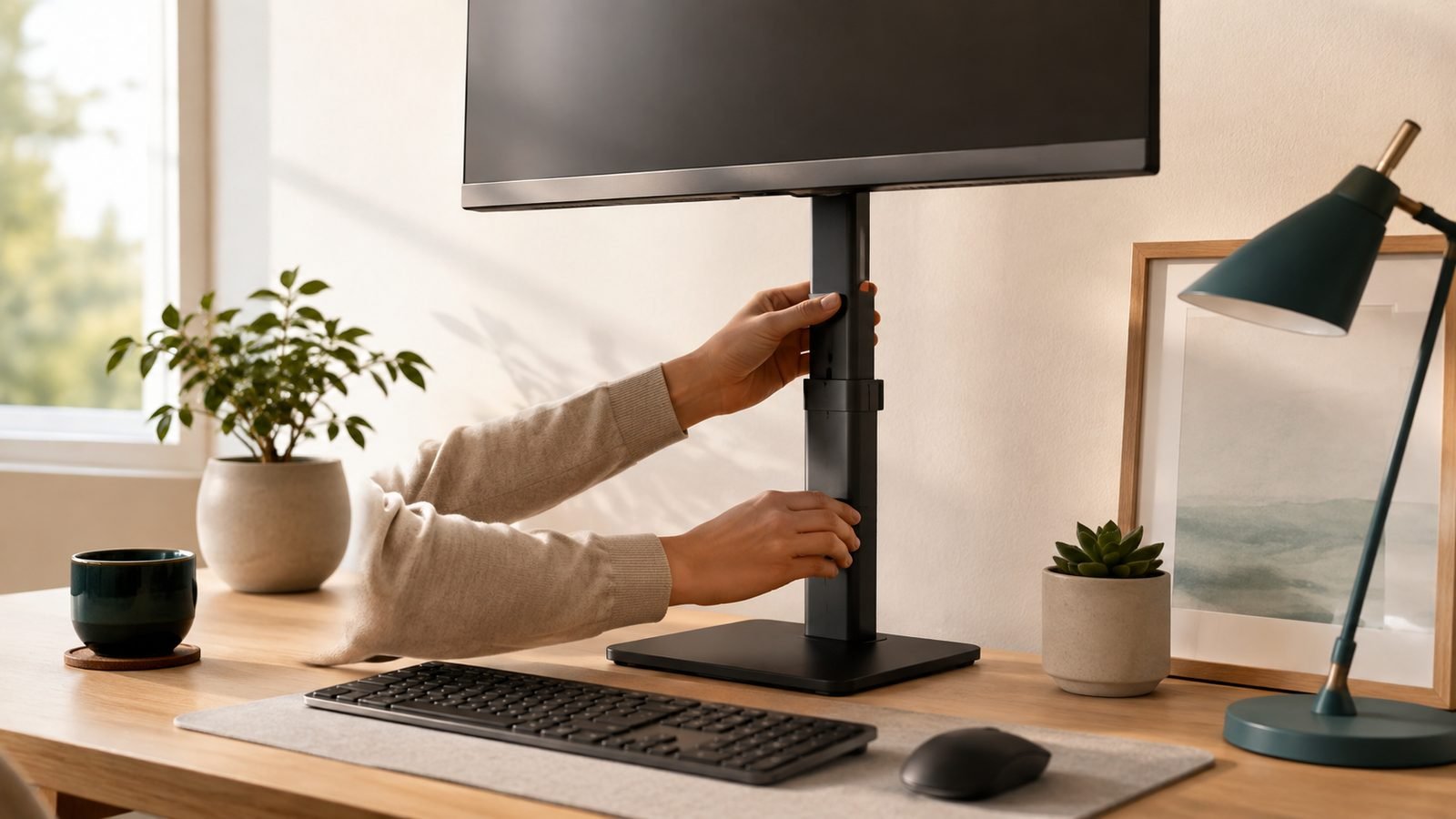
Build a proper ergonomic desk setup in a day: correct monitor height, chair position, laptop ergonomics and the gear worth buying at every budget.
Related in Tech Brands
All Tech Brands →
1MORE makes budget-friendly earbuds and headphones with strong value ANC. Our 2026 verdict on sound, reliability, app support, and who should buy.
1Password in 2026: the polished, security-first password manager with best-in-class UX and business features. Great — if you accept subscription-only pricing.
ADATA makes value SSDs, RAM and portable drives, with its XPG gaming sub-brand. A solid budget pick built on real chips — but watch for mid-life NAND swaps and thin software.
Adobe makes the industry-standard tools for design, photo, video and PDF work. Powerful and deep, but the subscription model and pricing draw real criticism.
Aeotec in 2026: Z-Wave sensors and the SmartThings Hub for serious home automation. Powerful and reliable, but enthusiast-focused. Strengths, weaknesses, verdict.
8BitDo makes affordable, feature-packed controllers with retro style and deep compatibility. Great value, but support and app polish lag. Full 2026 verdict.