Buying Guide Best Smart Garage Door Openers 2026
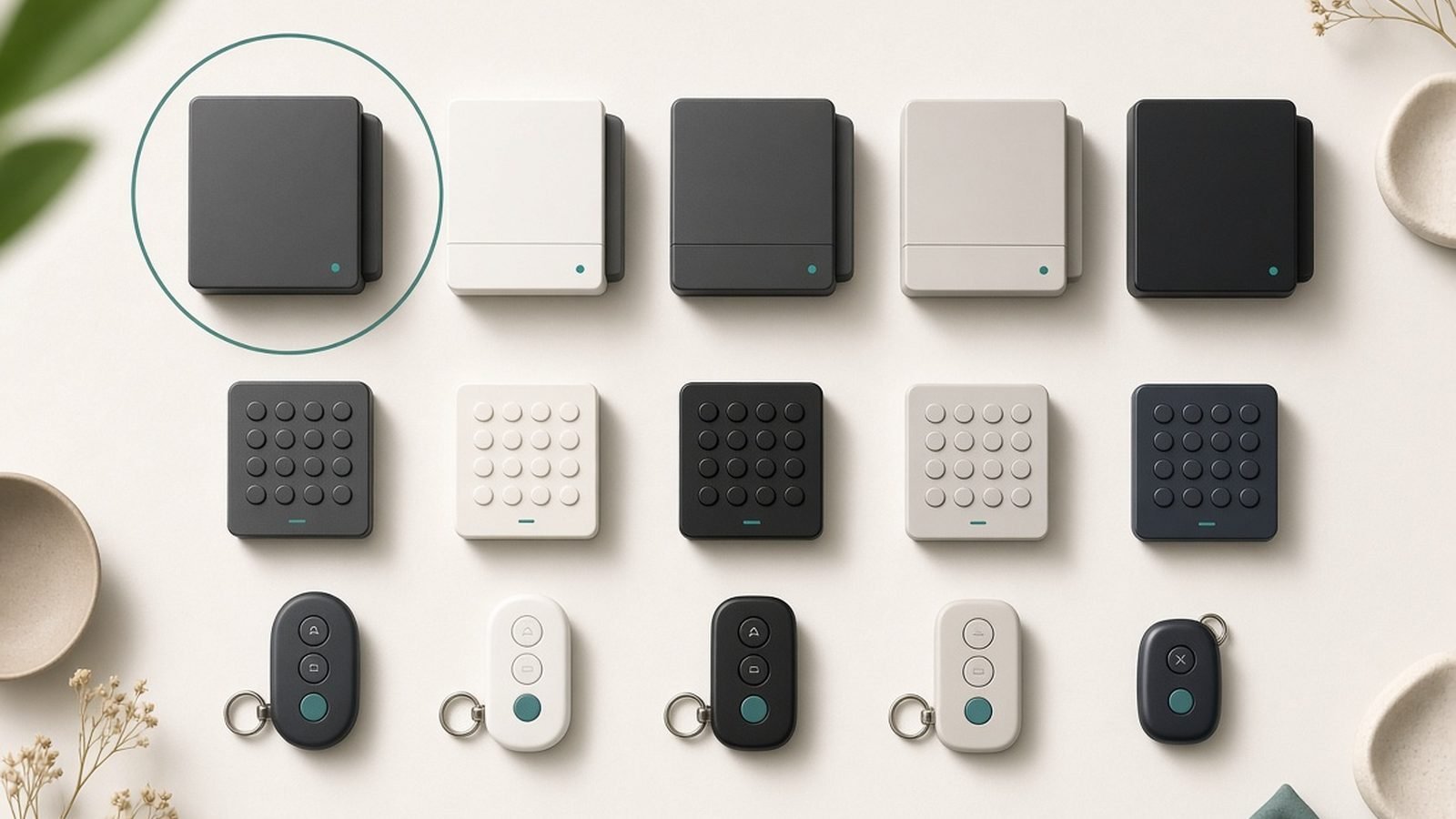
The best smart garage door opener 2026 buyers can get: myQ, Meross, Tailwind, Genie and Nexx compared for app control, HomeKit/Matter support and safety.
Robot vacuums, video doorbells, cameras, thermostats and lighting that work the way they should.
45 articles · updated 2026
The best smart garage door opener 2026 buyers can get: myQ, Meross, Tailwind, Genie and Nexx compared for app control, HomeKit/Matter support and safety.
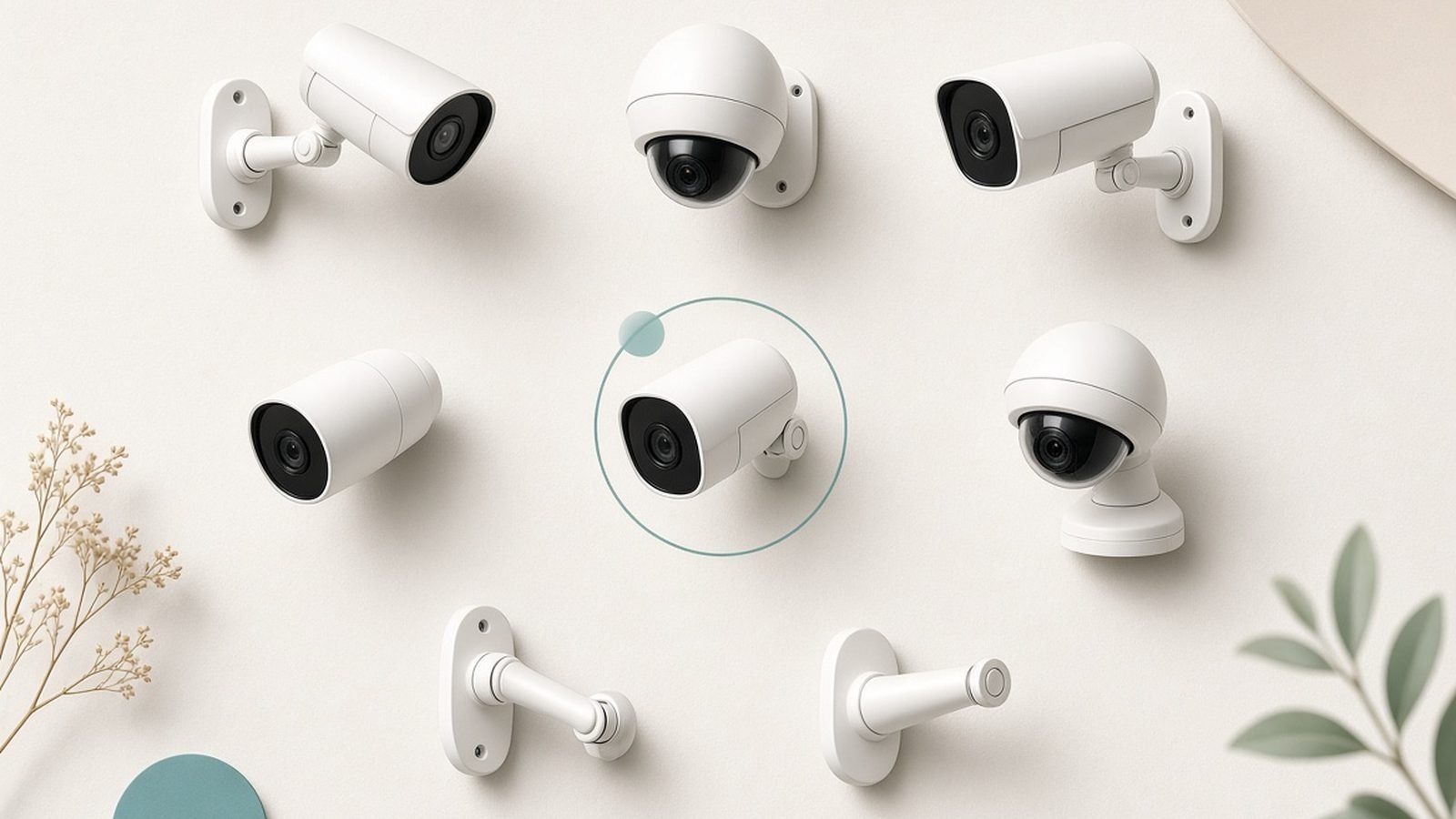
The best home security camera for every home in 2026 — Ring, Arlo, Eufy, Reolink, Nest and Aqara compared, with honest subscription vs local storage costs.
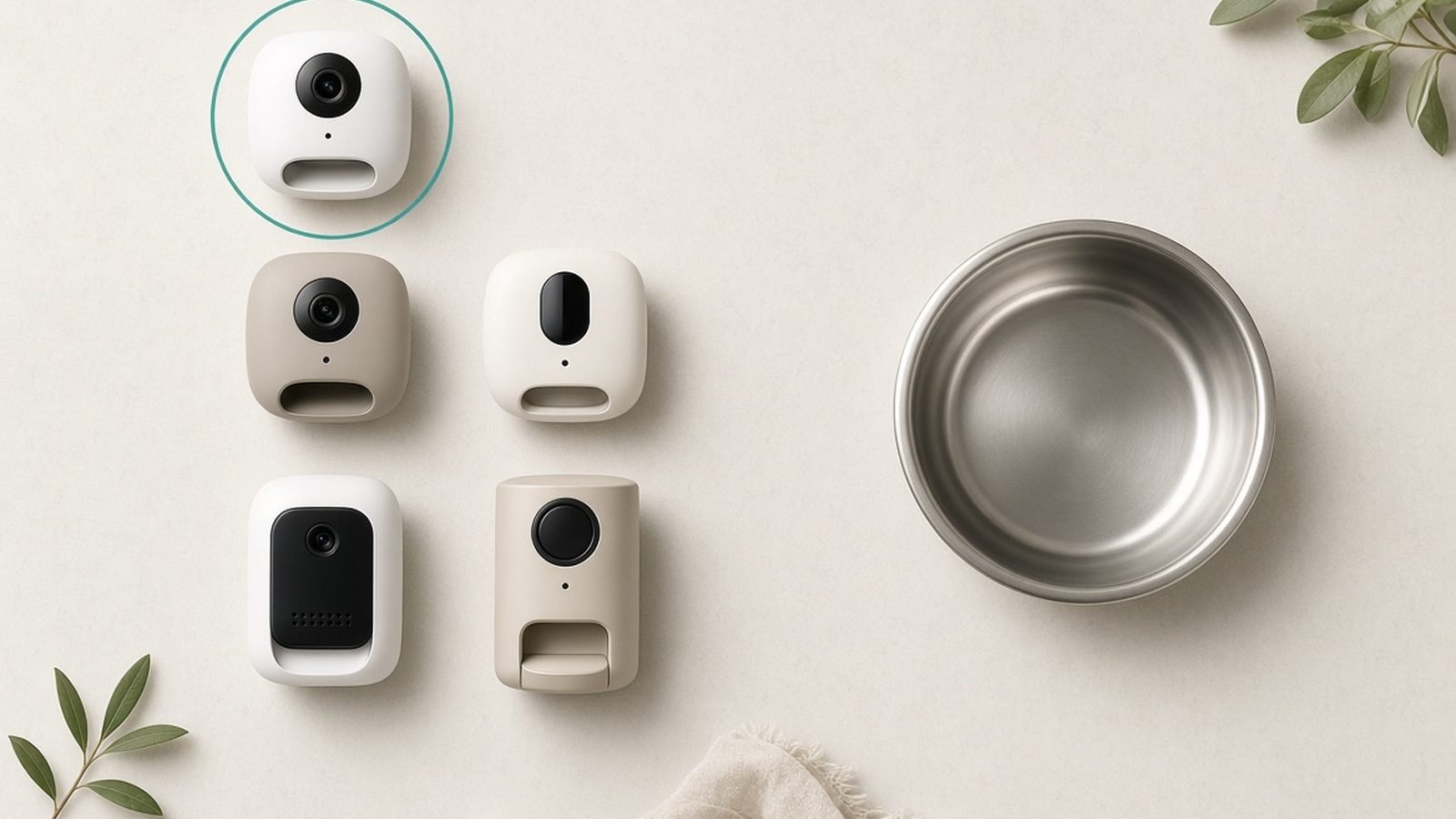
The best pet camera 2026 buyers can get: Furbo, Petcube, Eufy, Ring and Enabot compared for treat tossing, barking alerts, night vision and no-fee viewing.
A smart home should make your life quieter, not busier. This hub covers the entire smart home category — robot vacuums that actually finish the job, video doorbells and security cameras that alert you to the right things, smart lighting that responds instantly, and thermostats that pay for themselves. Whether you’re buying your first smart plug or untangling a Matter setup that won’t behave, everything we’ve published on smart home tech lives on this page.
Every recommendation here is built on structured research into real US and UK homes — not thin spec-sheet summaries. We compare robot vacuums using independent multi-week trial data on mixed flooring, check doorbell notification latency against independent reviewers’ measurements on both Wi-Fi bands, and weigh thermostat savings against field-trial data and owner-reported energy bills. When a product’s subscription terms change or a firmware update breaks something, we revisit the evidence and update our verdicts. If we can’t evidence it, we won’t tell you to install it in your home.
New to the category, or upgrading a system that’s grown messy? These three guides answer the questions we get asked most.
Best Robot Vacuum for Pet Hair in 2026: Which One Wins? — The one appliance most people say changed their daily routine, ranked by how well each model handles the messes real homes actually produce.
Best Video Doorbells With No Subscription (2026) — Missed deliveries and porch pirates meet their match; we sort out which doorbells alert you fast enough to matter.
What Is Matter? The Smart Home Standard Explained (2026) — The plain-English explanation of the standard that finally lets Alexa, Google and Apple devices work together — and where it still falls short.
Most smart home regret comes from buying devices one at a time without a plan. Before you add anything to your cart, work through these five decisions in order. Ten minutes here saves you from a drawer full of gadgets that don’t talk to each other.
Your voice assistant and controlling app are the foundation everything else sits on. Amazon Alexa offers the widest device compatibility and the cheapest entry points. Google Home has the best natural-language control and tightest Nest integration. Apple Home is the most private and polished, but supports fewer devices and effectively requires a HomePod or Apple TV as a hub. Since Matter arrived, switching costs have dropped — a Matter-certified plug or bulb works with all three — but cameras and robot vacuums still live mostly outside Matter, so your ecosystem choice still matters for the expensive stuff. Rule of thumb: choose the ecosystem that matches the phones already in your household, then prefer Matter-certified devices wherever they exist so you’re never locked in.
This is the single biggest hidden cost in smart home tech. A £80/$100 video doorbell can quietly become a £50/$50-per-year commitment once you discover that cloud recording, person detection or rich notifications sit behind a paywall. Ring and Nest lean hard on subscriptions; Eufy, TP-Link Tapo and Aqara offer local storage that works free forever. Neither approach is wrong — cloud plans add off-site backup and smarter alerts — but decide up front whether you’re a “pay monthly for convenience” or “pay once, own it” buyer, and filter every camera and doorbell purchase through that lens. Over five years, subscription costs routinely exceed the hardware price.
The majority of “faulty” smart home devices we’re asked about are actually victims of weak Wi-Fi. Most smart devices connect on the 2.4GHz band, which travels further but gets congested fast — a home with 30+ devices on a single ISP-supplied router will see dropouts no matter what brand you buy. Before investing serious money, check that your router handles your device count, consider a mesh system if your doorbell or garden camera sits at the edge of coverage, and note that Thread devices (many newer sensors, bulbs and plugs) form their own self-healing mesh network that bypasses Wi-Fi congestion entirely. A £150/$150 mesh upgrade often improves a smart home more than any single gadget.
Every smart home category has a budget, mid-range and premium tier, and the right tier depends on your home, not your enthusiasm. Robot vacuums: budget models suit small, hard-floored flats; you only need a self-emptying, mopping flagship if you have pets, carpet and a large floor plan. Security cameras: 2K resolution is the practical sweet spot — 4K sounds better but chews storage and bandwidth for detail you’ll rarely need. Thermostats: renters and UK homes with combi boilers need different hardware than US homes with HVAC; check compatibility (C-wire in the US, OpenTherm or relay support in the UK) before anything else. Lighting: smart bulbs are simplest, but smart switches are better value in rooms with four or more fittings.
Anything with a microphone or camera deserves scrutiny. Check where footage is stored (local vs. cloud), whether it’s end-to-end encrypted, and the manufacturer’s track record on security patches. Just as important: buy from brands with a history of long-term support. A smart device is only as good as its last firmware update, and several budget brands have bricked products by shutting down servers. Established names cost more partly because they’re likelier to still be updating your device in 2030.
Work through those five steps and the product pages below become easy — you’ll already know your ecosystem, your subscription stance, and your tier before you compare a single spec.
Our ranked, research-backed recommendations for every major smart home category, updated as new models launch.
Best Robot Vacuum for Pet Hair in 2026: Which One Wins? — Built on independent test data and aggregated owner reports covering pet hair, hard floors and thick carpet, these are the models that clean without babysitting.
Best Video Doorbells With No Subscription (2026) — From battery-powered renters’ picks to wired flagships, the doorbells that catch every visitor without drowning you in false alerts.
Best Home Security Cameras 2026: Indoor & Outdoor Picks — Indoor, outdoor, wired and wire-free — the cameras worth trusting with your home, including the best subscription-free options.
Best Smart Thermostats UK 2026: tado vs Hive vs Nest — The models that genuinely cut heating bills in US and UK homes, with compatibility guidance so you buy one that actually works with your system.
Best Smart Light Bulbs 2026: Philips Hue & Alternatives — Colour accuracy, response time and app quality compared side by side, so your lighting upgrade doesn’t end in flickering frustration.
Best Smart Plugs 2026: Cheapest Way Into Home Automation — The cheapest way into home automation, ranked by reliability, energy monitoring and how well each plays with Alexa, Google and Apple.
Deep-dive verdicts on individual products, built from deep research and long-term owner reports.
Roborock Saros 10 Review 2026: Is the Flagship Worth It? — Roborock’s flagship promises hands-off cleaning for months at a time; we dug into independent measurements and long-term owner reports to see whether the premium price buys genuine autonomy.
Eufy X10 Pro Omni Review 2026: Self-Emptying Value Pick — A self-emptying, mopping robot at hundreds less than the flagships — we found out exactly where the savings come from.
Ring Battery Doorbell Pro Review 2026: Worth the Subscription? — Ring’s best battery doorbell yet, but the subscription maths deserves as much attention as the video quality.
Nest Learning Thermostat (4th Gen) Review — 2026 Long-Term Test — Google’s redesigned thermostat learns your schedule so you don’t have to program one; field-trial data and owner-reported energy bills show whether the learning actually works.
Aqara Camera Hub G5 Pro Review 2026: Camera + Hub in One — A security camera and smart home hub in one device, with on-board AI detection and no mandatory subscription — almost too good to be true, so we checked.
Philips Hue Secure Camera Review 2026: Lights Meet Security — Hue’s move from lighting into security promises cameras and bulbs that react together; we weighed the specs, pricing and owner feedback to see whether the integration justifies the price.
When it comes down to two finalists, these matchups settle it.
Ring vs Nest Doorbell (2026): Which Should You Buy? — The two biggest doorbell names take very different approaches to alerts, storage and subscriptions; the right pick depends on which phone is in your pocket.
Arlo vs Ring 2026: Which Security Camera System Wins? — Both promise whole-home security, but their pricing models diverge sharply once you add a third camera.
Ecobee vs Nest 2026: Which Smart Thermostat Wins? — Remote room sensors versus learning algorithms: two different philosophies for solving the too-hot-upstairs problem.
Philips Hue vs Govee 2026: Which Smart Lights Are Better? — Premium reliability against aggressive value: we compared both lighting ecosystems point for point — specs, owner feedback and independent measurements — to find where the price gap is justified.
Setup walkthroughs and troubleshooting for the problems that actually happen.
How to Set Up Matter Devices (Without the Headache) — Matter promises one-tap setup, but QR codes, controllers and Thread border routers can still trip you up; here’s the sequence that works first time.
How to Fix Robot Vacuum Mapping Problems (2026 Guide) — When your robot forgets rooms, splits maps or cleans in circles, these fixes solve it without a factory reset.
How to Install a Video Doorbell Without Drilling (Renters) — Renters can have a video doorbell too: mounting methods your landlord (and your deposit) will survive.
How to Stop Security Camera False Alerts (2026 Fixes) — Cut notification noise from headlights, pets and passing traffic by tuning zones, sensitivity and AI detection properly.
Smart Home Wi-Fi Optimization: Stop Devices Dropping Off — Thirty devices on one router is where most smart homes fall over; here’s how to build a network that keeps up.
The background knowledge that makes you a smarter buyer.
What Is Matter? The Smart Home Standard Explained (2026) — The two standards reshaping the smart home, explained without jargon — including what they fix and what they still can’t do.
Local vs Cloud Camera Storage: Which Is Better? — Where your security footage lives affects your privacy, your monthly costs and what happens when the internet goes down.
Do Smart Plugs Save Money? The Real Answer — We analysed independent measurements of real standby power draw across a typical home to find out whether smart plugs pay for themselves — the answer depends on what you plug in.
Zigbee vs Z-Wave Explained (2026): Which Should You Choose? — The veteran wireless protocols still running millions of homes, and when choosing one still makes sense in a Matter world.
The 2026–2027 smart home is being reshaped by two forces: on-device AI and the maturing Matter standard. Cameras and doorbells are moving intelligence from the cloud to the device itself — expect person, package and pet detection to run locally as standard, which means faster alerts, better privacy and less pressure to subscribe. Robot vacuums are heading the same direction, with vision models that identify and avoid specific objects (cables, pet accidents, toys) becoming table stakes rather than flagship features.
Matter 1.4 and beyond finally bring cameras and more appliance types into the standard, which should loosen ecosystem lock-in for the most expensive devices in the category. Thread adoption is accelerating too, as border routers quietly ship inside smart speakers, TVs and Wi-Fi routers people already own.
Energy is the sleeper trend. With electricity prices volatile in both the US and UK, expect thermostats, plugs and EV chargers to coordinate around time-of-use tariffs automatically — your home shifting consumption to cheap hours without you thinking about it. The smart home is finally becoming what it always promised: invisible.
Which smart home ecosystem should I choose — Alexa, Google Home or Apple Home? Match it to the phones in your household. Apple Home is best for iPhone-only homes that value privacy; Google Home suits Android users and Nest owners; Alexa is the most flexible and budget-friendly. Prefer Matter-certified devices wherever possible so you can switch later without replacing hardware.
Do I need a smart home hub? Increasingly, no — most Wi-Fi devices connect directly to your router. You’ll want a hub (or a speaker/TV with one built in) if you’re using Thread, Zigbee or Z-Wave devices, which are more reliable at scale. Apple Home also requires a HomePod or Apple TV for remote access and automations.
Are smart home subscriptions worth paying for? Sometimes. Cloud video plans add off-site backup and smarter alerts, which genuinely matter for security-critical cameras. But if you resent recurring fees, brands like Eufy, Aqara and TP-Link Tapo offer local storage with no monthly cost — you just accept that stolen or damaged hardware takes its footage with it.
What’s the best first smart home device to buy? A smart plug or smart bulb for low-cost experimentation, or a video doorbell if you want the biggest day-one impact. Doorbells consistently top owner surveys as the device people would rebuy first — followed closely by robot vacuums, which do the most work per pound or dollar spent.
Zen Tech Hub may earn a commission from links on this page, at no extra cost to you.
The best smart garage door opener 2026 buyers can get: myQ, Meross, Tailwind, Genie and Nexx compared for app control, HomeKit/Matter support and safety.
The best home security camera for every home in 2026 — Ring, Arlo, Eufy, Reolink, Nest and Aqara compared, with honest subscription vs local storage costs.
The best pet camera 2026 buyers can get: Furbo, Petcube, Eufy, Ring and Enabot compared for treat tossing, barking alerts, night vision and no-fee viewing.
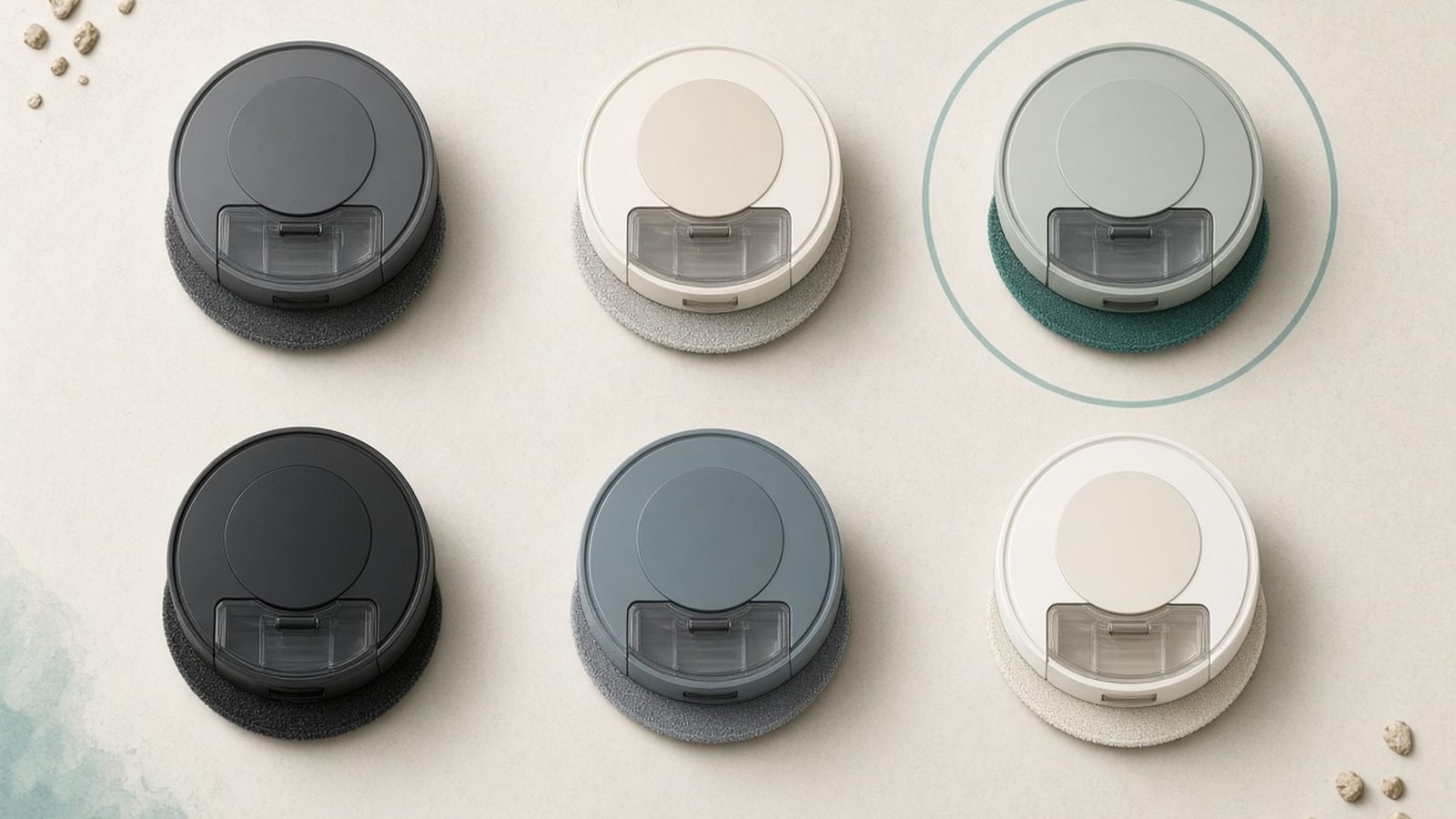
The best robot mop 2026 buyers can get: Roborock, Dreame, Narwal, Eufy and iRobot compared for scrubbing power, self-cleaning docks and edge coverage.
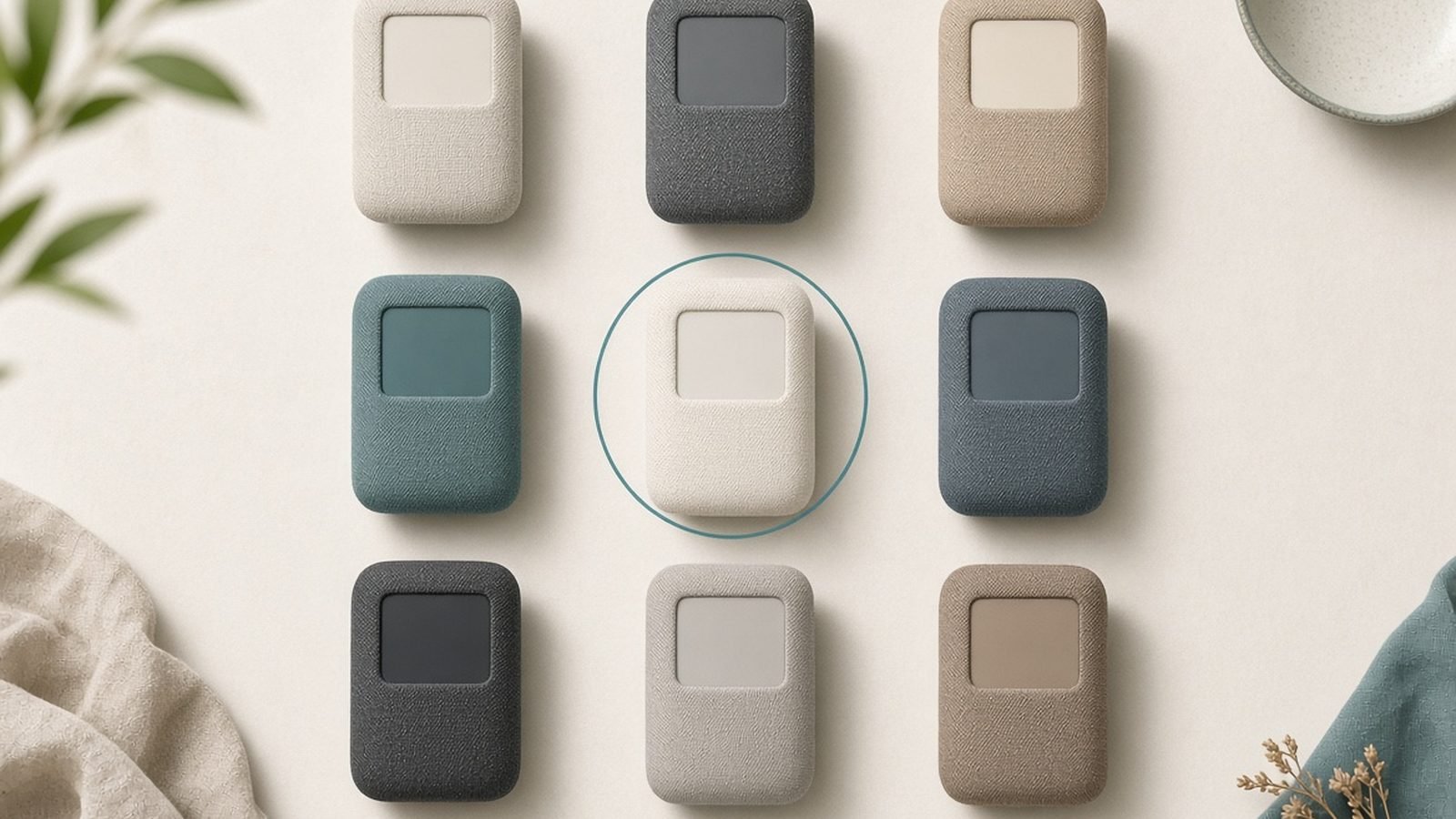
The best smart display 2026 buyers can get: Echo Show 8, Nest Hub, Echo Show 10, Nest Hub Max and Echo Hub compared for size, calls and smart home control.
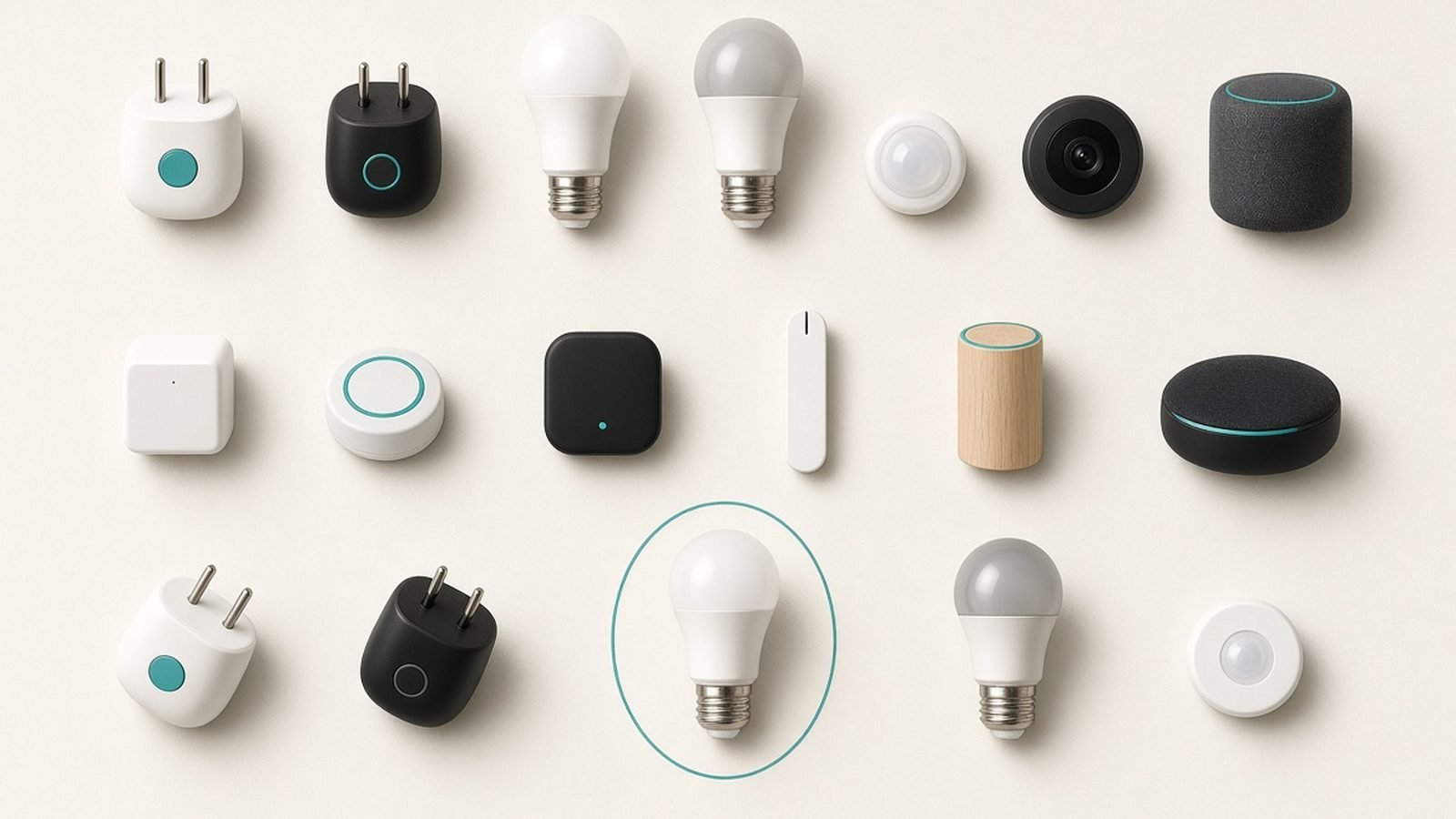
The best smart home devices to start with in 2026 — smart speaker, plug, bulb, camera, doorbell, lock and thermostat picks, with an honest first-buy plan.
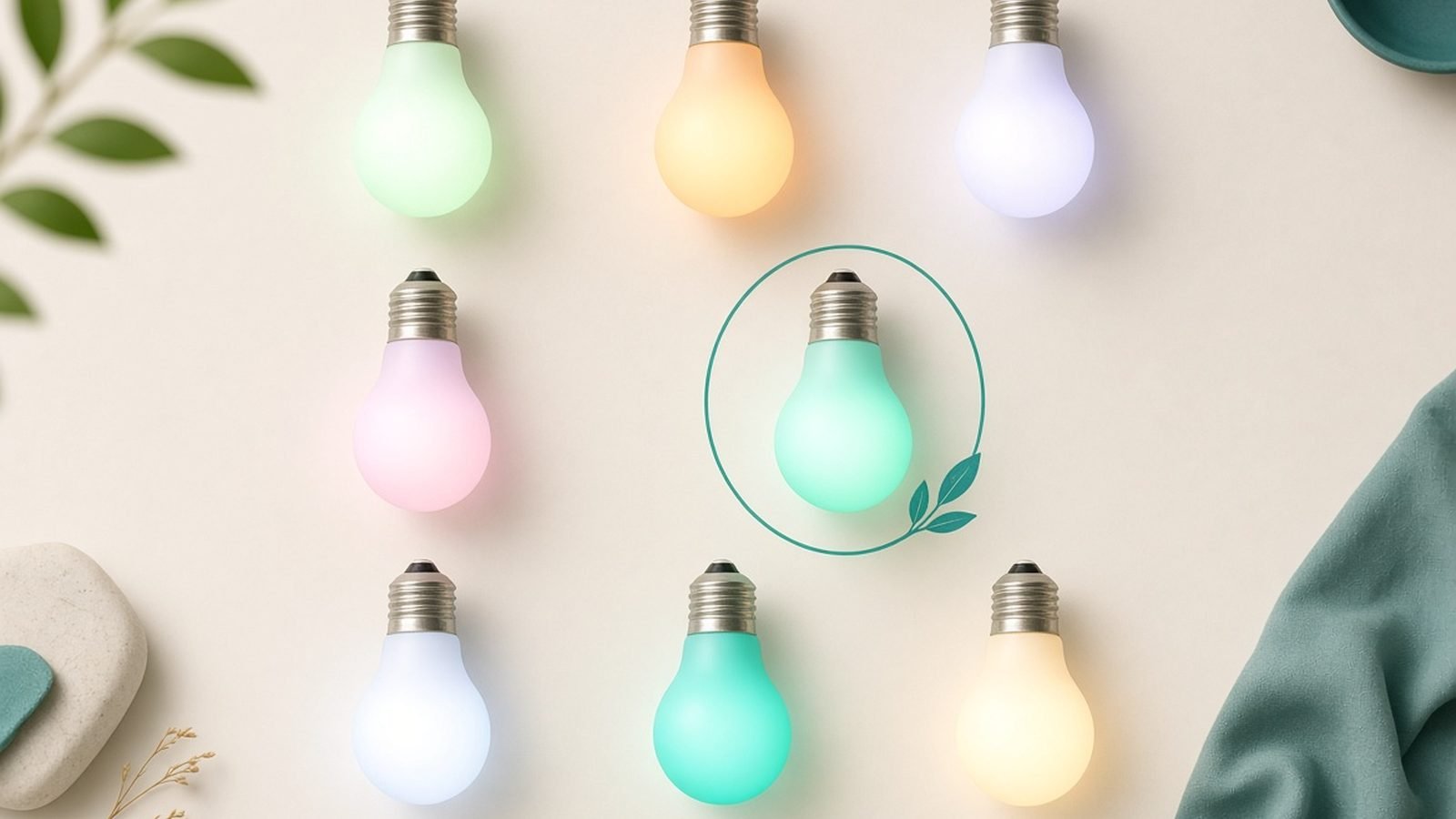
The best smart light bulbs in 2026 — Philips Hue, Govee, Nanoleaf, Tapo and Wiz compared on Matter support, color quality, and whether you need a hub.
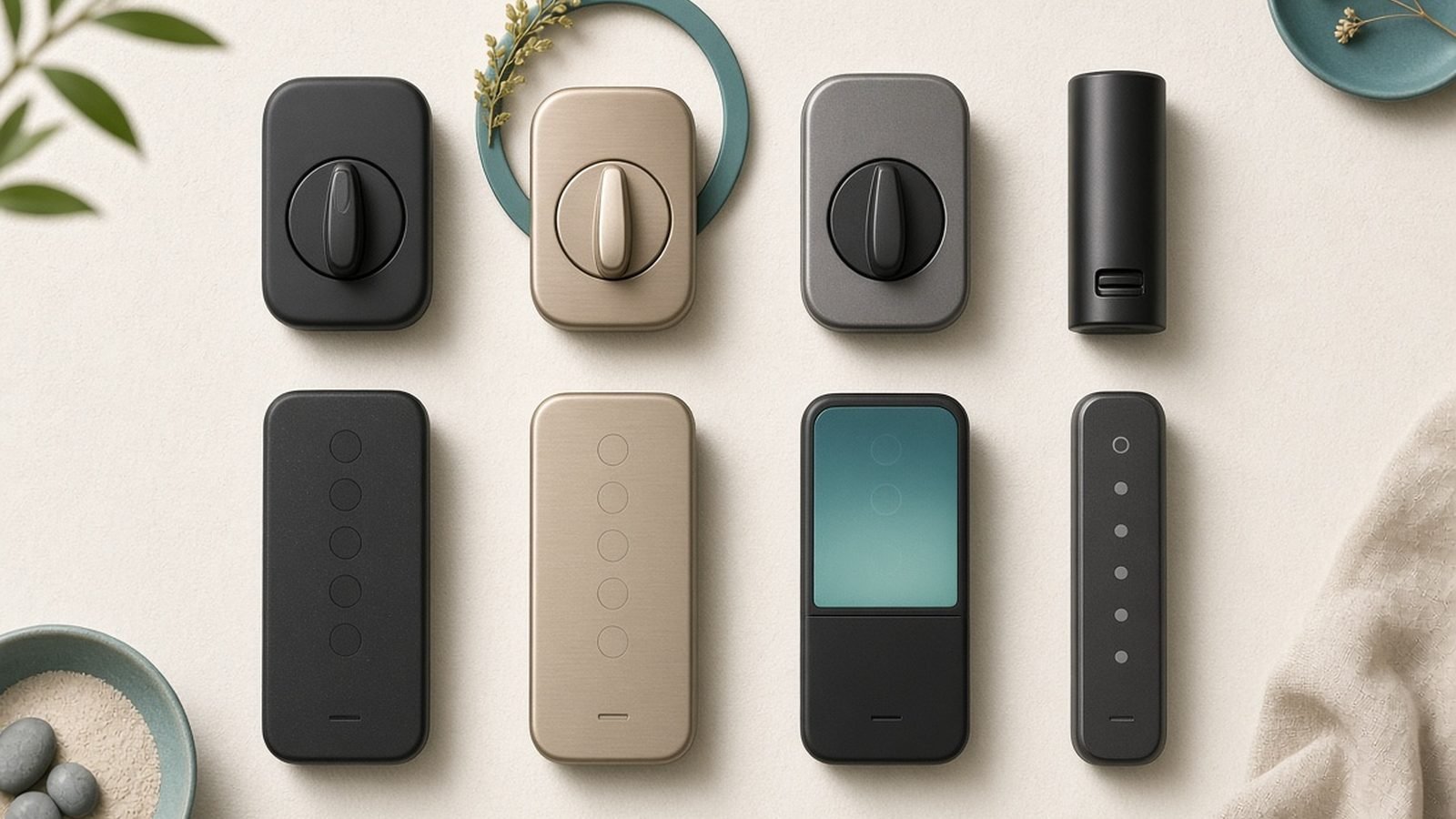
The best smart lock 2026 buyers can trust: August, Yale, Schlage, Aqara and SwitchBot compared for keyless entry, Matter support and US/UK door fit.
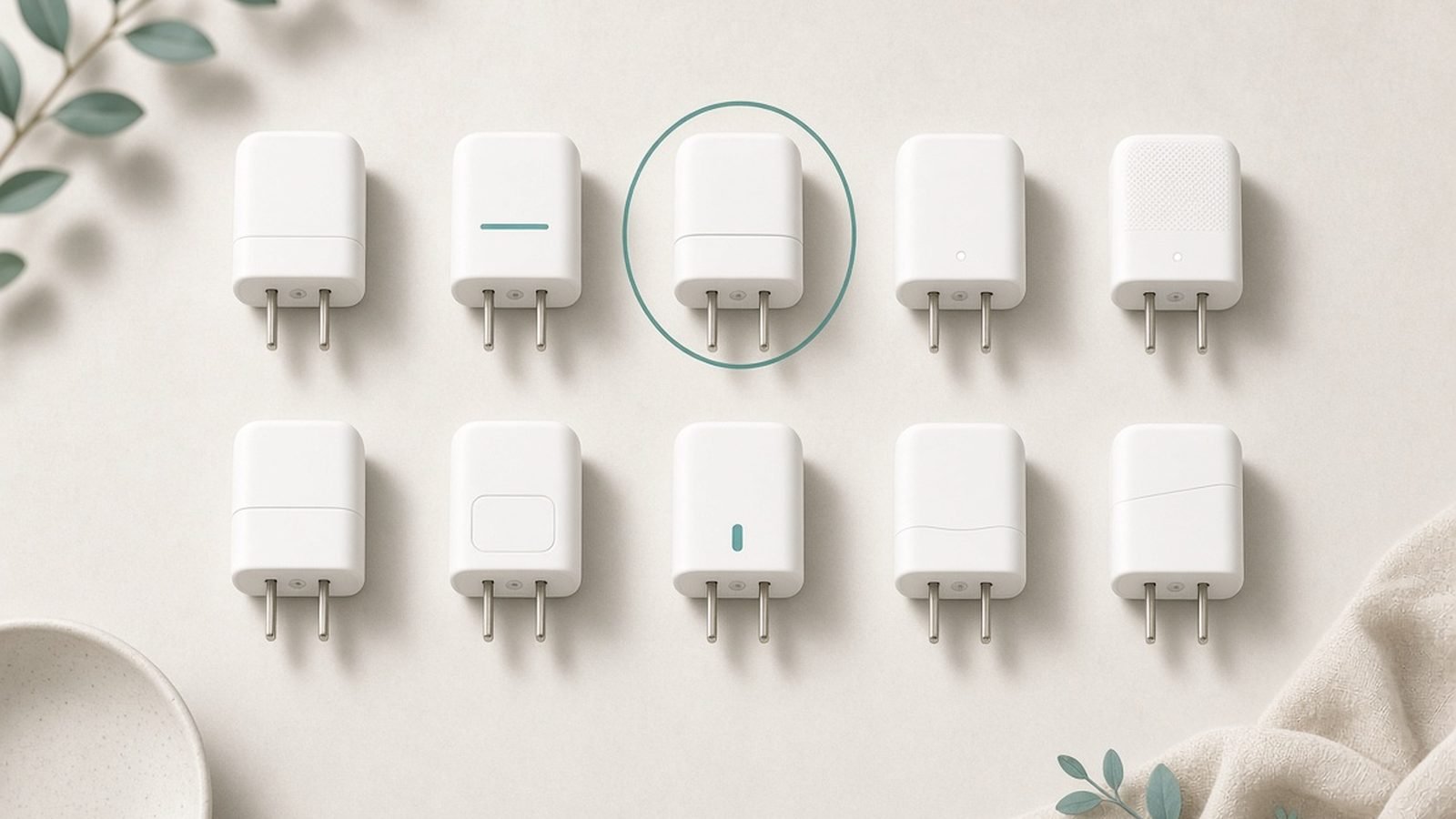
The best smart plugs in 2026 — Kasa, Tapo, Amazon, Meross and Matter picks compared on energy monitoring, size, and whether you need a hub.

The best air purifier under $100 for 2026, ranked by 3-year running cost. Real CADR maths, filter prices, and the models that actually clean a room.
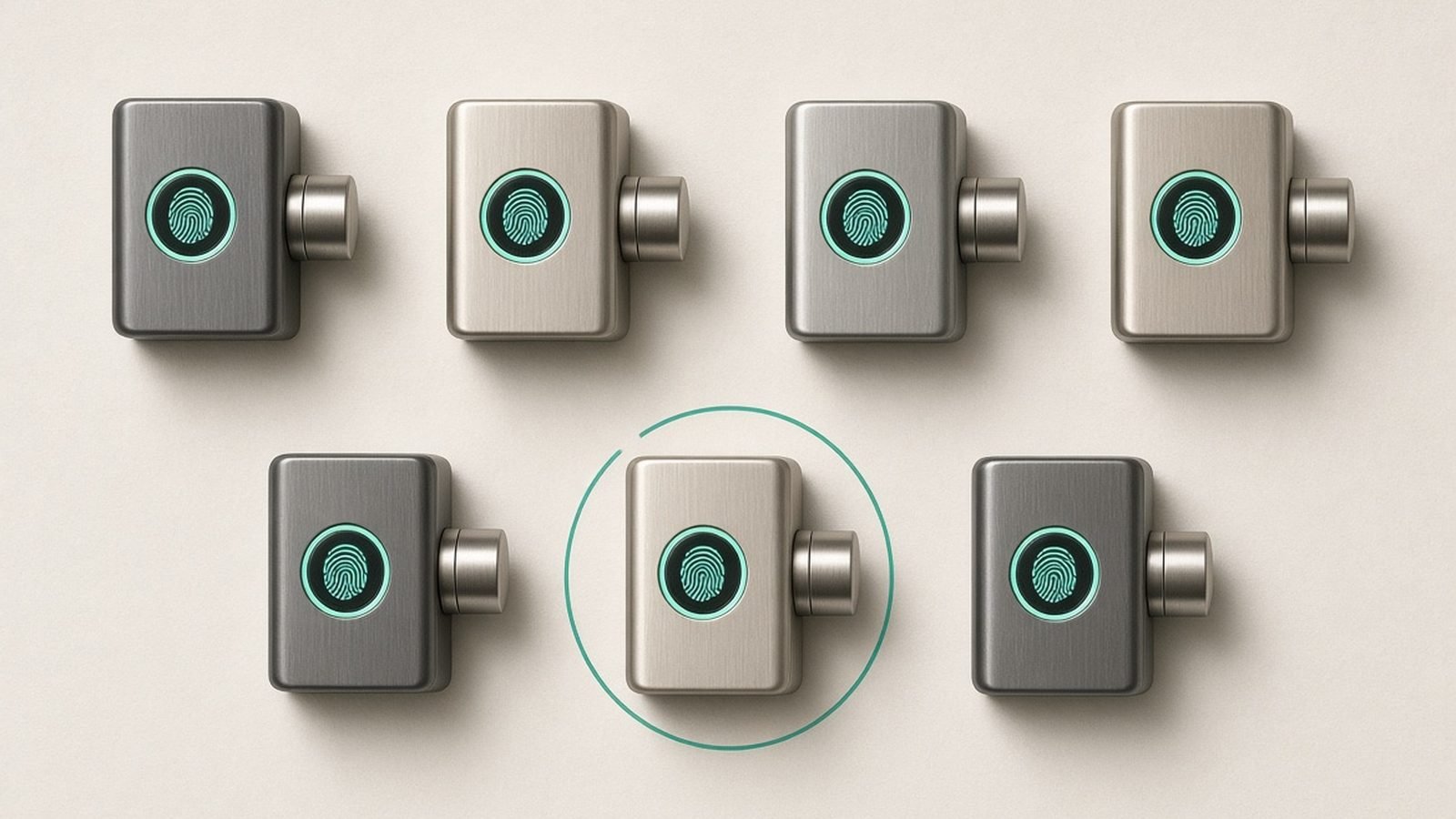
The best fingerprint smart lock for 2026, ranked: Aqara U100, Yale Assure Lock 2 Touch, Ultraloq Bolt and more, for both US and UK doors.
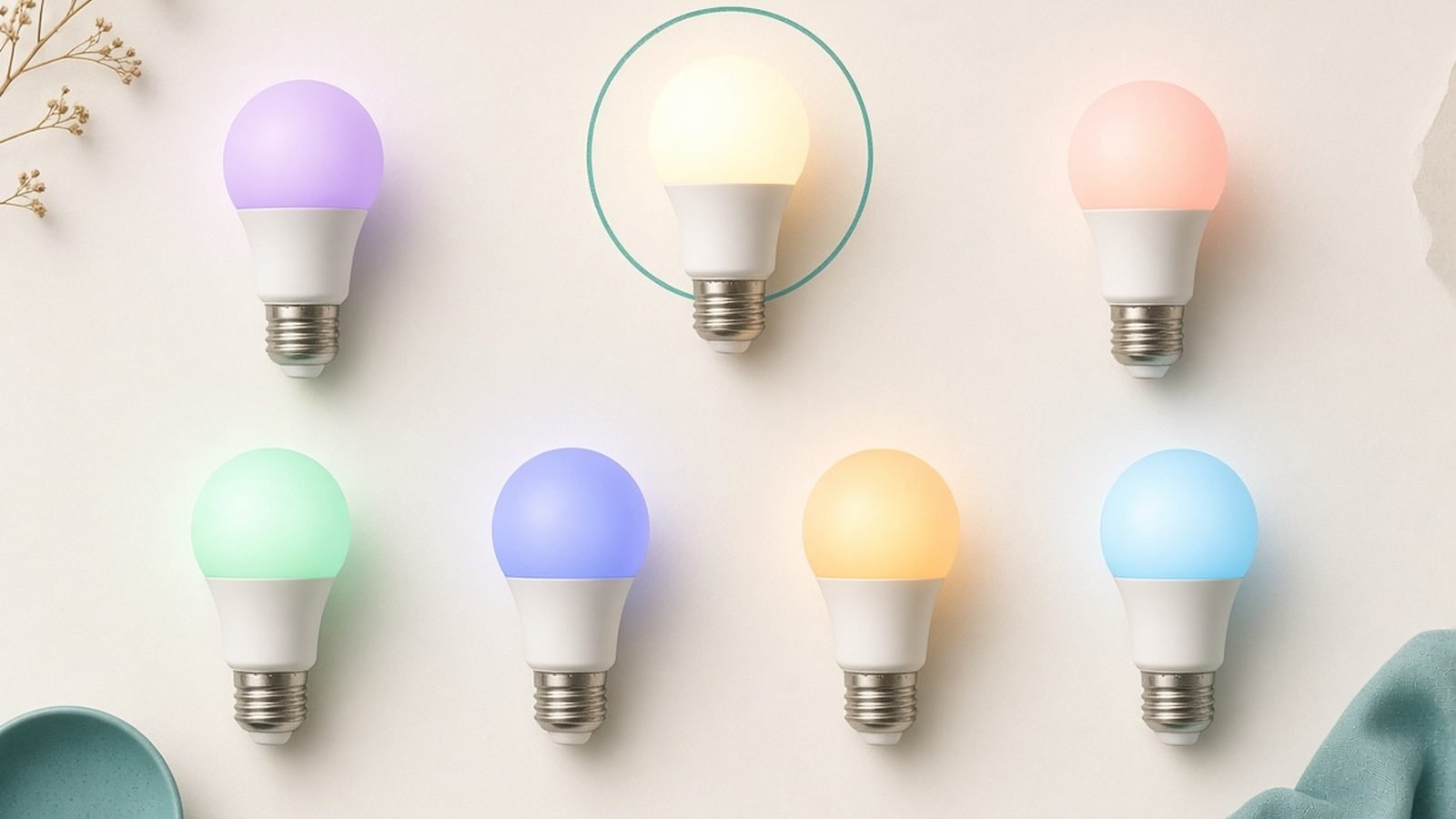
The best Philips Hue alternatives in 2026 — Govee, Nanoleaf, WiZ and LIFX compared on price, colour quality and Matter support.
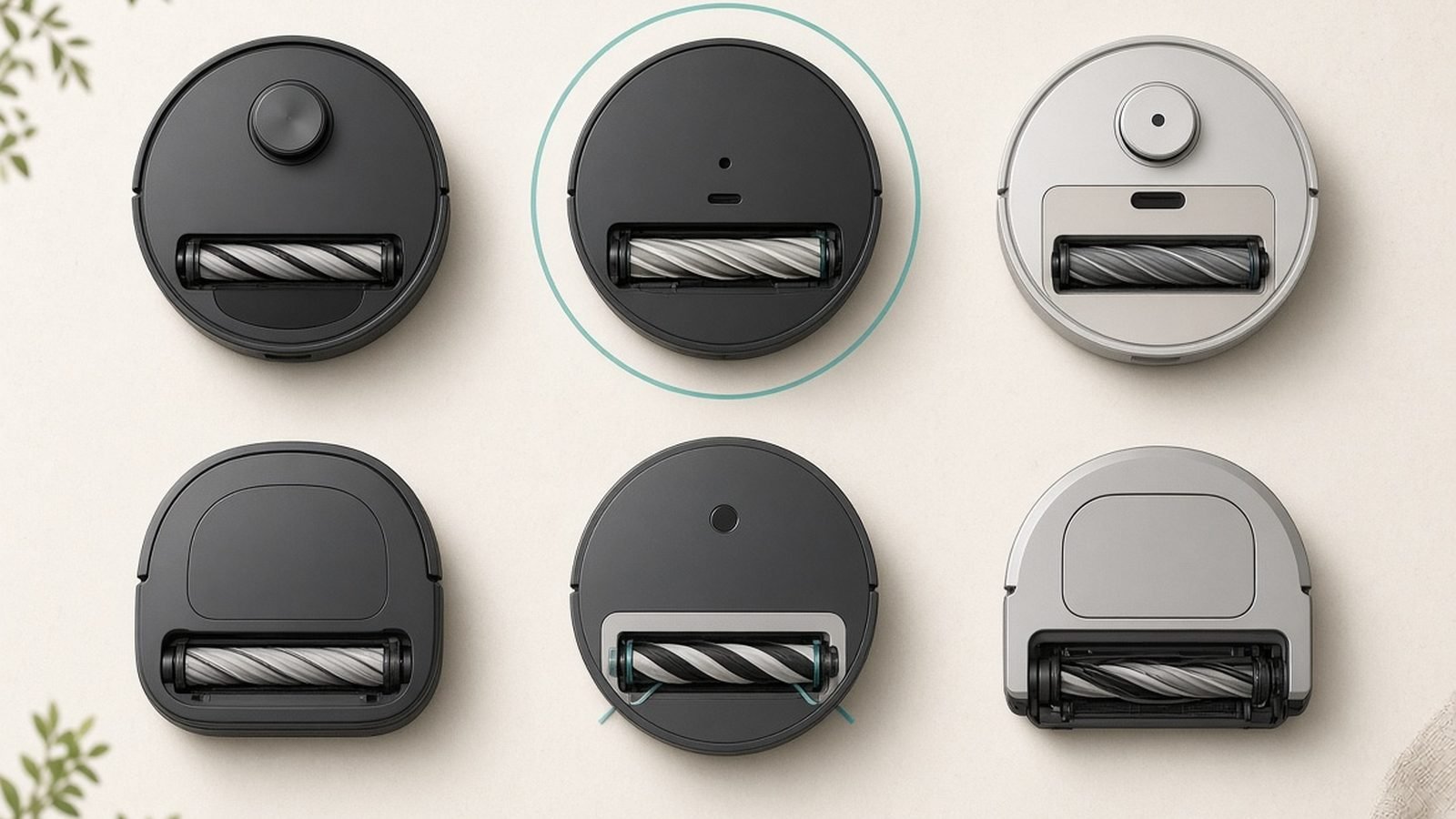
The best robot vacuum for pet hair in 2026, ranked by anti-tangle brush design, carpet deep-cleaning and dog-poop avoidance — from budget to premium.
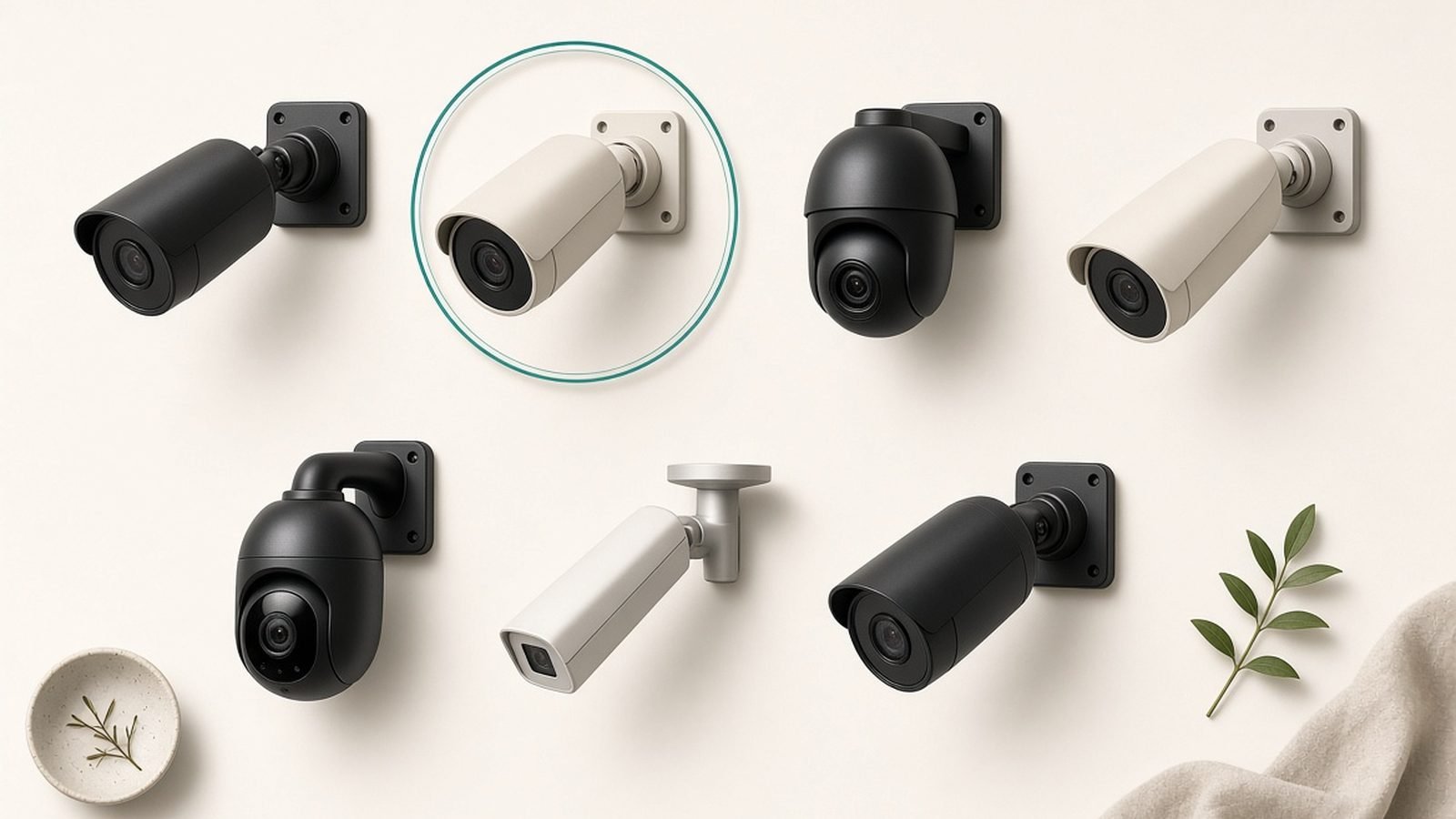
The best security camera without subscription fees in 2026: EufyCam 3, Reolink Argus 4 Pro, Tapo C425 and more, with true 5-year cost breakdowns.
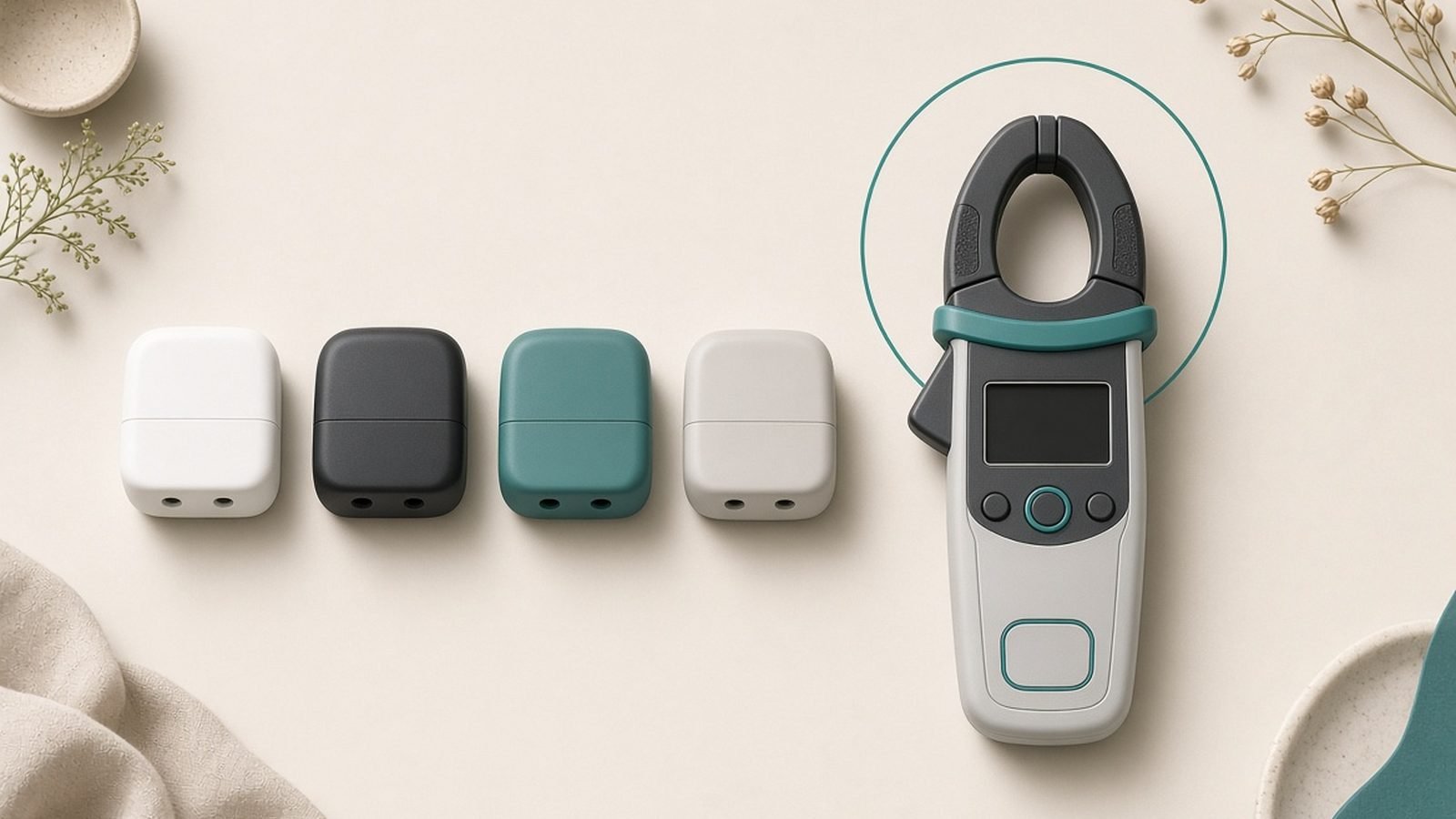
The best smart plug with energy monitoring for US and UK homes in 2026: Kasa EP25, Tapo P110, Matter picks, accuracy notes and safety limits.
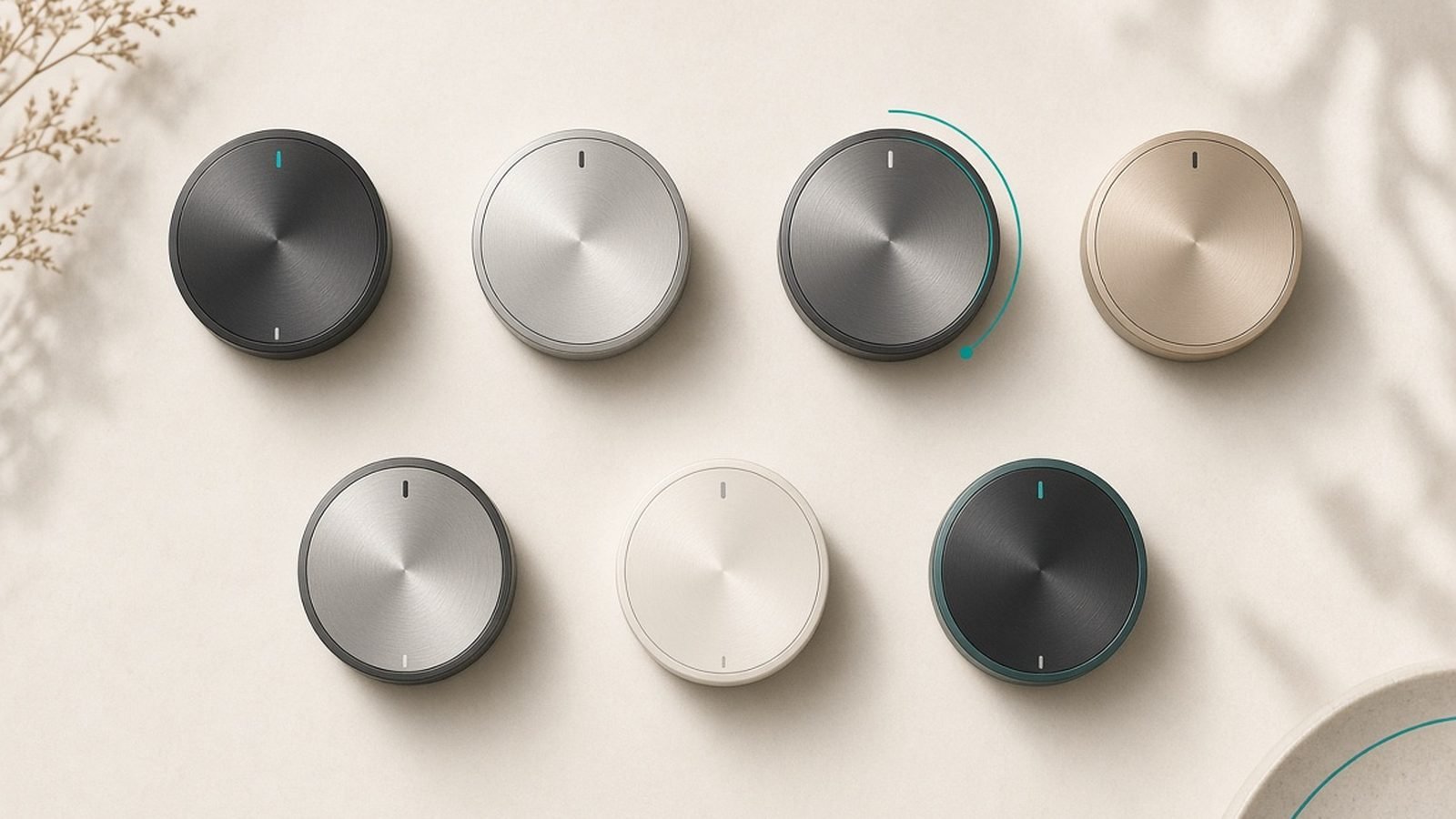
The best smart thermostat UK buyers can get in 2026: tado, Hive, Nest, Drayton Wiser and Honeywell compared for combi boilers, savings and setup.
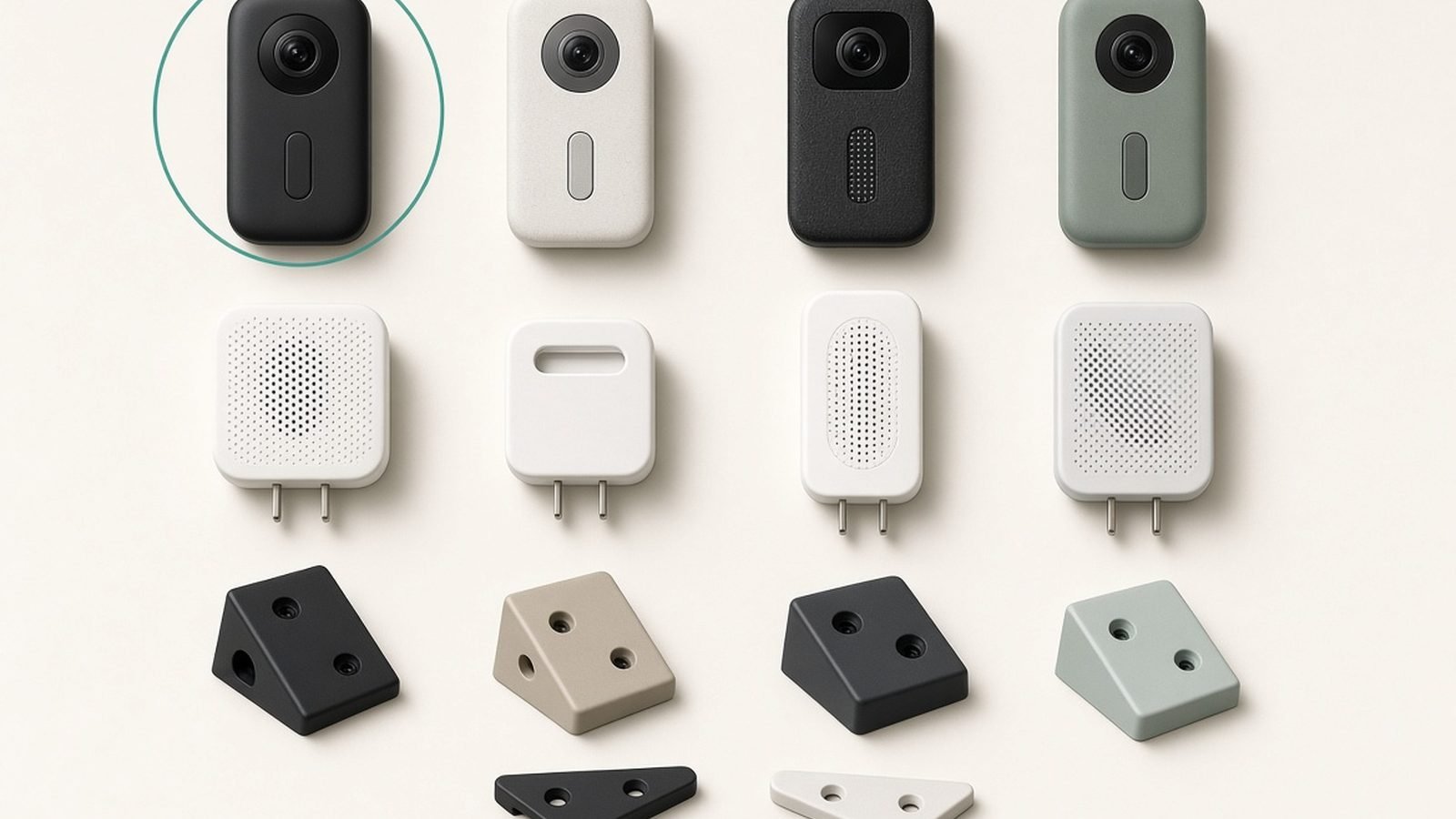
The best video doorbell without subscription fees in 2026: four fee-free picks with local storage, verified specs, and US/UK prices.
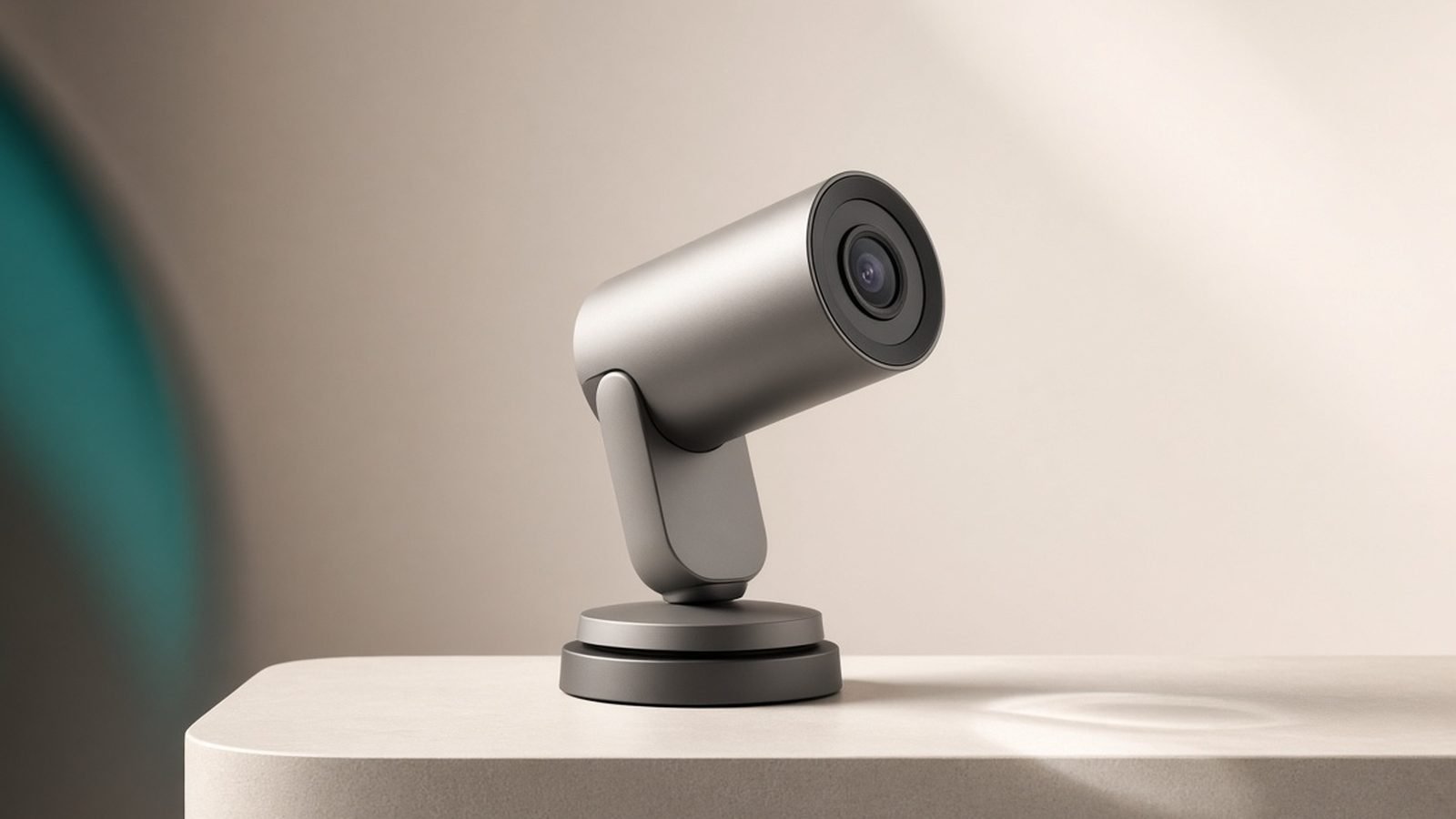
Our Aqara Camera Hub G5 Pro review: local AI person detection, no mandatory subscription, HomeKit Secure Video and a Zigbee hub in one weatherproof camera.
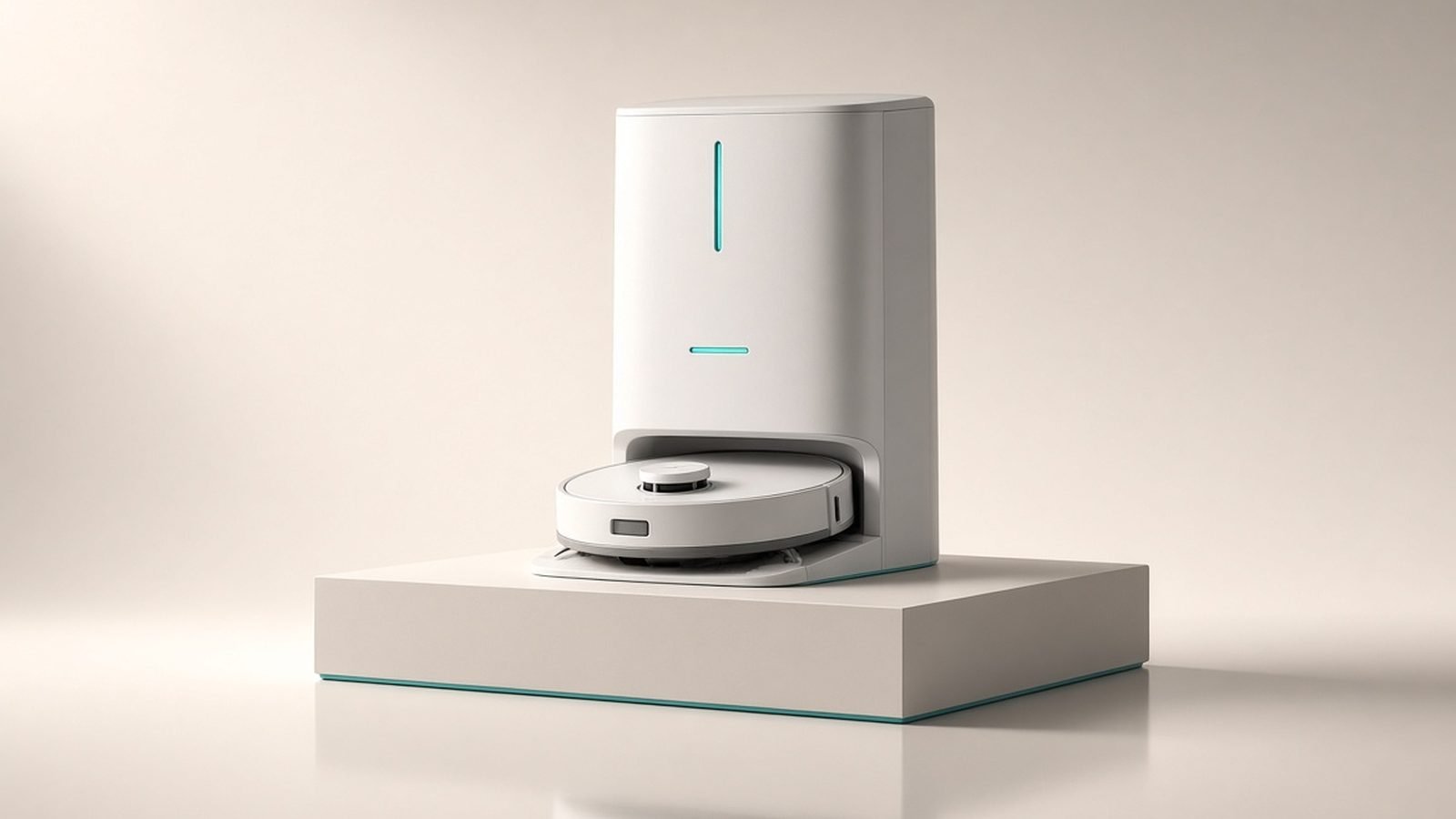
Our Eufy X10 Pro Omni review for 2026: dual spinning mops, a full self-wash dock and LiDAR navigation for around $549 / £549. The best-value all-in-one robot vacuum?
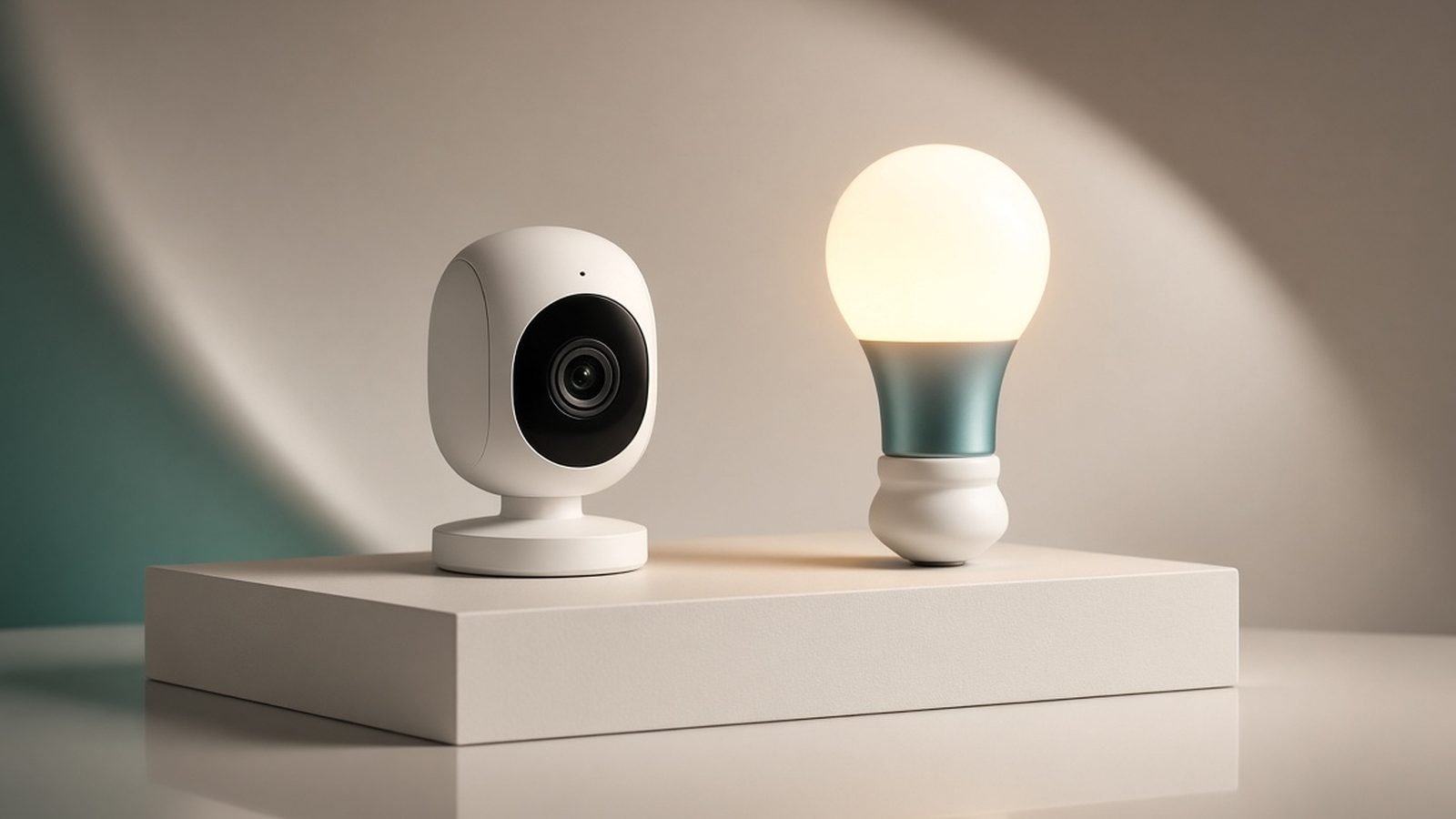
Our Philips Hue Secure camera review: sharp 1080p video, AI alerts and light-based deterrence that turns your Hue bulbs into an alarm — but the subscription stings.
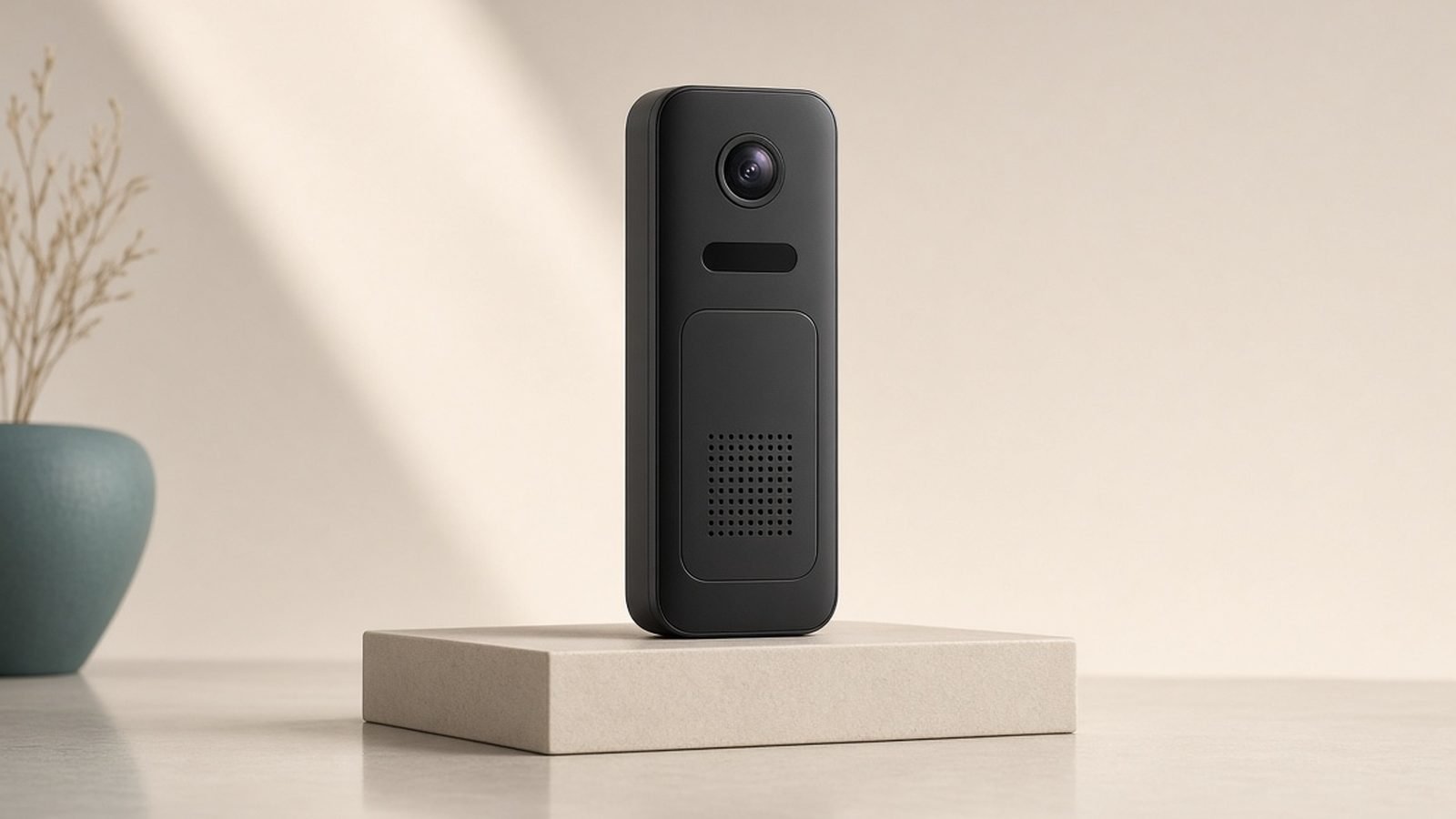
Our Ring Battery Doorbell Pro review: 4K-class detail, radar 3D motion detection and color night vision — but is it worth the mandatory Ring Home subscription?
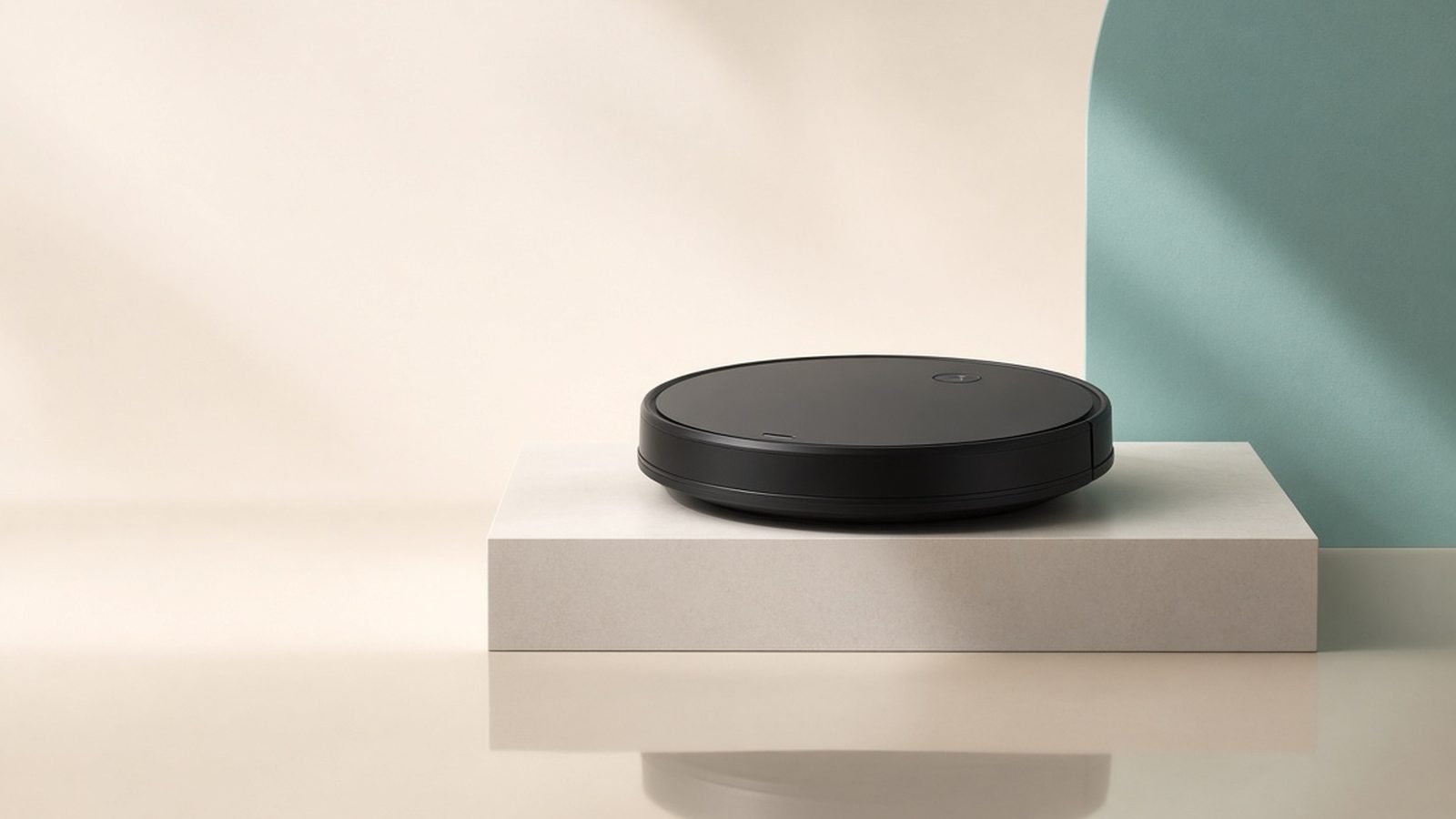
Our Roborock Saros 10 review for 2026: 22,000Pa suction, a retractable LiDAR turret and VibraRise mopping. Is this flagship robot vacuum worth around $1,199 / £999?
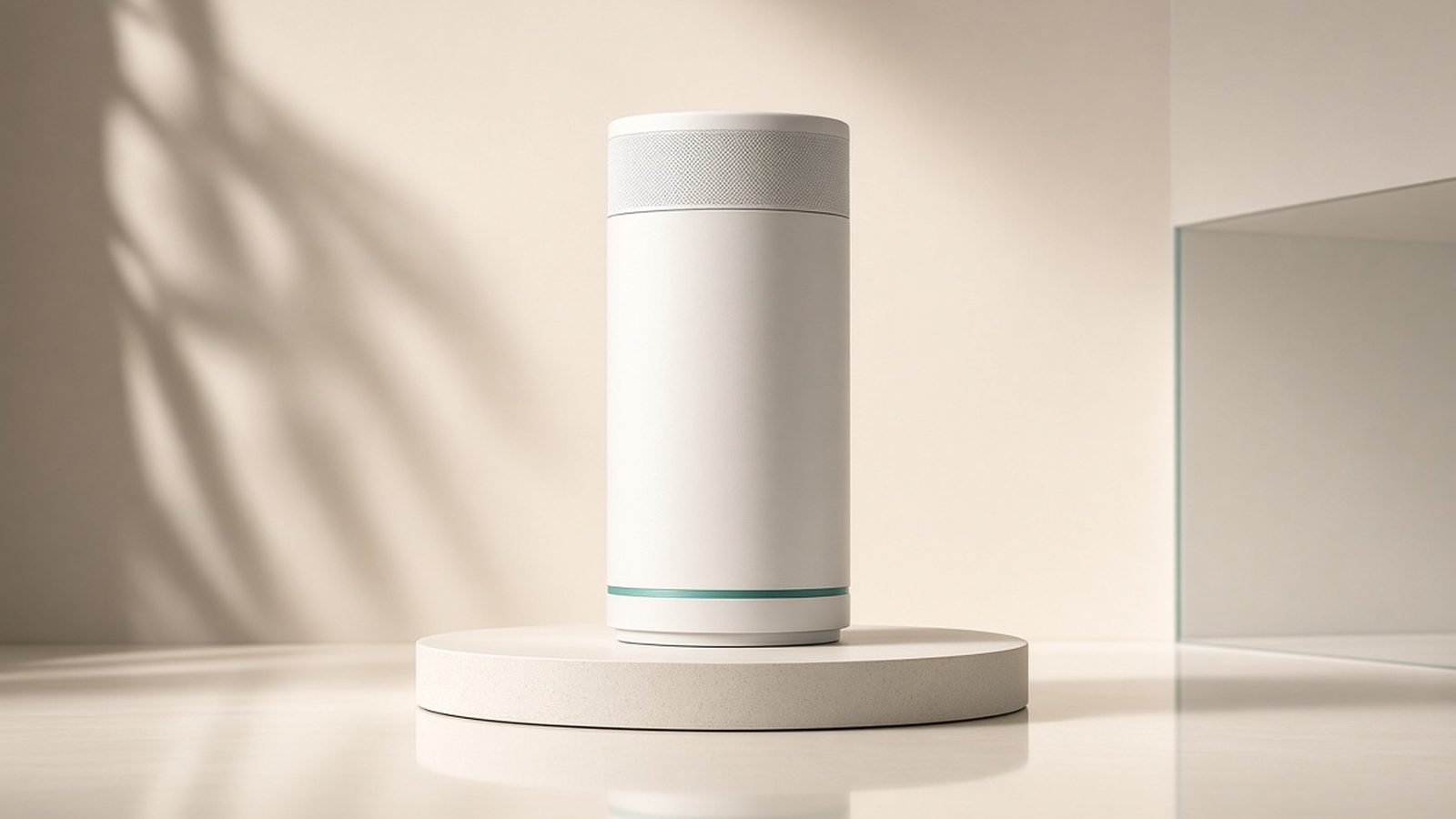
Our Levoit Core 400S review covers real CADR data, noise levels, filter costs over 3 years, and how the new 400S-P compares to the 300S and Blueair.

Our Nest Learning Thermostat 4th Gen review: real-world savings, C-wire and Heat Link installs, Matter support, and how it compares to ecobee and tado°.
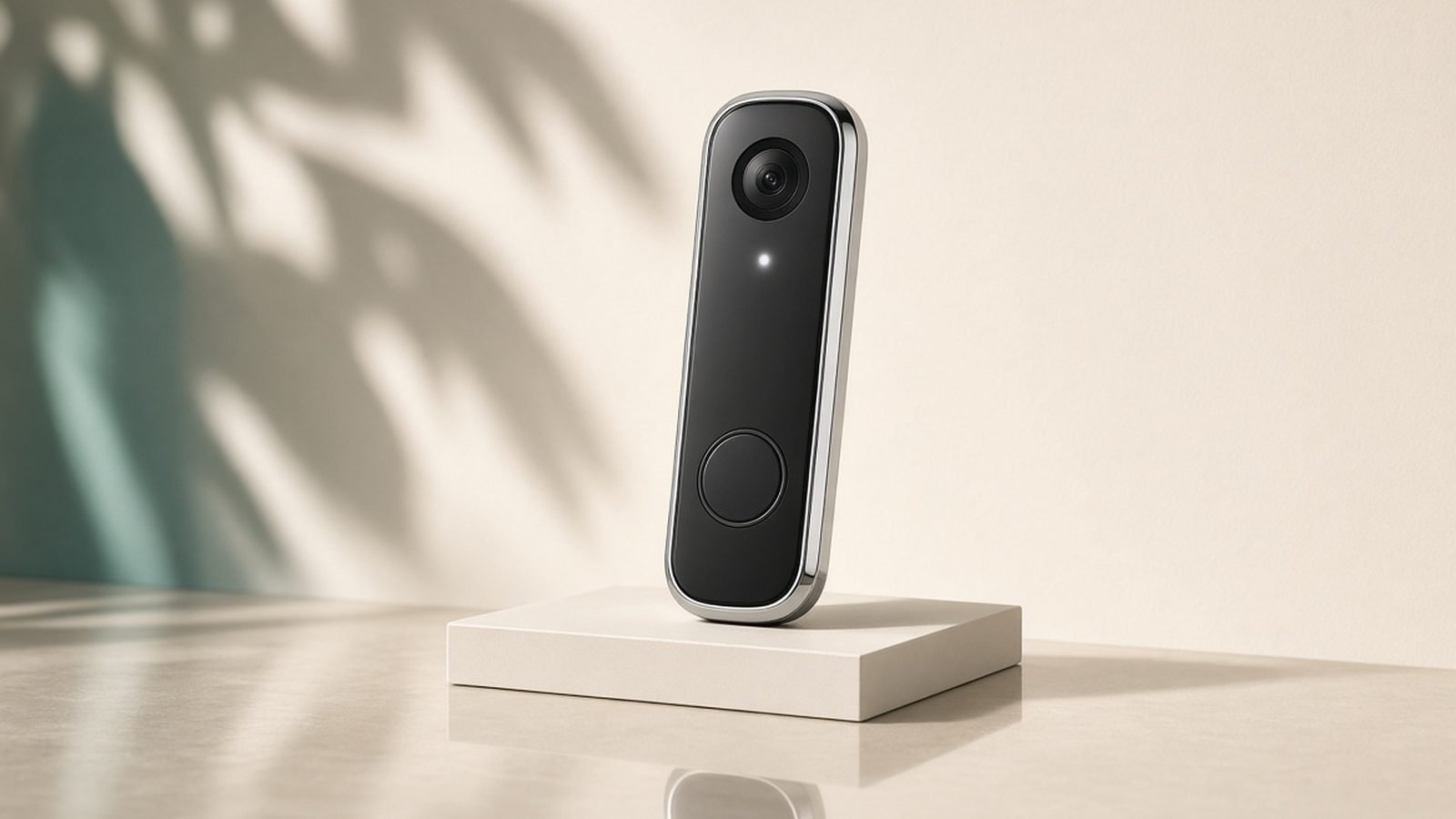
Our Ring Wired Doorbell Pro review: Retinal 4K weighed against 2K rivals, real UK install advice, and the subscription maths Ring won't show you.
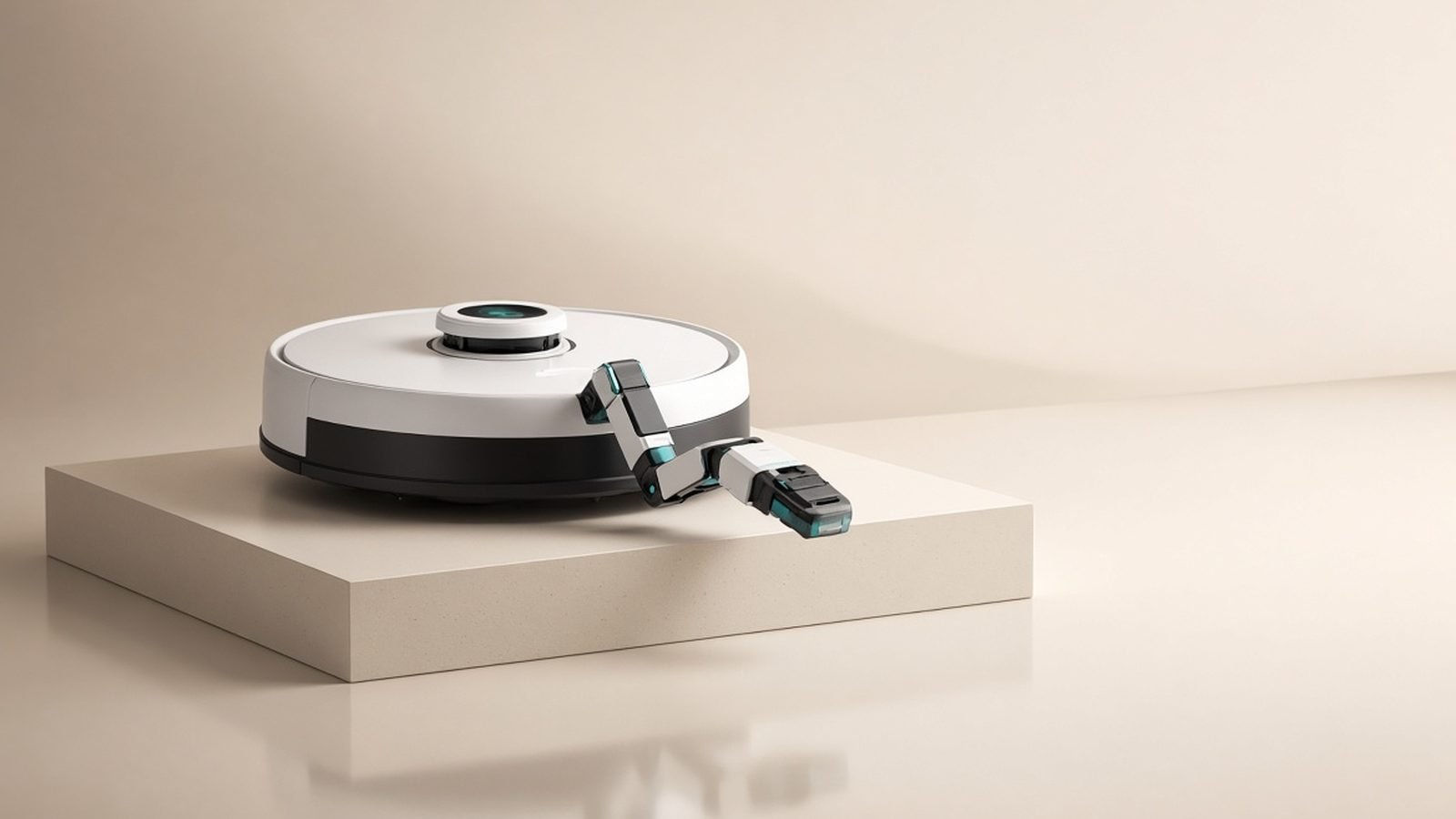
Our Roborock Saros Z70 review: the robot arm vacuum has crashed from $2,599 to around $1,099. Is the OmniGrip arm finally worth buying in 2026?
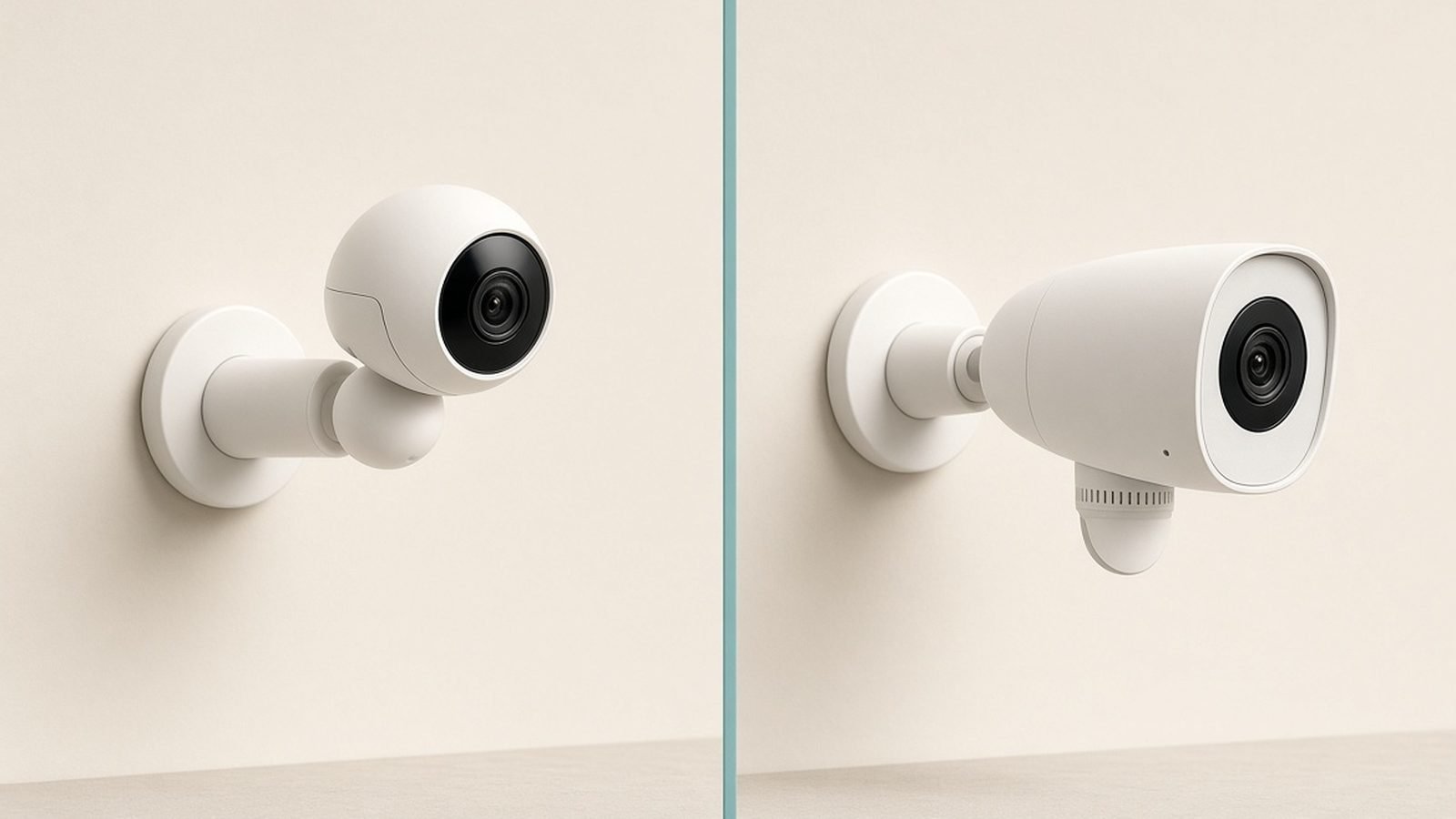
Arlo vs Ring in 2026: video quality, AI alerts, subscription costs and US/UK pricing compared, so you pick the right security camera system for your home.
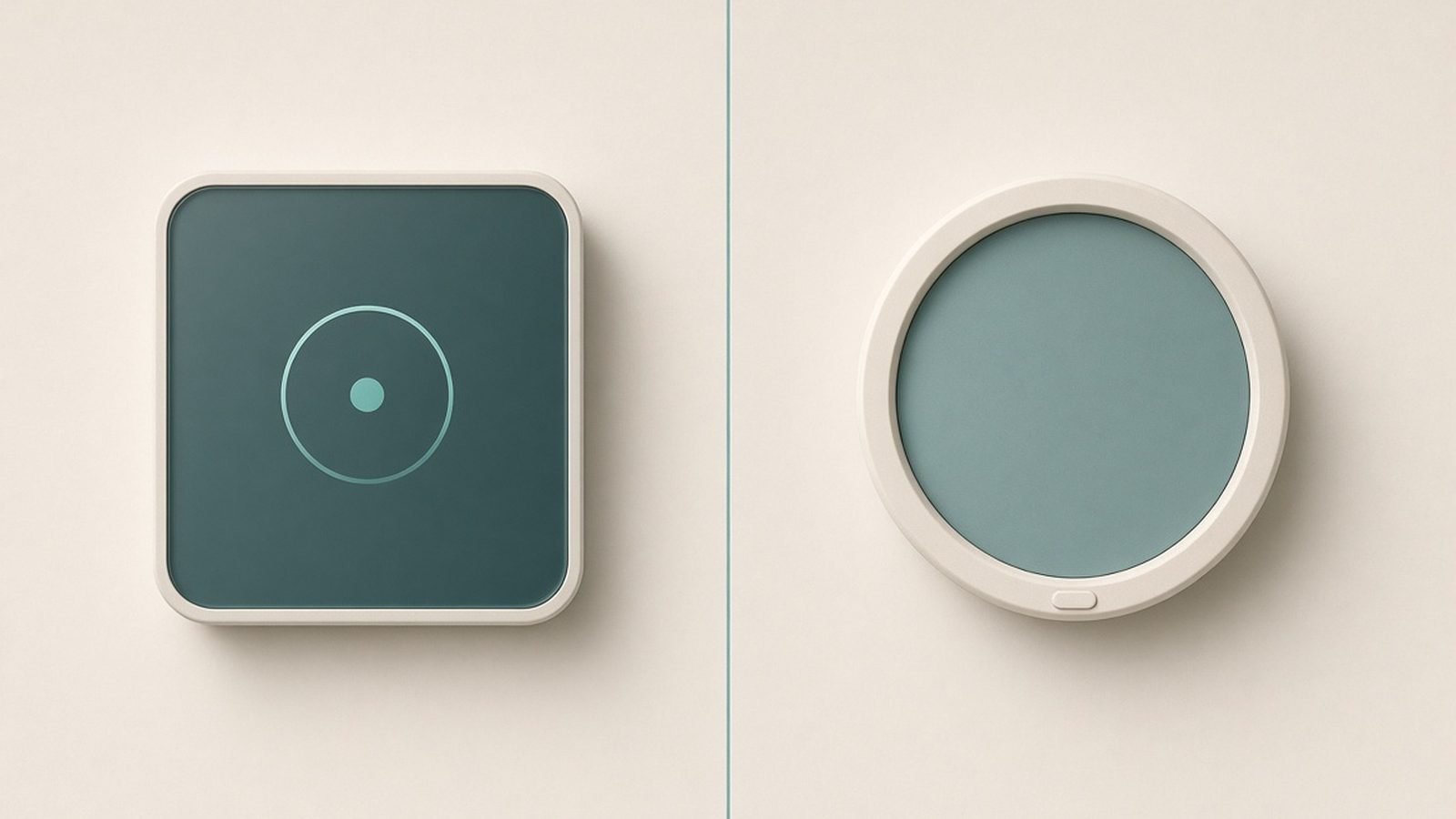
Ecobee vs Nest in 2026: we compare the ecobee Smart Thermostat Premium and Nest Learning Thermostat on features, sensors, ecosystem and price to name a winner.
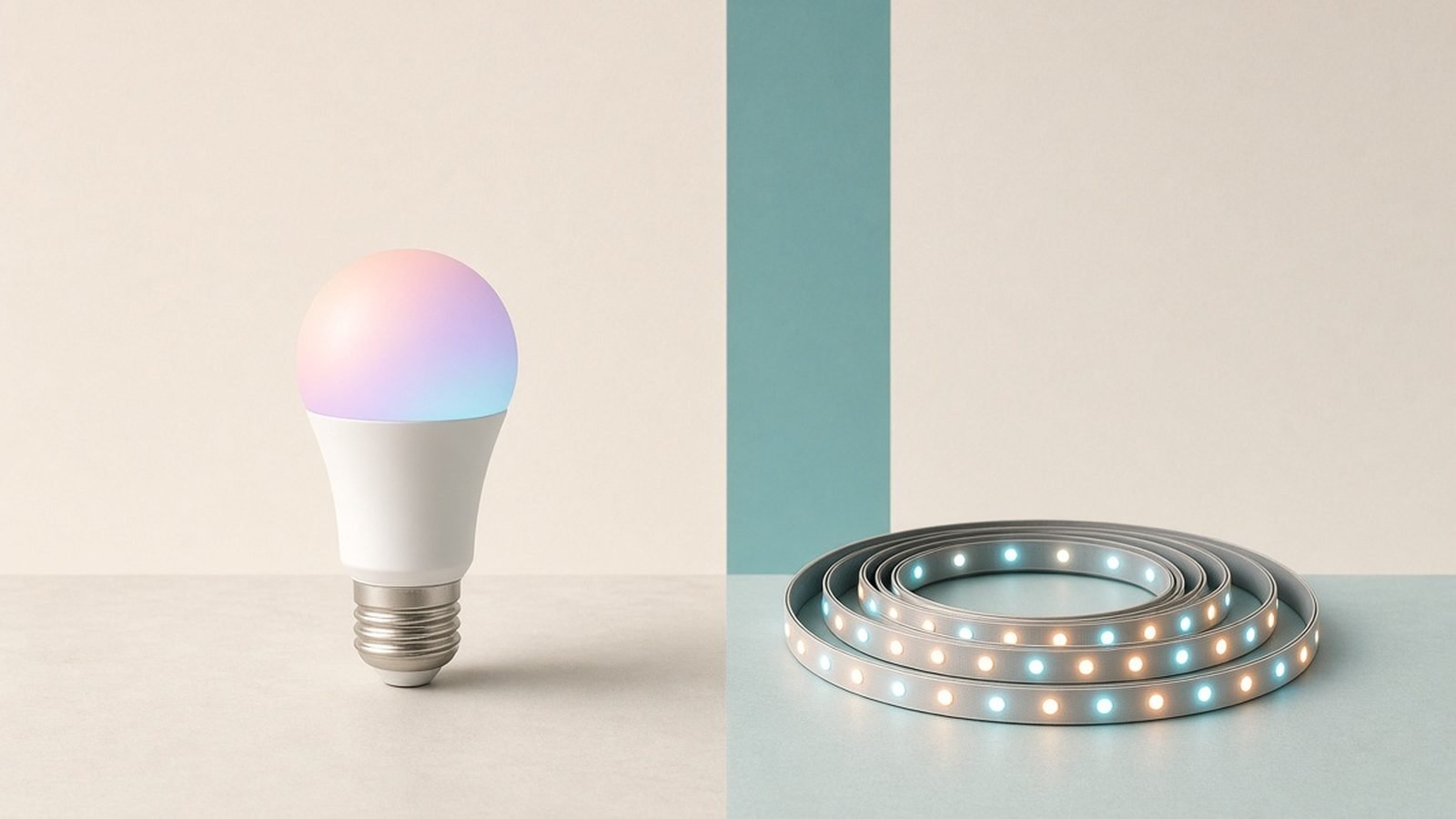
Philips Hue vs Govee in 2026: reliability, app, ecosystem and price compared. Hue wins on polish, Govee on value and effects — here's which to buy for your home.

Echo Show 8 vs Nest Hub in 2026: we compare specs, Alexa+ vs Gemini, Matter support and privacy to find the best smart display for your home.
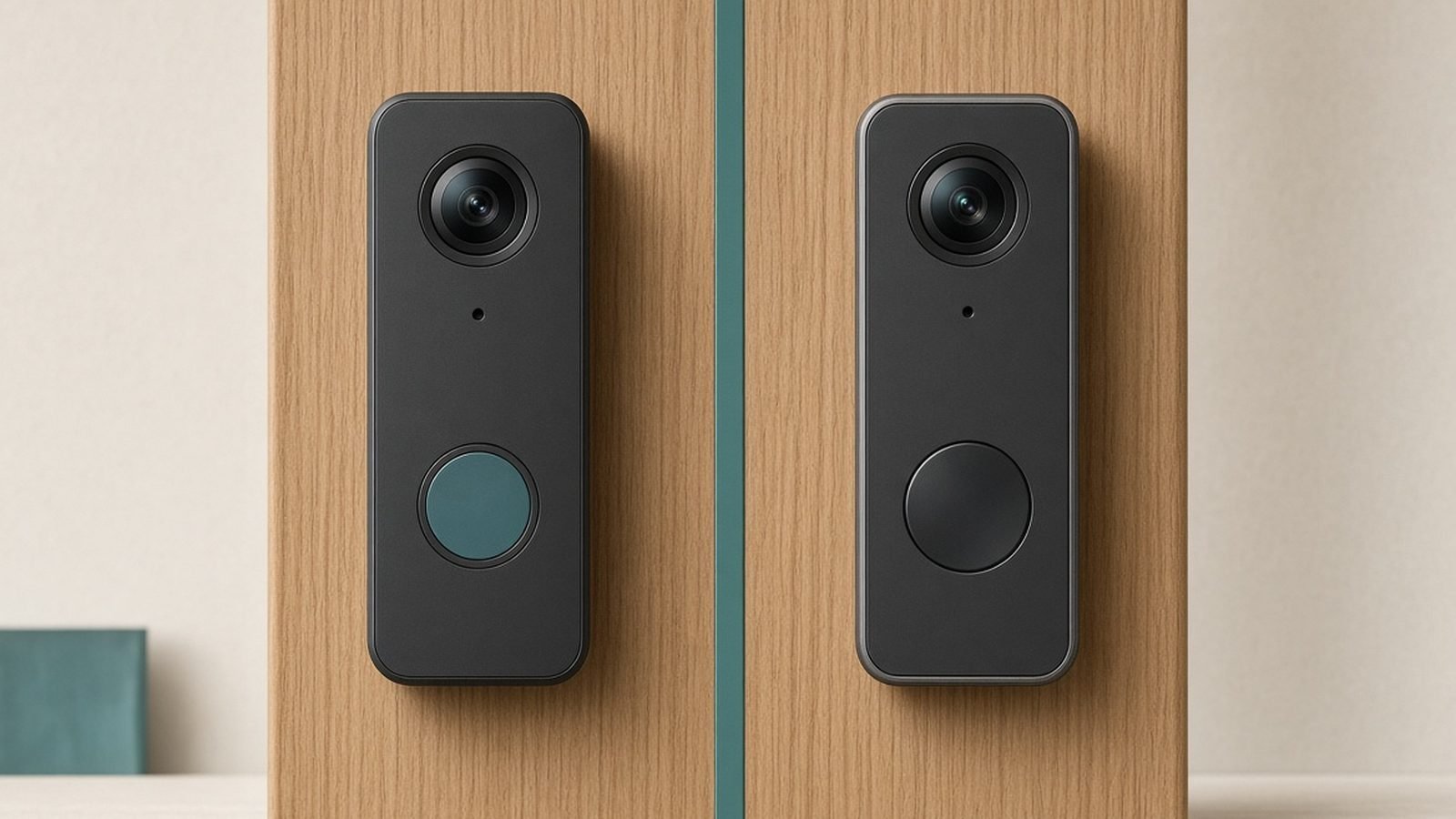
Ring vs Nest doorbell in 2026: video quality, AI alerts, 5-year subscription costs and UK/US pricing compared, so you buy the right one.
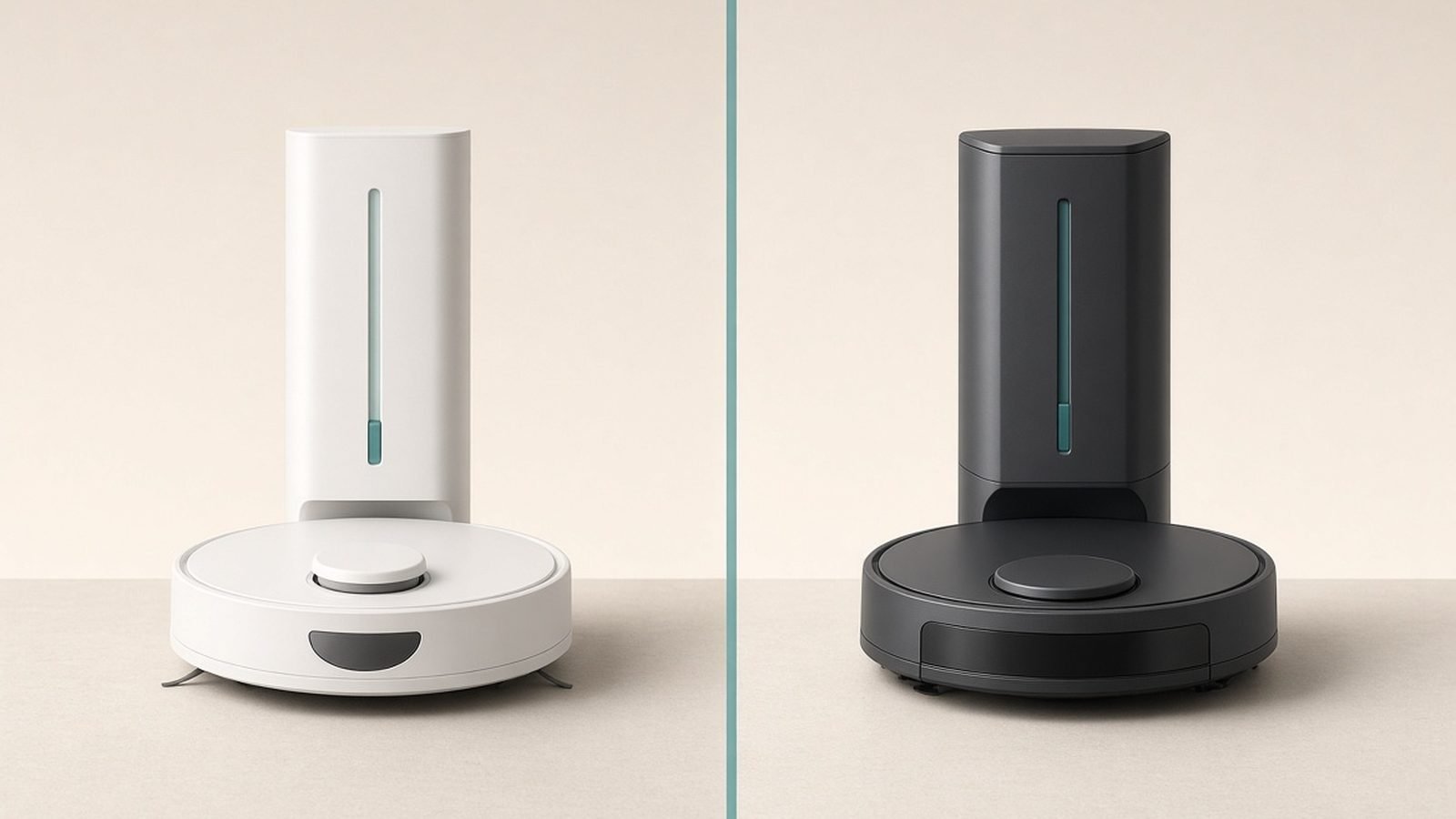
Roborock vs Dreame in 2026: we compare flagships, mid-rangers, mopping, apps and reliability to name the better robot vacuum brand for your budget.
tado vs Hive in 2026: pricing, combi boiler compatibility, TRVs, subscriptions and true 5-year cost — which UK smart thermostat should you buy?
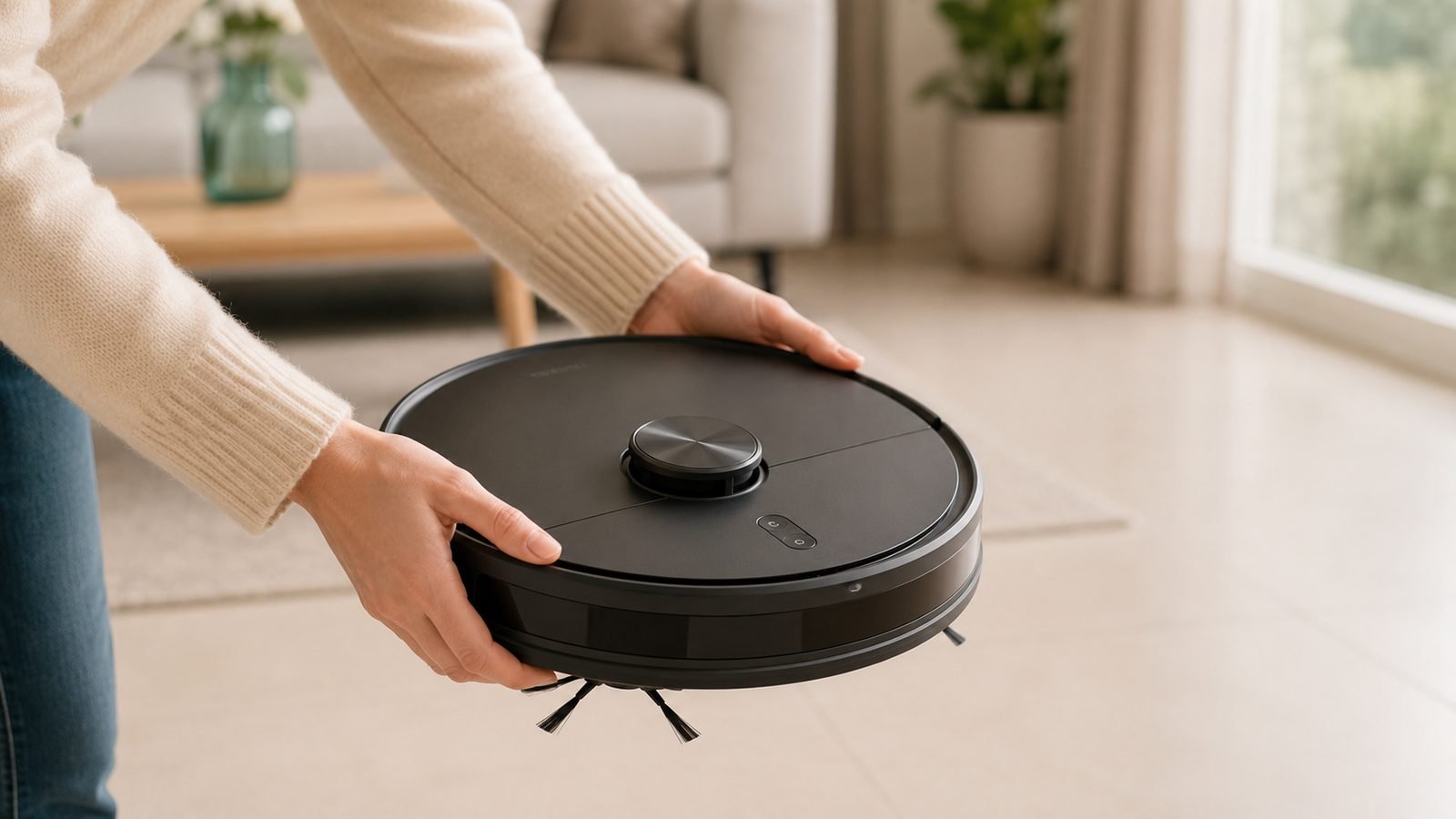
Robot vacuum mapping problems? Fix a robot that won't map, loses its map or maps rooms wrong with these step-by-step fixes for Roborock, Roomba, Eufy and Dreame.
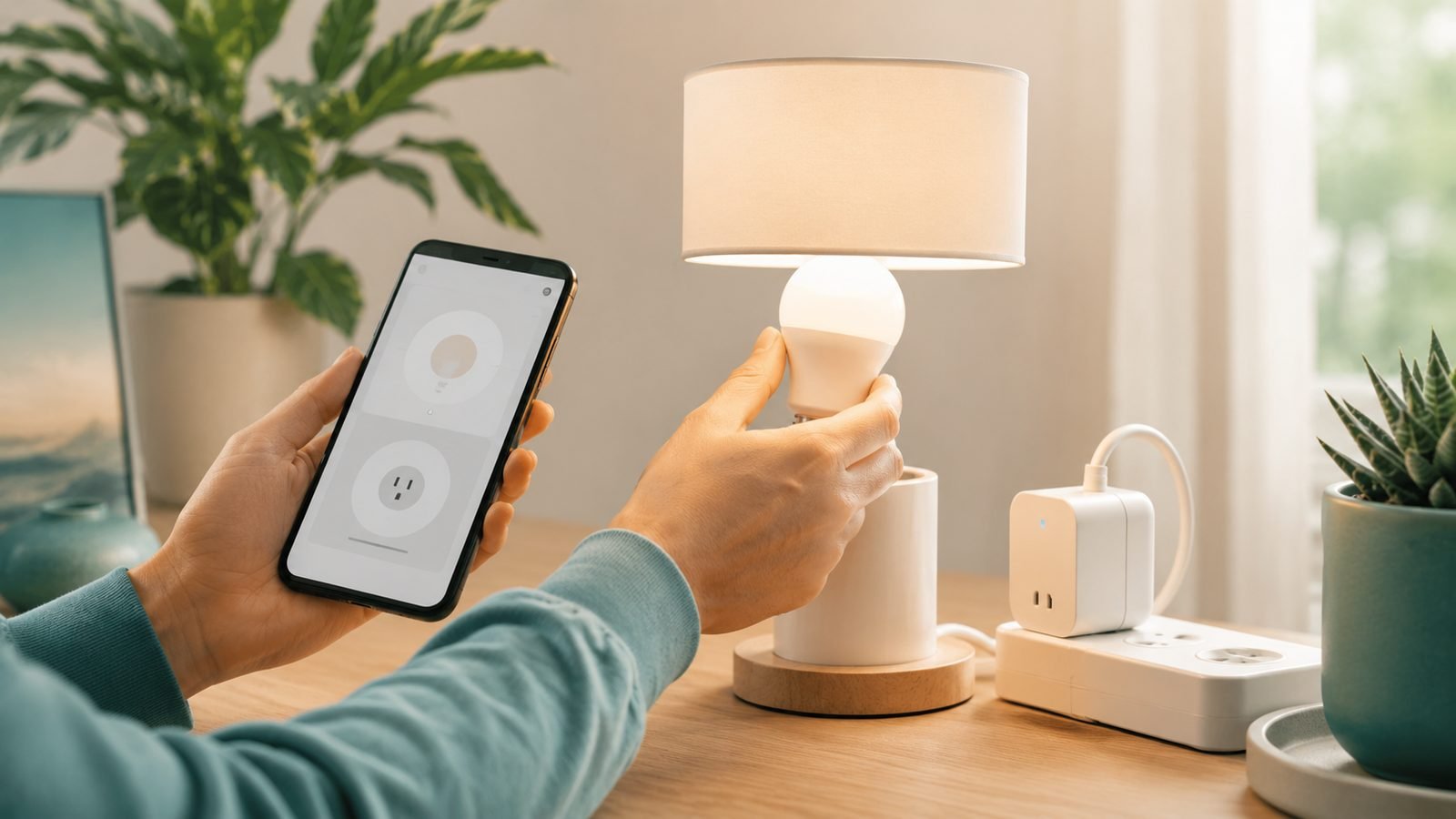
How to set up Matter devices step by step — QR codes, controllers, Thread border routers, and fixes for the pairing problems that trip people up.
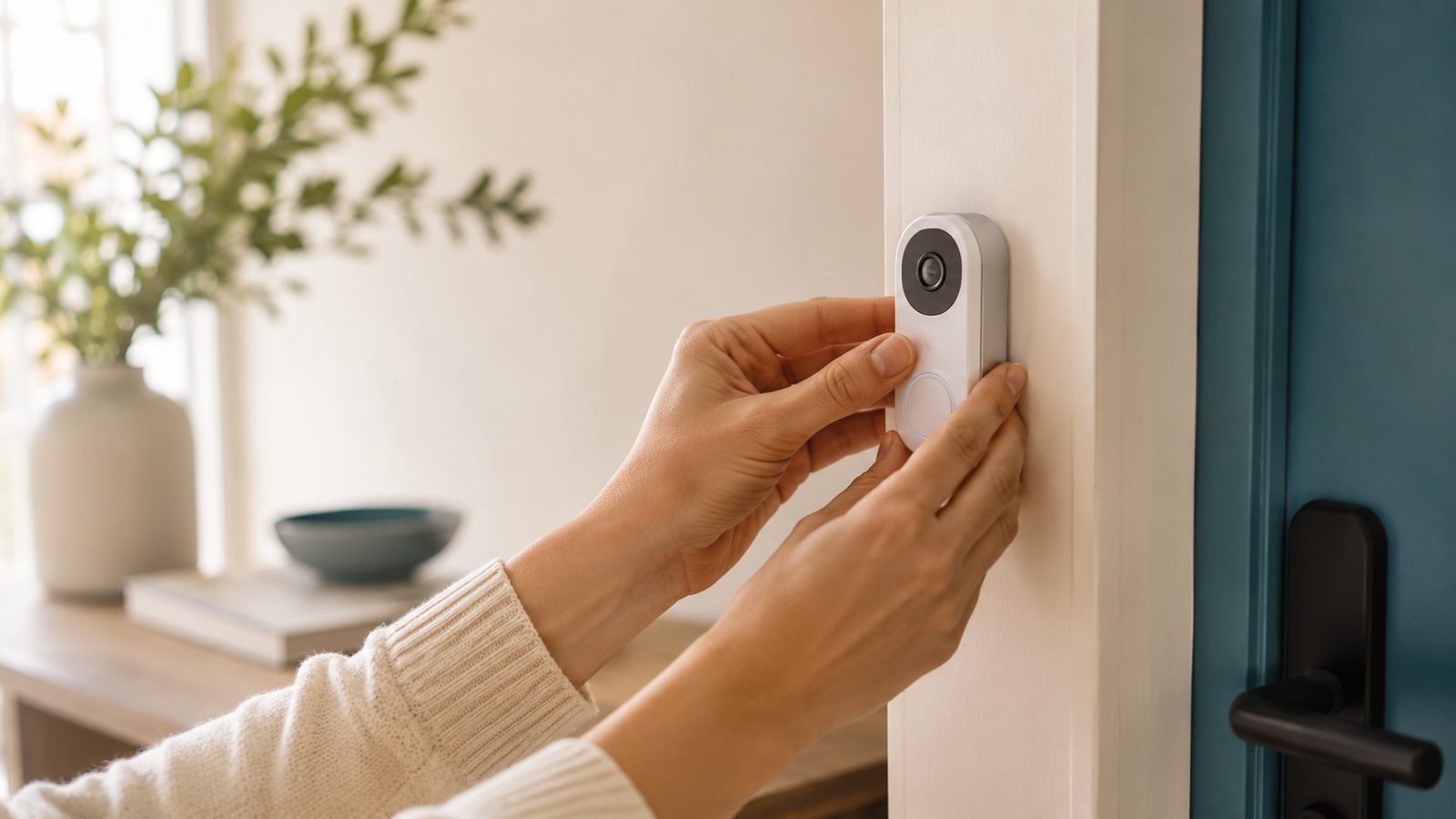
Install a video doorbell without drilling using adhesive mounts, no-drill brackets and existing chime wiring — a renter-safe guide for US and UK homes.
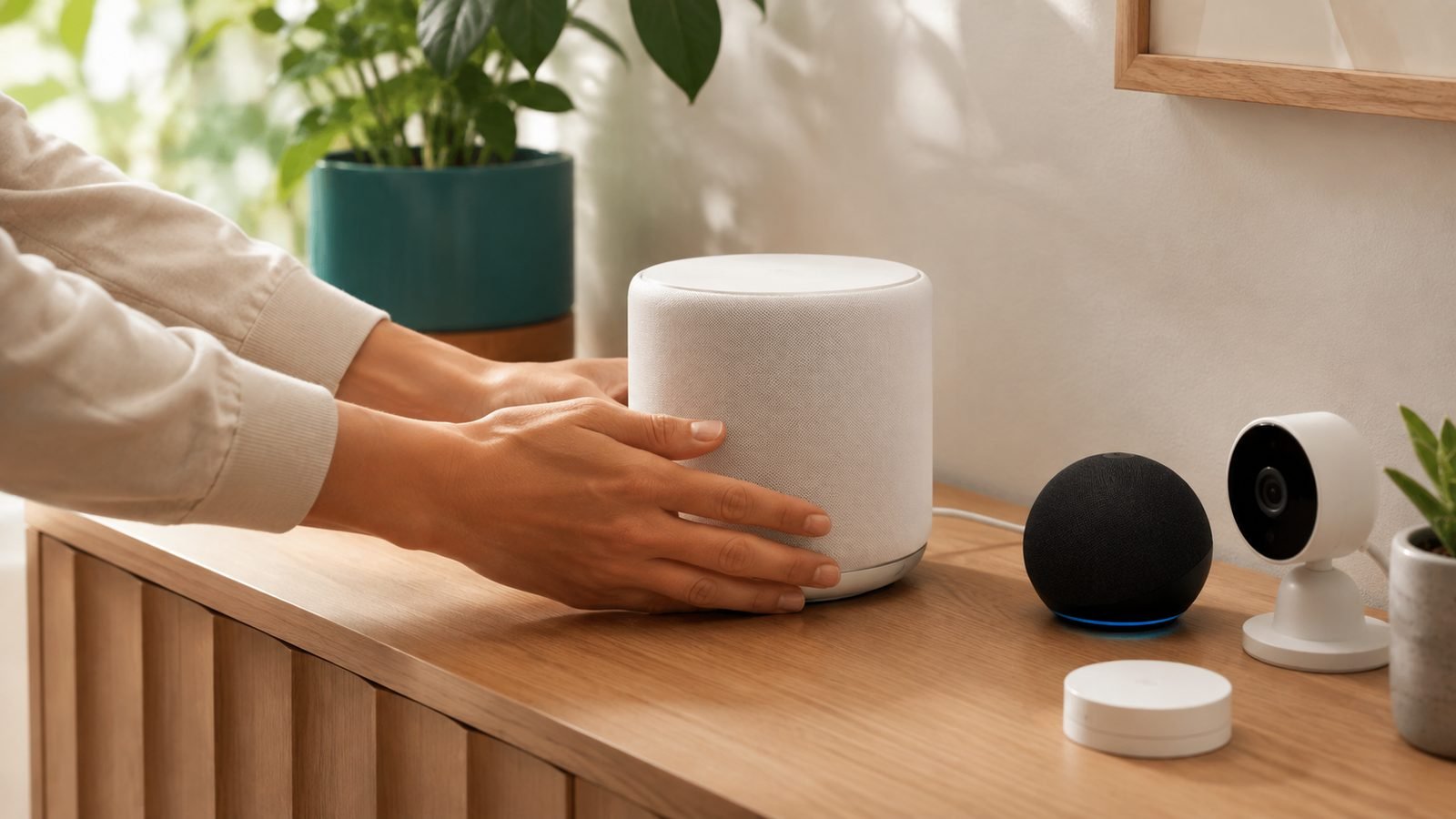
Smart home Wi-Fi optimization guide: stop smart plugs, cameras and bulbs dropping offline with band, channel, placement and mesh fixes for US and UK homes.
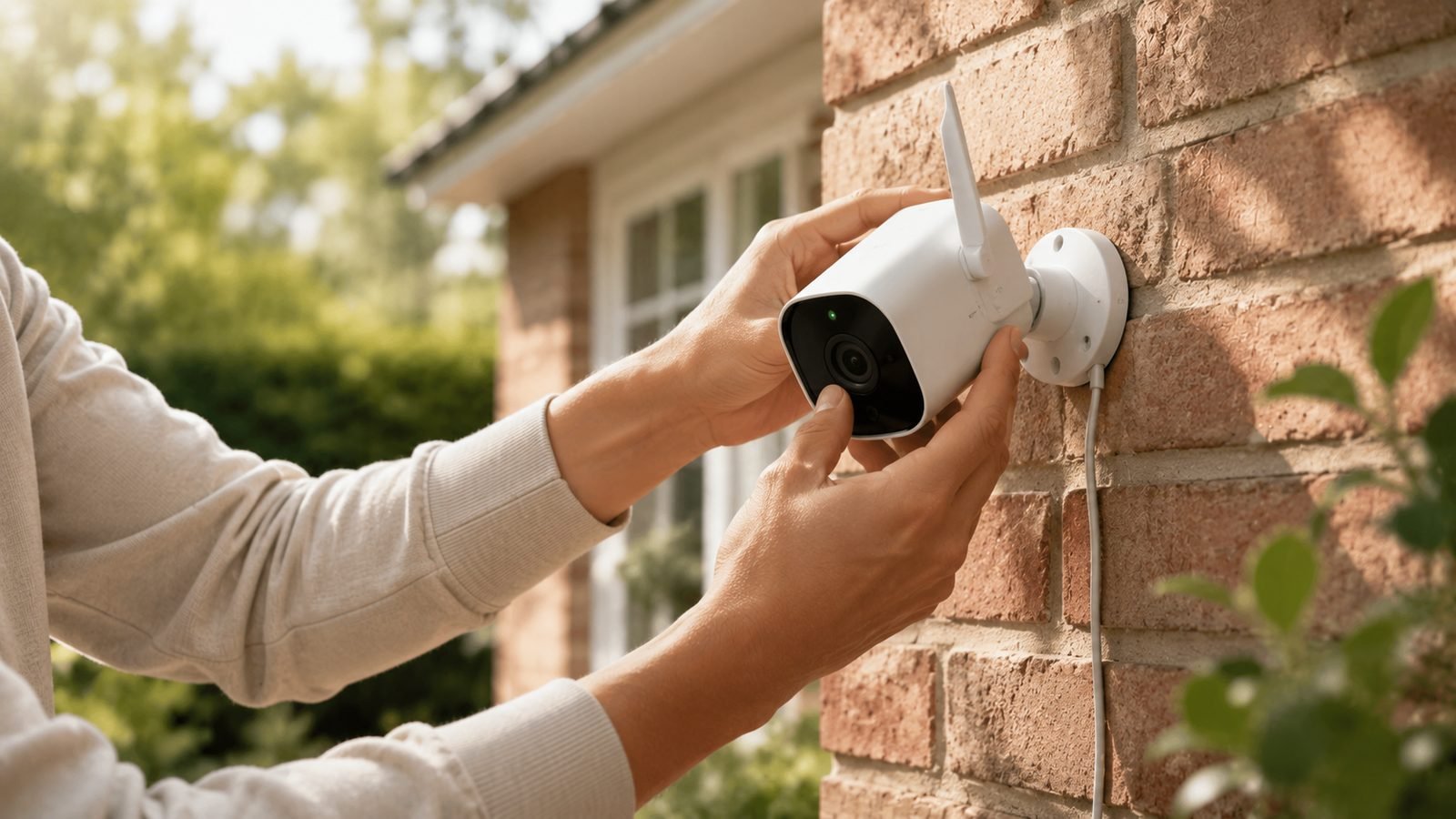
Stop security camera false alerts for good: fix motion notifications from shadows, bugs, cars and rain with these settings for Ring, Nest, Eufy and Arlo cameras.
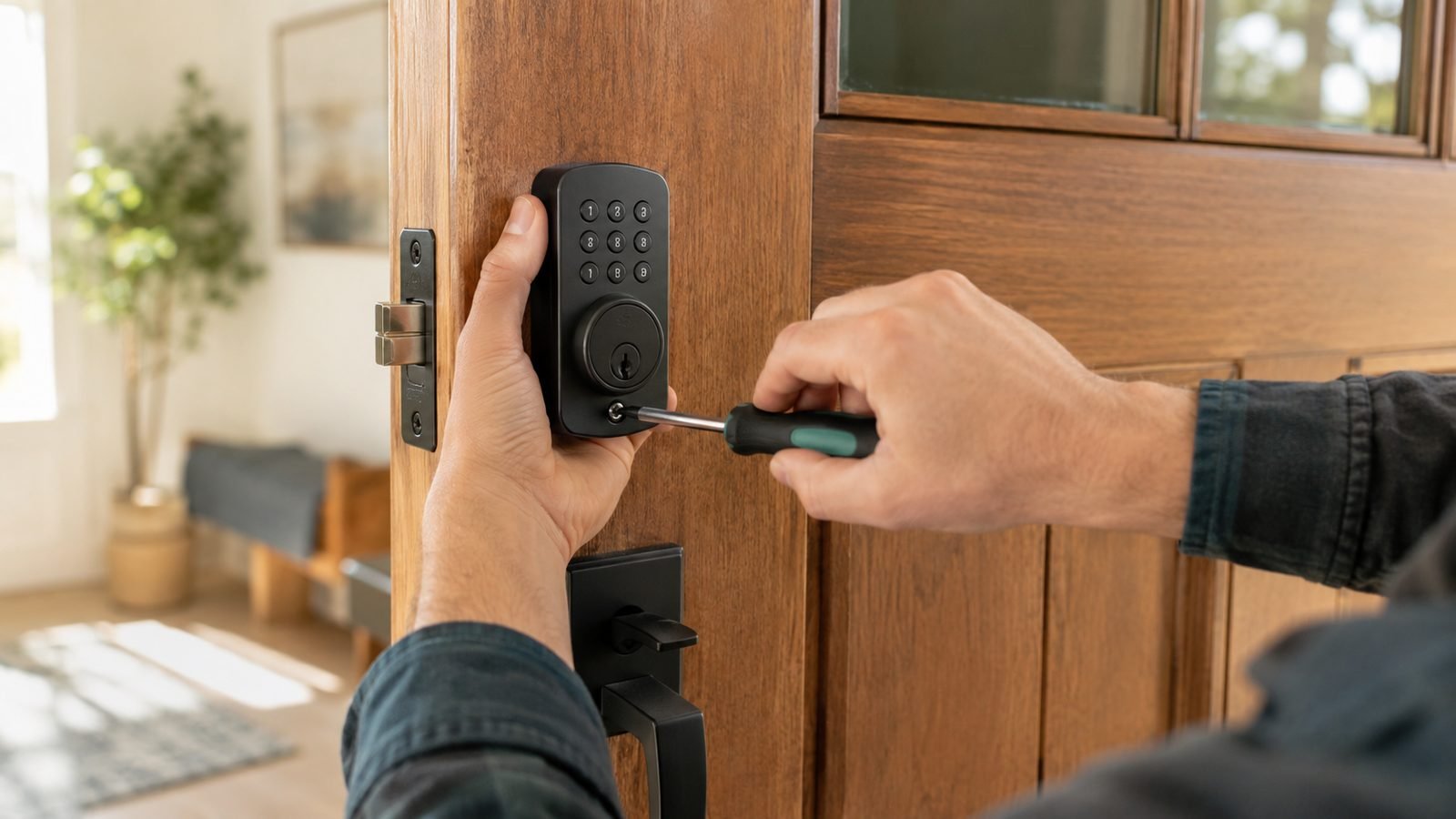
Learn how to install a smart lock on US deadbolt and UK multipoint doors — tools, measurements, retrofit options and troubleshooting, step by step.
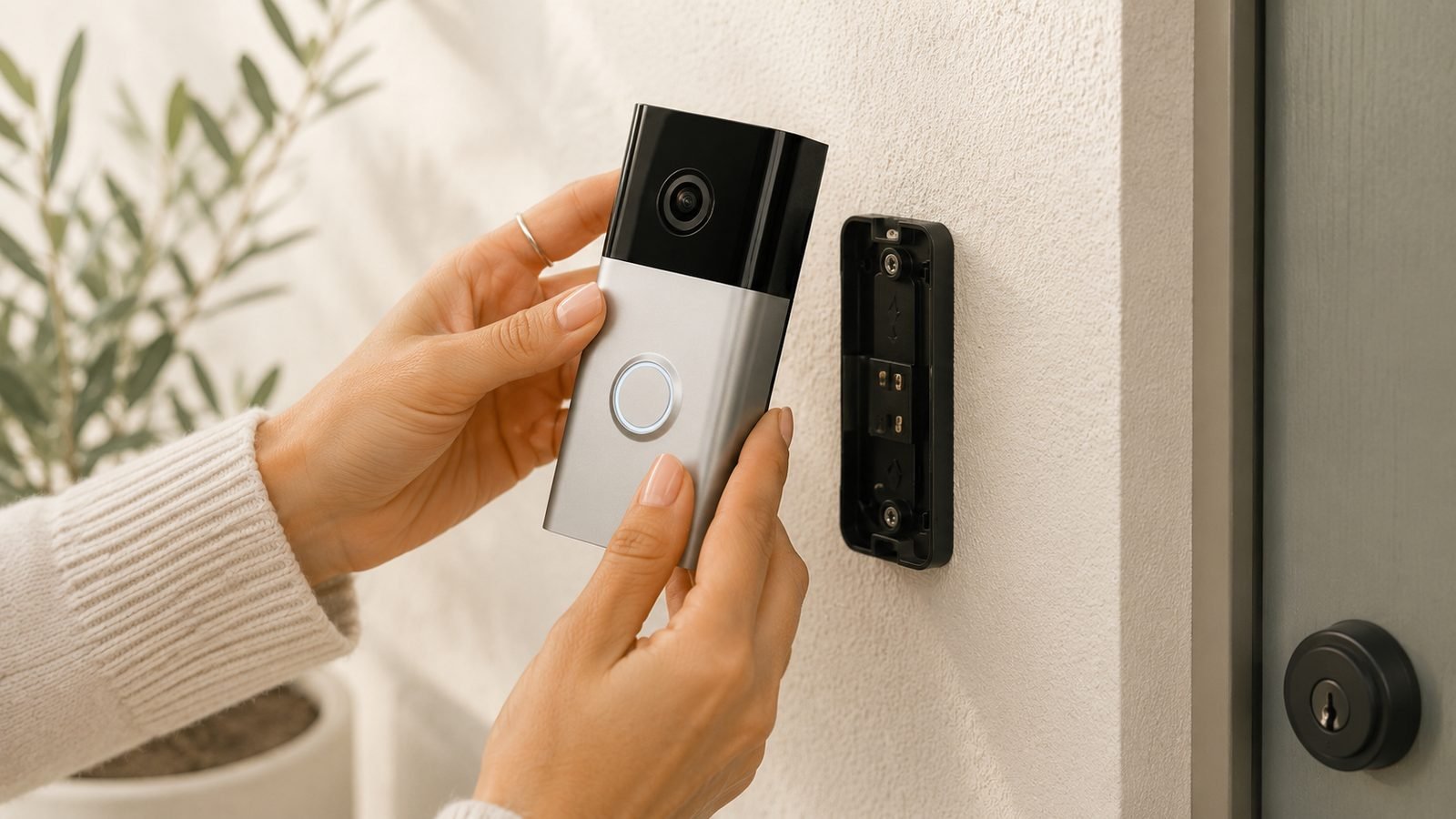
Ring doorbell offline? Work through our 5-step fix — power, Wi-Fi reconnection, RSSI signal strength and resets — for US and UK homes.
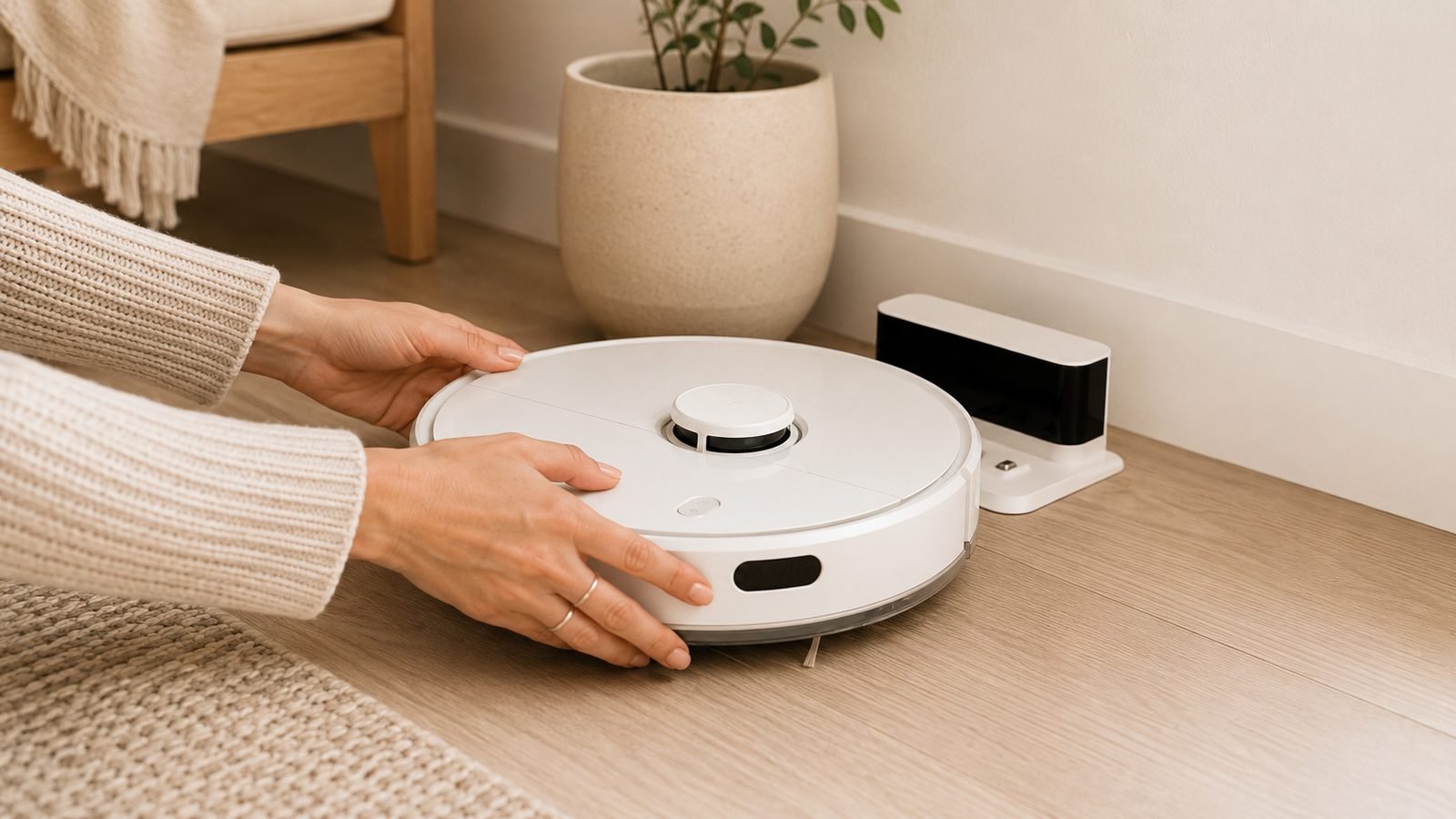
Robot vacuum won't return to dock? Work through these 11 proven fixes — from dock placement to sensor cleaning — plus Roborock and Roomba error codes.

Do smart plugs save money? The honest answer, with real standby-power math, where they pay off, and where the savings are too small to matter.

Local vs cloud camera storage compared: costs, privacy, reliability and features, so you can choose the right footage storage for your security cameras.

Zigbee vs Z-Wave explained for 2026: how the two smart home protocols differ on range, device choice, interference and Matter — and which to pick.

What is Matter smart home tech? Our 2026 explainer covers Thread, border routers, compatible devices, multi-admin and whether Matter is worth it.
We use cookies to run this site, understand traffic, and — where you allow it — measure affiliate referrals and personalise ads. See our Cookie Policy and Privacy Policy.