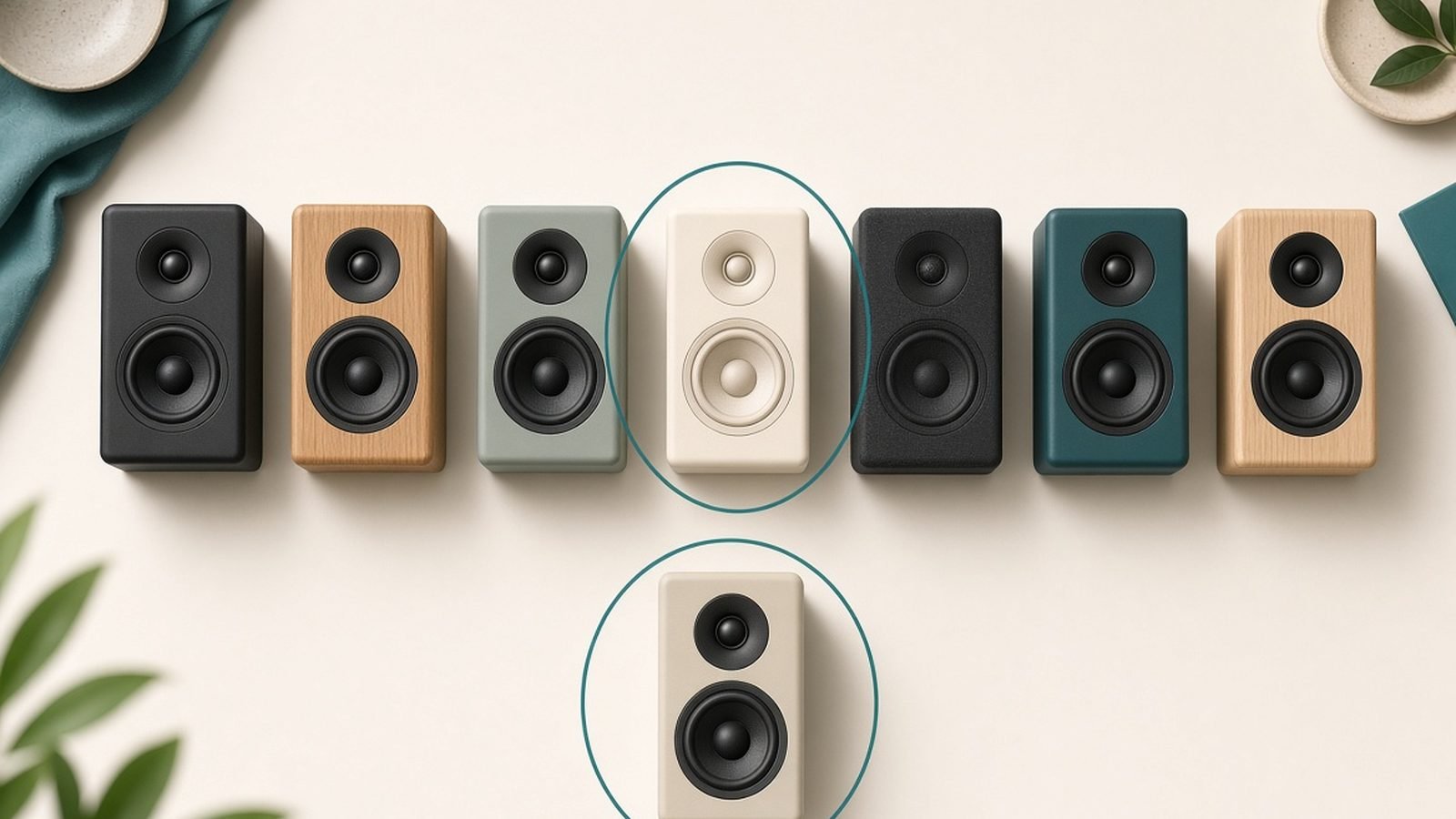
Buying Guide Best Bookshelf Speakers 2026: Hi-Fi for Any Room
The best bookshelf speakers 2026 for hi-fi, desktops and small rooms. Powered and passive picks from KEF, Q Acoustics, Edifier and more, US and UK pricing.
Headphones, earbuds, speakers, soundbars and mics — tuned advice for every budget.
39 articles · updated 2026
The best bookshelf speakers 2026 for hi-fi, desktops and small rooms. Powered and passive picks from KEF, Q Acoustics, Edifier and more, US and UK pricing.
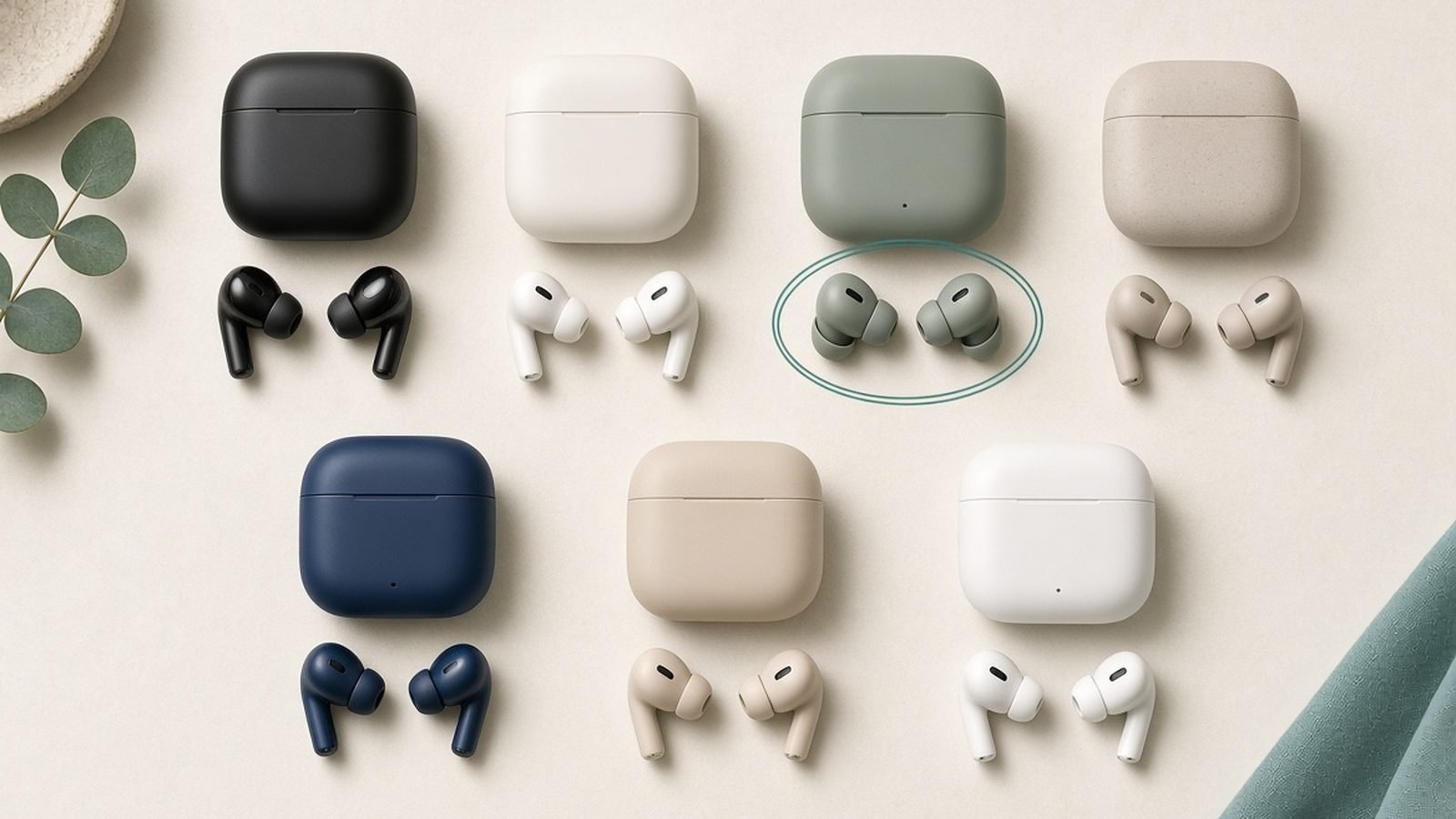
The best budget earbuds in 2026 under $50/£50, ranked. Real picks from Soundcore, JLab, CMF and Baseus with honest sound, ANC and battery trade-offs.
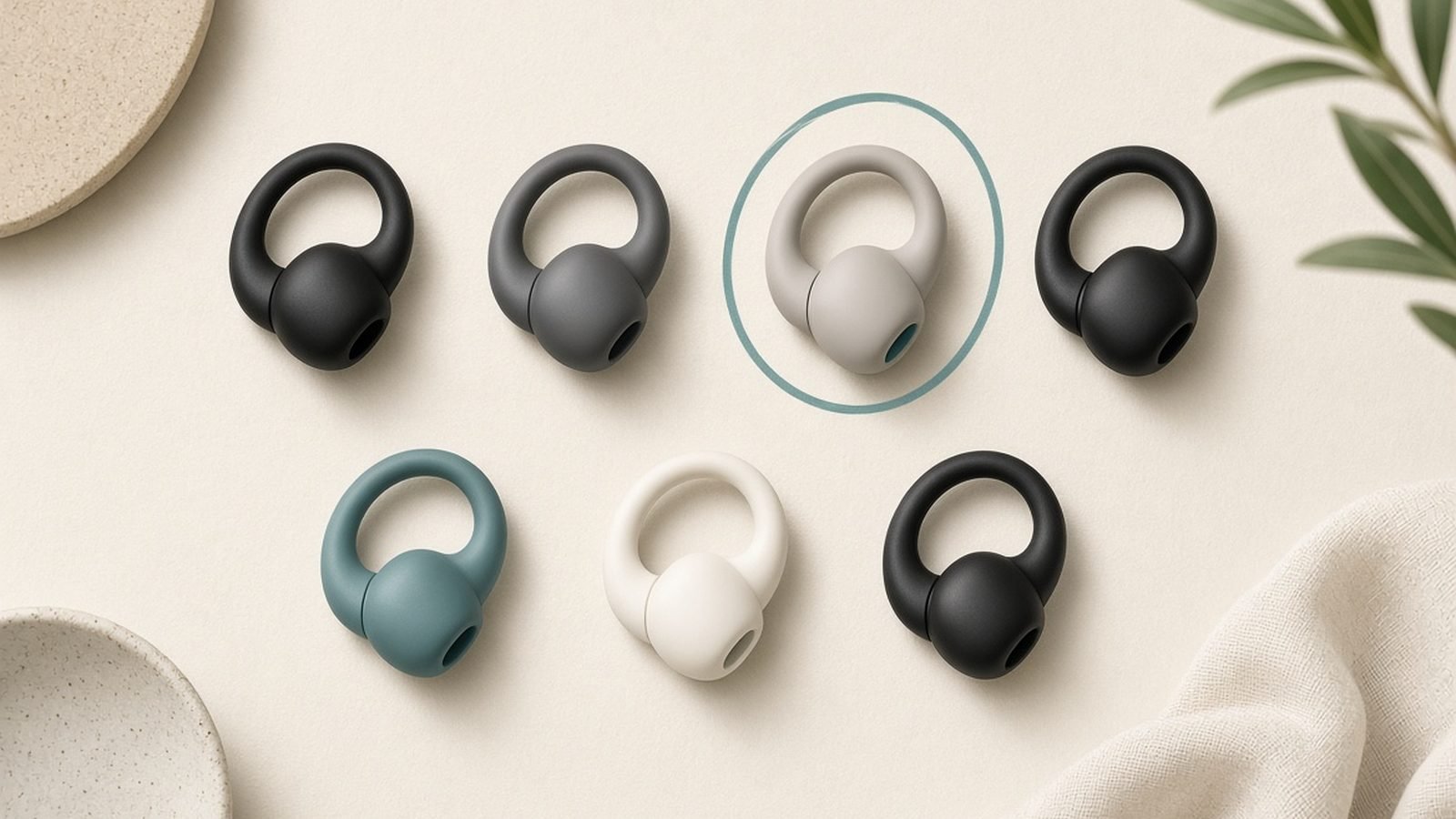
The best open-ear earbuds 2026 for runners, cyclists and all-day wear. Shokz, Bose Ultra Open and Nothing Ear Open compared, with US and UK pricing.
Audio is the category where marketing spin does the most damage. Every pair of wireless earbuds promises “immersive sound,” every soundbar claims “cinematic audio,” and every gaming headset boasts “pro-grade” microphones — yet the gap between a great $150 product and a mediocre $300 one has never been wider. This hub is your map through all of it: wireless earbuds, noise-cancelling headphones, Bluetooth speakers, soundbars, gaming headsets and microphones, covering the US and UK markets with real prices in both.
Everything linked below is built on structured research: manufacturer documentation, verified owner feedback at scale, and independent reviewers’ measurements. We check battery life claims against long-term owner reports, judge noise cancellation on the evidence that matters — independent lab data plus aggregated reports from real commutes and flights — and follow each product for months, not days, before recommending it. When a firmware update changes a verdict, we go back and update the review. No spec-sheet rewrites, no rankings sold to the highest bidder.
If you’re new to the category or just want a fast, trustworthy answer, these three guides cover the decisions most readers are actually making:
Best Wireless Earbuds 2026: Top Picks Compared & Ranked — Our master ranking of true wireless earbuds at every budget, rebuilt from scratch twice a year so you’re never buying last season’s leftovers.
Best Noise Cancelling Headphones Under $200 in 2026 — The over-ear ANC headphones that genuinely silence a plane cabin, and the overpriced ones that only muffle it.
Best Soundbars Under $300 (£300) in 2026: Big TV Sound, Small Price — How to fix the single worst thing about your expensive new TV without wiring your living room like a cinema.
Before you open a single review, work through these five questions. They’ll eliminate 80% of the options and stop you paying for features you’ll never use.
Be honest about where you’ll listen. Earbuds win for commuting, the gym, and anywhere portability matters — but even the best true wireless buds fatigue some ears after three hours. Over-ear headphones deliver better sound per dollar, superior noise cancellation, and all-day comfort, at the cost of pocketability and looking conspicuous in summer. Bluetooth speakers are for shared listening and travel; soundbars are for fixing TV audio; and a dedicated gaming headset or microphone only makes sense if you spend serious hours in voice chat or on calls.
The most common mistake we see: buying premium earbuds to use exclusively at a desk. If your listening happens in one room, over-ears or a speaker will sound dramatically better for the same money.
Active noise cancellation (ANC) is the most price-inflating feature in audio. Great ANC — the kind that erases a jet engine or an open-plan office — is genuinely transformative if you commute, fly, or work in noise. But ANC quality varies enormously, and mediocre ANC is worse than none: it adds cost, drains battery, and can introduce audible hiss or pressure.
Rule of thumb: if you spend fewer than five hours a week in genuinely noisy environments, deprioritise ANC and put the budget into sound quality instead. If you fly monthly or ride a train daily, ANC quality should be your first filter — and only a handful of models at any price do it properly.
Your phone quietly decides how good your wireless audio can be. iPhone users get AAC and nothing higher — paying extra for aptX or LDAC support buys you nothing. Android users can benefit from LDAC and aptX Adaptive, but only if both the phone and the headphones support the same codec. And ecosystem lock-in is real: some earbuds’ best features (seamless device switching, spatial audio with head tracking, in-ear detection) only work fully within their maker’s ecosystem.
For soundbars, the equivalent check is HDMI eARC and Dolby Atmos passthrough: confirm your TV has an eARC port before buying any Atmos soundbar, or you’ll never hear what you paid for.
Manufacturers quote battery life at moderate volume with ANC off and the most efficient codec. Real-world numbers run 20–35% lower across independent reviewers’ measurements and aggregated owner reports. For earbuds, look for a minimum of 6 real hours per charge (buds) and 24 hours total (with case); for over-ear ANC headphones, 30+ real hours; for Bluetooth speakers, 12+ hours at usable outdoor volume. Fast charging matters more than headline capacity — ten minutes of charge for an hour of playback is the feature you’ll actually use.
Every audio category has a price band where performance per dollar peaks, and going above it buys refinement, not transformation:
Wireless earbuds: $60–$120 gets you 85% of flagship performance; $200–$280 buys the best ANC and call quality; beyond that you’re paying for brand.
ANC headphones: the $250–$400 tier is where the genuinely great options live; $100–$180 models have closed most of the sound-quality gap but not the ANC gap.
Bluetooth speakers: $100–$180 covers superb portable options; spend more only for multi-room features or party-scale volume.
Soundbars: $300–$600 transforms TV audio; under $200 improves dialogue but won’t deliver convincing Atmos; $800+ is for dedicated home-cinema setups with rear speakers.
Gaming headsets: $80–$150 is the sweet spot; “pro” models above $250 rarely sound better, they just add wireless bells.
Microphones: a $70–$130 USB mic outperforms every headset mic ever made; XLR only makes sense if you already know why you want it.
Work through those five filters and you’ll arrive at a shortlist of two or three products. Our reviews and comparisons below settle the rest.
Our ranked, regularly updated picks in every audio category:
Best Wireless Earbuds 2026: Top Picks Compared & Ranked — Every pair we currently recommend, from $40 gym workhorses to flagship ANC buds, ranked by what they’re actually best at.
Best Noise Cancelling Headphones Under $200 in 2026 — Proven on real flights and commutes by thousands of owners, these are the over-ears that turn a Boeing into a library.
Best Budget Earbuds 2026: Great Sound Under $50/£50 — Proof you don’t need $250 for great sound: the sub-$100 buds that embarrass models twice their price.
Best Bluetooth Speakers Under $100 (£90) in 2026 — From pocket-sized picnic companions to speakers that can run a garden party, sorted by size, battery and ruggedness.
Best Soundbars Under $300 (£300) in 2026: Big TV Sound, Small Price — The bars that make dialogue intelligible and action scenes physical, matched to your TV size and room.
Best Gaming Headsets 2026: Top Picks Compared & Ranked — Comfort for eight-hour sessions, mics your squad can actually hear, and honest verdicts on wireless latency.
Best USB Microphones in 2026 for Streaming and Podcasting — The desk mics that make you sound like a broadcaster on calls, streams and podcasts — no audio engineering degree required.
In-depth, long-term verdicts on the products you’re most likely shortlisting:
AirPods Pro 3 Long-Term Review: 9 Months Later (2026) — Weeks of aggregated daily-use owner reports reveal where Apple’s flagship buds justify the hype and where Android users should look elsewhere.
Sony WH-1000XM6 Review 2026: The ANC Benchmark? — Sony’s latest flagship faces the hardest question in audio: is it worth upgrading from the headphones everyone already owns?
Bose QuietComfort Ultra 2 Review 2026: ANC King? — Frequent flyers’ reports and independent measurements on Bose’s quietest headphones show whether the ANC crown has changed hands.
Sonos Arc Ultra Review 2026: Features, Pricing & Verdict — Can a single bar really replace a surround system? We weighed the evidence against a proper 5.1 setup to find out.
JBL Flip 7 Review 2026: Best Portable Speaker? — The default portable speaker recommendation judged the hard way: owner reports from pools, beaches, and more than one accidental drop onto concrete.
When your shortlist is down to two, these settle it:
AirPods Pro 3 vs Sony WF-1000XM6: Which Earbuds Win in 2026? — The two best earbuds on the planet, compared head-to-head on sound, ANC, calls and comfort — with a clear winner for each phone platform.
Sony WH-1000XM6 vs Bose QuietComfort Ultra 2: ANC Showdown — The eternal ANC rivalry, decided by independent measurements and long-term reports from commuters who own both.
Sonos Arc Ultra vs Bose Smart Ultra Soundbar 2026 — Two premium Atmos bars fighting for the same living room, and the differences the spec sheets won’t tell you.
AirPods 4 vs AirPods Pro 3 2026: Which Should You Buy? — Is the Pro premium worth it, or is Apple’s cheaper bud the smarter buy for most people? The answer depends on one habit.
Get more out of the gear you already own:
How to Fix Bluetooth Audio Lag & Sync Issues — That maddening lip-sync delay when watching video has five common causes — here’s how to diagnose yours in under ten minutes.
How to Connect a Soundbar to Your TV (HDMI eARC & More) — HDMI ARC, eARC, optical or Bluetooth? Pick the wrong one and you’ll silently lose half the audio quality you paid for.
How to Clean Earbuds Safely (Without Damage) — Earwax and grime are the number-one cause of “my earbuds got quieter” — restore them without a repair bill.
One Earbud Not Working? 9 Fixes That Actually Work (2026) — Before you bin them or buy a replacement bud, try these resets — they fix the problem more often than not.
How to Improve Mic Quality for Calls & Meetings — Sound dramatically better on video calls with placement and settings changes that cost nothing.
The knowledge that makes you immune to marketing:
What Is ANC and How Does Noise Cancelling Work? — Why noise cancellation kills a jet engine but can’t touch a crying baby — and what that means for your next purchase.
Bluetooth Codecs Explained: AAC vs aptX vs LDAC vs LC3 — AAC, aptX, LDAC and LC3 demystified: which ones your phone actually supports, and when the difference is audible.
Spatial Audio Explained: What It Is and How to Use It — Genuine breakthrough or gimmick with head tracking? What spatial audio does well, and the content where it falls apart.
Dolby Atmos Soundbars Explained: Do You Need One? — What those upfiring drivers are really doing, and why room shape matters more than channel count.
Open-Back vs Closed-Back Headphones: Which Is Right? — The single biggest fork in headphone sound, explained so you’ll instantly know which side you belong on.
Three shifts are worth planning purchases around. First, Bluetooth LE Audio and Auracast are finally moving from spec sheets to shipping products. The LC3 codec brings better sound at lower power, and Auracast broadcast audio — letting venues, gyms, and airports beam sound directly to your earbuds — is appearing in more flagship buds and public spaces across the US and UK. If you’re buying premium earbuds in 2026, LE Audio support is now a legitimate future-proofing checkbox.
Second, AI-driven adaptive sound is graduating from gimmick to genuinely useful. The latest flagships adjust ANC, EQ and transparency continuously based on your environment and even your hearing profile, and several manufacturers now include clinical-grade hearing test features — blurring the line between earbuds and OTC hearing aids, a category regulators on both sides of the Atlantic have opened up.
Third, expect lossless wireless audio to stop being a niche argument. Qualcomm’s latest platforms and proprietary dongle solutions are pushing genuine CD-quality-and-above wireless to mainstream headphones. Whether most listeners can hear the difference remains contested — our explainers above will help you decide if it matters to you before you pay for it.
Are expensive earbuds really worth it over budget ones? Above roughly $120, you’re mostly paying for better noise cancellation, call quality and ecosystem features — not dramatically better sound. If you don’t commute or fly regularly, a great budget pair delivers most of the experience. If you do, flagship ANC is worth every penny.
Should I buy a soundbar or a pair of good speakers for my TV? For most living rooms, a soundbar wins on simplicity: one cable, one remote, no amplifier. Separate speakers sound better per dollar but require an amp, cable runs and space. If your main complaint is muddy dialogue and weak movie audio, a mid-range soundbar solves it with zero fuss.
Do I need a gaming headset, or will normal headphones work? Any good headphones handle game audio brilliantly — often better than gaming headsets at the same price. The headset’s only real advantage is the boom microphone. If you rarely use voice chat, buy normal headphones; if you’re on comms nightly, a headset (or headphones plus a USB mic) is the right call.
How long should wireless earbuds and headphones last? Plan on three to four years for earbuds — their tiny batteries degrade fastest and are rarely replaceable. Over-ear headphones commonly last five years or more, especially models with replaceable ear pads. Battery longevity, repairability and firmware support are worth weighing as heavily as sound quality.
Zen Tech Hub may earn a commission from links on this page, at no extra cost to you.
The best bookshelf speakers 2026 for hi-fi, desktops and small rooms. Powered and passive picks from KEF, Q Acoustics, Edifier and more, US and UK pricing.
The best budget earbuds in 2026 under $50/£50, ranked. Real picks from Soundcore, JLab, CMF and Baseus with honest sound, ANC and battery trade-offs.
The best open-ear earbuds 2026 for runners, cyclists and all-day wear. Shokz, Bose Ultra Open and Nothing Ear Open compared, with US and UK pricing.
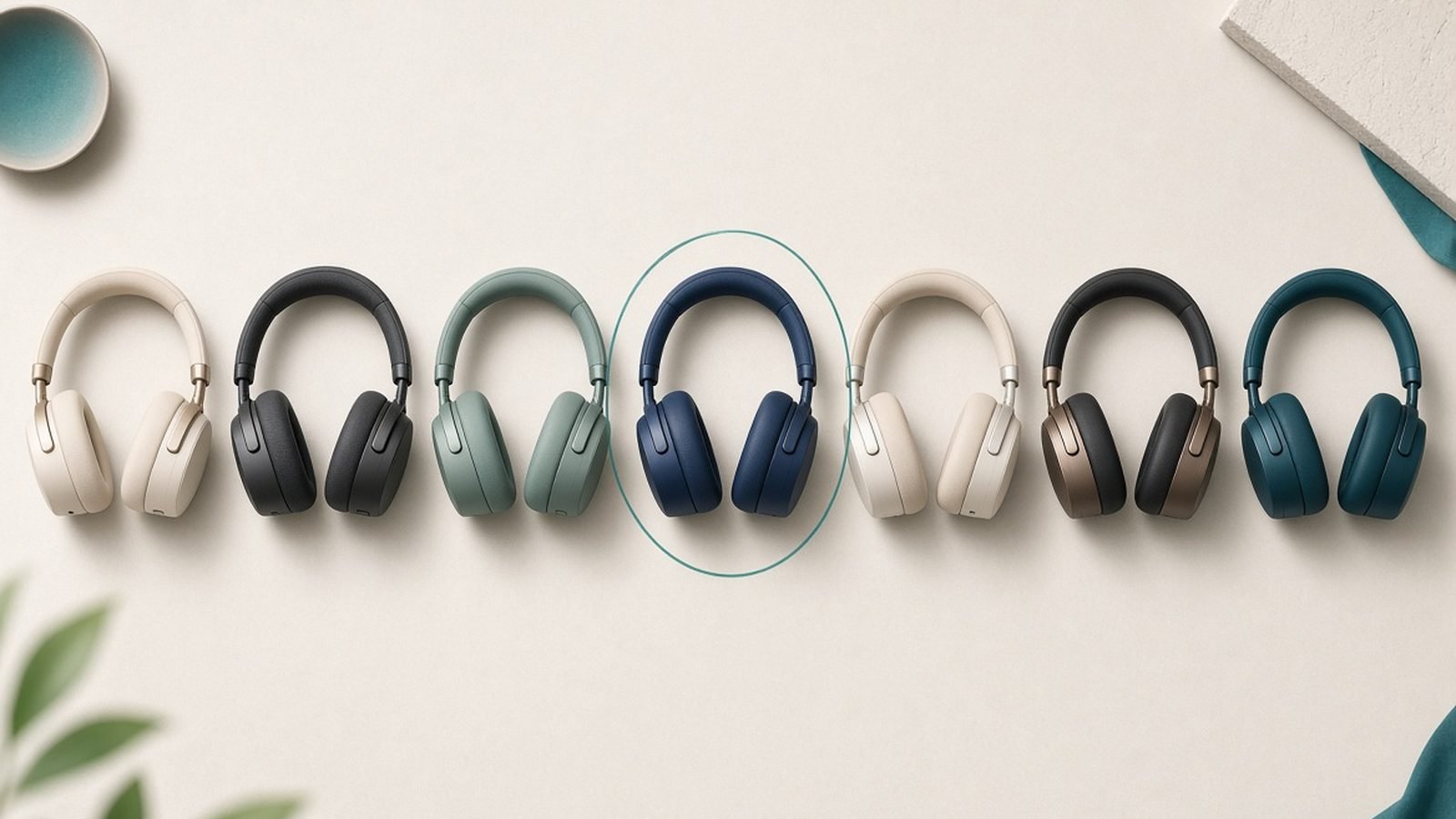
The best headphones 2026 has to offer, ranked. Sony WH-1000XM6, Bose QC Ultra, Sennheiser Momentum 4 and AirPods Max compared, with US and UK pricing.
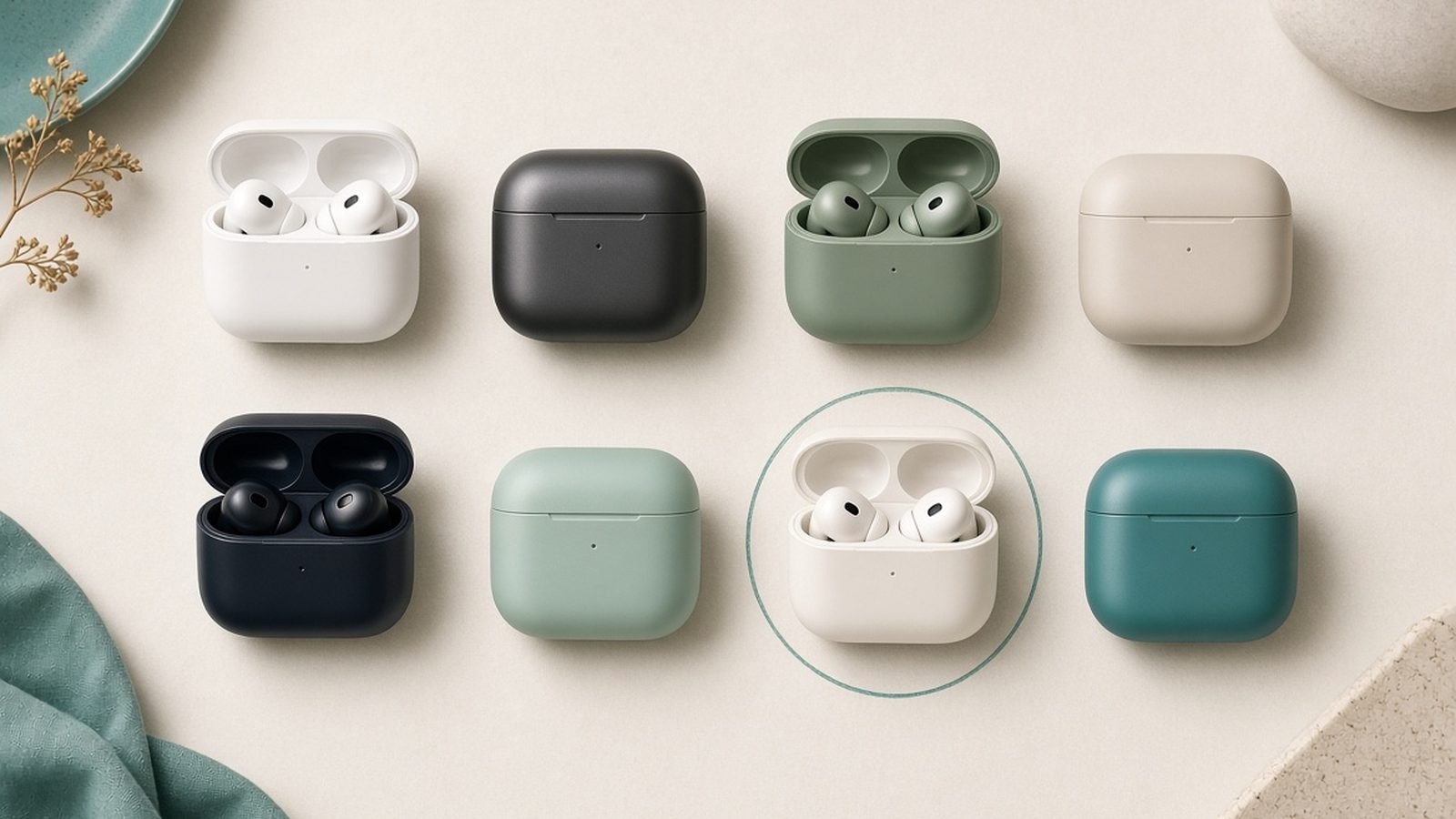
The best wireless earbuds 2026 has to offer, ranked. AirPods Pro 3, Sony WF-1000XM6, Bose QC Ultra Earbuds and Galaxy Buds compared, with US and UK pricing.
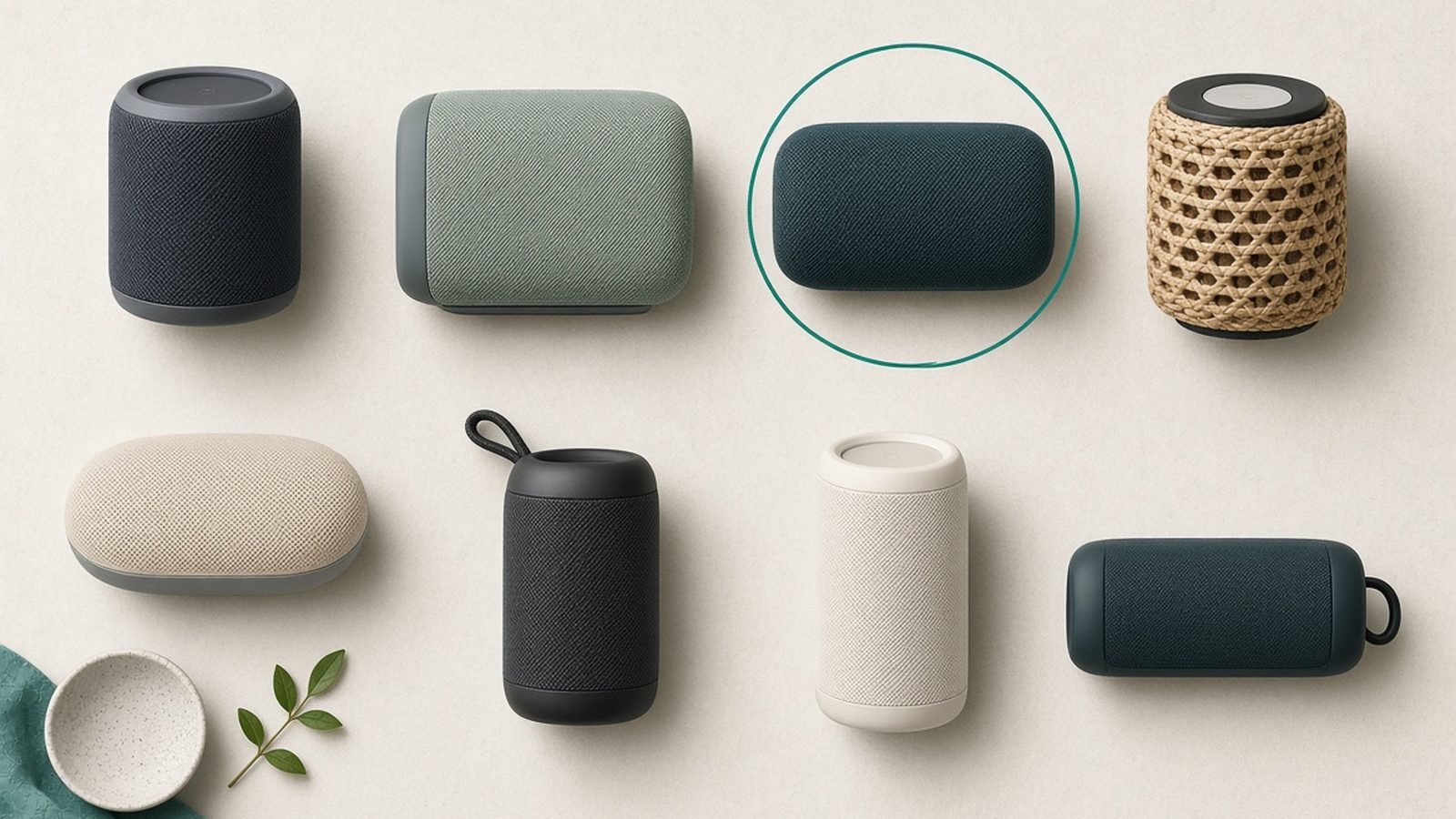
The best bluetooth speaker under $100 in 2026: UE Wonderboom 4, Soundcore Motion 300, JBL Clip 5 and Tribit StormBox 2 compared with US and UK prices.
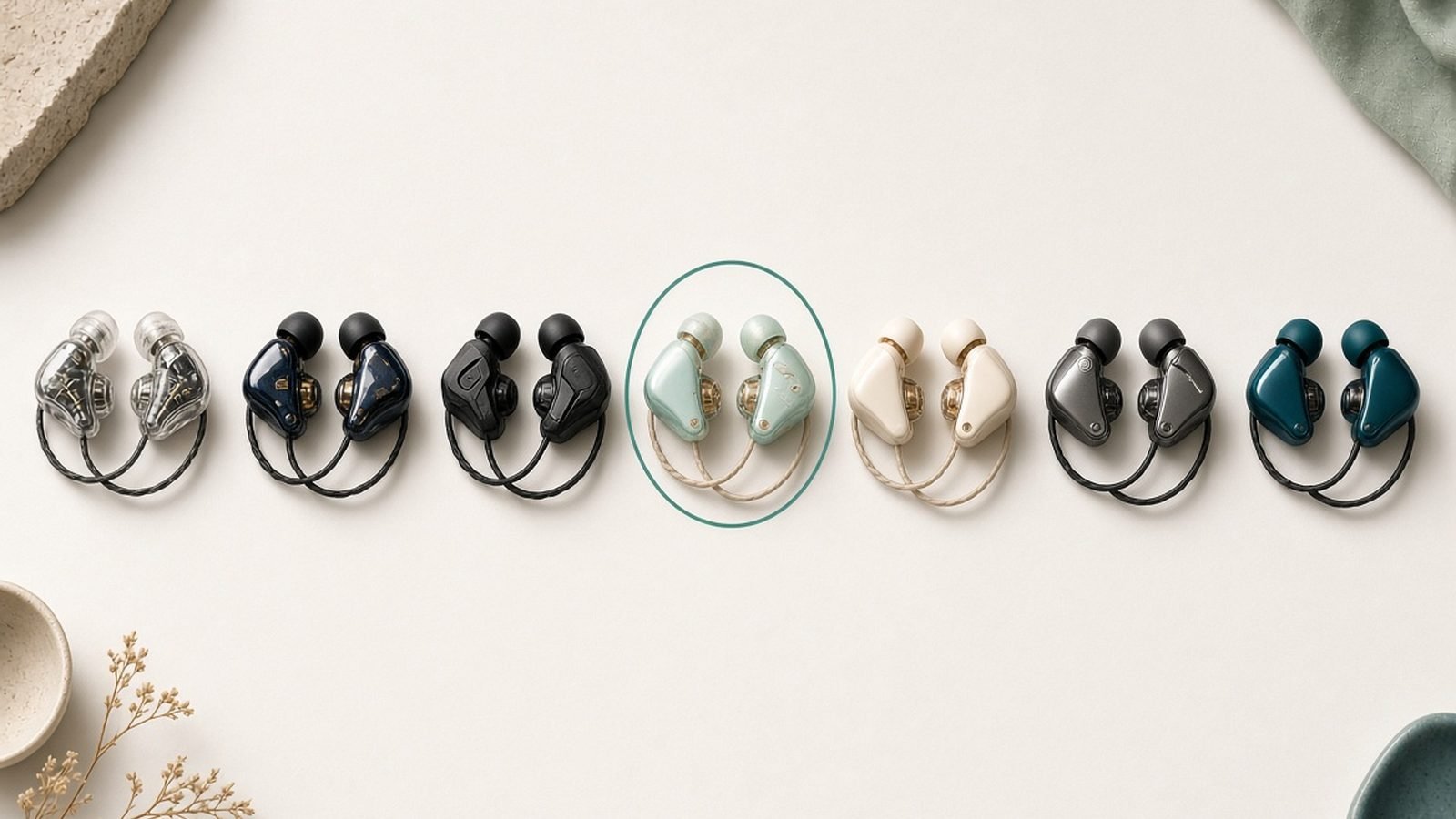
The best IEMs under $100 in 2026, from $20 to $100. Five wired picks that embarrass pricier wireless earbuds, plus a no-jargon buying guide.
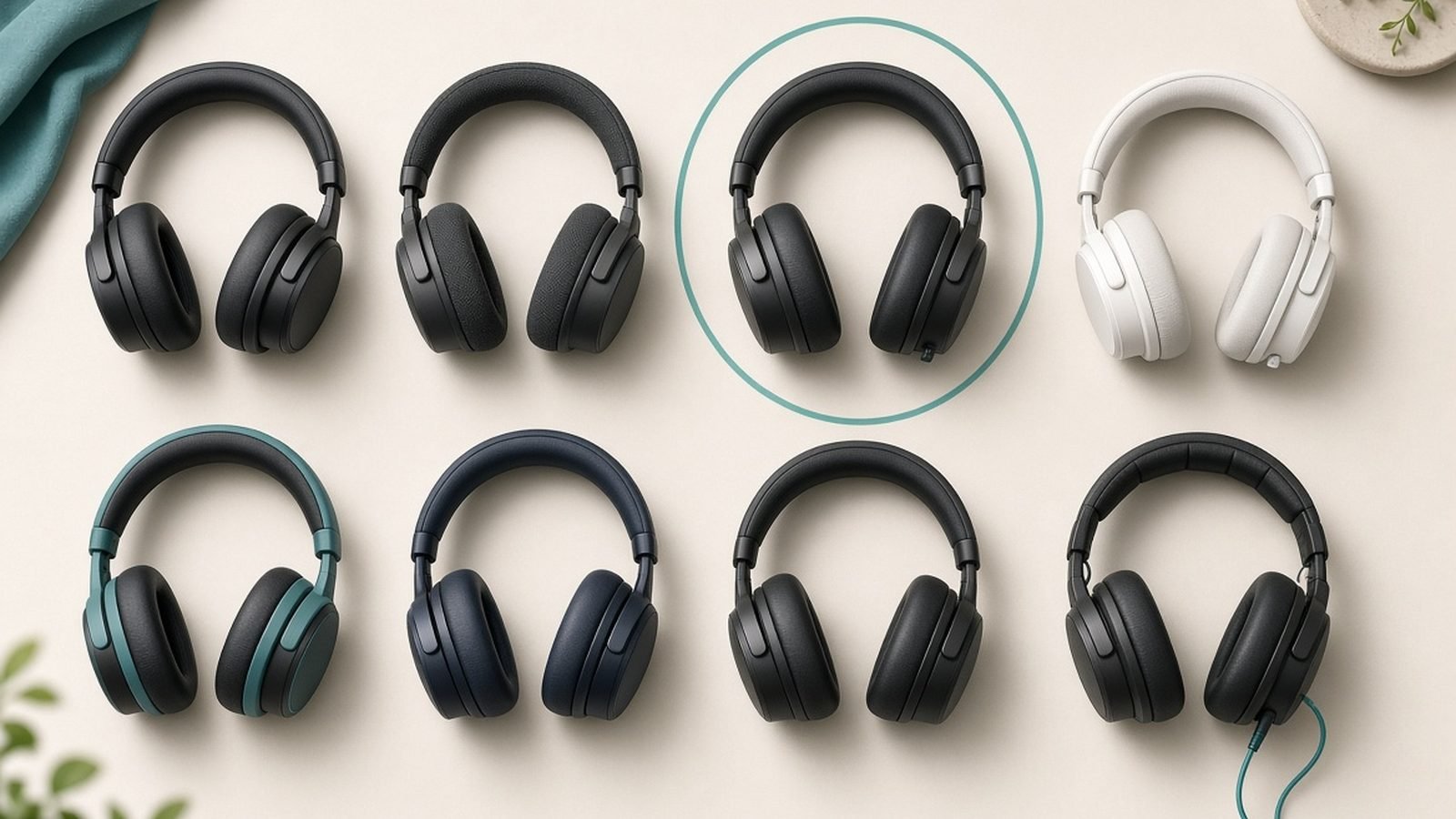
The best gaming headset under $100 in 2026: five picks for PC, PS5 and Xbox, with mic comparisons, real trade-offs and UK pricing.
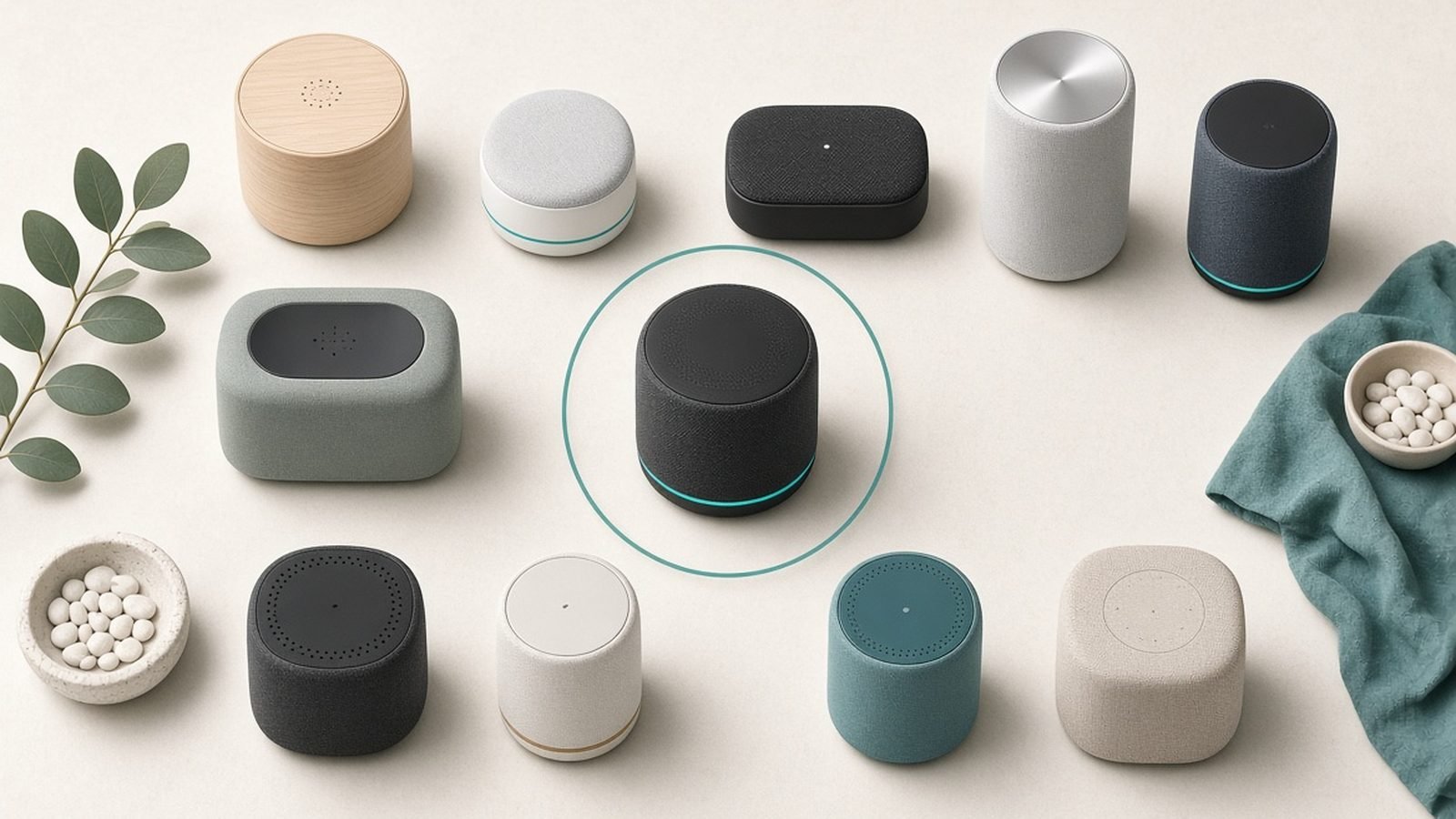
The best smart speaker for music in 2026, ranked by sound first: Sonos Era 100, HomePod 2, Era 300, Echo Dot and HomePod mini compared.
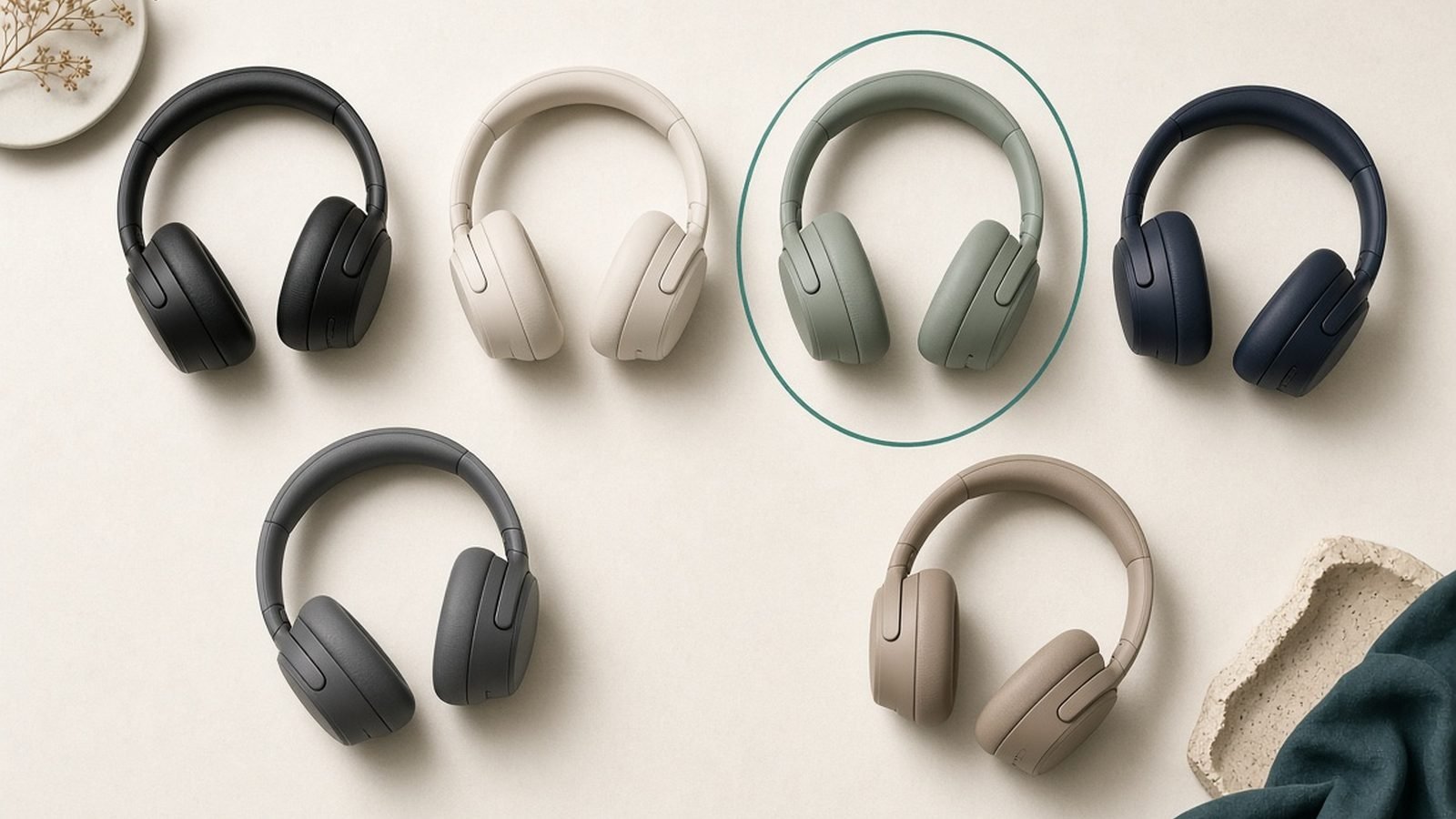
The best noise cancelling headphones under $200 in 2026 — five budget ANC picks compared against the Sony WH-1000XM6 so you know what you give up.
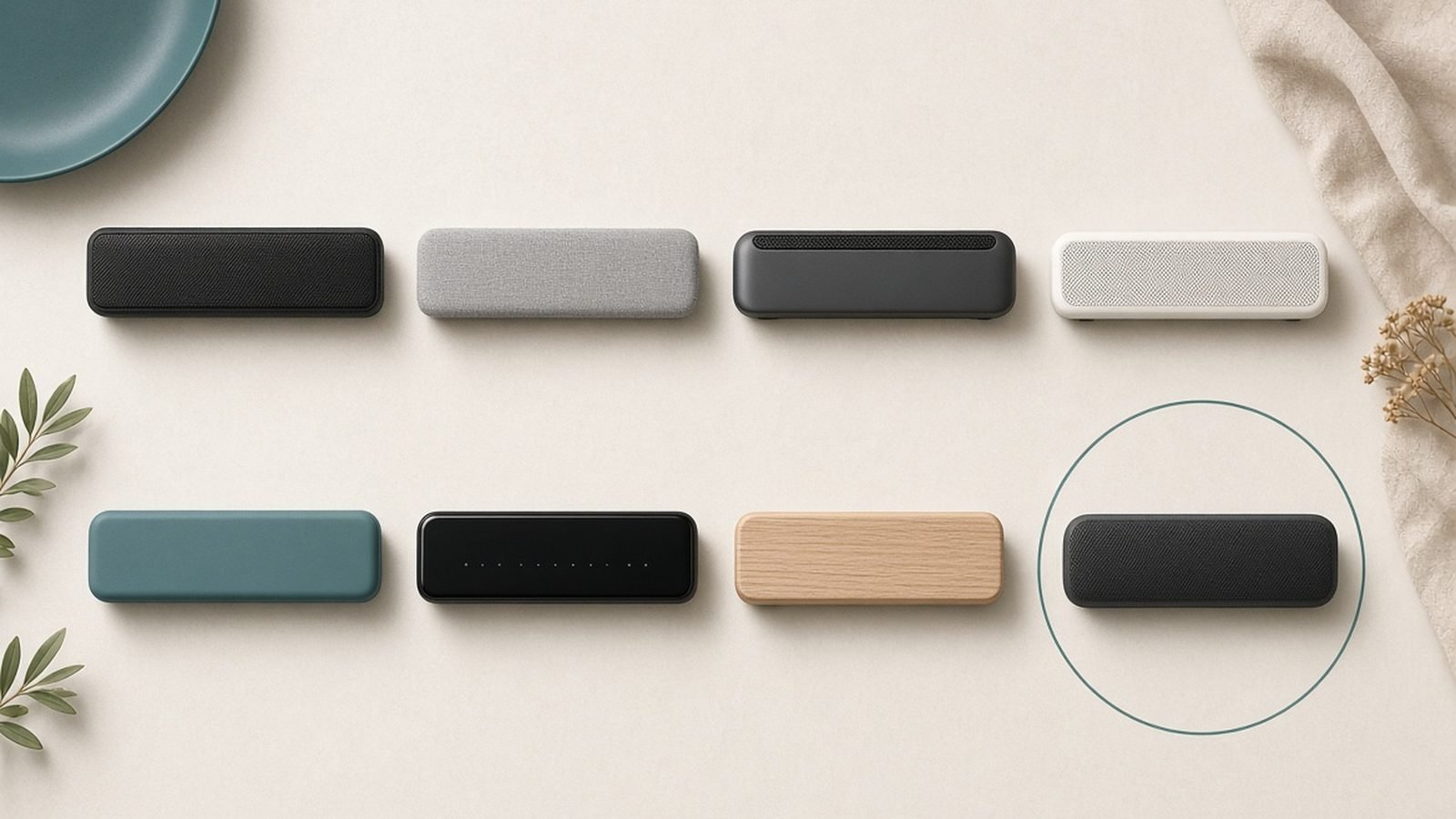
The best soundbar under $300 in 2026: Sony HT-S2000, Sonos Ray, Hisense AX5125H and more, assessed against dialogue, Atmos and music needs.
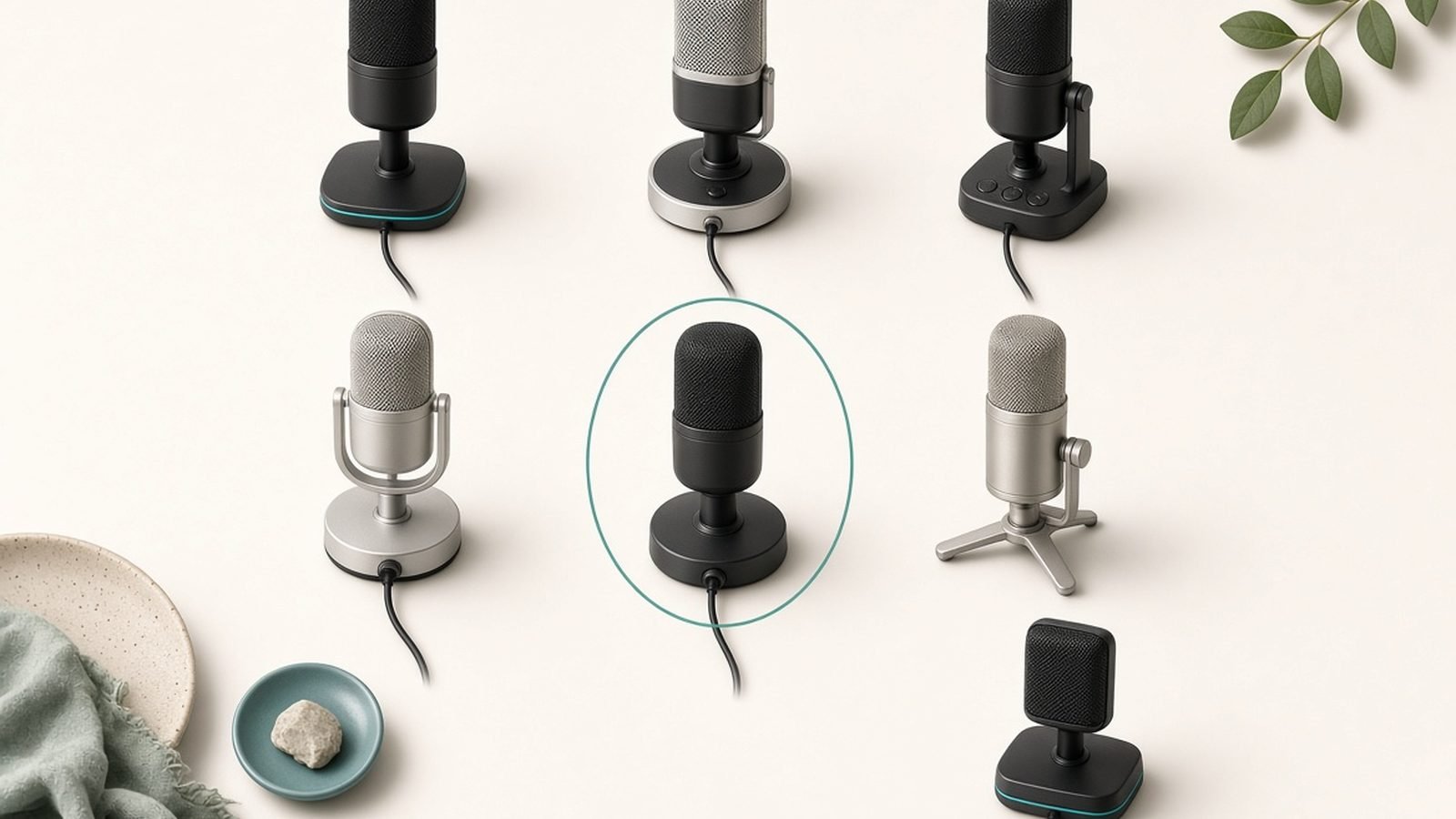
We ranked the best USB microphones of 2026 for streaming and podcasting — from the Shure MV7+ to the £59 Samson Q2U, with picks for every budget.
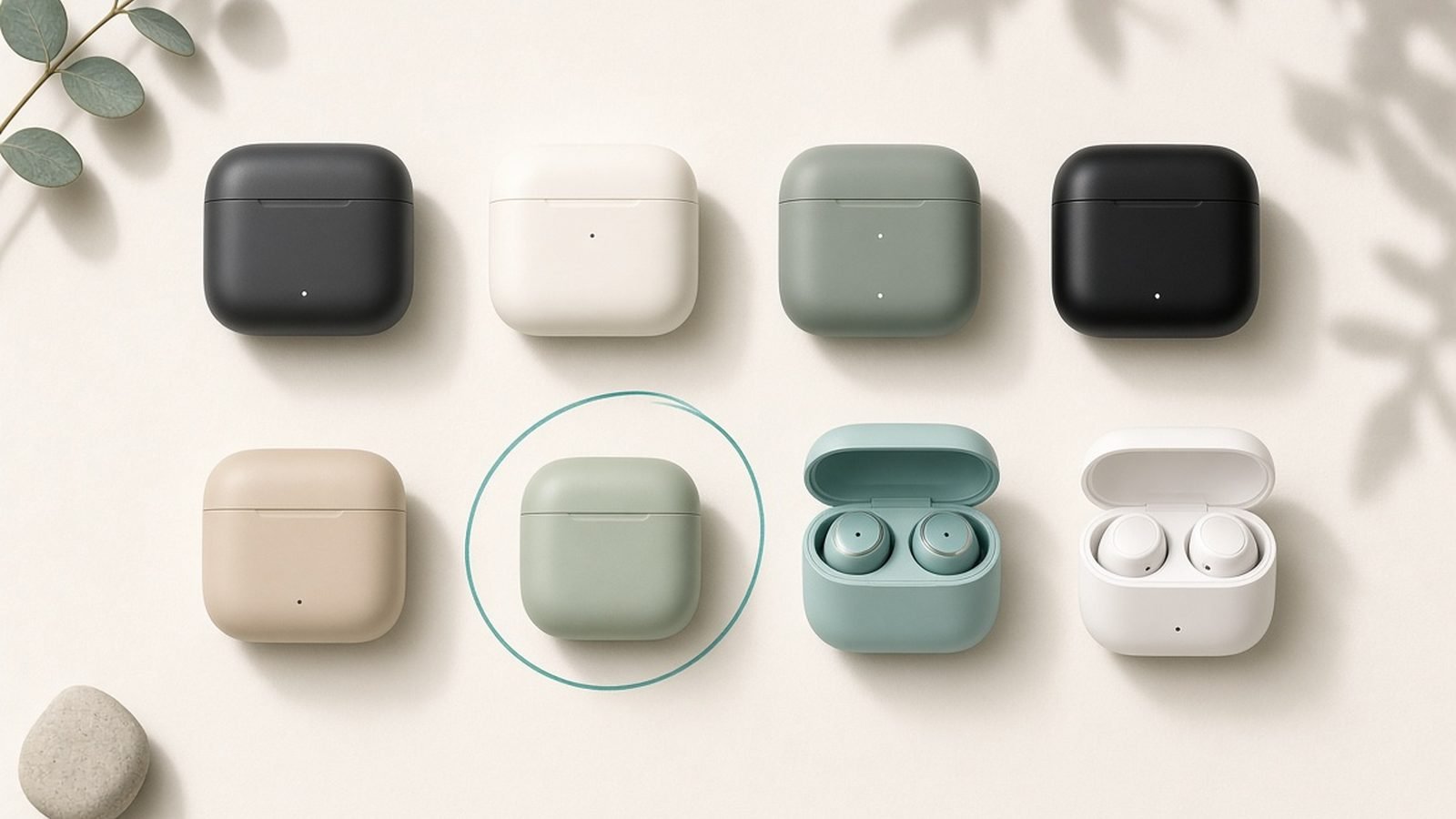
The best wireless earbuds under $100 in 2026, ranked. Five dual-currency picks with real ANC, honest trade-offs, and what you give up vs flagships.
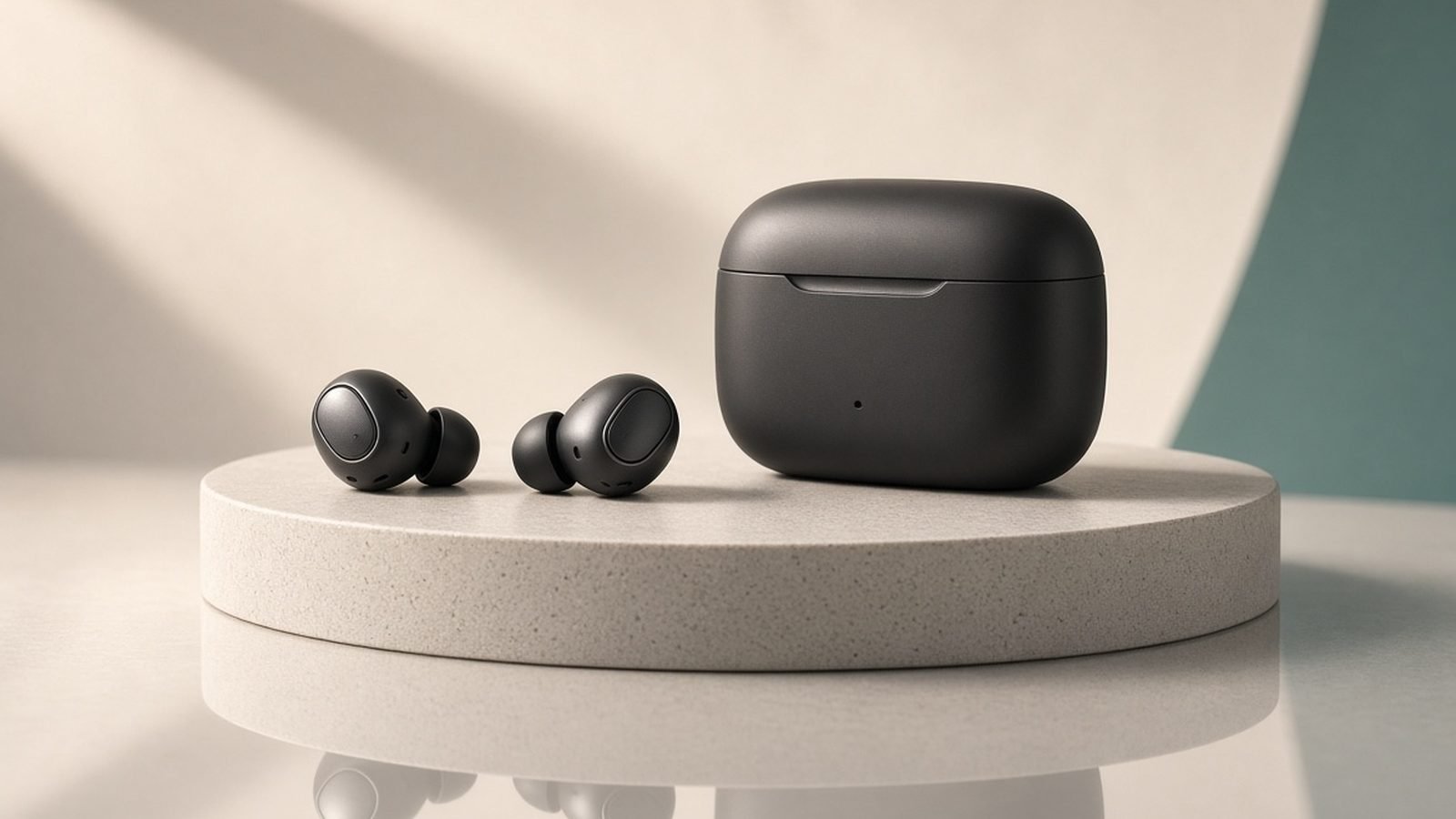
Our Bose QuietComfort Ultra Earbuds review covers noise cancelling, comfort, sound and price in 2026 — and whether they beat the AirPods Pro 3 and Sony.
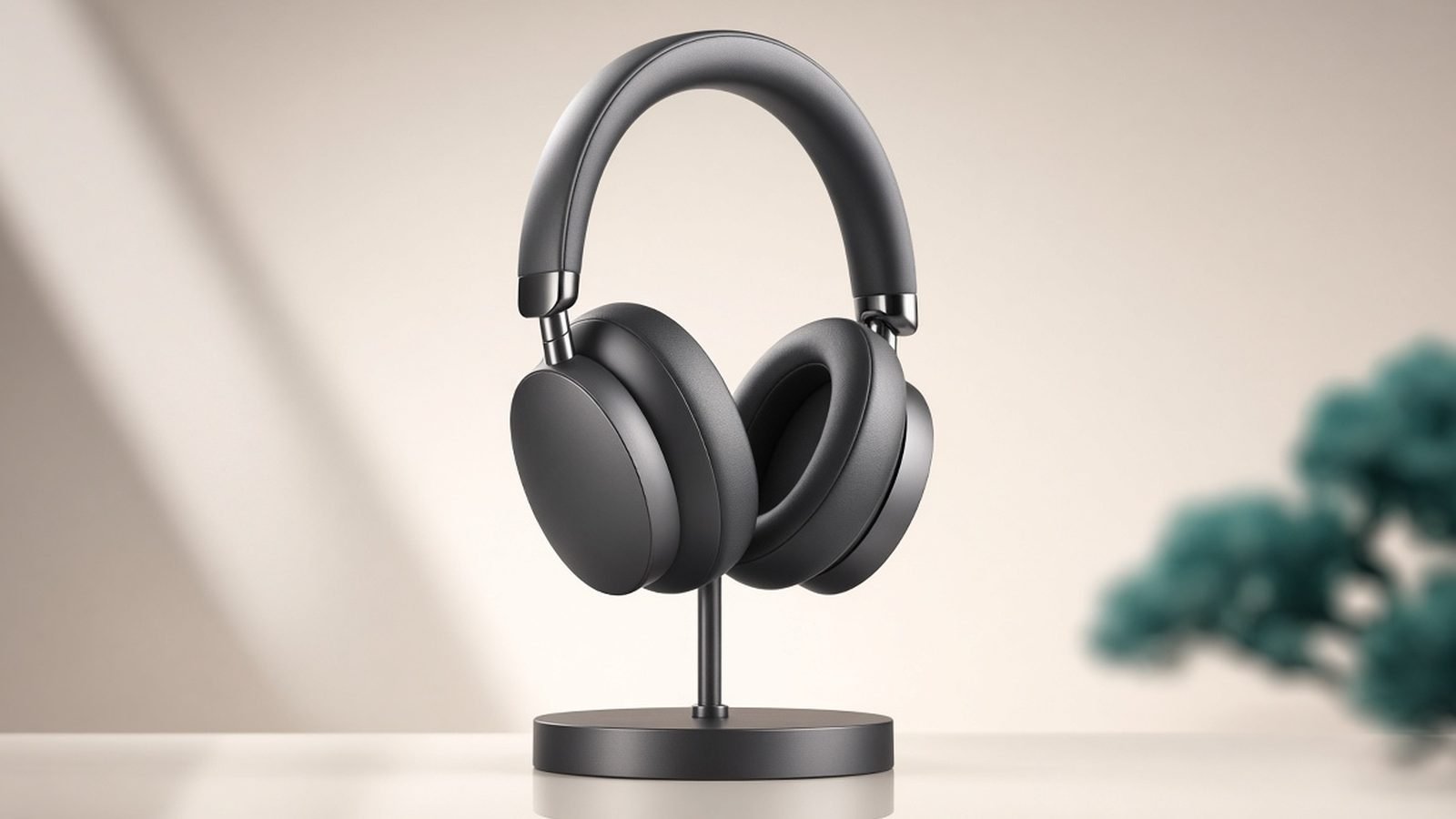
Our Bose QuietComfort Ultra 2 review covers noise cancelling, comfort, sound and price — and whether it beats the Sony WH-1000XM6 in 2026.
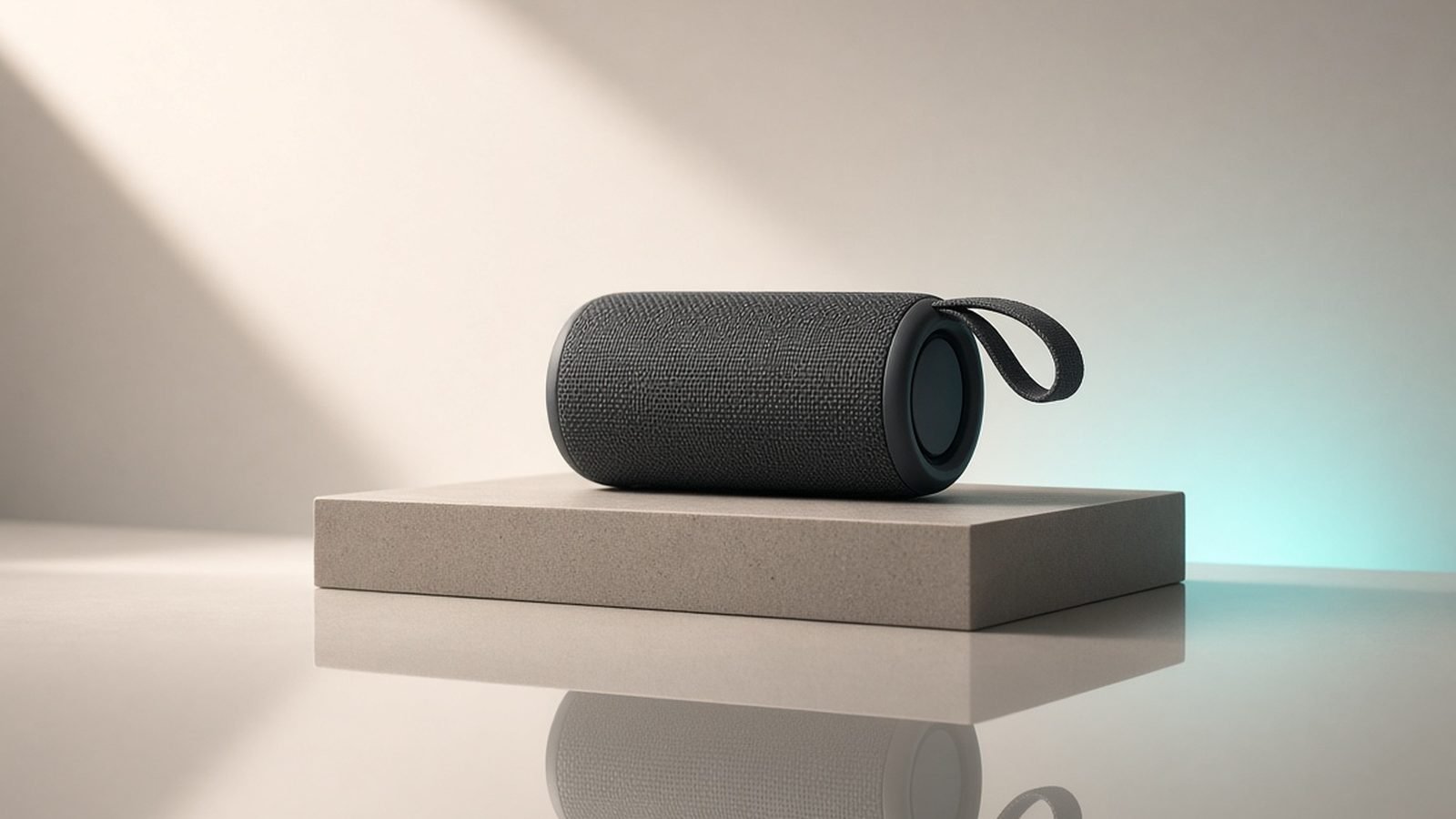
Our JBL Flip 7 review covers sound, battery, IP68 durability and Auracast — and whether the pocket-sized speaker beats the bigger JBL Charge 6.
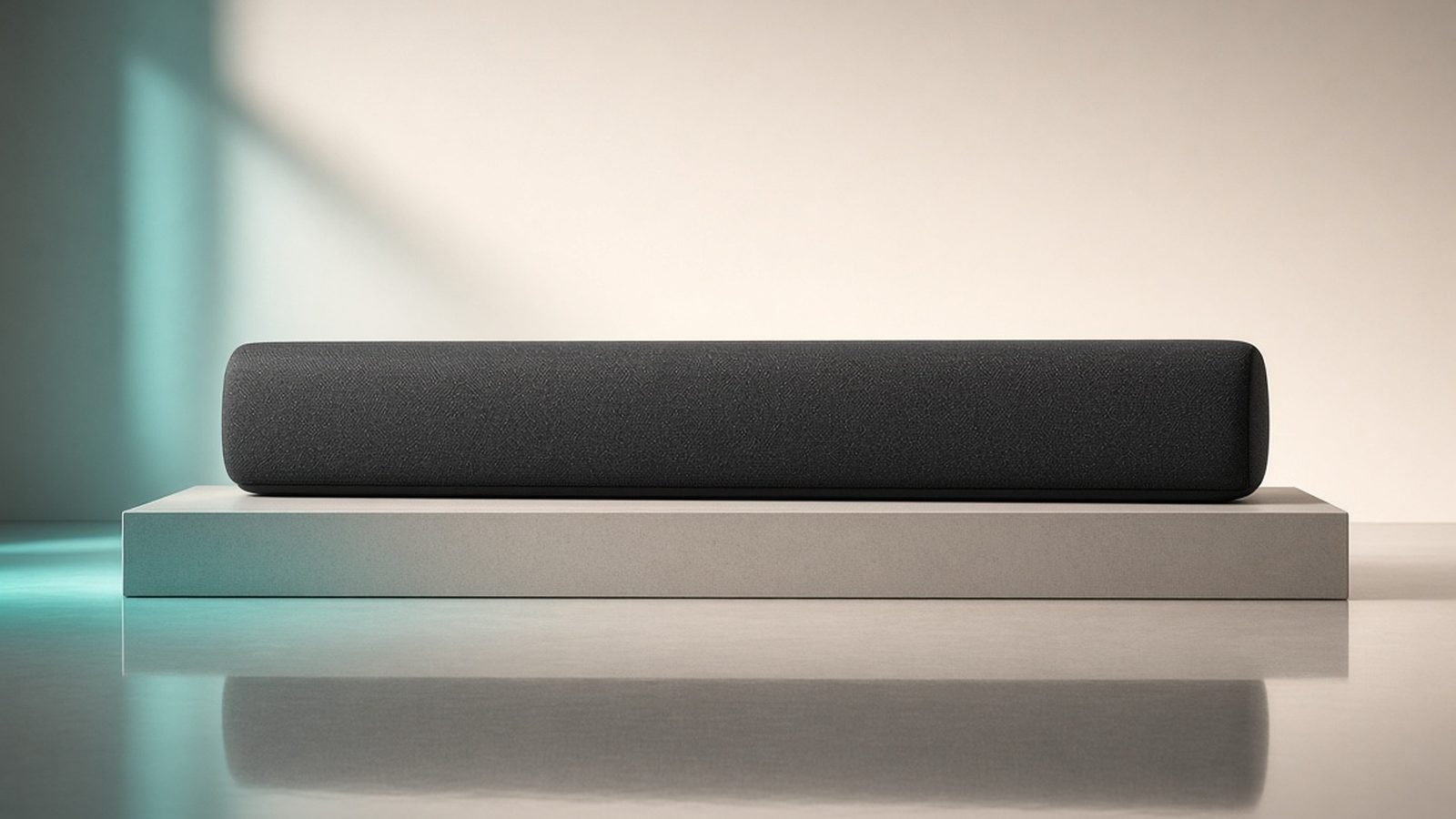
Our Sonos Arc Ultra review covers Sound Motion bass, Dolby Atmos, setup and value. Is the $999 / £999 flagship soundbar worth it in 2026?
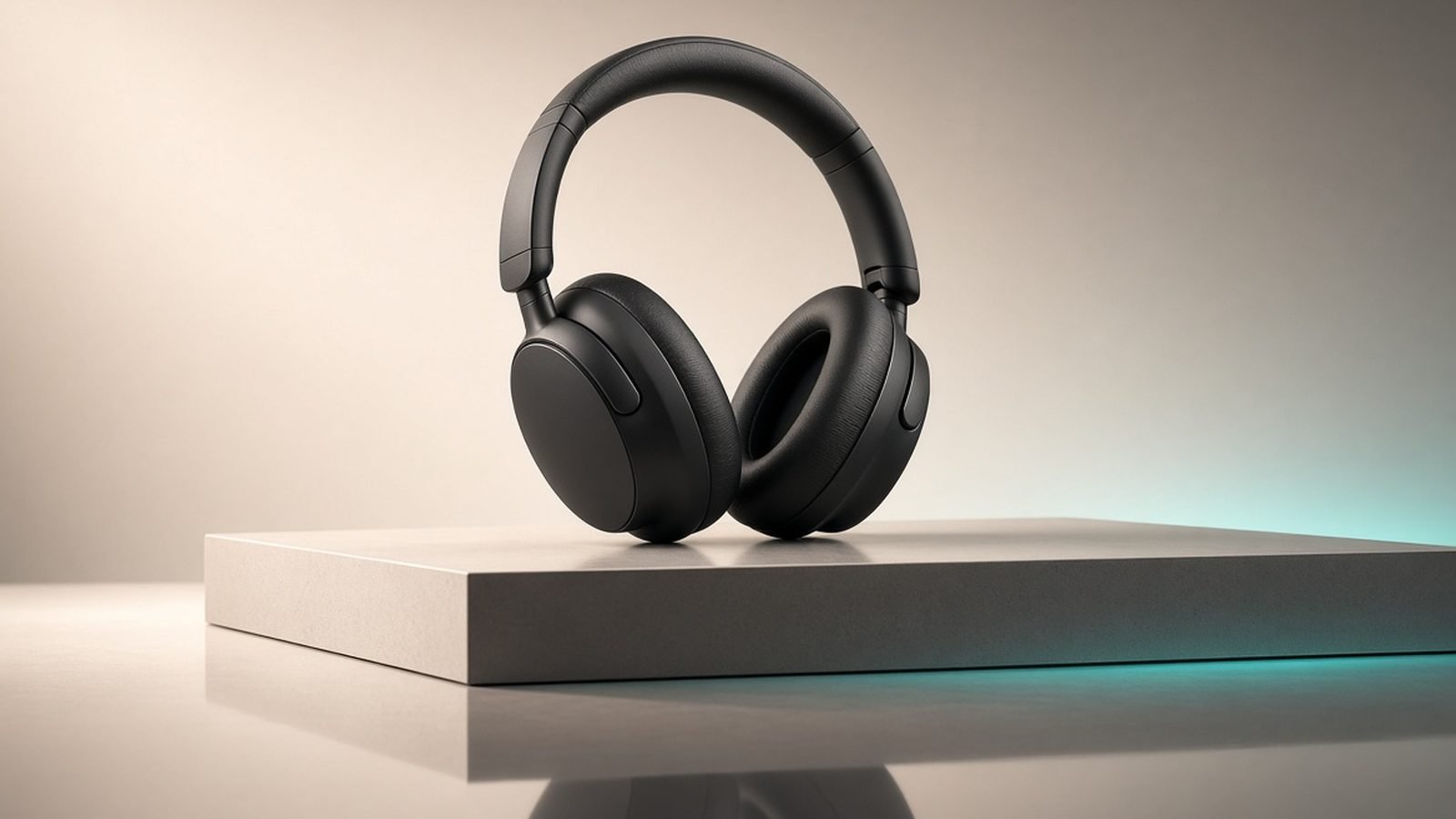
Our Sony WH-1000XM6 review covers ANC, sound, comfort, battery and price vs Bose QC Ultra. Is the folding flagship worth $449.99 / £399 in 2026?
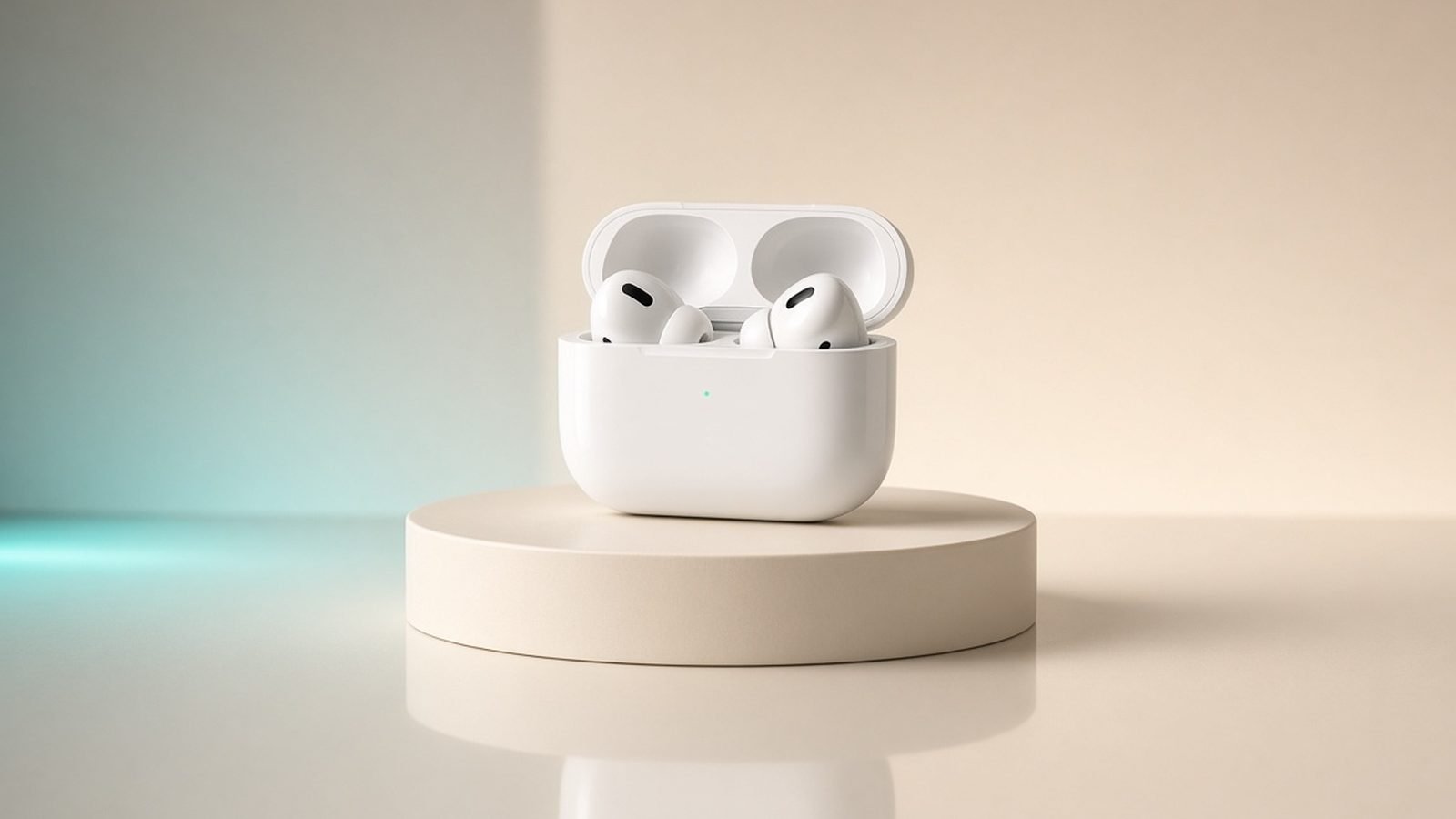
Our AirPods Pro 3 long-term review after 9 months: battery health, heart rate accuracy, scratches, Android life, and whether to buy or wait for Pro 4.
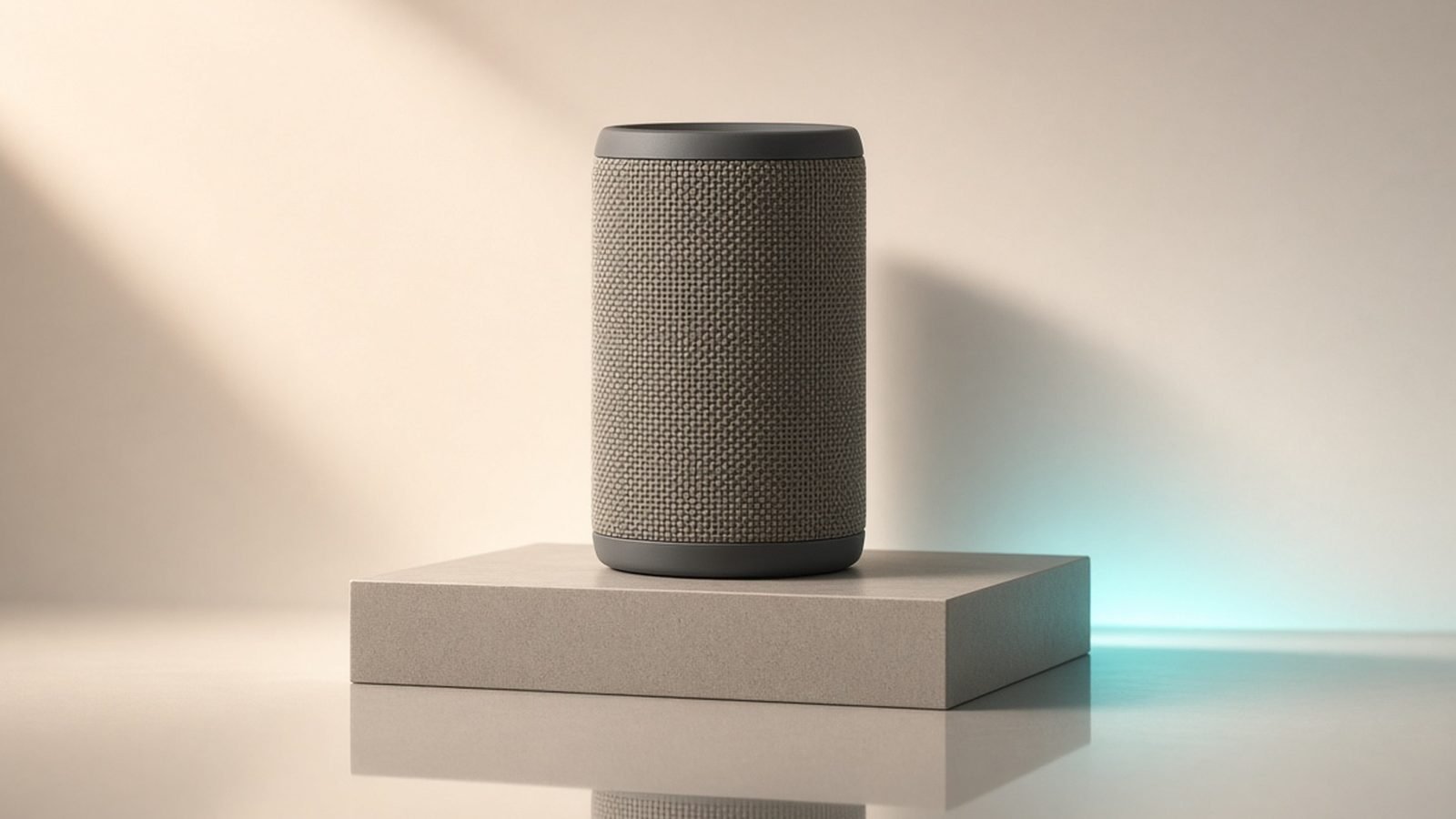
Our JBL Charge 6 review covers sound, 28-hour battery, IP68 durability, app EQ and prices — and whether it beats the Charge 5 and Bose Flex.
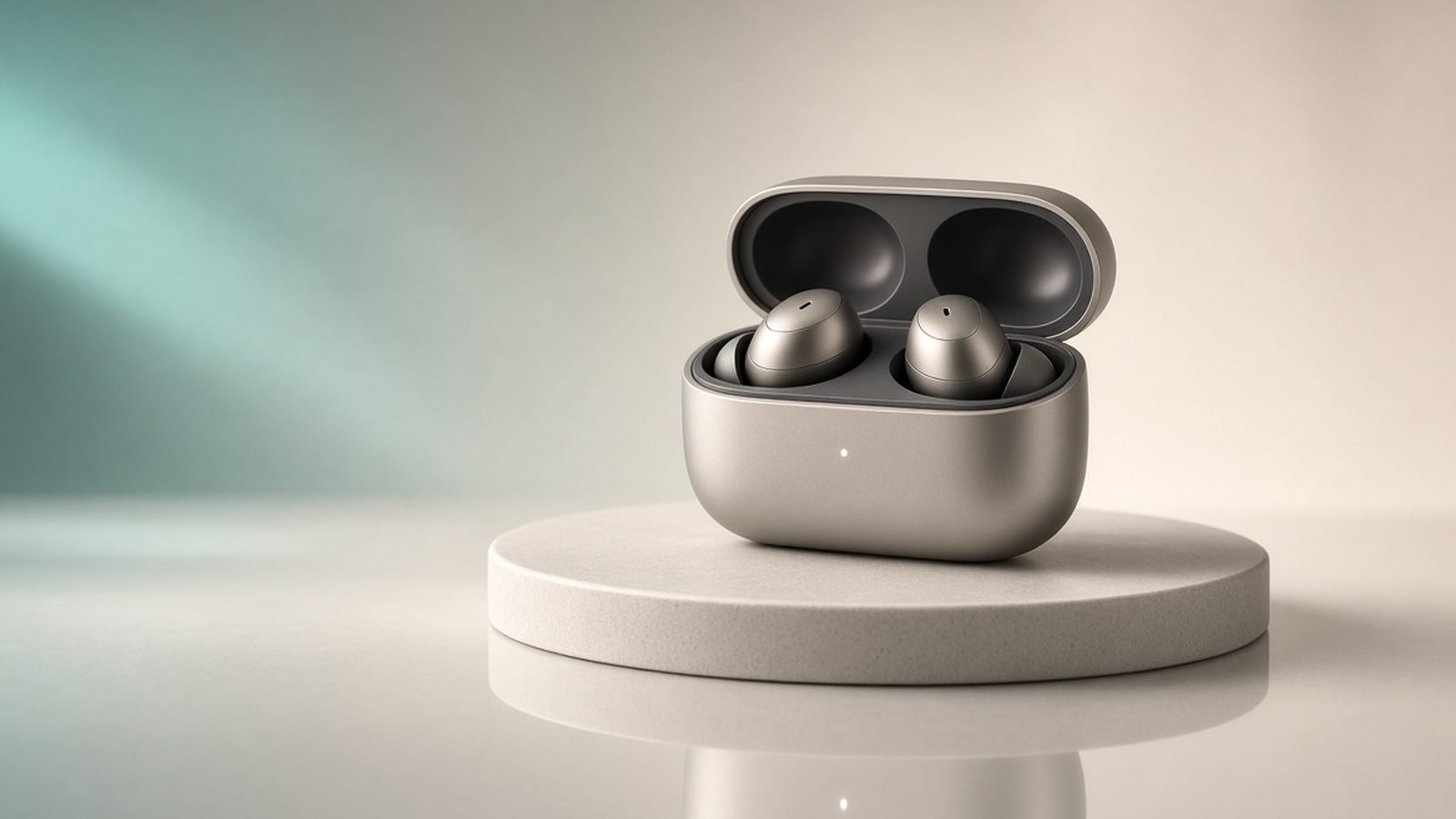
Our Sony WF-1000XM6 review covers ANC, sound, battery life and price vs the XM5, AirPods Pro 3 and Bose QC Ultra. Are they worth $329.99 / £279?
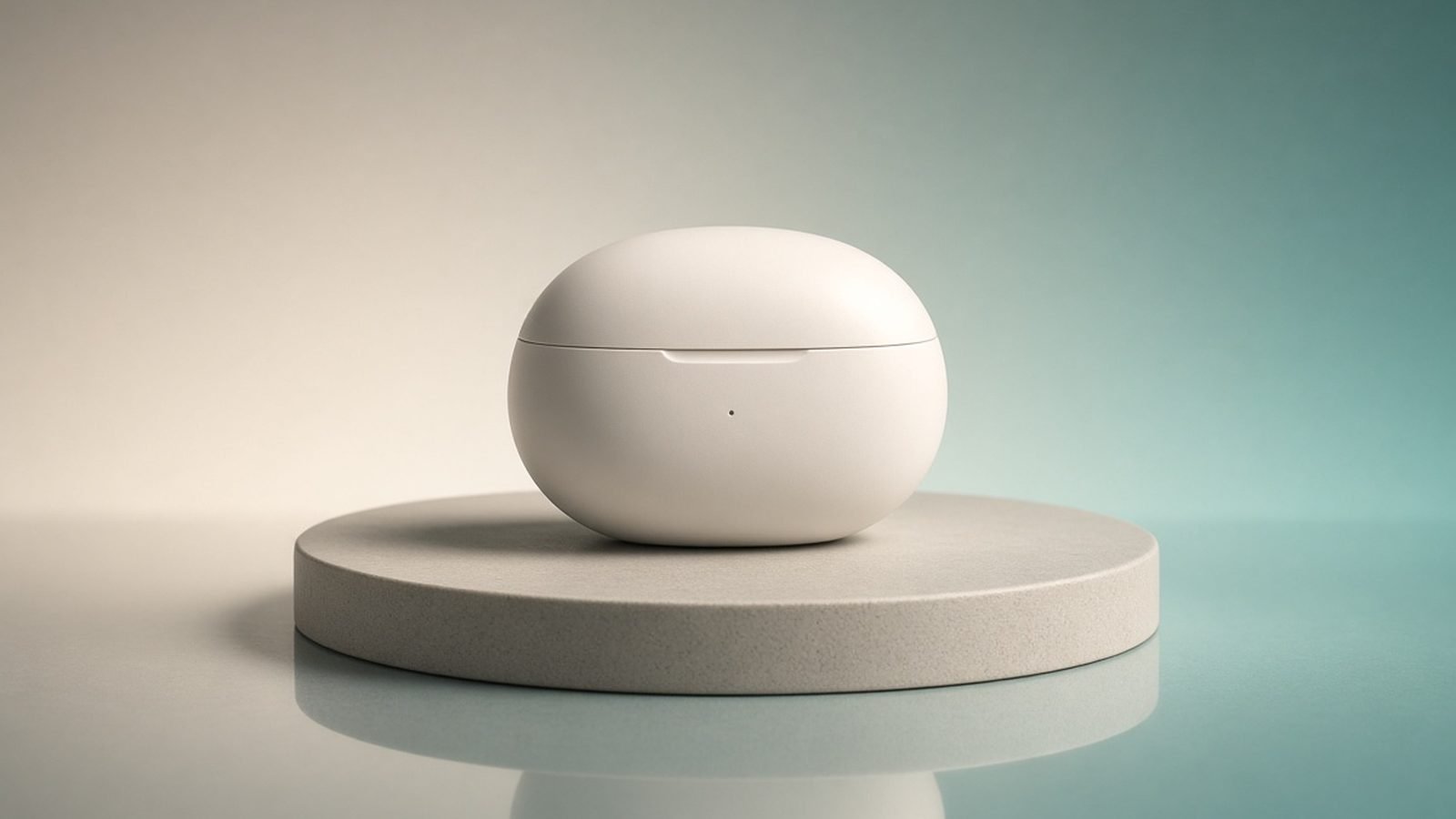
Our 2026 Soundcore Liberty 4 NC review: ANC compared against pricier rivals, the EQ settings to use, and why you should never pay full price.
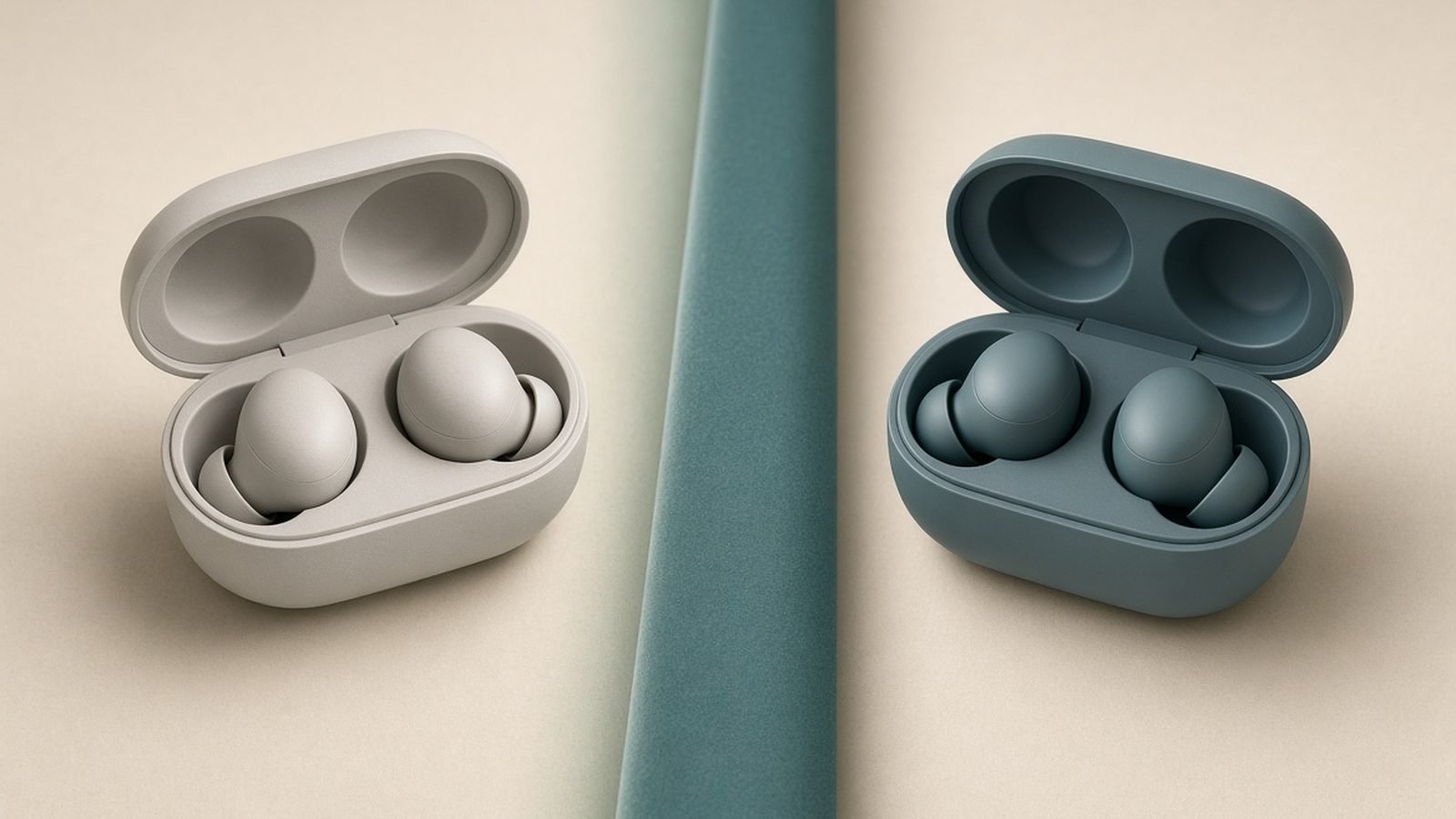
AirPods 4 vs AirPods Pro 3 compared: ANC, fit, sound, battery and price. A clear answer on which Apple earbuds to buy in 2026, from $129 to $249.
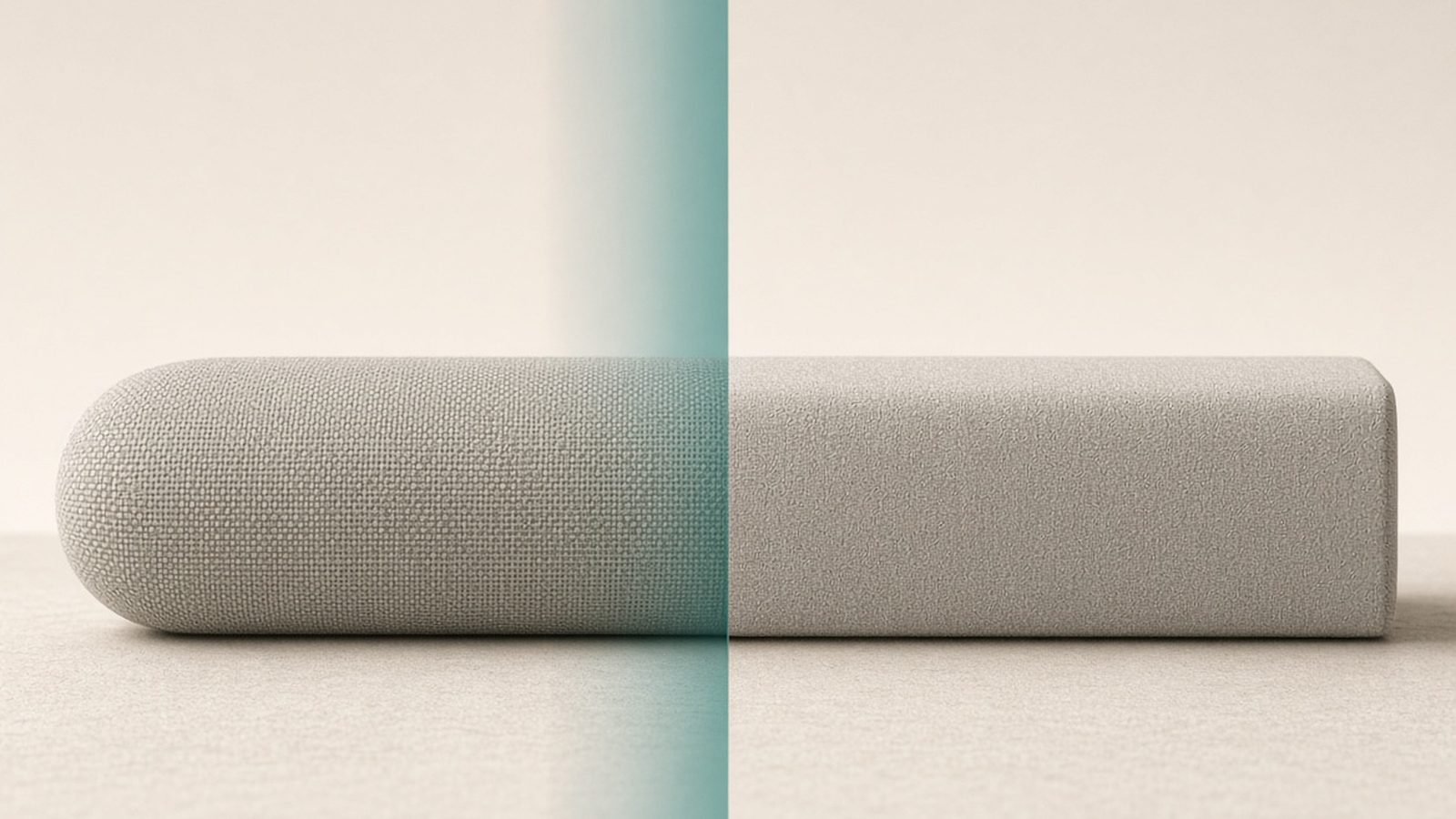
Sonos Arc Ultra vs Bose Smart Ultra Soundbar compared: bass, Atmos, dialogue, ecosystem and price. A clear pick for your living room in 2026.
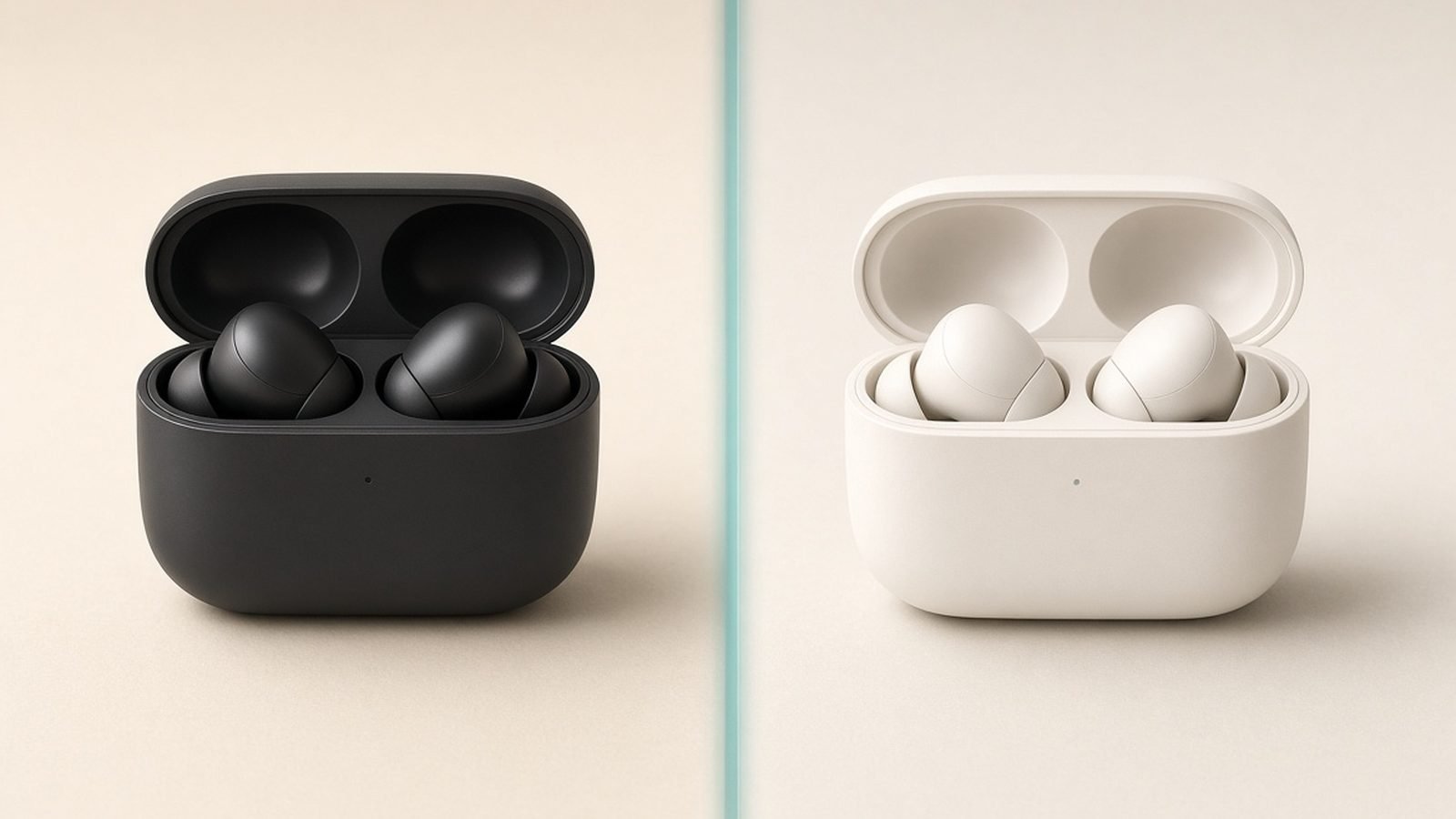
AirPods Pro 3 vs Sony WF-1000XM6: we compare ANC, sound, battery and ecosystem fit to settle which premium earbuds to buy in 2026.
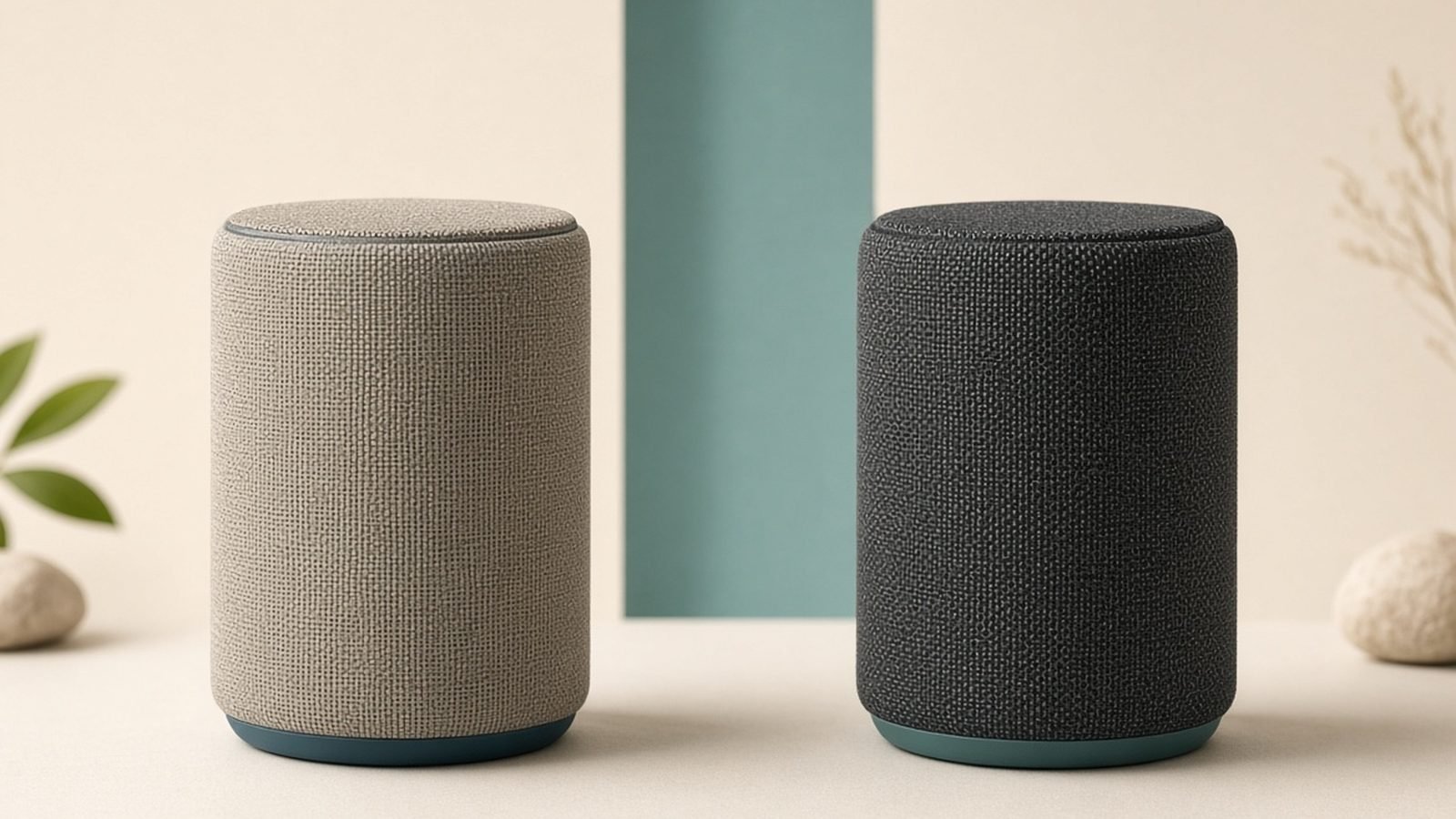
JBL Flip 7 vs Charge 6 compared: sound, bass, battery, size and price, so you know exactly which JBL speaker to buy in 2026.

Sonos Arc Ultra vs Samsung HW-Q990F: we compare price, Atmos performance, music, gaming and upgrade costs to find the better premium soundbar.
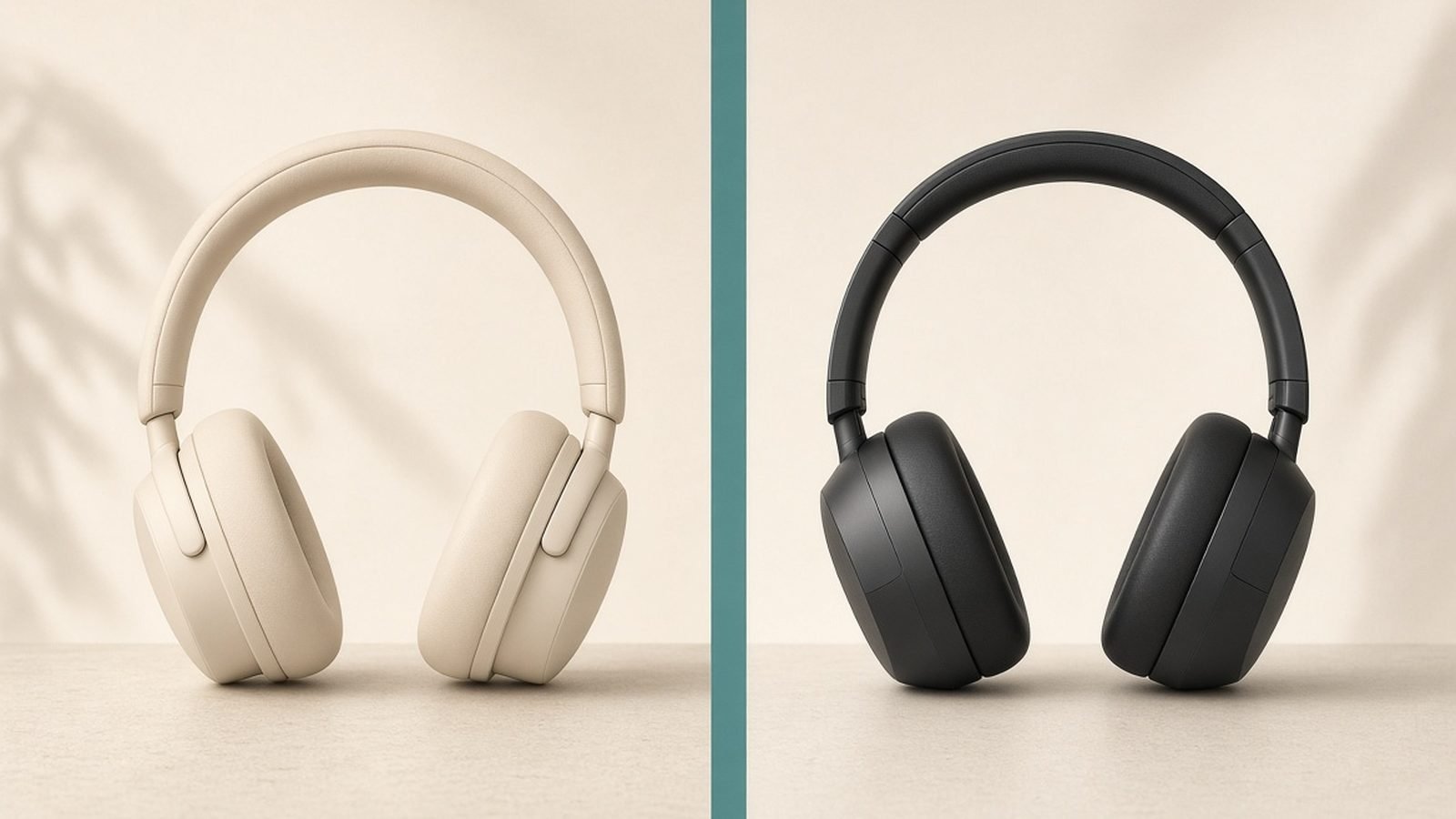
Sony WH-1000XM6 vs Bose QuietComfort Ultra 2nd Gen compared: ANC, sound, battery, comfort and price — plus which one you should actually buy.
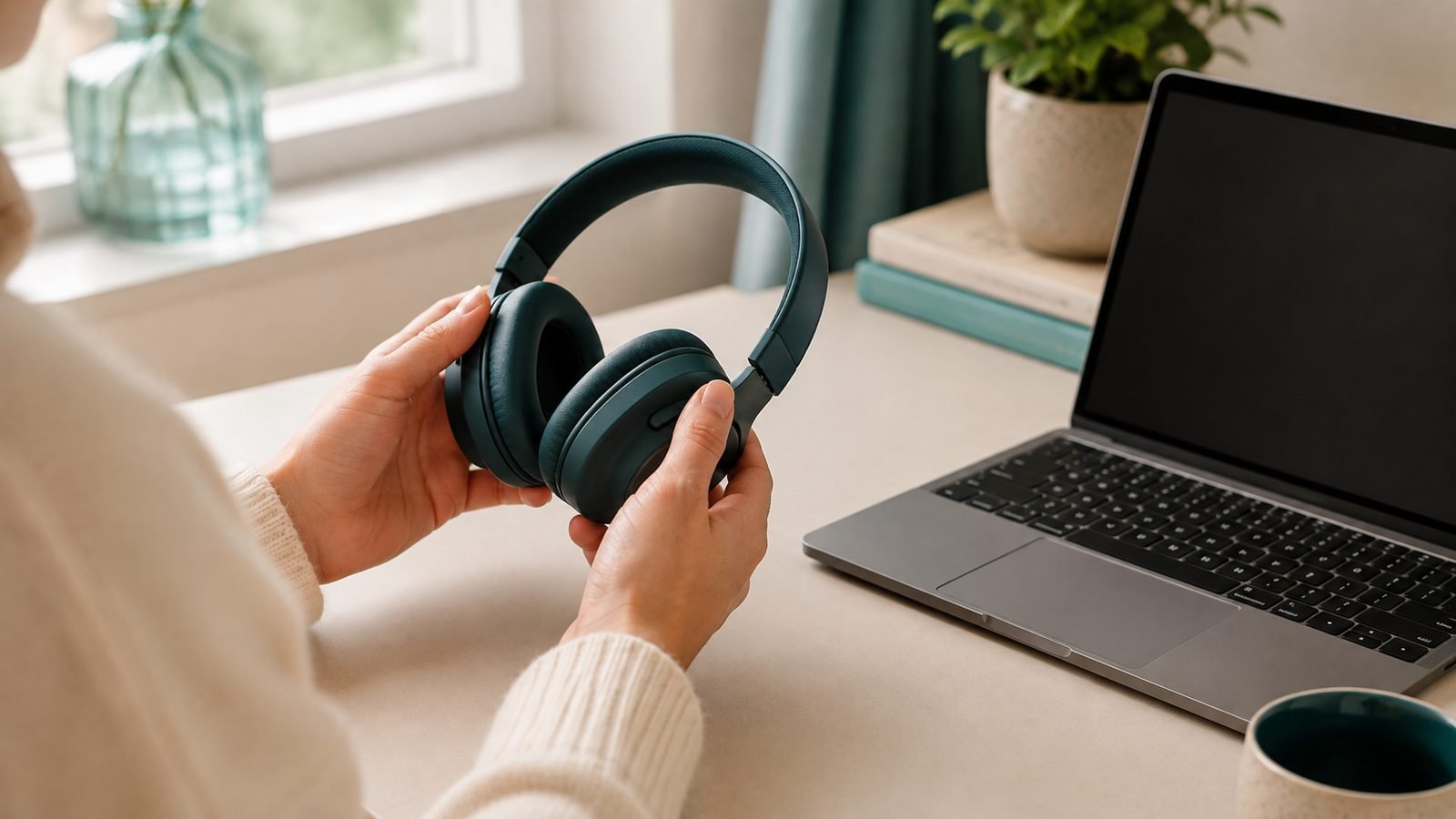
Fix Bluetooth audio lag and lip-sync issues on TVs, phones and PCs — codec settings, aptX and LC3, TV audio delay, and step-by-step troubleshooting.
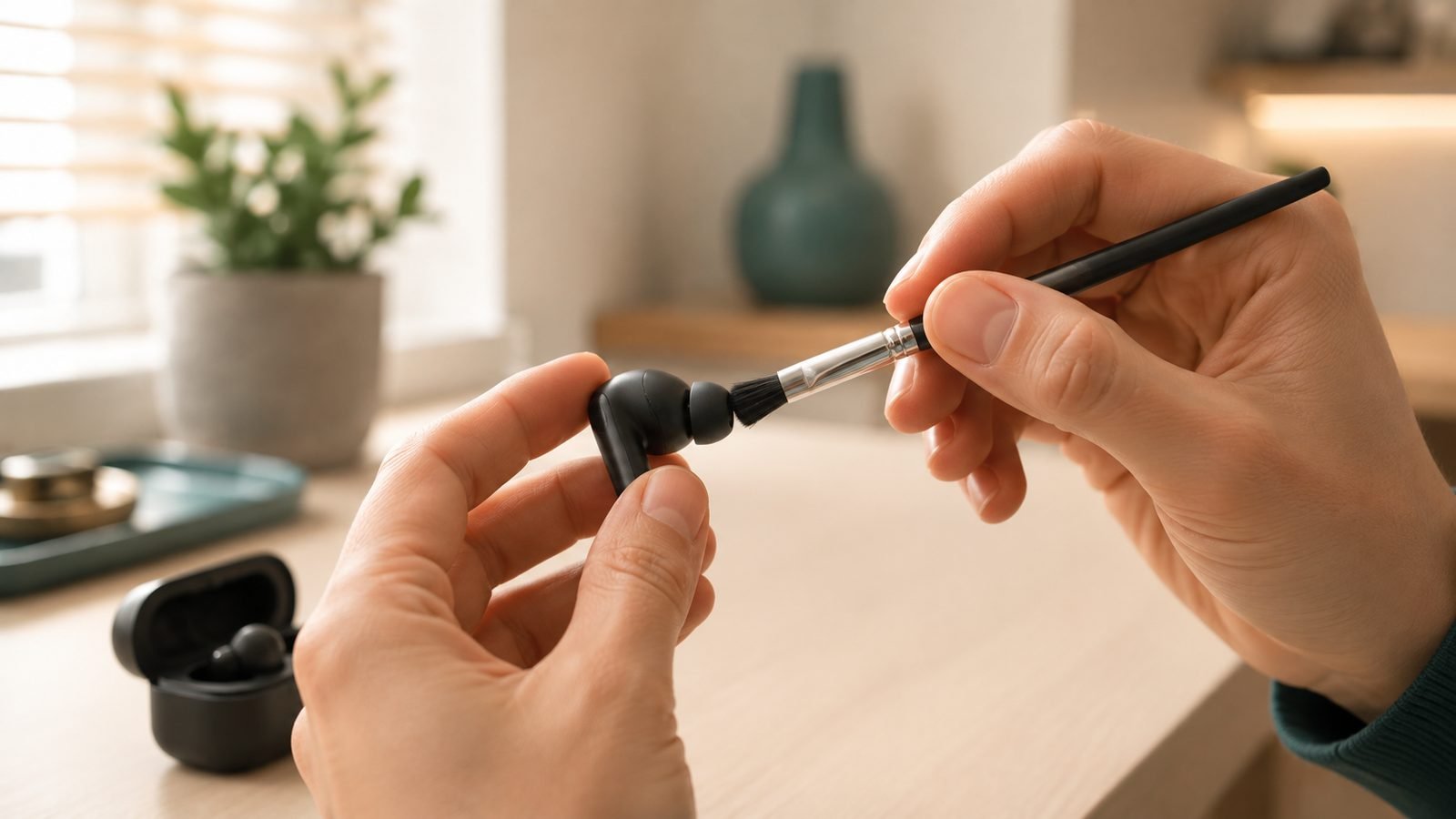
Learn how to clean earbuds safely without damage — the right tools, ear wax and mesh removal, cleaning the case, and the mistakes that ruin earbuds.
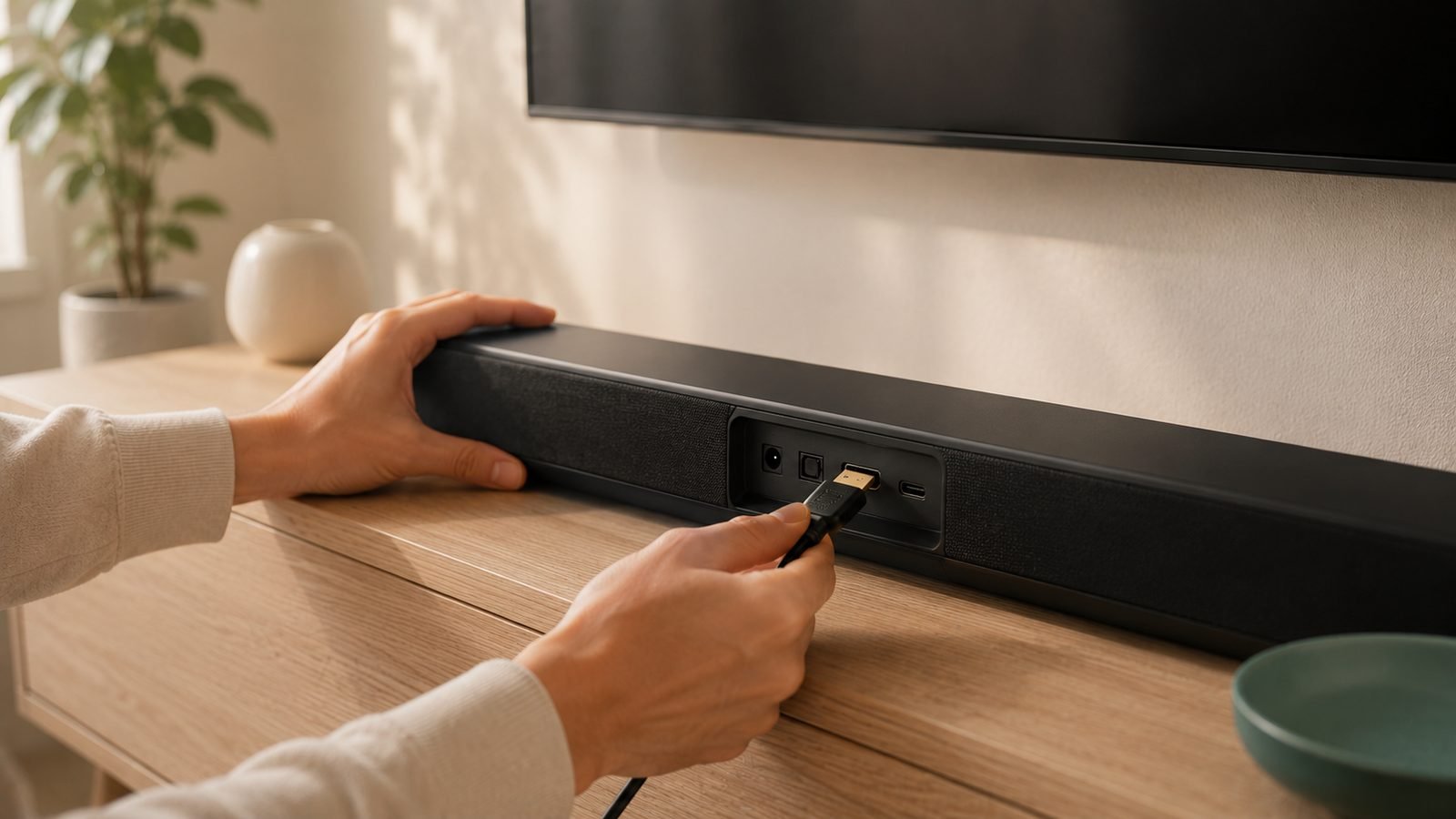
How to connect a soundbar to your TV, step by step: HDMI eARC vs ARC vs optical vs Bluetooth, the right port, TV audio settings, and fixing no-sound issues.
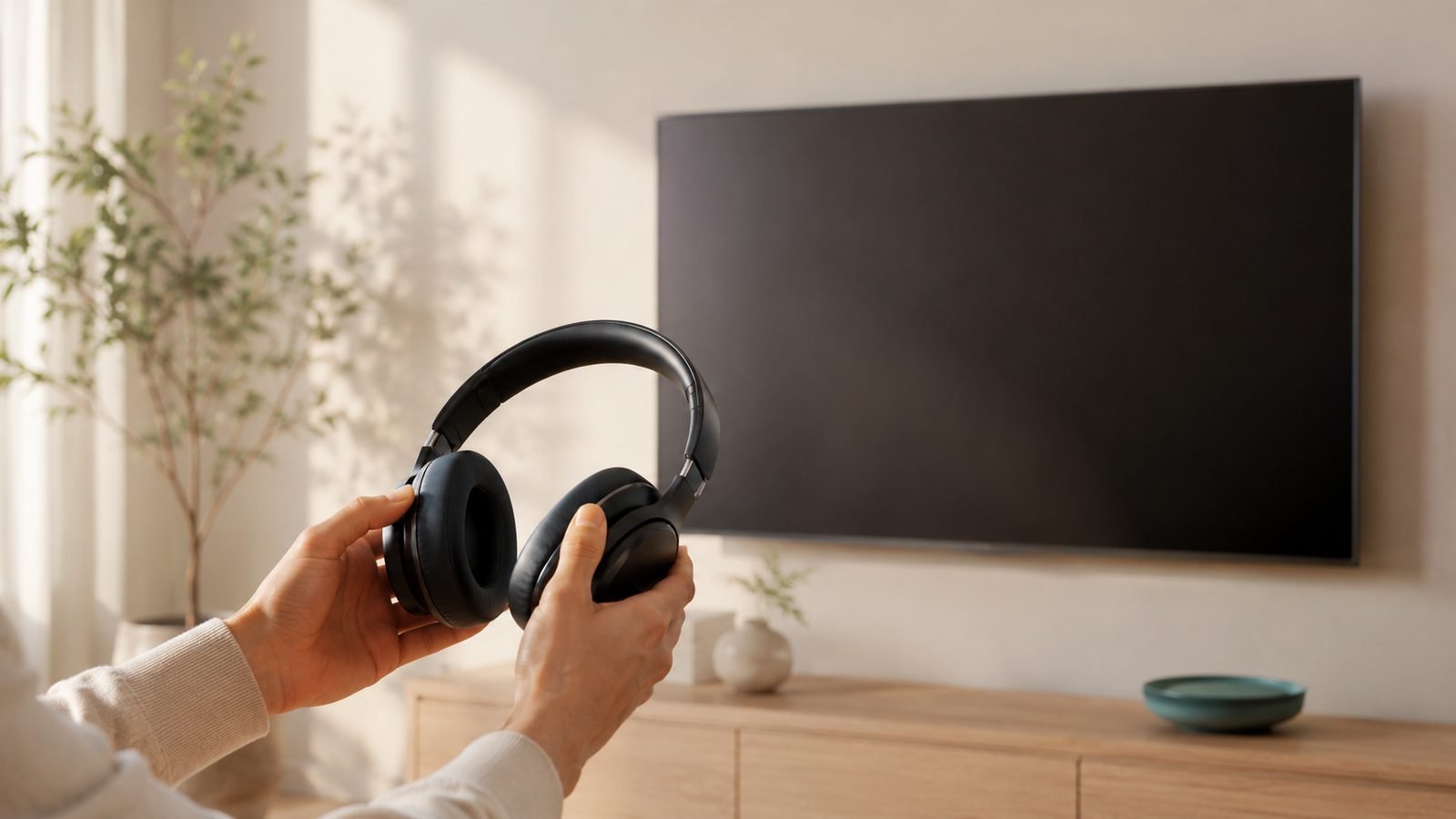
Learn how to connect Bluetooth headphones to TV — Samsung, LG, Sony, Roku, Fire TV — plus the transmitter fix for TVs without Bluetooth.
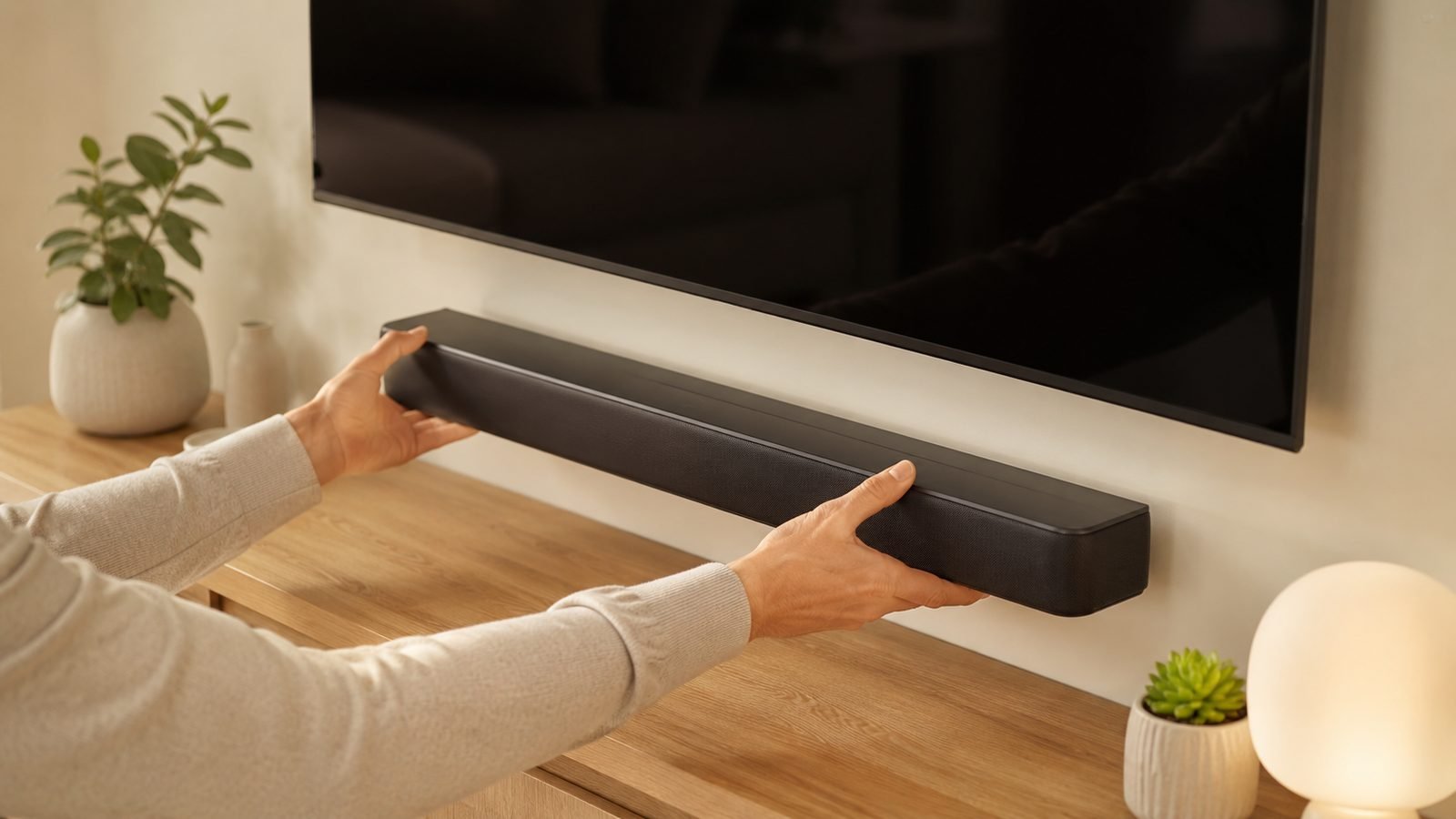
Learn how to set up a soundbar the right way: HDMI ARC vs eARC vs optical, placement, TV settings, CEC remote control, and Dolby Atmos checks.
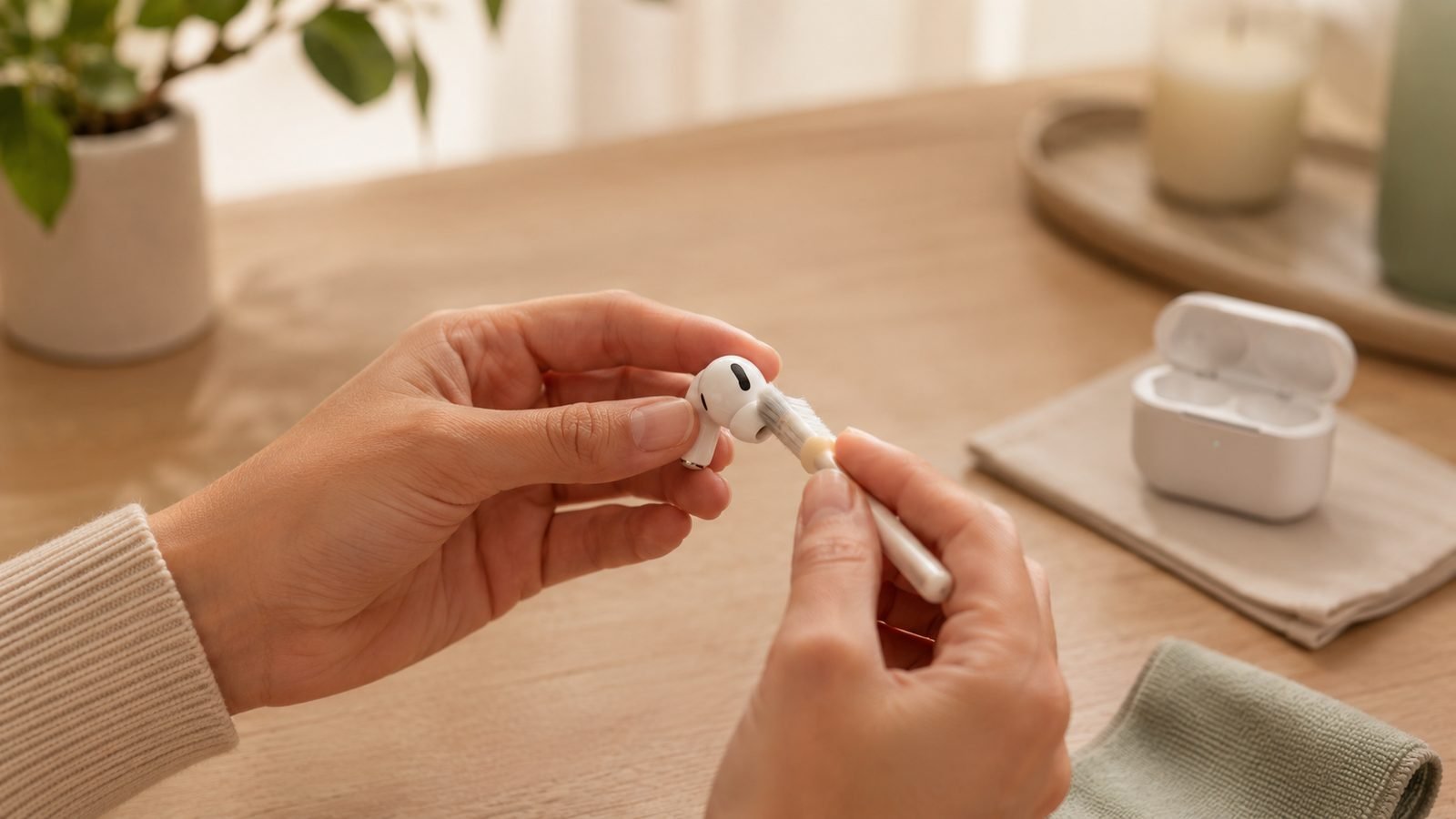
One earbud not working? Work through these 9 proven fixes — cleaning, TWS re-sync, resets and firmware — before you spend a penny on replacements.

Dolby Atmos soundbars explained: what Atmos actually does, how up-firing vs virtual height works, whether your room suits it, and if it's worth paying for.
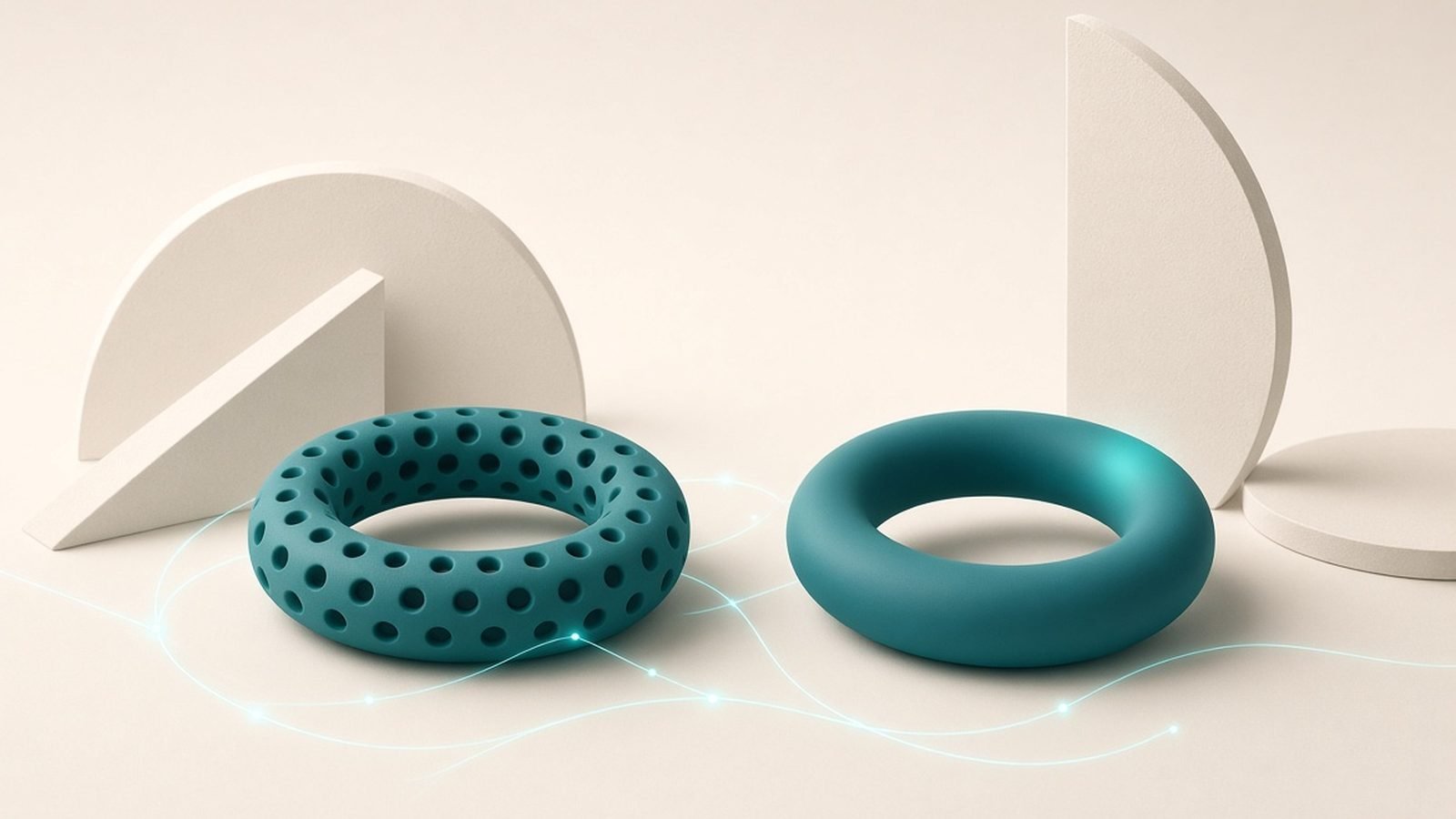
Open vs closed back headphones explained: how the design changes soundstage, isolation and leakage, plus which type suits your listening in 2026.

What is spatial audio? A plain-English explainer on head tracking, Dolby Atmos music, how to turn it on, which devices support it, and whether it's worth it.

What is ANC? A plain-English explainer on how active noise cancelling works, feedforward vs feedback mics, its limits, ANC vs passive isolation, and safety.

Bluetooth codecs explained in plain English: AAC, aptX, LDAC and LC3 compared, whether you can hear the difference, and which one matters for you.
We use cookies to run this site, understand traffic, and — where you allow it — measure affiliate referrals and personalise ads. See our Cookie Policy and Privacy Policy.