Cerebras attacks AI inference with hardware nobody else uses: wafer-scale processors instead of racks of GPUs. The practical consequence is the entire sales pitch — open models like Llama served at token rates that leave conventional GPU clouds far behind, fast enough that streaming responses feel instant and long agent chains finish in a fraction of the usual time. The cost of entry is deliberately low: an OpenAI-compatible API with a free developer tier, then pay-as-you-go. So the decision is really about fit. Latency-sensitive builds — voice agents, real-time assistants, long agent chains — are what Cerebras Inference is for; a huge private model catalogue, fine-tuning depth or the lowest per-token price above all are what it is not.
This review is expert analysis drawn from Cerebras’s public documentation, its published model list and pricing, and aggregated developer feedback through mid-2026 — not a private benchmark or a claim of hands-on lab testing.
Cerebras Inference at a glance
Pros:
- Exceptional generation speed — among the fastest inference available for open models
- OpenAI-compatible API, so migration is often a base-URL and key change
- Serves popular open models (Llama family and others) with no infrastructure to manage
- Free developer tier to prototype before committing spend
- Speed unlocks use cases that feel sluggish on ordinary GPU clouds
Cons:
- Smaller model catalogue than general clouds — curated, not exhaustive
- Pay-as-you-go token cost, and heavy real-time use adds up
- Rate limits on lower tiers can constrain high-volume production
- Not a fine-tuning or full MLOps platform — it is inference-first
- You still depend on the underlying open models’ quality and licences
What Cerebras Inference is
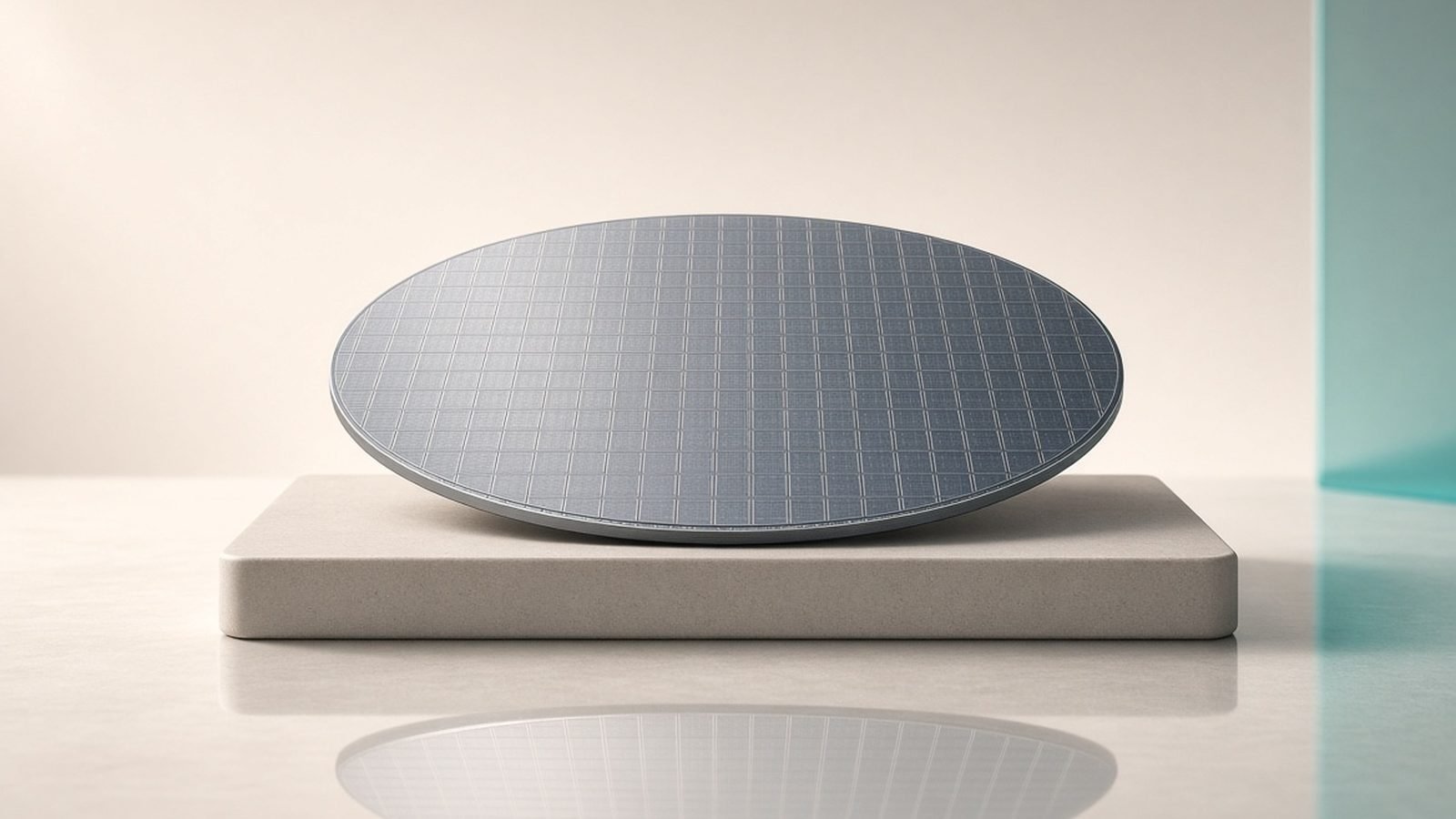
Cerebras built its name on the Wafer-Scale Engine, a single chip roughly the size of a dinner plate that packs an enormous amount of compute and on-chip memory onto one piece of silicon. Cerebras Inference is the cloud service that puts that hardware to work serving large language models: you send a prompt to an API, and the model generates a reply — but far faster than a typical GPU-backed endpoint. The pitch is simple and specific. It is not trying to be a do-everything AI platform; it is trying to be the fastest way to run inference on popular open models.
The speed comes from architecture. Keeping model weights in fast on-chip memory rather than shuttling them across many separate GPUs removes a major bottleneck, so tokens stream out at rates measured in the hundreds — and for some models, over a thousand — per second. That is the headline, and it is a genuine differentiator. For anyone building the real-time products in our The AI Directory, generation latency is often the thing that makes an experience feel magical or frustrating, and Cerebras attacks it directly.
Speed, and why it changes what you can build
Most developers underestimate how much inference speed shapes product design. When a model streams slowly, you architect around the wait: loading spinners, truncated responses, one model call per interaction. When it streams several times faster, whole patterns become viable. A voice assistant can respond conversationally rather than after an awkward pause. An agent can take many reasoning steps and still finish quickly, because each step returns in a blink rather than a beat. Long-document summarisation and code generation stop feeling like batch jobs.
This is the real argument for Cerebras: not that it produces better answers — the answer quality is the underlying open model’s, not the chip’s — but that it produces them fast enough to change the interaction. If you are chaining agent calls with a framework like LangChain Review 2026: The Framework for LLM Apps, the compounding effect is large: ten sequential steps that each return in a fraction of the time turn a multi-second agent into a near-instant one. Speed is the feature, and for the right app it is transformative.
Models and the API
Cerebras focuses on serving a curated set of well-known open models rather than an exhaustive catalogue. In practice that means the popular Llama models and a rotating selection of other strong open releases, chosen because they run well on the hardware and cover the mainstream needs. This is a deliberate trade: you get fewer choices than a general marketplace, but the ones on offer are fast and production-ready. If your app depends on one specific niche model, check the current list before committing.
The developer experience is a strong point. Cerebras exposes an OpenAI-compatible API, so if your code already talks to a standard chat-completions endpoint, switching is often as small as changing the base URL and API key. That low migration cost matters: you can A/B test Cerebras against your current provider in an afternoon and see whether the speed difference justifies moving. For teams comparing open-model hosts, it is worth benchmarking Cerebras alongside another specialist like Fireworks AI Review 2026: Fast Open-Model Inference, which optimises the same open models with a different set of trade-offs.
Pricing and cost reality
Cerebras Inference is a paid service billed per token, in the usual input-plus-output model, with a free developer tier to get started. The honest reality of any pay-as-you-go inference is that cost scales with usage: a low-traffic prototype is cheap, but a popular real-time product making constant, fast calls will run up a meaningful bill precisely because it is doing so much generation. Speed and volume are two sides of the same coin — the faster you can generate, the more you tend to generate.
Two practical points. First, compare Cerebras’s per-token price against the value the speed actually delivers; if latency is core to your product, paying a little more per token to halve response time can be an easy win, while for a batch job that runs overnight it may not be. Second, watch rate limits on lower tiers — they exist to manage the shared hardware, and high-volume production may need an upgraded plan. Model your expected token throughput before you build, not after your first invoice.
Cerebras vs Groq and general clouds
The obvious rival is Groq, the other big name in ultra-fast inference, which uses its own custom silicon to chase the same goal. Both deliver dramatically faster generation than conventional GPU clouds; the choice between them usually comes down to which supports the specific model you need, the price for your token mix, and real-world latency on your workload. Benchmark both with your own prompts — synthetic numbers rarely match your traffic — and let the results decide.
Against general GPU clouds and the big API providers, the trade is breadth versus speed. A general provider gives you a vast model catalogue, fine-tuning, and a full platform; Cerebras gives you a narrower menu served much faster. If you need one fast open model in production, Cerebras is compelling. If you need many models, deep customisation and an all-in-one MLOps stack, a general cloud fits better. Many teams sensibly use both — a general cloud for breadth, Cerebras for the latency-critical path.
Who should use Cerebras Inference
Cerebras is the pick for developers building latency-sensitive applications on open models: real-time voice and chat assistants, interactive agents that make many sequential calls, and any product where response speed is the feature users notice. The OpenAI-compatible API and free tier make it low-risk to trial, and if speed is genuinely core to your experience, the difference is hard to unsee once you have felt it.
It is a weaker fit if you need a broad private model catalogue, heavy fine-tuning, or the absolute lowest per-token cost for a non-interactive batch workload. It is also not the answer if your bottleneck is answer quality rather than speed — the model determines that, not the chip. Match Cerebras to the problem it solves brilliantly (fast generation) and it earns its place; reach for it to solve a problem it does not (model breadth, customisation) and you will be disappointed.
Verdict
Cerebras Inference does one thing and does it exceptionally: it serves popular open models faster than almost anything else you can call from an API. That speed is not a vanity metric — it changes what you can build, turning sluggish agent loops and awkward voice pauses into interactions that feel instant. With an OpenAI-compatible API that makes trialing it nearly free in engineering effort, and a free developer tier to start, it is one of the easiest specialist tools to evaluate honestly.
The trade-offs are clear and fair: a curated rather than exhaustive model list, pay-as-you-go pricing that scales with your (fast, high) generation volume, and an inference-first focus that leaves fine-tuning and full MLOps to others. Choose Cerebras when latency is genuinely core to your product and you are building on mainstream open models — and pair it with a general cloud for the breadth it does not try to offer. Start on the free tier, benchmark it against Fireworks AI Review 2026: Fast Open-Model Inference and Groq with your own prompts, and let the speed difference make the case.
FAQ
Is Cerebras Inference worth it in 2026?
For developers building latency-sensitive apps on open models, yes. Cerebras serves models like Llama at generation speeds well beyond conventional GPU clouds, which materially improves real-time assistants, voice agents and multi-step agent loops. Its OpenAI-compatible API makes trialing cheap in effort, and a free tier lets you test before paying. It is less worthwhile if you need a broad model catalogue, deep fine-tuning, or the lowest cost for overnight batch jobs. Since setup is a base-URL change, you can benchmark it on your own traffic before committing.
How fast is Cerebras compared to normal GPU clouds?
Much faster for token generation. By keeping model weights in fast on-chip memory on its wafer-scale hardware, Cerebras streams output at hundreds — and for some models over a thousand — tokens per second, several times what a typical GPU-backed endpoint delivers. That speed is most noticeable in interactive use: near-instant voice responses and agents that complete many steps quickly. Answer quality, though, comes from the underlying open model, not the chip — Cerebras makes generation faster, not smarter.
How much does Cerebras cost?
It is pay-as-you-go, billed per input and output token, with a free developer tier to start. A prototype is inexpensive; a busy real-time product making constant fast calls will cost more, because speed encourages high generation volume. Compare the per-token price against the value the latency gives your product — worth paying a premium for interactive apps, less so for batch work. Watch rate limits on lower tiers and model your token throughput before building to avoid surprises.
Cerebras vs Groq — which is faster?
Both are ultra-fast inference specialists using custom silicon, and both dramatically outpace ordinary GPU clouds. Neither is universally faster; the winner depends on the specific model, your prompt mix and real-world latency on your workload, plus pricing. The only reliable way to decide is to benchmark both with your own prompts rather than trusting synthetic numbers. Many teams pick based on which one currently serves the exact model they need at the price and limits that suit their traffic.
Can I switch to Cerebras without rewriting my app?
Usually with minimal changes. Cerebras exposes an OpenAI-compatible API, so if your code already calls a standard chat-completions endpoint, moving over is often just changing the base URL and API key. That makes it easy to A/B test against your current provider and measure the speed gain on real traffic. Do confirm the specific model you rely on is in Cerebras’s curated catalogue first, since it serves a focused set of open models rather than everything.
Zen Tech Hub may earn a commission from links on this page, at no extra cost to you.