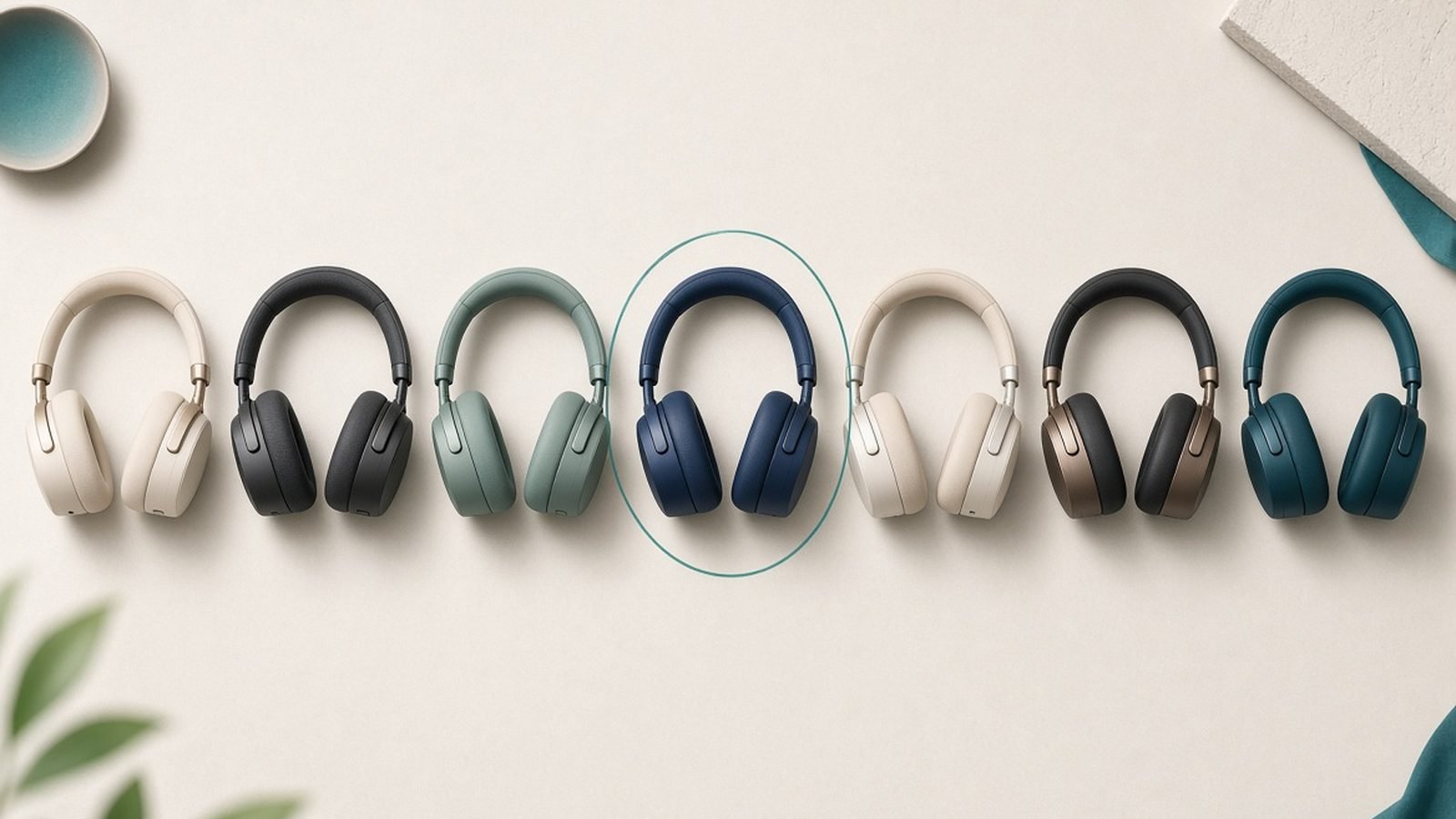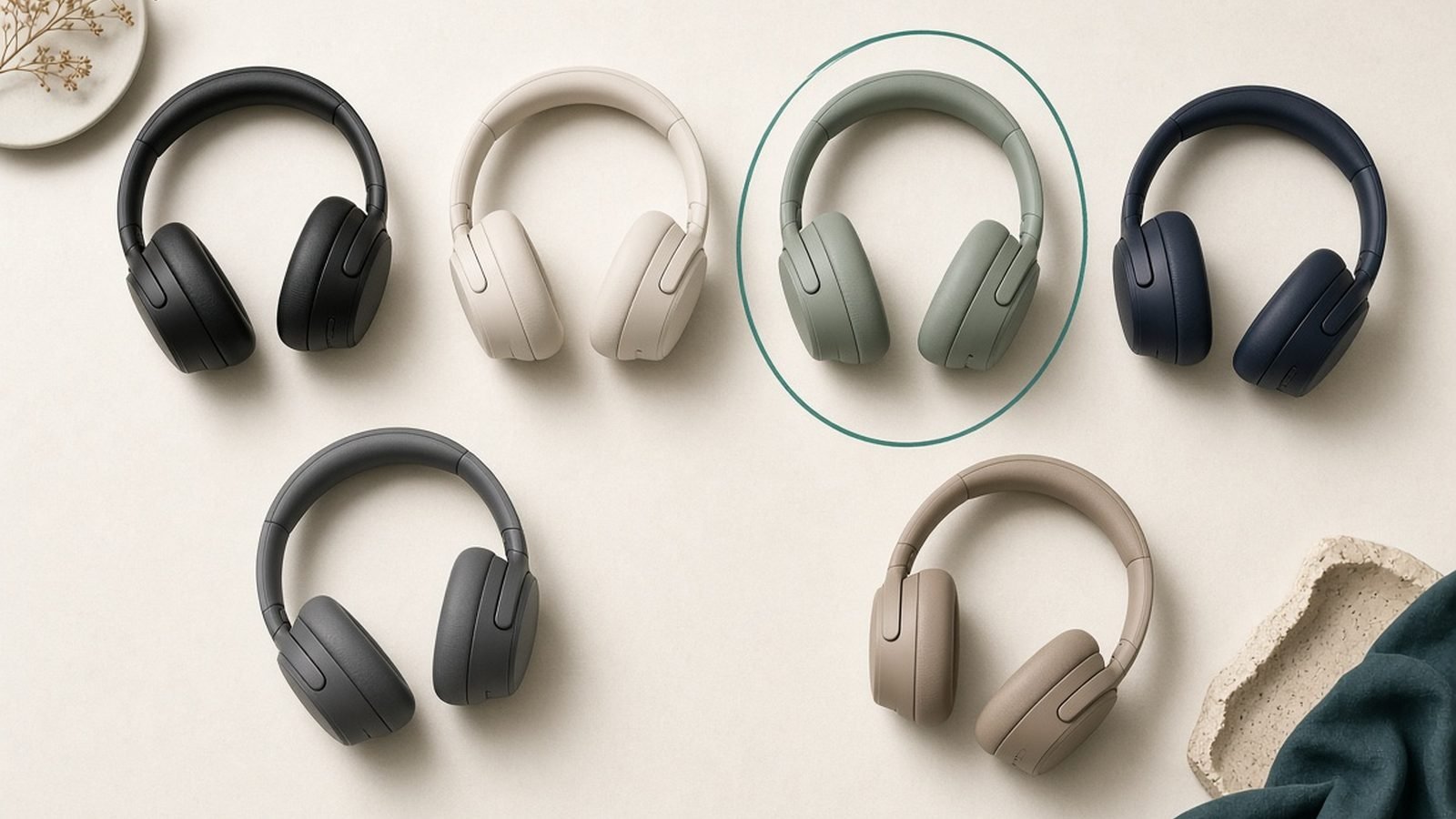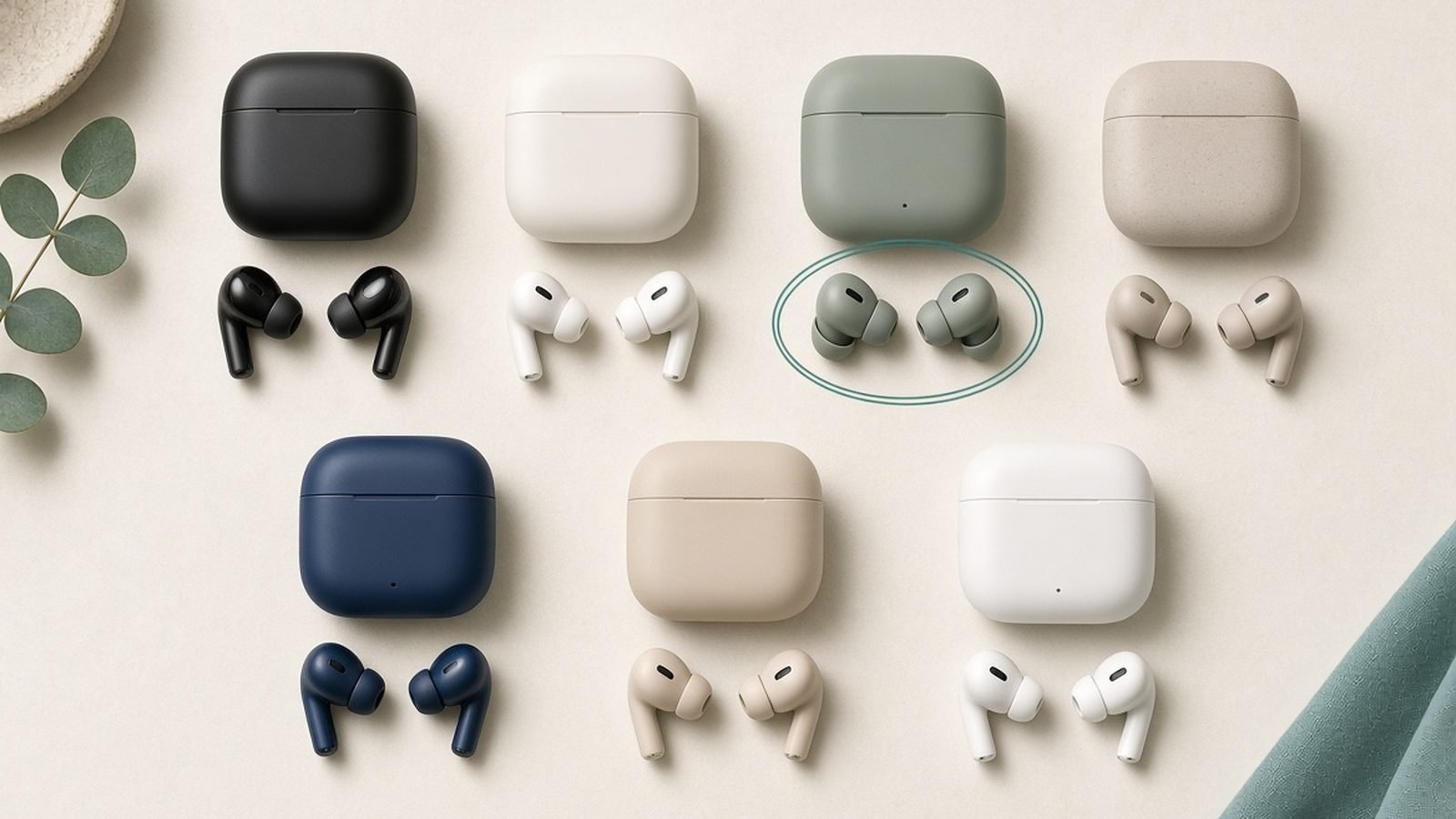
Choosing between these two designs is mostly a question of where you will be listening. Open-back headphones let outside noise straight in and leak your music out, so the person beside you on a train or in an open-plan office hears it too — which makes them a home-in-a-quiet-room product, however good they sound. Closed-back headphones can go anywhere, and what they give up in exchange is some of the sense of space. Settle the environment first, then let taste decide between models.
Neither is “better” in the abstract. They’re two engineering answers to the same question — what to do with the air behind the driver — and each nails a different set of uses. This guide explains what actually changes, so you can match the design to how you really listen.
What “open-back” and “closed-back” actually mean
Every headphone has a driver (the small speaker) inside each earcup. The difference is what sits behind that driver.
Closed-back headphones seal the rear of the earcup with a solid shell. The air behind the driver is trapped, which isolates the driver from the outside world in both directions: outside noise struggles to get in, and your music struggles to get out.
Open-back headphones leave the rear of the earcup open — usually a visible metal grille or perforated mesh you can see through. Air moves freely between the driver and the room. That single design choice cascades into every practical difference below.
There’s also a middle ground, semi-open, which partially vents the earcup to blend some soundstage benefits with a little more isolation. It’s less common but worth knowing exists.
How the design changes the sound
The biggest reason enthusiasts love open-back headphones is soundstage — the sense of space and where instruments sit around you. Because the driver isn’t fighting a sealed chamber of trapped air, open-backs tend to sound more spacious, airy and natural, as if the music is happening around your head rather than inside it. Detail and imaging often feel more precise too.
Closed-back headphones trade some of that openness for a more intimate, “in-your-head” presentation. The sealed chamber also reinforces low frequencies, so closed-backs usually deliver punchier, deeper bass — one reason they dominate for bass-heavy genres and for the noise cancelling flagships in our Best Noise Cancelling Headphones Under $200 in 2026 roundup, which are all closed by design.
Two honest caveats. First, tuning matters more than back type: a well-tuned closed-back can sound more natural than a poorly-tuned open-back. Second, the “wider soundstage” of open-backs is real but sometimes overstated — it’s a clear difference to trained ears, subtler to casual listeners.
Isolation and sound leakage: the practical divide
This is where the choice usually gets made, because it decides where you can actually use them.
Closed-back headphones isolate. They passively block a good amount of outside noise, and add active noise cancelling on top in models like the Sony WH-1000XM6 Review 2026: The ANC Benchmark?. Just as importantly, they don’t leak — the person next to you on a train or in an open-plan office won’t hear your music. That makes closed-back the default for commuting, shared spaces, libraries and travel.
Open-back headphones do neither. They let outside noise straight in, so a noisy café or a rumbling train ruins the experience. And they leak badly — sit near someone using open-backs at a moderate volume and you’ll hear their music clearly. This is why open-backs are a home-in-a-quiet-room product. Use them in a shared space and you’ll annoy everyone around you; use them near traffic and you may not hear the music, or the traffic.
Comfort, heat and build
Open-back designs tend to be more comfortable over long sessions for two reasons: the open earcups let heat and moisture escape, so your ears stay cooler and sweat less, and open-backs are often lighter with plusher pads aimed at seated home listening. Marathon listeners and studio users frequently prefer them for all-day comfort.
Closed-back headphones seal heat in, so ears can get warm over hours, though modern earpad materials and larger cups have narrowed the gap. In their favour, closed-backs are generally sturdier and more portable, with folding designs and hard cases built for life in a bag. If you’ll wear them out of the house, that durability matters.
The same open-versus-sealed trade-off scales down to earbuds, incidentally — Apple’s open AirPods 4 versus the sealed AirPods Pro 3 is the exact same decision in miniature, which we cover in AirPods 4 vs AirPods Pro 3 2026: Which Should You Buy?.
Which type suits your use case?
Choose closed-back if you:
- Commute, travel or work in shared or noisy spaces
- Want active noise cancelling (all ANC headphones are closed)
- Record vocals or instruments (open-backs leak into the mic)
- Prefer deeper, punchier bass
- Need one pair that works everywhere
Choose open-back if you:
- Listen mostly at home in a quiet room
- Want the widest, most natural soundstage for critical or long listening
- Mix or master audio and value accurate imaging (in a quiet, treated space)
- Prioritise long-session comfort and cooler ears
- Don’t need isolation or privacy
Are open-back headphones better for gaming?
Often, yes — with a caveat. Open-back headphones’ wider soundstage makes it easier to place footsteps and gunfire directionally, which is a genuine competitive advantage in shooters. Many pro-oriented gaming headsets are open or semi-open for exactly this reason. The caveats are the usual ones: they leak, so a headset mic (or people around you) may pick up game audio, and they won’t isolate you from a noisy room. If you game in a quiet space and value positional accuracy, open-back is a strong pick; if you share a room or stream, a closed-back keeps your audio contained. Our roundup weighs both: Best Gaming Headsets Under $100 in 2026 (PC, PS5, Xbox).
The bottom line
Match the design to your environment first, then your taste. If you listen alone in a quiet room and chase the most natural, spacious sound, open-back rewards you. If you need isolation, privacy, portability or noise cancelling — which covers most people, most of the time — closed-back is the practical choice. Plenty of enthusiasts eventually own both: a closed pair for out and about, an open pair for the quiet evening listen at home.
FAQ
What is the main difference between open-back and closed-back headphones?
The rear of the earcup. Closed-back headphones have a sealed shell that isolates you and boosts bass but keeps the sound more intimate. Open-back headphones have a vented, grille-like earcup that produces a wider, more natural soundstage but lets noise pass freely in both directions, so they neither isolate nor stay private.
Do open-back headphones leak sound?
Yes, significantly. Because the earcups are open, your music escapes clearly — anyone sitting near you at a normal listening volume will hear it. This is why open-back headphones are best used alone in a quiet room, and why they’re unsuitable for offices, libraries, public transport or recording, where a closed-back design keeps your audio private.
Are open-back headphones better for mixing and mastering?
Many audio engineers prefer open-back headphones for their wider soundstage and more accurate, natural imaging, which helps judge space and placement in a mix. The catch is they need a quiet, treated room because they don’t isolate. For tracking vocals or instruments near a microphone, closed-back headphones are essential to prevent bleed into the recording.
Do closed-back headphones have more bass?
Generally, yes. The sealed earcup traps air behind the driver and reinforces low frequencies, so closed-back headphones typically deliver punchier, deeper bass than open-backs of similar quality. It’s one reason closed designs dominate for bass-heavy genres and for noise cancelling headphones, though final bass response always depends on the specific model’s tuning.
Can you use open-back headphones outside or on a commute?
It’s not recommended. Open-back headphones let in all surrounding noise, so traffic, trains and crowds will drown out your music, and they leak your audio to everyone nearby. They also offer no noise cancelling. For commuting, travel and outdoor use, a closed-back pair — ideally with active noise cancellation — is the far better choice.
Which should a first-time buyer choose?
For most first-time buyers, closed-back is the safer, more versatile choice because it works everywhere, isolates you, stays private and supports noise cancelling. Consider open-back as a second pair, or a first pair only if you know you’ll listen mainly at home in a quiet room and prioritise soundstage and comfort over isolation.
Zen Tech Hub may earn a commission from links on this page, at no extra cost to you.