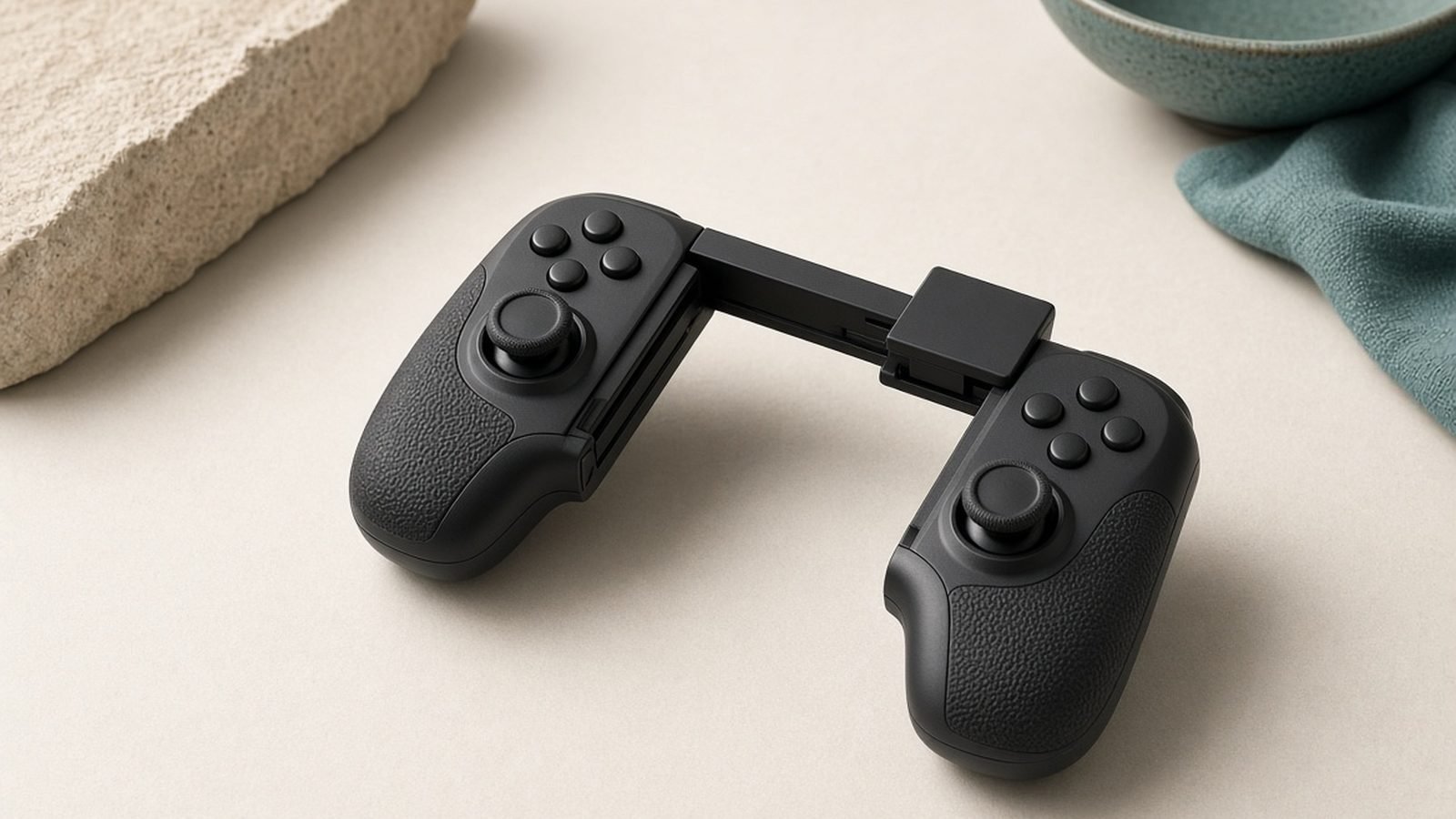
Backbone makes the mobile gaming controller that turned “clamp your phone into a gamepad” from a clunky idea into a genuinely great experience. The short verdict: Backbone is a good brand with the best-in-class mobile controller and an app ecosystem no rival matches. The Backbone One is the default recommendation for anyone serious about cloud gaming, remote play or mobile titles on the go. The big caveats are a companion app that pushes a paid subscription hard, an all-plastic build that some find flexy for the price, and a fixed-size design that ties you to phones of a certain footprint.
Buy Backbone if you play cloud gaming (Xbox Cloud, GeForce NOW), stream from a console, or take mobile gaming seriously and want the most polished experience. Look elsewhere if you resent subscription nudges, want the cheapest way to add buttons to your phone, or need a controller that stretches to fit large or heavily cased devices.
Company overview
Backbone is a mobile-gaming hardware and software company founded in 2018 and headquartered in San Francisco, California. It’s privately held, venture-backed, and unusually software-driven for a controller maker — the Backbone app is as central to the company’s strategy as the hardware itself. That dual identity shapes everything: Backbone sells a physical controller, but its ambition is to be the “front end” for mobile gaming, unifying your games, cloud services, capture and social features in one place.
Its reputation is strong on hardware and more divided on the software model. Reviewers and owners widely agree the Backbone One is the best-feeling mobile controller available, with responsive buttons and near-zero setup. The controversy is the app: much of its value sits behind a paid tier, and the free experience nudges toward it persistently. Backbone also secured official partnerships — including a PlayStation-branded edition — which boosted credibility, even as the subscription approach remains the brand’s most-debated trait.
What Backbone makes
Backbone’s product range is narrow and focused, unlike most controller brands:
- The Backbone One — the flagship telescoping controller that clamps around a phone, available in USB-C (Android and modern iPhone) and older Lightning versions, plus PlayStation and Xbox-styled editions.
- Second-generation and Pro variants — refined models with improvements like full-size analog sticks, better ergonomics and a headphone jack on select versions.
- The Backbone app — the software layer: a unified game library, launchpad for cloud/streaming services, gameplay capture and clipping, and social features, with a paid Backbone+ tier for the full feature set.
- Accessories — adapters, cases and grips designed around the controller.
Hardware-wise, that’s essentially it — Backbone deliberately does one thing and pairs it with a growing software platform.
Standout Backbone products in 2026
Backbone One (USB-C, 2nd gen) — around $99 / £99. The flagship and default pick for mobile gaming. It clamps securely around a phone, offers clicky, responsive controls, full-size sticks on current models, low latency, and a near-instant setup through the app. It’s a fixture on our Best Game Controllers 2026: PC, Xbox & PlayStation roundup for the mobile category specifically.
Backbone One — PlayStation Edition — around $99 / £99. An officially licensed variant styled after the DualSense, with symmetrical sticks and PlayStation-flavored design. Popular with PS Remote Play users who want a matching aesthetic.
Backbone One (Lightning) — around $99 / £99. The version for older iPhones still on Lightning, keeping the same experience for users who haven’t moved to USB-C hardware.
Backbone Pro / 2nd-gen variants — around $169 / £149. The step-up models add refinements like a rechargeable battery for standalone Bluetooth use with TVs and PCs, broadening the controller beyond phone-only clamping. A newer direction that answers a common request.
Strengths
Best-in-class mobile controller feel. The buttons, triggers and (on current models) full-size sticks are the best in the clamp-on category. It feels like a real controller, not an accessory, and that’s the main reason to buy it.
Effortless setup and software. Plug in and the app launches instantly, pulling your games and cloud services into one place. For cloud gaming and console remote play, nothing is smoother to get started with.
Portable and well-built where it counts. The telescoping mechanism is sturdy, the whole thing folds down small, and it slips into a bag or large pocket. For gaming on the move it’s genuinely convenient.
Official partnerships and broad service support. Licensed editions and tight integration with Xbox Cloud Gaming, GeForce NOW, PS Remote Play and major storefronts make it a safe pick for the services people actually use.
Weaknesses & criticisms
Aggressive subscription push. The most common criticism by far: the app repeatedly steers you toward the paid Backbone+ tier, and several convenience features sit behind it. Many buyers feel a $99 controller shouldn’t lean on an ongoing subscription to feel complete.
All-plastic build for the price. At around $99 / £99, some owners expect a more premium feel; the plastic construction can feel flexy, and there are occasional reports of wear at stress points over time.
Fixed sizing and case conflicts. The telescoping range fits most phones but struggles with very large devices or thicker cases, sometimes requiring you to remove a case to seat the phone properly.
Phone-tethered (on the core model). The standard Backbone One draws power and connects through the phone’s port, so it’s not a standalone controller — a limitation the newer battery-equipped variants only partly address.
Ecosystem lock-in feel. Because so much value lives in the app, the experience is more closed than a plug-and-play Bluetooth pad, which some users dislike on principle.
Reliability & support
Backbone’s reliability is generally solid for a portable accessory. The telescoping mechanism holds up to regular use, and most owners report years of trouble-free gaming. The main durability concerns are the ones you’d expect from a folding, phone-clamping plastic device: stress at the hinge and connector over heavy long-term use, and occasional charging-passthrough quirks. These are minority reports rather than widespread failures.
Support is adequate but not a standout. Warranty is standard for consumer electronics (commonly one year, with regional variation), handled directly by Backbone, and the response experience is generally reasonable. Because the company is software-forward, updates and fixes tend to arrive through the app. The honest picture: the hardware is reliable enough for most, the build is the main “is this premium enough?” debate, and the subscription model — not durability — is what most people actually complain about.
Who should buy Backbone
Buy Backbone if you play cloud gaming, stream from an Xbox or PlayStation, or take mobile and remote-play gaming seriously and want the most polished, best-feeling controller for the job. It’s the default recommendation in its category, and the app genuinely improves the experience of jumping between services. The PlayStation edition is a natural fit for Remote Play users, and the newer battery-equipped variants suit people who want to use it beyond a phone.
Look elsewhere if you want the cheapest possible way to add buttons to your phone, if you object to subscription nudges on a product you already paid for, or if you have a very large phone or thick case that won’t seat cleanly. Budget-minded buyers can get a functional clamp-on pad for less, and standalone Bluetooth controllers avoid the port-tethering entirely — compare the options on our Best Game Controllers 2026: PC, Xbox & PlayStation guide.
FAQ
Is Backbone a good brand?
Yes. Backbone makes the best mobile clamp-on controller available, with excellent button feel and a polished app that unifies cloud gaming and remote play. The main reasons to hesitate are the persistent subscription push and an all-plastic build that some feel is pricey for what it is.
Is the Backbone controller reliable?
Generally, yes. Most owners get years of trouble-free use, and the telescoping mechanism holds up well. The realistic long-term concerns are hinge and connector wear under heavy use — minority reports rather than common failures.
Where is Backbone from and who owns it?
Backbone is a privately held, venture-backed company founded in 2018 and headquartered in San Francisco, California. It’s unusually software-driven for a controller maker, with the Backbone app central to its strategy.
Do I need the Backbone+ subscription?
No — the controller works without it, and you can play games fine. But several convenience and app features (and a fair amount of the promoted experience) sit behind Backbone+, and the app pushes it hard. Whether it’s worth it depends on how much you use the app’s library, capture and social tools.
Backbone vs Razer Kishi — which is better?
Both are strong clamp-on controllers. Backbone edges ahead on button feel and app ecosystem and has official partnerships; the Razer Kishi competes closely on hardware and often skips the subscription-heavy software approach. If you want the most polished software experience, Backbone; if you want great hardware with less app pressure, the Kishi is worth comparing.
Is Backbone worth it in 2026?
For serious mobile and cloud gamers, yes — it’s the best-feeling option and the setup is effortless. For casual users or the budget-conscious, the price plus subscription nudges make it harder to justify over a cheaper pad. Match it to how much mobile gaming you actually do.
Zen Tech Hub may earn a commission from links on this page, at no extra cost to you.