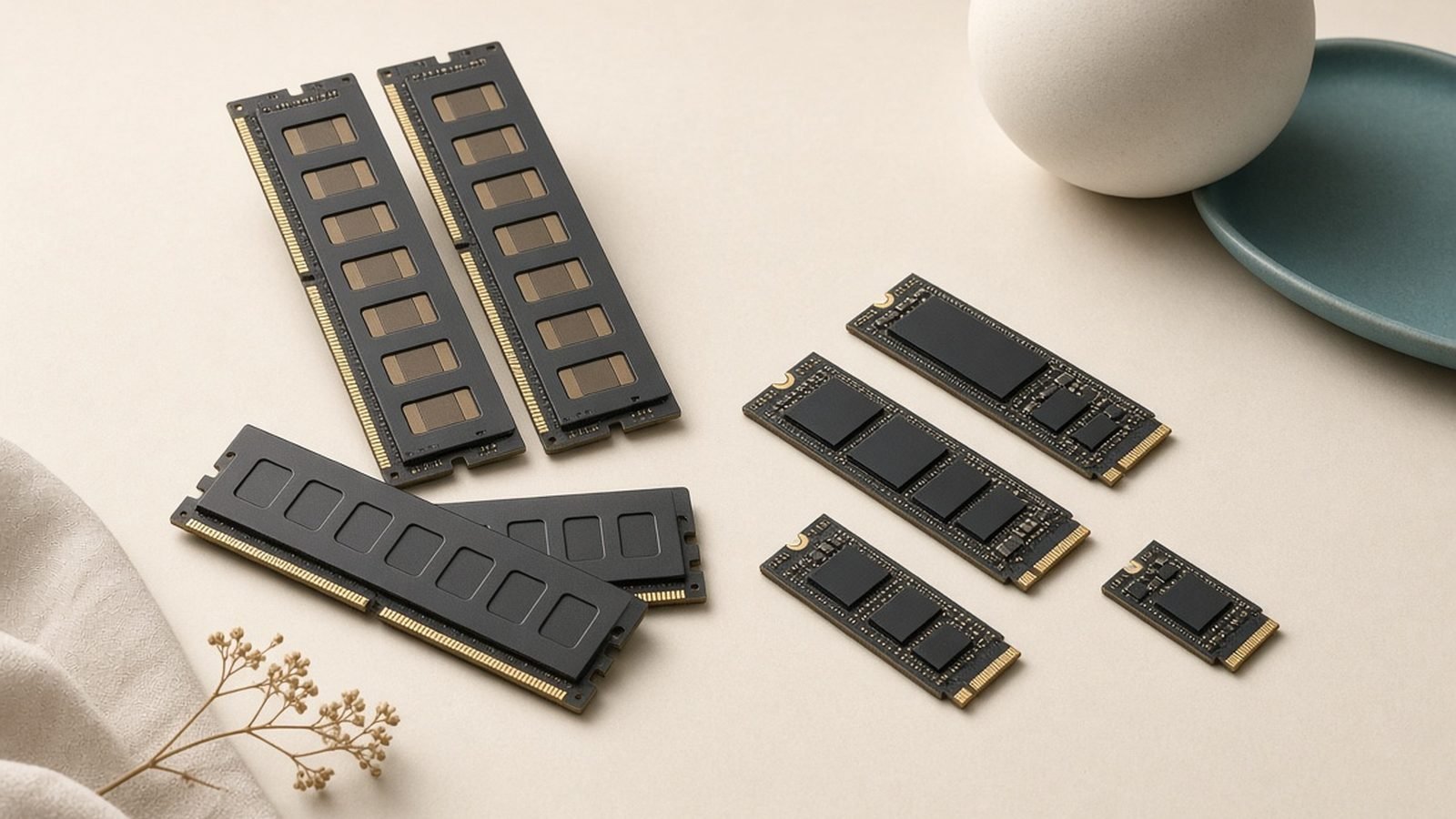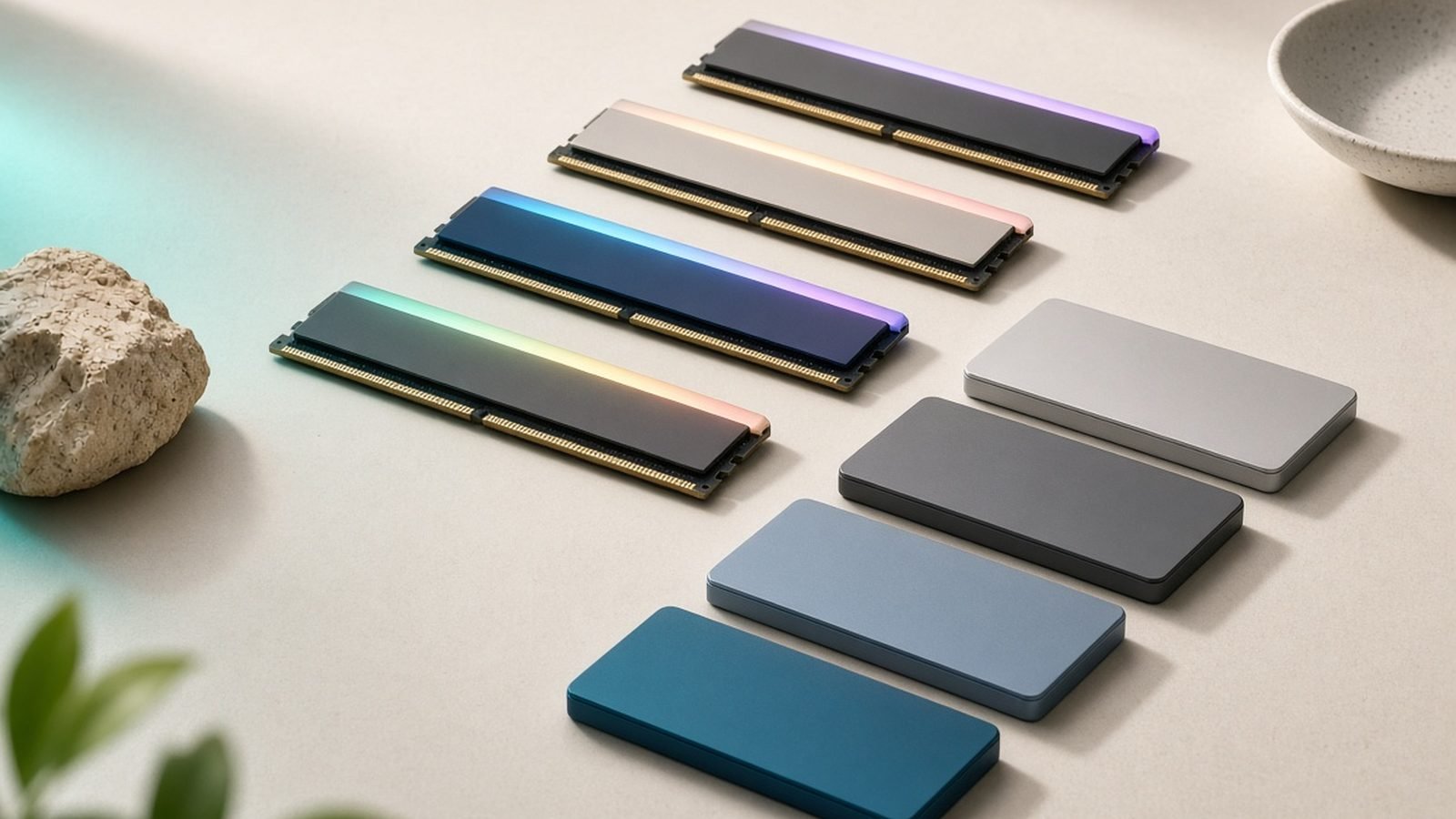
ADATA is one of the largest memory-and-storage brands most people have never thought hard about — it turns up in budget SSDs, value RAM kits, portable drives and memory cards all over the world, often under its gaming-focused XPG sub-brand. The short verdict: ADATA is a good value brand that builds dependable everyday SSDs and RAM on chips from the major manufacturers, usually at a lower price than the big names. The caveat is that it’s a classic value operator — software is minimal, and, like several budget storage brands, ADATA has drawn criticism in the past for quietly changing the internal NAND or controller on some SSD models after launch, so a later batch can perform differently from early reviews.
Buy ADATA (or XPG) if you want affordable, real-chip memory and storage and you’re willing to check the exact model. Look elsewhere if you want guaranteed consistent components, top-tier software, or the absolute peak of sustained performance.
Company overview
ADATA Technology is a Taiwanese company, headquartered in Taipei and founded in 2001. It’s publicly listed on the Taiwan Stock Exchange and is one of the world’s larger independent DRAM-module and flash-storage makers. Like most module and drive brands, ADATA does not fabricate its own silicon — it buys DRAM and NAND flash from the major manufacturers (Samsung, SK Hynix, Micron and others), then assembles, tests and brands the finished products.
ADATA runs two main faces. The core ADATA brand covers value SSDs, RAM, portable drives, USB flash and memory cards for mainstream and industrial customers. XPG (“Xtreme Performance Gear”) is the gaming and enthusiast sub-brand, spanning RGB memory, gaming NVMe SSDs, power supplies, cases, coolers and even peripherals — a broader ambition than most memory brands attempt. ADATA’s reputation among builders is that of a reliable-enough budget choice: rarely the fastest or most polished, but consistently among the cheapest ways to hit a spec, with the XPG line adding gaming flair and, increasingly, whole-build components.
What ADATA makes
ADATA’s lineup is broad for a memory brand, especially through XPG:
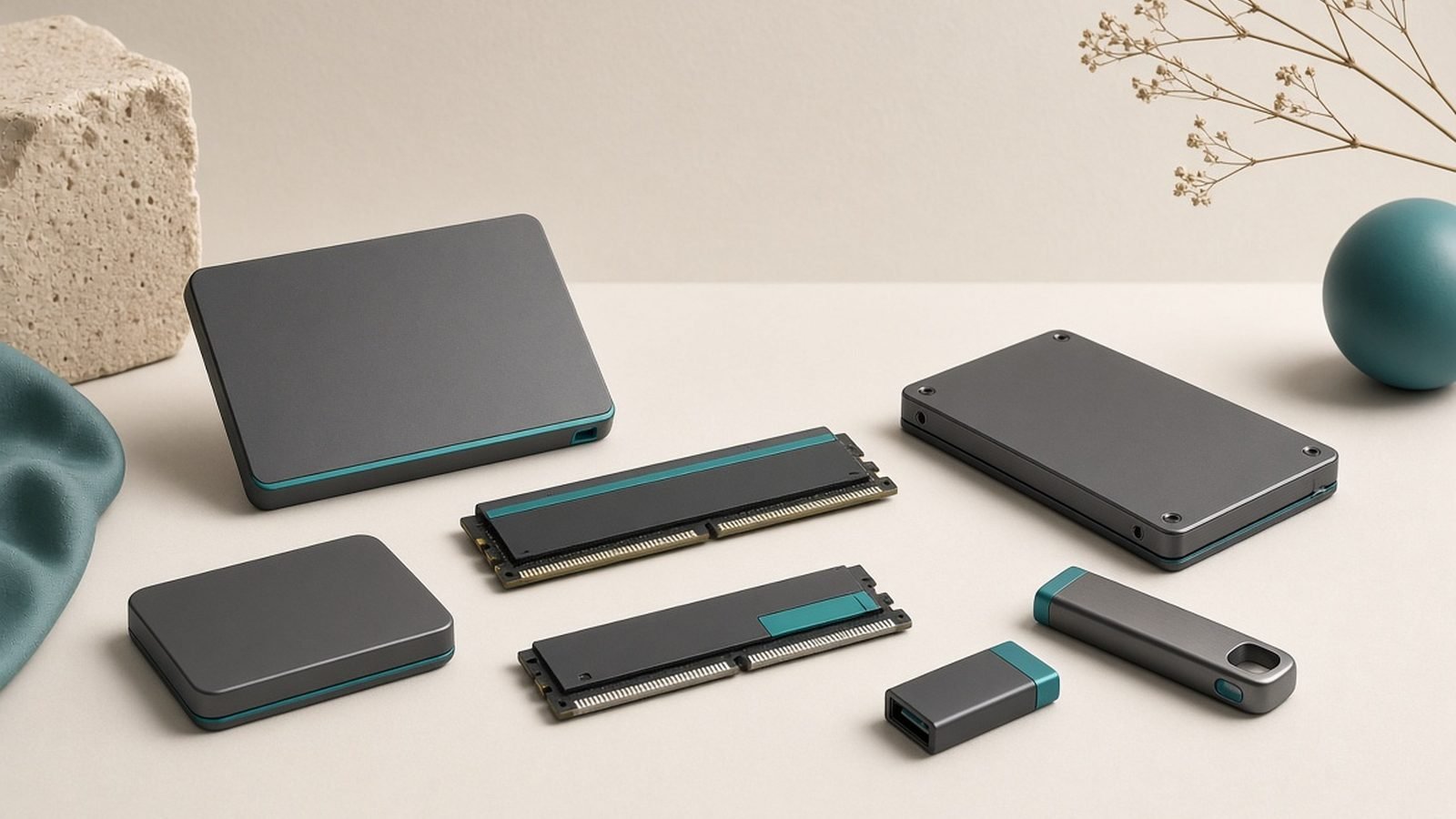
- Internal SSDs — NVMe PCIe 3.0/4.0/5.0 drives (XPG Gammix, Legend and SX series) and SATA SSDs for older systems.
- System memory (RAM) — DDR5 and DDR4 in plain ADATA modules and XPG gaming kits (Lancer, Spectrix), from value sticks to RGB and higher-speed kits.
- Portable SSDs and flash — the SE-series external drives, USB flash drives and rugged portable storage.
- Memory cards — microSD and SD cards for cameras, phones and handhelds.
- XPG PC components and peripherals — power supplies, cases, coolers, keyboards, mice and headsets under the gaming sub-brand.
The core business remains SSDs and RAM; the XPG component and peripheral range is a growing but secondary effort.
Standout ADATA products in 2026
XPG Lancer RGB DDR5 — around $99 / £95 for a 32GB kit. XPG’s mainstream gaming memory: a clean RGB diffuser, angular heat spreaders and EXPO/XMP profiles that make it a straightforward value pick for AMD and Intel builds. It features as a value option in our Best RAM 2026: DDR5 Kits for Gaming & Work roundup.
XPG Gammix / Legend PCIe 5.0 NVMe SSD — around $169 / £159 for 2TB. ADATA’s flagship Gen5 storage, competitive on sequential speed and typically cheaper than Samsung and WD equivalents. It appears in our Best SSDs 2026: NVMe & SATA Drives Compared & Ranked comparison as an aggressive-value alternative.
XPG Legend / Gammix S-series PCIe 4.0 NVMe — around $99 / £95 for 2TB. Value Gen4 drives that regularly land among the cheapest usable NVMe options, popular for mainstream builds and secondary storage.
ADATA SE920 / SE880 portable SSD — around $109 / £99 for 1TB. Compact, fast USB external drives; if you’re weighing portable options, see our Best SSDs 2026: NVMe & SATA Drives Compared & Ranked comparison.
XPG Spectrix memory and coolers. The RGB-heavy enthusiast line for builders who want lit-up memory and matching cooling without paying premium-brand prices.
ADATA rugged and industrial storage. Toughened portable drives and industrial-grade SSDs, a niche where ADATA has a genuine, long-standing presence.
Strengths
- Strong value. ADATA and XPG products are consistently among the cheaper ways to hit a given RAM speed or SSD capacity, without feeling flimsy.
- Real chips underneath. Because it sources DRAM and NAND from the major fabs, ADATA hardware is built on the same class of silicon as pricier brands.
- Broad range through XPG. Few value memory brands also offer PSUs, cases, coolers and peripherals, so XPG lets budget builders buy much of a build under one umbrella.
- Rugged and industrial expertise. ADATA has a genuine reputation in toughened portable drives and industrial storage, beyond the consumer lineup.
- Competitive warranties. Memory typically carries a limited lifetime warranty and SSDs generally get multi-year coverage.
Weaknesses & criticisms
- History of mid-life component swaps. ADATA has been specifically criticized in the past for changing the NAND or controller on some SSDs after launch without changing the model name, so review results may not match a later batch. Check recent owner feedback for the exact capacity you’re buying.
- Minimal software. There’s no polished management suite to rival Samsung Magician; RGB runs through motherboard software and SSD tooling is basic.
- Value NVMe slows when full. The cheapest DRAM-less drives can drop write speed under sustained load or when nearly full — typical for the tier, but a limitation for heavy content work.
- Inconsistent XPG quality. The broader XPG range (peripherals, some components) is a mixed bag and hasn’t earned the standing of dedicated brands in those categories.
- Not a performance leader. ADATA’s flagships are competent but rarely top the charts for sustained performance against Samsung or WD Black.
Reliability & support
ADATA’s mainstream reliability is reasonable: its RAM and everyday SSDs are built on first-party DRAM and NAND, and aggregate owner feedback on the core products is broadly positive. The brand’s rugged and industrial storage lines have a solid dependability reputation in particular. The main asterisk is the historical criticism around SSD component changes, which is a consistency-and-transparency issue more than a raw failure-rate one — the parts still work, but you can’t always assume a drive is identical to the one reviewed.
Warranty terms are competitive: most ADATA and XPG memory carries a limited lifetime warranty, and SSDs generally come with three-to-five-year coverage tied to an endurance rating. Support and RMA experiences vary by region and reseller, and there’s little first-party software to lean on, so the after-sales polish is average rather than premium. The honest summary: buy ADATA’s mainstream RAM and rugged drives with confidence, and verify the exact NAND on budget SSDs if consistent performance matters to you.
Who should buy ADATA
Buy ADATA (or XPG) if you’re building or upgrading on a budget and want affordable memory and storage built on real, name-brand chips. It’s a sensible pick for value and mid-range PC builds, RAM upgrades, secondary NVMe storage, rugged portable drives and flash media. XPG additionally suits budget gamers who want RGB memory and a cheaper route to PSUs, cases and coolers under one label.
Look elsewhere if you want guaranteed consistent SSD components batch-to-batch (Crucial and Samsung are more predictable), a rich management app, or the top of sustained performance for professional workloads. For value-focused everyday storage and memory, though, ADATA remains a competitive, widely available option.
FAQ
Is ADATA a good brand?
Yes, as a value brand. ADATA and its XPG sub-brand make affordable SSDs, RAM and portable drives built on chips from the major manufacturers. The main caveats are minimal software and a past reputation for changing SSD components mid-life, so it pays to check the exact model and recent reviews.
Is ADATA reliable?
Broadly yes for its mainstream memory, everyday SSDs and rugged drives, which have positive long-term owner feedback. The main consistency concern is that ADATA has historically revised the NAND or controller on some SSDs without renaming them, so a later batch may not match early review performance.
Where is ADATA from and who owns it?
ADATA Technology is a Taiwanese company, headquartered in Taipei and founded in 2001. It’s publicly listed on the Taiwan Stock Exchange and is an independent memory-and-storage maker that buys chips from the major fabs rather than manufacturing them.
Is ADATA SSD good?
Its mainstream and Gen5 NVMe drives are competent and usually cheaper than Samsung or WD. The budget DRAM-less models are fine for secondary storage but slow under sustained load, and ADATA has a history of mid-life component changes, so check the specific model and recent owner reports. See our Best SSDs 2026: NVMe & SATA Drives Compared & Ranked roundup for context.
ADATA vs Crucial SSD — which is better?
Crucial has the edge on consistency and reliability reputation, since it’s Micron’s brand and less prone to mid-life component swaps. ADATA often wins on price and offers a broader XPG ecosystem. For a predictable value SSD, Crucial is the safer default; for the lowest price, ADATA is worth a look.
What is XPG?
XPG (“Xtreme Performance Gear”) is ADATA’s gaming and enthusiast sub-brand. It covers RGB memory (Lancer, Spectrix), gaming NVMe SSDs (Gammix, Legend), plus power supplies, cases, coolers and peripherals — a broader range than most value memory brands offer.
Zen Tech Hub may earn a commission from links on this page, at no extra cost to you.