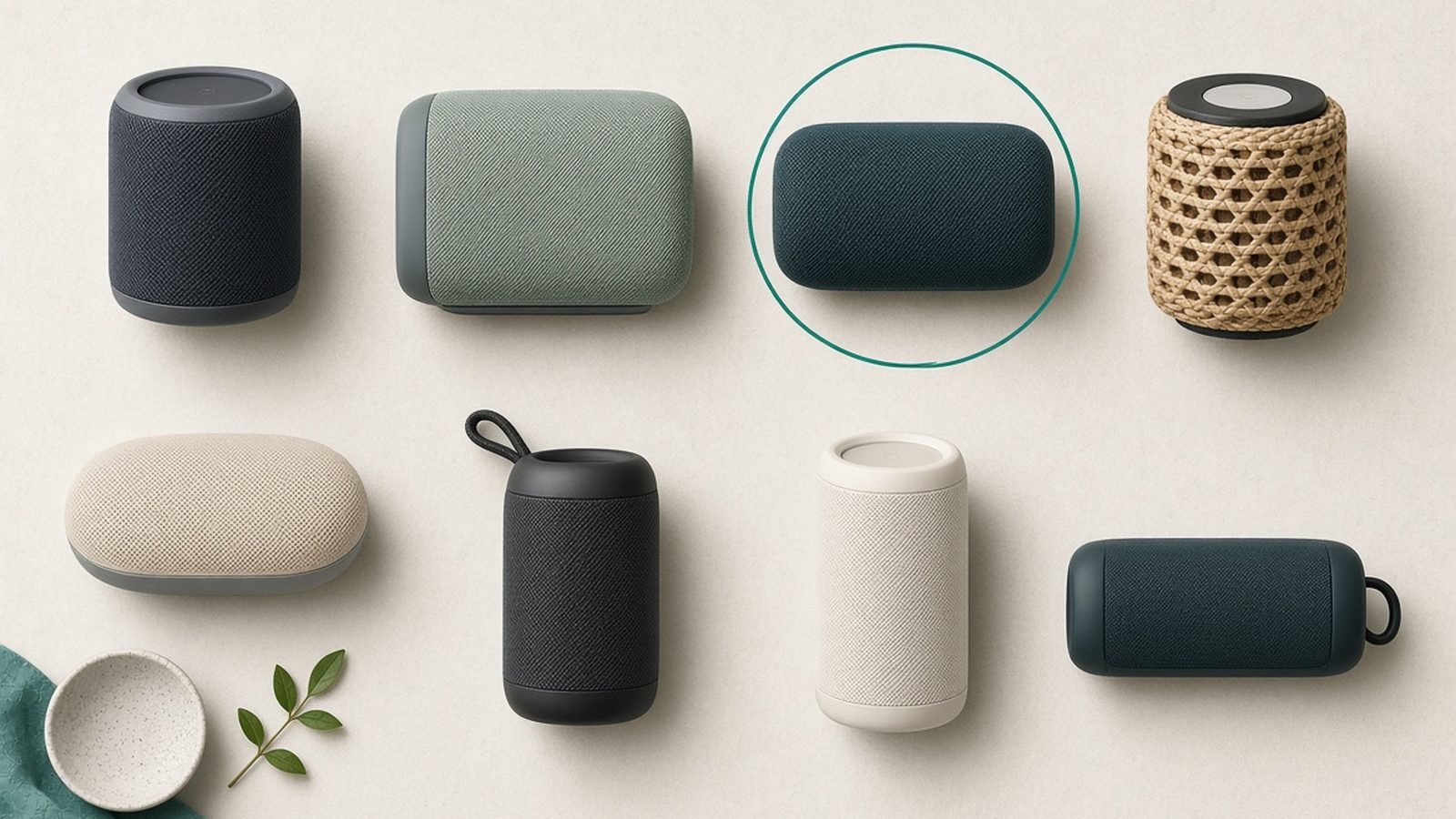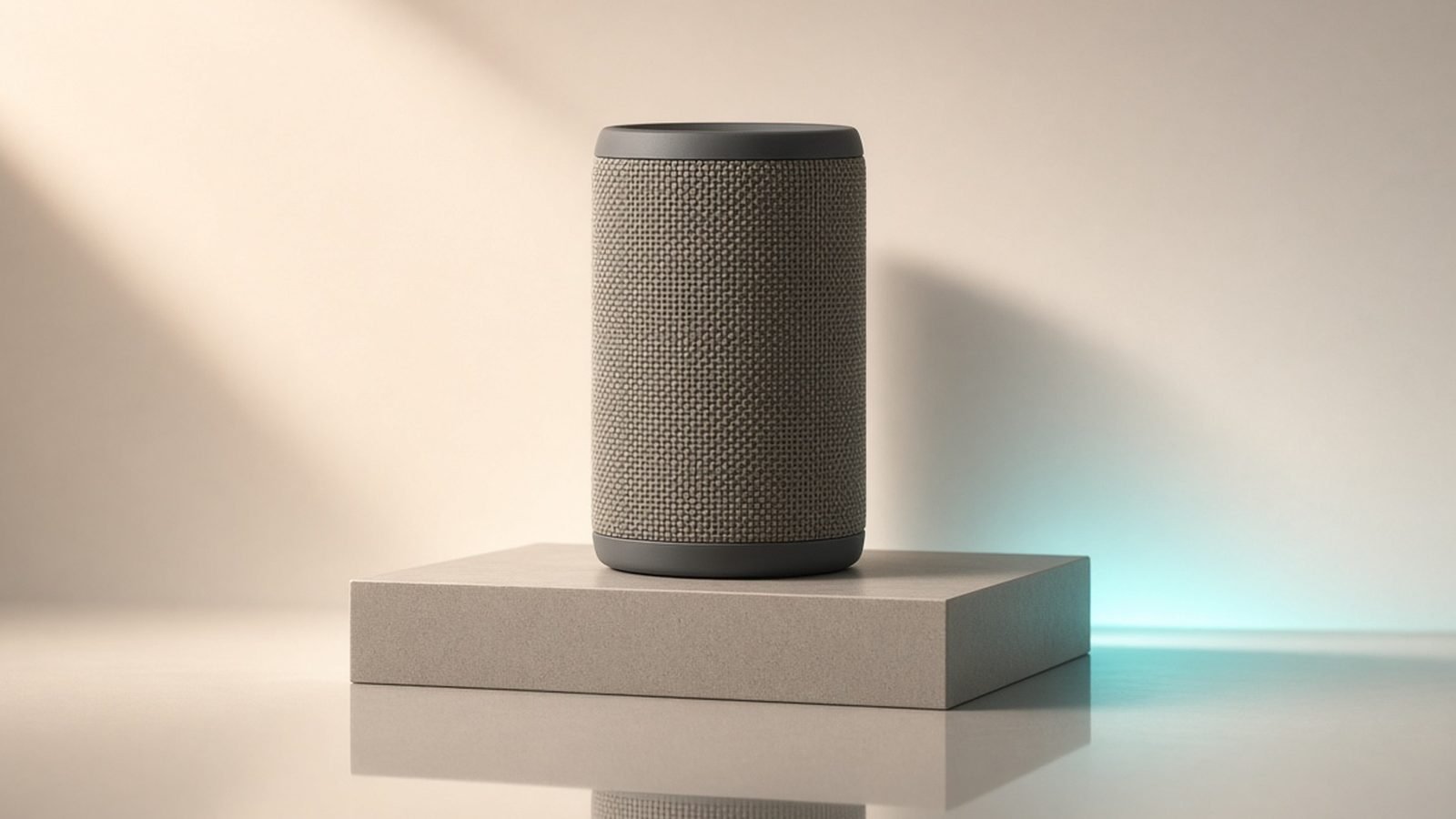
If you want a Bluetooth speaker you can actually clip to a bag and forget about, this JBL Flip 7 review reaches a simple verdict: it’s the best truly portable speaker most people should buy in 2026. At around $149.95 / £129.99, it delivers big-for-its-size sound, IP68 waterproof and dustproof durability, a new push-button carabiner, and Auracast multi-speaker pairing — all in a 560 g cylinder. Based on published specs, JBL’s documentation and aggregated owner feedback, it’s a confident, well-rounded upgrade over the Flip 6.
Who should buy it? Anyone who prioritizes portability and toughness over sheer volume. Who shouldn’t? If you mostly play music in a garden or at parties, the bigger JBL Charge 6 goes louder, digs deeper and lasts longer for not much more money. Here’s the full picture, including the Flip 7 vs Charge 6 question everyone asks.
JBL Flip 7 at a Glance
Around $149.95 / £129.99 · Up to ~16 hrs battery (14 + 2 with Playtime Boost) · IP68 waterproof + dustproof · Auracast · AI Sound Boost · USB-C lossless audio · Bluetooth 5.4
Pros:
- Genuinely pocketable and light (~560 g) with a new one-click carabiner
- Big, clean sound for the size thanks to AI Sound Boost
- IP68 waterproof and dustproof, plus drop resistance
- Lossless USB-C wired audio — rare in this class
- Auracast pairing with other newer JBL speakers
Cons:
- No speakerphone or aux input
- Default tuning is slightly bass-forward, treble a touch reserved
- Won’t pair with older PartyBoost JBL speakers
- Charge 6 is a better value if you don’t need the small size
Design and Durability
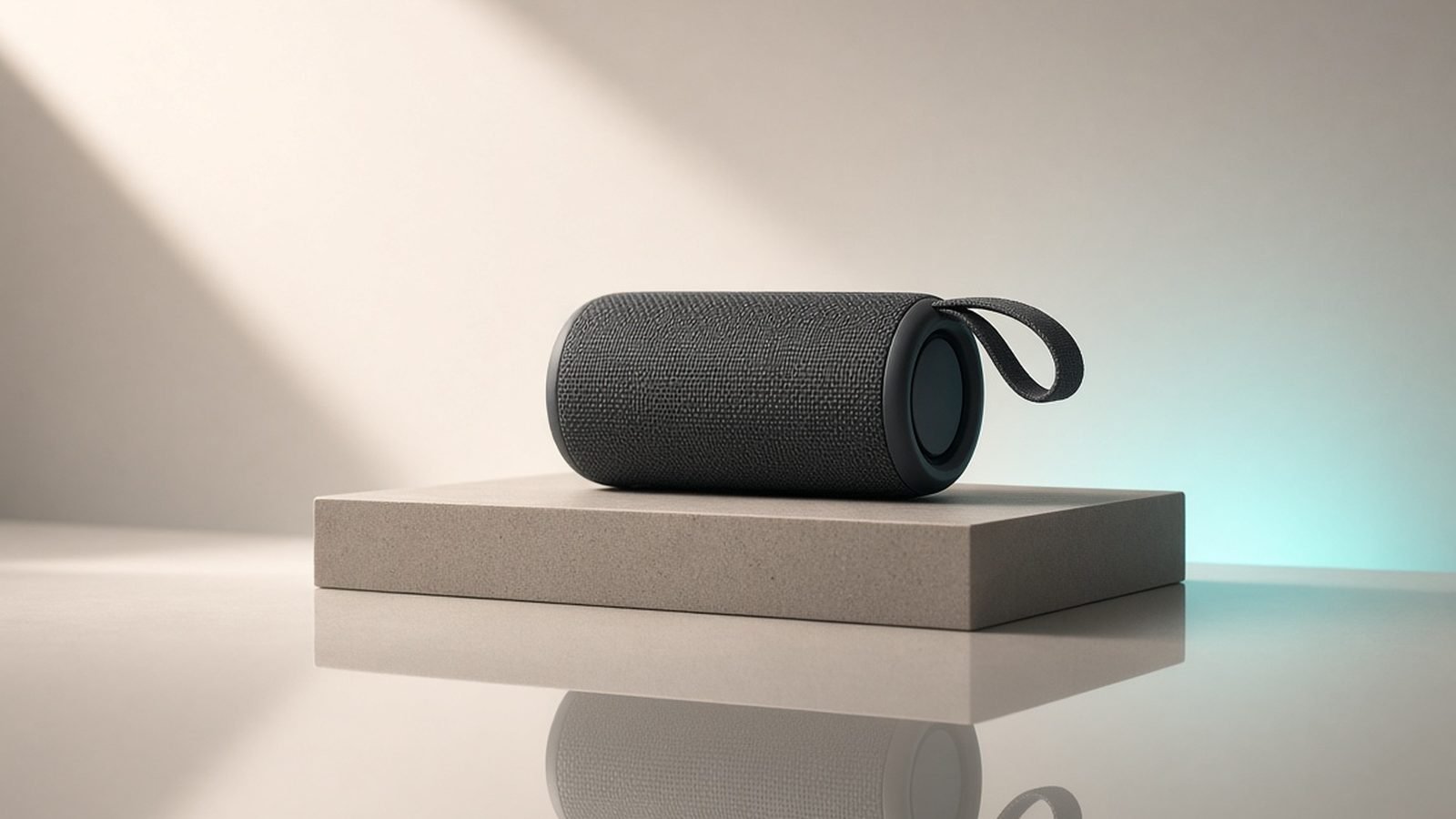
The Flip 7 keeps the familiar horizontal-cylinder shape but sharpens the details. The biggest practical change is the redesigned attachment system: JBL now includes both a push-button carabiner and a loop strap in the box, so you can clip the speaker to a rucksack, a tent pole or a bike frame in a second. It sounds minor until you use it — owner reports consistently single it out as the feature that changes how they carry the speaker.
Durability moves up to IP68, meaning the Flip 7 is fully dustproof and rated for sustained submersion beyond one metre, not just splashes. JBL also lists drop resistance, and the rubberized end caps and fabric wrap shrug off the knocks a portable speaker actually takes. At around 560 g it’s light enough to hold in one hand or toss in a bag without thinking about it.
The passive radiators at each end pulse visibly when the bass hits, and the whole thing feels reassuringly solid. There’s no display and no fuss — just power, Bluetooth, volume and playback controls up top, plus an Auracast button for linking speakers.
Sound Quality
For its footprint, the Flip 7 sounds impressively large. It uses a racetrack woofer and a separate tweeter, driven with JBL’s AI Sound Boost processing, which analyses the signal in real time to push the driver harder without tipping into obvious distortion. The result, echoed across professional impressions and owner feedback, is clean, punchy output that fills a kitchen or a small patio far better than the size suggests.
The house character is classic JBL: warm, energetic and rhythmically confident, with more mid-bass slam than you’d expect from a 560 g speaker. Vocals are clear, and the speaker holds together at higher volumes better than the Flip 6 did. Two honest caveats: the default tuning leans slightly bass-forward with a somewhat reserved top end, and — physics being physics — a single small cabinet gives you scale and punch, not stereo width or the deep low-end weight of a bigger speaker.
Both of those are addressable. The JBL Portable app includes a proper EQ; nudging the treble up a notch or two opens up vocals and detail nicely. And for true stereo, you can pair two Flip 7 units via Auracast. There’s also an under-appreciated bonus: plug in over USB-C and the Flip 7 plays lossless wired audio, which is unusual at this price and a real upgrade from a laptop or hi-res source.
Battery Life
JBL rates the Flip 7 at 14 hours, extendable to around 16 with the app’s Playtime Boost mode, which trims deep-bass power draw for longer sessions. Real-world owner reports at moderate volume land in that ballpark, comfortably covering a full day at the beach or a long evening outdoors. Very loud playback drains it faster, as always.
That figure is good for a speaker this small, but it’s also where the Charge 6 pulls ahead — the bigger speaker manages up to around 28 hours and even doubles as a phone powerbank, which the Flip 7 does not. Charging the Flip 7 over USB-C takes a few hours, and a short top-up adds meaningful playtime.
Auracast, App and Features
Auracast is the standout connectivity feature. It’s Bluetooth’s newer broadcast standard, and it lets you pair two Flip 7 units for stereo or chain a large number of compatible newer JBL speakers (Flip 7, Charge 6 and up) for whole-space sound. The important caveat, and it bites upgraders: Auracast doesn’t talk to JBL’s older PartyBoost speakers, so a Flip 6 and Flip 7 can’t link.
The JBL Portable app handles firmware updates, EQ presets, a custom equalizer, Playtime Boost and Auracast setup. It’s clean and reliable. Features you don’t get: there’s no speakerphone (no built-in mic), no aux-in jack, and no Wi-Fi or voice assistant — though USB-C audio covers wired listening. If you want voice control and multi-room smarts, that’s a different category; see our guide to the Best Noise Cancelling Headphones Under $200 in 2026 only for personal listening, and note a smart speaker is the better fit for voice.
JBL Flip 7 vs JBL Charge 6
This is the decision that matters, because both share IP68, Auracast, AI Sound Boost and lossless USB-C audio. The difference is size and scale. The Charge 6 (around $199.95 / £169.99) is louder, has noticeably more bass weight and outdoor headroom, lasts up to ~28 hours versus ~16, and charges your phone. The Flip 7 is half the weight, easier to carry, easier to stash, and cheaper.
Choose the Flip 7 if portability is the priority — if you’ll clip it to a bag, take it on hikes, or move it around the house constantly. Choose the Charge 6 if it’ll mostly live in a garden or power a party, where the extra volume and battery earn their keep. We break the two down feature by feature in our full comparison: JBL Flip 7 vs Charge 6: Which JBL Speaker Should You Buy?, and the bigger speaker gets the full treatment in our JBL Charge 6 Review: Still the Default Bluetooth Speaker?. If your budget caps lower, our Best Bluetooth Speakers Under $100 (£90) in 2026 roundup has cheaper options.
Value and Verdict
At around $149.95 / £129.99 the Flip 7 sits in a crowded price band, but it justifies its place by being the most complete ultra-portable option: tough, light, clever to carry, and better-sounding than its size implies. Street pricing tends to drift below list during sales events, so patient buyers can do better than RRP.
The JBL Flip 7 is the best portable Bluetooth speaker for most people in 2026 — as long as portability is what you’re actually buying. It’s the one to grab if you want something you can clip on and take anywhere without babying it. If it’ll sit still in a garden and get loud, spend the extra on the Charge 6 instead.
FAQ
Is the JBL Flip 7 worth it?
Yes, if you want a genuinely portable speaker. For around $149.95 / £129.99 you get big-for-its-size sound, IP68 waterproofing, a clip-on carabiner and Auracast pairing in a 560 g package. If you don’t need the small footprint, the bigger JBL Charge 6 offers more volume and battery for the money.
How long does the JBL Flip 7 battery last?
JBL rates it at 14 hours, extendable to around 16 with Playtime Boost mode in the app, which reduces deep-bass power draw. Real-world owner reports at moderate volume land close to that, covering a full day out. Loud playback shortens it, as with any portable speaker.
Is the JBL Flip 7 fully waterproof?
Yes. It carries an IP68 rating, meaning it’s fully dustproof and rated for sustained submersion in water beyond one metre — a step up from splash resistance. JBL also lists drop resistance. Let the USB-C port dry fully before charging after a dunk, as with all rugged speakers.
JBL Flip 7 vs Charge 6 — which should I buy?
Buy the Flip 7 for portability: it’s lighter, smaller and easier to carry and clip on. Buy the Charge 6 for power: it’s louder, has more bass, lasts up to about 28 hours versus 16, and charges your phone. Both share IP68, Auracast and lossless USB-C audio, so it comes down to size versus scale.
Does the JBL Flip 7 have a microphone for calls?
No. Like previous Flip models, there’s no built-in microphone, so it can’t act as a speakerphone and has no voice assistant. If taking calls through a speaker matters, look at a model with a speakerphone, such as the Bose SoundLink Flex.
Does the JBL Flip 7 work with older JBL speakers?
Only newer Auracast-compatible ones. The Flip 7 uses Auracast for multi-speaker pairing, which links with the Charge 6 and other recent Auracast JBL speakers but not with older PartyBoost models like the Flip 6. If you’re building a multi-speaker setup, stick to Auracast-era JBL gear.
Zen Tech Hub may earn a commission from links on this page, at no extra cost to you.