Aruba’s pitch is breadth from a single vendor: access points, switches, gateways and a mature cloud management stack that scales from a coffee shop to a stadium. That is also where the decision gets interesting, because the stack is the product — HPE Aruba Networking (the official name since HPE folded its legacy networking into the Aruba team) rivals Cisco for large deployments precisely on that management layer, and the licensing that funds it is what a smaller buyer needs to watch. The Instant On line is the carve-out: enterprise pedigree at small-office prices with a subscription that stays optional. The flagship Central platform is the one to skip if you want a purely one-time purchase with no licensing to track.
Aruba’s strength is the breadth from a single vendor: access points, switches, gateways, and a mature management stack that scales from a coffee shop to a stadium. This profile covers where that pays off, where the licensing bites, and who should actually buy in.
Company overview
Aruba Networks was founded in 2002 in Sunnyvale, California, and built its reputation on high-density enterprise wireless. Hewlett Packard Enterprise (HPE) acquired it in 2015, and it now operates as HPE Aruba Networking — effectively HPE’s entire networking division after the Aruba team took over HPE’s legacy switch and campus portfolio. In 2025 HPE also completed its acquisition of Juniper Networks, further expanding the networking group, though Aruba and Juniper product lines remain distinct.
Its reputation among network engineers is strong: Aruba is frequently ranked alongside Cisco in analyst evaluations of wired and wireless enterprise infrastructure, and it’s known for solid RF performance, a capable controller/gateway architecture, and the ClearPass security platform. Aruba is not a mass-market consumer brand — you won’t find its enterprise APs on big-box shelves — but the Instant On sub-brand deliberately targets small businesses and prosumers who want a taste of that reliability without enterprise complexity or cost.
What Aruba makes
Aruba’s portfolio is broad but coherent, organized around campus, branch, data-center, and SMB needs:
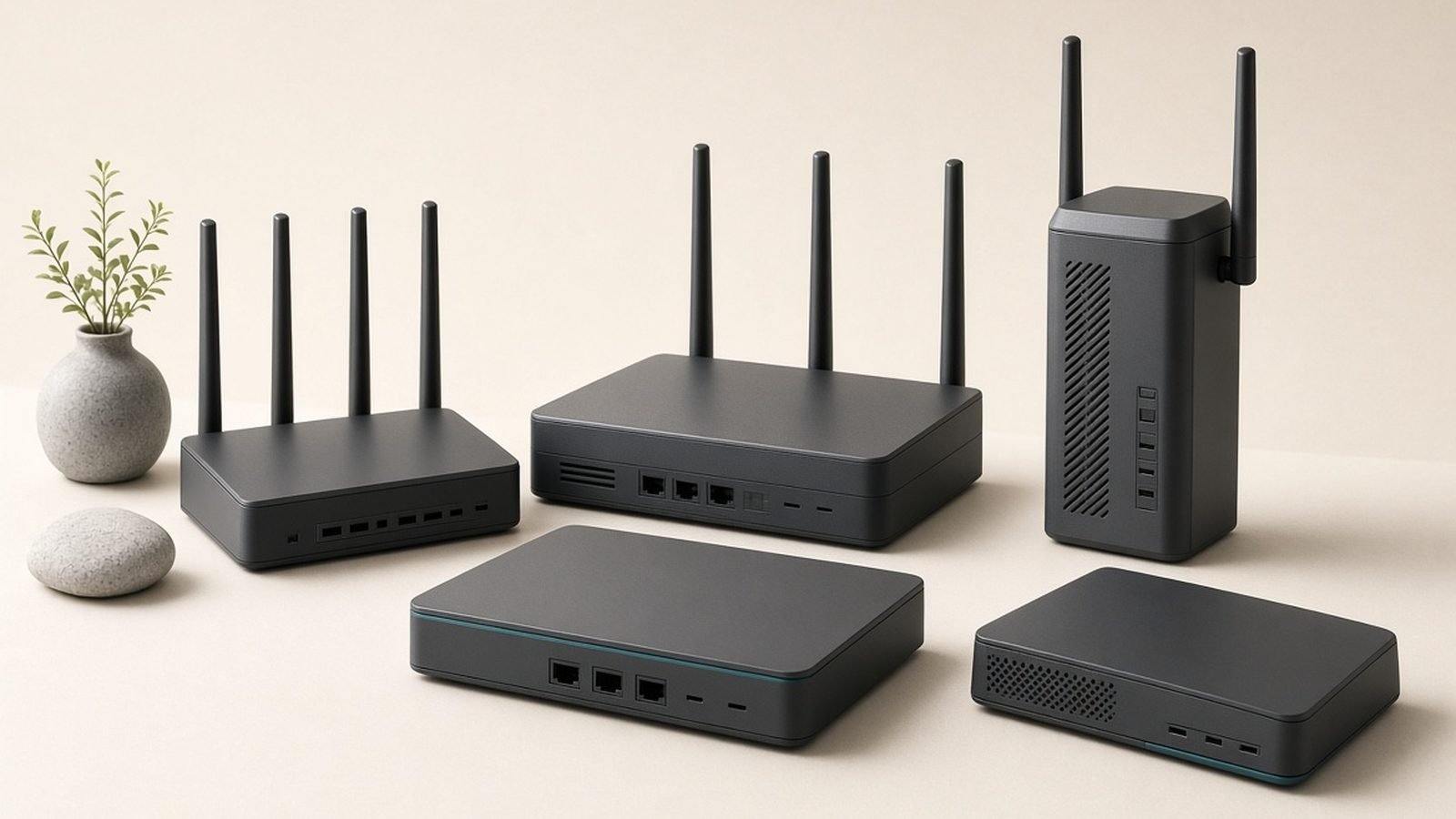
- Wireless access points: Enterprise Wi-Fi 6, 6E, and Wi-Fi 7 APs for offices, campuses, and high-density venues.
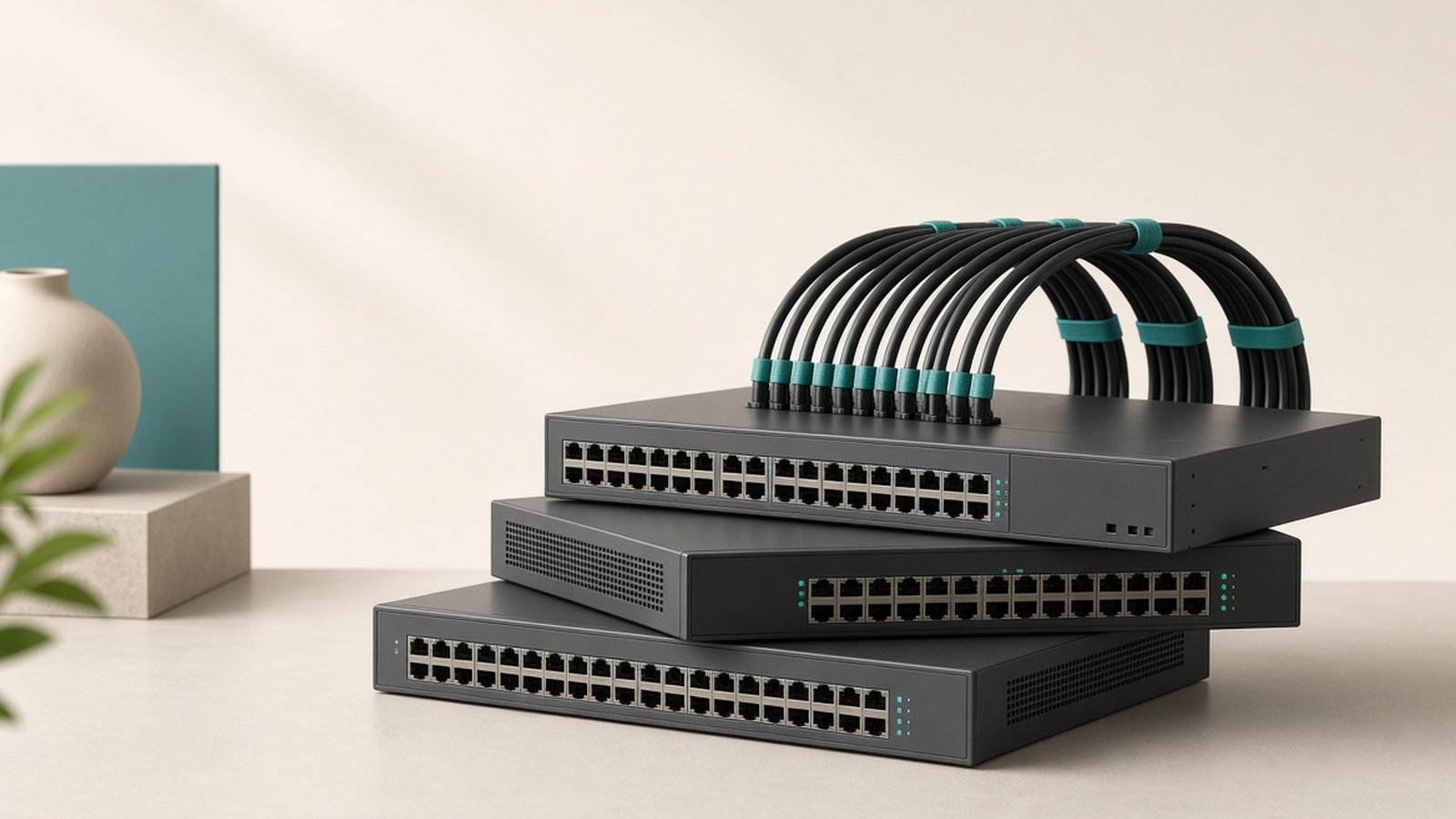
- Switches: The CX switching line for campus and data center, from access-layer to core.
- Gateways and SD-WAN: Branch gateways and EdgeConnect SD-WAN (from the Silver Peak acquisition) for connecting distributed sites.
- Aruba Central: A cloud-based management and AIOps platform that oversees the whole network.
- ClearPass: Network access control and policy enforcement for security-conscious deployments.
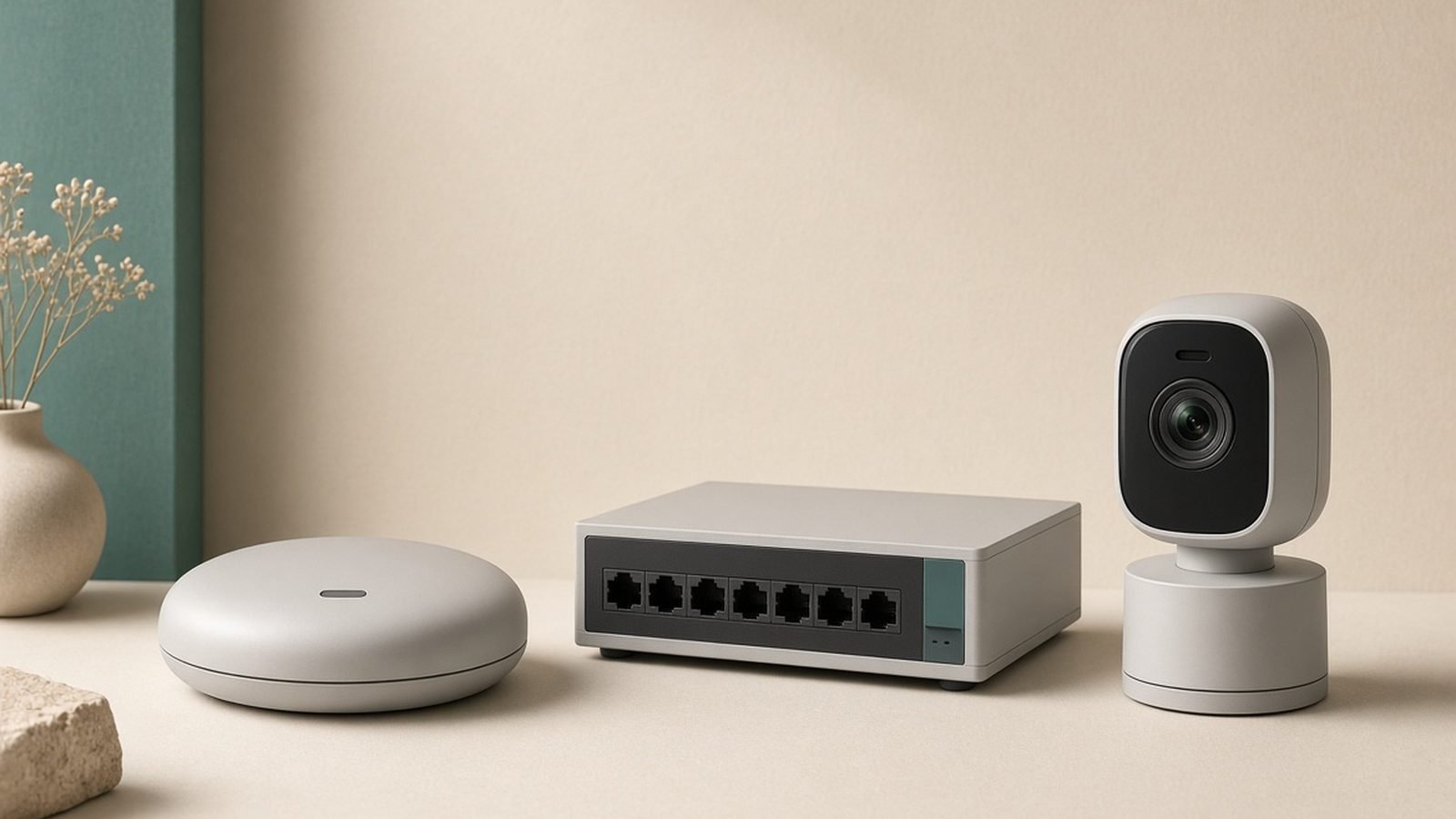
- Instant On: A separate SMB-focused line of affordable APs and switches with a free mobile/web app and optional cloud management — Aruba’s answer to prosumer systems.
Standout Aruba products in 2026
Aruba Instant On access points and switches. The most relevant Aruba products for our readers, Instant On brings enterprise-grade Wi-Fi 6/6E/7 to small offices and demanding homes with a genuinely simple app, no controller hardware required, and no mandatory subscription for core features. They’re a strong step up from consumer gear and a natural comparison against systems in our Ubiquiti UniFi Review 2026: Prosumer Networking Verdict.
Aruba Wi-Fi 7 enterprise APs. The flagship 700-series and related Wi-Fi 7 access points deliver top-tier throughput and high client density for campuses and busy venues, and are where Aruba’s RF engineering really shows.
Aruba CX switches. The CX line spans compact access switches to modular core units, all managed consistently — worth weighing against options in our Best Network Switches 2026: Gigabit & 2.5G/10G guide when planning a wired backbone.
Aruba Central. The cloud management and AIOps brain of a large Aruba deployment, offering monitoring, automation, and analytics across thousands of devices.
For most small businesses, the smart path is Instant On today, with room to graduate to the full Aruba stack if the organization grows into it.
Strengths
Enterprise-grade reliability. Aruba hardware is engineered for always-on, high-density environments and has a long track record of stable uptime in demanding deployments.
Strong RF and high-density performance. Aruba’s wireless consistently handles crowded environments — offices, lecture halls, arenas — better than most consumer gear.
Instant On lowers the barrier. The SMB line delivers much of Aruba’s build quality and Wi-Fi performance with a simple app and no mandatory recurring fees for core management.
Mature security stack. ClearPass and role-based access control give security teams granular policy enforcement that consumer brands can’t match.
One-vendor breadth. Wi-Fi, switching, gateways, and SD-WAN from a single company simplifies procurement, support, and integration for larger buyers.
Weaknesses & criticisms
Licensing and subscription complexity. The full enterprise stack (Aruba Central, gateways, ClearPass) involves subscription licensing that can be confusing to price and easy to under-budget — a common complaint from buyers comparing total cost of ownership against rivals.
Enterprise learning curve. Outside Instant On, Aruba assumes networking expertise. Controllers, gateways, and policy configuration are not beginner territory.
Not aimed at consumers. There’s no true home-router product; readers wanting simple whole-home Wi-Fi are shopping the wrong catalog unless they choose Instant On.
Price at the top end. Flagship enterprise APs, switches, and licenses carry enterprise pricing, and add-on features can push costs higher than initially quoted.
Brand churn from acquisitions. Rebrands (Aruba to HPE Aruba Networking) and the Juniper acquisition create some naming and roadmap uncertainty that IT buyers have to track.
Reliability & support
Aruba’s reliability reputation is one of its biggest selling points. Its access points and CX switches are designed for continuous operation and perform well under load, and firmware is generally stable with a professional release cadence rather than constant experimental updates. Instant On, while simpler, inherits solid hardware quality and receives steady app and firmware improvements.
Support is tiered and generally strong for paying enterprise customers, with formal SLAs, TAC (technical assistance) access, and structured RMA processes — a meaningful advantage over community-only brands. Instant On buyers get a lighter-touch experience: a helpful app, documentation, and standard warranty support (commonly a limited lifetime warranty on many Instant On products, varying by model and region), but not the white-glove enterprise TAC. The main caveat isn’t hardware quality — it’s making sure you understand which subscriptions and licenses a given deployment requires before committing, because that’s where budgets and expectations most often slip.
Who should buy Aruba
Buy the full Aruba stack if you’re an enterprise, campus, or growing multi-site business that needs robust, high-density Wi-Fi, strong security (ClearPass), and a scalable management platform from a single trusted vendor. It’s especially compelling where reliability and support SLAs matter more than chasing the lowest sticker price.
Buy Instant On if you’re a small business, branch office, or serious prosumer who wants better-than-consumer Wi-Fi and switching with a simple app and no mandatory subscription — a credible alternative to systems in our Ubiquiti UniFi Review 2026: Prosumer Networking Verdict. Look elsewhere if you want a plug-and-play home mesh or a strictly one-time purchase with zero licensing to manage; a mainstream router from our Best Wi-Fi 7 Routers 2026: Top Picks for Every Budget guide will be simpler and cheaper for pure home use.
FAQ
Is Aruba a good brand?
Yes. Aruba (HPE Aruba Networking) is one of the top enterprise Wi-Fi and switching brands, respected for reliability, RF performance, and a mature security stack. Its Instant On line extends that quality to small businesses affordably. The main caveat is licensing complexity on the enterprise platform.
Is Aruba reliable?
Very. Aruba hardware is built for always-on, high-density deployments and has a strong track record in offices, campuses, and venues. Firmware releases are professional and stable rather than experimental, and enterprise buyers get formal support SLAs.
Where is Aruba from / who owns it?
Aruba Networks was founded in 2002 in Sunnyvale, California, and has been owned by Hewlett Packard Enterprise (HPE) since 2015. It now operates as HPE Aruba Networking, HPE’s networking division.
Is Aruba Instant On worth it over consumer Wi-Fi?
For small businesses and demanding homes, yes. Instant On offers better build quality, cleaner management, and stronger high-density performance than typical consumer gear, with no mandatory subscription for core features. If you only need basic home Wi-Fi, a standard router or mesh is cheaper — see Best Wi-Fi 7 Routers 2026: Top Picks for Every Budget.
Aruba vs Cisco — which is better?
Both are top-tier. Cisco has the broadest portfolio and largest ecosystem; Aruba is often praised for cleaner cloud management and competitive RF performance, sometimes at lower cost. For SMBs, Aruba Instant On is more approachable than most of Cisco’s small-business lineup. The right choice depends on existing infrastructure and licensing preferences.
Does Aruba require a subscription?
The enterprise platform (Aruba Central, gateways, ClearPass) uses subscription licensing. Instant On does not require a subscription for its core features — it’s managed by a free app — which makes it far friendlier for cost-conscious buyers.
Zen Tech Hub may earn a commission from links on this page, at no extra cost to you.