HyperX is the value champion of gaming peripherals — the brand that turned the Cloud headset into a near-default recommendation for comfortable, affordable gaming audio. Now owned by HP, in 2026 it remains the go-to name for buyers who want dependable, comfortable gear without a premium price. The short verdict: HyperX makes some of the best value-for-money headsets and microphones in gaming, its comfort and build punch above their price, and it keeps things refreshingly simple — but its wireless and software features lag the premium brands, and a few product lines are unremarkable outside the headset and mic categories.
Buy HyperX if you want reliable, comfortable gear at a fair price with minimal fuss. Look elsewhere if you want cutting-edge wireless, the deepest customization, or flagship-tier competitive performance.
Company overview
HyperX began in 2002 as the gaming division of Kingston Technology, the American memory manufacturer, and is based in Fountain Valley, California. In 2021, HP acquired the HyperX gaming-peripheral brand (Kingston retained the memory and storage business), so today HyperX is owned by HP and sits alongside HP’s Omen and Victus gaming lines.
HyperX earned its reputation the practical way: the original Cloud headset, based on a well-regarded audio design, delivered comfort and sound that embarrassed pricier rivals, and it became one of the most recommended gaming headsets ever made. That “great value, no nonsense” identity still defines the brand. HyperX is seen as dependable, comfortable, and sensibly priced rather than flashy or cutting-edge — a brand you recommend to a friend who wants something that just works without overthinking it. Under HP, the lineup has expanded, but the value-first character remains its calling card.
What HyperX makes
HyperX’s 2026 lineup covers the mainstream gaming-peripheral categories:
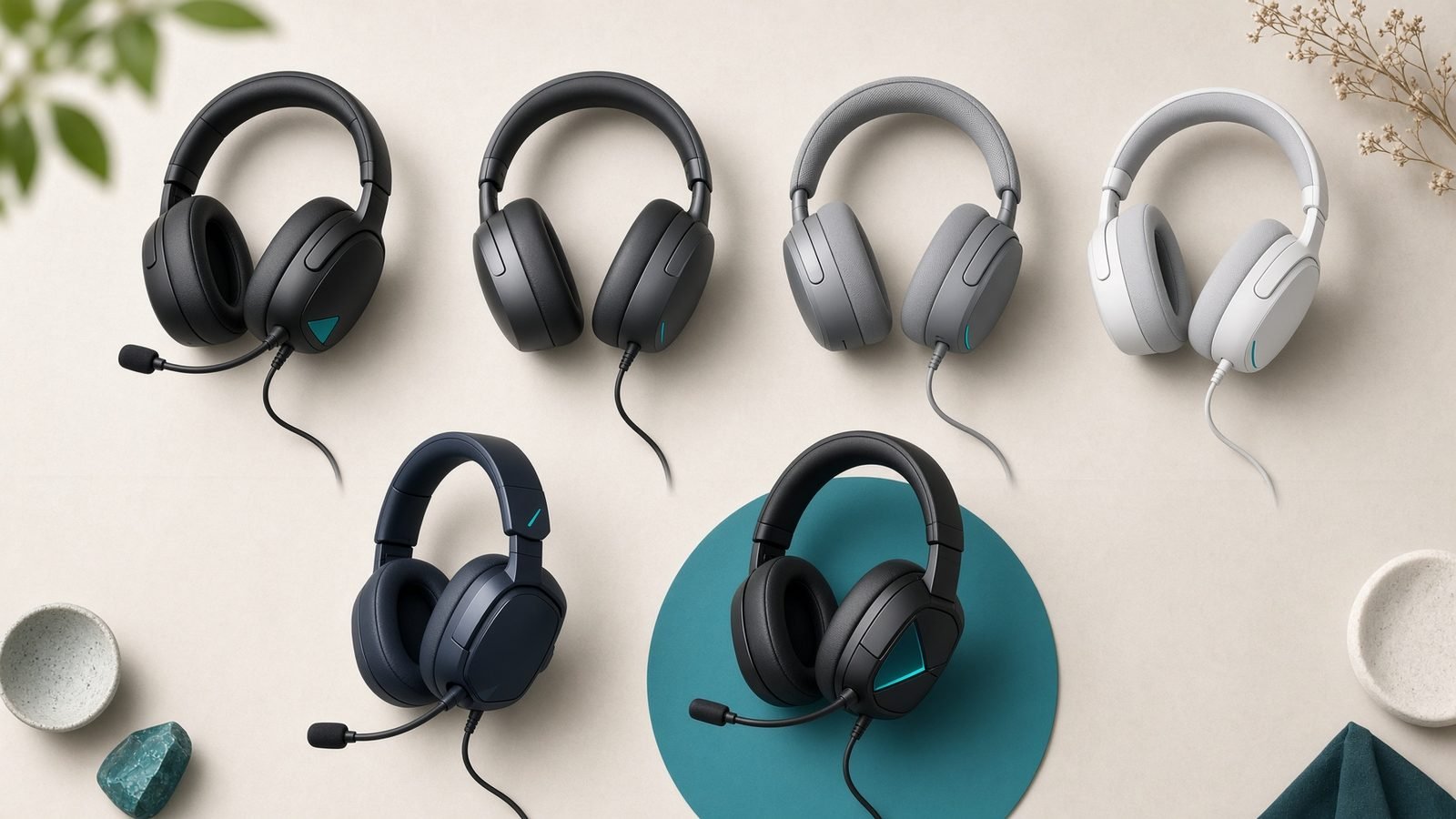
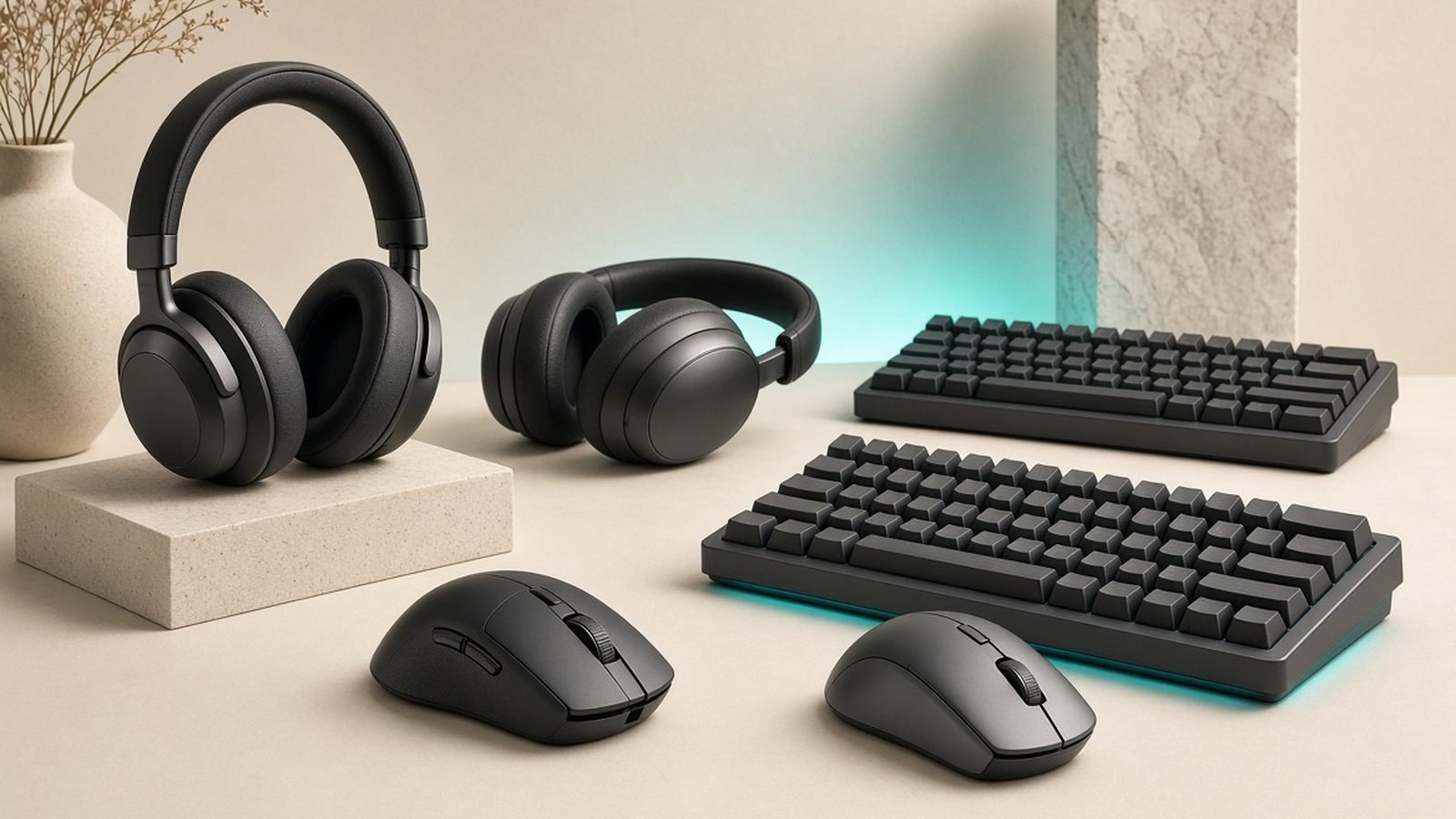
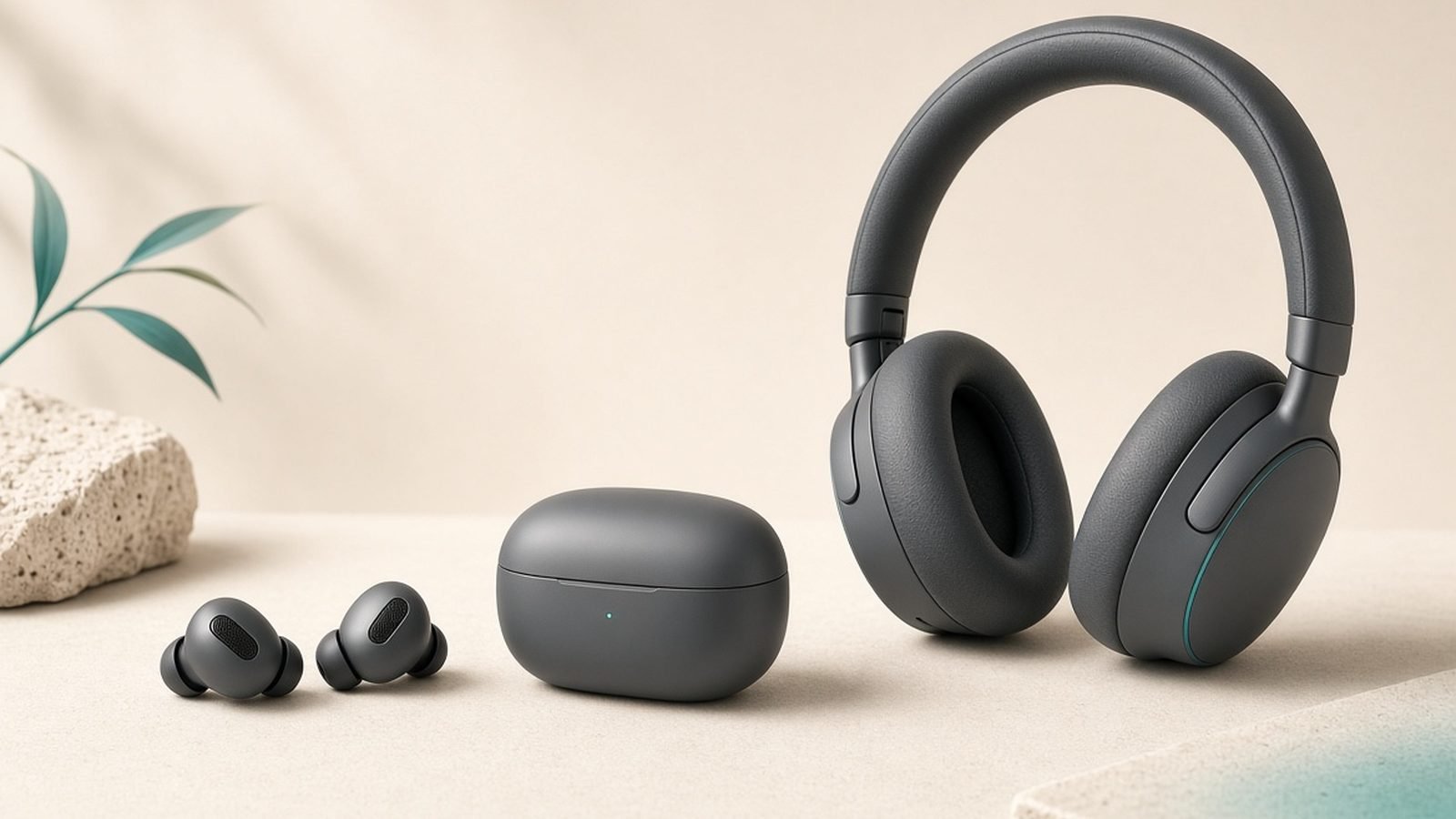
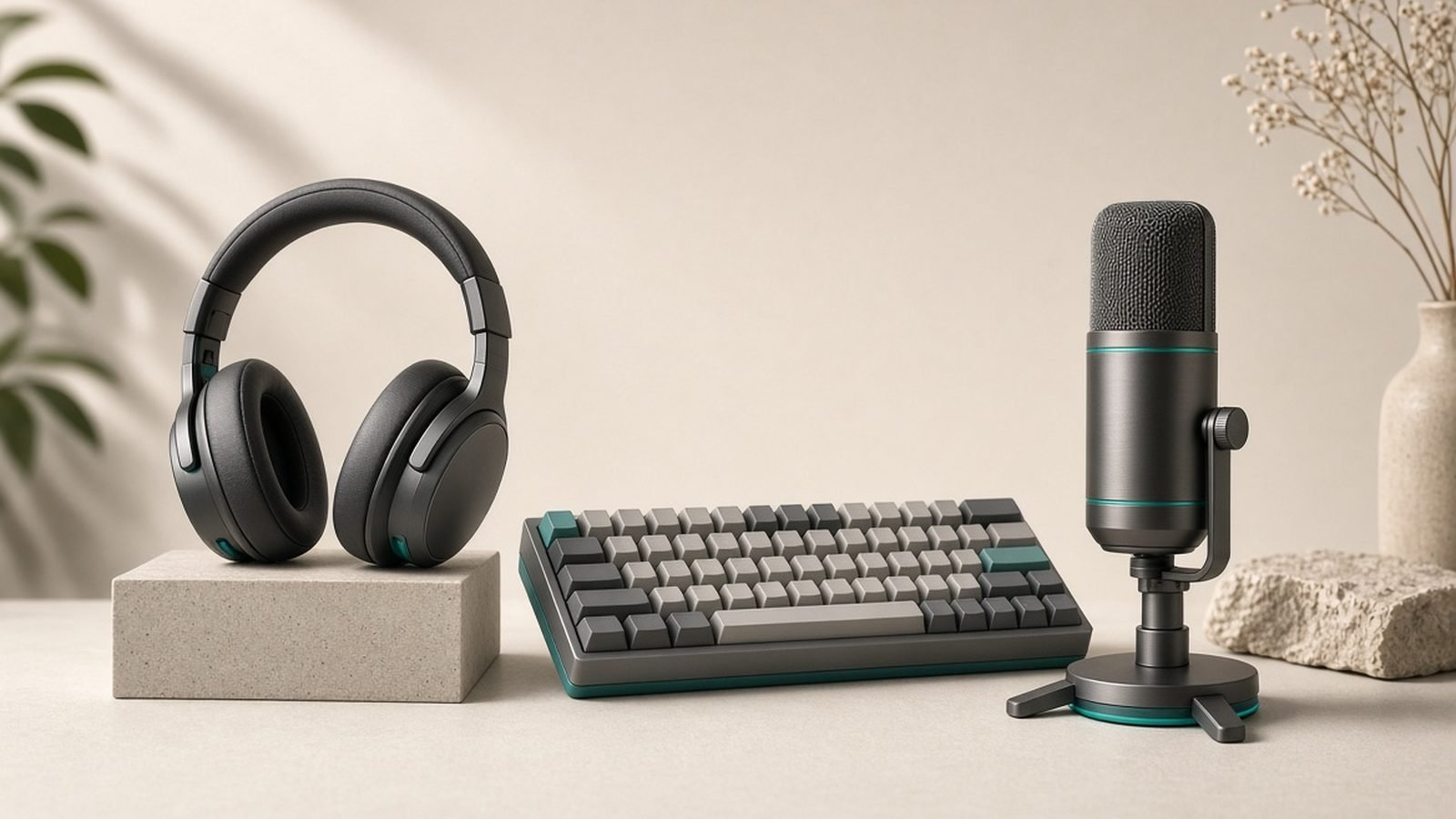
- Gaming headsets — the flagship Cloud line (Cloud III, Cloud III Wireless, Cloud Alpha) plus the premium Cloud Orbit and budget Cloud Stinger.
- Microphones — the QuadCast and SoloCast USB mics, hugely popular with streamers and remote workers.
- Keyboards — the Alloy series, including Origins and the compact 60% and 65% boards.
- Mice — the Pulsefire line, from lightweight wireless Haste models to ergonomic options.
- Accessories — the ChargePlay charging gear, controller add-ons, and mousepads.
NGENUITY software handles lighting and configuration, though much of the lineup is usable with little or no software at all.
Standout HyperX products in 2026
HyperX Cloud III — around $99 / £89 (wired) / $169 / £159 (Wireless). The flagship and the product HyperX is built on: outstanding comfort, warm and capable sound, a solid detachable mic, and durable aluminum-framed build — all at prices well below premium rivals. It’s a staple on our Best Gaming Headsets 2026: Top Picks Compared & Ranked guide and one of the easiest value recommendations in gaming audio.
HyperX QuadCast S — around $159 / £139. A hugely popular USB condenser microphone with a built-in shock mount, tap-to-mute, and RGB lighting. It’s a default pick for new streamers and remote workers who want great sound without an audio-interface setup.
HyperX Cloud Alpha — around $99 / £89. A long-running favorite with dual-chamber drivers and famous durability. Still one of the best wired headsets for the money and a frequent value pick on our Best Gaming Headsets 2026: Top Picks Compared & Ranked list.
HyperX Alloy Origins 65 — around $99 / £99. A compact 65% mechanical keyboard with HyperX’s own switches and a sturdy aluminum body, aimed at players who want a small, solid board without spending big.
HyperX Pulsefire Haste 2 Wireless — around $89 / £79. A lightweight wireless gaming mouse with a good sensor and long battery life, giving competitive-minded players a capable option at a mid-range price. Pair it with a controller from our Best Game Controllers 2026: PC, Xbox & PlayStation guide for a flexible setup.
Strengths
Exceptional value. HyperX’s core proposition is getting premium-feeling comfort, sound, and build at mid-range or budget prices. The Cloud headsets in particular deliver an experience that rivals gear costing far more.
Class-leading comfort. The Cloud line’s plush memory-foam cushions and light clamp make it among the most comfortable gaming headsets for long sessions — a consistent highlight across generations and reviews.
Great microphones. The QuadCast and SoloCast are among the most recommended entry USB mics, offering genuinely good sound quality and streamer-friendly features at accessible prices.
Simple, low-fuss ownership. Much of the lineup works well with little or no software, and the plug-and-play nature suits buyers who don’t want to wrestle with bloated companion apps.
Weaknesses & criticisms
Wireless and features trail the premium brands. HyperX’s wireless implementations, battery life, and advanced audio features (ANC, dual-connection, high-end DACs) generally lag flagship offerings from pricier competitors. It’s a value brand, and it shows at the top end.
NGENUITY software is a weak point. HyperX’s companion software has drawn criticism for being clunky and occasionally unreliable. It’s a good thing much of the lineup doesn’t strictly need it.
Keyboards and mice are middling. Outside headsets and mics, HyperX’s products are competent but rarely category leaders — the keyboards and mice are fine, not standout, and enthusiasts will find better specialists.
Post-acquisition consistency. Some longtime fans watch closely for whether HP ownership dilutes the value focus, and a few product refreshes have been iterative rather than exciting.
Sound is tuned for warmth, not neutrality. The Cloud signature is pleasant but bass-forward; audio purists and competitive players who want flat, positional accuracy sometimes prefer other tunings.
Reliability & support
HyperX has a strong reliability reputation, particularly for its headsets and microphones, which are frequently praised for surviving years of daily use. The Cloud Alpha in particular became known for durability, and the brand’s generally simple, robust designs contribute to good long-term ownership experiences. Being part of HP gives HyperX the backing and distribution of a major manufacturer.
Warranty coverage is standard for the category — commonly two years on many products, with regional variation — which is competitive and a point in the brand’s favor. Customer service is regarded as adequate for the price bracket. Because much of the lineup relies little on software, buyers avoid the update-and-account headaches that plague some rivals. The honest summary: HyperX is a dependable, low-risk brand where the hardware tends to last and the buying decision is refreshingly simple — the main compromise is capped high-end features, not questionable quality.
Who should buy HyperX
Buy HyperX if you want reliable, comfortable gaming gear at a fair price without paying for flagship extras or fighting with software. The Cloud headsets and QuadCast mics are near-automatic recommendations for students, new streamers, budget-conscious gamers, and anyone who values comfort and simplicity over bleeding-edge specs.
Look elsewhere if you want the best wireless performance, active noise cancellation, the deepest customization, or top-tier competitive peripherals. Enthusiasts and players chasing flagship features will find more from premium specialists — though they’ll pay considerably more for the privilege. For a direct comparison, HyperX generally beats SteelSeries on value while SteelSeries edges ahead on high-end features and software polish.
FAQ
Is HyperX a good brand?
Yes, especially for value. HyperX makes some of the best-value gaming headsets and microphones available, with class-leading comfort and dependable build quality, all at fair prices. The trade-offs are that its wireless, software, and high-end features lag premium rivals, and its keyboards and mice are competent rather than exceptional.
Is HyperX reliable?
Yes. HyperX has a strong reliability reputation, particularly for headsets and mics, which are known to survive years of daily use. Simple, robust designs and backing from HP contribute to good long-term ownership. Warranty coverage is generous for the price bracket, often two years.
Where is HyperX from and who owns it?
HyperX started in 2002 as the gaming division of Kingston Technology, based in Fountain Valley, California. Since 2021 the HyperX gaming brand has been owned by HP (Kingston kept the memory business), placing it alongside HP’s Omen and Victus gaming lines.
Is HyperX better than SteelSeries?
They target different priorities. HyperX wins on value and simplicity — you get excellent comfort and sound for less. SteelSeries wins on high-end features, software polish, and premium wireless. If budget and comfort matter most, HyperX; if you want flagship features and don’t mind paying, SteelSeries. Both are dependable choices.
Are HyperX headsets good for streaming?
Very. The Cloud line offers comfortable, clear audio with solid detachable microphones, and the QuadCast and SoloCast USB mics are among the most recommended entry-level streaming mics. Together they make HyperX one of the most cost-effective ways to build a streaming setup.
Do HyperX products need software to work?
Mostly no. A big part of HyperX’s appeal is that much of its lineup works well plug-and-play, with software (NGENUITY) only needed for lighting and some customization. Since NGENUITY is the weaker part of the experience, the low software dependence is a genuine advantage.
Zen Tech Hub may earn a commission from links on this page, at no extra cost to you.