Kingston is the quiet giant of computer memory — the largest independent maker of DRAM modules in the world, and a brand almost every PC builder has bought from at some point, often without thinking hard about it. That’s the highest compliment you can pay a memory brand: it’s the dependable, everywhere, gets-the-job-done option. The verdict: Kingston is a genuinely good, safe-value brand for RAM (especially its Fury gaming line) and a solid, if not always class-leading, brand for SSDs. The main caveat is that some of its value SSDs have historically changed internal components between batches, so a specific drive can perform a little differently from its early reviews.
If you want reliable memory at a fair price, or a no-drama SSD to get a build running, Kingston rarely disappoints. Here’s what it makes and where it stands.
Company overview
Kingston Technology is an American company, founded in 1987 and headquartered in Fountain Valley, California. Crucially for its reputation, it is privately held — owned and run by its founders’ family rather than by shareholders or a larger conglomerate — which the company often credits for its long-term, low-drama approach. Kingston does not manufacture its own NAND flash or DRAM chips (it isn’t a fab owner like Micron or Samsung); instead it is the world’s leading independent assembler and validator of memory products, buying silicon and building it into tested modules and drives.
Kingston also owns HyperX heritage on the memory side (its gaming memory now lives under the Kingston Fury brand, after the HyperX peripheral business was sold to HP), and its enterprise and channel presence is enormous. Among builders, Kingston’s reputation is that of a trustworthy workhorse: not the most exciting brand, but one that has shipped reliable memory for decades and stands behind it.
What Kingston makes
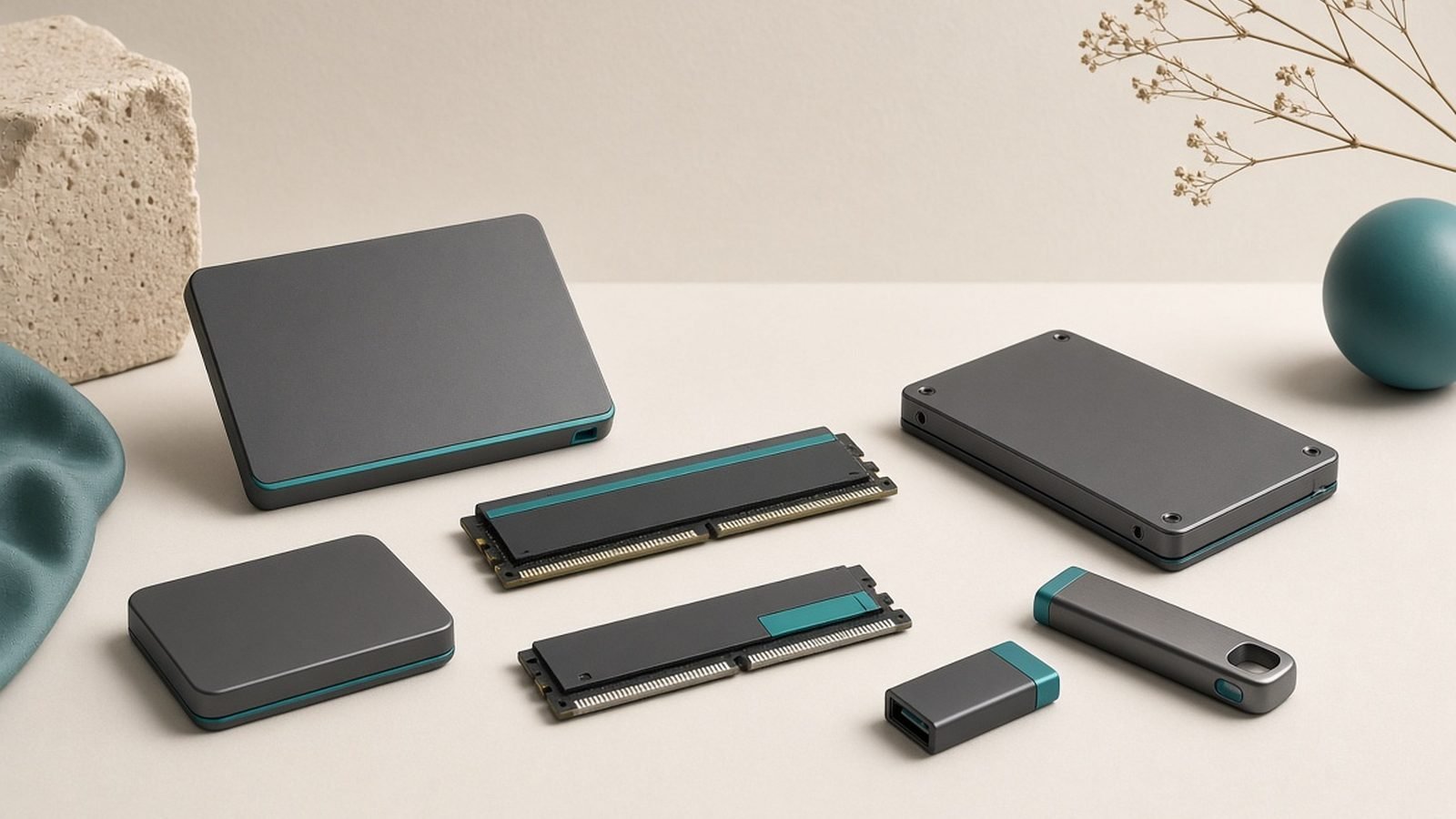
Kingston’s range is broad within memory and storage:
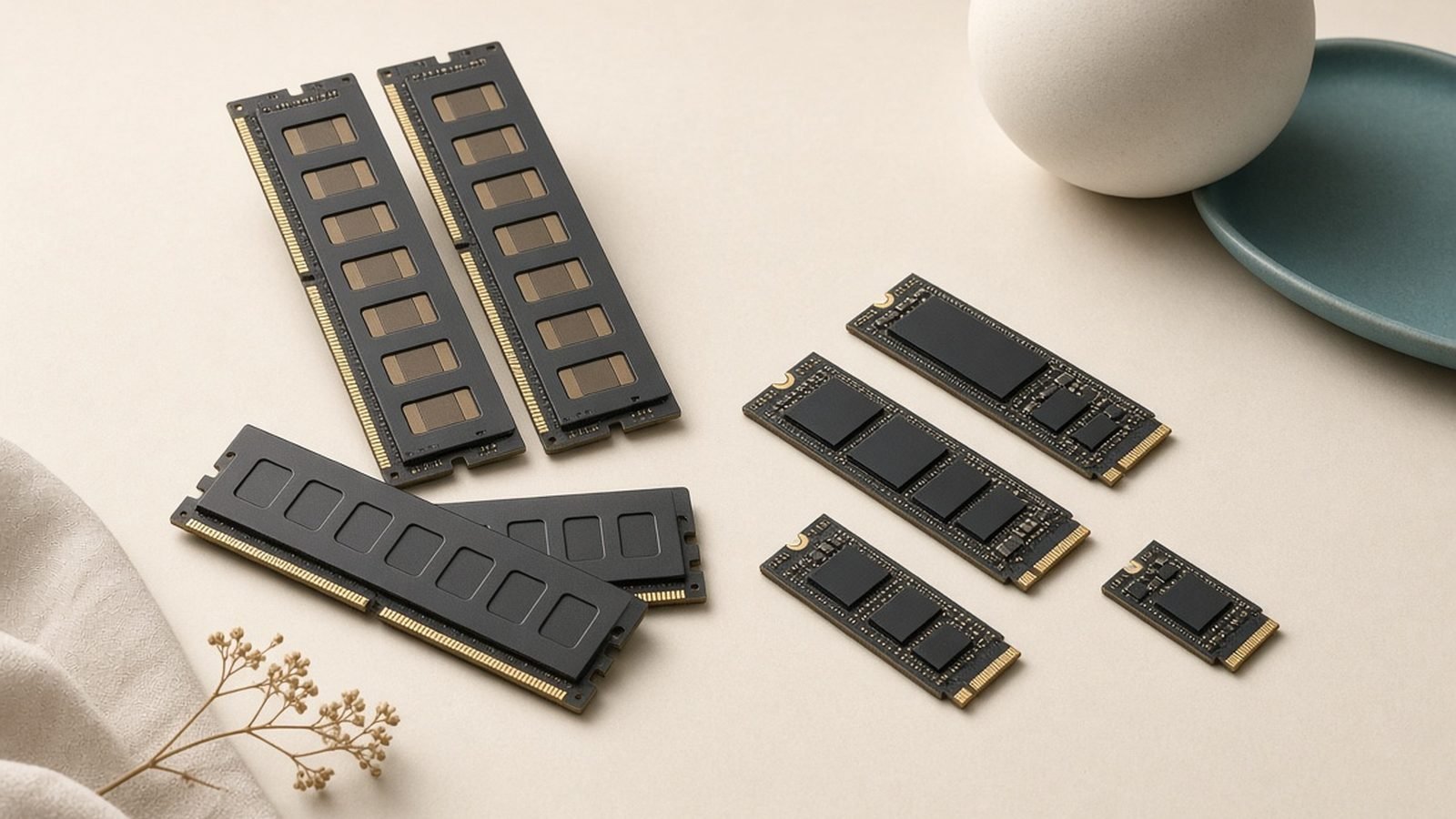
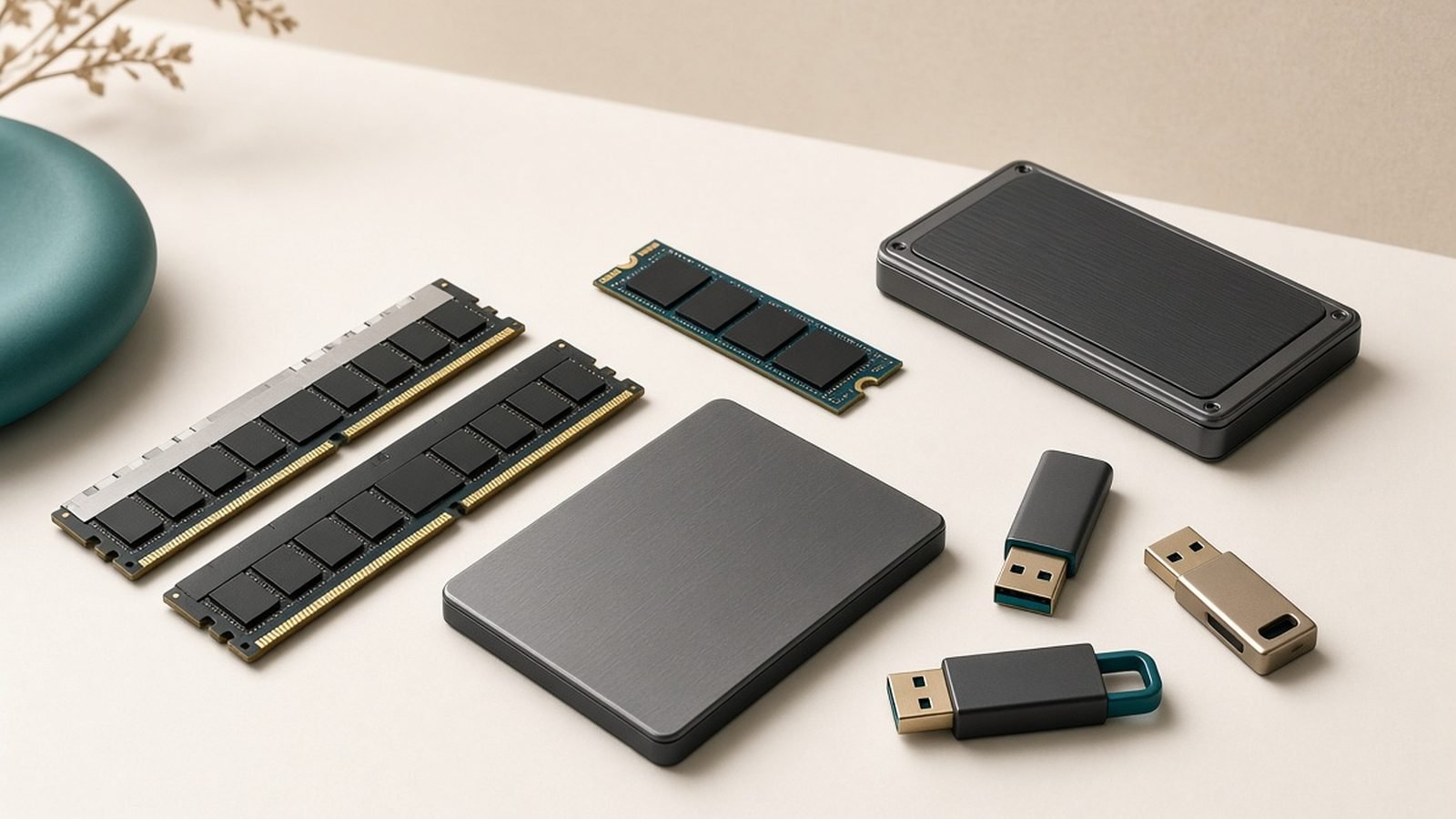
- System memory (RAM) — mainstream ValueRAM and the Kingston Fury line (Beast, Renegade) for gaming and overclocking, in DDR4 and DDR5.
- Consumer SSDs — NVMe drives (the NV-series value line and the higher-performance Fury Renegade), plus SATA drives.
- Enterprise & data-center SSDs — the DC-series drives built for servers, an area where Kingston is a serious player.
- USB flash drives and memory cards — a huge range of DataTraveler USB sticks and Canvas SD/microSD cards.
- Encrypted storage — IronKey hardware-encrypted USB drives, among the most respected secure-storage products in the industry.
- Portable SSDs — external drives like the XS-series for on-the-go storage.
Standout Kingston products in 2026
- Kingston Fury Renegade / Fury DDR5 memory kits — the brand’s flagship gaming RAM, a regular pick in high-refresh gaming and creator builds for its reliability and value.
- Kingston Fury Renegade NVMe SSD — Kingston’s performance PCIe drive, including PS5-compatible heatsink versions; a credible entry in our Best SSDs 2026: NVMe & SATA Drives Compared & Ranked roundup.
- Kingston NV2 / NV3 NVMe SSD — the ubiquitous budget NVMe drive that shows up in countless value builds; excellent price, with the usual caveat about batch variation.
- Kingston IronKey encrypted USB drives — the gold standard for hardware-encrypted portable storage, used by businesses and security-conscious individuals.
- Kingston XS-series portable SSD — compact external drives; if you’re comparing portable options, see our Best SSDs 2026: NVMe & SATA Drives Compared & Ranked guide.
- Kingston DC-series enterprise SSDs — dependable drives for homelab and small-server storage; useful when planning an all-flash build alongside our Best NAS Drives for Home 2026: Backup & Media Picks Ranked advice on capacity and endurance.
Strengths
- Memory expertise and scale. As the biggest independent memory maker, Kingston has decades of validation experience and enormous supply, which translates to competitive pricing and consistent RAM quality.
- Great value RAM. Fury and ValueRAM kits routinely offer strong performance per dollar, with reliable XMP/EXPO profiles for easy overclocking.
- Reliability and warranties. Kingston memory typically carries a limited lifetime warranty, and its SSDs get long warranties — the company has a solid track record of standing behind products.
- Breadth beyond DRAM. Few brands cover RAM, SSDs, USB drives, memory cards, encrypted storage and enterprise drives as completely, making Kingston a one-stop option.
- Best-in-class secure storage. The IronKey encrypted-drive line is a genuine differentiator with few real rivals.
Weaknesses & criticisms
- Value SSDs have changed components mid-life. Kingston, like several rivals, has at times revised the controller or NAND in a budget drive (such as older A-series and some NV-series units) without a name change, so later stock may not match early review performance. It’s the most common complaint about the brand.
- DRAM-less budget drives slow under load. The value NVMe drives that make up much of the lineup can see write speeds fall when nearly full or under sustained writes — fine for everyday use, less ideal for heavy content creation.
- Not the outright performance leader. Even the Fury Renegade SSDs, while good, rarely top the charts against Samsung, WD Black or Crucial’s fastest Gen5 drives.
- No first-party silicon. Because Kingston buys its flash and DRAM, it’s dependent on supplier quality and can’t vertically integrate the way Micron (Crucial) or Samsung can.
- Software is minimal. Kingston’s SSD Manager utility is basic; power users wanting rich monitoring and tuning will find it thin.
Reliability & support
Kingston’s reliability reputation, especially on memory, is strong and long-established — it’s the brand many system integrators standardize on precisely because its RAM “just works” across huge volumes. Its SSDs are broadly reliable too, with the important asterisk that batch component changes on value models mean you should read recent reviews of the exact drive rather than assuming today’s stock matches an old benchmark.
Warranty coverage is a highlight: most Kingston memory carries a limited lifetime warranty, and its SSDs typically get five-year (sometimes limited-lifetime-adjacent) warranties tied to endurance ratings. The IronKey and enterprise lines add higher assurance for business use. Customer support is generally regarded as competent and responsive for a company of its scale, handling RMAs without notable drama. As with most storage brands, there’s no rich “software update” story — firmware and a basic management utility, rather than a feature-packed app.
Who should buy Kingston
Buy Kingston if you want reliable, well-priced memory and dependable storage from a proven, stable company. It’s an excellent default for RAM (Fury for gaming, ValueRAM for basics), a fine choice for a value or performance NVMe SSD to get a build going, and the standout option for hardware-encrypted USB drives via IronKey. Builders, upgraders and businesses who value dependability and warranty are its core audience.
Look elsewhere if you specifically want first-party flash (Crucial/Micron or Samsung), the absolute fastest SSD for professional workloads, or a guarantee that a value drive’s internals won’t vary — in which case check recent reviews of the exact SKU before buying. For the great majority of buyers, though, Kingston is a safe, sensible pick.
FAQ
Is Kingston a good brand?
Yes. Kingston is the world’s largest independent memory maker, with a long reputation for reliable, value-priced RAM (including the Fury gaming line) and dependable SSDs and USB storage. Its main weakness is that some budget SSDs have changed internal components between batches.
Is Kingston reliable?
Yes, particularly for RAM, where it’s a default choice for system builders worldwide. Its SSDs are reliable too, with the caveat that value models have occasionally had internal-component revisions, so it’s worth checking reviews of the exact drive you’re buying.
Where is Kingston from and who owns it?
Kingston Technology is an American company founded in 1987 and headquartered in Fountain Valley, California. It is privately held and family-run rather than owned by a larger corporation or public shareholders, which the company credits for its long-term stability.
Kingston vs Crucial — which is better?
Both are strong value brands. Crucial has the edge of first-party Micron flash and a marginally stronger SSD reputation; Kingston counters with a broader lineup (encrypted IronKey drives, enterprise SSDs, huge RAM range) and equally competitive pricing. For a straightforward RAM or SSD upgrade, either is a safe choice.
Is Kingston Fury RAM good?
Yes. Kingston Fury (Beast and Renegade) is a well-regarded gaming and creator memory line offering reliable XMP/EXPO overclocking profiles and strong value in both DDR4 and DDR5, backed by a limited lifetime warranty. It’s a mainstream, dependable pick.
Are Kingston SSDs good?
They’re solid and great value, especially the NV-series budget NVMe and the faster Fury Renegade drives. The main caution is batch variation on value models, so read a recent review of the specific drive. For most builds they’re a reliable, affordable choice.
Zen Tech Hub may earn a commission from links on this page, at no extra cost to you.