Buying a Roomba in 2026 means answering two separate questions: is the robot good, and will the company behind it still be resourcing the app, the firmware and the warranty a few years from now? The first is the easier one — Roombas map a home reliably, clean in methodical paths and are easy to keep running, because brushes, filters, batteries and third-party parts are sold everywhere. The second is harder: a planned acquisition by Amazon was abandoned in early 2024, and iRobot has since publicly flagged going-concern doubts and restructured its debt. Verdict: buy iRobot if you want a proven, well-mapped navigator with strong software and a mature ecosystem — but know that Chinese rivals now beat it on raw features (especially mopping and value), and iRobot has been through serious financial turbulence that makes long-term support a fair thing to weigh.
iRobot pioneered the category and coasted on that lead for years. This profile covers where Roomba still leads, where it has fallen behind, and whether the brand is a safe bet given its recent business struggles.
Company overview
iRobot Corporation was founded in 1990 by MIT roboticists and is headquartered in Bedford, Massachusetts, in the United States. It spent its early years on military and research robots before launching the first Roomba in 2002 — the product that created the mass-market robot-vacuum category and remains the brand’s core business. For most of the following two decades, “Roomba” was effectively a generic term for robot vacuums.
The company’s recent history matters. A planned acquisition by Amazon was abandoned in early 2024 after regulatory opposition, leaving iRobot without the cash injection it had counted on and forcing deep cost cuts and layoffs. iRobot has publicly flagged doubts about its ability to continue as a going concern, restructured its debt, and shifted toward a lower-cost, licensing-lighter product model. The brand and its engineering pedigree are strong, but its financial footing is the single biggest caveat for buyers thinking about years of future support.
What iRobot makes
iRobot’s lineup is focused almost entirely on floor care:
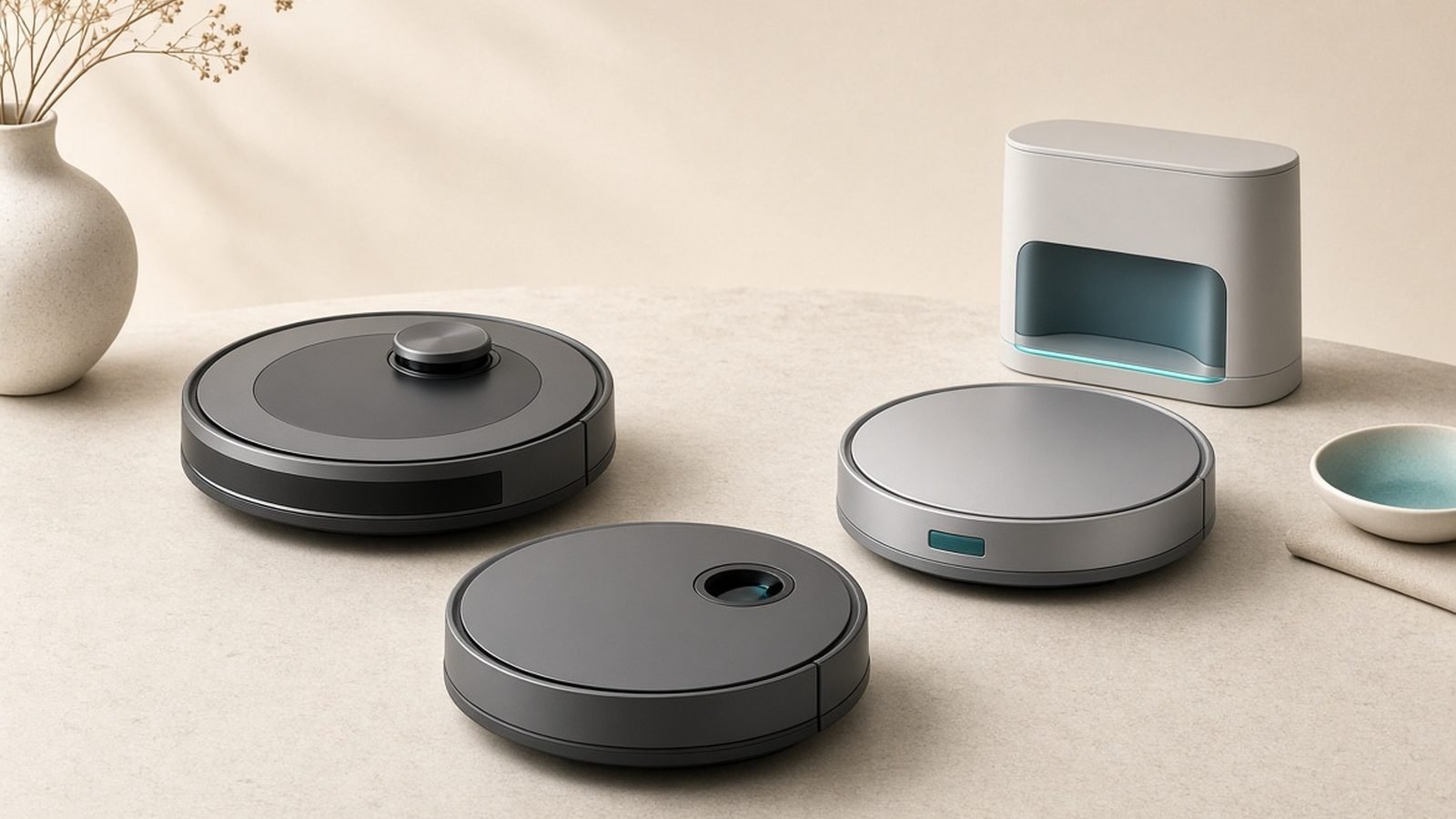
- Roomba robot vacuums: The core range, from budget models to premium units with lidar-style mapping, obstacle avoidance, and auto-empty docks.
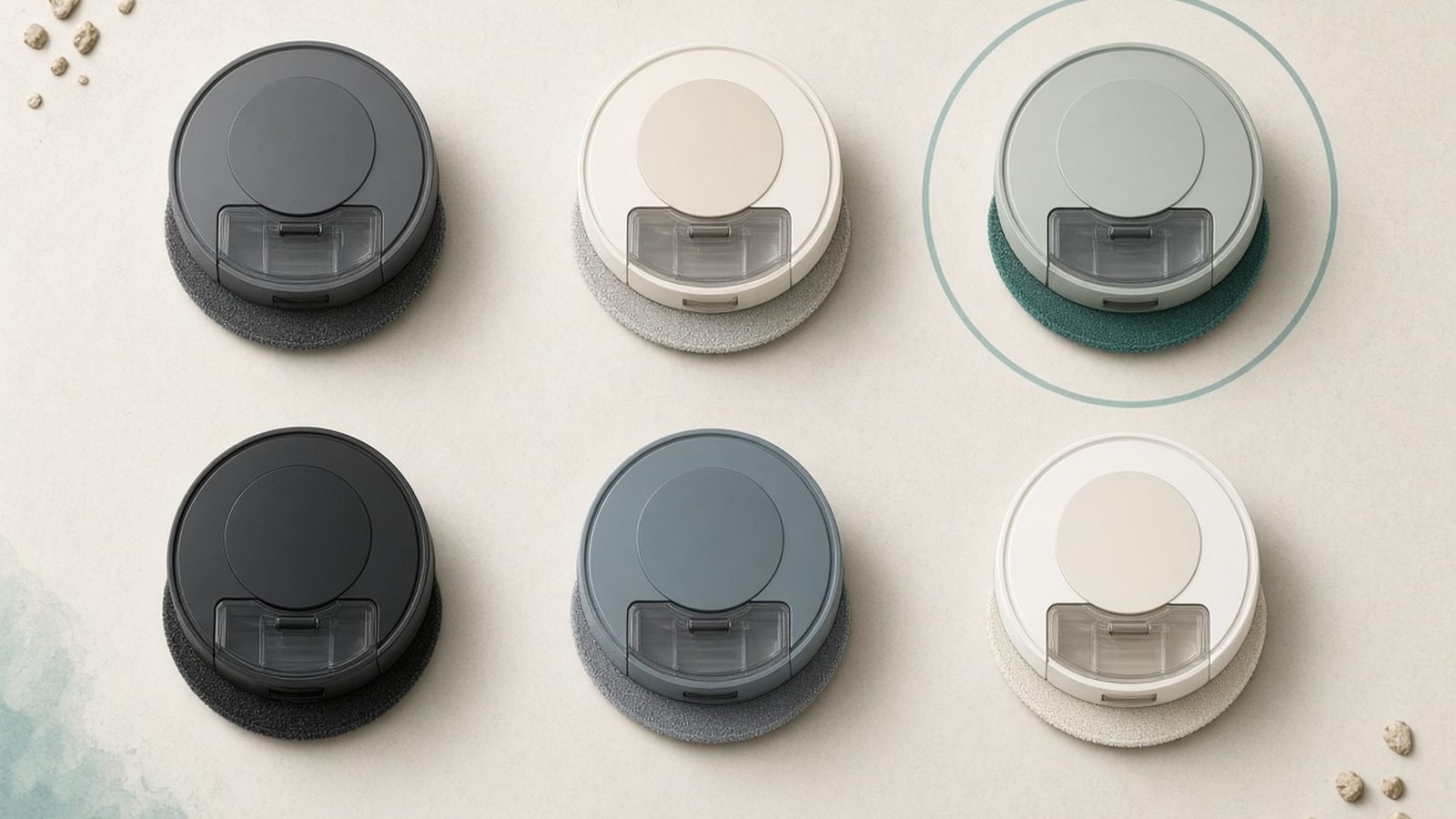
- Roomba Combo (vacuum + mop): Hybrid robots that vacuum and mop in one pass, including models with retractable or lifting mop pads to avoid wetting carpet.
- Self-emptying docks: Clean Base auto-empty stations, and newer AutoWash docks that also wash and dry the mop pad.
- Braava mopping robots: Dedicated robot mops for homes that want a separate wet-cleaning unit.
- App and software: The iRobot Home app handles mapping, room-by-room cleaning, schedules, and Genius automation — one of the more mature software experiences in the category.
Standout iRobot products in 2026
Roomba Combo series. iRobot’s flagship 2-in-1 vacuum-and-mop robots are its most competitive products, combining strong navigation with a self-washing dock on the top models. They feature in our Best Robot Mops 2026: Hands-Free Floor Cleaning roundup where all-in-one docks are the draw.
Roomba j-series with obstacle avoidance. The j-series uses a front camera to identify and dodge cords, socks, and pet waste — historically one of iRobot’s real advantages. It’s a natural pick for busy homes and appears in Best Robot Vacuum for Pet Hair in 2026: Which One Wins?.
Roomba mid-range vacuums. iRobot’s newer value-focused models bring smart mapping to lower prices, typically around $299 / £279, and are the easiest entry point for first-time buyers.
Braava jet robot mops. For households that prefer a dedicated mop rather than a hybrid, Braava remains a tidy, precise option for hard floors.
For most buyers, a Roomba Combo with an auto-empty dock is the sweet spot — it’s where iRobot’s mapping polish and ecosystem maturity are most obvious.
Strengths
Best-in-class navigation and mapping. iRobot’s mapping, room labeling, and methodical cleaning paths are consistently reliable, and its obstacle avoidance on camera-equipped models is among the best at dodging cords and pet messes.
Mature, stable software. The iRobot Home app is polished and well-supported, with room-specific cleaning, schedules, and automation that generally just work — a real edge over some cheaper rivals with clunky apps.
Proven durability and serviceability. Roombas are widely repaired and kept running for years, helped by readily available brushes, filters, and batteries and a large third-party parts ecosystem.
Strong self-emptying ecosystem. Clean Base and AutoWash docks make hands-off operation genuinely convenient, and iRobot’s dock reliability is well regarded.
Wide support and availability. Parts, accessories, and help are easy to find, and the brand is stocked everywhere — a practical benefit for long-term ownership.
Weaknesses & criticisms
Financial instability. iRobot’s public going-concern warnings and heavy restructuring are the biggest mark against it. The hardware is fine, but buyers reasonably worry about app servers, updates, and warranty support years down the line.
Outpaced on features and value. Chinese competitors (Roborock, Ecovacs, Dreame) now offer more capable mopping, higher suction, and more advanced docks for similar or lower prices. iRobot often trails on the spec sheet.
Weaker mopping heritage. iRobot came to serious mopping later than rivals, and while the Combo line has closed the gap, dedicated mop performance and mop-lifting tricks still favor some competitors.
Premium pricing on top models. Flagship Roombas can cost as much as better-specified rivals, so you’re partly paying for the brand and ecosystem rather than leading hardware.
Ongoing costs. Replacement brushes, filters, and dock bags add up over time, and some convenience features nudge you toward proprietary consumables.
Reliability & support
Roombas have a strong long-term reliability reputation: many units run for years, and the wide availability of official and third-party parts makes them easy to maintain. Warranties are typically one year on the robot, and iRobot’s app has a solid track record of updates and stable cloud features. Customer service is generally reachable through the brand’s direct channels and major retailers, though experiences vary as the company has cut costs.
The honest caveat is corporate rather than mechanical. iRobot’s financial troubles introduce uncertainty about how long app servers, firmware updates, and formal warranty support will remain well-resourced. For a device that leans on cloud features and an app, that’s a legitimate consideration — even though the robots themselves are among the most repairable and long-lived in the category. Buy with the expectation that the hardware will last; treat future software support as the variable to watch.
Who should buy iRobot
Buy iRobot if you value proven navigation, a mature and stable app, and an easy-to-service robot with parts you can find anywhere. It’s an excellent fit for first-time robot-vacuum buyers who want something that reliably maps a home and cleans methodically, and for pet owners who want strong obstacle avoidance — see Best Robot Vacuum for Pet Hair in 2026: Which One Wins?.
Look elsewhere if you want the most advanced mopping, the highest suction numbers, or the best raw value — rivals like Roborock, Dreame, and Ecovacs generally win there, and our Best Robot Mops 2026: Hands-Free Floor Cleaning guide covers stronger all-in-one mopping options. If long-term corporate stability is a priority, factor iRobot’s financial situation into your decision.
FAQ
Is iRobot a good brand?
Yes — iRobot makes reliable, well-navigating robot vacuums with the most mature app in the category, and Roomba remains a safe mainstream choice. The main caveats are that rivals now beat it on features and value, and the company has faced serious financial trouble that makes long-term support worth weighing.
Is iRobot reliable?
The hardware is very reliable and easy to service, with parts widely available and many units lasting years. The bigger reliability question is corporate: iRobot’s financial instability creates some uncertainty about long-term app and warranty support, even though the robots themselves are dependable.
Where is iRobot from and who owns it?
iRobot is an American company founded in 1990 and headquartered in Bedford, Massachusetts. It is an independent, publicly traded company; a planned Amazon acquisition was called off in 2024, and iRobot has since restructured on its own.
Is Roomba worth it in 2026?
If you value proven navigation, strong obstacle avoidance, and a stable app, yes. If you want the most advanced mopping or the best price-to-features ratio, Chinese rivals often offer more — compare options in Best Robot Mops 2026: Hands-Free Floor Cleaning.
iRobot vs Shark — which is better?
iRobot generally wins on navigation maturity and app polish; Shark often wins on price and self-empty value. Shark is the better budget-to-midrange pick for many, while iRobot suits buyers who prioritize mapping and a proven ecosystem.
Do Roombas need a subscription?
No — core cleaning, mapping, and scheduling work without any subscription. Ongoing costs come from replacement brushes, filters, and dock bags rather than a mandatory fee.
Zen Tech Hub may earn a commission from links on this page, at no extra cost to you.