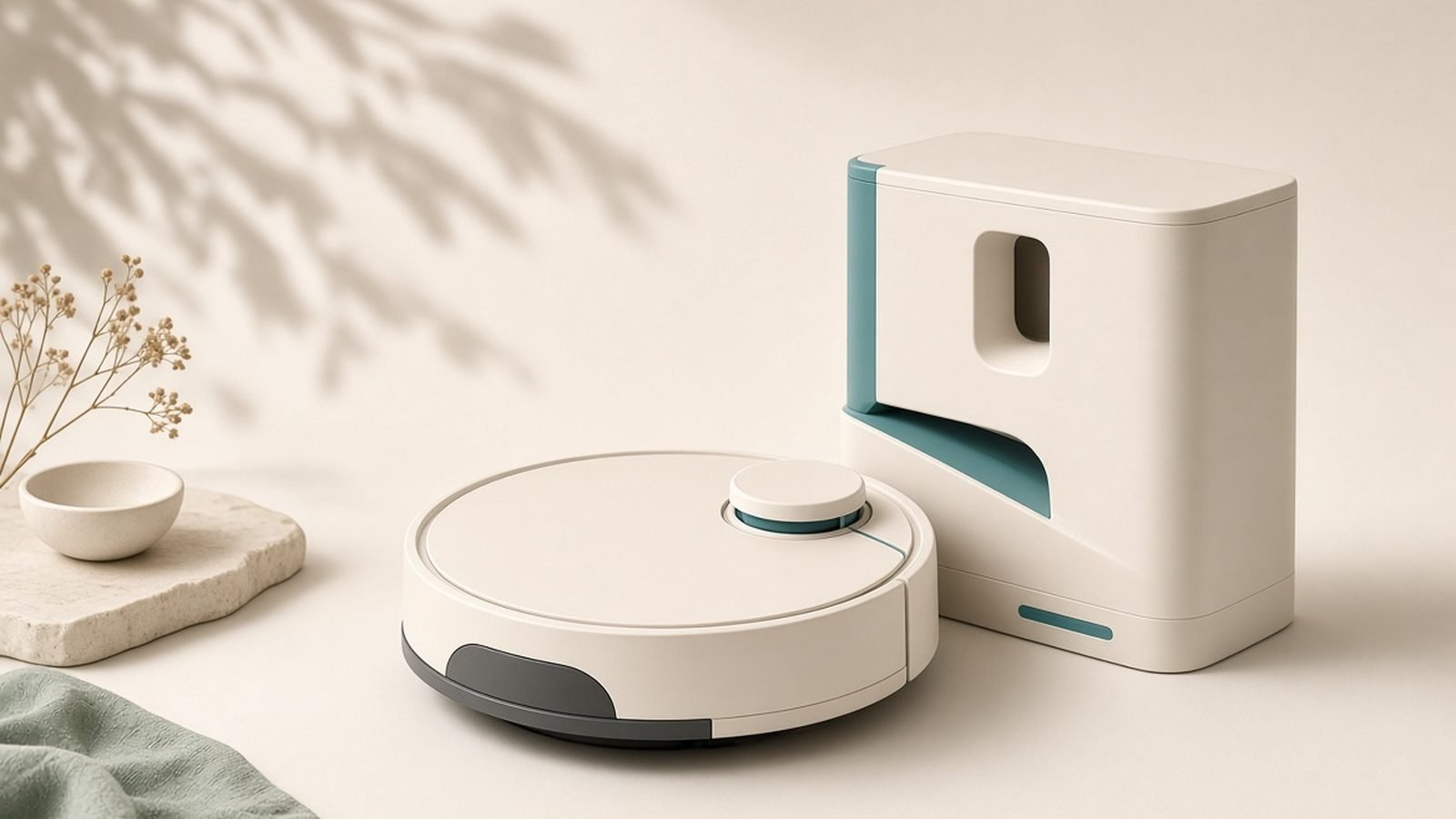
If you want the most consistently excellent robot vacuum experience money can buy, Roborock is the brand to beat in 2026 — it sits at the top of nearly every serious robot-vacuum roundup thanks to strong suction, class-leading navigation, and mop systems that actually scrub rather than smear. Verdict: buy Roborock if you want a premium, low-maintenance robot vacuum and mop that reliably cleans the whole floor and empties itself, and you accept flagship pricing; look elsewhere only if you want the absolute lowest price or you distrust app-connected devices from a China-based maker. No mandatory subscription is a genuine plus.
Roborock has spent years turning the robot vacuum from a novelty into a legitimate appliance. This profile covers its lineup, where it genuinely leads over rivals like Dreame and Ecovacs, and the honest downsides — cost, app dependence, and occasional over-engineering — worth knowing first.
Company overview
Roborock is a Chinese company headquartered in Beijing, founded in 2014. It began as part of Xiaomi’s ecosystem, building the original Mi Robot Vacuum, before establishing itself as an independent premium brand with its own R&D and flagship lineup. That heritage matters: Roborock inherited strong engineering and manufacturing discipline, then pushed upmarket into high-end, feature-dense machines while still offering more affordable models.
Roborock’s reputation is that of the category’s quality leader. Reviewers and owners consistently rank its navigation, obstacle avoidance, and mopping among the best available, and the brand is often the safe default recommendation for buyers who want something that simply works. It competes hardest with Dreame (a close technical rival with overlapping origins) and Ecovacs (the other big premium name), plus value brands underneath them. The main tension in Roborock’s identity is price: it makes some of the best robot vacuums in the world, and it charges accordingly.
What Roborock makes
Roborock’s catalog centers on floor care, with a few adjacent products:
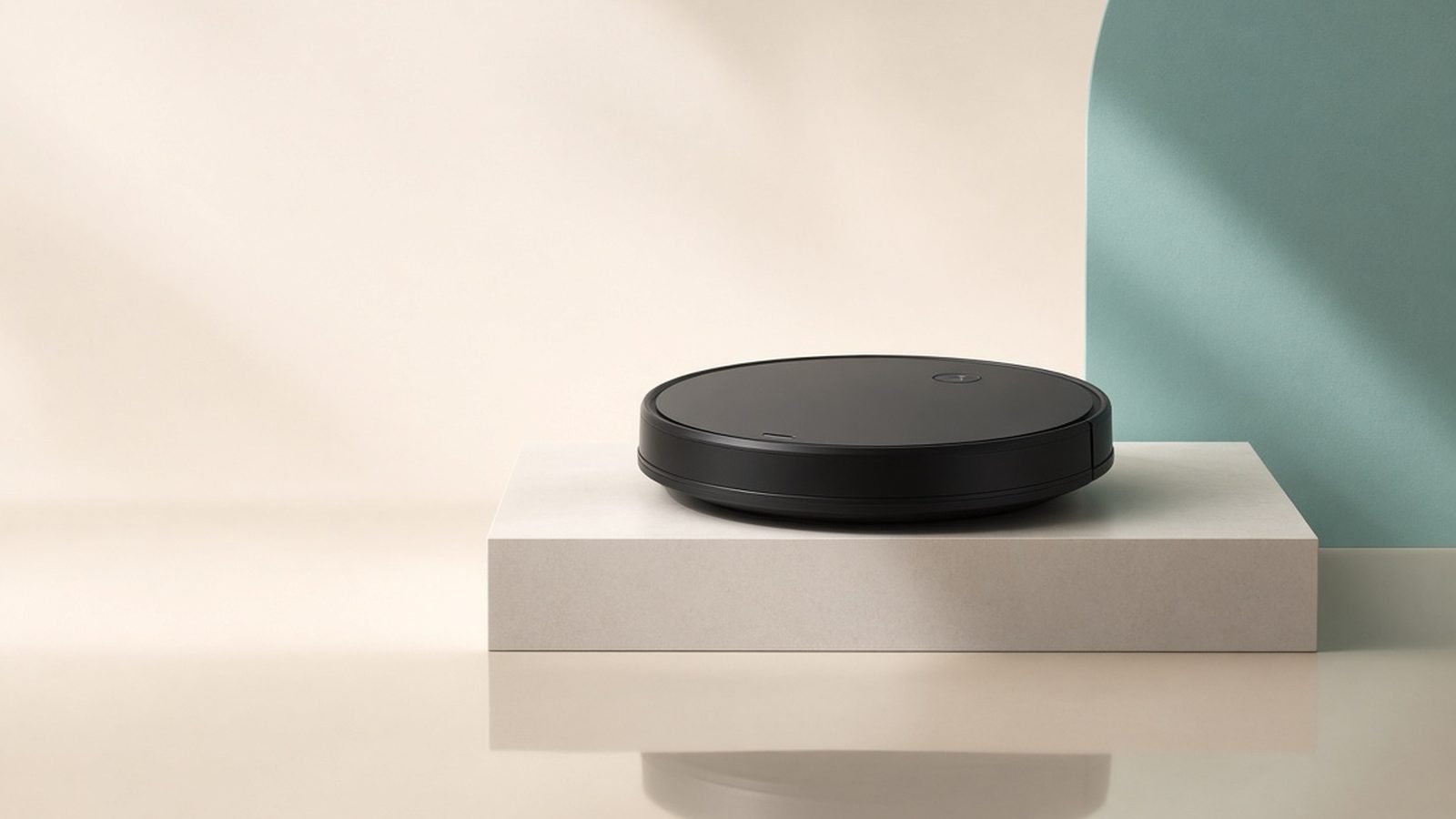
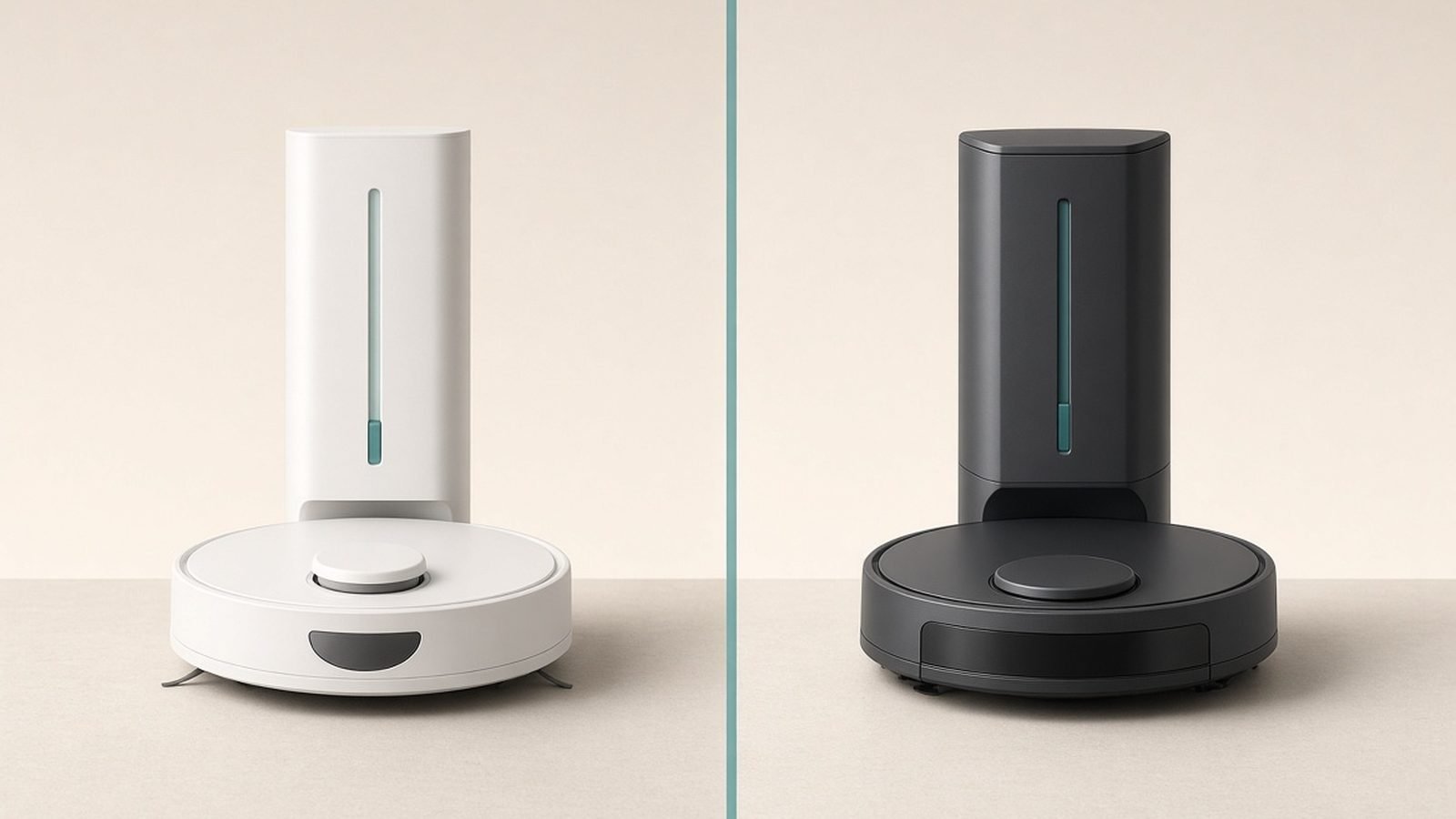
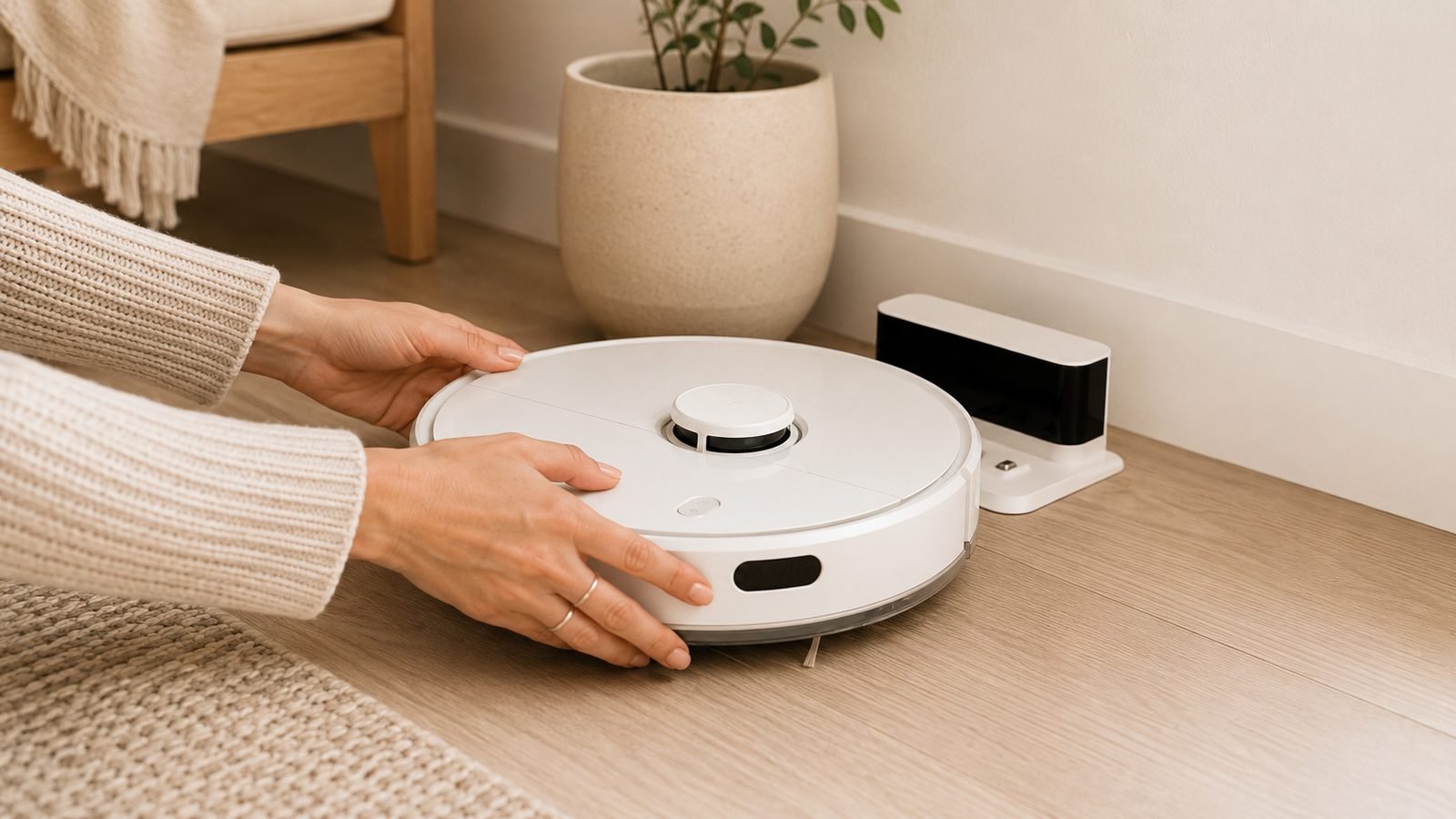
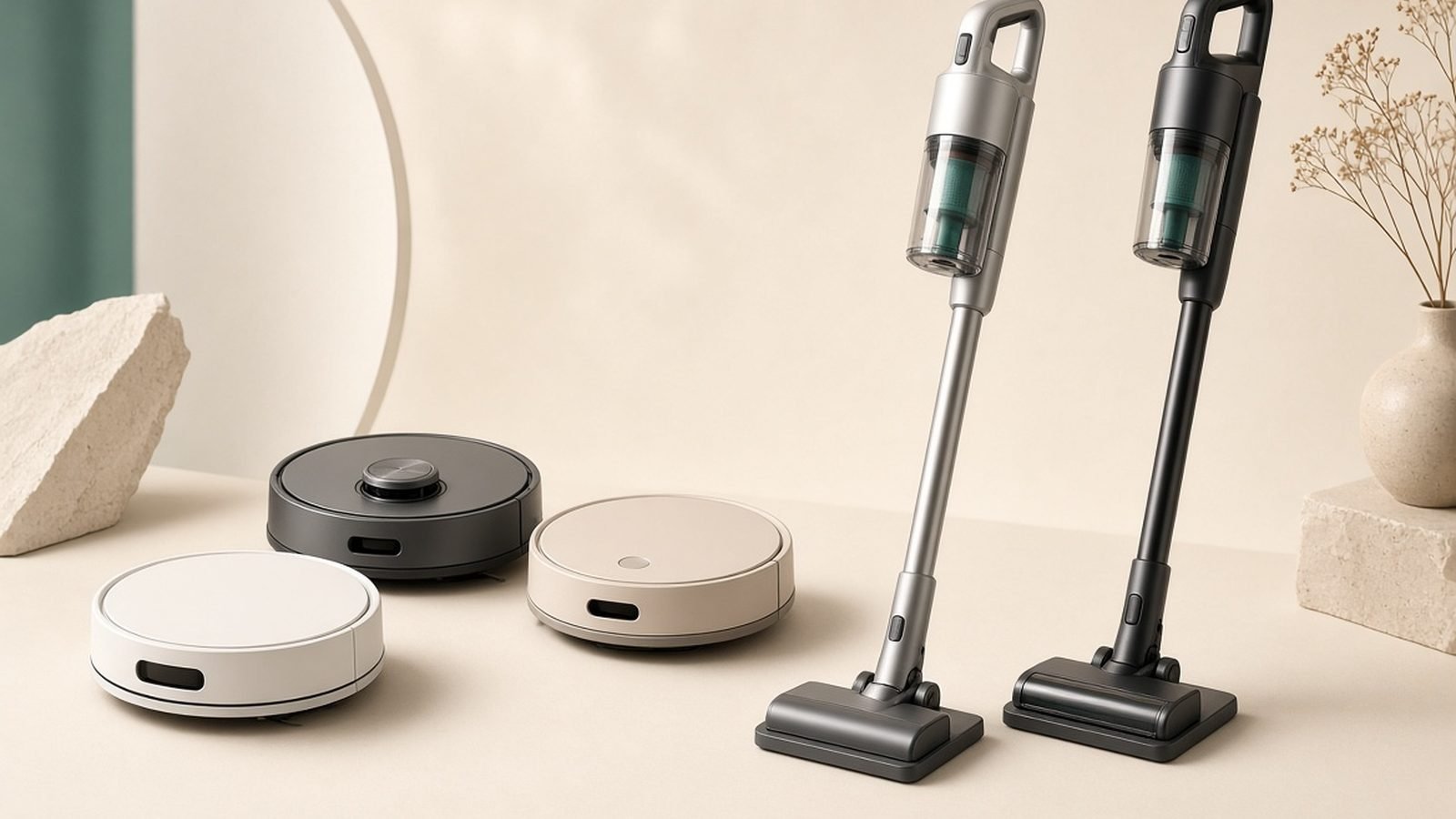
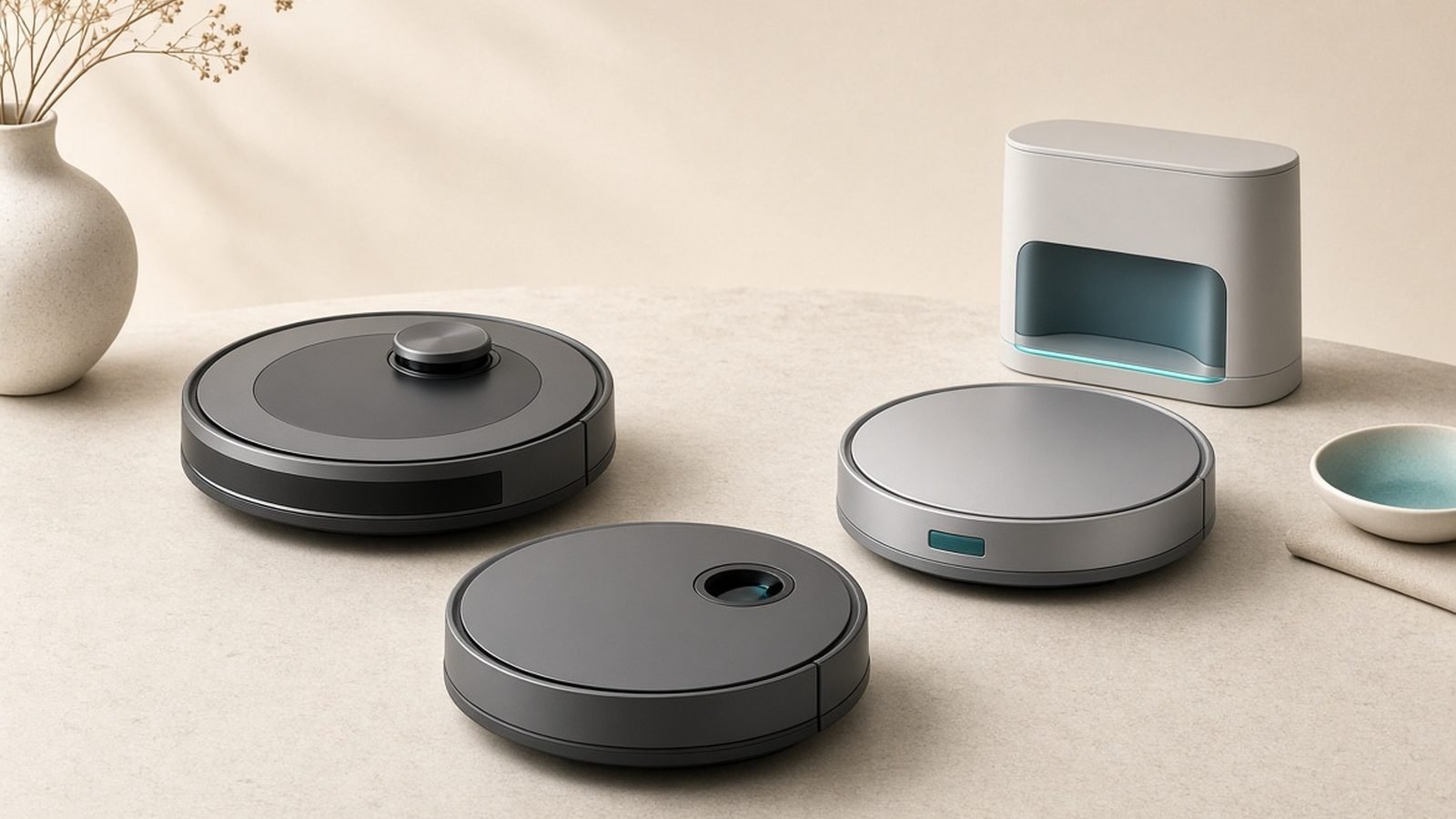
- Robot vacuums and mops: Its core business, spanning the flagship Saros and S-series down to more affordable Q-series models, most with LiDAR navigation and self-emptying docks.
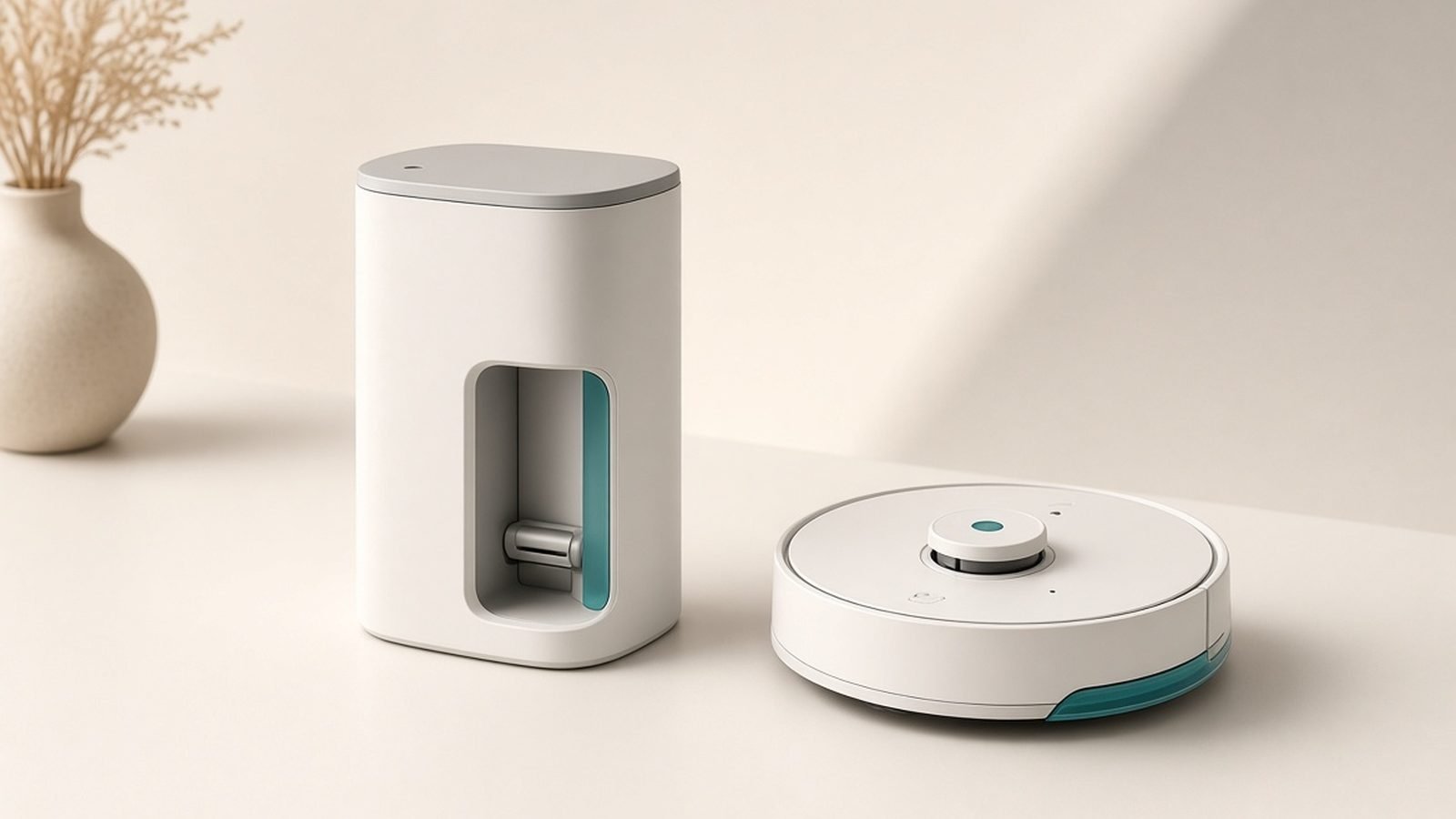
- Multifunction docks: Auto-empty, auto-wash, auto-refill, and auto-dry stations that handle most maintenance for you — a Roborock signature.
- Wet/dry stick vacuums: The Flexi and Dyad lines of cordless floor washers for manual cleaning.
- Handheld and cordless vacuums: A smaller range of traditional cordless stick vacuums.
- Accessories and consumables: Brushes, filters, mop pads, and cleaning solution.
Standout Roborock products in 2026
Roborock Saros 10 and Saros 10R. The flagship line represents Roborock at its most capable — ultra-slim design, excellent navigation, strong suction, and advanced mopping with self-washing and lifting to avoid carpets. We cover it in depth in our Roborock Saros 10 Review 2026: Is the Flagship Worth It?.
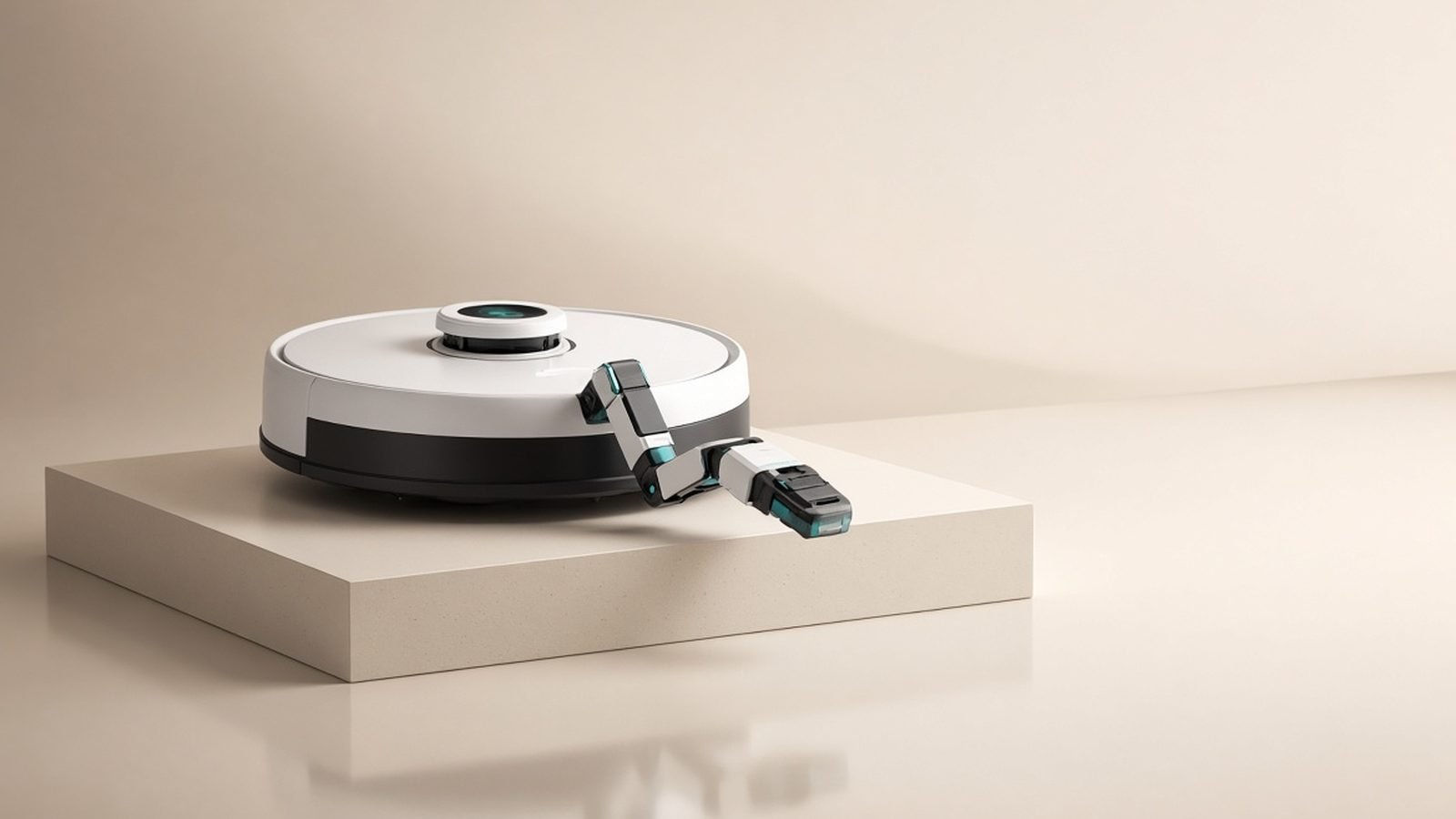
Roborock Saros Z70. The headline-grabbing model with a mechanical arm designed to pick up small obstacles like socks — genuinely novel, if still maturing. Our full analysis is in Roborock Saros Z70 Review: The Robot Arm Vacuum in 2026.
Roborock S8 and Q-series. The mid-range and value models bring most of the core cleaning quality at lower prices, making them the sweet spot for many buyers who do not need every flagship feature. They feature prominently in Best Robot Vacuum for Pet Hair in 2026: Which One Wins?.
Roborock mop-focused models. Roborock’s dual-spinning and vibrating mop systems are among the best at actual scrubbing, which is why the brand recurs throughout Best Robot Mops 2026: Hands-Free Floor Cleaning.
Flagship Roborocks run around $1,299 / £1,199 at launch, while capable mid-range models land closer to $500 / £450 — and if you are cross-shopping the two top brands, start with Roborock vs Dreame (2026): Which Robot Vacuum Brand Wins?.
Strengths
Best-in-class navigation. Roborock’s LiDAR mapping and obstacle avoidance are reliably among the smartest, meaning fewer stuck robots, better room recognition, and cleaner coverage.
Genuinely effective mopping. Its spinning and vibrating mop systems scrub rather than drag a damp cloth, and higher-end models lift the mop over carpet automatically.
Excellent self-maintenance docks. Auto-empty, auto-wash, and auto-dry stations mean you interact with the robot only occasionally — a major convenience advantage.
No mandatory subscription. Core cleaning, mapping, and scheduling work without any ongoing fee, unlike some rivals that gate features or AI behind paid tiers.
Strong, consistent reviews. Across the lineup, Roborock earns high marks for real-world cleaning, which lowers the risk of a disappointing purchase.
Weaknesses & criticisms
Premium pricing. Roborock’s best machines are expensive, and even mid-range models cost more than budget competitors that clean adequately for simple homes.
App dependence and data considerations. Full functionality relies on Roborock’s app and cloud account; privacy-minded users should weigh that a mapping robot with cameras and microphones is a connected device from a China-based maker.
Feature bloat on flagships. Some marquee features — like the robotic arm — are impressive demos that add cost and complexity while still proving their everyday value.
Big, tall docks. The multifunction stations are bulky and need floor space plus, ideally, access to plumbing for the self-refill models.
Occasional software quirks. Map management, no-go zones, and firmware updates can be fiddly, and edge cases (dark floors, cords, thresholds) still trip robots up as they do across the category.
Reliability & support
Roborock has a good reliability reputation for a category that asks a lot of its hardware. The vacuums are generally well built, the docks are robust, and the brand supports models with firmware updates over time. Warranties typically run one to two years depending on region and retailer, and consumables (brushes, filters, mop pads) are readily available, which matters for a device you run daily.
Support quality is decent but varies by market: because Roborock sells through many retailers and regions, RMA and repair experiences depend partly on where you bought. The most common owner complaints are not catastrophic failures but wear items and the occasional need to reset maps or clean sensors. As with any robot vacuum, keeping the brushes and sensors clean and firmware updated goes a long way. Compared with cheaper brands, Roborock’s higher build quality and stronger software support generally translate into a longer, less frustrating ownership experience — part of what justifies the price for buyers who value reliability over saving upfront.
Who should buy Roborock
Buy Roborock if you want the most dependable premium robot vacuum and mop, with excellent navigation, real scrubbing, and a dock that handles maintenance for you. It is ideal for busy households, homes with hard floors and rugs, and pet owners who want strong suction plus effective mopping — see Best Robot Vacuum for Pet Hair in 2026: Which One Wins? and Best Robot Mops 2026: Hands-Free Floor Cleaning. It also suits people who want to avoid subscriptions.
Look elsewhere if your budget is tight (a simpler bump-and-run vacuum may be enough), or if you are uncomfortable with a mapping, connected device from a China-based brand. If you are specifically deciding between the two premium leaders, our Roborock vs Dreame (2026): Which Robot Vacuum Brand Wins? comparison lays out where each wins.
FAQ
Is Roborock a good brand?
Yes — Roborock is widely regarded as the leading premium robot vacuum brand, consistently topping roundups for navigation, suction, and mopping. It is the safe default for buyers who want a robot vacuum that reliably cleans the whole home with minimal fuss.
Is Roborock reliable?
Generally yes. Roborock vacuums are well built, receive firmware updates, and use readily available consumables. Most complaints involve normal wear or occasional software quirks rather than outright failure, and its reliability is strong for the category.
Where is Roborock from and who owns it?
Roborock is a Chinese company headquartered in Beijing, founded in 2014. It started within Xiaomi’s ecosystem building the original Mi Robot Vacuum, then became an independent premium brand with its own products and R&D.
Does Roborock require a subscription?
No. Core cleaning, mapping, scheduling, and no-go zones all work without any ongoing fee. This is a genuine advantage over some rivals that lock certain AI or cloud features behind paid tiers.
Roborock vs Dreame — which is better?
They are close rivals with shared origins. Roborock is often praised for slightly more polished navigation and software consistency; Dreame frequently competes on features per dollar. Our Roborock vs Dreame (2026): Which Robot Vacuum Brand Wins? comparison breaks down who should pick which.
Which Roborock should I buy?
For most people, a mid-range S8 or Q-series model offers the best value, while the flagship Saros line suits those who want every feature. See our Roborock Saros 10 Review 2026: Is the Flagship Worth It? and Best Robot Vacuum for Pet Hair in 2026: Which One Wins? guide to match a model to your home.
Zen Tech Hub may earn a commission from links on this page, at no extra cost to you.