itel is Transsion Holdings’ entry-level brand, and its entire reason for existing is price: it makes some of the cheapest smartphones and feature phones on the planet, aimed at first-time owners in Africa and South Asia who need a working phone for as little money as possible. In 2026 itel remains a genuine access-to-technology story — big-battery, dual-SIM phones and long-lasting feature phones at prices that get people online who otherwise couldn’t afford it. Judged as an ultra-budget brand, it does its job. Judged against anything pricier, the compromises are obvious and unavoidable: basic performance, modest cameras, cluttered software with ads, minimal updates and quality that varies unit to unit. Buy itel for what it is — a functional first phone — not for polish or longevity.
Verdict: An ultra-budget brand built for first-time buyers who need the cheapest working phone possible. Best for absolute price-first shoppers and basic-use backups; not for anyone who wants performance, cameras, updates or a premium feel.
Company overview
itel Mobile is a smartphone and feature-phone brand founded in 2008 and owned by Transsion Holdings, the Shenzhen, China-based group that dominates the African phone market and also owns Tecno and Infinix — see our Tecno Review 2026: Is It a Good Brand? and Infinix Review 2026: Is It a Good Brand? profiles. Within Transsion’s stable, itel sits firmly at the bottom of the price ladder: where Tecno is the mainstream brand and Infinix the youthful spec-chaser, itel is the volume, entry-level brand that gets first-time users onto their first device.
In plain terms, itel’s reputation is “the affordable first phone.” It’s frequently cited as one of the best-selling entry-level brands in Africa and a major player in India and other South Asian markets, precisely because it undercuts nearly everyone on price. Its strategy is deliberate: strip cost to the essentials, emphasize battery life and durability for areas with unreliable power, keep feature phones alive for the most price-sensitive users, and lean on Transsion’s distribution and after-sales network. The obvious flip side is that itel devices are basic by design, with all the compromises that rock-bottom pricing implies.
What itel makes
itel focuses on the very bottom of the market, across a few categories:
- A series — its core entry-level smartphones: big batteries, large basic screens and dual SIM at rock-bottom prices, often on Android Go.
- P and S series — slightly stepped-up budget smartphones emphasizing battery capacity or a marginally nicer design.
- Feature phones — classic keypad phones with very long battery life and, in some models, wireless-charging or solar experiments, aimed at the most price-sensitive and rural users.
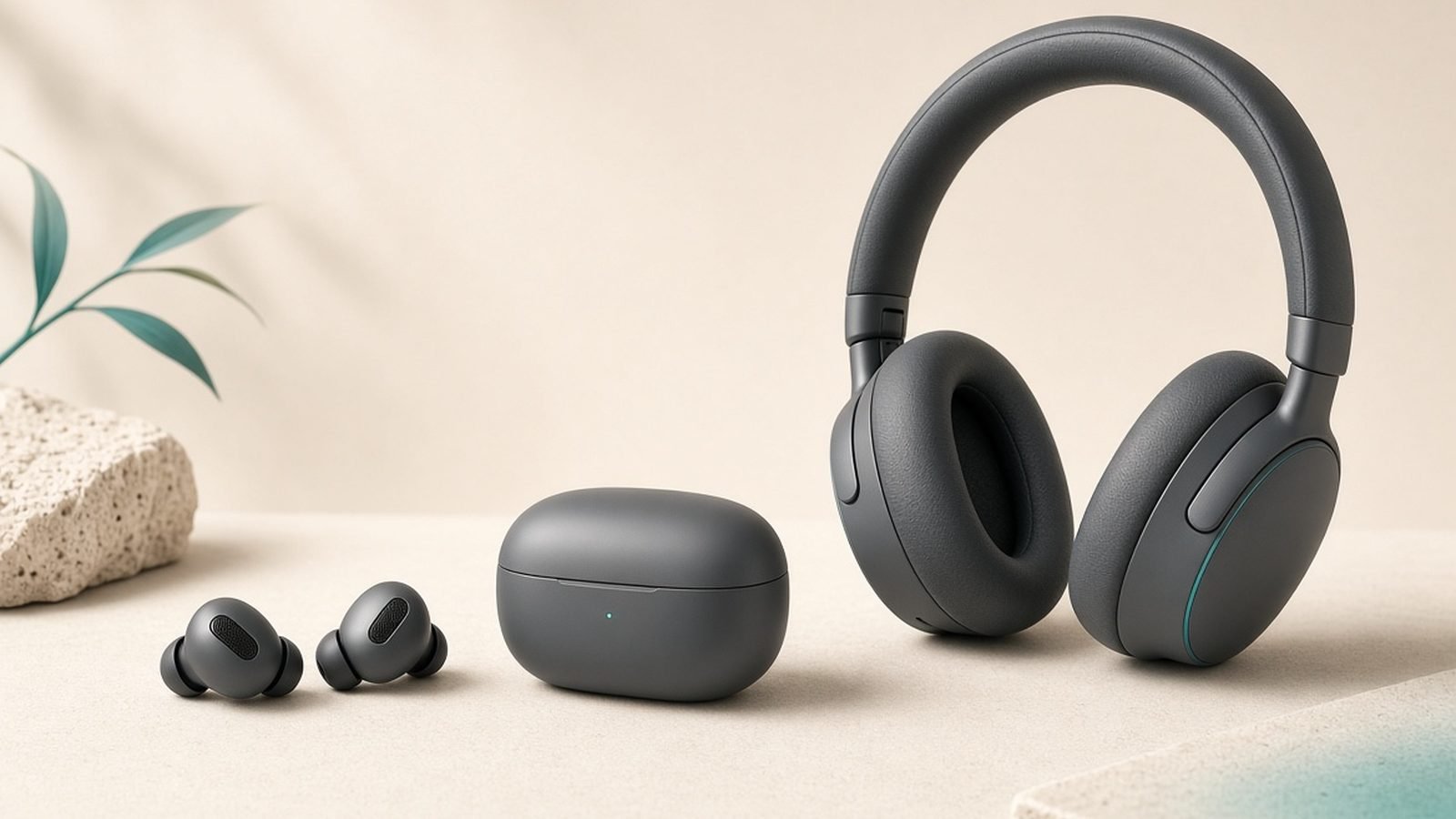
- Accessories and basics — earbuds, chargers, power banks, smartwatches and, in some markets, TVs and home basics under the itel name.
itel smartphones typically run Android (often the lightweight Go edition) with a light Transsion-style skin — chosen to run acceptably on very low-cost hardware.
Standout itel products in 2026
The device that best represents the brand is a current itel A-series smartphone — the entry-level line that regularly appears in “cheapest usable phone” conversations and our Best Budget Smartphones 2026: Under $400 / £400 discussions. Based on published specs, a modern itel A-series phone pairs a large basic screen, a big battery for multi-day standby, dual SIM and just enough performance for calls, messaging, social apps and light browsing — at a price near the very bottom of the smartphone market.
The lineup worth knowing in 2026:
- itel A series — the core cheapest-usable smartphone; a fit for the most affordable end of Best Budget Smartphones 2026: Under $400 / £400.
- itel P / S series — small step-ups emphasizing battery life, worth a glance in Best Phones for Battery Life 2026: All-Day (and More).
- itel feature phones — long-lasting keypad phones for the most price-sensitive buyers or as backups.
- itel earbuds, power banks and smartwatches — cheap accessories that round out the ecosystem.
Strengths
Rock-bottom pricing. This is itel’s entire identity. It makes some of the cheapest smartphones and feature phones available anywhere, opening up access to technology for buyers who genuinely can’t afford more.
Battery life and standby. itel prioritizes large batteries and power efficiency, so its phones — especially feature phones — offer long endurance and multi-day standby, valuable where charging is inconvenient.
Durability for the price. Devices are engineered for tough, everyday emerging-market conditions, with an emphasis on lasting through hard use rather than looking premium.
Emerging-market fit. Dual/multi SIM, sunlight-readable screens, local language support and low power draw are all tuned for the realities of itel’s core markets.
Distribution and support reach. Backed by Transsion, itel has extensive retail and after-sales networks across Africa and South Asia, making its cheap phones easy to buy and service locally.
Weaknesses & criticisms
Basic performance. itel phones use the cheapest chipsets and minimal RAM, so they’re fine for calls, messaging and light apps but struggle with multitasking, demanding apps and games, and can slow down over time.
Modest cameras. Cameras are basic and inconsistent, adequate for casual snaps in good light but well behind even mid-budget phones.
Software clutter and ads. Like its Transsion siblings, itel software can ship with preinstalled apps, recommendation feeds and, in some regions, ads — an especially unwelcome trait on already low-powered hardware.
Minimal updates. itel devices get little in the way of guaranteed OS upgrades or long security-update windows, so software longevity is short.
Quality-control variation. At these prices, build quality and reliability vary more unit to unit than with pricier brands, and premium materials or features simply aren’t part of the package.
Reliability & support
Based on aggregated user feedback, itel devices do what they’re designed to do — provide a functional, long-lasting basic phone — but reliability varies more than with pricier brands, which is the expected trade-off at the bottom of the market. Feature phones in particular earn a reputation for lasting a long time on a charge and surviving hard use, while the cheapest smartphones can show more quality-control inconsistency and slow down as they age. Most complaints reflect the category (basic performance, modest cameras, cluttered software) rather than unusual failure rates.
Warranty is typically the standard one-year manufacturer coverage depending on region, and support is one of itel’s practical advantages in its core markets: Transsion’s Carlcare service network makes repairs and parts reasonably accessible across Africa and South Asia. Outside those regions the brand has little official presence, so support is limited. Update longevity is minimal by design — treat an itel phone as a functional tool for its price, not a long-term software platform.
Who should buy itel
Buy itel if you want: the cheapest possible working smartphone or a long-lasting feature phone — a first device, a backup, a phone for a child or elderly relative, or a basic handset for calls, messaging and light apps — and you value price and battery life above everything else. It fits absolute price-first buyers in the markets where itel officially operates.
Look elsewhere if you want: decent performance, usable cameras, clean software, meaningful updates or any premium feel. Even a modest step up in budget buys a meaningfully better experience — see the more capable options in our Best Budget Smartphones 2026: Under $400 / £400 and Best Android Phones 2026: Flagship to Budget guides.
FAQ
Is itel a good brand in 2026?
Judged as an ultra-budget brand, yes — it delivers a functional smartphone or a long-lasting feature phone for less money than almost anyone else, which is exactly what its buyers need. Judged against pricier phones, the compromises are obvious: basic performance, modest cameras, cluttered software with ads and minimal updates. It’s a good choice for first-time and absolute price-first buyers, and a poor one for anyone who wants polish or longevity.
Is itel reliable?
For the price, acceptably. Its feature phones in particular are known for long battery life and surviving hard use, while the cheapest smartphones show more quality-control variation and can slow down over time. Reliability is adequate for basic use rather than a brand strength, and Transsion’s service network in itel’s core markets helps when issues arise.
Where is itel from and who owns it?
itel is owned by Transsion Holdings, a Shenzhen, China-based group that dominates Africa’s phone market and also owns Tecno and Infinix. itel was founded in 2008 and focuses on entry-level phones, becoming one of the best-selling budget brands across Africa and a major player in India and other South Asian markets.
Is itel sold in the US?
No, not officially. itel has little to no presence in the United States, since its ultra-budget strategy is built around emerging markets. American buyers can’t easily get official sales, warranty or support. It’s a major player in Africa and South Asia instead.
Is itel better than Tecno?
They’re sibling Transsion brands aimed at different budgets. itel sits at the very bottom, making the cheapest possible smartphones and feature phones, while Tecno is the step-up mainstream brand with better screens, cameras, performance and even affordable foldables. If you can stretch the budget, Tecno (or Infinix) gives a noticeably better experience; itel is the pick only when the absolute lowest price is the priority.
Are itel phones good for basic use?
Yes — that’s exactly what they’re built for. For calls, texts, messaging apps, social media and light browsing, an itel smartphone or feature phone does the job at a very low price, with strong battery life. Just don’t expect smooth performance in demanding apps or games, good photos, or long-term software support; it’s a functional tool for the money, not an all-rounder.
Zen Tech Hub may earn a commission from links on this page, at no extra cost to you.