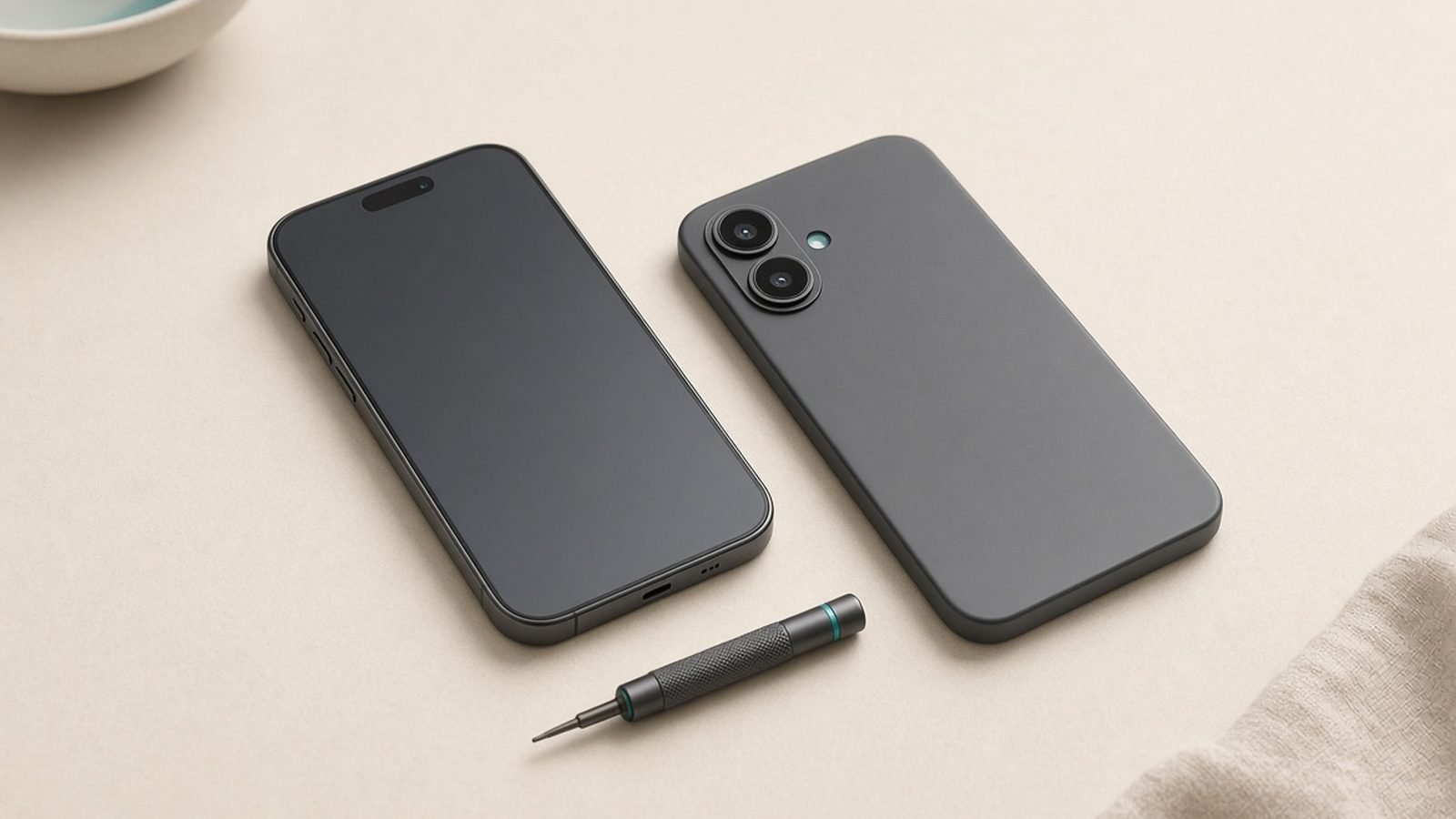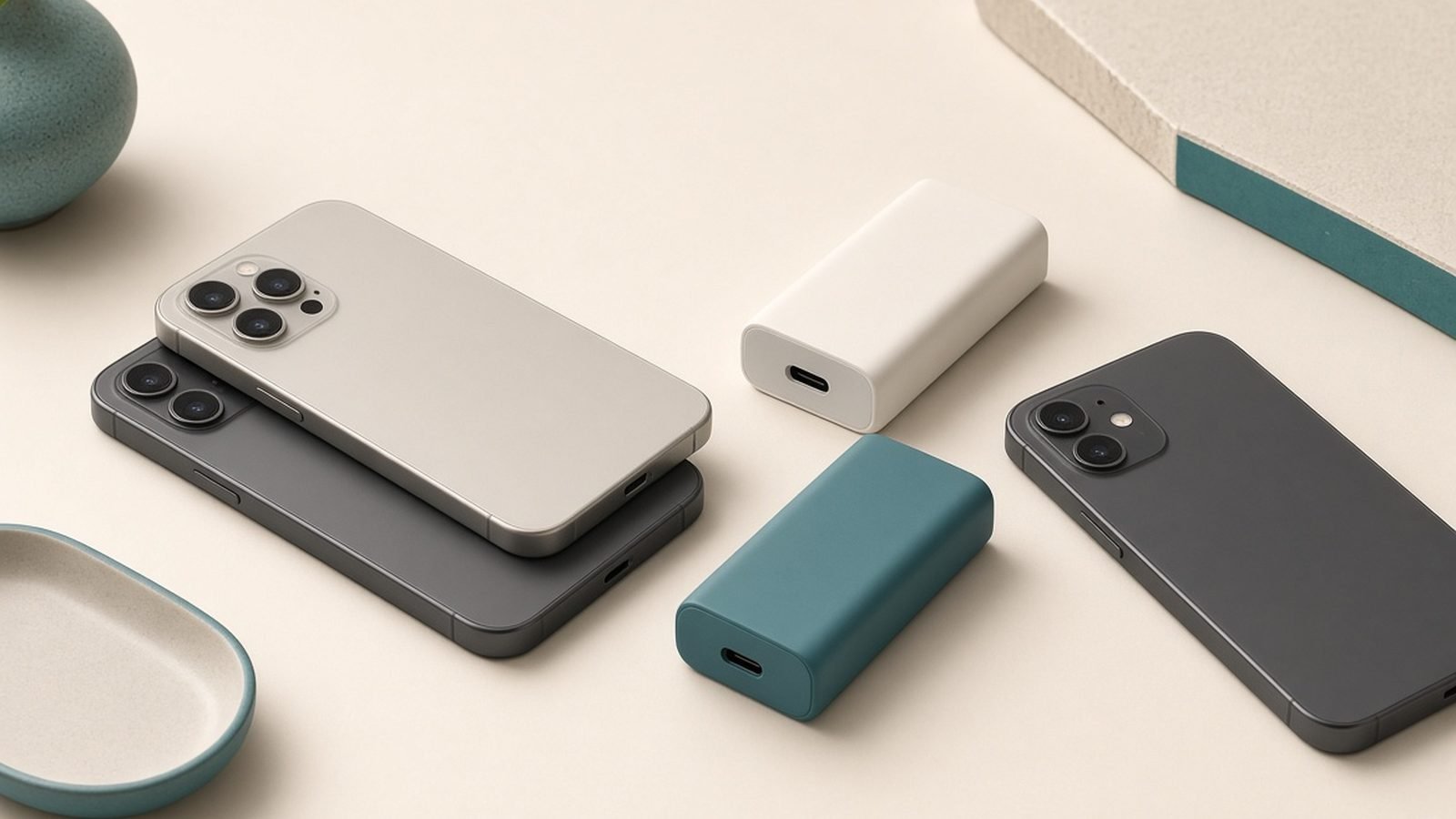
Infinix is the young, spec-forward brand of Transsion Holdings, and in 2026 it remains one of the loudest value players in emerging markets — cramming fast charging, big batteries, high-refresh screens and eye-catching designs into phones that cost a fraction of the mainstream. Popular across Africa, South and Southeast Asia, the Middle East and Latin America, Infinix targets young, price-sensitive buyers who want the most visible specs for the least money. For that shopper it’s a compelling pick, especially the Note and GT lines. The trade-offs are the familiar budget-brand ones, and Infinix leans into them: software with bloat and ads, short update support, cameras that trail their megapixel claims, and thin availability in Western markets.
Verdict: A spec-per-dollar value brand for emerging-market and budget buyers who want fast charging and big screens cheaply. Best for price-first shoppers; weaker on clean software, updates, camera consistency and Western support.
Company overview
Infinix Mobile is a smartphone brand launched in 2013 and owned by Transsion Holdings, the Shenzhen, China-based group often described as “the king of Africa” for its dominance of that continent’s phone market. Transsion also owns Tecno and itel — see our Tecno Review 2026: Is It a Good Brand? and itel Review 2026: Is It a Good Brand? profiles — with each brand aimed at a slightly different buyer. Infinix is Transsion’s more youthful, tech-forward, online-savvy brand, while Tecno skews mainstream and itel goes ultra-budget.
In plain terms, Infinix’s reputation is “maximum visible specs for the money, aimed at young buyers.” It has grown fast by focusing on the features shoppers can see on a spec sheet — charging speed, battery size, refresh rate, RAM, bold colors — at aggressive prices, and by building strong distribution and after-sales networks in the emerging markets where Transsion is entrenched. It does not officially sell in markets like the US, and its software and update record draw the same criticism as most budget rivals.
What Infinix makes
Infinix is primarily a phone brand spanning budget to affordable-performance tiers:
- Note series — the flagship-adjacent line, with big batteries, fast charging, large high-refresh AMOLEDs and the brand’s best cameras.
- GT series — gaming-focused phones with performance chips, high refresh rates and gamer styling (including light effects).
- Hot series — the high-volume entry line: cheap, big-screen, big-battery phones for first-time and budget buyers.
- Zero series — style- and camera-leaning mid-rangers with slimmer designs.
- Smart series — ultra-affordable, often Android Go-based phones at the very bottom of the range.
- Accessories and AIoT — earbuds, chargers, smartwatches and laptops in select markets.
The software layer is XOS, Infinix’s Android skin — feature-rich but historically criticized for bloat and ads.
Standout Infinix products in 2026
The device that best defines the brand’s ambition is a current Infinix Note-series phone — the line that regularly appears in budget-value conversations and our Best Budget Smartphones 2026: Under $400 / £400 roundups. Based on published specs, a modern Note pairs a large high-refresh AMOLED, a big battery with very fast wired charging (and, on top models, wireless charging), a capable mid-range chip and a headline-grabbing main camera — at a price that undercuts most name brands.
The lineup worth knowing in 2026:
- Infinix Note — the value sweet spot for screen, battery and charging; a fit for Best Budget Smartphones 2026: Under $400 / £400 and Best Phones for Battery Life 2026: All-Day (and More).
- Infinix GT — gaming-flavored performance on a budget, worth a look next to our Best Gaming Phones 2026: Top Performance Picks picks.
- Infinix Hot — the ultra-affordable volume line with dependable battery life.
- Infinix Zero — slimmer, style- and camera-leaning mid-rangers.
Strengths
Specs per dollar. Infinix consistently offers a bigger battery, faster charging or higher refresh rate than rivals at a given price, making it a strong value pick for spec-focused buyers.
Fast charging and battery life. Big batteries paired with fast wired charging (and increasingly wireless on Note models) mean genuinely long endurance and quick top-ups for the money.
Big, bright screens. Even affordable Infinix phones tend to feature large, high-refresh AMOLED displays that feel more premium than their price.
Bold, youthful design. Infinix takes design risks — striking colors, textures and finishes, plus RGB touches on GT models — that stand out from safe budget rivals.
Strong emerging-market presence. Backed by Transsion, Infinix has deep distribution and after-sales networks across Africa, South Asia and beyond, with phones often tuned for local needs (dual SIM, big storage, sunlight-readable screens).
Weaknesses & criticisms
Bloatware and ads. XOS’s most consistent criticism is preinstalled apps, recommendation feeds and, on some regions and lower-tier models, ads within system apps — much can be disabled, but it clutters the out-of-box experience.
Software updates. Infinix’s guaranteed OS-upgrade and security-update windows generally trail Samsung and Google, and its cheapest models get the least support — a real concern for multi-year ownership.
Camera consistency. Infinix phones often advertise high megapixel counts, but real-world quality — low light, processing, video and consistency — usually lags better-tuned rivals at similar prices.
Software polish and bugs. In the rush to ship aggressive specs, some users report bugs, occasional slowdowns and less refined behavior than more established brands.
No Western availability. Infinix doesn’t officially sell in markets like the US, so buyers there can’t easily get official sales, warranty or updates.
Reliability & support
Based on aggregated user feedback, Infinix hardware is generally reliable for the price, though build quality varies across the range — Note and Zero models feel more solid than the cheapest Hot and Smart phones. Most long-term complaints center on software — bloat, ads and update timing — rather than outright hardware failure, though a minority report quality-control inconsistency on the very cheapest models. Infinix also tends to engineer for tough conditions in its core markets, with an emphasis on battery endurance and durability.
Warranty is typically the standard one-year manufacturer coverage depending on region. Support is a genuine Infinix strength in its core markets: backed by Transsion, it operates extensive service networks (the Carlcare brand) across Africa, South Asia and beyond, so parts and repairs are reasonably accessible there. Outside those regions — including the US — official support is effectively unavailable. Update longevity is the clear soft spot; check the exact commitment on the specific model.
Who should buy Infinix
Buy Infinix if you want: the most visible specification — big battery, fast charging, large high-refresh screen — for your money, or affordable gaming-flavored performance from the GT line, and you live in a market where Infinix officially operates with local support. It suits young, value-focused, spec-hungry buyers who don’t mind tidying up the software.
Look elsewhere if you want: clean, ad-free software, the best cameras in the class, the longest guaranteed update support, or official Western availability. Buyers who prioritize software polish, photography or long-term ownership should look at the picks in our Best Smartphones 2026: Top Picks for Every Budget and Best Android Phones 2026: Flagship to Budget guides instead.
FAQ
Is Infinix a good brand in 2026?
For value, yes. In the markets where it operates, Infinix offers some of the best visible specs — big batteries, fast charging and large high-refresh screens — for the money, plus affordable gaming performance from the GT line. Its main weaknesses are bloatware and ads in XOS, a shorter update promise than the leaders, and inconsistent cameras, so it’s best for spec-focused, budget-conscious buyers.
Is Infinix reliable?
Reasonably, for the price. Note and Zero models feel solid and dependable, while the cheapest Hot and Smart phones show more quality-control variation. Most long-term complaints are about software — bloat, ads and update timing — rather than hardware failure, and Infinix’s after-sales network in its core markets helps when issues do arise.
Where is Infinix from and who owns it?
Infinix is owned by Transsion Holdings, a Shenzhen, China-based group that dominates Africa’s phone market and also owns Tecno and itel. Infinix launched in 2013 as Transsion’s youthful, spec-forward brand and sells mainly across Africa, South and Southeast Asia, the Middle East and Latin America.
Is Infinix sold in the US?
No. Infinix does not officially sell phones in the United States, so American buyers can’t easily get official sales, warranty or software support. It’s a major player in Africa, South Asia, Southeast Asia, the Middle East and Latin America instead.
Is Infinix better than Tecno?
They’re sibling Transsion brands with overlapping phones. Infinix skews younger and more tech-forward, leaning into charging speed, high-refresh screens and bold design, while Tecno positions itself as the more mainstream, camera-and-photography-focused brand. In practice they trade blows model-to-model, so it often comes down to the specific phones and local pricing rather than the badge.
Does Infinix software have ads?
Historically, yes. XOS has been criticized for preinstalled apps, recommendation feeds and, in some regions and lower-tier models, ads within system apps. Much of this can be disabled in settings, but it’s present out of the box and remains one of the brand’s most consistent complaints.
Zen Tech Hub may earn a commission from links on this page, at no extra cost to you.