KEF is the brand you buy when you want speakers that disappear — a British engineering house whose Uni-Q driver places the tweeter in the acoustic center of the midrange so sound seems to come from nowhere and everywhere at once. In 2026 it remains one of the most respected names in hi-fi, spanning passive bookshelf and floorstanding speakers, powered wireless systems, subwoofers, and lifestyle designs. The short verdict: KEF makes some of the most refined, wide-dispersion, room-friendly speakers you can buy, with an even, detailed, almost holographic sound — but that neutrality can feel polite next to livelier rivals, the prices climb quickly, and its wireless models lean on app software that has been a recurring source of frustration.
If you want speakers with a spacious, even sound that images beautifully and fits real living rooms, KEF is an easy recommendation. If you want big, punchy excitement or rock-bottom prices, look carefully at the trade-offs first.
Company overview
KEF was founded in 1961 by Raymond Cooke, a former BBC engineer, in Maidstone, Kent, on the grounds of Kent Engineering & Foundry — the initials that give the brand its name. From the start KEF was a research-led company, and its defining innovation is the Uni-Q driver array, which mounts the tweeter concentrically inside the midrange cone so both act as a single point source. That approach gives KEF speakers their signature wide, consistent dispersion and precise imaging.
On ownership: KEF is not independent. It is part of GP Acoustics, the audio arm of the Hong Kong-based Gold Peak Group, which has owned the brand for decades. In practice KEF’s engineering and design have remained in the UK — its research and development stays in Maidstone — and the brand has been steadily invested in rather than hollowed out. Buyers should simply know the parent company is a large Asian conglomerate, even though the speakers remain British-designed.
KEF’s reputation is that of a serious, research-driven hi-fi maker beloved by reviewers and audiophiles. The LS50, first launched in 2012 and revised as the LS50 Meta, became one of the most acclaimed bookshelf speakers of the modern era, and it anchors the brand’s standing today.
What KEF makes
KEF’s 2026 catalog is broad but focused on loudspeakers:
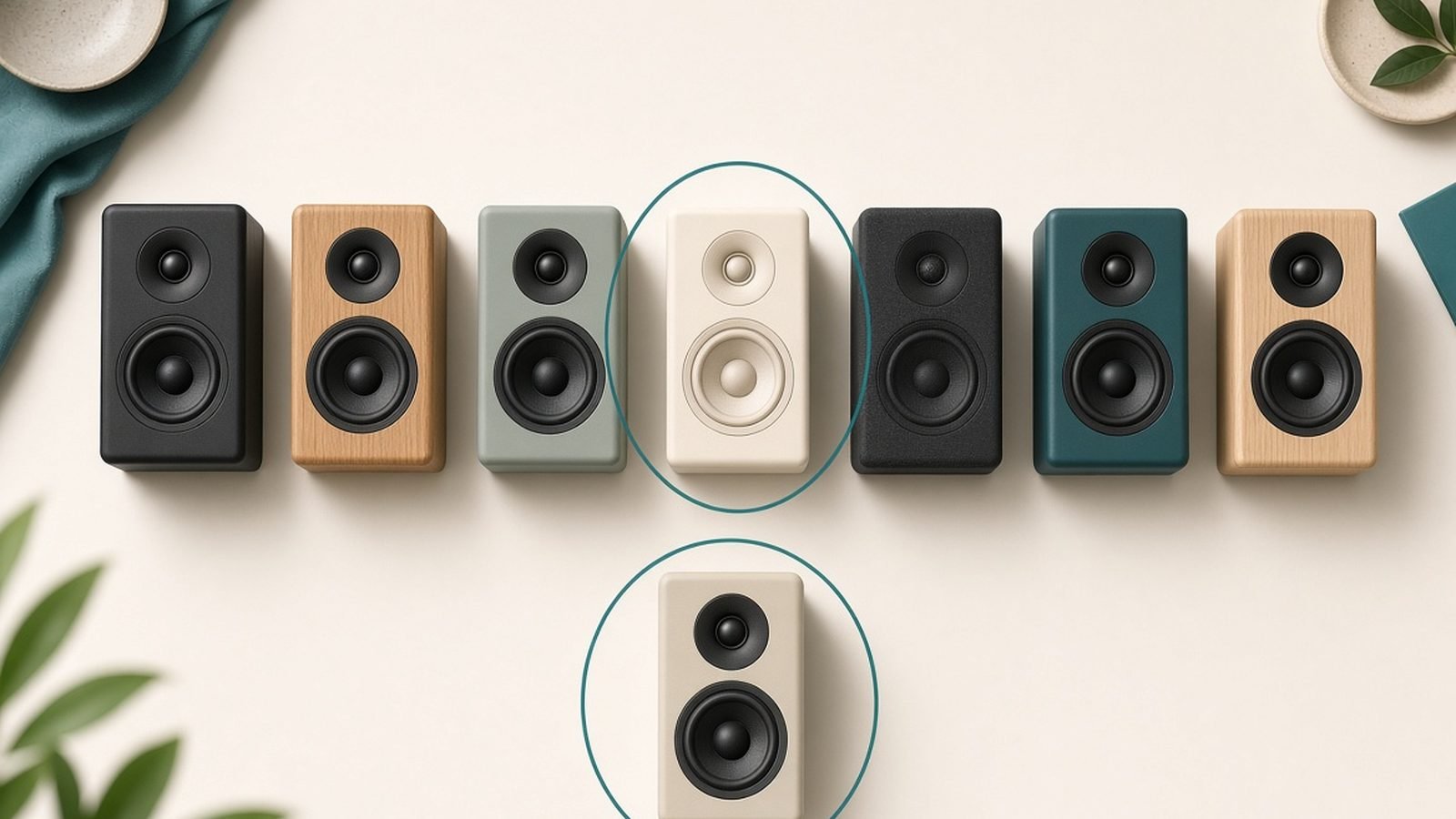
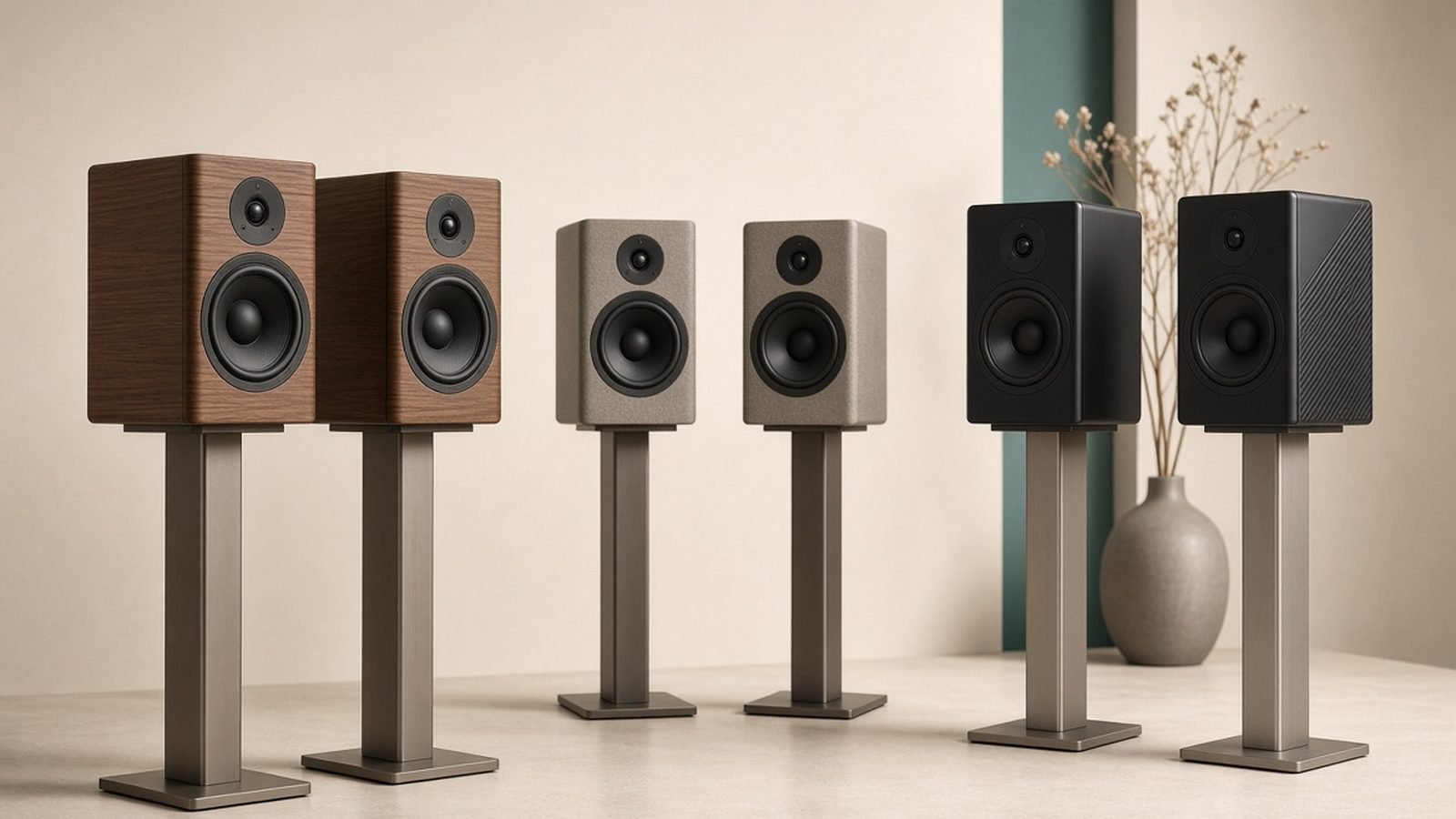
- Bookshelf speakers — the acclaimed LS50 Meta plus the Q Meta and R Meta series bookshelf models.
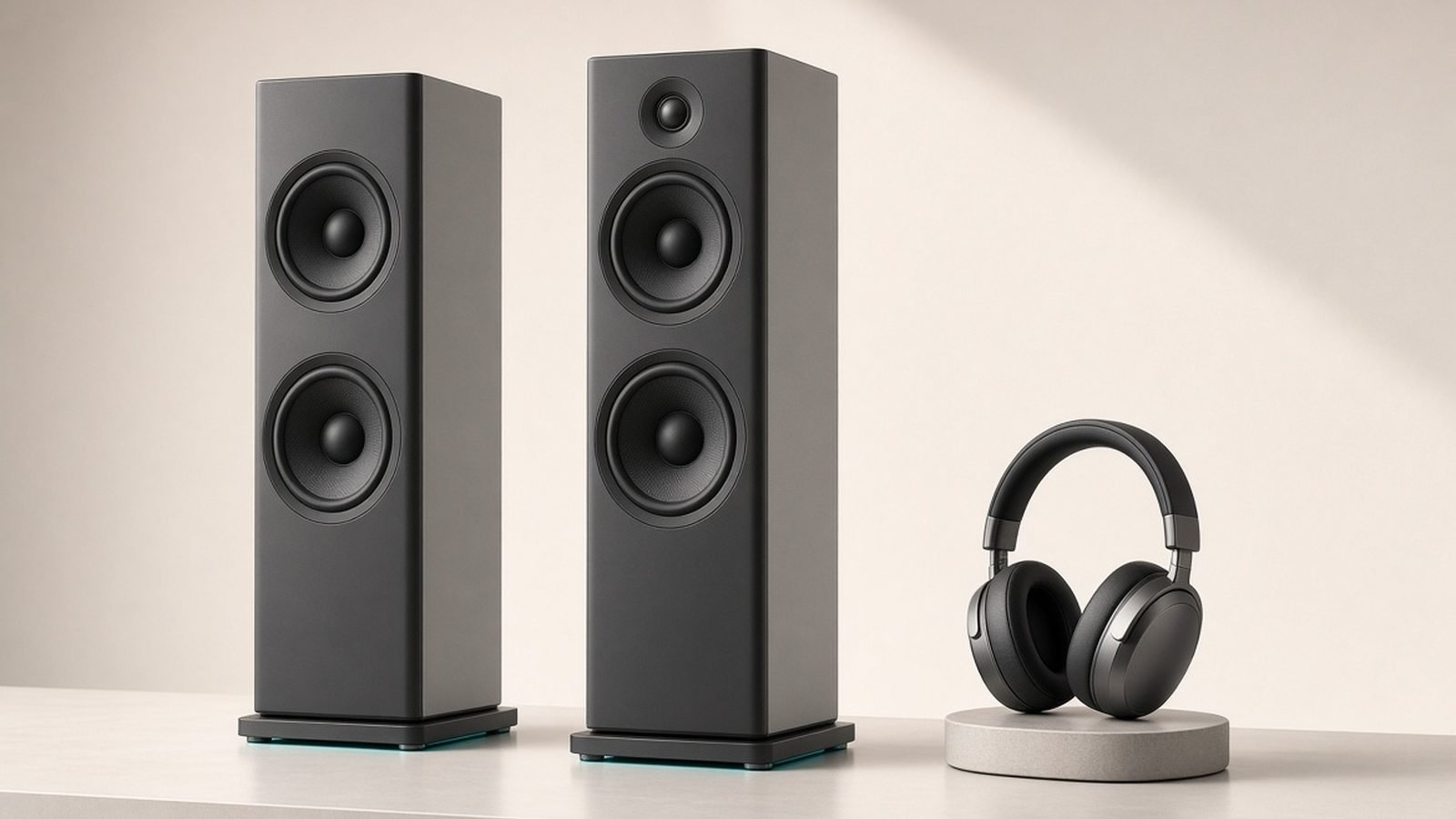
- Floorstanding speakers — the Q, R and flagship Reference and Blade lines, culminating in the extraordinary Muon.
- Powered wireless speakers — the LSX II, LS50 Wireless II, and floorstanding LS60 Wireless, which combine amplification and streaming in the speakers themselves.
- Subwoofers — including the compact, high-output KC62.
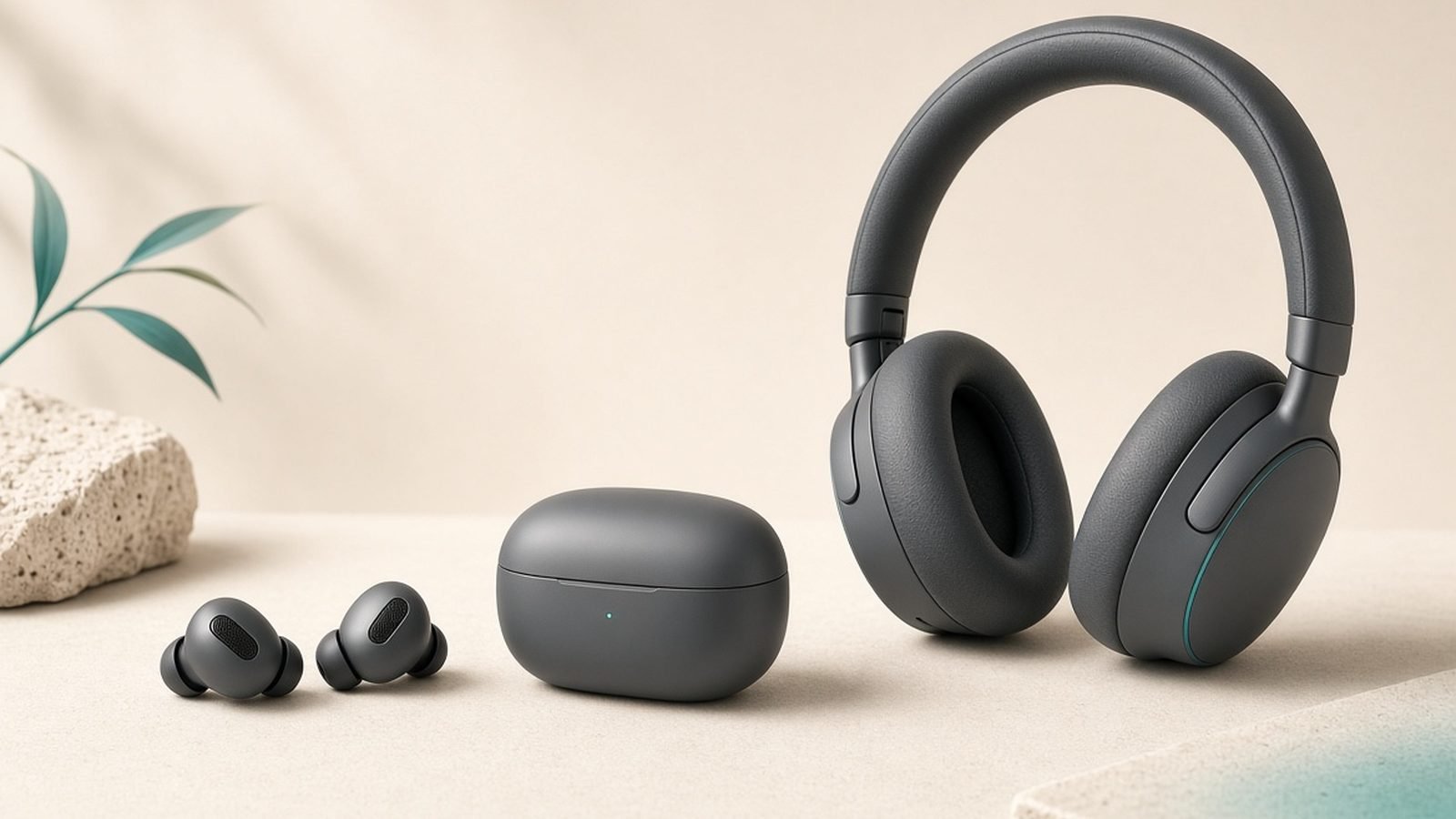
- Lifestyle and personal audio — the Mu series wireless headphones and earbuds, a smaller sideline.
The common thread is the Metamaterial Absorption Technology (MAT) and Uni-Q engineering that run through nearly the whole range, aimed at clean, even, low-distortion sound.
Standout KEF products in 2026
KEF LS50 Meta — around $1,599 / £1,199 per pair. The reference-grade passive bookshelf speaker that made KEF a household name among audiophiles: a 12th-generation Uni-Q driver with Metamaterial Absorption Technology behind the tweeter, delivering exceptional detail, imaging, and neutrality. A perennial top pick in our Best Bookshelf Speakers 2026: Hi-Fi for Any Room guide.
KEF LSX II — around $1,399 / £1,199 per pair. A compact powered wireless system with streaming, HDMI-ARC, and app control built in — a complete hi-fi in two small boxes, ideal for a desktop or a tidy living-room setup.
KEF LS50 Wireless II — around $2,799 / £2,499 per pair. The active, streaming version of the LS50 concept, with amplification, room correction, and network audio built in. It is one of the best all-in-one wireless speaker systems available for people who want serious sound without separates.
KEF Q Meta bookshelf (Q3 Meta) — around $749 / £599 per pair. The value entry point to the Uni-Q sound, bringing much of the LS50’s dispersion and coherence at a far friendlier price — a strong recommendation for first-time hi-fi buyers.
KEF KC62 subwoofer — around $1,499 / £1,250. A remarkably compact sealed subwoofer with dual force-cancelling drivers that produces deep, tuneful bass from a box small enough to hide, a favorite for space-limited systems.
KEF LS60 Wireless — around $6,999 / £5,999 per pair. A slim floorstanding all-in-one wireless system marking KEF’s 60th anniversary, combining streaming, amplification, and elegant industrial design in a full-range package.
Strengths
Uni-Q point-source imaging. This is the core reason to buy KEF. The concentric driver gives an unusually wide, even sound field, so imaging is precise and the sweet spot is broad — speakers that image well almost anywhere in the room.
Refined, neutral, low-distortion sound. KEF speakers are tuned for accuracy and evenness rather than exaggeration, and the Metamaterial tech genuinely reduces tweeter distortion. The result is clean, detailed, fatigue-free listening.
Room-friendly and living-room ready. The wide dispersion and compact cabinets make KEF speakers easier to place and better looking in a real home than many boxy rivals, and the lifestyle finishes are genuinely attractive.
Strong wireless ecosystem. The LSX II, LS50 Wireless II, and LS60 Wireless are among the best true all-in-one systems, letting buyers get high-end sound without a rack of separates.
Weaknesses & criticisms
Polite tuning can lack drama. The same neutrality that reviewers praise can feel reserved or unexciting to listeners who want punch, warmth, and slam. KEF rewards careful listening more than instant thrill.
Prices climb quickly. KEF is a premium brand, and its best-known models sit well above budget territory. Even the value Q line is not cheap, and the Reference and Blade lines reach eye-watering sums.
Wireless app and firmware frustrations. The KEF Connect app and the streaming firmware in the wireless models have drawn recurring complaints about bugs, dropouts, and setup friction — a real weak point for products that depend on software to work.
Demanding of partnering gear. The passive speakers are revealing and benefit from good amplification and sources; pair them with harsh or underpowered electronics and they will show it.
Reliability & support
KEF’s passive speakers have an excellent reliability reputation, as is typical for well-made loudspeakers — with no batteries or complex electronics, a passive KEF can last for decades, and older models remain in service widely. The build quality is generally high, with solid cabinets and genuinely engineered drivers rather than off-the-shelf parts.
The reliability caveats sit almost entirely with the powered wireless models (LSX II, LS50 Wireless II, LS60 Wireless), which contain amplification, network hardware, and firmware that age like any electronics and depend on continued app support. Warranty coverage typically runs around five years on passive speakers in many regions (subject to registration) and shorter on the powered and personal-audio products. Customer support under GP Acoustics is generally rated as competent, though the biggest ongoing gripe is software rather than hardware: if you buy into the wireless line, expect to live with occasional app quirks and firmware updates.
Who should buy KEF
Buy KEF if you value refined, even, spacious sound and speakers that image beautifully and fit gracefully into a normal living room. It is the natural pick for audiophiles who prize neutrality and detail, for buyers who want a genuinely high-end all-in-one wireless system, and for anyone whose room or décor rules out big boxy towers. The LS50 Meta and Q Meta bookshelf models are among the best you can buy — see our Best Bookshelf Speakers 2026: Hi-Fi for Any Room guide.
Look elsewhere if you want big, punchy, exciting sound on a budget, if you are sensitive to software friction and plan to buy the wireless models, or if you simply want the most bass-per-dollar. In those cases, audition rivals like Bowers & Wilkins, Klipsch, or Polk before deciding.
FAQ
Is KEF a good brand?
Yes. KEF is one of the most respected hi-fi speaker brands, known for its Uni-Q point-source driver, refined neutral sound, and acclaimed LS50 line. Its main caveats are premium pricing and recurring software gripes with its wireless models.
Is KEF reliable?
Generally yes. Its passive speakers are simple and durable, often lasting decades, and typically carry a warranty of around five years with registration in many regions. The powered wireless models contain electronics and firmware that age like any device and depend on app support, so they carry a bit more long-term risk.
Where is KEF from and who owns it?
KEF was founded in 1961 by Raymond Cooke in Maidstone, Kent, England, where its research and development still sits. It is owned by GP Acoustics, part of the Hong Kong-based Gold Peak Group, though the speakers remain British-designed.
What does KEF sound like?
KEF has a refined, neutral, spacious sound with excellent imaging thanks to its Uni-Q concentric driver. Fans love the accuracy and wide sweet spot; critics find the tuning polite and less exciting than livelier rivals. It rewards careful listening over instant punch.
Is KEF better than Bowers & Wilkins?
It depends on taste. KEF emphasizes even dispersion, imaging, and neutrality, while Bowers & Wilkins often leans a touch more detailed and forward in the treble with a distinctive house sound. Both are premium British brands; audition both if you can, because the choice is about voicing, not quality.
Which KEF bookshelf speaker should I buy?
For most enthusiasts the LS50 Meta is the sweet spot, offering reference-grade imaging and detail. On a tighter budget the Q Meta bookshelf brings much of the Uni-Q character for far less, and both feature in our best bookshelf speaker guide.
Zen Tech Hub may earn a commission from links on this page, at no extra cost to you.