PICO is the VR brand owned by ByteDance — the Chinese tech giant behind TikTok — and it’s the most credible standalone VR alternative to Meta Quest. In 2026 it makes genuinely good, competitively priced headsets that regularly match or beat Meta on hardware, yet remain a niche choice for most buyers. The short verdict: PICO builds well-specced, comfortable, good-value headsets, but its content library is smaller than Meta’s, its availability is patchy (notably absent from the US market), and the ByteDance ownership raises the same data and geopolitical questions that follow TikTok.
Buy a PICO if you’re in a region where it’s sold, want strong hardware and comfort for the money, and don’t mind a slimmer app store. Look elsewhere if you want the largest VR content library, guaranteed regional availability and support, or you’re uneasy about a ByteDance-owned device.
Company overview
PICO is a VR headset brand owned by ByteDance Ltd., the Chinese technology company headquartered in Beijing that also owns TikTok and Douyin. PICO began as an independent Chinese VR startup and was acquired by ByteDance in 2021, giving it deep-pocketed backing to compete directly with Meta in standalone VR. The brand is strongest in Europe and Asia; notably, PICO headsets are not officially sold in the United States, which sharply limits its reach and mindshare in the world’s largest tech market.
PICO’s reputation is that of the credible challenger. Reviewers consistently praise its hardware — comfortable designs, competitive displays, and aggressive pricing — often finding it a match for equivalent Meta Quest models on specs. The persistent knocks are ecosystem and trust: a content library that trails Meta’s, uncertainty about long-term software support and regional commitment, and the ByteDance connection, which invites the same scrutiny over data handling and Chinese ownership that has dogged TikTok. Good hardware, harder questions around it.
What PICO makes
PICO’s 2026 portfolio is focused squarely on standalone VR and mixed reality:
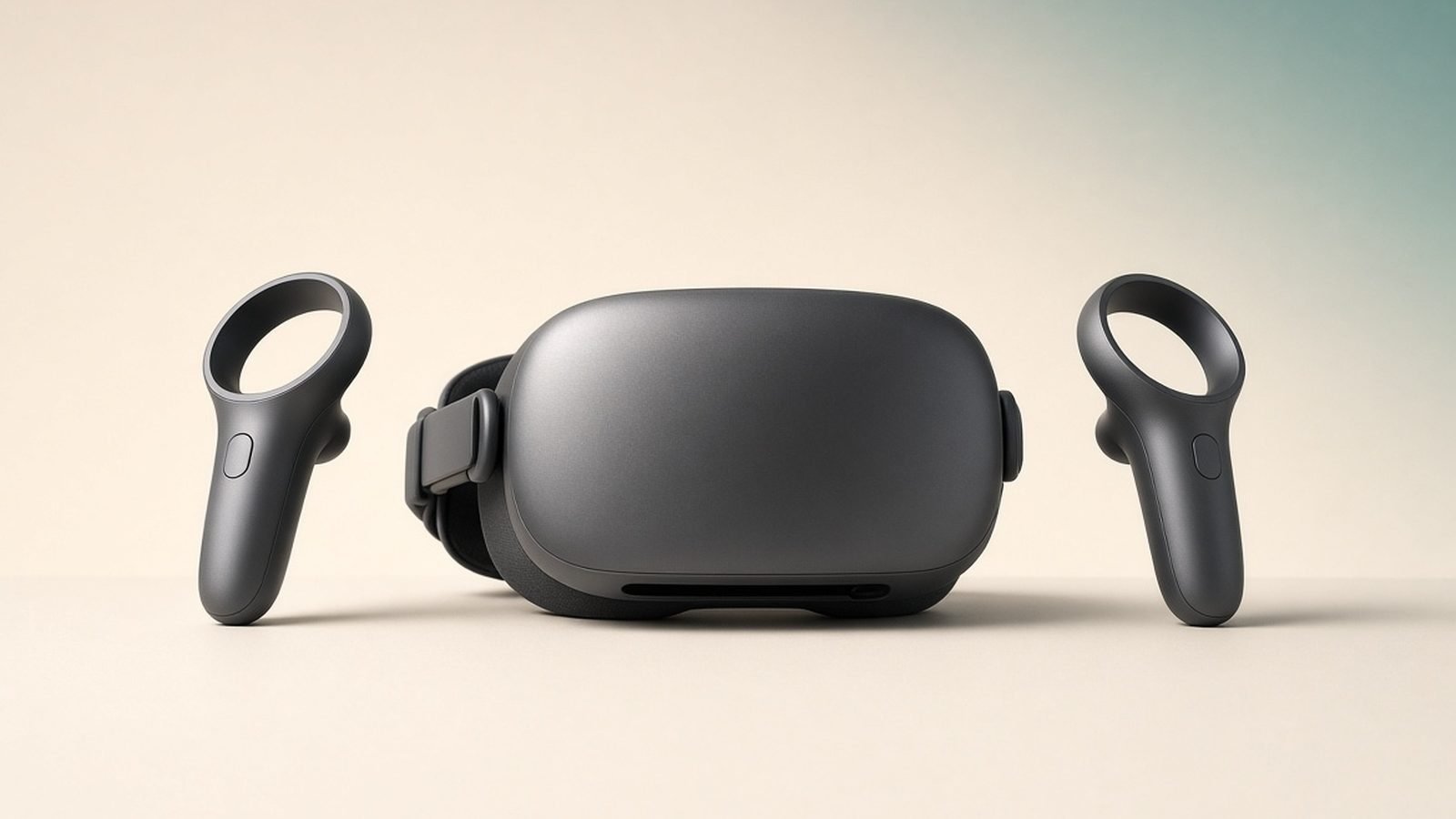
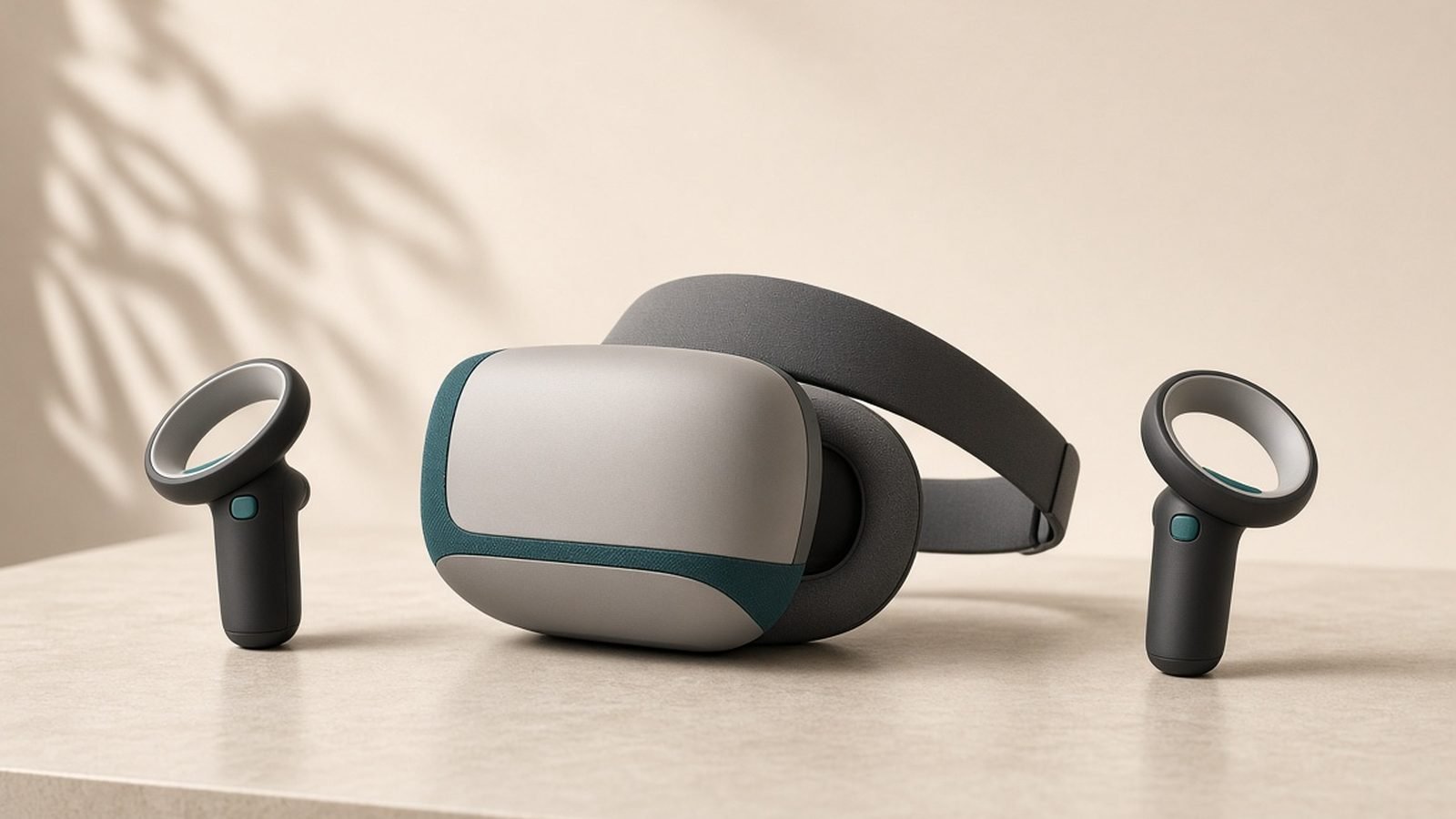
- Standalone VR/MR headsets — self-contained headsets (the PICO 4 family) that need no PC or phone. This is the core of the brand.
- PC VR capability — PICO headsets can also tether to a gaming PC via cable or wireless streaming for PC VR content.
- Controllers and accessories — motion controllers, comfort and battery straps, and business-oriented add-ons.
- The PICO store and software — its own app and game marketplace plus the headset OS and social layer.
- Enterprise/business VR — training and commercial deployments, a meaningful part of PICO’s activity in some regions.
Like Meta, PICO sells hardware competitively and bets on content, services, and ecosystem growth over time — though it’s playing catch-up on the software side.
Standout PICO products in 2026
PICO 4 Ultra — around $599 / £529. The flagship: full-color mixed reality, high-resolution pancake-lens optics, a comfortable balanced design with a rear battery, and strong standalone performance that goes toe-to-toe with Meta’s best. A regular contender on our Best VR Headsets 2026: Quest 3S to Galaxy XR Compared guide in regions where it’s sold.
PICO 4 — around $399 / £379. The earlier mainstream model and value pick: a slim, comfortable headset with good pancake optics that undercut equivalent rivals when it launched and remains a solid entry point where still available.
PICO Motion Controllers. Well-tracked, comfortable controllers that handle standard VR input reliably. If you’re weighing VR input against conventional gamepads, see our Best Game Controllers 2026: PC, Xbox & PlayStation guide.
PICO comfort and battery straps. PICO’s balanced, rear-weighted strap designs are a genuine highlight — many reviewers rate its out-of-the-box comfort above competitors that make you buy an upgrade.
Strengths
Strong hardware value. PICO consistently delivers competitive displays, good pancake optics, and capable performance at prices that match or undercut equivalent Meta Quest models. On raw hardware, it’s rarely outclassed.
Excellent comfort out of the box. PICO’s balanced, rear-battery strap designs are frequently praised, often beating rivals that require a paid strap upgrade for comfortable long sessions.
Deep-pocketed backing. ByteDance ownership gives PICO the resources to keep iterating hardware, fund content, and compete seriously — it’s not an underfunded startup that might vanish overnight.
A genuine alternative to Meta. For buyers who want out of Meta’s ecosystem or don’t want a Meta account, PICO is the most credible standalone option, with comparable core features.
Weaknesses & criticisms
Smaller content library. PICO’s store trails the Meta Quest Store significantly on game count, exclusives, and marquee titles. Content is where VR platforms win, and here PICO is clearly behind.
Limited and inconsistent availability. PICO isn’t officially sold in the US and has entered and retreated from markets before, creating real uncertainty about regional commitment, ongoing sales, and long-term support.
ByteDance ownership concerns. As a ByteDance-owned device with cameras and sensors, PICO attracts the same data-privacy and Chinese-ownership scrutiny that surrounds TikTok — a genuine hesitation for some buyers and organizations.
Ecosystem and support uncertainty. Smaller platform, fewer users, and questions about how long and how aggressively ByteDance will fund PICO all feed worry about future software updates and content momentum.
Less mindshare and third-party support. Fewer users means less community, fewer accessories, and less developer attention than the market-leading platform enjoys.
Reliability & support
PICO hardware is generally well built, with comfortable, durable designs and displays that hold up well in reviews. Day-to-day reliability is comparable to other standalone headsets, and the balanced strap systems reduce the fit and wear complaints common to lighter front-heavy designs. Warranty is typically one year, with regional variation.
Support and longevity are the bigger question marks. Because PICO operates in fewer markets and lacks a US presence, customer service, RMA logistics, and even continued availability can vary a lot by region, and buyers outside PICO’s core markets may struggle to get official help. Software updates arrive, but the smaller platform means less certainty about how long headsets will be actively supported compared with Meta’s aggressively maintained ecosystem. The honest guidance: the hardware itself is dependable and comfortable, but factor in your region’s PICO support situation and the platform’s smaller, less-certain long-term footing before buying.
Who should buy PICO
Buy a PICO if you live in a region where it’s officially sold and supported, want strong standalone VR hardware and standout comfort for the money, and are comfortable with a smaller content library and ByteDance ownership. It’s an especially appealing pick for buyers who want a capable headset without a Meta account. Enthusiasts comparing options will find PICO featured in our Best VR Headsets 2026: Quest 3S to Galaxy XR Compared guide where it’s available.
Look elsewhere if you’re in the US or another market where PICO isn’t officially sold, if you want the largest VR content library and strongest exclusives, or if ByteDance ownership and its data questions give you pause. Those buyers are generally better served by a headset with broader availability and a deeper store.
FAQ
Is PICO a good brand?
Yes, on hardware. PICO makes well-specced, comfortable, competitively priced standalone headsets that go toe-to-toe with Meta on specs and often beat rivals on out-of-the-box comfort. The caveats are a smaller content library, patchy regional availability (no official US sales), and ByteDance ownership, which raises the same data questions as TikTok.
Is PICO reliable?
The hardware is generally reliable and well built, with durable, comfortable designs. The bigger uncertainty is support and longevity: because PICO sells in fewer markets, customer service, RMA, and even continued availability vary by region, and the smaller platform makes long-term software support less certain than Meta’s.
Where is PICO from and who owns it?
PICO is owned by ByteDance, the Chinese technology company headquartered in Beijing that also owns TikTok and Douyin. PICO started as an independent Chinese VR startup and was acquired by ByteDance in 2021. It’s strongest in Europe and Asia and is not officially sold in the United States.
Is PICO better than Meta Quest?
On hardware and comfort, PICO is competitive and sometimes better for the money. On content library, ecosystem size, availability, and mainstream support, Meta Quest is clearly ahead. Choose PICO if you want strong hardware without a Meta account and live where it’s sold; choose Meta Quest for the biggest library and broadest availability.
Can I buy PICO in the US?
Not officially. PICO headsets are not sold through official channels in the United States, so US buyers face imports without local warranty or support. This limited availability is one of PICO’s biggest practical drawbacks and a key reason to check your region before buying.
Does the ByteDance ownership matter for privacy?
It’s a legitimate consideration. Like any camera-and-sensor-laden headset, PICO collects data, and its ByteDance ownership draws the same scrutiny over data handling and Chinese ownership that surrounds TikTok. Privacy-conscious buyers and some organizations may prefer a headset from a different owner.
Zen Tech Hub may earn a commission from links on this page, at no extra cost to you.