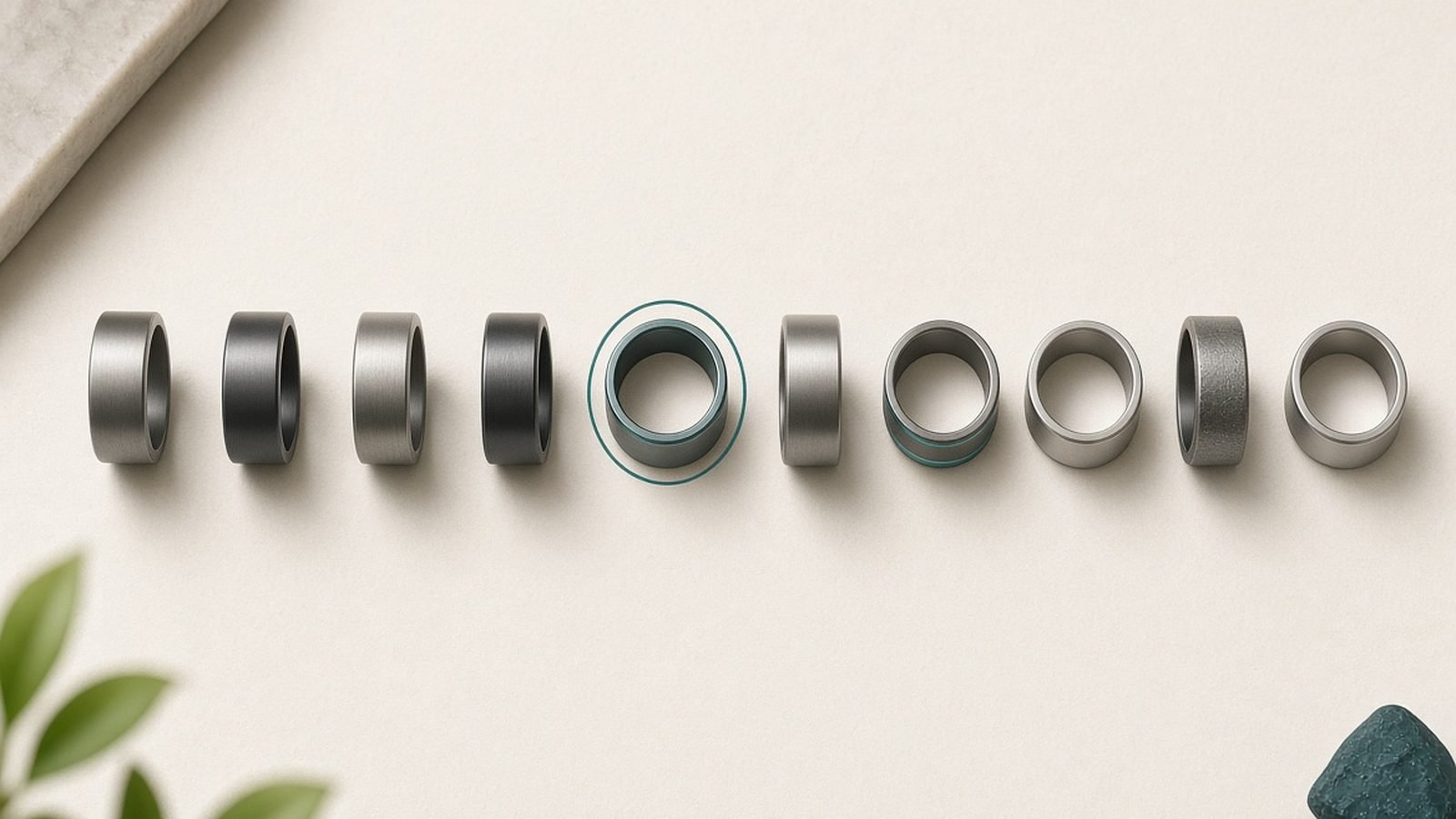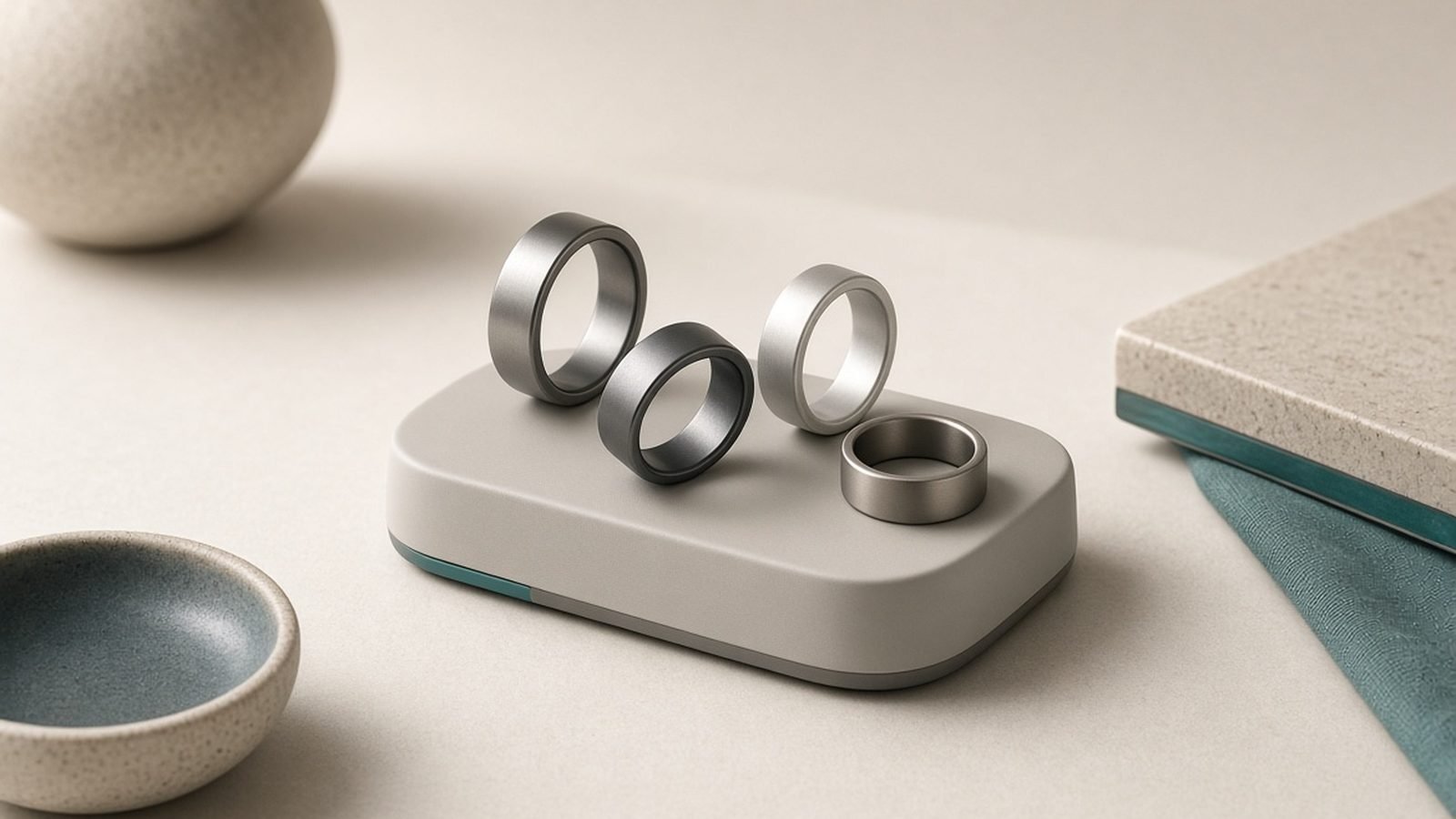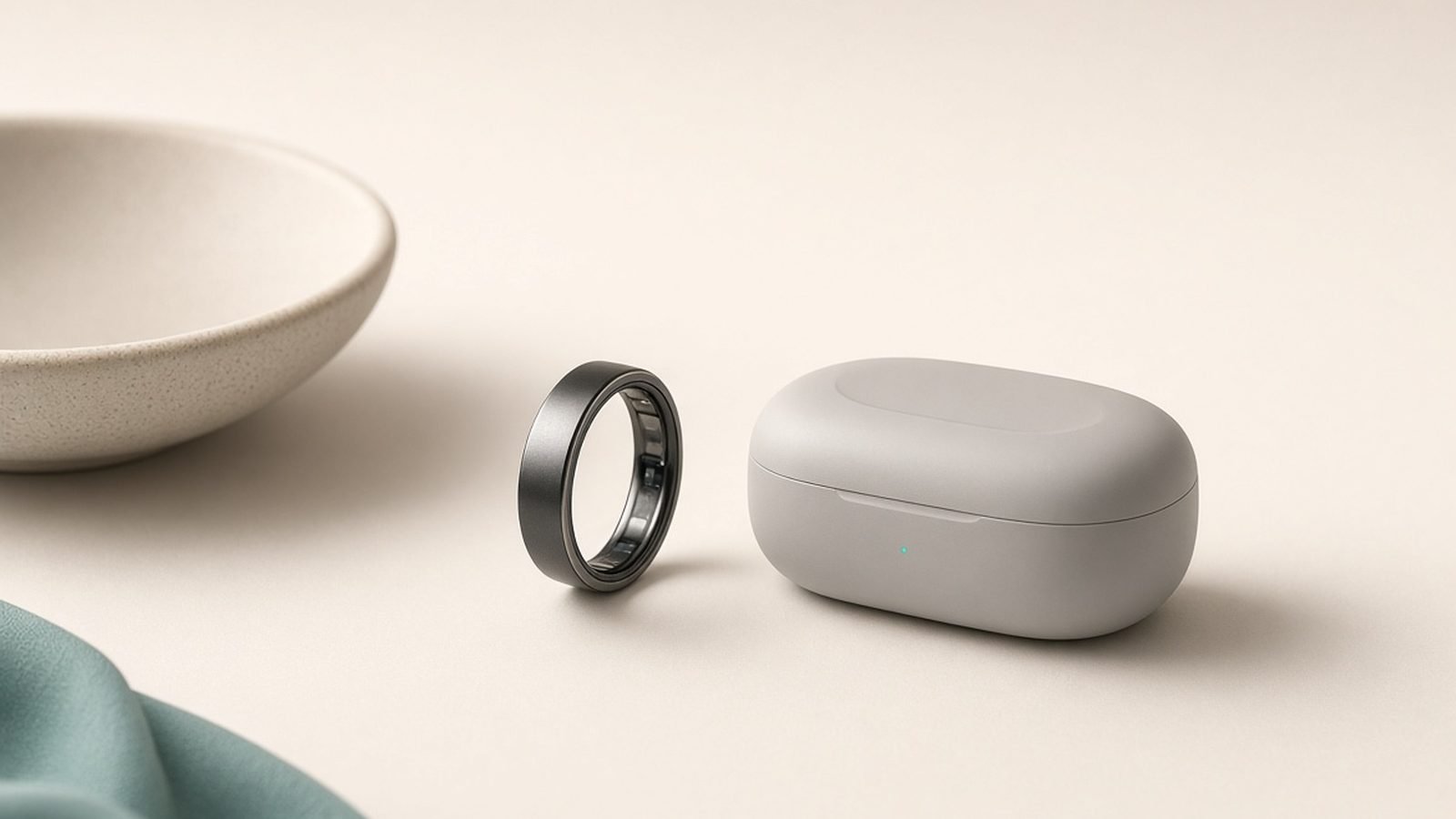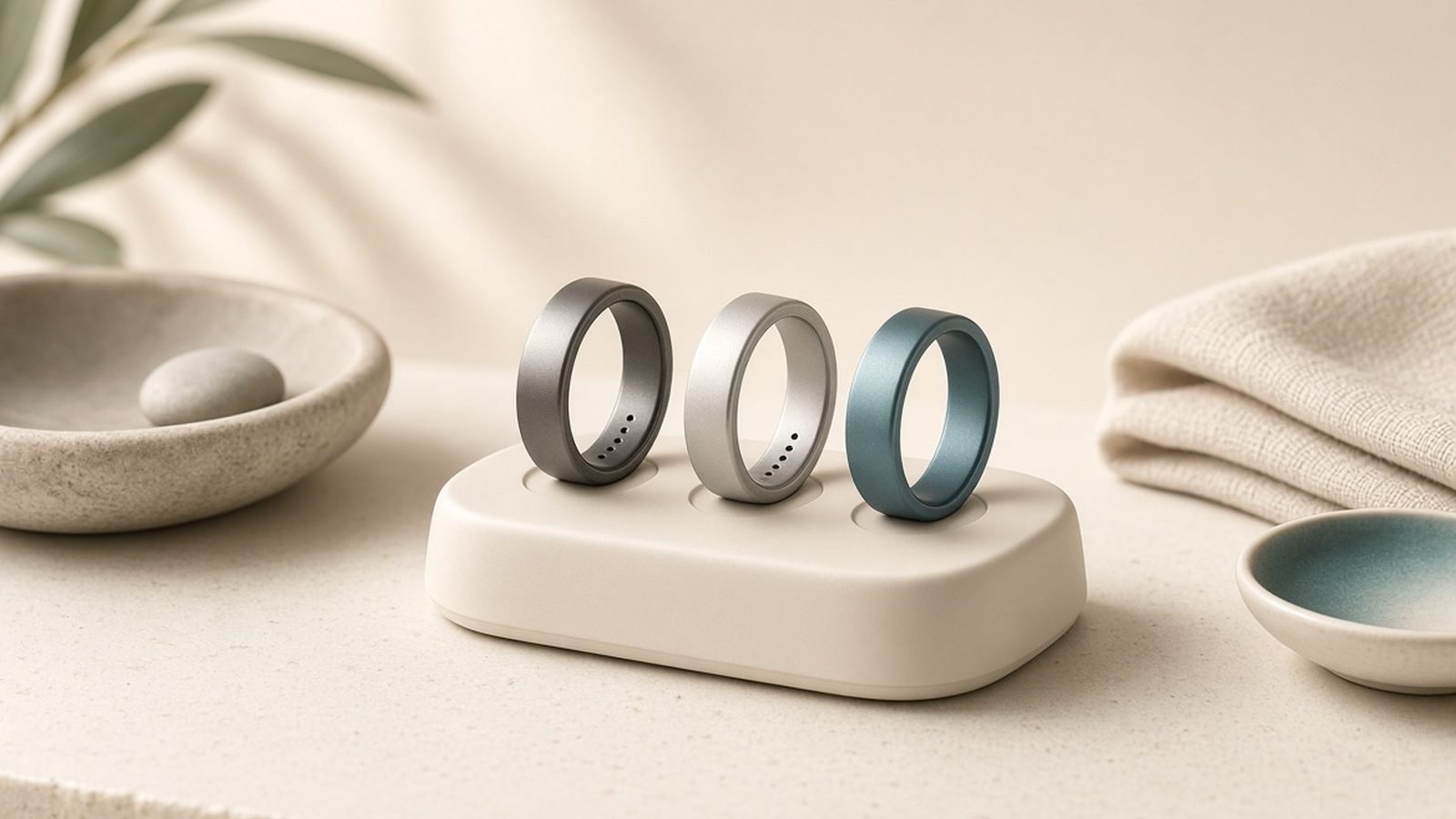
Ultrahuman is the upstart challenging Oura at the front of the smart-ring market, and its biggest pitch is simple: no subscription. The short verdict: if you want a lightweight smart ring that tracks sleep, recovery, and heart-rate variability with all software features included for the price of the hardware, the Ultrahuman Ring AIR is a genuinely compelling, good-value choice. The trade-offs are a younger company with a shorter track record, an app and algorithm set that’s still maturing versus the category leader, and some metabolic add-ons that suit enthusiasts more than everyday users.
Buy Ultrahuman if you want subscription-free recovery tracking in a comfortable ring. Look elsewhere if you want the longest-proven accuracy, the deepest ecosystem, or a screen on your wrist.
Company overview
Ultrahuman is a health-technology company founded in 2019 and headquartered in Bengaluru, India, with a growing international presence and manufacturing expansion (including a US facility). It started with metabolic health — continuous glucose monitoring aimed at fitness and longevity enthusiasts — before launching the Ring AIR smart ring, which became its best-known consumer product.
Ultrahuman is a venture-backed private company and a relative newcomer compared with established wearable names, which cuts both ways: it moves fast and prices aggressively, but it has a shorter reliability and support history to judge. It has positioned itself explicitly against Oura, both on price and on the subscription question, and has been willing to pick public fights (including patent disputes) with rivals. Its brand identity leans toward metabolic health, longevity, and “human optimization” rather than mainstream fitness.
What Ultrahuman makes
Ultrahuman’s 2026 lineup centers on health and metabolic tracking:
- Smart rings — the flagship Ring AIR, tracking sleep, heart rate, HRV, temperature, movement, and recovery, with all features included and no subscription.
- Metabolic tracking — the M1 continuous glucose monitor program, aimed at understanding how food and activity affect blood sugar (a subscription/consumable product by nature).
- Home health — Ultrahuman Home, a device for at-home environmental and health sensing, part of its push into the broader “longevity” space.
- Blood testing / diagnostics — Blood Vision and related programs offering biomarker testing and insights in some markets.
Everything feeds the Ultrahuman app, which unifies ring, metabolic, and other data into scores like sleep and movement indexes.
Standout Ultrahuman products in 2026
Ultrahuman Ring AIR — around $349 / £299, no subscription. The flagship smart ring: light, comfortable titanium construction, sleep and recovery tracking, HRV, and temperature — with every software feature included and no recurring fee. That subscription-free model is its headline advantage over Oura, and it’s a leading pick on our Best Fitness Trackers 2026: Bands That Beat Smartwatches guide for people who want recovery data without a monthly bill. It also complements a training watch from our Best Running Watches 2026: Top Picks Compared & Ranked recommendations for 24/7 recovery context.
Ultrahuman M1 (metabolic program) — around $, subscription/consumable based. A continuous glucose monitoring program pairing a sensor with app coaching to reveal how meals, exercise, and sleep affect blood sugar. Aimed at metabolic-health and longevity enthusiasts rather than casual users.
Ultrahuman Home — around $, premium. A home health and environment sensing device that extends Ultrahuman’s tracking beyond the body into your surroundings, part of its longevity ecosystem play.
Ultrahuman Blood Vision — availability varies by region. A biomarker blood-testing program with app-based insights, reflecting the brand’s ambition to go beyond wearables into diagnostics.
Strengths
No subscription. This is Ultrahuman’s defining advantage. Unlike Oura, which locks its full insights behind a monthly fee, Ultrahuman includes all ring software features in the hardware price — a real long-run saving.
Comfort and design. The Ring AIR is light and slim, and reviewers generally praise the fit and unobtrusiveness for 24/7 wear and sleep tracking.
Aggressive pace and pricing. As a fast-moving newcomer, Ultrahuman ships features quickly and prices to undercut, which benefits value-focused buyers.
Metabolic and longevity focus. For enthusiasts interested in glucose response, recovery, and biomarkers, Ultrahuman offers a broader “optimization” ecosystem than a typical fitness tracker.
Weaknesses & criticisms
Shorter track record. Ultrahuman is young. Its long-term reliability, durability, and support history are less proven than established brands’, which is a real consideration for a device you wear constantly.
Algorithm and app maturity. While improving fast, Ultrahuman’s scores and algorithms are generally seen as less refined and less validated than Oura’s more mature platform, and some users report inconsistencies.
Add-ons that suit enthusiasts, not everyone. The metabolic (CGM) and diagnostics programs are niche and, by nature, involve ongoing costs and consumables — a different value proposition from the subscription-free ring.
No screen and inherent ring limits. Like all smart rings, it has no display, limited real-time feedback, is easy to misplace, and can’t be worn for some activities (heavy lifting, certain sports). It complements, rather than replaces, a watch. Our Best Smartwatches 2026: 7 Top Picks for Every Budget guide covers when a watch makes more sense.
Reliability & support
Ultrahuman’s hardware is generally well received, with the Ring AIR praised for comfort and build, but the brand’s overall reliability and support reputation is still forming given how new it is. Warranties are typically one year; check your region and the specific product. Smart rings as a category also have shared limitations — battery capacity fades over a couple of years, and rings can’t be resized once bought, so sizing matters.
The main uncertainties in aggregated feedback are around long-term durability, algorithm accuracy versus the category leader, and how support scales as the company grows internationally. Its willingness to engage in public disputes with rivals is a reputational wildcard rather than a product flaw. For buyers, the practical calculus is that you trade some of the proven-track-record reassurance of an established brand for a subscription-free price and fast feature development. Overall, Ultrahuman is a moderate-risk, high-value choice: strong on price and comfort, less proven on longevity and support.
Who should buy Ultrahuman
Buy Ultrahuman if you want a comfortable, subscription-free smart ring for sleep, recovery, and HRV tracking, and you like the idea of a broader metabolic and longevity ecosystem. The Ring AIR is the star product and the clearest value case in smart rings for people who resent recurring fees. The M1 and diagnostics programs suit enthusiasts specifically interested in glucose and biomarker data.
Look elsewhere if you want the most proven accuracy and the most mature app (where Oura still leads), a device with a screen and real-time feedback, or the reassurance of a long-established brand’s reliability and support. For those priorities, consider Oura, or a wrist wearable from our Best Fitness Trackers 2026: Bands That Beat Smartwatches and Best Smartwatches 2026: 7 Top Picks for Every Budget guides.
FAQ
Is Ultrahuman a good brand?
Yes, for value-focused smart-ring buyers it’s a strong choice, chiefly because the Ring AIR includes all features with no subscription. The caveats are its shorter track record and an app that’s still maturing versus the category leader.
Is Ultrahuman reliable?
Early feedback on the Ring AIR’s comfort and build is positive, but Ultrahuman is a young company, so its long-term reliability and support reputation is less established than rivals’. Warranties are typically one year, and smart rings can’t be resized, so order the correct size.
Where is Ultrahuman from and who owns it?
Ultrahuman is a health-tech company founded in 2019 and headquartered in Bengaluru, India, with expanding international operations including US manufacturing. It’s a venture-backed private company, not part of a larger consumer-electronics group.
Is Ultrahuman better than Oura?
On price it’s better — no subscription versus Oura’s monthly fee — and comfort is comparable. Oura still leads on algorithm maturity, accuracy track record, and ecosystem polish. Ultrahuman suits value-first buyers; Oura suits those wanting the most proven platform.
Does Ultrahuman require a subscription?
The Ring AIR does not — all its software features are included in the hardware price, which is the brand’s main selling point. Note that separate programs like the M1 glucose monitor and blood testing are consumable or subscription-based by their nature.
Can I wear an Ultrahuman ring for everything?
Not quite. Like all smart rings it has no screen, offers limited real-time feedback, and isn’t ideal for activities like heavy lifting where a ring can be uncomfortable or get damaged. It works best as a 24/7 recovery tracker alongside, not instead of, a sports watch.
Zen Tech Hub may earn a commission from links on this page, at no extra cost to you.