Shure is the brand behind more famous microphones than any other company on earth — the mic in front of nearly every touring singer and a huge share of podcasters and broadcasters. In 2026 it remains the default professional choice for live and spoken-word audio, spanning stage mics, studio and USB mics, wireless systems, and in-ear monitors. The short verdict: Shure builds some of the most durable, best-sounding microphones ever made, with a reputation for near-indestructible reliability — but its gear is priced at a professional premium, several of its most iconic mics need more preamp gain or a boost accessory than beginners expect, and its consumer earbuds and headphones are a minor sideline rather than a strength.
If you record voices, perform live, or want a mic that will outlast the computer you plug it into, Shure is an easy recommendation. If you want the cheapest possible entry point or class-leading consumer wireless earbuds, look elsewhere first.
Company overview
Shure was founded in 1925 in Chicago by Sidney N. Shure, originally selling radio parts kits. It moved into microphones in the 1930s and never looked back, becoming synonymous with professional audio over the following century. Today it’s headquartered in Niles, Illinois, with manufacturing and operations worldwide.
The most important thing to understand about Shure’s ownership is that it has stayed independent. The company remains privately held and is controlled through the Shure family and the Shure Charitable Trust rather than a public conglomerate — a rarity in an industry where most storied names have been bought and sold repeatedly. That independence has let Shure keep making the same core products for decades and invest in longevity over quarterly trends.
Its reputation is built on ruggedness and consistency. The SM57 and SM58 have been in continuous production since the 1960s, are famous for surviving abuse that would kill lesser mics, and remain the reference points every rival is measured against. When reliability on stage or in a studio genuinely matters, Shure is the safe default.
What Shure makes
Shure’s 2026 catalog centers on capturing and monitoring sound:
- Live vocal and instrument microphones — the legendary SM58 (vocals) and SM57 (instruments), plus the higher-end KSM and Beta live series.
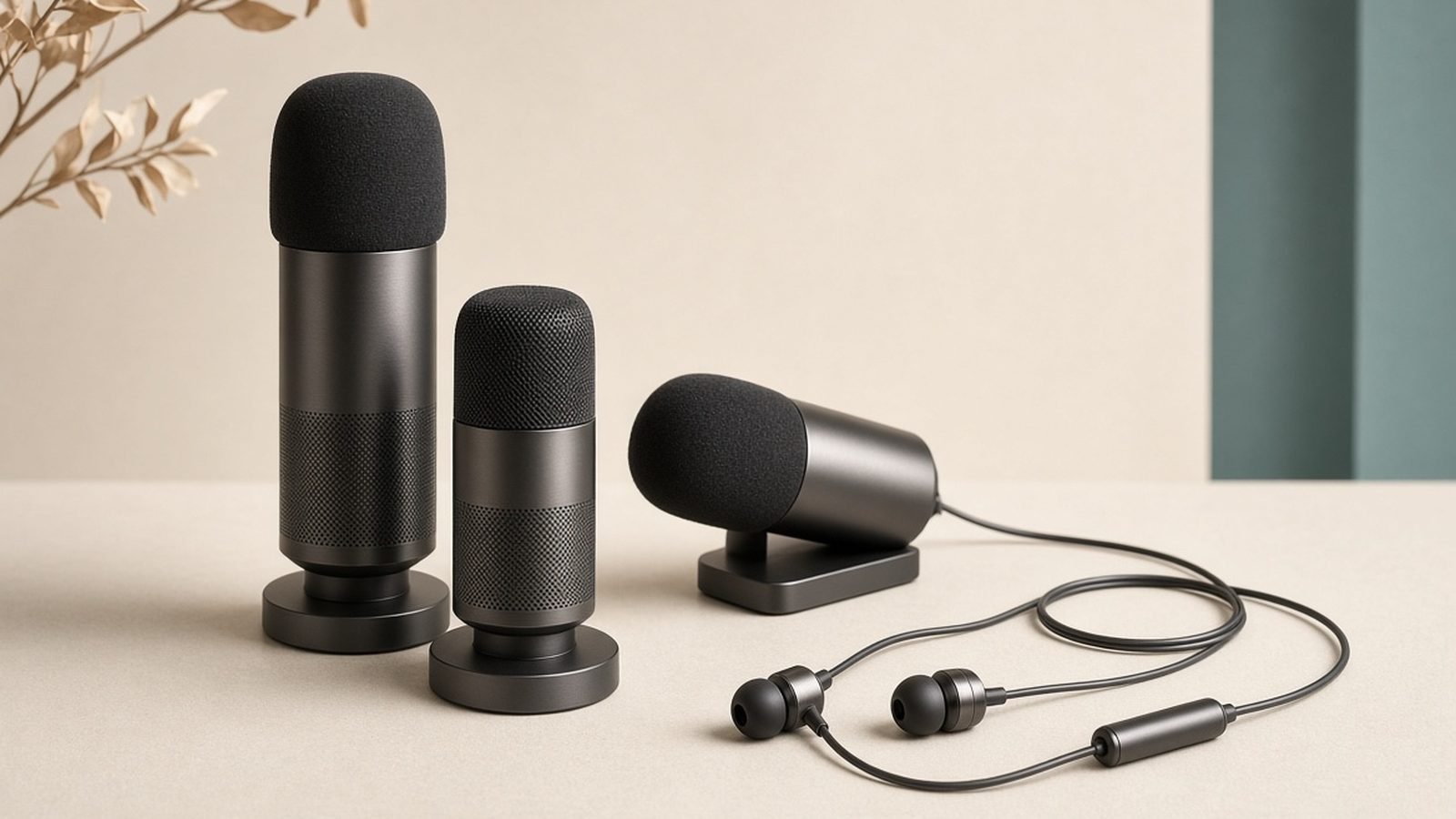
- Studio and broadcast microphones — the SM7B (and refreshed SM7dB with built-in preamp), a fixture in podcasting and radio.
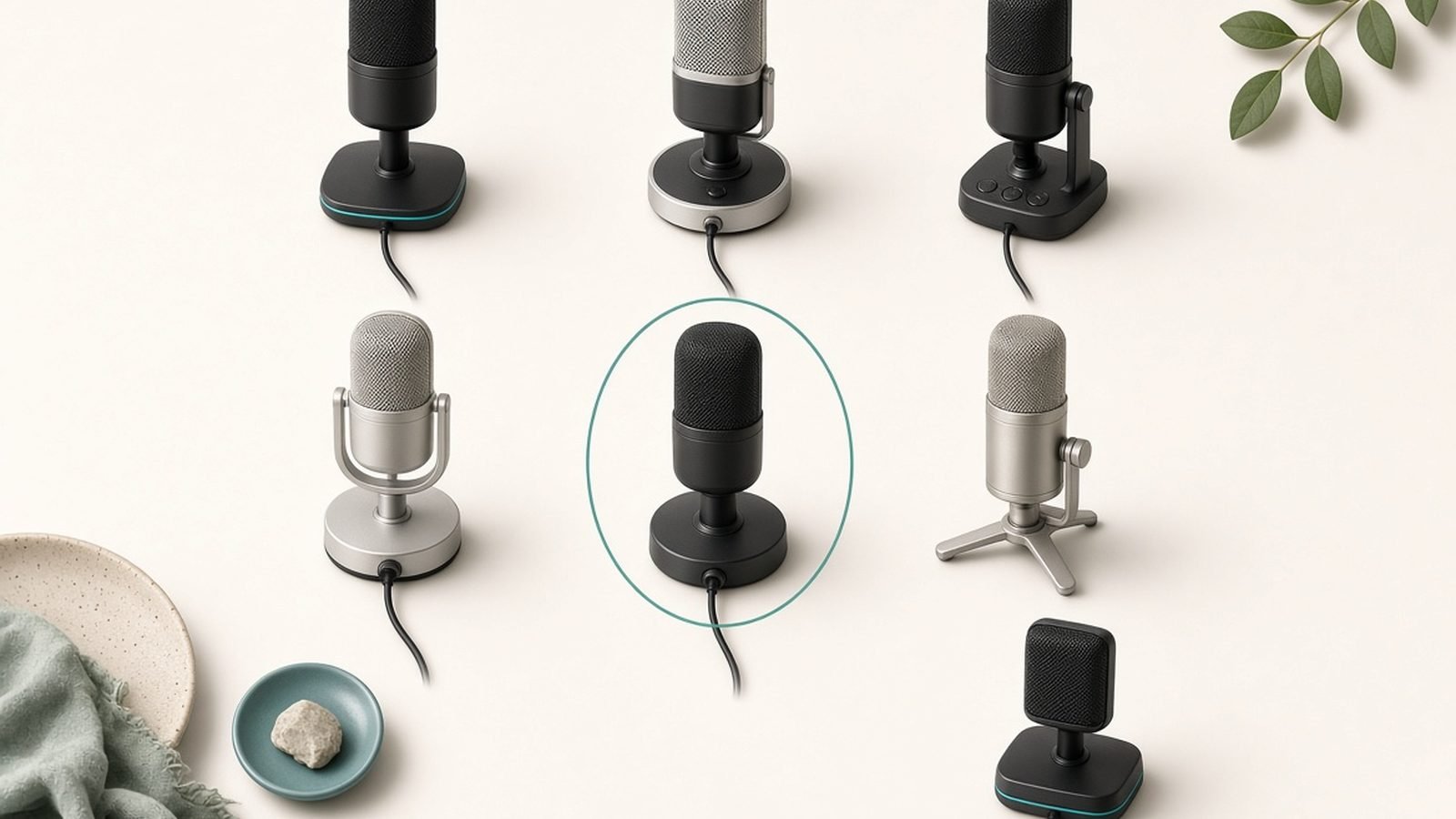
- USB and content-creator mics — the MV7 and MV7+ hybrid USB/XLR mics and the compact MV6, aimed at podcasters and streamers.
- Wireless microphone systems — professional and prosumer wireless rigs used on stages, in venues, and in broadcast.
- In-ear monitors (IEMs) and earphones — the SE and AONIC wired IEM lines used by touring musicians and detail-focused listeners.
- Consumer headphones and earbuds — the AONIC line, a smaller and less-celebrated part of the business.
The consistent thread is professional-grade capture: Shure’s heartland is getting sound into a system cleanly and reliably, and it dominates that world.
Standout Shure products in 2026
Shure SM7B — around $399 / £399. The dynamic studio microphone that became the podcasting and broadcasting standard. Its smooth, rich vocal sound and excellent rejection of room noise make it a benchmark — just note it’s famously hungry for clean preamp gain, so many users pair it with an inline booster or opt for the SM7dB with a built-in preamp.
Shure MV7+ — around $279 / £259. The creator-focused hybrid mic that offers both USB and XLR outputs, so you can start plug-and-play and grow into a full audio interface later. It borrows the SM7B’s voice character in a far more forgiving, beginner-friendly package, and it’s a mainstay of our Best USB Microphones in 2026 for Streaming and Podcasting guide.
Shure SM58 — around $109 / £99. The most famous live vocal microphone in the world. Nearly indestructible, resistant to feedback and handling noise, and tuned to flatter the human voice on stage. Decades on, it’s still the first mic most performers and venues buy.
Shure SM57 — around $99 / £89. The SM58’s instrument-focused sibling, used on snare drums, guitar amps, and podiums the world over. Like the SM58, it’s a genuine industry standard prized for durability.
Shure AONIC 3 / SE-series IEMs — around $199 / £179. Wired in-ear monitors with a detailed, isolating sound and a reputation for road-worthy build quality, popular with musicians and commuters alike.
Shure MV6 — around $149 / £139. A compact, affordable USB mic aimed squarely at streamers and new podcasters who want Shure voice quality on a tighter budget.
Strengths
Legendary durability. This is the heart of the brand. Shure microphones are built to survive drops, tours, and decades of daily use. The SM57 and SM58 are the industry’s byword for “will not die,” and that toughness runs through the whole pro line.
Reference-grade sound for voices. From the SM7B in the studio to the SM58 on stage, Shure mics are tuned to make speech and singing sound their best, with excellent rejection of background noise. They’re the standard others are compared against.
Professional trust and ubiquity. Shure gear is everywhere in broadcast, live sound, and podcasting, which means abundant documentation, accessories, and community knowledge. Buying Shure is a low-risk, well-supported decision.
Sensible upgrade paths. Products like the MV7+ hybrid mic let beginners start simple and grow into professional workflows without replacing their gear, a genuinely thoughtful bit of range design.
Weaknesses & criticisms
Professional pricing. Shure charges a premium, and there’s rarely a bargain-basement option. Rivals like Audio-Technica often deliver most of the performance for noticeably less, especially at the entry level.
Gain-hungry flagship mics. The SM7B needs far more clean preamp gain than many interfaces provide, catching out beginners who buy it without an inline booster or a suitably powerful interface. It’s a great mic, but not a plug-and-play one.
Consumer audio is an afterthought. Shure’s AONIC true-wireless earbuds and consumer headphones have never troubled Sony, Bose, or Apple, and the wireless earbud line has seen limited investment. This is a mic company first.
Wired-first IEM lineup. Many of Shure’s celebrated in-ear monitors are wired, which suits pros but frustrates buyers expecting modern true-wireless convenience.
Reliability & support
Reliability is arguably Shure’s single greatest asset. Its dynamic microphones are among the most durable audio products of any kind, routinely outlasting the equipment around them, and the core models have stayed in production so long that parts, grilles, and accessories are trivially easy to source. For live and studio use, Shure gear is about as low-risk as hardware gets.
Warranty coverage is typically two years on microphones (and longer on some professional models), which is generous by industry standards, and the two-year coverage on many mics reflects the company’s confidence in its build quality. Customer support is generally well regarded, and the sheer ubiquity of Shure gear means troubleshooting help and replacement parts are never hard to find. The main reliability caveat sits with the battery-powered consumer earbuds, which age like any rechargeable device — but that’s a small corner of a catalog built around famously bulletproof wired hardware.
Who should buy Shure
Buy Shure if you capture voices for a living or a serious hobby and you want gear that will never be the weak link. It’s the natural pick for podcasters and broadcasters (SM7B, MV7+), live performers and venues (SM58, SM57), and touring musicians who need road-proof in-ear monitors. If durability and reference-grade voice sound are your priorities, few brands are safer.
Look elsewhere if you want the lowest possible price on a first mic, a fully plug-and-play flagship with no gain headaches, or class-leading true-wireless earbuds. In those cases, cross-shop Audio-Technica for value mics and Sony or Bose for consumer earbuds. For creator mics specifically, our Best USB Microphones in 2026 for Streaming and Podcasting guide compares Shure directly with the field.
FAQ
Is Shure a good brand?
Yes. Shure is one of the most respected microphone brands in the world, known for legendary durability and reference-grade voice sound in products like the SM58, SM57, and SM7B. Its main drawbacks are premium pricing and a consumer-earbud line that trails Sony and Bose.
Is Shure reliable?
Extremely. Its dynamic microphones are famous for surviving decades of hard use and are the industry’s benchmark for toughness. Backed by a typically two-year warranty and easy access to parts, Shure is about as low-risk as audio hardware gets — the only real aging concern is with its battery-powered consumer earbuds.
Where is Shure from and who owns it?
Shure was founded in 1925 in Chicago and is headquartered in Niles, Illinois. Unusually for the audio industry, it has stayed independent — the company remains privately held and is controlled through the founding Shure family and the Shure Charitable Trust rather than a public conglomerate.
Is the Shure SM7B worth it in 2026?
For serious voice recording, yes — it’s a benchmark studio mic with rich, room-rejecting sound. But it needs a lot of clean preamp gain, so budget for an inline booster or a powerful interface, or choose the SM7dB, which builds a preamp in. Beginners on a budget may prefer the more forgiving MV7+.
Is Shure better than Audio-Technica?
They serve overlapping but different strengths. Shure leads on live-vocal mics and rugged professional reliability; Audio-Technica generally offers better value and a broader budget range, especially for first studio condensers. Many creators own both.
Does Shure make good headphones?
Its wired in-ear monitors (the SE and AONIC lines) are well regarded and road-tough. Its true-wireless earbuds and over-ear consumer headphones are competent but not class-leading, and lag behind the dedicated consumer brands on noise cancellation and app features.
Zen Tech Hub may earn a commission from links on this page, at no extra cost to you.