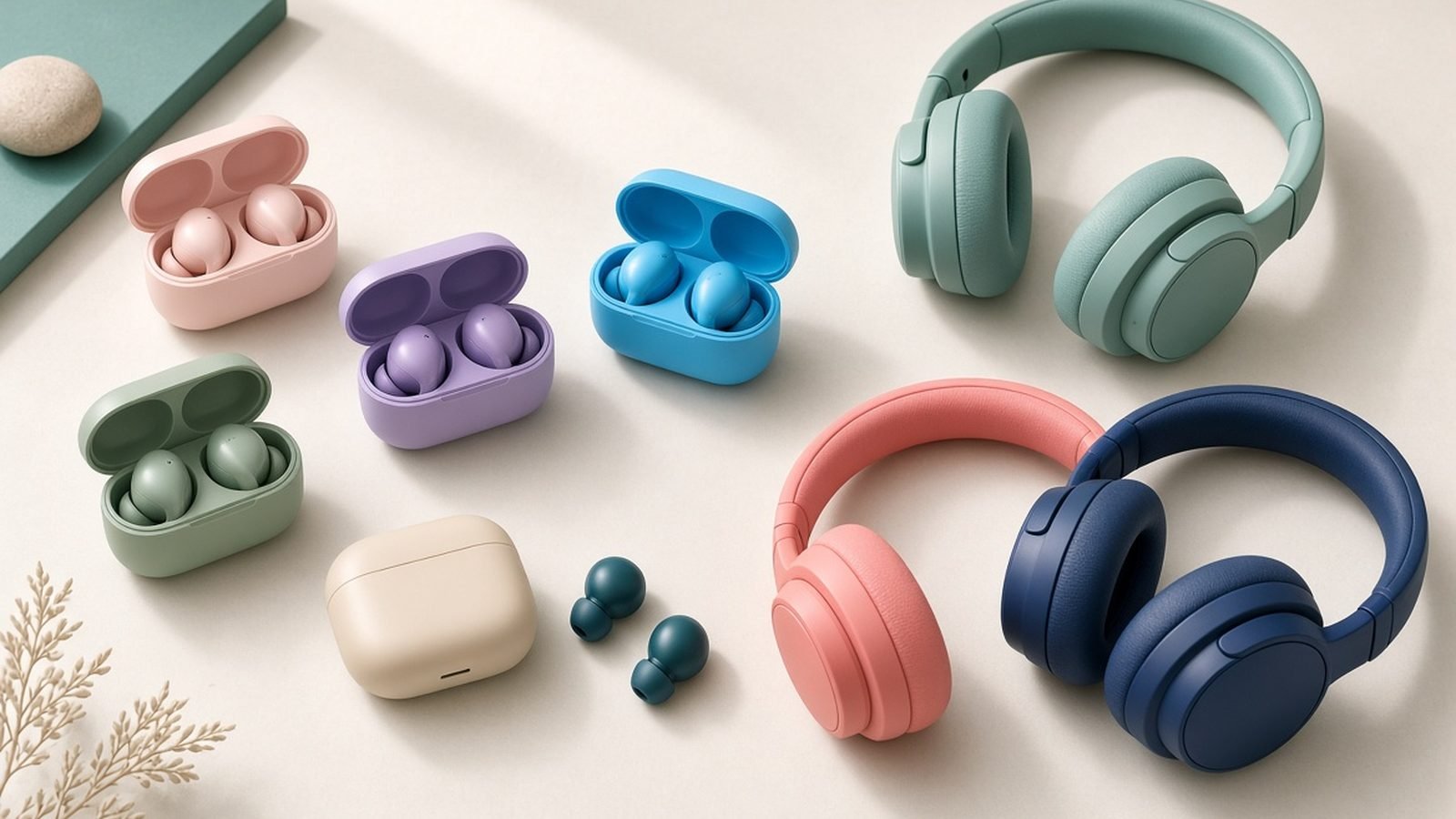
Skullcandy is the brand you reach for when you want fun, colorful headphones without spending much. It has built its whole identity around affordable, bass-heavy, action-sports styling — and for budget buyers, teens and anyone who wants a spare pair of gym earbuds that won’t hurt to lose, it’s a sensible, good-value choice. The brand’s standout trick, the Crusher line’s adjustable haptic bass, is genuinely unlike anything rivals offer.
The caveat is that Skullcandy is firmly a budget and mid-range brand. Its sound leans heavily on bass over accuracy, its ANC and mics are middling, and long-term durability can be hit-or-miss on the cheapest models. Buy Skullcandy for value, fun and the unique Crusher experience; look elsewhere if you want refined sound, top-tier noise cancelling or premium build.
Company overview
Skullcandy is an American company founded in 2003 by Rick Alden in Park City, Utah, born out of action-sports and skate culture. It made its name with boldly styled, affordable headphones sold in skate shops and big-box retailers, and grew into one of the most recognizable budget audio brands in the US.
The ownership history is worth knowing: Skullcandy went public, was later taken private, and in 2016 was acquired by Incipio Group (the accessories company also known as Mill Road / Incipio), under which it operates today. It remains headquartered in Park City, Utah. Its reputation is clear and consistent: a youthful, style-driven budget brand that delivers plenty of bass and personality for the money, without pretending to compete with premium audio names. Enthusiasts don’t take it seriously; value shoppers and younger buyers rate it highly.
What Skullcandy makes
Skullcandy sticks to affordable personal audio, with a few genuinely distinctive lines:
- Wireless earbuds — the ultra-cheap Dime, mid-range Sesh and Rail, and sport-focused Push models.
- Over-ear headphones — the flagship Crusher line (with haptic bass) and the value Hesh and Crusher Evo families.
- On-ear and kids’ headphones — including volume-limited options for children.
- Gaming headsets — the SLYR and PLYR lines for console and PC.
- Features that define the brand — Crusher adjustable haptic bass, Tile tracking built into many models, and Stay-Aware modes.
Standout Skullcandy products in 2026
- Skullcandy Crusher ANC 2 — the flagship: over-ear headphones with adjustable haptic bass and noise cancelling, unlike anything else at the price. Featured in our Best Headphones 2026: Over-Ear Picks for Every Budget guide.
- Skullcandy Crusher Evo — the non-ANC haptic-bass headphone, a long-running favorite.
- Skullcandy Rail / Rail ANC — the current flagship earbuds, covered in our Best Wireless Earbuds 2026: Top Picks Compared & Ranked roundup.
- Skullcandy Dime 3 — genuinely cheap true-wireless earbuds for a spare or backup pair.
- Skullcandy SLYR Pro — a wired gaming headset for console players.
Strengths
- Excellent budget value. Skullcandy consistently offers a lot of features and fun for very little money.
- The Crusher haptic bass line is unique — a physical, adjustable bass “rumble” no mainstream rival matches.
- Fun, colorful design. Bold styling and lots of colorways aimed at younger buyers.
- Handy extras. Built-in Tile tracking on many models, Stay-Aware transparency modes and Rapid Charge.
- Wide availability. Sold everywhere from Walmart and Target to Amazon, with frequent discounts.
- Kids and gaming coverage that many premium brands ignore.
Weaknesses & criticisms
- Bass over accuracy. The default tuning is heavily bass-forward; mids and treble can sound recessed or muddy.
- Middling ANC and mics. Noise cancelling and call quality trail mid-range rivals from JBL, Anker and Sony.
- Durability is inconsistent. The cheapest earbuds and cables can wear or fail sooner than pricier gear.
- Not for critical listening. No pretense of audiophile detail or neutrality.
- Heavy Crusher headphones. The haptic hardware adds weight, and the effect isn’t for everyone.
- App is basic, with limited EQ depth beyond the Crusher bass slider.
Reliability & support
Reliability is Skullcandy’s most uneven area, and it’s fair to be honest about it. The flagship Crusher headphones are reasonably well built and generally hold up, but the budget earbuds and older wired models have a mixed long-term record — worn cables, failing charging cases and battery decline show up in owner feedback more than with pricier brands. That’s partly the nature of very cheap electronics: you get a lot for the money, but the margins for durability are thinner.
Where Skullcandy stands out is its warranty philosophy. Many products come with a standard limited warranty (typically one to two years), and the brand runs a well-known “Rack Pack” / fearless-use replacement program on select gear, reflecting its action-sports roots. Support is handled directly and through retailers, with average-to-good reports for straightforward claims. Firmware updates via the app are infrequent — this is a hardware-and-value brand, not a software-support story. For the prices involved, buying from a major retailer with an easy returns policy is the smart move.
Who should buy Skullcandy
Buy Skullcandy if you want fun, affordable headphones or earbuds with big bass and bold styling — ideal for teens, casual listeners, gym backups, or anyone who wants the unique Crusher haptic experience without spending premium money. It’s also a reasonable pick for kids’ headphones and budget gaming headsets.
Look elsewhere if you want refined, accurate sound, class-leading noise cancelling, or premium build and longevity. At the budget end, Anker’s Soundcore line often edges Skullcandy on sound and mics; at the mid and premium end, JBL, Sony and Bose are clear steps up. Skullcandy is about value and fun, not fidelity.
FAQ
Is Skullcandy a good brand?
For budget buyers, yes. Skullcandy offers fun, bass-heavy, colorful headphones and earbuds at low prices, plus the genuinely unique Crusher haptic-bass line. It’s not an audiophile brand — sound favors bass over accuracy, and ANC and mics are middling — but as an affordable, youthful audio brand it delivers good value and personality for the money.
Is Skullcandy reliable?
It’s mixed. The flagship Crusher headphones are reasonably durable, but the cheapest earbuds and older wired models have a more inconsistent long-term record, with battery and cable wear cropping up in owner feedback. Skullcandy offsets this with solid warranties and a fearless-use replacement program on select gear, so buying from a retailer with easy returns is wise.
Where is Skullcandy from and who owns it?
Skullcandy is an American brand, founded in 2003 by Rick Alden in Park City, Utah, out of skate and action-sports culture. It has been owned by Incipio Group (Mill Road / Incipio) since a 2016 acquisition and is still headquartered in Park City. Its products are designed in the US and manufactured in Asia.
Are Skullcandy earbuds good?
For the price, yes. Models like the Rail and Sesh offer decent bass-forward sound, useful features like Tile tracking and Stay-Aware mode, and low prices. Don’t expect premium detail, top-tier ANC or great call quality — those are where rivals pull ahead. As affordable everyday or backup earbuds, they’re a fair-value choice.
What is Skullcandy Crusher and is it worth it?
Crusher is Skullcandy’s signature feature: an adjustable haptic bass system that physically vibrates the headphones for a club-like low-end rumble you control with a slider. It’s genuinely unique and a lot of fun for bass lovers and electronic or hip-hop music. It’s worth it if you crave big, physical bass; skip it if you prefer neutral, detailed sound or lighter headphones.
How long is the Skullcandy warranty?
Most Skullcandy products carry a limited warranty of roughly one to two years, and select gear is covered by the brand’s fearless-use replacement program. Support runs through Skullcandy directly and through retailers; for budget models, buying somewhere with a generous returns policy gives you the smoothest experience.
Zen Tech Hub may earn a commission from links on this page, at no extra cost to you.