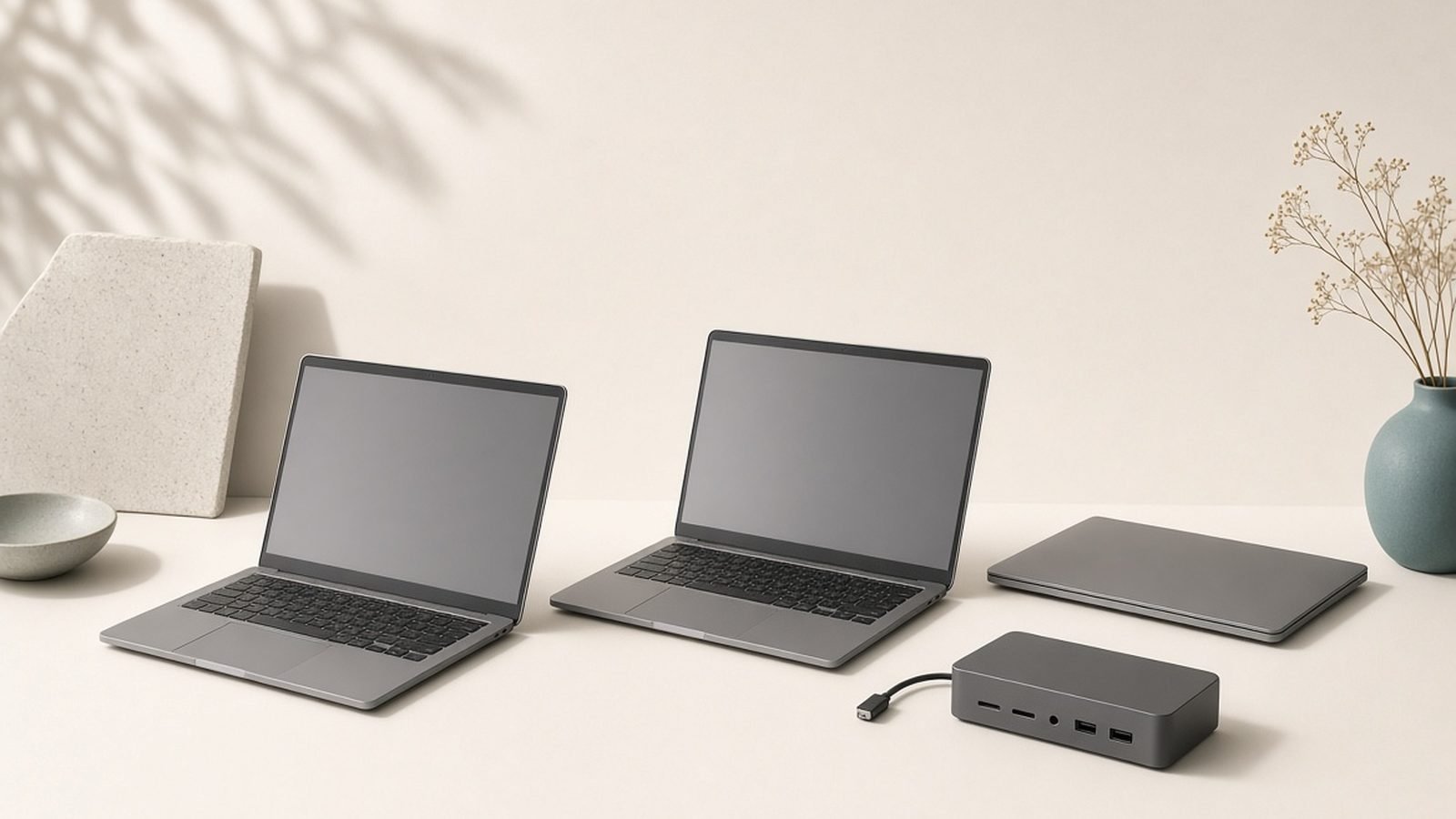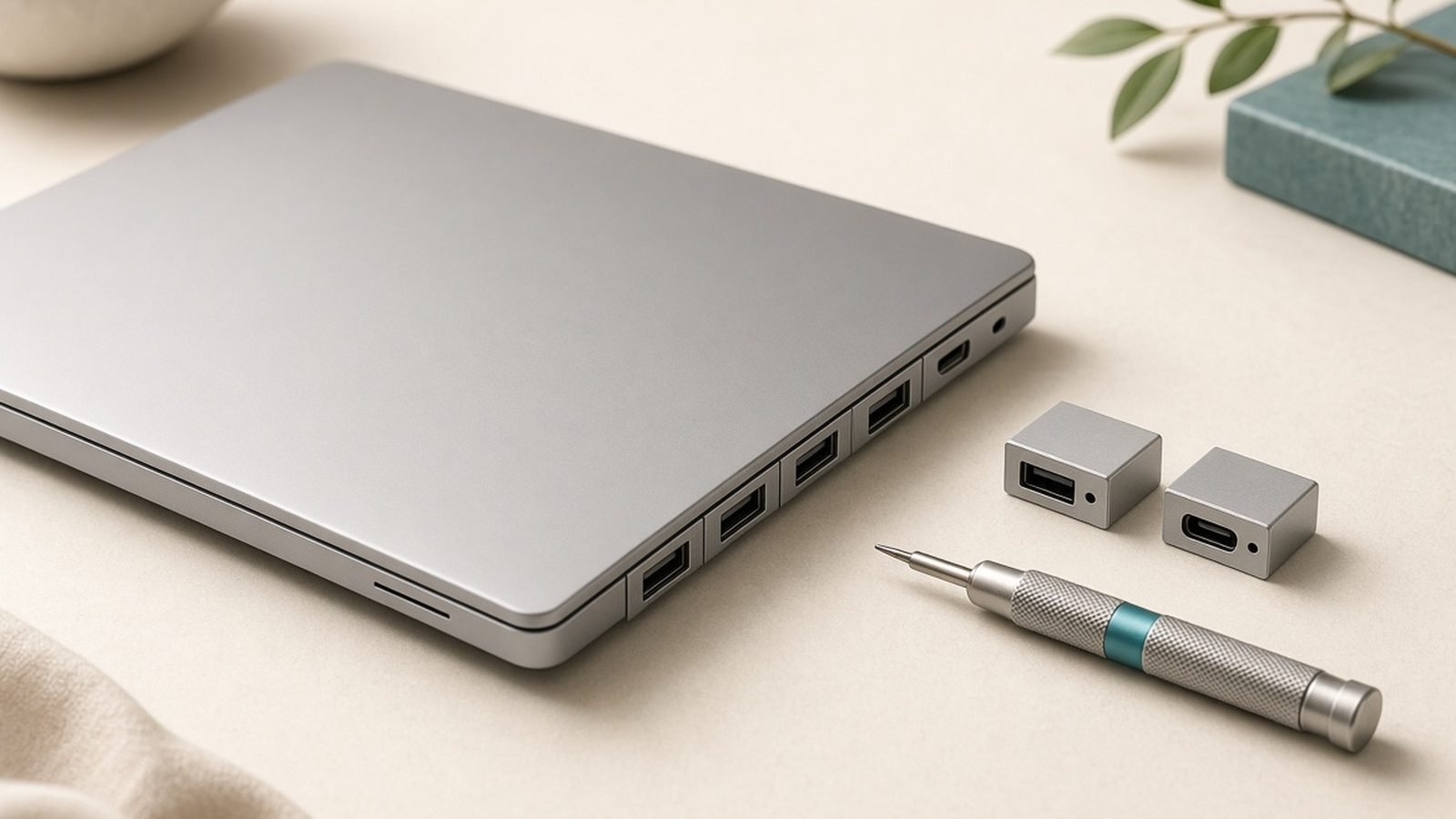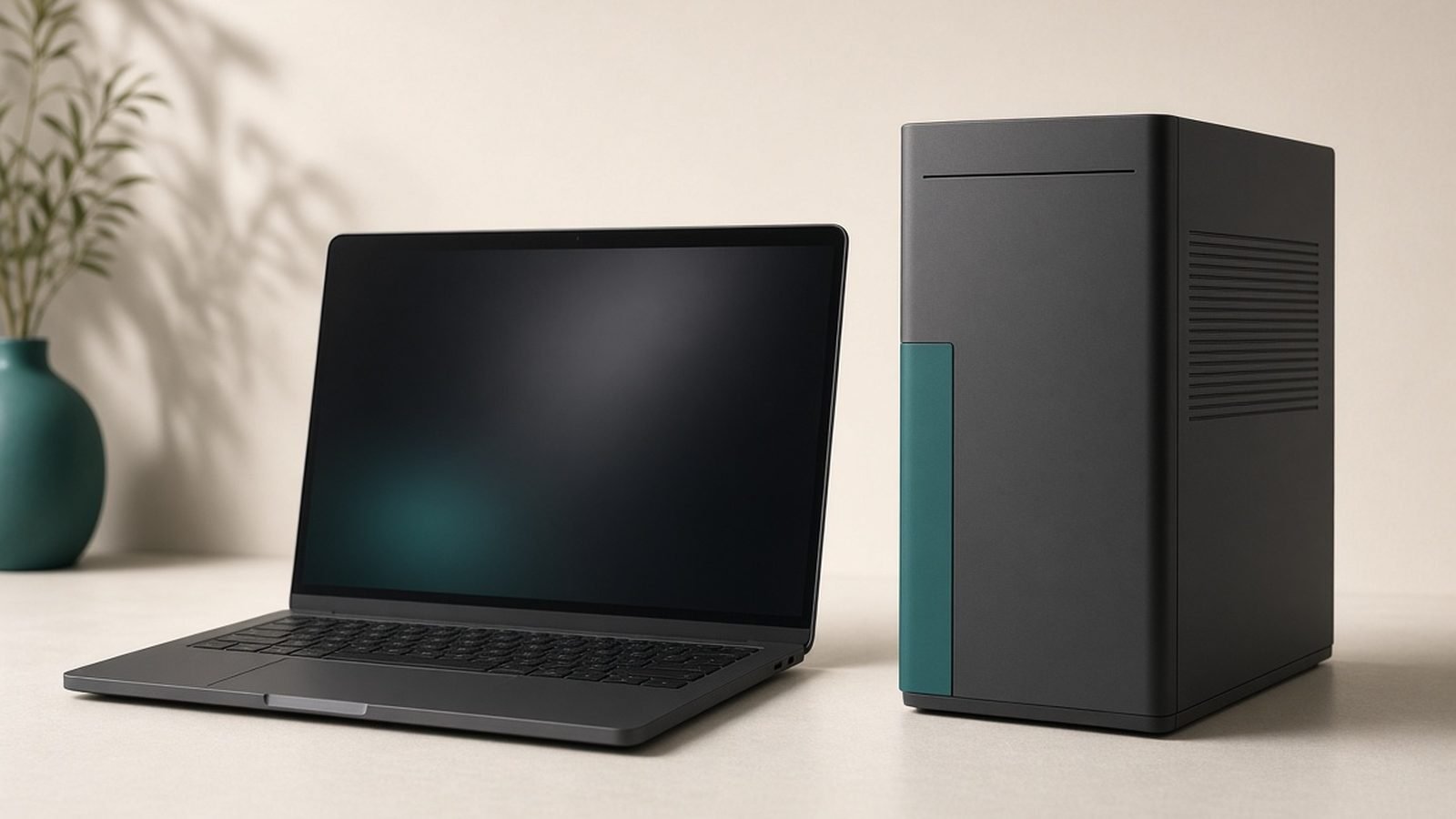
Yes, System76 is a good brand — a US company that makes Linux computers and the Pop!_OS operating system, aimed squarely at developers, engineers, researchers and Linux enthusiasts. The one-line verdict: System76 is the best mainstream choice if you want a machine that’s Linux-first out of the box, with excellent support and (in the Thelio desktops) genuinely US-designed and assembled hardware — but many of its laptops are rebadged ODM chassis, battery life and polish trail the best Windows/Mac ultrabooks, and you pay a premium for the Linux specialization.
System76’s appeal is narrow and deep. If you run Linux and want everything — firmware, drivers, OS, support — to just work without fiddling, nothing mainstream serves you better. If you want the thinnest chassis, the longest battery life, or the lowest price for a given spec, general-purpose brands will beat it on those specific metrics.
Company overview
System76 is an American company founded in 2005 and based in Denver, Colorado. It is privately held and independent, and its entire mission is to make Linux computing approachable and powerful: it sells laptops, desktops and servers pre-loaded with Linux, and it develops Pop!_OS, its own Ubuntu-based distribution with a polished desktop experience and, increasingly, its in-house COSMIC desktop environment.
Its reputation in the Linux community is very strong. System76 is trusted for hardware that works flawlessly with Linux out of the box, for responsive US-based support, and for genuine open-source contributions. A key distinction: its Thelio desktops are designed and assembled in the US with custom, open-hardware chassis and its own open-source firmware, whereas many of its laptops are based on ODM (original design manufacturer) chassis — often Clevo — that System76 configures, tunes and supports. This is central to understanding the brand: the desktops are more “made by System76,” the laptops more “curated and supported by System76.”
What System76 makes
System76’s range is focused on Linux-first computing:
- Linux laptops — models like the Lemur Pro (ultraportable), Darter, Pangolin (AMD), Gazelle and the high-performance Serval and Bonobo, spanning thin-and-light to desktop-replacement power.
- Thelio desktops — its flagship in-house desktops, from the compact Thelio to workstation-class Thelio Mega and Major, designed and assembled in Denver.
- Servers — rack-mounted machines for Linux workloads.
- Pop!_OS — its free, Ubuntu-based Linux distribution, plus the new COSMIC desktop environment written in Rust.
- Keyboards and accessories — including the open-source Launch keyboard.
Standout System76 products in 2026
Thelio desktop: The brand’s showcase — a compact, beautifully built desktop designed and assembled in the US, using standard components you can upgrade, wrapped in a custom open-hardware chassis with open-source firmware. It’s the clearest expression of what System76 does that others don’t.
Lemur Pro: A light, long-running Linux ultraportable that’s a favorite for developers who travel. It’s the natural System76 pick for anyone weighing Linux ultrabooks against the mainstream machines in Best Laptops 2026: Top Picks for Every Need.
Pangolin: An all-AMD laptop (Ryzen CPU and Radeon graphics) tuned for Linux, appealing to those who prefer AMD’s open-driver story.
Serval WS / Bonobo WS: High-performance mobile workstations with powerful CPUs and discrete NVIDIA GPUs — desktop-replacement machines for compute-heavy Linux workflows, and an option to consider against the finished rigs in Best Gaming Laptops 2026: RTX 50-Series Picks Ranked if you specifically want Linux.
Pop!_OS and COSMIC: The software is a genuine product in its own right — a polished, developer-friendly Linux experience, now paired with the in-house COSMIC desktop, available free even if you don’t buy the hardware.
Our single top pick for most buyers is the Thelio desktop for a truly System76-built machine, or the Lemur Pro for a portable Linux workhorse.
Strengths
Linux that just works. This is the whole point and System76 nails it — firmware, drivers, OS and support are all tuned so Linux runs flawlessly out of the box, with no hunting for drivers or fixing sleep bugs.
Pop!_OS and open-source contributions. A polished, well-supported distribution plus real open-source work (open firmware on Thelio, the COSMIC desktop, the Launch keyboard) that benefits the wider community.
Excellent US-based support. Responsive, knowledgeable, Linux-literate customer service is a recurring point of praise — a rarity in the PC world.
Thelio’s in-house hardware. The desktops are genuinely designed and assembled in the US with upgradeable standard parts and open firmware — a real point of difference.
No Windows tax or bloat. Machines ship clean, with Linux and no unwanted software.
Weaknesses & criticisms
Laptops are often rebadged ODM chassis. Many System76 laptops are based on Clevo/other ODM designs that other vendors also sell. You’re paying for Linux tuning and support, not a bespoke chassis — and the physical design can feel less refined than a MacBook or premium ultrabook.
Battery life and polish. Some laptops trail the best Windows/Mac ultrabooks on battery efficiency, weight and fit-and-finish, a direct consequence of the ODM-chassis approach.
Price premium. For a given spec you can often find cheaper hardware elsewhere; the premium buys Linux specialization and support, which won’t matter to everyone.
Niche by design. This is a Linux company. If you want Windows or macOS, System76 isn’t for you, and the ecosystem (retail presence, accessory range) is small.
Limited scale. As a small company, availability, shipping times and the breadth of the lineup can’t match global giants.
Reliability & support
System76’s reliability is generally good, and its support is one of the best reasons to buy. US-based, Linux-knowledgeable customer service earns consistent praise, and because the company controls the OS and firmware, problems that would be a driver nightmare elsewhere are often solved cleanly. Warranty is typically one year with options to extend, and the Thelio desktops’ use of standard, upgradeable components makes long-term maintenance straightforward.
The honest caveats live on the laptop side. Because many laptops use ODM chassis, physical build quality, hinges, keyboards and battery life vary by model and don’t always match bespoke premium designs — and any hardware fault in a shared chassis is a chassis issue, not something System76 engineered around. The software track record, by contrast, is strong: Pop!_OS receives regular updates and the company has committed to long-term development including COSMIC. Our guidance: for Linux desktops, System76 is an easy recommendation; for laptops, choose the specific model on its merits and value the Linux support as the real differentiator, not the chassis.
Who should buy System76
Buy System76 if you run Linux — or want to — and value a machine where the OS, drivers, firmware and support are all handled for you, plus excellent US-based help. It’s ideal for developers, engineers, researchers, students in technical fields and open-source enthusiasts. The Thelio is a standout for anyone wanting a genuinely System76-built desktop, and the Lemur Pro is a strong Linux alternative to the mainstream machines in Best Laptops 2026: Top Picks for Every Need.
Look elsewhere if you want Windows or macOS, the thinnest and longest-lasting ultrabook, the lowest price for a given spec, or a large retail and service footprint. General-purpose brands will serve those priorities better; System76’s value is its Linux specialization.
FAQ
Is System76 a good brand?
Yes, especially if you use Linux. System76 makes Linux-first laptops, desktops and servers, develops the well-regarded Pop!_OS, and offers excellent US-based support. The trade-offs are that many laptops use shared ODM chassis (so battery life and polish vary), and you pay a premium for the Linux specialization.
Is System76 reliable?
Generally yes. The Thelio desktops are well-built with standard, upgradeable parts, and support is a genuine strength. Laptop build quality varies because many use ODM chassis, so choose the specific model on its merits — but the Linux experience and firmware/driver reliability are consistently strong.
Where is System76 from / who owns it?
System76 is an American company founded in 2005 and based in Denver, Colorado. It is privately held and independent. Its Thelio desktops are designed and assembled in the US, while many of its laptops are based on ODM chassis that System76 configures, tunes for Linux and supports.
Is Pop!_OS good?
Yes. Pop!_OS is a polished, developer-friendly Linux distribution based on Ubuntu, with strong window-management features and good hardware support. It’s free to download even without System76 hardware, and the company is building its own COSMIC desktop environment to power future versions.
Are System76 laptops just rebadged Clevo machines?
Many are based on ODM chassis (often Clevo) that other vendors also sell. The value System76 adds is Linux tuning, its own firmware where possible, Pop!_OS, and knowledgeable Linux support — not a bespoke chassis. The Thelio desktops, by contrast, are genuinely designed and assembled in-house.
System76 vs Dell XPS for Linux — which is better?
For a guaranteed, out-of-the-box Linux experience with Linux-literate support, System76 is the safer choice. A Dell XPS can be excellent hardware but Linux support is more variable and less of a focus. If Linux is your priority, System76’s specialization wins; if you want the most refined chassis, XPS may appeal.
Zen Tech Hub may earn a commission from links on this page, at no extra cost to you.