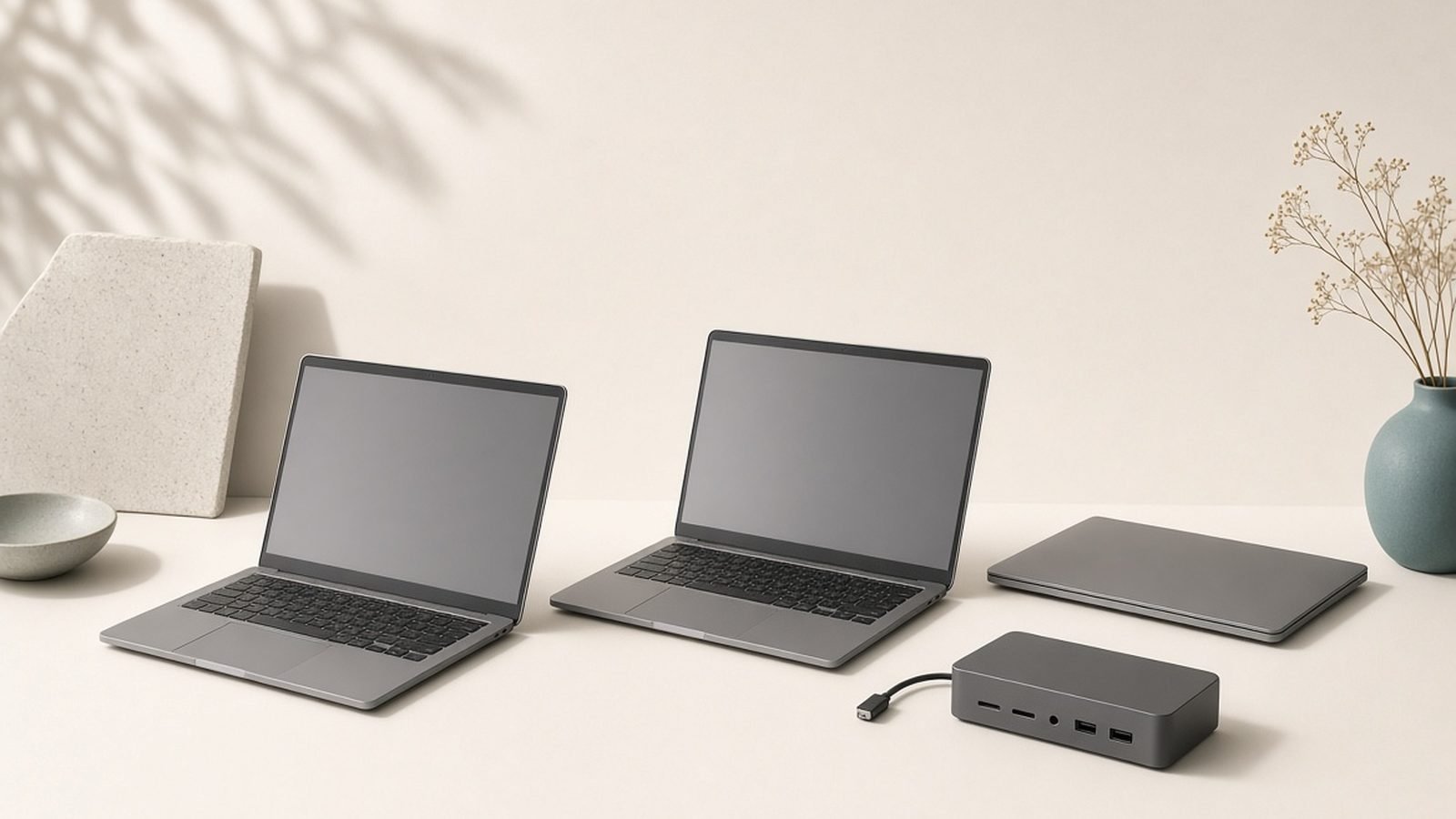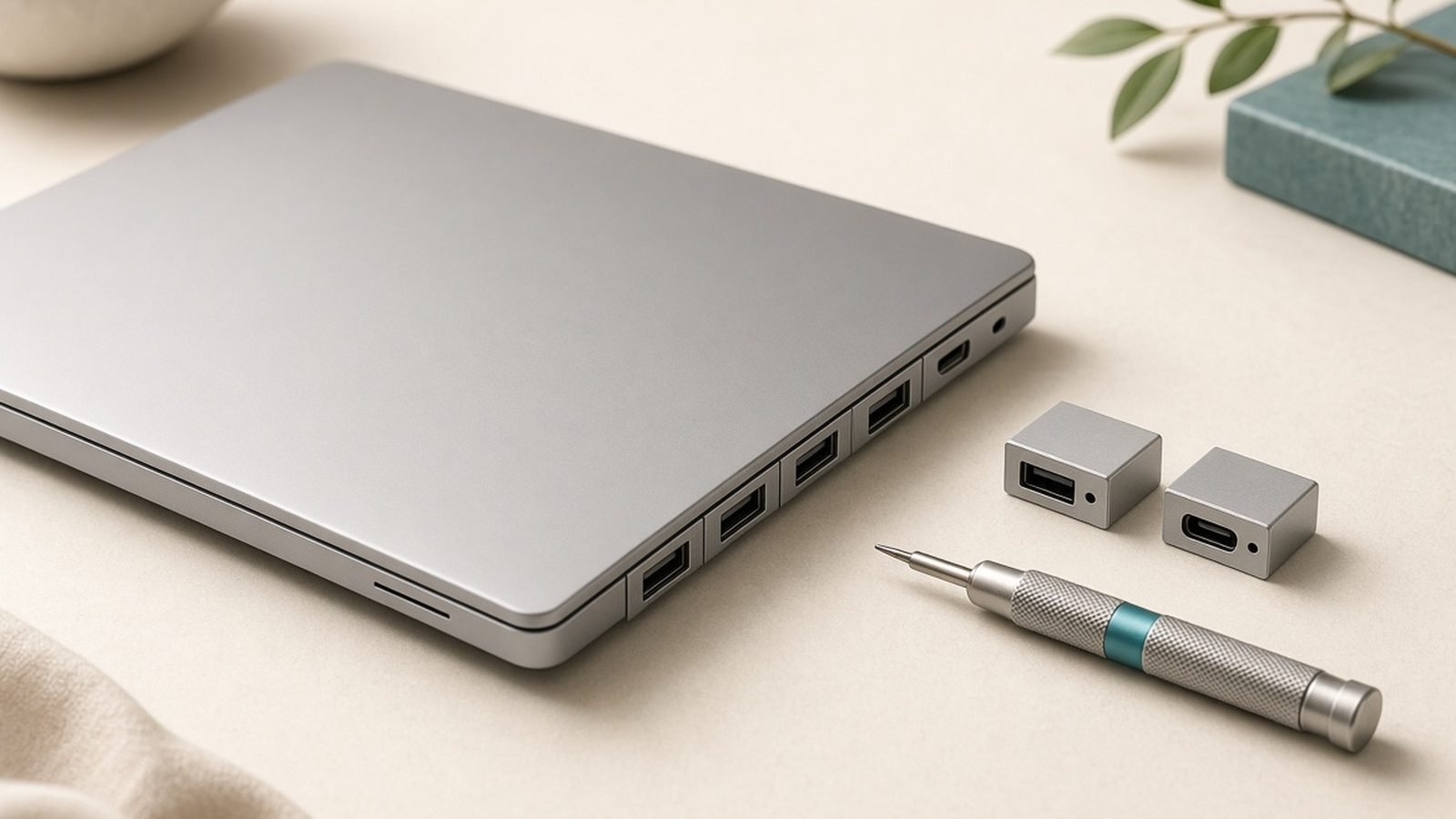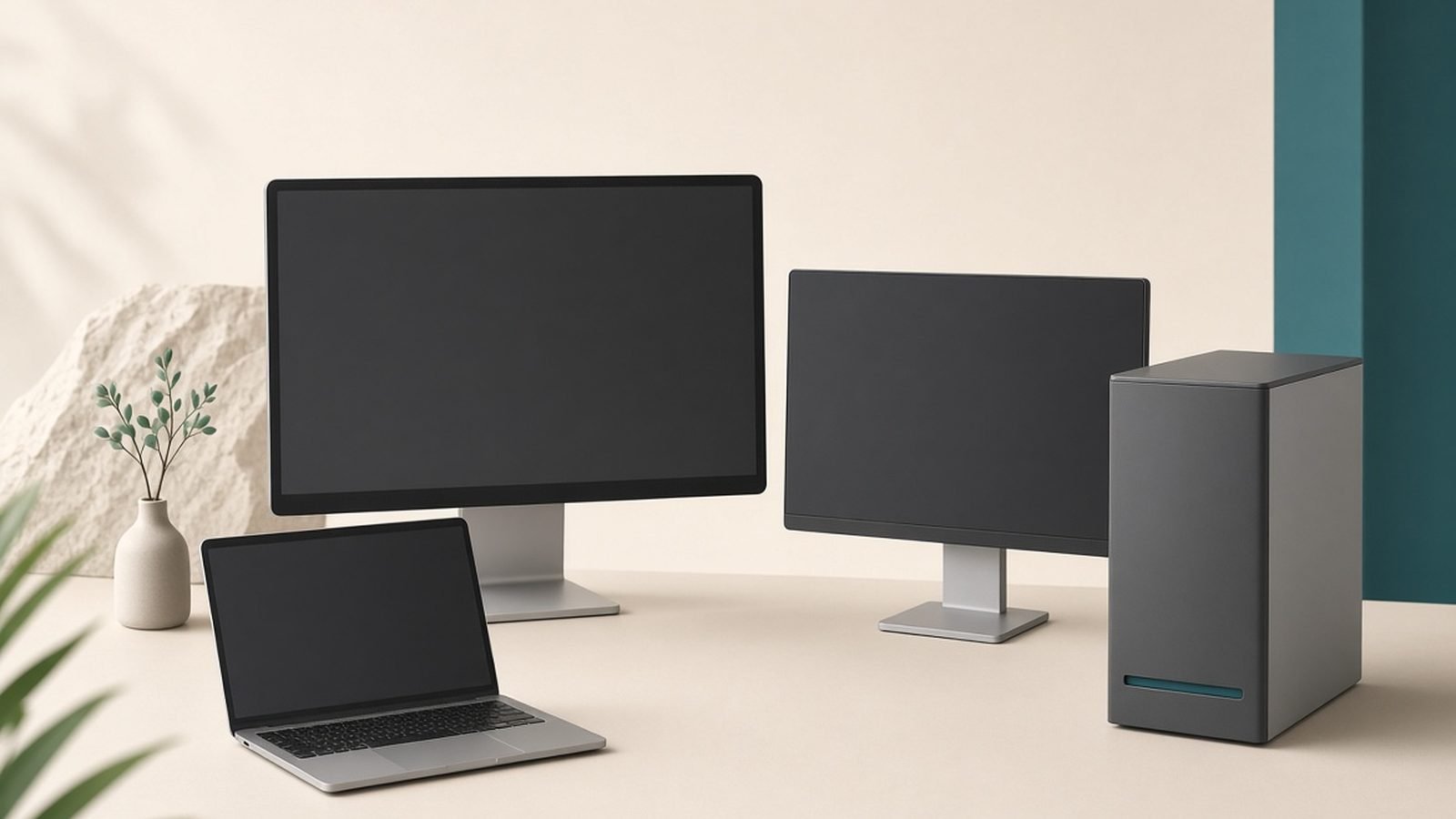
Yes, Dell is a good brand — a US-based industry heavyweight whose XPS ultrabooks, Alienware gaming machines and Latitude business laptops are staples of both home offices and corporate fleets. The one-line verdict: Dell makes some of the best-built and best-supported Windows laptops you can buy, with genuinely strong service options, but it charges premium prices and its recent design and branding shake-ups have annoyed long-time fans.
Dell’s great strength is being a known quantity: predictable quality, wide availability, and a support network that few rivals match, especially for businesses. Its weaknesses are price, occasional thermal and repairability compromises on the thinnest models, and a 2024–2025 rebranding that scrapped familiar names and, on some models, the XPS design many people loved.
Company overview
Dell Technologies is headquartered in Round Rock, Texas. It was founded in 1984 by Michael Dell in a University of Texas dorm room as PC’s Limited, built on a then-revolutionary direct-to-consumer, build-to-order sales model that cut out retail middlemen. That model made Dell one of the largest PC makers in the world.
Dell went private in a landmark 2013 buyout led by Michael Dell and Silver Lake, then dramatically expanded by acquiring data-storage giant EMC in 2016 — one of the largest tech acquisitions ever — creating Dell Technologies. The company returned to public markets in 2018. Michael Dell remains chairman and CEO, giving the firm unusual founder-led continuity.
Today Dell is a full-stack technology company: consumer and business PCs, servers (PowerEdge), storage, networking and enterprise services. That enterprise DNA is why Dell’s business laptops and support infrastructure are so mature — the company lives and breathes large-scale IT.
What Dell makes
Dell’s laptop and PC portfolio, following its 2024–2025 rebrand, is organized around three tiers — Dell (consumer), Dell Pro (business) and Dell Pro Max (workstations) — but the historically famous lines still define its identity:
- XPS — Dell’s flagship premium ultrabooks. Machined aluminum, near-borderless InfinityEdge displays, excellent screens. The benchmark Windows alternative to the MacBook.
- Alienware — Dell’s premium gaming sub-brand. Distinctive sci-fi design, high-end cooling, powerful configurations, desktops and laptops.
- Latitude / Dell Pro — business laptops focused on manageability, security, durability and long support life.
- Inspiron / Dell (consumer) — mainstream and budget laptops for everyday use.
- Precision / Dell Pro Max — mobile and desktop workstations for engineering, 3D and creative professionals, with ISV-certified components.
Beyond laptops, Dell makes OptiPlex desktops, UltraSharp and Alienware monitors (widely praised), PowerEdge servers, storage arrays, docking stations and a broad peripherals range.
Standout products in 2026
Dell XPS 16 (and XPS 14/13): The XPS line remains Dell’s showcase — CNC aluminum chassis, stunning OLED options, and strong performance with the latest Intel Core Ultra and Copilot+ silicon. It’s a fixture in Best Laptops 2026: Top Picks for Every Need, and we go deep in our Dell XPS 16 Review 2026: Premium Windows Laptop Verdict. Note the divisive design choices (capacitive function row, seamless “zero-lattice” keyboard) carried over from the 2024 redesign — you’ll love them or you won’t.
Alienware m16 / m18 (2026): Flagship gaming laptops pairing RTX 50-series graphics with Cryo-Tech cooling and premium panels. They earn their place in Best Gaming Laptops 2026: RTX 50-Series Picks Ranked when you want power and build quality over rock-bottom price.
Dell Pro (formerly Latitude) 14/16: Lightweight, secure, superbly supported business machines that anchor our Best Business Laptops 2026: Reliable & Secure recommendations.
Dell 14/16 Plus (consumer): The mainstream all-rounders that replaced much of the Inspiron line, offering solid value and frequently appearing in Best Budget Laptops 2026: Great Value Under $700 shortlists.
Our single top pick for most buyers wanting a premium Windows laptop is the XPS.
Strengths
Build quality. XPS and Alienware chassis are genuinely premium — machined aluminum, tight tolerances, and among the best-feeling Windows laptops available.
Displays. Dell’s screen game is excellent, from InfinityEdge OLED laptop panels to its class-leading UltraSharp external monitors. If color and clarity matter, Dell is a strong bet.
Business support. This is Dell’s superpower. ProSupport, next-business-day on-site service, and mature fleet-management tools make Dell a default enterprise choice — and that support quality trickles down to consumers who pay for it.
Availability and configurability. Dell’s direct-order model means wide configuration choice and easy purchasing worldwide, with frequent sales.
Ecosystem. Docks, monitors and accessories that are designed to work together well, which matters for hybrid-work setups.
Weaknesses & criticisms
Price. Dell rarely competes on being cheapest. XPS and Alienware carry real premiums, and comparable specs from Lenovo or Acer often cost less.
Controversial design changes. The 2024 XPS redesign — capacitive touch function row, hidden trackpad, seamless keyboard — split opinion and drew criticism for prioritizing looks over usability. The 2024–2025 rebrand that killed the beloved “XPS,” “Latitude” and “Inspiron” names also frustrated loyal buyers.
Thermals and repairability on thin models. The thinnest XPS configurations can run warm and throttle under sustained load, and soldered RAM plus tight internals limit upgrades — a common ultrabook trade-off, but worth knowing.
Bloatware, in moderation. Consumer models ship with Dell utilities and some preinstalled extras; less egregious than some rivals, but not spotless.
Reliability & support
Based on aggregated user feedback, third-party reliability surveys and enterprise deployment history, Dell ranks as one of the more reliable mainstream laptop brands, particularly its Latitude/Dell Pro business line, which is engineered for years of fleet service. XPS reliability is generally strong, with the main long-term caveats being thermals on the thinnest units and the durability of some newer touch-based controls over time.
Dell’s support is a standout. Standard consumer warranty is typically one year, but Dell’s paid ProSupport and Premium Support tiers — including next-business-day on-site repair and accidental damage cover — are among the best in the industry and a genuine reason to buy Dell for mission-critical or business use. Driver and firmware support via Dell Command/Update and SupportAssist is mature and reliable.
Who should buy
Buy Dell if you want a premium, well-built Windows laptop with excellent displays and, above all, top-tier support — the XPS for consumers and creatives, Dell Pro/Latitude for business. It’s an especially smart choice for companies and professionals who value next-business-day service and can’t afford downtime. For high-end gaming with premium cooling and build, Alienware is a strong pick in Best Gaming Laptops 2026: RTX 50-Series Picks Ranked.
Think twice if you’re on a tight budget (rivals undercut Dell on price), if you specifically dislike the current XPS keyboard and function-row design, or if you need easily upgradeable RAM and storage in a thin model.
FAQ
Is Dell a good brand?
Yes. Dell is a major US PC maker known for well-built XPS ultrabooks, powerful Alienware gaming machines, and reliable Latitude/Dell Pro business laptops backed by excellent support. The trade-offs are premium pricing and some divisive recent design and branding changes.
Is Dell reliable?
Generally yes. Dell’s business laptops in particular are engineered for years of fleet use and rank well in reliability feedback, while XPS models are solidly built. The main long-term watch-points are thermals on the thinnest ultrabooks and durability of newer touch controls.
Where is Dell from?
Dell is an American company headquartered in Round Rock, Texas. It was founded in 1984 by Michael Dell, who still serves as chairman and CEO.
Is Dell better than Lenovo?
It depends on the use. Lenovo’s ThinkPads generally win on keyboards and value; Dell often wins on displays and support depth. Both are top-tier. For business, both are safe; compare specific models in our Best Business Laptops 2026: Reliable & Secure guide.
Is Alienware worth it?
If you want premium gaming build quality, strong cooling and a distinctive design, yes — but you pay for it. Budget-focused gamers can get similar frame rates cheaper from Lenovo Legion or Acer Predator; see Best Gaming Laptops 2026: RTX 50-Series Picks Ranked.
Does Dell still make the XPS?
Dell rebranded its laptop lines in 2024–2025, folding the XPS name into a new “Dell / Dell Pro / Dell Pro Max” structure. The premium ultrabook that was the XPS lives on under the new naming, with the same design lineage, even as the classic name is phased out.
Zen Tech Hub may earn a commission from links on this page, at no extra cost to you.