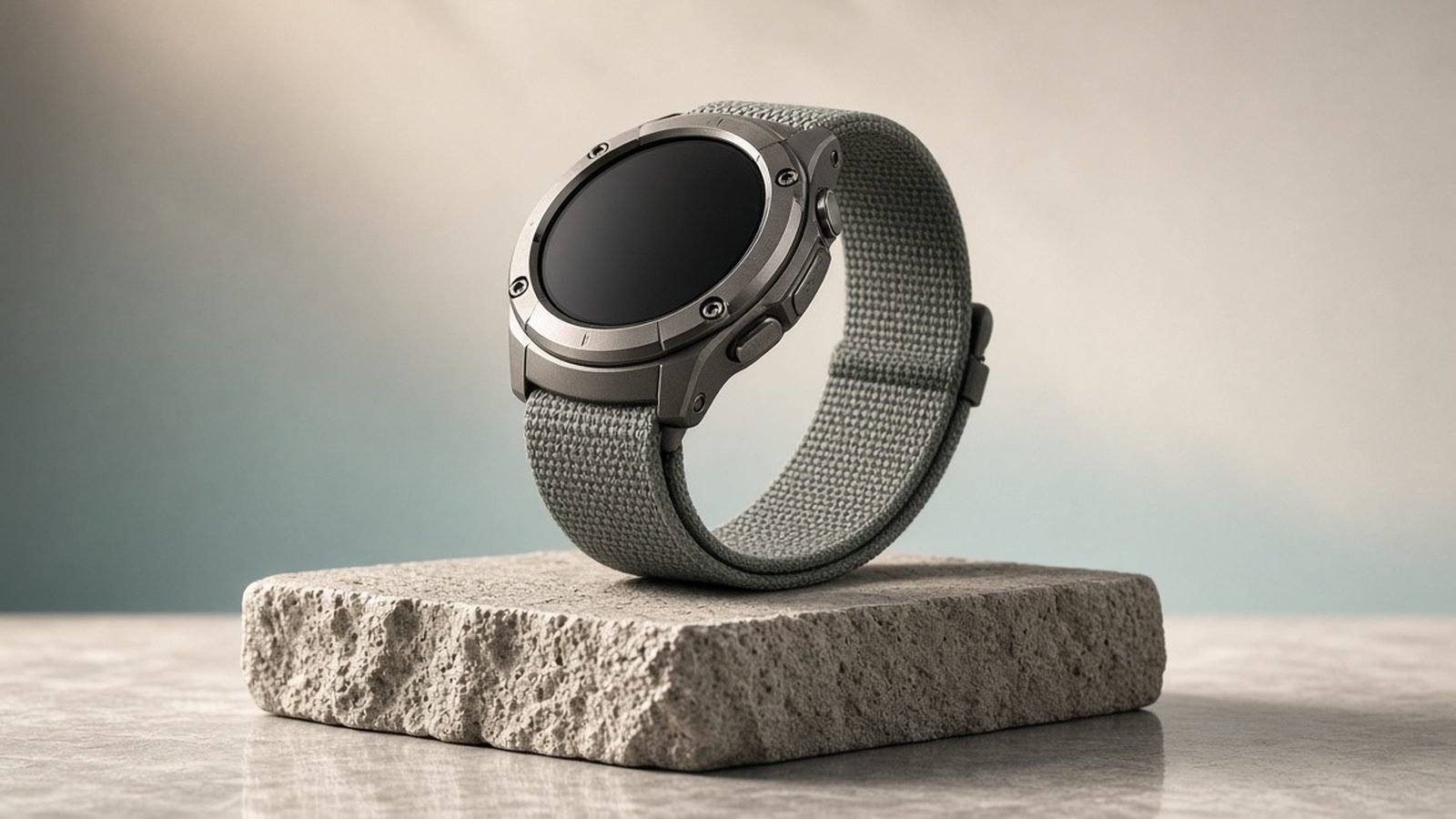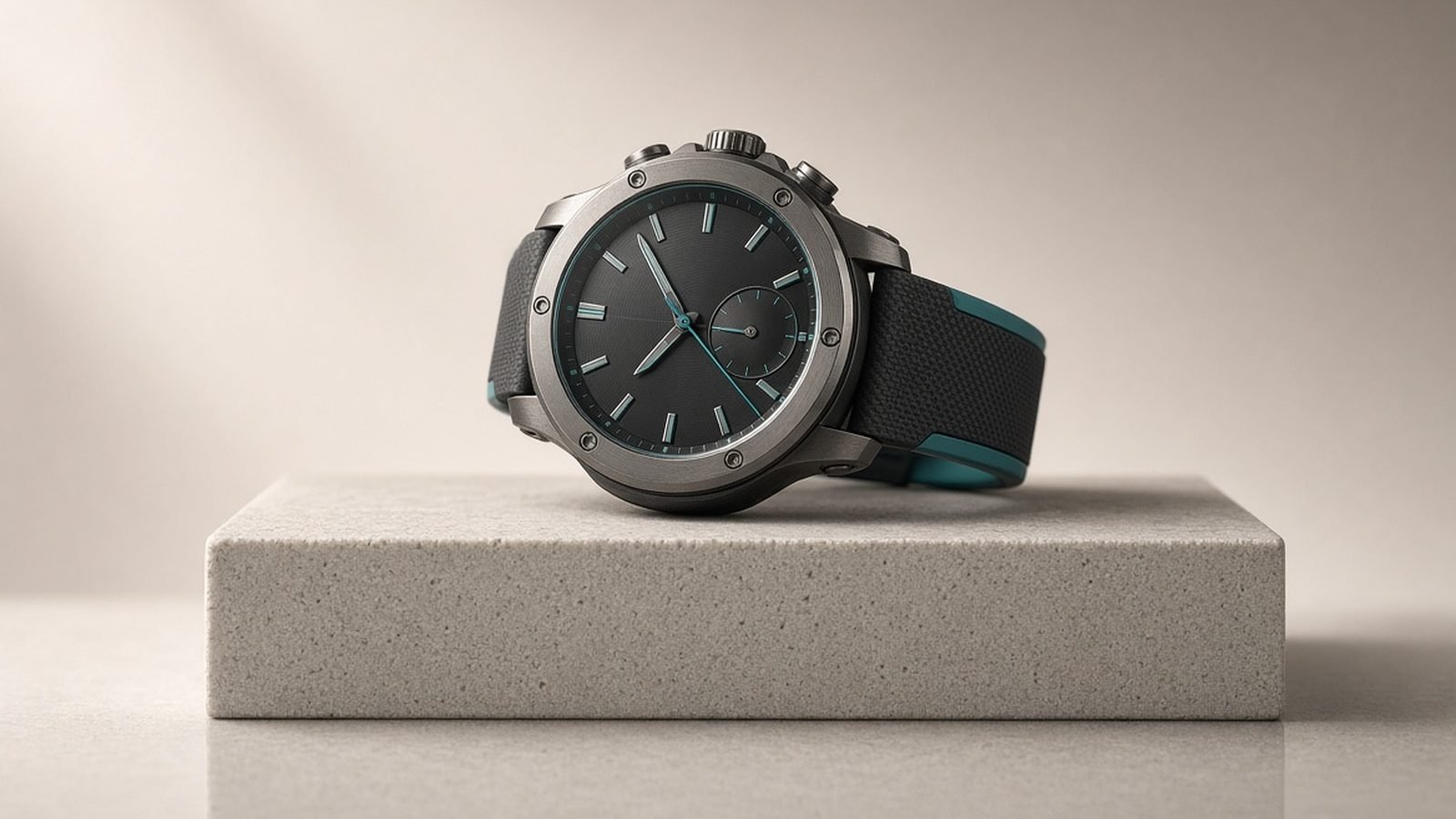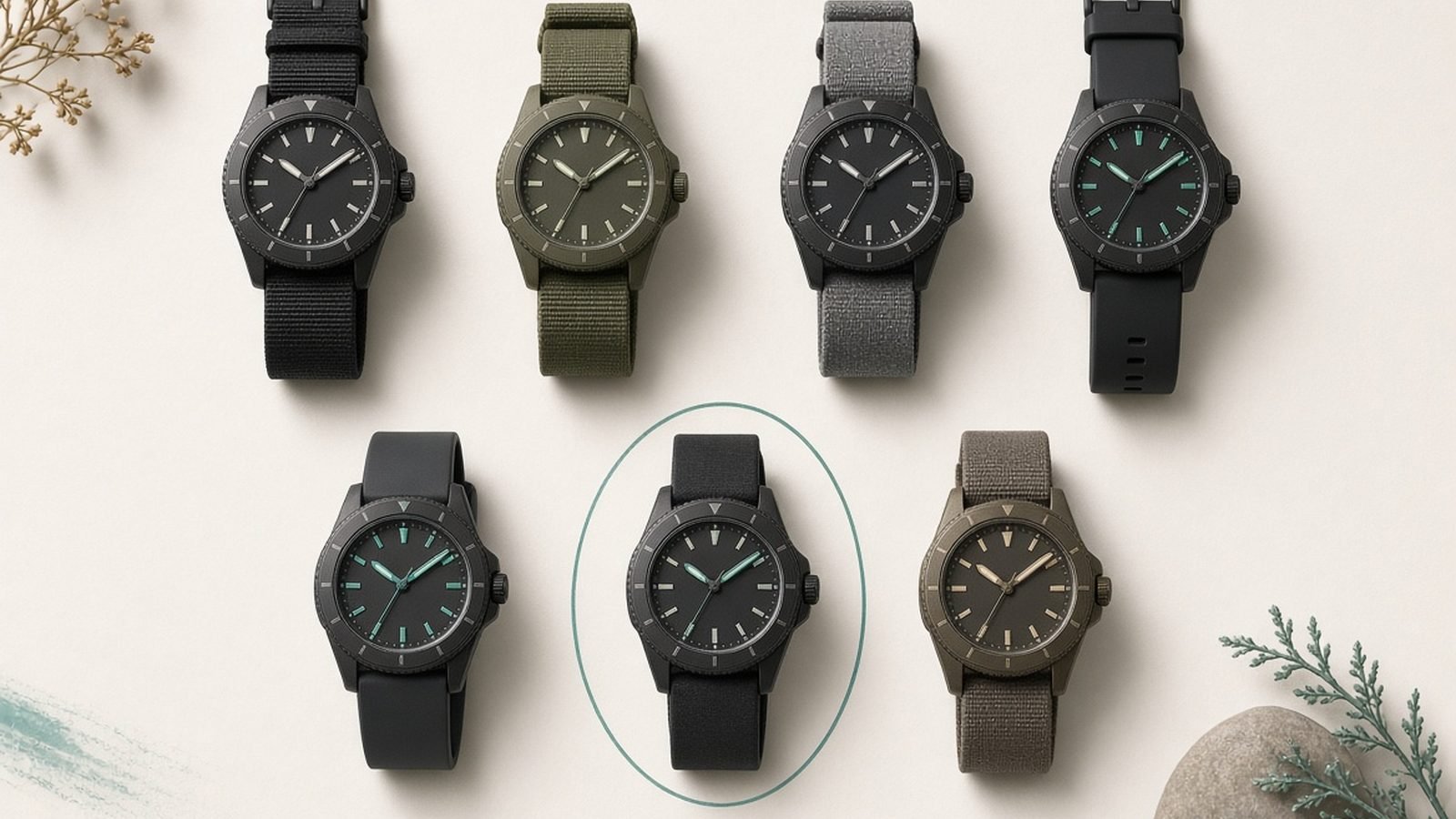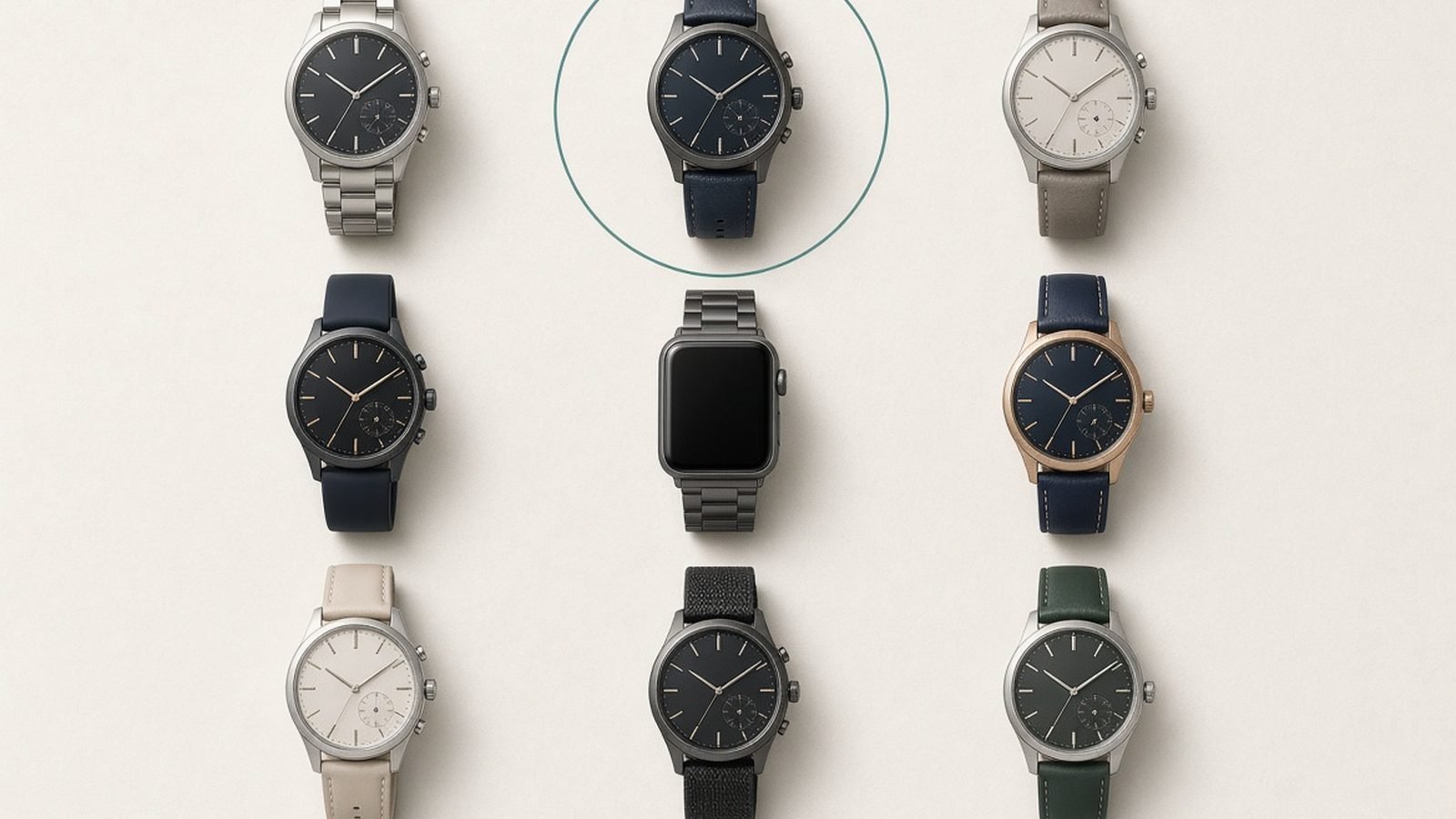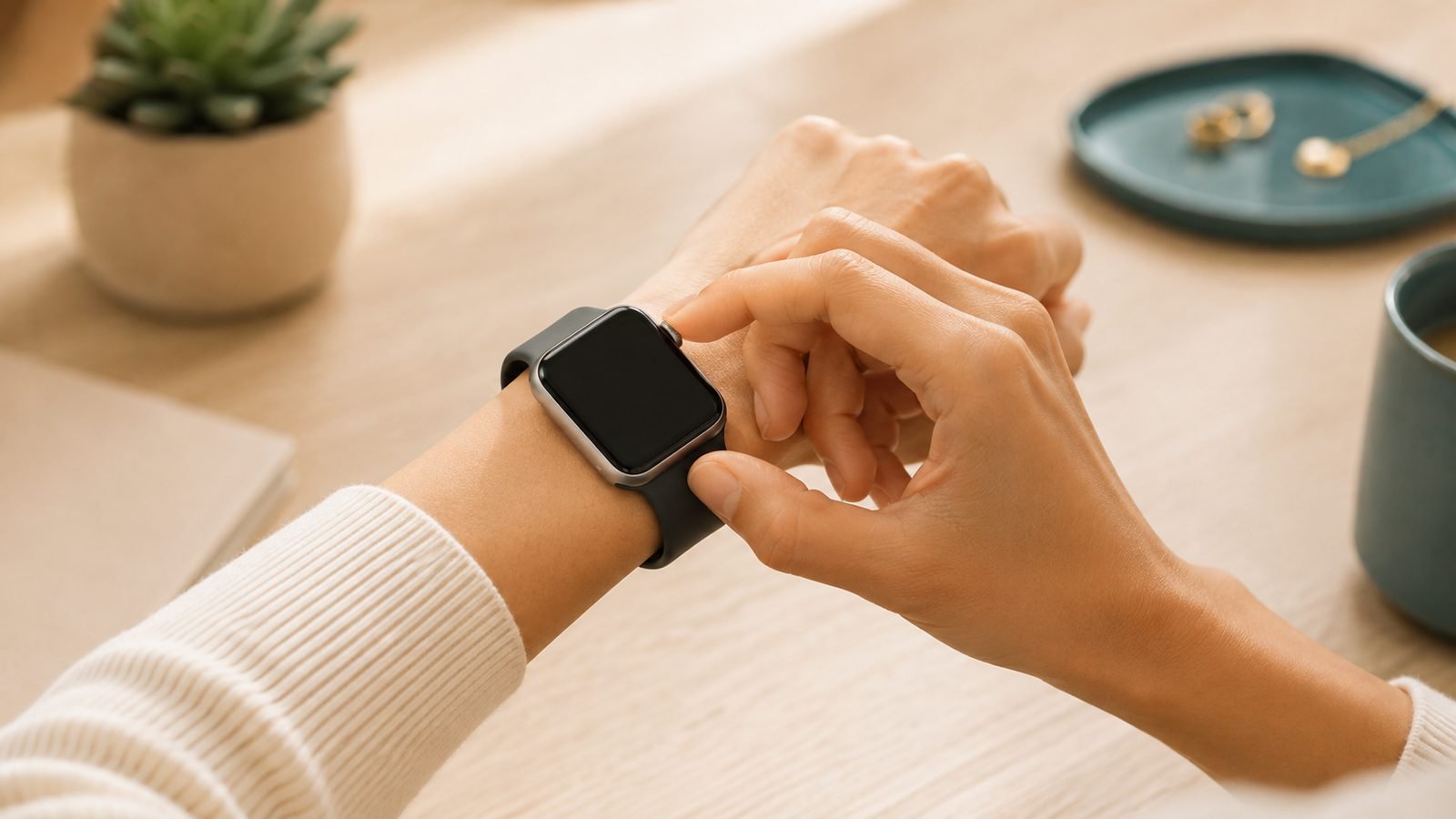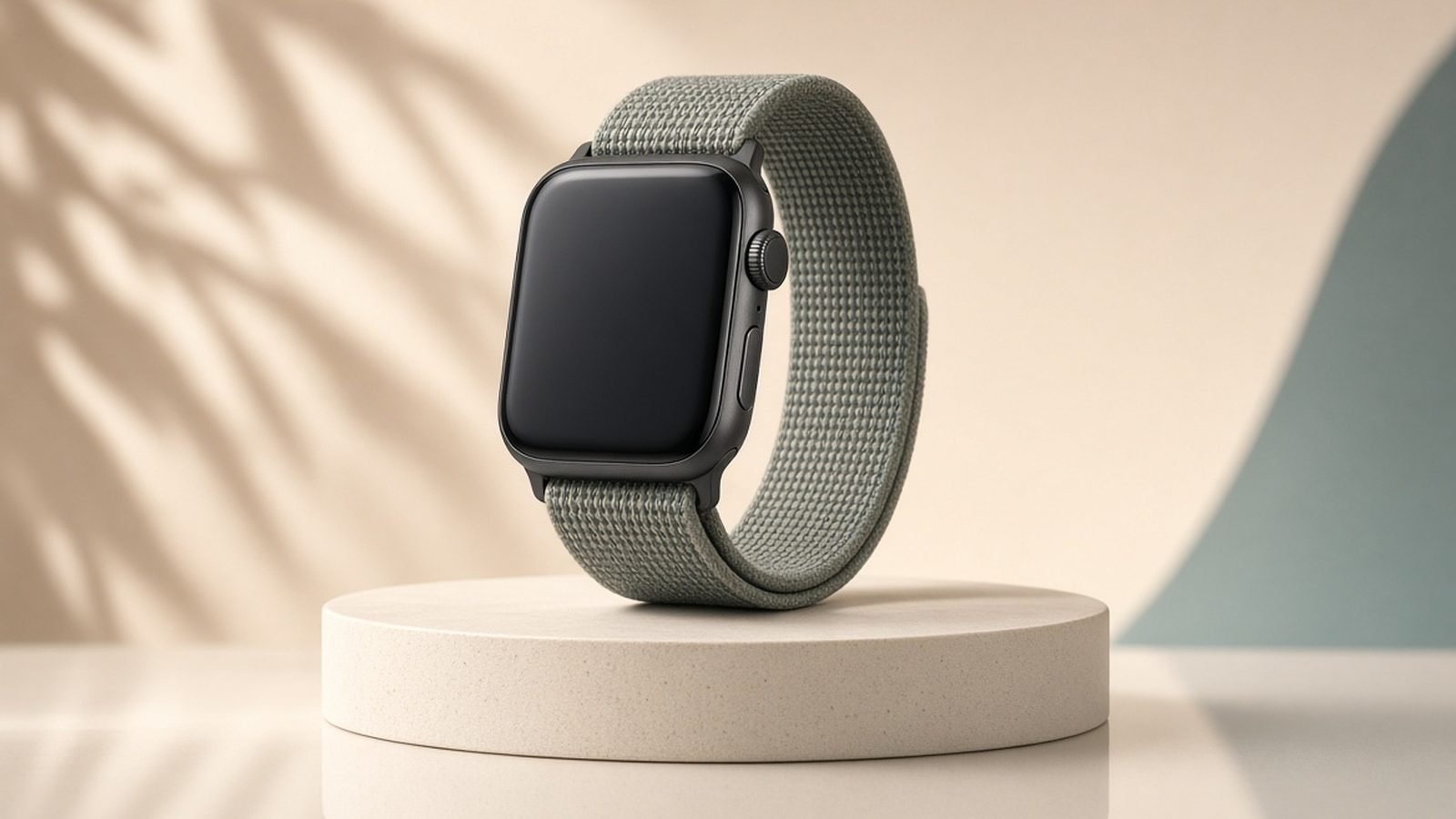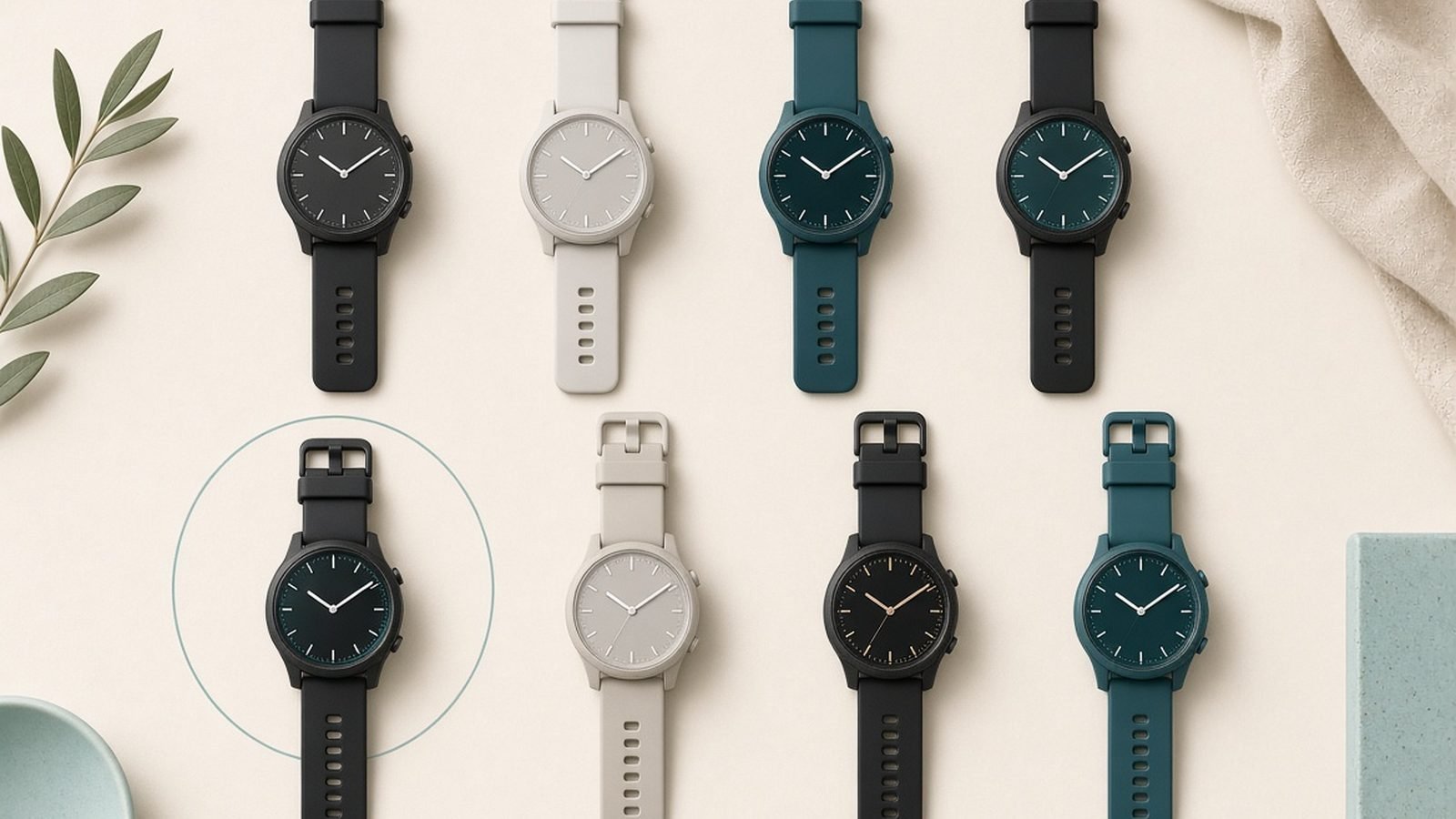
Ask what the Garmin Forerunner 165 is missing at roughly $249 / £249 and the honest answer is: very little that most runners would use — it already carries the adaptive training plans, the bright AMOLED screen, the dependable GPS and the roughly 11-day battery. That is what makes it the best running watch 2026 has for most people, and it makes the shopping logic simple: start from the 165 and ask whether a specific need pulls you elsewhere. Serious racing pulls you up to the Garmin Forerunner 970, a tighter budget pulls you to the Coros Pace 3, and an iPhone owner who wants one watch for everything is well served by the Apple Watch Series 11. Below, six watches, each mapped to the runner it actually suits.
Below we break down six running watches worth buying in 2026, each mapped to a specific runner, with honest trade-offs. Our analysis is based on published specs, documentation and aggregated owner feedback, not a fabricated lab test.
Best running watch 2026 at a glance
| Pick | Watch | Best for | Price US / UK |
|---|---|---|---|
| Best overall | Garmin Forerunner 165 | Most runners | ~$249 / ~£249 |
| Best for racing | Garmin Forerunner 970 | Serious/competitive runners | ~$749 / ~£629 |
| Best value | Coros Pace 3 | Budget-conscious runners | ~$229 / ~£219 |
| Best all-rounder | Apple Watch Series 11 | iPhone owners | ~$399 / ~£399 |
| Best battery/adventure | Suunto Race S | Long runs, trails | ~$349 / ~£299 |
| Best for beginners | Garmin Forerunner 55 (successor) | First-time runners | ~$199 / ~£179 |
Prices move with sales, so treat these as guides. Full breakdowns follow.
How we picked
We prioritized the things that actually matter for running: GPS accuracy (multi-band where possible), battery life in GPS mode, the quality of training and recovery guidance, screen readability, comfort and price. We leaned on Garmin, Coros, Apple and Suunto’s published specifications alongside aggregated owner feedback about real-world reliability. We did not run our own instrumented lab tests, and we flag where a spec advantage may or may not translate into a difference you’ll feel on the road.
Best overall: Garmin Forerunner 165
Bright AMOLED, adaptive training plans, ~11-day battery, around $249 / £249.
For most runners, the Forerunner 165 is the sweet spot of the entire market. It delivers a crisp AMOLED display, Garmin’s genuinely useful daily suggested workouts and adaptive training plans, sleep and Body Battery recovery tracking, and around 11 days of battery — all without straying into flagship pricing. It’s approachable enough for a first-timer following a Garmin Coach 5K plan, yet capable enough to guide a half-marathon build.
The trade-offs are deliberate. The base model uses single-band GPS rather than multi-band, and there are no onboard maps. For road runners and gym-goers, neither limitation bites; if you regularly explore new trails you’ll want to look higher up the range.
Pros: Excellent value, bright AMOLED, real training guidance, strong battery, beginner-friendly.
Cons: Single-band GPS on base model, no maps, no altimeter on cheapest trim.
Who it’s for: The everyday runner and first Garmin buyer who wants proper coaching without flagship money.
Best for racing: Garmin Forerunner 970
Multi-band GPS, onboard maps, ECG, ~15-day battery, around $749 / £629.
If you race and want no compromises, the Forerunner 970 is Garmin’s flagship running watch. You get multi-band GPS that holds a lock in cities and under tree cover, full onboard maps, an LED flashlight for pre-dawn starts, running economy metrics, a projected race-time engine and around 15 days of battery. It layers Garmin’s deepest training and recovery science on top, so serious runners rarely feel they’ve hit a ceiling.
The catch is price. At around $749 / £629 it costs three times the Forerunner 165, and once you’re spending this much the Best Garmin Watch 2026: Which Model Is Right for You? Fenix 8’s tougher build and longer battery start to tempt. For pure running, though, this is the top of the tree.
Pros: Complete training feature set, excellent multi-band GPS, bright AMOLED, maps, long battery.
Cons: Expensive, overkill for casual joggers, big jump over the 165.
Who it’s for: Dedicated runners, marathoners and triathletes who want the best pure running watch.
Best value: Coros Pace 3
Sub-30g, dual-frequency GPS, ~24-day battery, around $229 / £219.
The Coros Pace 3 is the value champion, and for many runners it punches well above its price. It’s remarkably light at under 30 grams, offers dual-frequency GPS, and posts battery life measured in weeks rather than days — around 24 days in smartwatch mode and roughly 15 hours in the most accurate GPS setting. Coros’s training platform has matured into a genuine Garmin alternative, with structured workouts, running-power support and a clean app.
The compromises are the screen and ecosystem. The Pace 3 uses a lower-resolution transflective display rather than a vivid AMOLED, and Coros’s third-party and smart-notification support is thinner than Garmin’s or Apple’s. But for pure running value, it’s hard to beat.
Pros: Outstanding value, very light, dual-frequency GPS, superb battery, running power built in.
Cons: Basic display, smaller ecosystem, fewer everyday smart features.
Who it’s for: Budget-conscious and data-driven runners who care about weight, accuracy and battery over screen polish.
Best all-rounder: Apple Watch Series 11
watchOS running features, ECG, ~24h battery, around $399 / £399.
If you want one watch that runs well and handles everything else, the Apple Watch Series 11 is the natural choice for iPhone owners. watchOS has grown into a capable running companion with structured workouts, pace and heart-rate zones, race-route guidance and recovery metrics, wrapped in the best notifications, apps and health suite on any watch. For runners who don’t want a dedicated sports watch on their wrist all day, it’s the most livable option.
The obvious limitation is battery. At around a day of use, the Series 11 can’t match Garmin or Coros for long events, and marathoners may need low-power mode or a mid-race top-up. It’s also iPhone-only. For serious ultra-distance running, look elsewhere; for everyday runners who value an all-rounder, it’s excellent — see our full Apple Watch Series 11 Review: 10 Months On, Still Worth It?.
Pros: Superb all-round smartwatch, capable running tools, best app and health ecosystem, ECG.
Cons: ~1-day battery limits long events, iPhone-only, pricier than value running watches.
Who it’s for: iPhone owners who run regularly but want one watch to do everything.
Best for long runs and trails: Suunto Race S
AMOLED, dual-band GPS, offline maps, long battery, around $349 / £299.
The Suunto Race S brings a premium AMOLED display, a digital crown, dual-band GPS and offline outdoor maps to a price that undercuts Garmin’s mapping watches. Suunto’s strengths are battery endurance and its outdoor heritage, making the Race S a strong choice for longer road runs and trail days where map support and stamina matter. The redesigned app and training tools have improved markedly in recent years.
The trade-offs are a smaller training ecosystem than Garmin’s and fewer everyday smart features. But for runners who want a bright screen, real maps and long battery without paying Fenix or Forerunner 970 money, it’s a compelling middle ground.
Pros: Bright AMOLED, dual-band GPS, offline maps, strong battery, good value for a mapping watch.
Cons: Smaller ecosystem than Garmin, fewer smart features, app still catching up.
Who it’s for: Distance and trail runners who want maps and endurance without flagship pricing.
Best for beginners: Garmin Forerunner (entry model)
Simple interface, reliable GPS, ~2-week battery, around $199 / £179.
Not everyone needs training-readiness scores and race predictors. Garmin’s entry Forerunner is the watch to recommend to someone taking up running: an approachable interface, reliable GPS, heart-rate tracking, Garmin Coach beginner plans and around two weeks of battery, all for the lowest price in the range. It strips away the complexity that overwhelms new runners while still delivering the core Garmin experience.
The limits are expected at this price: a simpler, non-AMOLED display and no maps or advanced metrics. But for a first watch that won’t intimidate, it’s ideal — and many owners never feel they’ve outgrown it.
Pros: Affordable, simple, reliable GPS, beginner training plans, long battery.
Cons: Basic display, no maps, limited advanced metrics.
Who it’s for: First-time runners who want reliable tracking and gentle coaching without a learning curve.
How to choose a running watch
Match the watch to how you actually train using four questions:
How seriously do you race? Casual runners are well served by the Forerunner 165 or Coros Pace 3. Competitive runners who want multi-band GPS, maps and deep recovery data should step up to the Forerunner 970 or a Fenix.
Which phone do you carry? The Apple Watch Series 11 only works with an iPhone. Garmin, Coros and Suunto are cross-platform and pair with Android and iPhone alike.
How long are your runs? For marathons, ultras and multi-day efforts, battery is king — Coros and Suunto lead here, and the Apple Watch trails. For 5Ks and gym sessions, battery matters far less.
Do you need maps? Onboard maps (Forerunner 970, Suunto Race S, Fenix 8) matter for exploring new trails. If you run known routes, a map-free watch saves real money with no practical loss.
If you’re still unsure whether you even need a running-specific watch, our Best Fitness Trackers 2026: Bands That Beat Smartwatches guide covers lighter, cheaper alternatives, and the broader Best Smartwatches 2026: 7 Top Picks for Every Budget roundup shows how these picks compare with mainstream smartwatches.
FAQ
What is the best running watch in 2026?
For most runners, the Garmin Forerunner 165 is the best running watch in 2026, balancing a bright AMOLED display, genuinely useful training plans, accurate GPS and around 11 days of battery for roughly $249 / £249. Competitive runners should choose the Forerunner 970, and budget-focused runners the Coros Pace 3. The best pick depends on how seriously you train and your budget.
Do I need a dedicated running watch or is a smartwatch enough?
If you run casually a few times a week, an Apple Watch Series 11 or Galaxy Watch handles it well while doing everything else. Dedicated running watches from Garmin, Coros and Suunto earn their place through far longer battery, more accurate GPS in tough conditions, and deeper training and recovery guidance — which matter most for serious training and long events.
Which running watch has the best battery life?
Among mainstream running watches, Coros and Suunto lead on battery, with the Coros Pace 3 reaching roughly 24 days in smartwatch mode and around 15 hours in full-accuracy GPS. Garmin’s Forerunner watches last one to two weeks, while the Apple Watch Series 11 needs charging roughly every day — a real limitation for marathons and ultras.
Is the Apple Watch good for running?
Yes, especially for iPhone owners who want one do-everything watch. watchOS offers structured workouts, pace and heart-rate zones, race-route guidance and recovery metrics, plus the best app and notification experience. Its main weakness is battery life of about a day, which can fall short for long events without low-power mode or a top-up mid-race.
What’s the difference between single-band and multi-band GPS?
Single-band GPS uses one satellite frequency and is accurate enough for most road running. Multi-band (dual-frequency) GPS uses two, improving accuracy in tough environments like dense cities and tree cover where signals bounce. Multi-band appears on pricier watches such as the Forerunner 970 and Coros Pace 3; for open roads the difference is often small.
What is the best budget running watch?
The Coros Pace 3 at around $229 / £219 offers the most capability per dollar, with dual-frequency GPS, weeks of battery and running power. Garmin’s entry Forerunner is the best simple, beginner-friendly budget option. Both deliver reliable GPS and core training tools without the price of a flagship — see our Best Fitness Trackers 2026: Bands That Beat Smartwatches guide for even cheaper alternatives.
Zen Tech Hub may earn a commission from links on this page, at no extra cost to you.