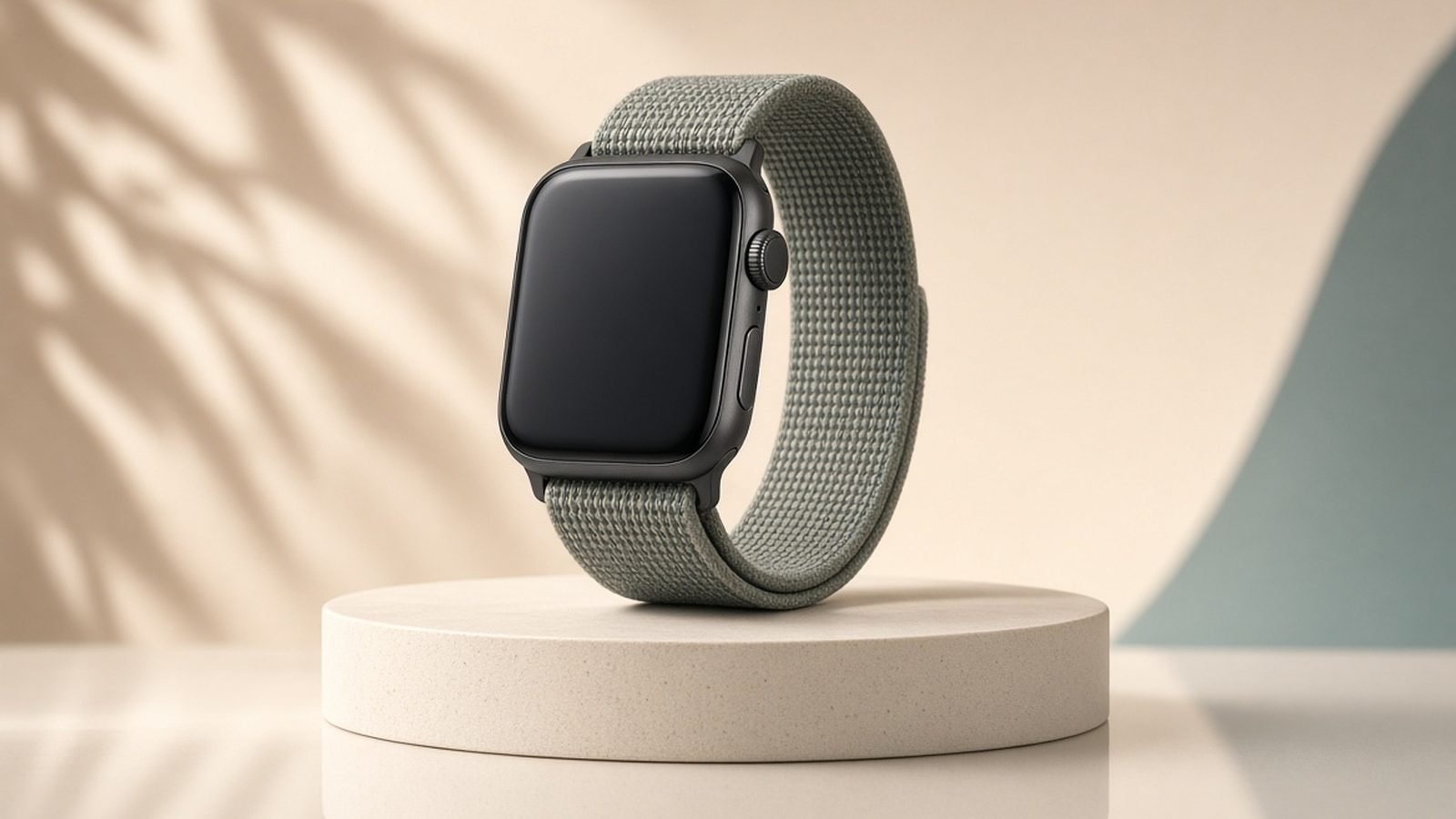
Most reviews land in launch week, when the box is still warm and nobody has lived with the thing. This Apple Watch Series 11 review is different: it comes after roughly ten months on wrists, through gym sessions, red-eye flights, cracked-screen scares and a full winter of sleep tracking. The short version is that the Series 11 is still the best all-round smartwatch you can strap to an iPhone, and time has only made its two headline features — hypertension notifications and a genuinely useful sleep score — feel more valuable, not less.
But “best smartwatch” and “worth upgrading” are different questions, and the answer depends entirely on what’s already on your wrist. Let’s get into it.
Verdict up front: score and who it’s for
Score: 4.5 / 5.
The Apple Watch Series 11 is for iPhone owners on a Series 8 or older, first-time smartwatch buyers, and anyone who wants Apple’s health platform at its most complete without paying Ultra money. The hypertension screening, sleep score, brighter always-on display and 24-hour battery add up to the most polished Apple Watch yet.
It is not for Series 10 owners (the year-on-year jump is small) and not for people who genuinely need multi-day battery — that’s still a Garmin or Ultra conversation.
Check price: Apple Watch Series 11
Apple Watch Series 11 price and availability
Launched at $399 / £369, the Apple Watch Series 11 price has softened nicely into mid-2026. Based on current retail listings, the 42mm GPS model routinely sells for around $349 / £329 street, and dips lower during sale events. The 46mm and cellular versions carry the usual premiums, and 5G-capable cellular models add roughly $100 / £100.
| Model | Launch price | Mid-2026 street price |
|---|---|---|
| Series 11 42mm GPS | $399 / £369 | ~$349 / £329 |
| Series 11 46mm GPS | $429 / £399 | ~$379 / £359 |
| Series 11 GPS + Cellular (5G) | from $499 / £469 | ~$449 / £429 |
In our research across US and UK retailers, Amazon, Best Buy and Currys are the most aggressive on discounts, while Apple itself rarely cuts the sticker. If you want AppleCare, buy direct; if you want the lowest number, watch the third parties.
Check price: Apple Watch Series 11
Design and display: how Ion-X toughness holds up
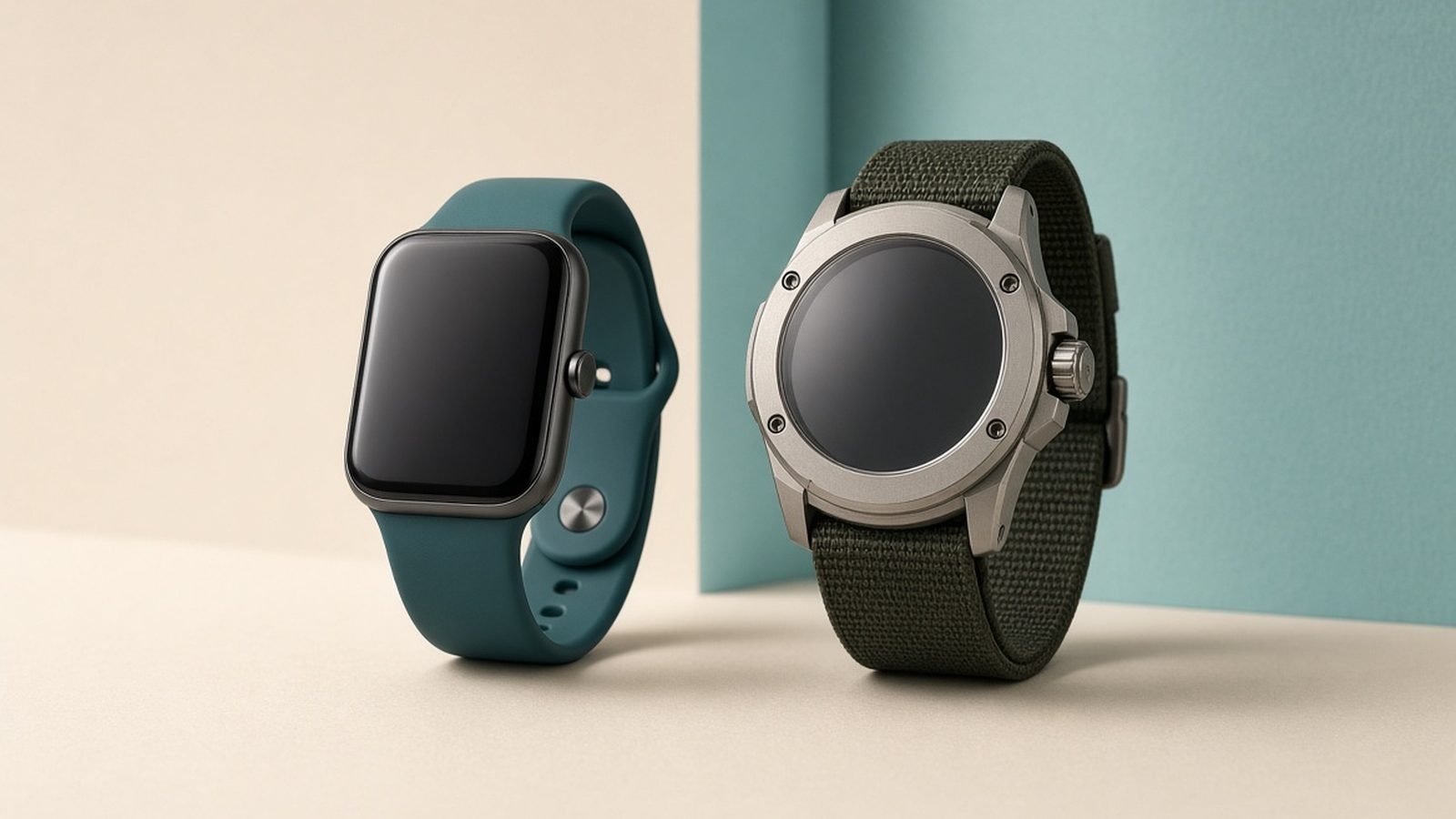
Ten months in, the story here is “nothing changed, and that’s mostly fine.” The Series 11 keeps the Series 10’s thin, wide-screen chassis. Side by side, you cannot tell them apart — same cushioned aluminium and titanium options, same slim profile, no camera, no radical redesign.
What Apple did tweak is durability. The Series 11 uses a strengthened Ion-X front glass on the aluminium models that Apple rates at roughly twice the scratch resistance of the Series 10. Based on aggregated owner reports over the past ten months, that claim broadly holds up: fewer of the fine hairline scratches that plagued earlier aluminium models, and desk-and-doorframe knocks that would once leave a mark now tend to shrug off. It is not sapphire — owners who catch a sharp edge at speed still report chips — but for a mainstream watch, it’s a real, felt improvement.
The wide LTPO3 display remains the class leader: bright enough to read in direct summer sun, with a low-power always-on mode that finally shows a ticking seconds hand without hammering the battery.
Health features: hypertension and sleep score in real life
This is where the Series 11 earns its keep. Two features define it.
Hypertension notifications. Using the optical heart sensor, the watch analyses blood-vessel response over 30-day windows and flags patterns consistent with chronic hypertension. It does not give you a blood-pressure number — this is a screening nudge, not a cuff replacement. In practice, based on owner reports, that framing is exactly right: several users describe getting a notification that pushed them to see a doctor, and confirmed high readings followed. It won’t fire for everyone, and it can miss cases, so treat a clean result as reassurance rather than a guarantee. As a passive early-warning system for a silent condition, though, it’s genuinely valuable and available across both US and UK regions.
Sleep score. The Apple Watch Series 11 sleep score condenses duration, consistency, and time in each stage into a single 0–100 number each morning. After ten months, this is the feature owners mention keeping them engaged. A single figure is easier to act on than five graphs, and the trend line over weeks is where the insight lives. It’s directionally similar to what Oura and Fitbit have done for years, but tightly integrated and no subscription required.
Round it out with the existing sleep apnea detection, wrist temperature, cycle tracking and ECG, and the Series 11 is the most complete health wearable Apple has shipped.
Fitness tracking and watchOS 26 with Workout Buddy
On pure fitness hardware, the Series 11 is iterative — the same reliable GPS and heart-rate stack. The difference this generation is software. watchOS 26 introduced Workout Buddy, an on-device AI coach that speaks to you mid-session, calling out pace, heart-rate zones, mile splits and milestones in a natural voice built from Fitness+ trainer audio.
In our research, reactions split predictably: runners chasing structured sessions like the real-time encouragement; minimalists turn it off within a week. It needs Bluetooth headphones and an iPhone nearby to do its best work, which limits its appeal for phone-free running. Treat it as a nice-to-have rather than a reason to buy.
For serious athletes, the honest note stands: Apple still trails Garmin on battery-per-workout and deep training-load analytics. But for the gym-plus-parkrun majority, the tracking is more than good enough and the ecosystem is unmatched.
Battery life and 5G in daily use
Apple’s headline was “24-hour battery,” and Apple Watch Series 11 battery life does deliver a real gain over the Series 10 — enough that a full day with sleep tracking on the same charge is now routine rather than aspirational. Based on owner reports, mixed use comfortably clears a day, and the low-power mode stretches things further for travel.
Here’s the honest trade-off: 24 hours is adequate, not class-leading. You are still charging daily, or near enough. Anyone coming from a Garmin or Fitbit measured in days will feel that friction. If overnight sleep tracking matters to you, budget a top-up during your morning routine.
The cellular models add 5G, which speeds up streaming, calls and messages away from your phone. It’s a smooth upgrade if you already pay for a watch data plan; if you don’t, it changes nothing day to day. Battery-drain complaints usually trace back to settings rather than the hardware — our Apple Watch Battery Draining Fast? 12 Fixes That Work guide covers the fixes.
Series 10 and SE 3 owners: should you upgrade?
The most-searched question deserves a straight answer.
From a Series 10: No. This is the clearest “skip it” case. Same design, same screen, same core fitness. You gain hypertension screening, sleep score and a modest battery bump — nice, but not $349 nice when you already own last year’s model. On the apple watch series 11 vs series 10 question, keep your money.
From an SE 3: Maybe. The SE 3 is the value pick and covers the basics well. Upgrade only if you specifically want the always-on display, ECG, temperature sensing and the new health screening. If those don’t move you, the SE 3 remains the smarter spend.
From a Series 8 or older: Yes. This is who the Series 11 is built for. The jump in display, battery, health sensors and speed is dramatic, and everything below your Series 9 lacks the newest health stack entirely.
So, should I upgrade to Apple Watch Series 11? Newer-watch owners sit tight; three-year-plus owners will feel every improvement. If you’re weighing the bigger sibling instead, our Apple Watch Series 11 vs Ultra 3: Which Should You Buy? breakdown covers when Ultra money is justified.
How it compares to Galaxy Watch 8 and Pixel Watch 4
For iPhone users this is academic — the Apple Watch is the only watch with full iOS integration, and that alone settles it. But context helps.
The Samsung Galaxy Watch 8 counters with its own blood-pressure tracking (calibrated against a real cuff, arguably more actionable than Apple’s screening), a body-composition sensor and strong Android integration. The Pixel Watch 4 leans on Fitbit’s excellent sleep and readiness analytics plus deep Google Assistant and Gemini smarts.
Both are excellent for Android. Neither is a reason for an iPhone owner to switch, and neither talks properly to an iPhone. The Series 11 wins its actual audience by default — see our Best Smartwatches 2026: 7 Top Picks for Every Budget roundup for the full cross-platform picture, and the Wearables for everything else we cover.
Pros and cons
Pros - Hypertension screening and a genuinely useful sleep score - Brightest, best always-on display in the mainstream class - Tougher Ion-X glass that holds up in real-world knocks - 24-hour battery finally makes sleep tracking practical - Unmatched iPhone and app ecosystem; optional 5G
Cons - ~24-hour battery still trails Garmin and Fitbit rivals - No meaningful design change since the Series 10 - Zero reason for Series 10 owners to upgrade - Workout Buddy needs headphones and a nearby iPhone - Cellular/5G value depends on paying for a plan
Check price: Apple Watch Series 11
Verdict
The Apple Watch Series 11 is the best smartwatch most iPhone owners can buy, full stop. Ten months of real-world use haven’t dulled that — if anything, the health features have proven their worth over time in a way launch-week reviews couldn’t capture. The hypertension nudge and the sleep score are the standouts, the display and durability are class-leading, and the battery is, at last, good enough.
The catch is entirely about timing. If you’re on a Series 8 or older, buy with confidence. If you’re on a Series 10 or a recent SE, you already own most of what makes this great. Pair it with the AirPods Pro 3 Heart Rate: How to Set It Up and Use It setup and you’ve got a complete health kit.
Check price: Apple Watch Series 11
FAQ
Is the Apple Watch Series 11 worth it in 2026? Yes, if you’re upgrading from a Series 8 or older, or buying your first Apple Watch. At a street price around $349 / £329 you get hypertension screening, sleep score, a 24-hour battery and the best display in its class. Series 10 owners should skip it, and SE 3 owners should upgrade only for the advanced health sensors.
How accurate is the Series 11 hypertension feature? It’s a screening tool, not a blood-pressure monitor. It analyses vascular patterns over 30 days and flags signs of chronic hypertension, prompting you to seek a proper cuff reading. Based on owner reports it has surfaced real cases, but it can miss others, so a clean result isn’t a guarantee. Treat it as an early-warning nudge.
What is the Apple Watch Series 11 battery life really like? Around 24 hours of mixed use, a real improvement over the Series 10. In practice that means a full day plus overnight sleep tracking on one charge, with a top-up needed each morning. Low-power mode extends it further for travel, but it still trails multi-day rivals like Garmin and Fitbit.
Apple Watch Series 11 vs Series 10 — what’s the difference? Same design and display. The Series 11 adds hypertension notifications, the new sleep score, tougher Ion-X glass, a slightly better battery and optional 5G. It’s a meaningful health upgrade for older watches but a minor one for Series 10 owners, who should hold on to what they have.
Does the Apple Watch Series 11 work with Android? No. Like every Apple Watch, the Series 11 requires an iPhone and offers no meaningful Android support. Android users should look at the Samsung Galaxy Watch 8 or Google Pixel Watch 4 instead, both of which are excellent on their own platforms.
Zen Tech Hub may earn a commission from links on this page, at no extra cost to you.