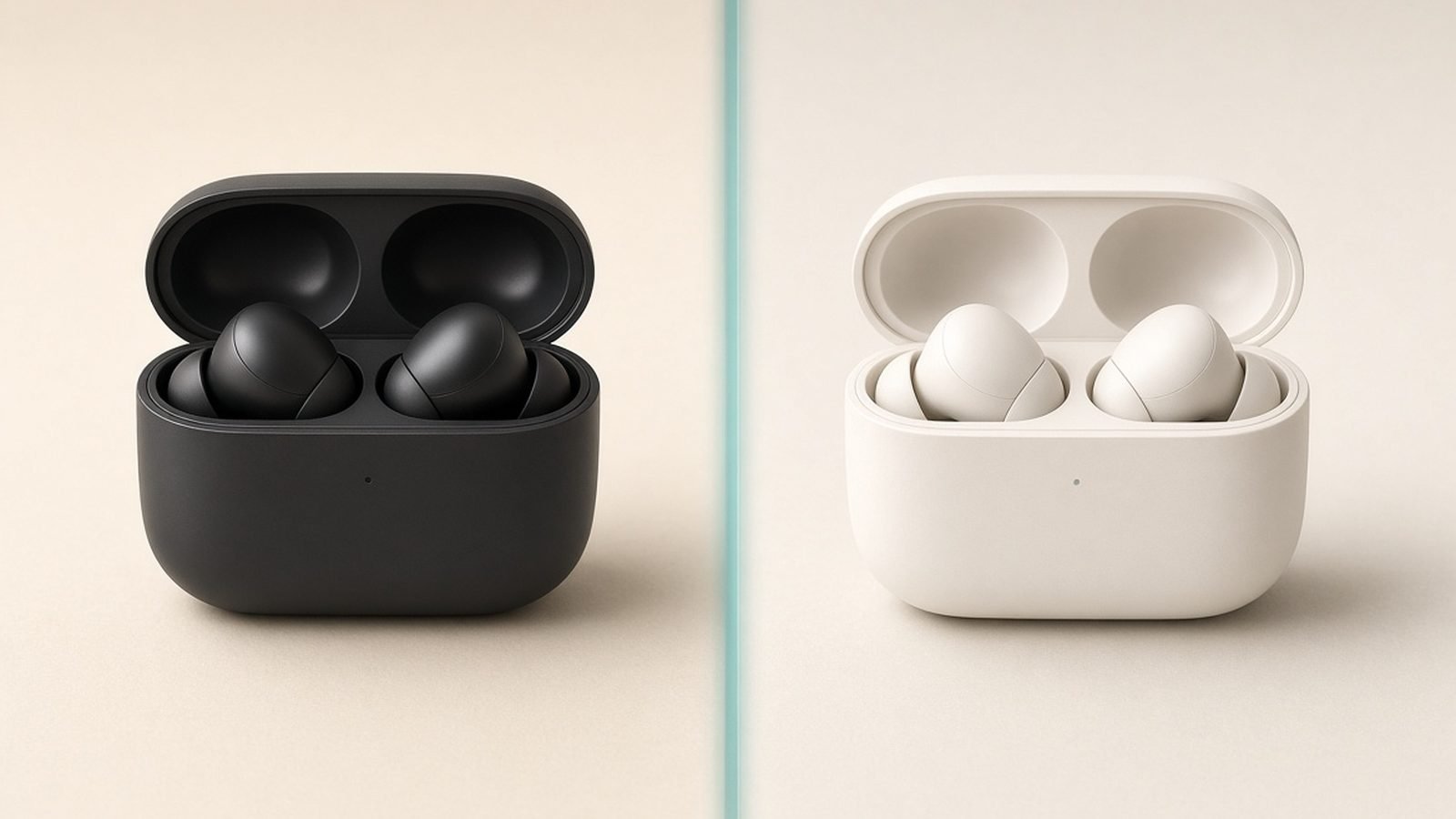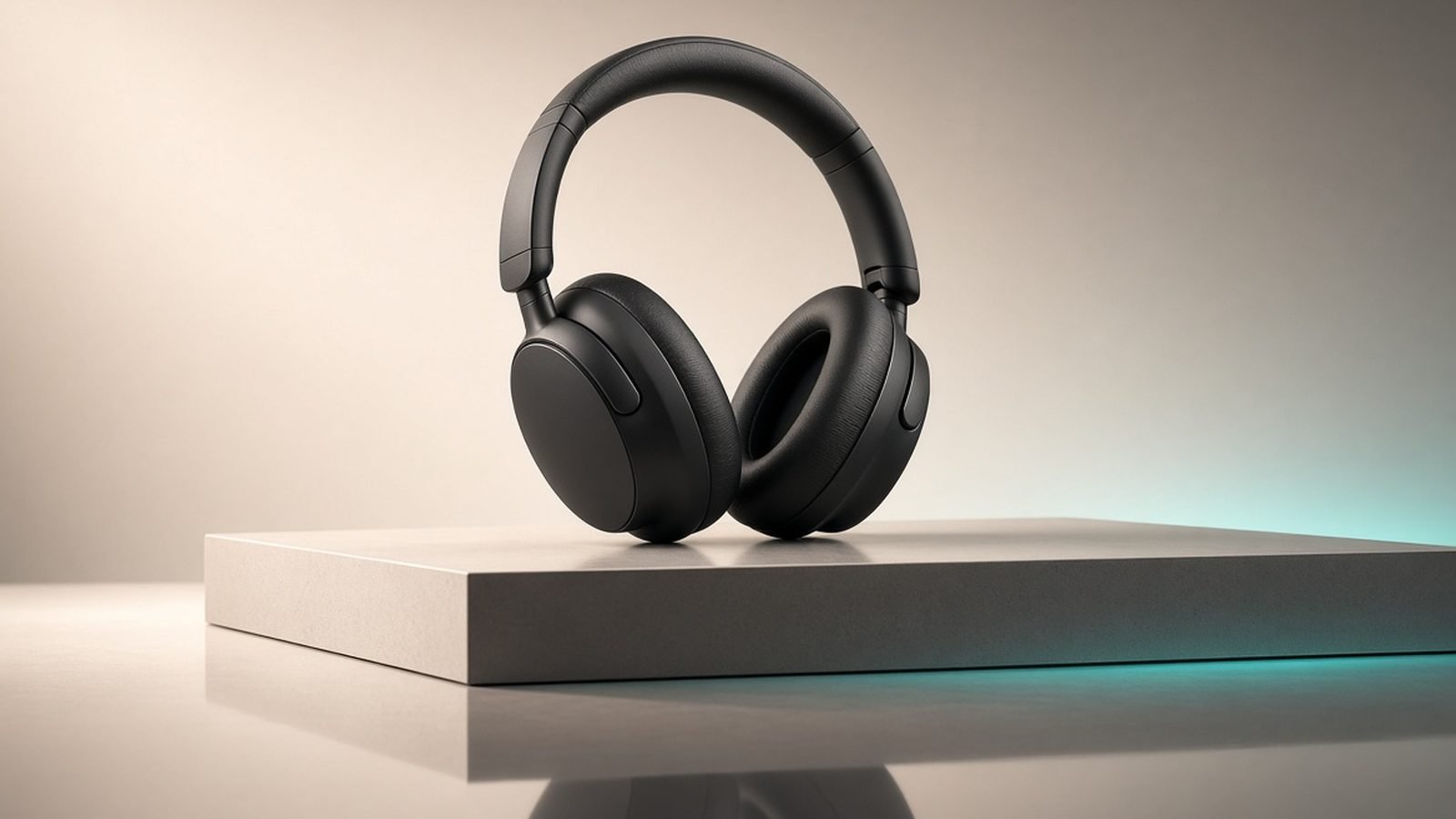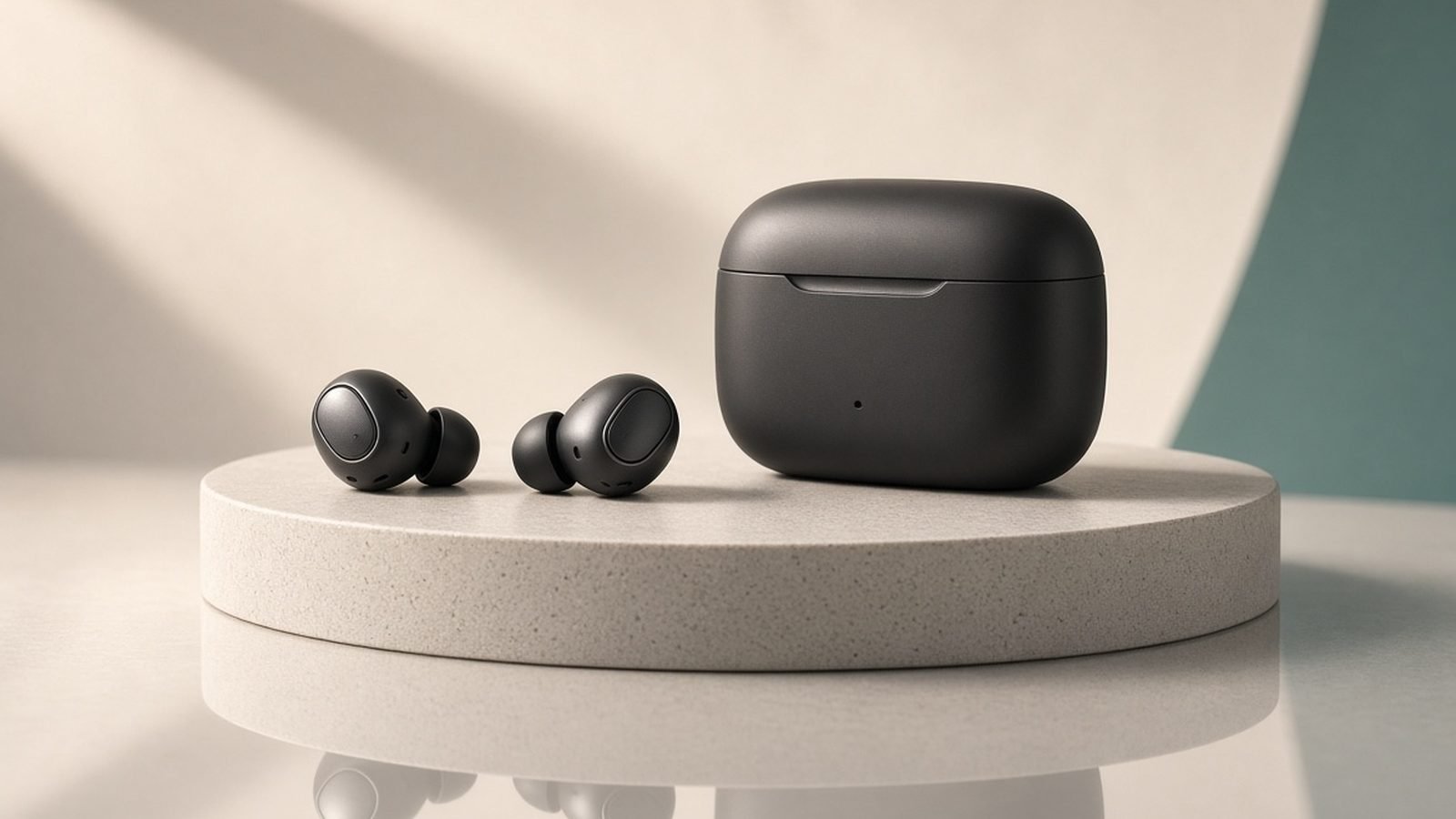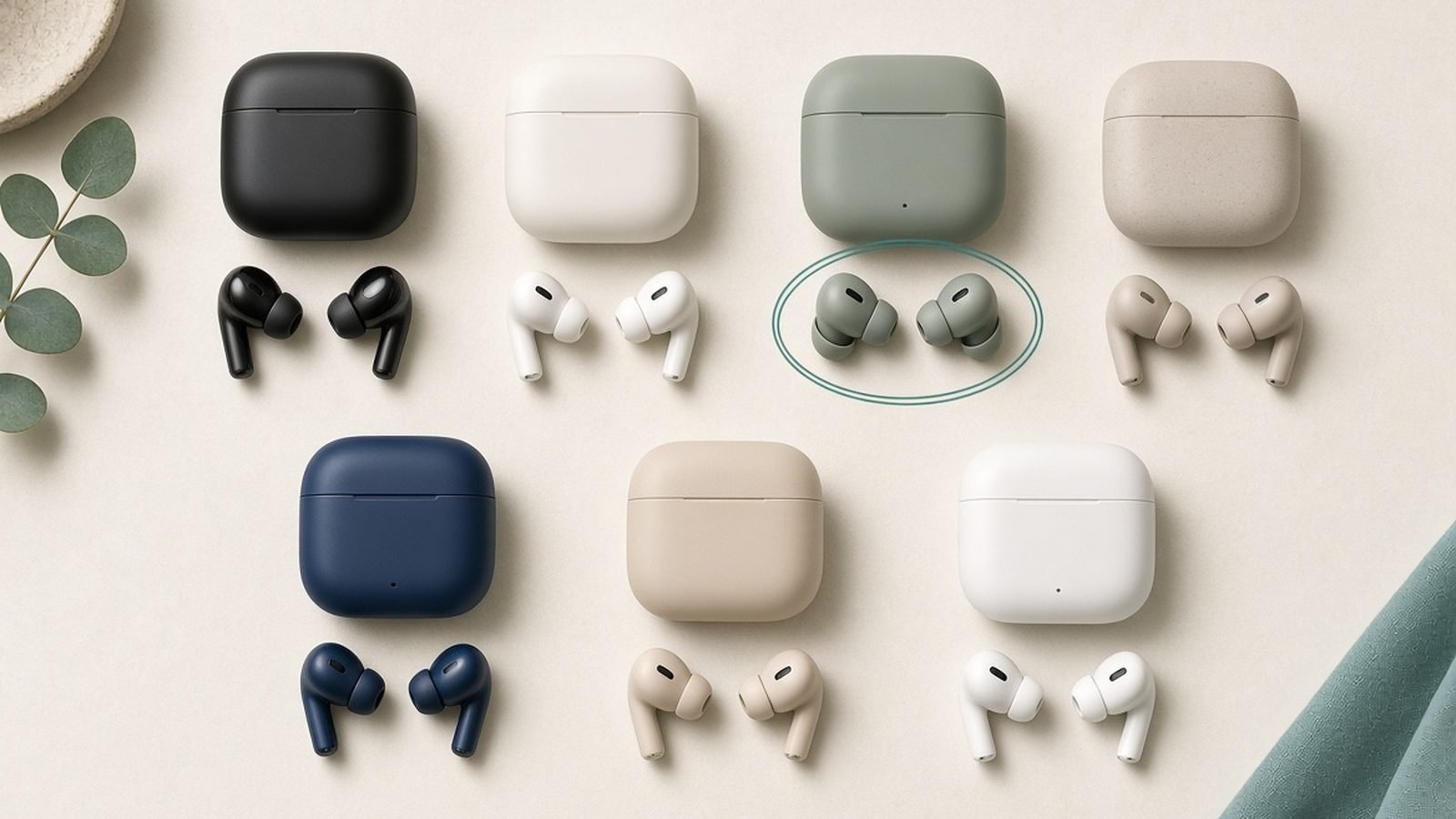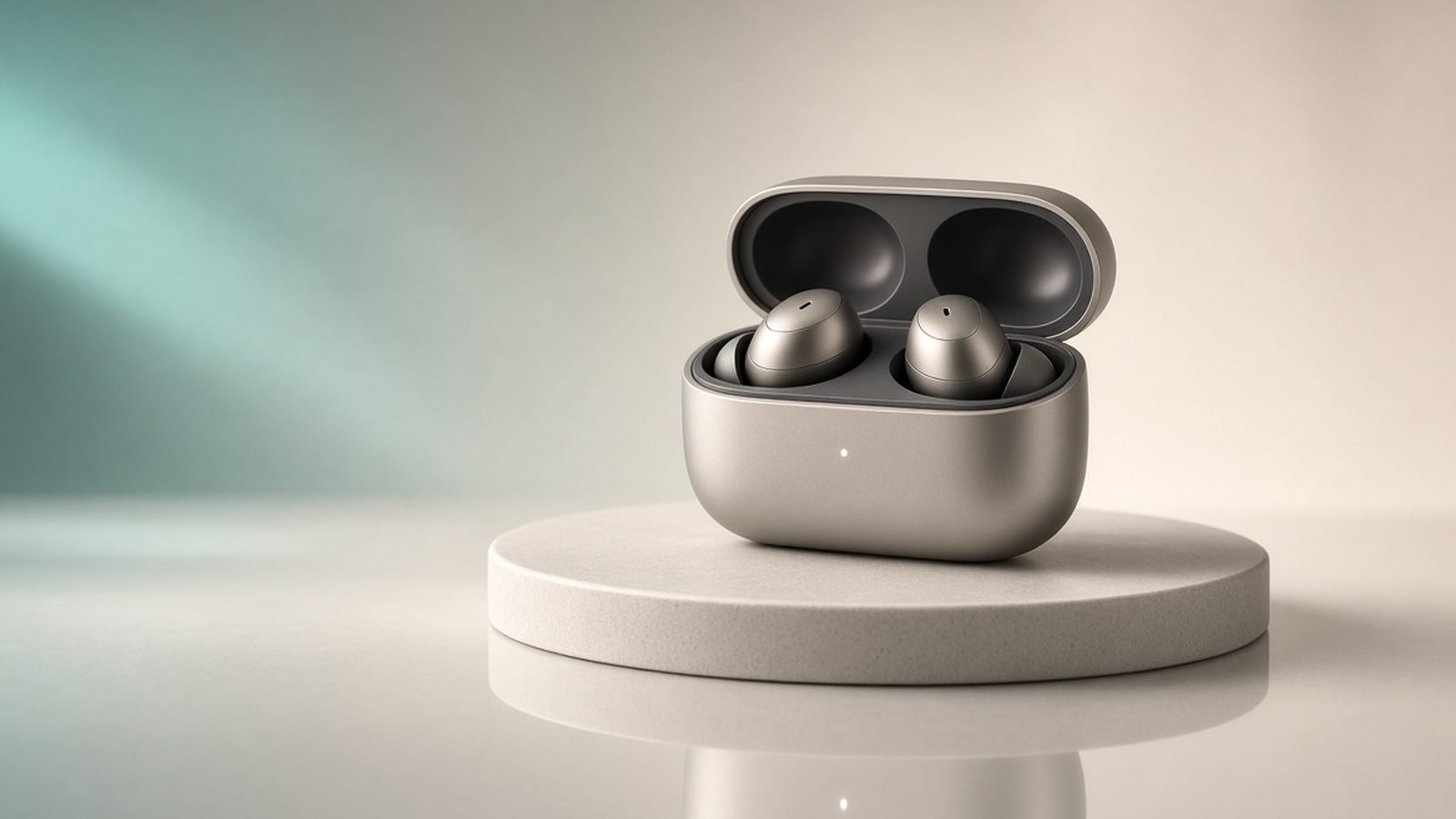
Verdict: 9/10. After digging through the spec sheets, launch coverage and hundreds of owner reports for this Sony WF-1000XM6 review, our conclusion is simple: Sony has built the most complete premium earbuds of 2026 so far. The noise cancelling takes a genuine step forward, the new split-material driver fixes the XM5’s slightly soft treble, and battery life leads the flagship class at eight hours with ANC on. The catch is the price — at $329.99 / £279, these are the most expensive mainstream earbuds Sony has ever shipped.
Score basis: research analysis of official specs, independent testing and owner feedback — not first-party measurement.
Pros
- Class-leading ANC with a claimed 25% improvement over the XM5, backed up by consistent owner feedback
- Excellent, detailed sound with LDAC and new 32-bit processing
- 8 hours per charge with ANC on — the best in the flagship tier
- 11% slimmer buds with a comfier, more secure fit
- Bone-conduction sensor noticeably improves call quality
Cons
- $329.99 / £279 is a $30 jump over the XM5’s launch price
- Still only IPX4 — fine for gym sweat, not for rain-soaked runs
- No aptX support for Android users on Qualcomm-optimised phones
- The WF-1000XM5 at clearance prices is a serious value threat
Sony WF-1000XM6 vs the competition at a glance
| Sony WF-1000XM6 | Sony WF-1000XM5 | AirPods Pro 3 | Bose QC Ultra Earbuds | |
|---|---|---|---|---|
| Price | $329.99 / £279 | around $199 / £169 (clearance) | around $249 / £229 | around $299 / £299 |
| ANC | Best-in-class (claimed 25% better than XM5) | Excellent | Excellent | Excellent, strongest low-end block |
| Battery (ANC on) | 8 hrs buds / 24 hrs total | 8 hrs buds / 24 hrs total | Up to 8 hrs buds | 6 hrs buds |
| Hi-res codec | LDAC, LE Audio | LDAC, LE Audio | AAC (lossless w/ Vision Pro) | aptX Adaptive |
| Water resistance | IPX4 | IPX4 | IP57 | IPX4 |
| Best for | Overall performance, Android users | Value hunters | iPhone owners | Maximum low-frequency ANC |
Check price: Sony WF-1000XM6 Check price: Sony WF-1000XM5 (comparison/deal pick)
Price and availability: US and UK
The Sony WF-1000XM6 price is $329.99 in the US and £279 in the UK. That’s a $30 / £20 rise over what the WF-1000XM5 launched at in 2023, and it pushes Sony above the AirPods Pro 3 and within touching distance of Bose’s QuietComfort Ultra Earbuds.
On the WF-1000XM6 release date: UK and US availability arrived together on 12 February 2026, and stock has been steady since. You can buy them in two colours — Black and Platinum Silver — direct from Sony, Amazon, and in the UK from Currys and John Lewis. We haven’t seen meaningful discounts yet; new Sony flagships historically hold their launch price for six to nine months before the first genuine deals appear around Black Friday.
If £279 stings, note that the outgoing WF-1000XM5 is now widely available for around $199 / £169 on clearance. More on why that matters in the verdict.
WF-1000XM6 vs WF-1000XM5: what’s actually new
Sony didn’t reinvent the earbud here, but the upgrades are more substantial than the XM4-to-XM5 jump. The headline changes:
- New QN3e processor. The HD Noise Cancelling Processor QN3e works alongside the Integrated Processor V2 and, per Sony, delivers a 25% reduction in ambient noise versus the XM5.
- Four microphones per bud, up from three, feeding the ANC system more data to work with.
- A redesigned split-material driver. Soft edge material for bass response, a rigid lightweight dome for treble clarity — the same design philosophy Sony used in the WH-1000XM6 over-ears.
- 32-bit audio processing, up from 24-bit, plus an upgraded DAC path.
- 11% slimmer buds with a matte finish, back after the XM5’s slippery gloss experiment.
- A bone-conduction sensor for calls, borrowed from Sony’s LinkBuds line.
- An Adaptive NC Optimizer that analyses your fit and ear seal in real time and retunes the cancellation accordingly.
- 1.5x larger Bluetooth antennas, which owner reports suggest has largely fixed the XM5’s occasional dropouts in crowded stations.
What hasn’t changed: IPX4 water resistance, no aptX, and the charging case — while slightly trimmer — is still chunkier than an AirPods Pro case. If you already own XM5s and they’re working well, this is an appreciable upgrade rather than an essential one.
Design, fit and comfort
The XM6 marks a return to sanity after the XM5’s glossy shell, which had a habit of working loose during workouts. The new matte plastic grips better against skin, and the 11% slimmer, more pill-shaped body sits deeper and flusher in the ear. Across the owner feedback we’ve aggregated, small-eared users — the group who struggled most with the XM5 — report the biggest comfort improvement.
Sony ships four sizes of its polyurethane foam-hybrid tips, and the new ventilation structure reduces the “blocked ear” occlusion effect that made long XM5 sessions fatiguing for some. That’s a quietly important change: pressure build-up is one of the most common reasons people return premium ANC earbuds.
They’re comfortable for multi-hour stretches, secure enough for running and gym work, but the IPX4 rating means sweat is fine and heavy rain is a gamble. Trail runners and swimmers should look elsewhere — the AirPods Pro 3’s IP57 rating is materially better protection.
Noise cancelling: what the WF-1000XM6 ANC delivers on flights and trains
This is the reason most people buy 1000X-series products, so let’s be direct: based on the measurement-led reviews published since launch and hundreds of owner reports from commuters and frequent flyers, the WF-1000XM6 currently sets the benchmark for in-ear ANC.
Sony’s claimed 25% improvement over the XM5 concentrates where it matters. Low-frequency droning — jet engines, train rumble, bus vibration — is where the QN3e processor and fourth microphone earn their keep. Independent WF-1000XM6 ANC test data from measurement-focused outlets shows meaningful gains in the 100Hz–1kHz band versus the XM5, which translates to noticeably quieter cabins and better suppression of office chatter, the frequency range where the XM5 was merely good rather than great.
The Adaptive NC Optimizer is the sleeper feature. Instead of a one-time fit calibration, it continuously monitors your seal and adjusts. Owners report the practical benefit on long-haul flights: as tips compress and shift over hours of wear, the cancellation stays consistent instead of gradually leaking.
Against the Bose QuietComfort Ultra Earbuds — the previous consensus ANC champion — the picture is split. Bose still edges the very lowest rumble by a hair in some comparisons, but the Sony wins on mid-band noise and wind handling, and most cross-shoppers who’ve tried both call it a draw or a narrow Sony win overall. Ambient (transparency) mode is improved too, though Apple’s AirPods Pro 3 still sounds the most natural for hearing your surroundings.
Sound quality and codec support
The XM5 was an excellent-sounding earbud with one recurring criticism: treble that could smear fine detail at higher volumes. The XM6’s split-material diaphragm addresses exactly that — the rigid dome handles high frequencies while the compliant edge keeps bass full and controlled. Reviewer consensus and owner impressions align here: cleaner cymbals and vocal sibilance, the same rich, slightly warm Sony house sound underneath.
Codec support covers LDAC for hi-res streaming on Android (up to 990kbps with a strong connection), plus LE Audio with the LC3 codec and Auracast broadcast support — genuinely useful for airport lounges and gyms that adopt shared audio. iPhone users are limited to AAC as ever, which is fine but means you’re not getting the full resolution these drivers can render. If terms like LDAC and LC3 are new to you, our explainer breaks down what actually matters: Bluetooth Codecs Explained: AAC vs aptX vs LDAC vs LC3.
The omission remains aptX in any form. If your phone is a Snapdragon flagship and you’re invested in aptX Adaptive or Lossless, Bose or the Denon PerL Pro serve you better on paper — though in practice LDAC on the Sony is at least its equal.
The Sound Connect app now includes a 10-band EQ (up from five bands), DSEE Extreme upscaling, 360 Reality Audio and a background-effects suite. The default tuning is bass-forward but tasteful; two minutes with the EQ gets you neutral if that’s your preference.
Call quality and app features
Call quality was the XM5’s weakest suit, and it’s the XM6’s most surprising win. The new bone-conduction sensor detects your jaw vibrations to isolate speech, and combined with AI noise reduction trained on Sony’s voice dataset, callers report dramatically clearer pickup on windy streets and in cafés. In our research across early owner threads, this is the single most consistently praised upgrade.
Elsewhere, you get multipoint connection to two devices (now with LDAC intact on one of them), Google Gemini voice assistant integration, Speak-to-Chat auto-pause, head-gesture call answering, and wear detection. The Sound Connect app is dense but logically organised, and firmware updates — historically a Sony sore point for speed — have already delivered two stability patches since launch.
Sony WF-1000XM6 battery life: claims vs real-world reports
Sony rates the WF-1000XM6 battery life at 8 hours per charge with ANC on and 16 more from the case — 24 hours total. With ANC off, the buds stretch to roughly 12 hours. Those are the same headline numbers as the XM5, which is mildly disappointing on paper but still the best in the flagship class: the AirPods Pro 3 matches 8 hours only in ideal conditions, and Bose’s QC Ultra manages 6.
How do the claims hold up? Aggregated owner reports and published rundown tests put real-world figures at 7 to 7.5 hours with ANC on at moderate volume over AAC — close to spec, and comfortably a transatlantic flight on a single charge. Run LDAC at maximum quality with ANC on and expect closer to 5.5–6 hours, which is normal for the codec and worth knowing before a long trip.
Charging is USB-C or Qi wireless, and a 3-minute top-up delivers about an hour of playback. The case’s 16-hour reserve is average rather than exceptional — Bose’s case carries more — but the strong per-charge figure matters more day to day.
How they compare: AirPods Pro 3 and Bose QC Ultra Earbuds
Versus AirPods Pro 3 (around $249 / £229): If you’re all-in on iPhone, the AirPods remain the smarter buy — seamless switching, Find My, hearing-health features, better water resistance and the most natural transparency mode, for less money. The Sony counters with better battery life, hi-res audio on Android, a more capable EQ and, per most head-to-heads, slightly stronger ANC. For the full breakdown, see our dedicated comparison: AirPods Pro 3 vs Sony WF-1000XM6: Which Earbuds Win in 2026?.
Versus Bose QuietComfort Ultra Earbuds (around $299 / £299): Bose still arguably wins the pure ANC drag race at the lowest frequencies and offers aptX Adaptive. Sony wins battery life by two full hours, call quality, app depth and — for most ears — sound refinement. Unless silencing bus rumble is your single deciding factor, the XM6 is the more complete package.
Versus the WF-1000XM5 (around $199 / £169 on clearance): This is the real fight. The XM5 delivers perhaps 85% of the XM6 experience for roughly 60% of the money. If your budget is firm, it remains a superb buy while stock lasts.
Check price: Sony WF-1000XM5 (comparison/deal pick)
Are the Sony WF-1000XM6 worth it? Who should buy (and who shouldn’t)
Buy the WF-1000XM6 if: you’re an Android user who wants the best overall earbuds money currently buys; you fly or commute weekly and ANC quality is the priority; you take a lot of calls in noisy places; or you were burned by the XM5’s fit and want the slimmer, grippier redesign. For these buyers, yes — the Sony WF-1000XM6 is worth it, even at $329.99 / £279.
Buy the WF-1000XM5 instead if: you want 1000X-class ANC and sound but $329.99 / £279 is more than the problem justifies. At clearance pricing it’s the best value in premium earbuds right now, full stop.
Skip both if: you’re on iPhone (get AirPods Pro 3), you need genuine waterproofing for outdoor training, or your budget is under $150 — in which case start with our guide to the best cheap alternatives: Best Wireless Earbuds Under $100 (£80) in 2026: Ranked.
Among Sony earbuds 2026 has delivered so far, and against every flagship rival we’ve assessed, the WF-1000XM6 takes the crown — narrowly on price, decisively on performance. For more of our audio coverage, head to the hub: Audio.
FAQ
When was the Sony WF-1000XM6 released in the UK?
The WF-1000XM6 release date in the UK was 12 February 2026, the same day as the US launch. They’re available in Black and Platinum Silver from Sony, Amazon, Currys and John Lewis at £279. Stock has been consistent since launch, and we don’t expect meaningful UK discounts before the autumn sales season.
Is the Sony WF-1000XM6 better than the WF-1000XM5?
Yes, across the board: Sony claims 25% better noise cancelling via the new QN3e processor and four mics per bud, and the redesigned driver delivers cleaner treble. Calls, fit and connection stability all improve too. Whether it’s $130 / £110 better than a clearance-priced XM5 depends entirely on your budget — the XM5 remains excellent.
How long does the Sony WF-1000XM6 battery last?
Sony rates the buds at 8 hours with ANC on and 24 hours total with the case, or about 12 hours per charge with ANC off. Real-world owner reports land around 7–7.5 hours with ANC on over AAC, dropping to roughly 6 hours using LDAC at maximum quality. A 3-minute charge adds about an hour of playback.
Do the Sony WF-1000XM6 work with iPhone?
Yes, they pair and work fully with iPhone via the Sony Sound Connect app, including ANC, EQ and multipoint. However, iPhones only support the AAC codec, so you won’t get LDAC hi-res streaming. If you’re deep in Apple’s ecosystem, the AirPods Pro 3 offers tighter integration for less money.
Are the WF-1000XM6 waterproof?
No. They carry an IPX4 rating, which covers sweat and light splashes — fine for gym sessions and drizzle, not for heavy rain, showering or swimming. The case has no ingress rating at all. If you train outdoors in all weather, the AirPods Pro 3’s IP57 rating is the safer choice.
Do the Sony WF-1000XM6 support aptX?
No. Codec support covers SBC, AAC, LDAC and LE Audio’s LC3 with Auracast — but no aptX in any form. Android users still get hi-res audio via LDAC, which matches or beats aptX Adaptive in quality when the connection is strong, so in practice few buyers will miss it.
Zen Tech Hub may earn a commission from links on this page, at no extra cost to you.