You want Bluetooth codecs explained without the marketing fog. Fair. Codec names are plastered across every headphone box — LDAC, aptX Adaptive, aptX Lossless, LC3 — and manufacturers imply each acronym is the difference between glorious hi-res audio and mush. The truth is messier and, honestly, more useful: your phone matters as much as your headphones, most codec differences are smaller than a bad ear-tip seal, and one genuinely new technology (LE Audio) is quietly changing the rules in 2026.
This guide covers every codec that matters, what the blind-test evidence actually says, and how codec support should (and shouldn’t) influence your next purchase. It’s the reference piece behind every headphone review on our Audio.
The 60-Second Version
If you read nothing else, read this table.
| Codec | Max bitrate | Typical latency | Who supports it | Bottom line |
|---|---|---|---|---|
| SBC | ~345 kbps | 150–250 ms | Everything | The universal fallback; better than its reputation |
| AAC | ~256 kbps | 150–250 ms | iPhone (great), Android (inconsistent) | The only “good” codec iPhones use |
| aptX | 352 kbps | ~120–180 ms | Many Android phones | Marginally better than SBC, aging |
| aptX Adaptive | 279–420 kbps | ~80 ms | Snapdragon Android phones | Smart, stable, low latency |
| aptX Lossless | ~1.2 Mbps (CD lossless) | ~80 ms | Snapdragon Sound phones + select headphones | True CD-quality, narrow ecosystem |
| LDAC | 990 kbps | 150–200 ms | Most Android phones, Sony + many others | Highest bitrate widely available; drops to 330 kbps when the connection struggles |
| LC3 (LE Audio) | 16–345 kbps (efficient) | ~20–30 ms possible | Growing fast on Android; Apple still holding out | The future: better sound per bit, Auracast broadcast |
Quick takeaways: iPhone owners can ignore aptX and LDAC entirely — your phone will never use them. Android owners get real choice, and LDAC or aptX Adaptive is the practical answer for the best Bluetooth codec for Android today. And nobody should pay a large premium for a codec alone.
How Bluetooth Audio Actually Works (and Why Codecs Exist)
Bluetooth’s audio pipe is narrow. Classic Bluetooth’s A2DP audio profile gives you a real-world budget of well under 1 Mbps in typical conditions — nowhere near the ~1.4 Mbps a raw CD stream needs, let alone hi-res files. So every Bluetooth transmission compresses the audio, sends it, and decompresses it on the other end. The codec is simply the compression scheme both devices agree on.
That agreement is the part people miss. Your phone and your headphones negotiate a codec when they pair, and they can only use one they both support. A pair of LDAC earbuds connected to an iPhone runs on AAC. AirPods connected to an Android phone run on AAC too — often badly, as we’ll get to.
One more foundational point: Bluetooth codecs are lossy (with one exception we’ll cover), meaning they throw away audio data the encoder judges you won’t miss. Good codecs at decent bitrates throw away very little that’s audible. That’s why this whole topic is less dramatic than the spec sheets suggest.
SBC: The Universal Fallback
SBC (Low Complexity Subband Codec) is mandatory in every A2DP Bluetooth audio device ever made. It’s the lingua franca — when nothing fancier is mutually supported, you get SBC.
Its reputation as “the bad codec” is mostly historical. Early implementations ran SBC at miserly bitrates, and that’s where the horror stories come from. Modern devices typically negotiate SBC’s higher-quality settings around 328–345 kbps, where controlled listening tests have repeatedly found it difficult to distinguish from pricier codecs on real music. It’s not transparent, but it’s far from broken.
SBC’s genuine weaknesses are latency (roughly 150–250 ms, enough to make video lip-sync annoying without compensation) and inconsistency, since manufacturers can implement it lazily. Verdict: fine as a fallback, not a reason to buy or avoid anything.
AAC: What iPhones Use (and Its Android Problem)
So what is AAC Bluetooth, exactly? AAC (Advanced Audio Coding) is the same codec family behind Apple Music and YouTube streams, adapted for Bluetooth at up to roughly 256 kbps. It’s psychoacoustically smarter than SBC — it spends its bits where human hearing is most sensitive — so at the same bitrate it generally sounds better.
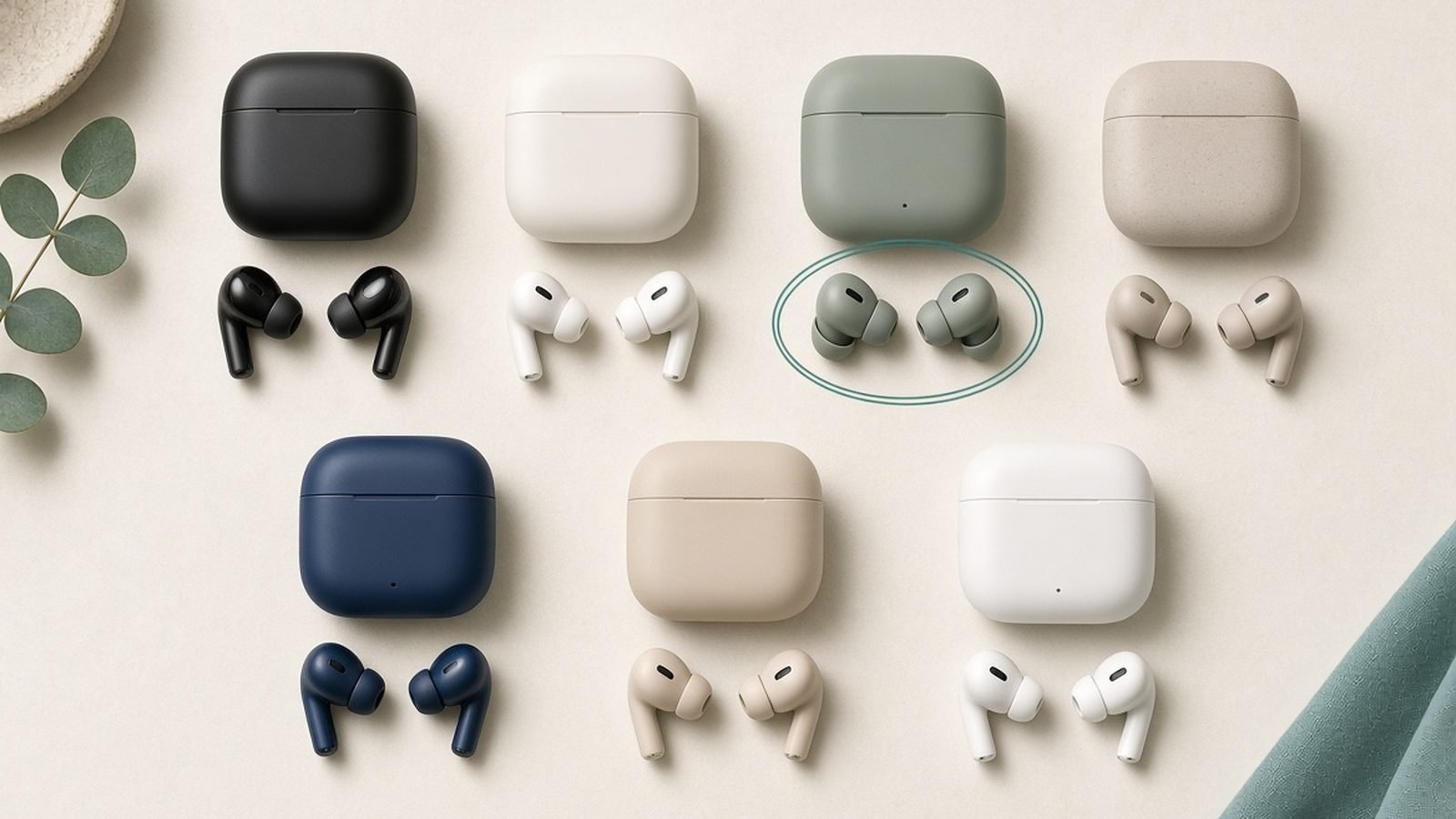
On iPhone, AAC is as good as Bluetooth audio gets, full stop. Apple supports exactly two codecs — SBC and AAC — and its AAC encoder is excellent and power-efficient. This is the core of the Bluetooth audio quality iPhone vs Android question: iPhones offer a lower ceiling but a rock-solid floor. You can’t get LDAC or aptX on an iPhone, but you also can’t get a badly-negotiated mess.
On Android, AAC is a gamble. Encoding AAC well is computationally expensive, and analysis by engineers (notably SoundGuys’ published measurements across multiple handsets) has shown Android AAC quality varies noticeably by phone model, with some devices delivering measurably worse output than their own SBC. Based on aggregated owner reports, Android users with AAC-only earbuds — including AirPods — frequently describe them as sounding “off” compared to the same buds on an iPhone. If you’re on Android, treat AAC support as neutral, not a feature.
If you’re weighing Apple’s ecosystem against Sony’s, our AirPods Pro 3 vs Sony WF-1000XM6: Which Earbuds Win in 2026? comparison digs into exactly this trade-off.
The aptX Family: aptX, Adaptive, and Lossless
Qualcomm’s aptX is less one codec than a brand covering four generations.
Classic aptX (352 kbps) dates to the 1980s in its underlying math. It uses a simple, low-latency approach that avoids some of SBC’s artifacts, but its fixed bitrate and age show. It’s a mild upgrade over worst-case SBC, roughly a wash against good SBC.
aptX HD (576 kbps) raised the bitrate and marketed “24-bit” support. It’s largely been superseded and is fading from new devices.
aptX Adaptive is the interesting one. It scales bitrate dynamically between roughly 279 and 420 kbps based on radio conditions, holds latency around 80 ms, and degrades gracefully instead of stuttering. In our research across owner feedback, Adaptive’s real-world stability is its killer feature — it rarely gives you a reason to think about it, which is the highest compliment a codec can earn.
aptX Lossless explained in one paragraph: it’s the exception to the “all Bluetooth is lossy” rule. Riding on aptX Adaptive within Qualcomm’s Snapdragon Sound platform, it delivers mathematically bit-exact 16-bit/44.1 kHz CD audio at about 1.2 Mbps when the radio link is clean, stepping down to lossy Adaptive when it isn’t. The catch is the ecosystem: you need a recent Snapdragon-powered Android phone and headphones with the right Qualcomm chip. Samsung Galaxy S-series phones, notably, often don’t expose it despite Snapdragon silicon.
The good news is that aptX Lossless has escaped the flagship ghetto. The EarFun Air Pro 4+ supports it at around $99.99 / £79.99, which would have been unthinkable two years ago.
Check price: EarFun Air Pro 4+
More strong sub-$100 codec-forward picks live in our Best Wireless Earbuds Under $100 (£80) in 2026: Ranked guide.
LDAC: Sony’s Hi-Res Option and Its Stability Trade-Off
LDAC is Sony’s codec, licensed broadly and baked into Android itself since version 8.0 — which is why it’s the most widely available “hi-res” codec on the platform. It transmits at three fixed rates: 330, 660, or 990 kbps.
That 990 kbps headline number is where the LDAC vs aptX debate gets interesting. At 990 kbps, LDAC carries roughly three times the data of aptX Adaptive and has tested closest-to-transparent of the mainstream lossy codecs. But 990 kbps is demanding on the 2.4 GHz airwaves. Walk through a busy office, a train station, or anywhere thick with Wi-Fi, and LDAC either drops packets or falls back to 660/330 kbps — and at 330 kbps, measurements have shown it can perform worse than good SBC. Many phones default to “best effort” mode, quietly downshifting without telling you.
So does LDAC sound better? At a stable 990 kbps, with revealing headphones and hi-res source material: plausibly, marginally, for some listeners. In a noisy RF environment where it’s throttling itself: sometimes it’s actually the worse choice. That’s the honest answer, and it’s why we’d frame LDAC vs aptX Adaptive as “peak quality vs consistency” rather than better vs worse.
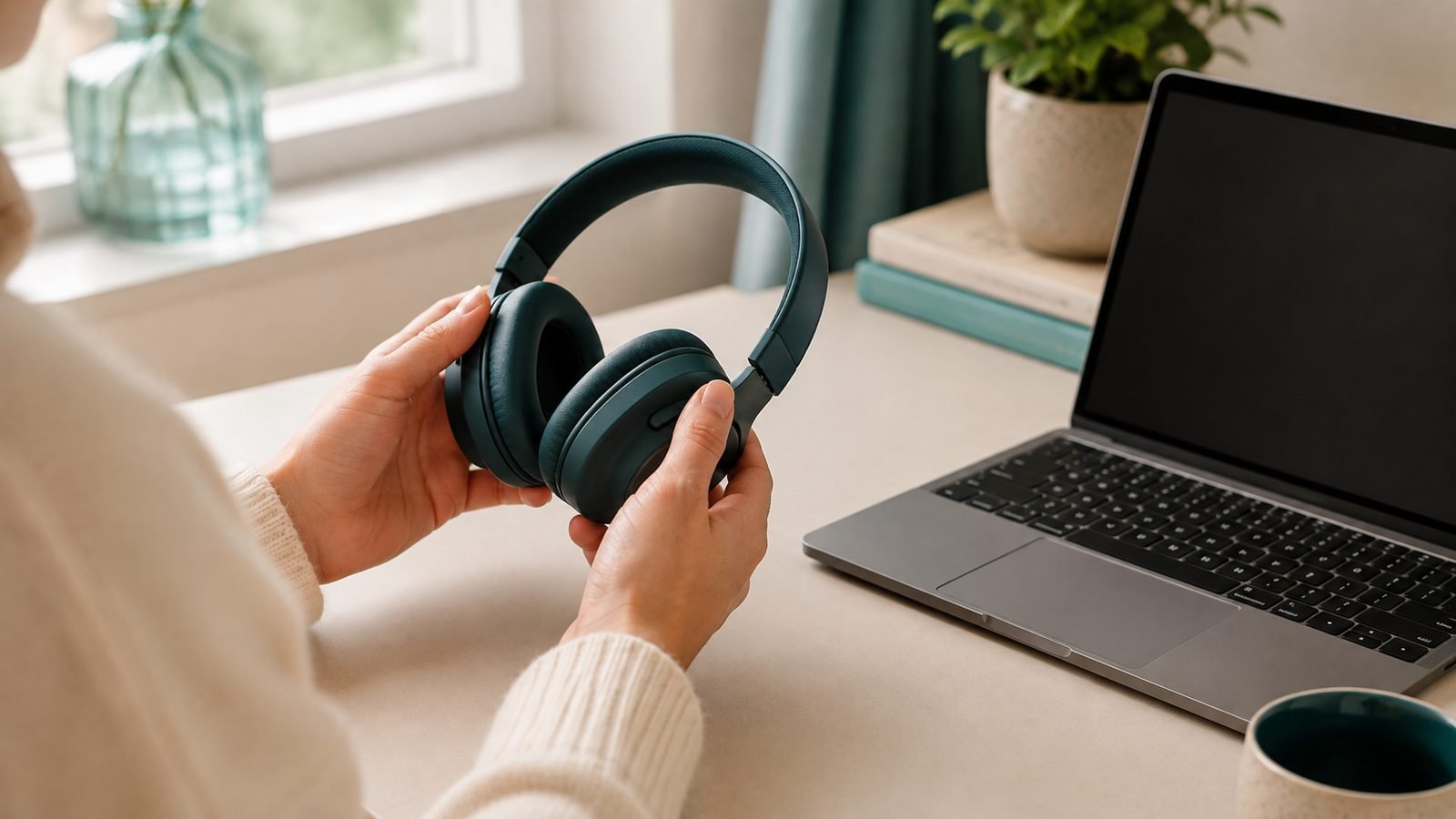
LDAC’s flagship showcase is Sony’s own hardware. The Sony WH-1000XM6 (around $449.99 / £399, and frequently discounted to roughly $428 / £329) pairs LDAC with class-leading noise cancellation and DSEE Extreme upscaling — the complete Sony pitch in one product.
For the earbud version of that pitch, see our Sony WF-1000XM6 Review: The New Earbuds King? (2026).
LC3 and LE Audio: The 2026 State of Play, Plus Auracast
Here’s LC3 LE Audio explained without the standards-body jargon. LE Audio is a rebuild of Bluetooth audio on top of Bluetooth Low Energy, and LC3 is its mandatory codec. LC3’s party trick isn’t a huge bitrate — it’s efficiency. In the Bluetooth SIG’s published listening tests, LC3 at 160 kbps was rated better than SBC at 345 kbps. Better sound from less than half the data means longer battery life, more robust connections, and headroom for features like true multi-stream (a genuinely independent link to each earbud).
LE Audio also enables dramatically lower latency — system latencies in the 20–30 ms range are achievable, which matters enormously for gaming and video.
As of mid-2026, the state of play: recent Android flagships from Samsung, Google, and others ship with LE Audio support, and most new mid-tier-and-up earbuds include it alongside classic Bluetooth. Apple has hardware that’s technically capable but still hasn’t enabled LE Audio for consumer audio streaming. Hearing aids were the first big beneficiary; mainstream adoption is a rolling transition, not a switch-flip.
Auracast explained in a sentence: it’s LE Audio’s broadcast mode, letting one transmitter beam audio to unlimited nearby receivers — think airport gate announcements straight to your earbuds, silent-TV audio in gyms and bars, or sharing your music with a friend’s buds. Deployments are still early but growing through 2026, and it’s the first genuinely new thing you can do with Bluetooth audio in a decade. When you see LC3 and Auracast on a spec sheet today, read it as future-proofing that’s finally starting to pay off.
Can You Actually Hear the Difference?
This is the section spec sheets don’t want you to read. The blind-test evidence is consistent and humbling:
- Controlled tests (including SoundGuys’ objective measurements and multiple published ABX-style listening experiments) find that at their normal operating bitrates, well-implemented SBC, AAC, aptX, and LDAC are difficult for most listeners to reliably distinguish on real music.
- Audibility of lossy artifacts collapses further outside quiet rooms. On a commute — where most wireless listening happens — masking noise erases the last few percent that codecs fight over.
- The differences people do reliably hear come from elsewhere: driver quality, tuning, and above all ear-tip fit and seal. A poorly sealed earbud loses more bass than any codec ever cost you.
In our research, the pattern in owner reports matches the lab findings: people who switch codecs and report night-and-day differences usually changed something else too — volume, EQ, or source quality. None of this means codecs are irrelevant. It means they’re the last few percent, and stability and latency matter more day-to-day than peak bitrate.
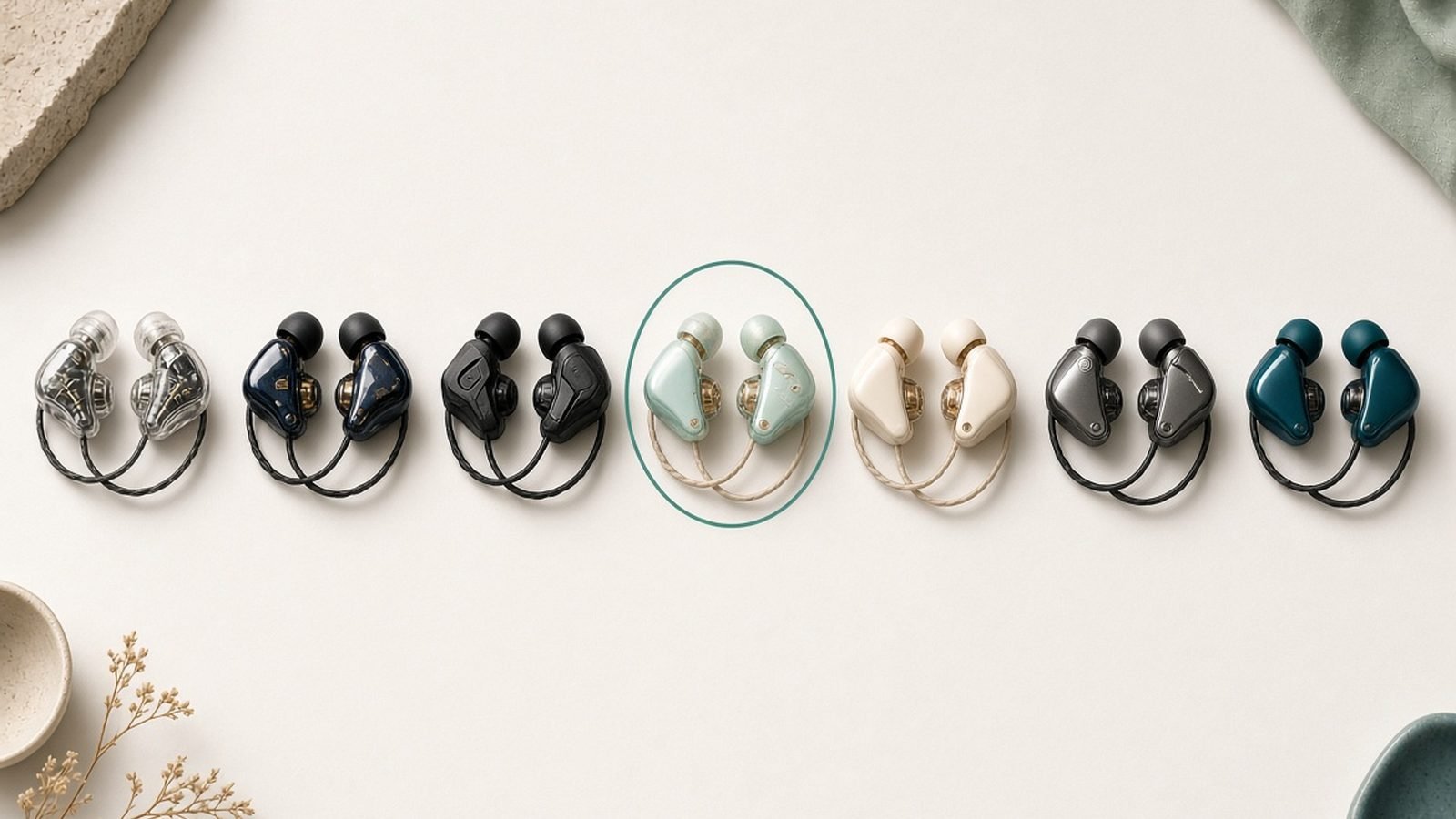
And if that last few percent genuinely matters to you, the most cost-effective move is skipping the radio altogether. A wired IEM like the Truthear ZERO:RED (around $54.99 / £50) delivers lossless audio by definition, with measured tuning that embarrasses wireless sets at triple the price — no codec negotiation, no battery, no compression.
Check price: Truthear ZERO:RED
We cover it and its rivals in Best Budget IEMs Under $100 in 2026: Audiophile Sound, Cheap.
How to Check and Change Which Codec You’re Using
Android: Enable Developer Options (tap Settings > About phone > Build number seven times), then open Developer Options > Bluetooth audio codec while your headphones are connected. The active codec is highlighted, and you can force another — though the connection will silently revert if the headphones refuse it. Many manufacturer apps (Sony Headphones Connect, for example) also offer a “sound quality vs connection priority” toggle, which is really an LDAC bitrate switch.
iPhone: You can’t check or change it, and you don’t need to. It’s AAC with any AAC-capable headphones, SBC otherwise.
Practical tip for LDAC users: if you hear dropouts in busy areas, don’t fight it — set LDAC to connection priority (330 kbps) or switch to aptX Adaptive/AAC. A stable mid-bitrate stream beats a stuttering hi-res one every time.
Which Codec Should Decide Your Next Headphone Purchase?
Short answer: it should be a tiebreaker, not a headline requirement.
iPhone owners: ignore codec marketing completely. Buy for sound quality, ANC, fit, and features — every penny a manufacturer spent licensing LDAC is wasted on you. AAC support is universal in decent headphones.
Android owners: prefer headphones with LDAC or aptX Adaptive over AAC-only sets, mostly to dodge Android’s inconsistent AAC encoding. If you own a Snapdragon Sound phone and care about the bleeding edge, aptX Lossless hardware like the EarFun Air Pro 4+ is now cheap enough to be a rational choice rather than a flex.
Everyone, 2026 onward: treat LC3/LE Audio support as a meaningful future-proofing checkbox. Auracast venues are coming, and multi-year headphones without LE Audio will feel dated before their batteries do.
The contrarian pick: if pure fidelity per dollar is the goal, a $55 wired IEM beats any codec debate. Physics is undefeated.
Check price: Sony WH-1000XM6 Check price: EarFun Air Pro 4+
FAQ
What is the best Bluetooth codec for Android?
LDAC at 990 kbps offers the highest widely available quality, but aptX Adaptive is more stable in congested environments with lower latency. Practical advice: use LDAC at home, aptX Adaptive or AAC on the move. If your phone and headphones both support Snapdragon Sound, aptX Lossless is the technical ceiling — genuine CD-quality lossless over Bluetooth.
Does LDAC really sound better than AAC or aptX?
At a stable 990 kbps with good headphones, LDAC measures closest to transparent, and some listeners report a modest improvement. But blind tests show most people can’t reliably distinguish well-implemented codecs on real music, and LDAC’s fallback 330 kbps mode can underperform good SBC. Treat it as a small bonus, not a transformation.
Why do AirPods sound worse on Android than iPhone?
AirPods use AAC on both platforms, but Apple’s AAC encoder is consistently excellent while Android’s varies significantly by phone model — some handsets encode AAC worse than their own SBC. Combine that with missing Apple-only features like Adaptive EQ and seamless switching, and the same hardware genuinely delivers a worse experience on Android.
Is aptX Lossless really lossless?
Yes, with conditions. When the radio link is clean, aptX Lossless transmits bit-exact 16-bit/44.1 kHz CD audio at around 1.2 Mbps. When interference rises, it steps down to lossy aptX Adaptive automatically. It’s true lossless in good conditions — but only between a Snapdragon Sound-certified phone and compatible headphones, which remains a narrow pairing in 2026.
What is Auracast and do my headphones support it?
Auracast is LE Audio’s broadcast feature: one transmitter streams audio to unlimited nearby receivers, enabling things like airport announcements or gym TVs direct to your earbuds. Your headphones need LE Audio/LC3 support plus an Auracast-enabled firmware — most 2025-onward mid-range and flagship earbuds qualify. Check your manufacturer’s app; venue deployments are still ramping up through 2026.
Do Bluetooth codecs affect latency for gaming and video?
Significantly. SBC and AAC typically run 150–250 ms — noticeable in games, correctable for video via app-level sync. aptX Adaptive manages around 80 ms, and LE Audio with LC3 can reach 20–30 ms, approaching wired feel. For serious gaming, prioritize aptX Adaptive or LE Audio support, or use a dedicated low-latency dongle.
Zen Tech Hub may earn a commission from links on this page, at no extra cost to you.