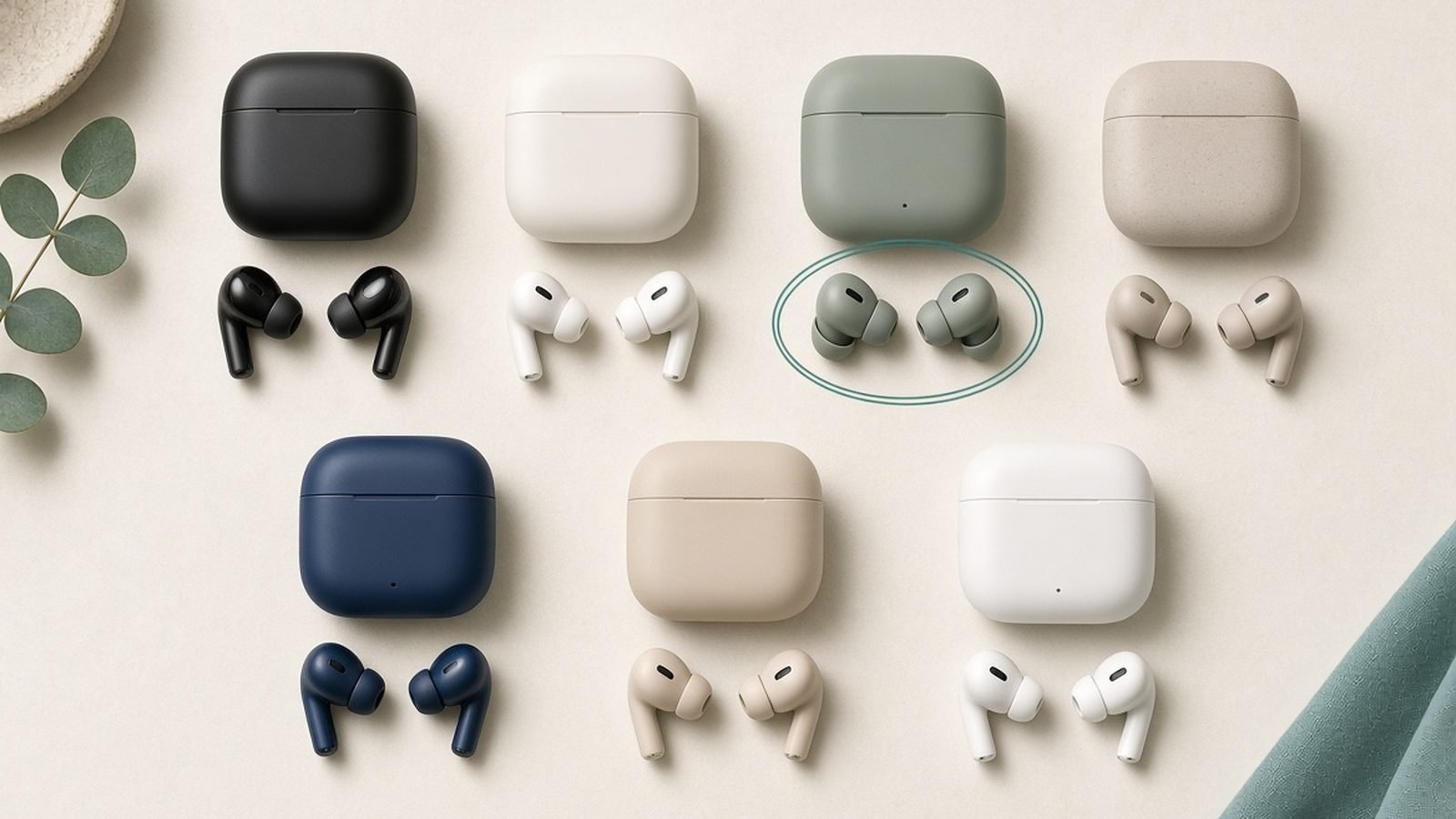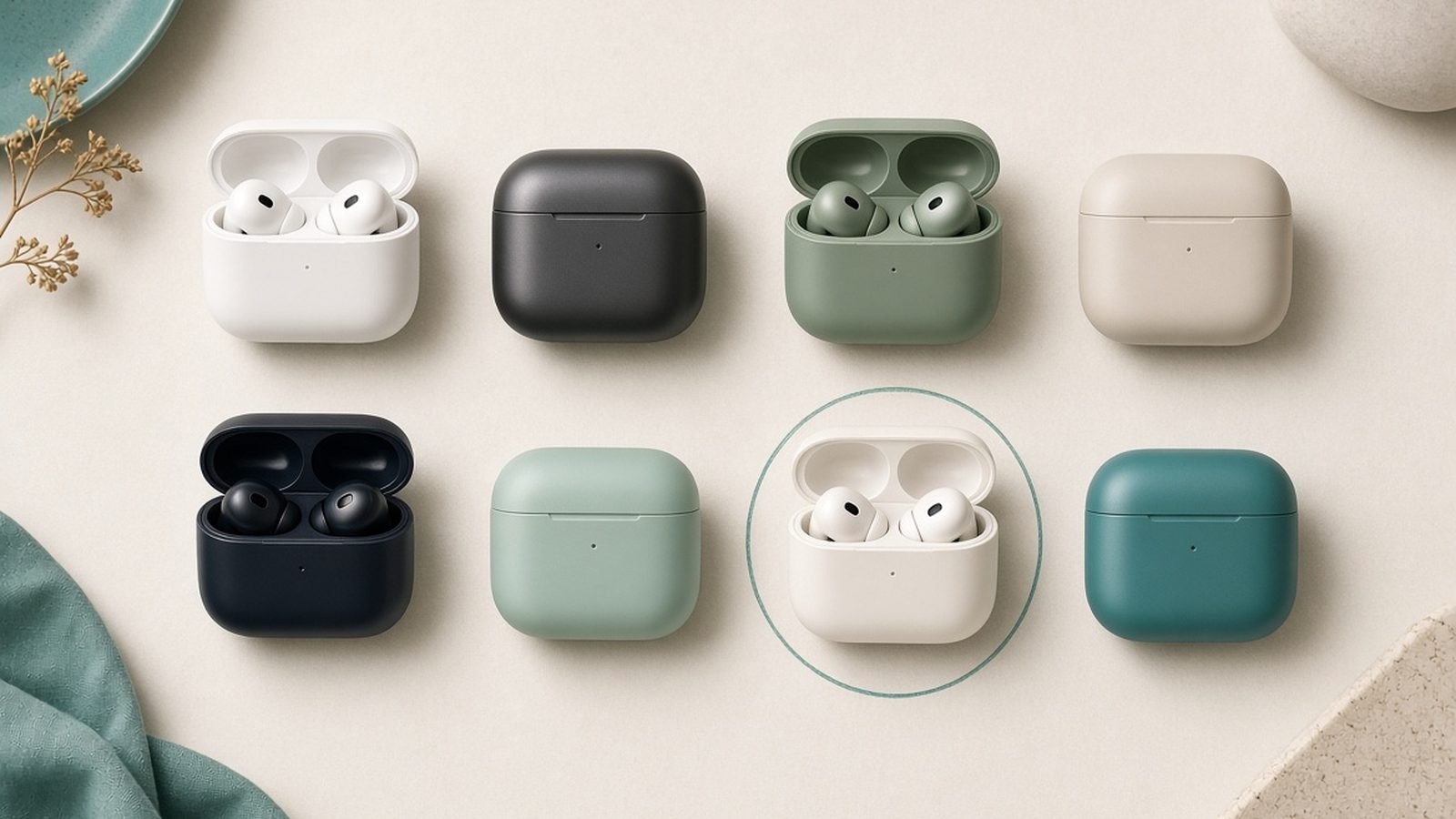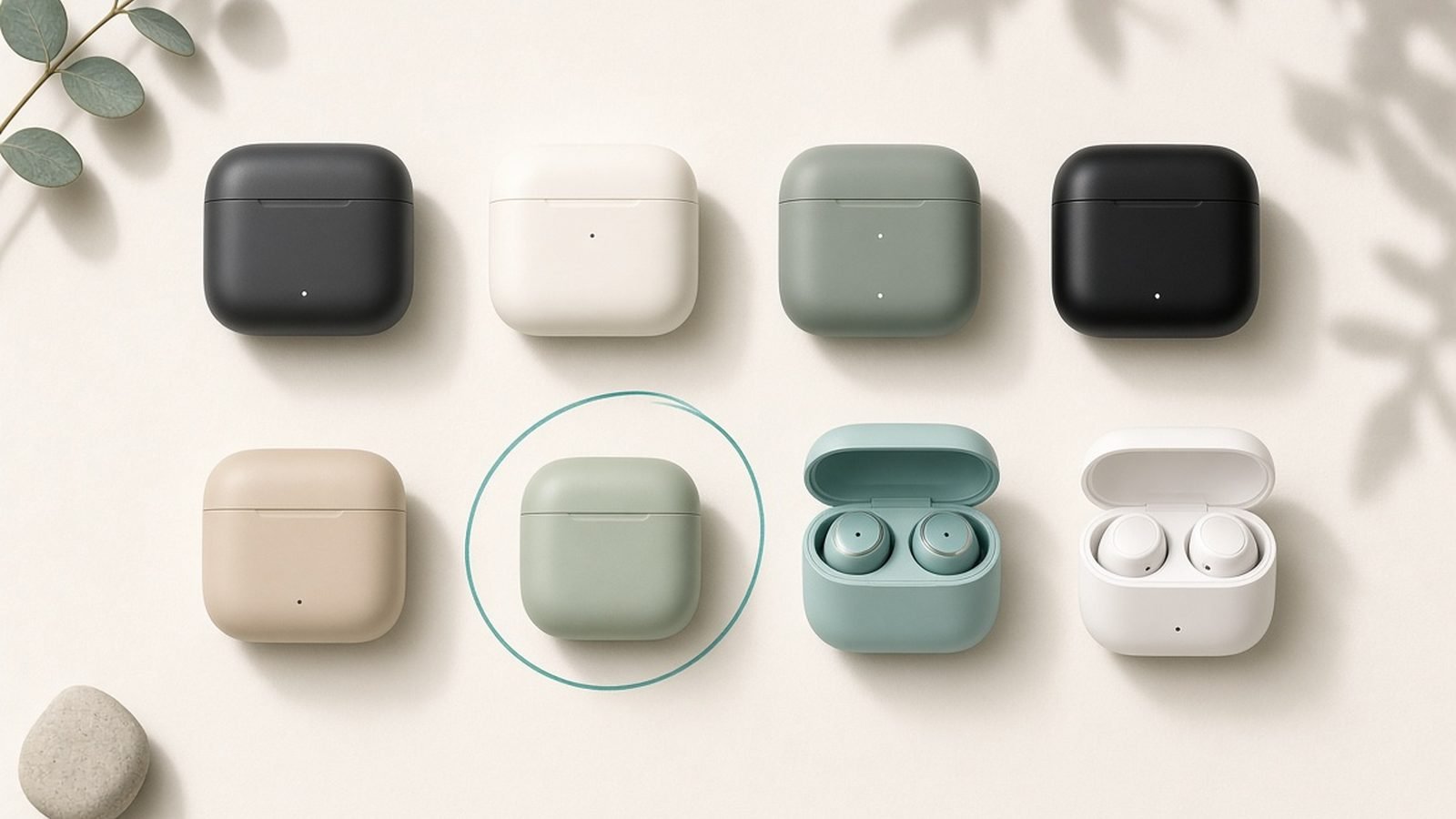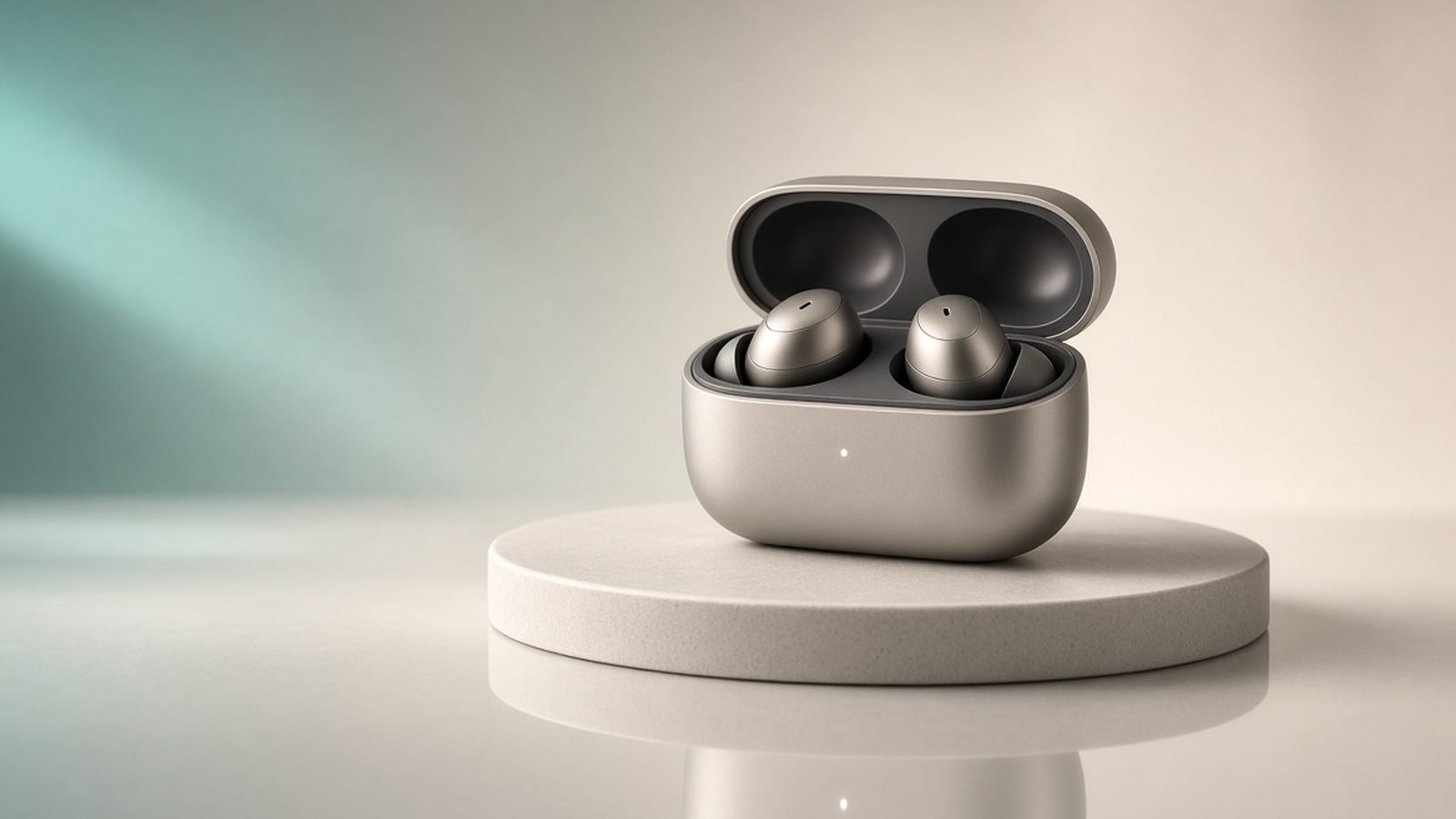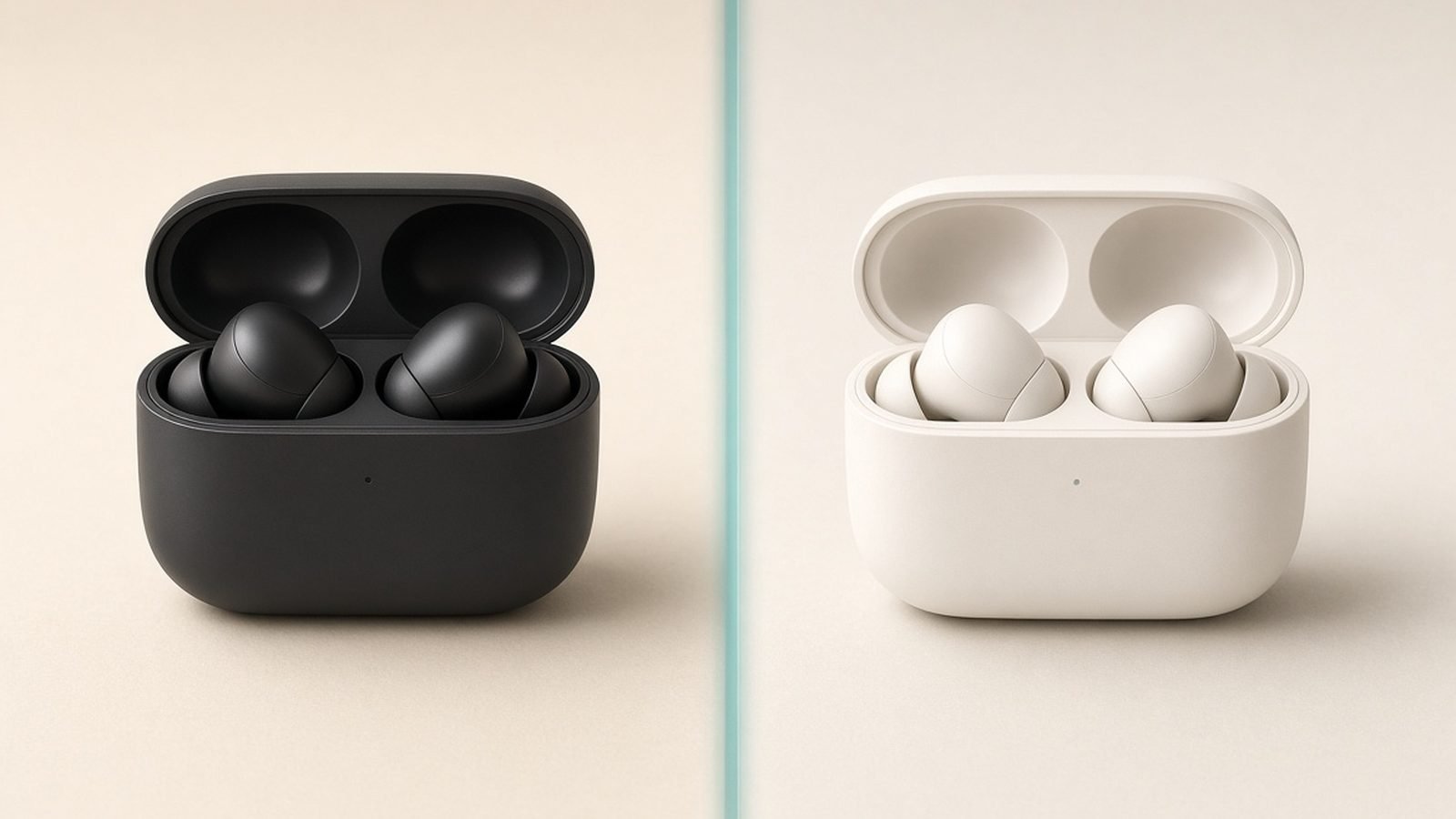
The AirPods Pro 3 vs Sony WF-1000XM6 question is the premium earbuds decision of 2026 — and the honest answer depends less on the earbuds than on the phone in your pocket. Sony’s new flagship finally landed this year with richer sound, LDAC support and the deepest companion app in the business. Apple’s buds counter with class-leading noise cancellation, hearing health features and a price that regularly dips $130 below Sony’s.
In our research — spec-by-spec analysis plus hundreds of aggregated owner reports and professional reviews — neither pair “wins” outright. But one of them is clearly right for you, and it takes about two minutes to figure out which.
TL;DR: The Verdict by Phone Platform
- You use an iPhone: Buy the AirPods Pro 3. Equal-or-better ANC, hearing health features, heart rate sensing and seamless iOS integration — usually for less money. Sony’s biggest advantage (LDAC) doesn’t even work on iPhone.
- You use Android: Buy the Sony WF-1000XM6. LDAC hi-res streaming, full app support, multipoint that behaves, and none of the feature amputation AirPods suffer off-iPhone.
- You switch platforms or care about ANC above all else: Consider the wildcard, the Bose QuietComfort Ultra Earbuds (2nd Gen) — arguably the strongest raw noise cancellation on the market, and it treats iOS and Android equally.
Here’s the head-to-head at a glance:
| Apple AirPods Pro 3 | Sony WF-1000XM6 | |
|---|---|---|
| Price (RRP) | $249 / £219 | $329.99 / £279 |
| Street price (mid-2026) | Often $199 / £189 | Rarely discounted yet |
| Codecs | AAC only | AAC, LDAC (hi-res on Android) |
| ANC | Class-leading, best on voices | Excellent, best on low rumble |
| Battery (buds, ANC on) | Around 8 hours | Around 8+ hours (Sony’s claim) |
| Health features | Heart rate, hearing test, hearing aid mode | None |
| App depth | Minimal (iOS Settings) | Deep EQ, adaptive controls, both platforms |
| Water resistance | IP57 | IP-rated for splashes (buds only) |
| Best on | iPhone | Android (great on both) |
Price and Availability (US and UK)
The pricing gap is bigger than the spec sheets suggest. The AirPods Pro 3 launched at $249 / £219, but ten months in they’re one of the most frequently discounted products in tech: the $199 street price has appeared repeatedly in 2026, including Amazon’s spring and Memorial Day sales, and UK pricing routinely slips to around £189.
Check price: Apple AirPods Pro 3
The Sony WF-1000XM6 arrived in 2026 at $329.99 / £279 — a $30 increase over the XM5’s launch price, which drew grumbles from fans hoping Sony would move the other way. As a fresh flagship, meaningful discounts are rare so far; based on Sony’s usual cadence, expect the first real price drops around Black Friday.
That means the real-world question in mid-2026 is often “$199 AirPods vs $330 Sonys” — a 65% price premium Sony has to justify. Keep that framing in mind through everything below.
Design, Fit and Case Compared
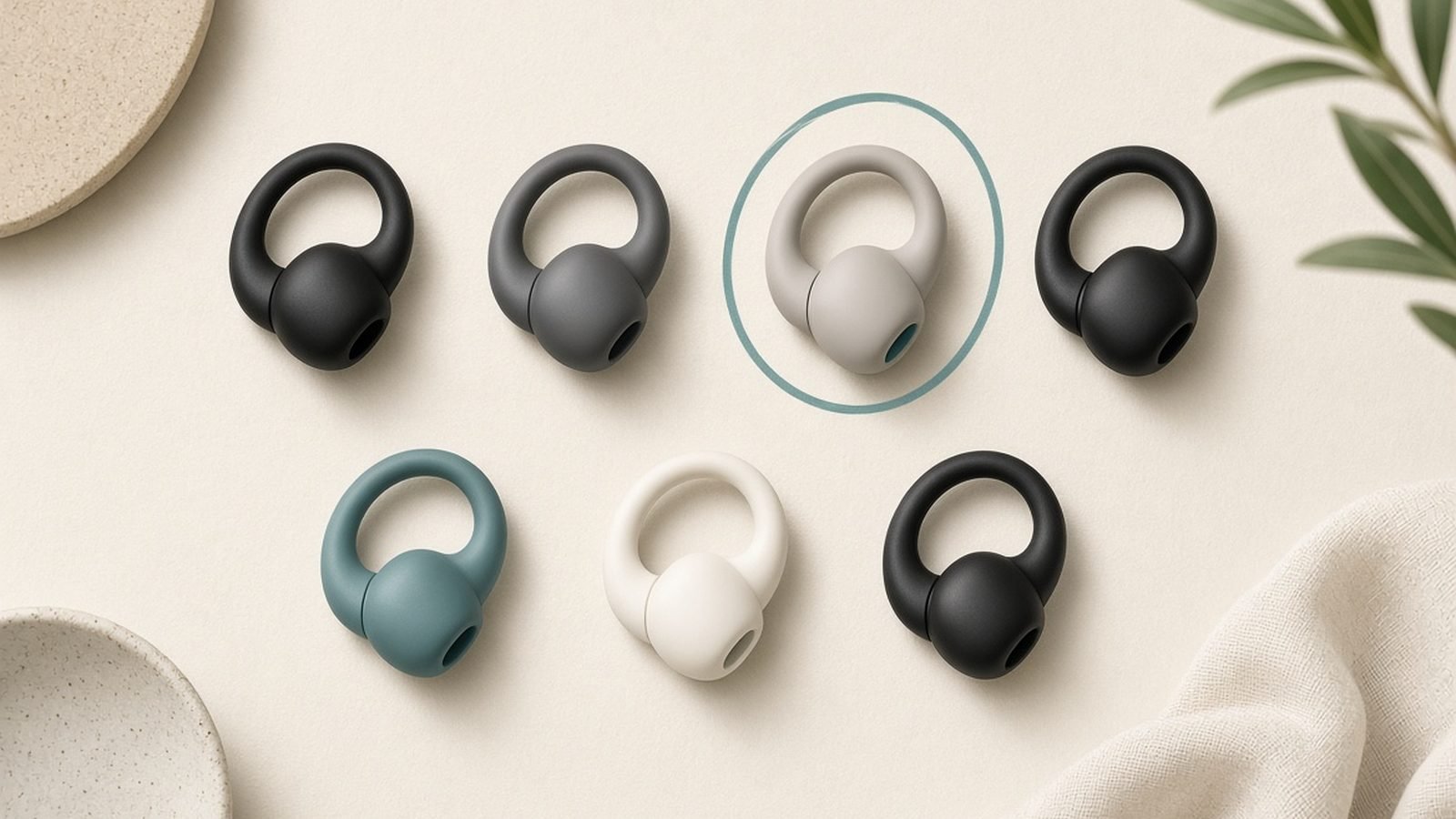
Apple made the AirPods Pro 3 noticeably more secure than their predecessors. The buds sit deeper and angle further into the ear, and the foam-infused ear tips now come in five sizes (down to XXS), which owner reports consistently credit for a better seal on smaller ears. IP57 dust and water resistance makes them the more workout-friendly pick of the two — sweat and rain are simply not a concern.
Sony’s WF-1000XM6 buds are comfortable and stable, continuing the rounded, stemless shape the line is known for, with Sony’s polyurethane foam tips doing seal duty. The trade-off is the case: it’s chunkier than Apple’s, and “bigger case” is one of the most common gripes in early owner feedback. Apple’s case remains the pocketability champion, and it adds Precision Finding via the U-chip so a lost case is genuinely findable from an iPhone.
Controls split on philosophy. Sony gives you customisable touch surfaces with tap-and-hold gestures you can remap freely in the app. Apple uses stem pinches and slides — more resistant to accidental triggers, less customisable. Neither approach is wrong; gym users tend to prefer Apple’s stems, remap-lovers prefer Sony.
ANC and Transparency Head-to-Head
This is the marquee fight, and the Sony WF-1000XM6 vs AirPods Pro 3 ANC battle is closer than either fanbase admits.
Apple roughly doubled the AirPods Pro 3’s noise cancellation over the Pro 2, and the consensus across professional measurements and owner reports is that these are among the earbuds with the best noise cancelling in 2026, full stop. They are especially strong in the midrange — chatty offices, coffee shops, crying babies on planes — where most ANC systems struggle. The foam-infused tips deserve a share of the credit: passive isolation does real work here.
Sony’s XM6 answers with an upgraded processor and more microphones, and it remains phenomenal at low-frequency drone — jet engines, train rumble, HVAC hum. In our research, the two trade blows by frequency band: Sony edges the low rumble, Apple edges voices and mids, and both are far beyond what the XM5 or Pro 2 offered. Nobody buying either pair for ANC will feel short-changed.
Transparency is less of a tie. Apple’s Adaptive Audio and transparency mode still sound the most natural in the business — owners routinely describe forgetting the buds are in. Sony’s ambient mode is good and improved, but a touch more processed. If you spend half your day toggling between isolation and awareness, that’s a quiet but real point for Apple.
Sound Quality and Codec Support (AAC vs LDAC)
Ask which has better sound quality, Sony or Apple earbuds, and the short answer is: Sony, by a nose, if your phone can feed them properly.
The WF-1000XM6 sounds richer and more textured out of the box, with Sony’s typically warm, bass-forward tuning that you can reshape completely via the multi-band EQ in the Sound Connect app. Crucially, LDAC support means Android users streaming from Apple Music, Tidal or Amazon Music can push near-hi-res bitrates — roughly triple what AAC carries. Add DSEE Extreme upscaling for compressed sources and Sony is the clear pick for listeners who care about fidelity per se.
The AirPods Pro 3 are no slouch — Apple’s tuning is balanced, spacious and consistent, and Adaptive EQ quietly corrects for fit variations in real time. Personalised Spatial Audio with head tracking is genuinely excellent for film and TV. But they remain AAC-only on every platform, and Apple still offers no full manual EQ. For most listeners on streaming services, the audible gap is smaller than spec-sheet warriors claim; for critical listeners with lossless libraries and an Android phone, it’s decisive.
If terms like LDAC and AAC are new to you, our explainer breaks down what actually matters: Bluetooth Codecs Explained: AAC vs aptX vs LDAC vs LC3.
Features: Hearing Health and Heart Rate vs Sony App Depth
Here the two products stop competing and start diverging.
Apple has turned the AirPods Pro 3 into a health device. They can run a clinical-grade hearing test, function as an FDA-cleared hearing aid for mild-to-moderate hearing loss, protect your ears with Loud Sound Reduction, and — new to this generation — track heart rate during workouts, feeding data straight into Apple Fitness. Live Translation, hands-free Siri and automatic device switching round out a feature set no other earbuds match on iPhone.
Sony’s answer is depth rather than novelty. The Sound Connect app offers the most granular control of any mainstream earbuds: full EQ with custom presets, adaptive sound that changes behaviour by location and activity, speak-to-chat, per-bud control remapping, multipoint to two devices with fine-grained management, and Sony’s 360 Reality Audio and cinema-style spatial modes. Critically, all of it works identically on iOS and Android.
The blunt summary: Apple gives you features you can’t get anywhere else; Sony gives you control Apple refuses to offer. Which matters more is personal — but if hearing health is a factor for you or a family member, the AirPods’ hearing aid capability is close to a category of its own at this price.
Call Quality and Battery Life
Call quality has become a genuine strength for both. Apple leans on the H2 chip’s voice isolation, and aggregated caller feedback puts the AirPods Pro 3 among the best earbuds for calls in wind and street noise. Sony’s XM6 uses AI-trained noise reduction built on a large voice dataset, and early owner reports rate it a clear improvement over the XM5, which had been Sony’s weak spot. Call this one a tie, with Apple slightly ahead in blustery conditions based on the reports we’ve reviewed.
On battery, Apple quotes around 8 hours per charge with ANC on — a big generational jump — with roughly 24 hours total including the case. Sony claims marginally more per charge and a similar case total, and adds a party trick Apple lacks: a few minutes on charge yields about an hour of playback, among the fastest top-ups in the category. Both cases charge wirelessly. In practice, owner-reported real-world figures for both land close enough to claims that battery shouldn’t decide this purchase either way.
Ecosystem Lock-In: iPhone vs Android Reality
This section decides the purchase for most people, so let’s be blunt about how AirPods vs Sony earbuds shake out for iPhone and Android owners.
AirPods Pro 3 on Android: they pair and play, and ANC works — and that’s about it. No automatic switching, no Adaptive Audio controls, no hearing features, no heart rate integration, no spatial audio personalisation, no find-my support, and firmware updates become a hassle. You’d be paying $249 for perhaps 60% of the product. In our research this is the single most regretted purchase pattern in premium earbuds: Android owners buying AirPods because of the brand.
WF-1000XM6 on iPhone: a completely different story. You lose LDAC (iPhones don’t support it, so you’re on AAC) and Android-only fast pairing — but the entire Sound Connect app, EQ, adaptive features, multipoint and speak-to-chat all work fine. The XM6 on iPhone is a legitimately good experience; it just surrenders its codec advantage and can’t match Apple’s OS-level conveniences like instant switching between iPhone, iPad and Mac.
So the asymmetry is stark: Sony degrades gracefully on iPhone, AirPods degrade brutally on Android. That asymmetry, more than any spec, is why our verdict is platform-based.
Verdict: Which Should You Buy — and the Bose Wildcard
Apple AirPods Pro 3 — best for iPhone owners
Pros
- Class-leading ANC, especially on voices and midrange noise
- Best-in-class transparency and Adaptive Audio
- Hearing test, hearing aid mode and heart rate tracking
- Seamless iOS integration, IP57, pocketable case
- Frequently on sale at $199 / £189
Cons
- AAC only — no hi-res codec on any platform
- No manual EQ; minimal customisation
- Severely feature-limited on Android
If you own an iPhone, this isn’t close. The AirPods Pro 3 match or beat the Sony where it matters most (ANC, transparency, calls), add health features Sony can’t answer, and typically cost $130 less on the street. Our full deep dive is here: AirPods Pro 3 Long-Term Review: 9 Months Later (2026).
Sony WF-1000XM6 — best for Android owners
Pros
- Richer, more customisable sound with full EQ
- LDAC hi-res streaming on Android
- Deepest companion app in the business, identical on both platforms
- Excellent ANC on low-frequency rumble; fast top-up charging
Cons
- $329.99 / £279 with few discounts so far
- Bulkier case than Apple’s
- Loses LDAC on iPhone
On Android, the XM6 is the best premium wireless earbud of 2026 in our research: you get its full sound quality ceiling, every app feature, and none of Apple’s walled-garden penalties. It’s also the right pick for iPhone owners who prioritise EQ control over ecosystem magic. Full review: Sony WF-1000XM6 Review: The New Earbuds King? (2026).
Bose QuietComfort Ultra Earbuds (2nd Gen) — the ANC-obsessive’s wildcard
Pros
- Arguably the strongest raw noise cancellation available
- Punchy, full-bodied sound; Immersive Audio is convincing
- Platform-agnostic — same experience on iOS and Android
Cons
- Around $299 / £299.95 — UK pricing is poor value versus the US
- Immersive Audio meaningfully drains battery
- Case and buds are the bulkiest of the three
If you fly weekly, work on a factory floor, or simply want maximum silence and don’t care whose logo is on the case, the Bose deserves a serious look before you commit to either headline act. Just budget for the battery hit if you plan to live in Immersive Audio mode.
And if all three prices made you wince, genuinely good ANC now exists for a fraction of the cost — start with Best Wireless Earbuds Under $100 (£80) in 2026: Ranked, and browse everything we cover in audio at Audio.
FAQ
Are the Sony WF-1000XM6 worth $80 more than AirPods Pro 3?
Only on Android. There, LDAC, the full EQ suite and complete app support justify the premium for anyone who cares about sound quality. On iPhone, no — you lose LDAC, the AirPods’ ANC and transparency are as good or better, and the street-price gap is often $130. iPhone owners should keep the difference.
Do Sony WF-1000XM6 work well on iPhone?
Yes, with one asterisk. The WF-1000XM6 on iPhone keeps its full app, EQ, ANC, multipoint and adaptive features — it degrades far more gracefully than AirPods do on Android. The asterisk is codecs: iPhones don’t support LDAC, so you’ll stream over AAC and give up Sony’s hi-res audio advantage.
Can I use AirPods Pro 3 with an Android phone?
You can pair them and get music with ANC, but you lose most of what you paid for: no hearing features, heart rate, Adaptive Audio control, automatic switching, spatial audio personalisation or easy firmware updates. In our research it’s the most commonly regretted premium earbuds purchase. Android owners should buy the Sony instead.
Which earbuds have the best noise cancelling in 2026?
It’s a three-way fight. Bose’s QuietComfort Ultra Earbuds (2nd Gen) arguably lead on raw cancellation strength, Apple’s AirPods Pro 3 are strongest on voices and midrange noise, and Sony’s WF-1000XM6 excels at low-frequency rumble like jet engines. All three sit within touching distance — fit and seal will affect your results more than the brand.
Do the AirPods Pro 3 support lossless or hi-res audio?
No. The AirPods Pro 3 use AAC on every platform — there’s no LDAC, aptX or standard lossless codec support. Apple’s Adaptive EQ and tuning make the most of AAC, and most streaming listeners won’t notice. But if hi-res wireless audio is a priority, the Sony WF-1000XM6 with an LDAC-capable Android phone is the pick.
When will the Sony WF-1000XM6 get a price drop?
Sony flagships historically hold their launch price for several months, then dip during major sales events. Having launched in 2026 at $329.99 / £279, the XM6’s first meaningful discounts are most likely around Black Friday and Cyber Monday 2026. The outgoing WF-1000XM5 is the value play meanwhile, often heavily discounted.
Zen Tech Hub may earn a commission from links on this page, at no extra cost to you.