Grado makes some of the most engaging, toe-tapping headphones you can buy, and the verdict is unusually clear-cut: if you want lively, detailed, energetic sound for listening to music at home — especially rock, guitar, and acoustic recordings — a Grado is one of the best value buys in all of audio. The entry-level SR80x is a genuine icon. The big caveat is that Grado headphones are relentlessly old-school: minimal comfort padding, open designs that leak sound in both directions, and zero modern conveniences like wireless, ANC, or apps.
You either love the Grado approach or you find it baffling. There isn’t much middle ground, and that’s exactly how the family that runs it likes it.
Company overview
Grado Labs is a family-owned company based in Brooklyn, New York, and it has been making audio products in the same building since 1953. It was founded by Joseph Grado, a watchmaker who began by hand-building phono cartridges, and it’s now run by the third generation of the family. Almost uniquely in modern audio, Grado still designs and assembles its headphones by hand in Brooklyn rather than outsourcing to overseas factories.
Grado is privately held and independent — not part of any larger conglomerate — which is central to its identity and its stubbornly consistent house sound. Its reputation among enthusiasts is that of a beloved cult brand: idiosyncratic, unpretentious, and offering exceptional sound-per-dollar, with an aesthetic and comfort profile that hasn’t changed much in decades.
What Grado makes
Grado keeps its catalog narrow and coherent:
- Prestige series — the entry and mid-tier open-back headphones (SR60x, SR80x, SR325x) that most people start with.
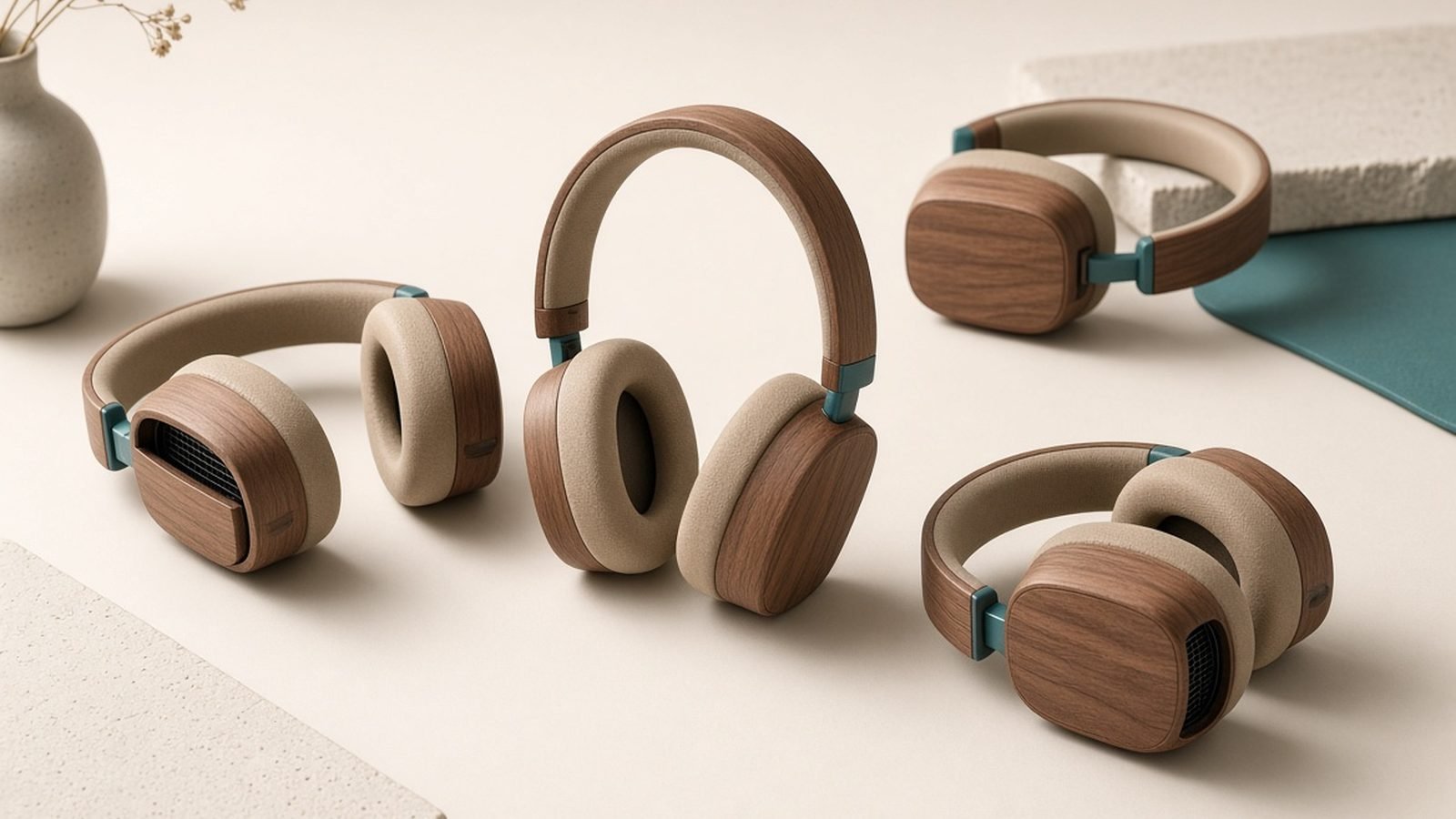
- Reference series — step-up models like the RS1x and RS2x, often built with wood housings.
- Statement series — the flagship open-backs (GS1000x, GS3000x) using premium materials.
- Wireless and earbuds — the GW100 wireless open-back and the GT220 true-wireless earbuds, Grado’s small concessions to modern life.
- Phono cartridges — the product Grado started with, still made for turntable owners.
Standout Grado products in 2026
- Grado SR80x — the headphone that made the brand’s name, and still the value benchmark for open-back sound. Endlessly recommended for a reason. Around $125 / £129.
- Grado SR325x — the top of the Prestige line, with metal housings and a more substantial, punchy sound for people who want more from the same recipe.
- Grado RS2x — a wood-housed Reference model that adds warmth and refinement over the Prestige range.
- Grado GS3000x — the flagship statement piece for listeners chasing Grado’s ultimate expression of its house sound.
- Grado GW100 — the wireless open-back, a genuinely unusual product for anyone who wants Grado sound without a cable.
If you’re weighing Grado against wireless-first alternatives, our Best Headphones 2026: Over-Ear Picks for Every Budget roundup and our Best Wireless Earbuds 2026: Top Picks Compared & Ranked guide are useful reality checks on what you gain and give up. And if the open, airy presentation appeals, our Open-Back vs Closed-Back Headphones: Which Is Right? explainer covers the trade-offs.
Strengths
- Exceptional value. The SR60x and SR80x deliver a caliber of clarity and excitement that costs far more from other brands.
- Engaging, lively sound. Grado’s forward, energetic tuning makes music feel immediate and fun — guitars bite, vocals sit up front.
- Hand-built in the USA. Rare in this category, and a real point of pride and consistency.
- Repairable and long-lived. Simple construction and available parts mean a Grado can last for many years.
- Family independence. No corporate committee is going to sand the character off a Grado.
Weaknesses & criticisms
- Comfort is polarizing. The flat “comfy” foam pads sit on the ears rather than around them, and the retro headband is basic. Some people adapt happily; others find them uncomfortable within an hour.
- Sound leakage. The open design means everyone near you hears your music, and you hear the room. They’re for private, quiet spaces only.
- Bright, aggressive treble. Grado’s energetic tuning can be fatiguing on bright or poorly mastered recordings, and it isn’t for bass-heads.
- Dated aesthetics and materials. At higher prices, the plastic gimbals and no-frills build can feel out of step with rivals.
- Barely any modern features. No ANC, limited wireless options, no app, no fancy pads. This is deliberate, but it narrows the audience.
Reliability & support
Grado headphones are mechanically simple, and that simplicity is a reliability asset — there’s little to fail electronically on the wired models. The most common wear item is the foam ear pads, which are inexpensive and easy to replace, and cables can be repaired given the straightforward construction. Warranty coverage is standard, and because Grado is a small, direct, family-run operation, customer service tends to be personal and responsive, though it lacks the scale and polished RMA systems of larger brands. The wireless models (GW100, GT220) carry the usual caveats of Bluetooth products — battery longevity and firmware are the limiting factors, not the drivers.
Who should buy Grado
Buy Grado if you listen to music at home in a quiet room and want maximum musical engagement per dollar — especially for rock, jazz, acoustic, and vocal-led genres. The SR80x is one of the easiest strong recommendations in audio, and stepping up the range refines rather than reinvents the formula.
Look elsewhere if you need noise isolation, wireless convenience, deep bass, or all-day comfort for the office or travel. For those needs, closed-back or ANC options are a far better fit — start with our Best Noise Cancelling Headphones Under $200 in 2026 guide. Grado is a specialist for home listening, not a do-everything headphone.
FAQ
Is Grado a good brand?
Yes, for the right listener. Grado offers outstanding value and uniquely engaging sound for home listening. It’s a poor choice only if you want isolation, wireless, or bass-forward tuning — none of which are what Grado sets out to do.
Is Grado reliable?
Yes. The wired headphones are simple and durable, with easily replaceable pads. Because Grado hand-builds in small numbers, support is personal but less systematized than at large brands. The wireless models carry the usual Bluetooth longevity caveats.
Where is Grado from and who owns it?
Grado Labs is an American company based in Brooklyn, New York, family-owned since 1953 and now run by the third generation of the Grado family. It is independent and not part of any larger corporation.
Are Grado headphones worth it?
The lower Prestige models (SR60x, SR80x, SR325x) are among the best value in audio and easy to recommend. The higher wood-housed models are more of a diminishing-returns, enthusiast purchase — excellent, but you pay steeply for refinement over the SR80x’s core sound.
Grado vs Sennheiser — which should I choose?
Grado is more forward, energetic, and exciting; Sennheiser’s open-backs (like the HD 600 series) are smoother, more neutral, and generally more comfortable. Choose Grado for fun and immediacy, Sennheiser for balance and long-session comfort.
Are Grado headphones uncomfortable?
They can be. The on-ear foam pads and minimal headband are polarizing — some listeners wear them for hours happily, others find them tiring quickly. Aftermarket pads can improve the fit, and it’s worth trying a pair before committing to a higher-end model.
Zen Tech Hub may earn a commission from links on this page, at no extra cost to you.