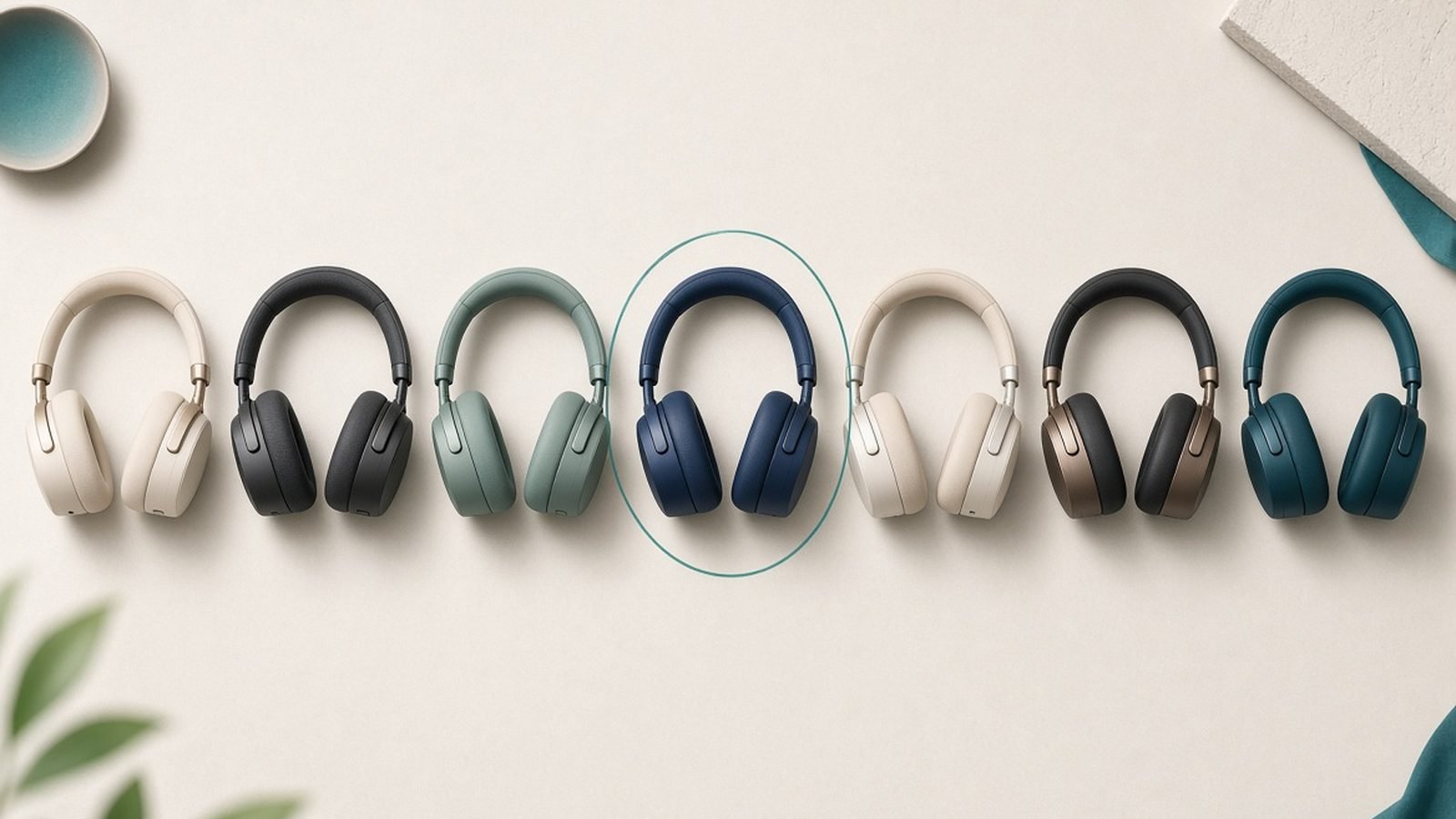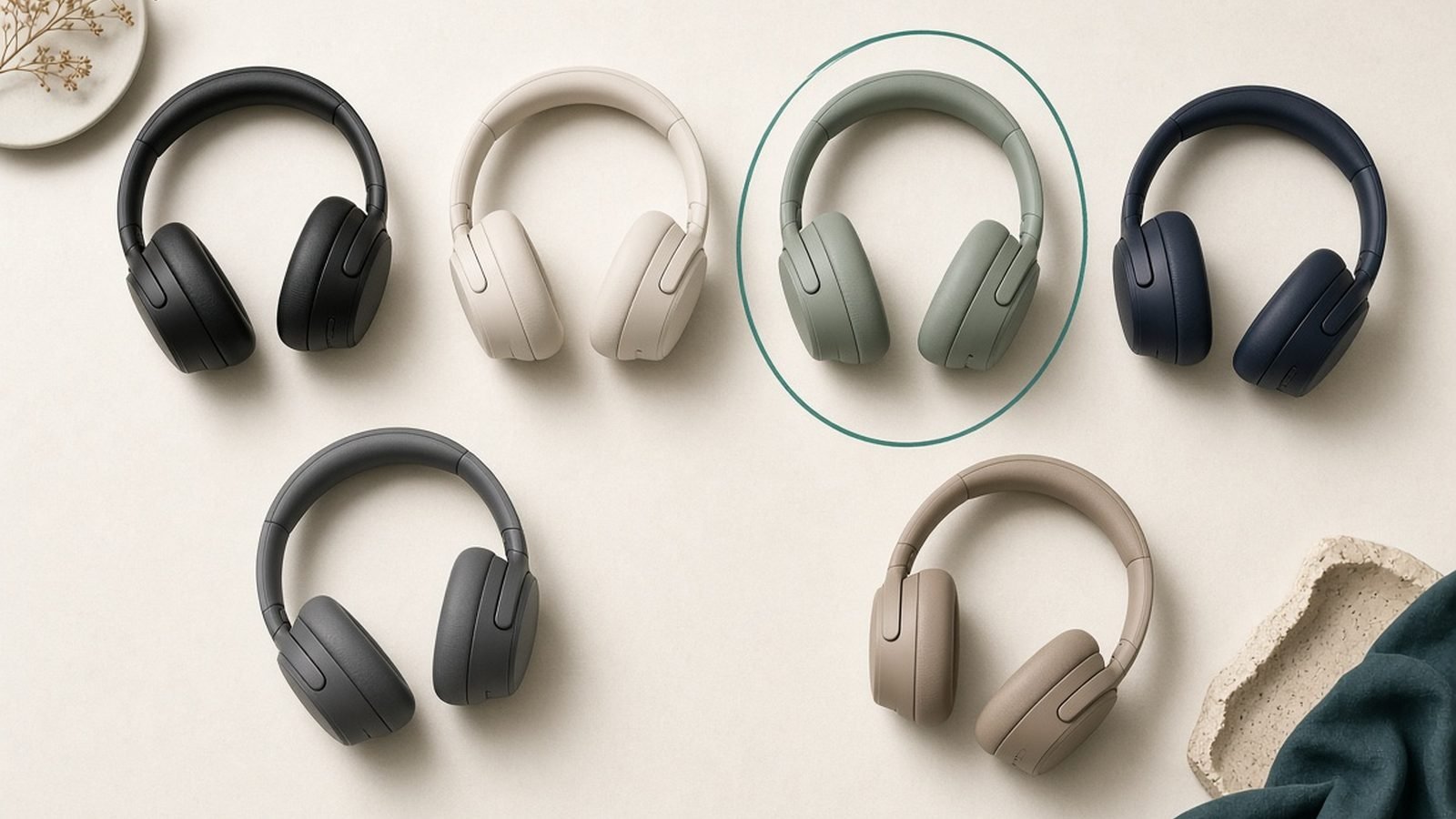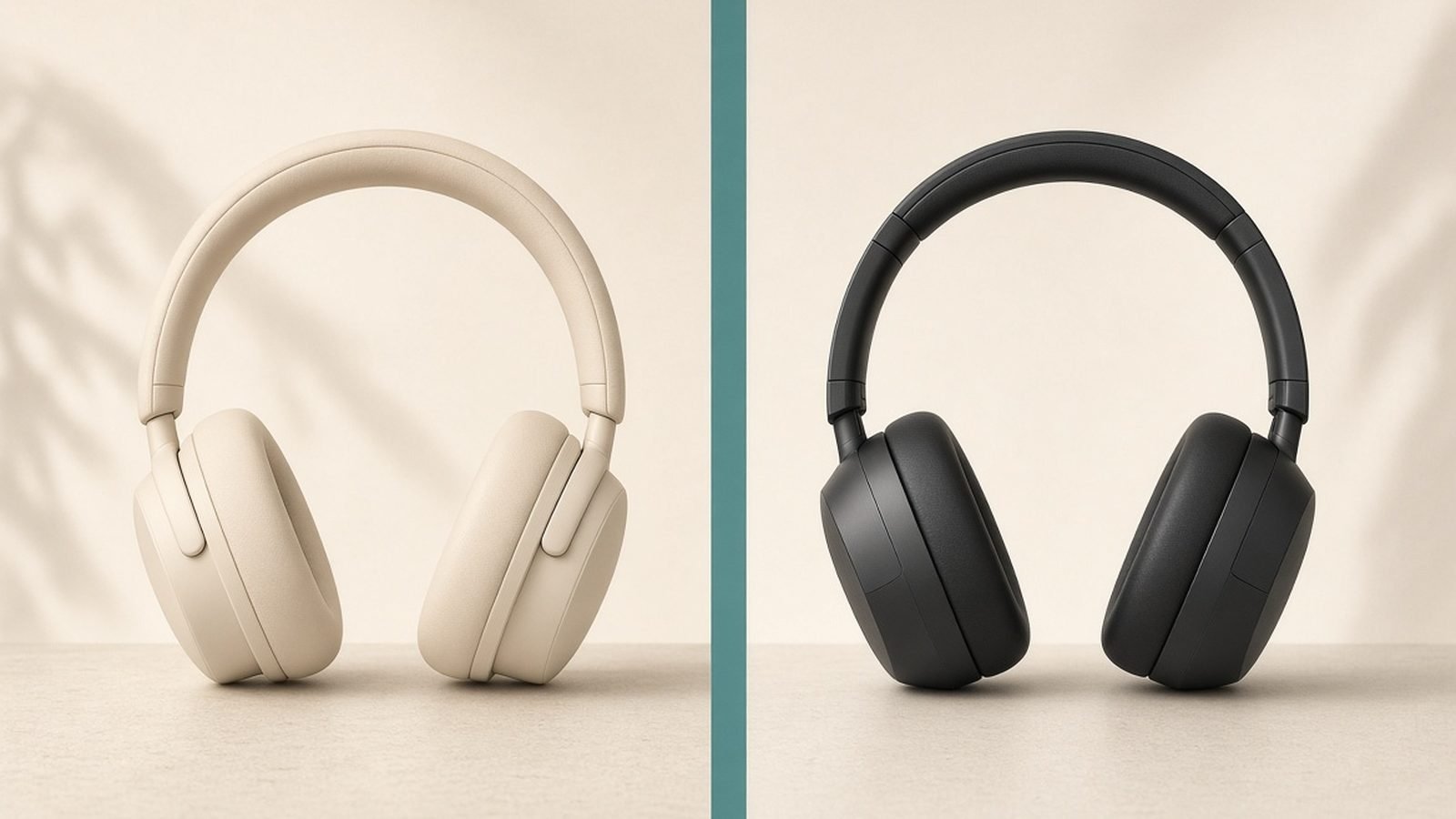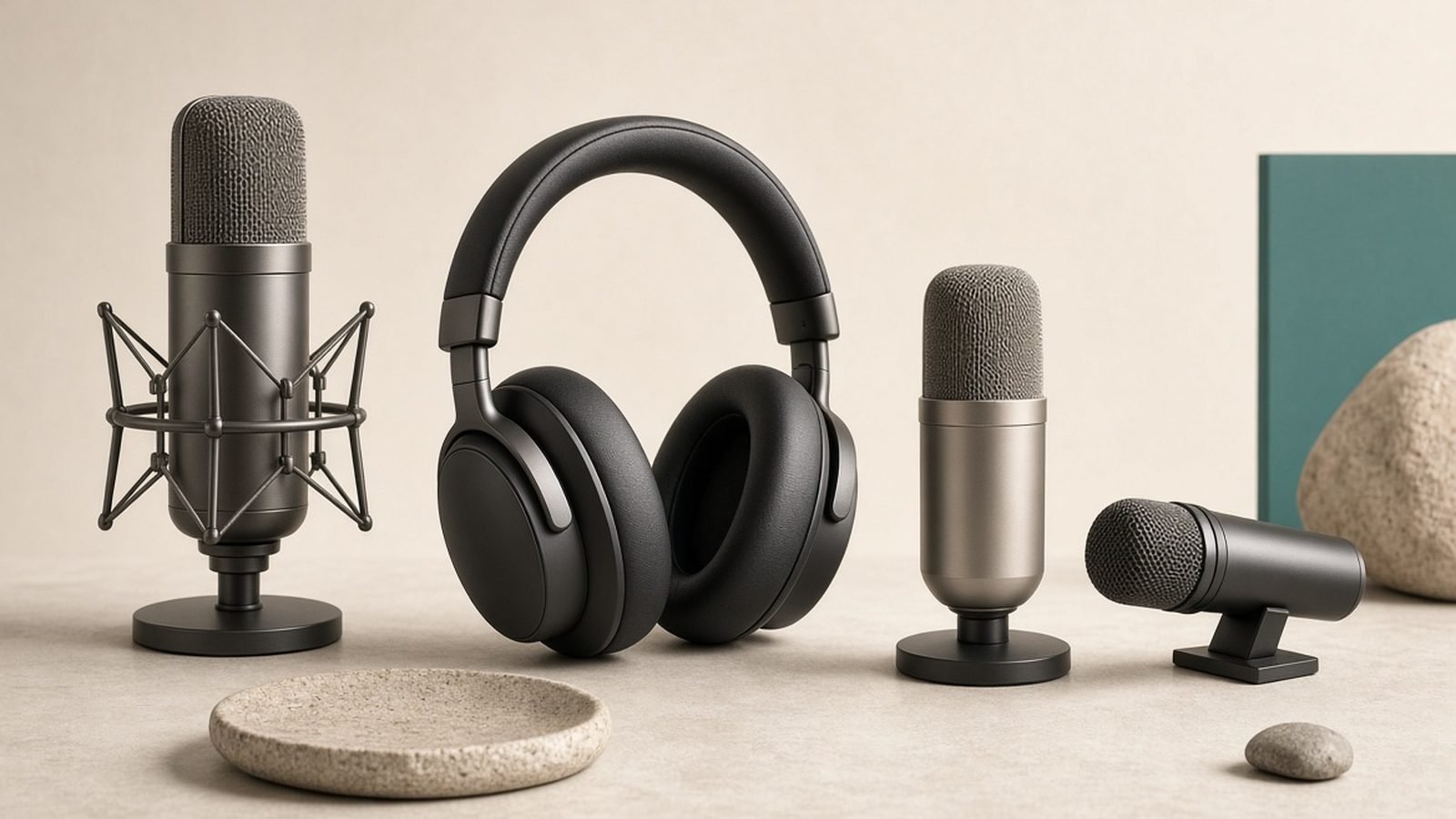
Sennheiser is the brand you buy when sound quality matters more than gimmicks. In 2026 it remains one of the most respected names in audio, spanning everything from $30 wired earbuds to five-figure electrostatic reference systems. The short verdict: Sennheiser makes some of the best-sounding headphones at almost every price point, with a reputation for durability and neutral, honest tuning — but its consumer earbuds trail Sony and Bose on noise cancellation and app polish, and its most iconic open-back models need an amp and a quiet room to shine.
If you care about how music actually sounds and you’re willing to trade a little convenience for it, Sennheiser is an easy recommendation. If you want class-leading ANC, deep app customization, or the absolute lowest price, look at the mainstream leaders first.
Company overview
Sennheiser was founded in 1945 in Wedemark, near Hanover, Germany, and is still controlled by the founding Sennheiser family. For decades it operated as a single company covering consumer headphones, professional microphones, and pro audio systems used on stages and film sets worldwide.
The most important thing to understand about Sennheiser in 2026 is the 2021 split. The family sold its consumer electronics division — headphones, earbuds, and soundbars — to the Swiss hearing-technology group Sonova, while retaining the professional business (studio microphones, wireless stage systems, business communications) under the Sennheiser name. In practice, the consumer products you buy today are made by Sonova under license, using the Sennheiser brand and much of its engineering heritage. Reassuringly, product quality and tuning have stayed consistent since the handover, and Sonova has continued the classic lines rather than diluting them.
Sennheiser’s reputation is that of an engineer’s brand: neutral tuning, long product lifespans, and replaceable parts. It is trusted by both recording studios and home audiophiles, which is a rare combination.
What Sennheiser makes
Sennheiser’s consumer catalog in 2026 covers a wide spread:
- Open-back audiophile headphones — the HD 600 family (HD 600, HD 650, HD 660S2) and the flagship HD 800S, plus the electrostatic HE 1 halo product. These are for home listening with an amp.
- Closed-back and wireless over-ears — the Momentum Wireless line, aimed at travel and everyday use with noise cancellation.
- True wireless earbuds — the Momentum True Wireless series and the sportier Sport models.
- In-ear monitors (IEMs) — the IE 200, IE 600, and IE 900, wired earphones aimed at detail-focused listeners and musicians.
- Gaming audio — handled largely through the EPOS spin-off, though Sennheiser-branded gaming gear still appears.
- Soundbars — the Ambeo range, known for genuinely impressive single-unit spatial sound at a premium price.
The consistent thread is tuning philosophy: Sennheiser aims for balanced, natural sound rather than the boosted bass many mainstream brands favor.
Standout Sennheiser products in 2026
Sennheiser Momentum 4 Wireless — around $299 / £279. The flagship travel headphone: warm, refined sound, class-leading battery life (roughly 60 hours), and a comfortable, understated design. Its ANC is good rather than best-in-class, but the sound quality makes it a fixture on our Best Headphones 2026: Over-Ear Picks for Every Budget shortlist.
Sennheiser HD 660S2 — around $599 / £499. An open-back audiophile classic, refined for deep, textured bass and midrange realism. It needs a headphone amp and a quiet room, but for home listening it’s one of the most recommended reference headphones you can buy, and a staple of any Best Headphones 2026: Over-Ear Picks for Every Budget discussion.
Sennheiser HD 800S — around $1,699 / £1,499. The flagship open-back, prized for an enormous, precise soundstage. Analytical rather than forgiving, it rewards good source gear and reveals every flaw in a recording.
Sennheiser IE 600 — around $699 / £599. A high-end wired IEM with a detailed, cohesive sound and a famously durable amorphous-metal housing. A benchmark for people who prefer in-ear listening without going wireless.
Sennheiser Momentum True Wireless 4 — around $299 / £259. The flagship earbuds: excellent sound and a comfortable fit, though ANC and app features sit a step behind Sony and Bose.
Sennheiser Ambeo Soundbar Plus — around $999 / £999. A single-unit soundbar that produces convincing virtual surround, competing with much larger multi-speaker systems.
Strengths
Sound quality across the range. This is the core reason to buy Sennheiser. From the budget IE 200 to the HD 800S, the tuning is honest and musical, and reviewers consistently rank Sennheiser near the top for pure audio fidelity.
Durability and repairability. The HD 600 series has been in production for decades precisely because it’s built to last, with user-replaceable cables, earpads, and headbands. Many Sennheiser owners keep the same headphones for ten years or more.
Neutral, non-fatiguing tuning. Sennheiser avoids the aggressive bass boost common elsewhere. That makes its headphones excellent for long sessions and for anyone who wants to hear a recording as intended.
Range and pricing spread. Few brands cover $30 wired earbuds to five-figure electrostatics with the same credibility. There’s a good Sennheiser at almost any budget.
Weaknesses & criticisms
Noise cancellation and app polish. On wireless earbuds and travel headphones, Sennheiser’s ANC and companion app trail Sony and Bose. If active noise cancellation is your single biggest priority, those rivals usually edge it.
Open-back models are demanding. The famous HD 600-series and HD 800S leak sound in both directions, need an amplifier to reach their potential, and are useless in noisy environments. Buyers who don’t understand this are often disappointed.
The Sonova ownership question. Some longtime fans remain wary that the consumer division is now Sonova-owned rather than family-run. In practice the products have held up, but it’s a fair thing to know before you buy.
Premium pricing on flagships. The high-end IEMs and open-backs are expensive, and the earbuds sit at the pricey end of the mainstream market without leading it on features.
Reliability & support
Sennheiser has one of the better reliability reputations in audio, particularly for its wired headphones, which are famously long-lived and easy to service with off-the-shelf replacement parts. The open-back HD 600 line is a textbook example of a product designed to be repaired rather than replaced.
Wireless products carry the usual caveats of any battery-powered audio gear: capacity fades over a few years of heavy use, and firmware updates occasionally introduce or fix connectivity quirks. Warranty is typically two years in most regions, which is more generous than some rivals’ one-year coverage. Customer support under Sonova is generally rated as responsive, and the availability of spare pads and cables means many issues can be fixed at home without an RMA at all.
Who should buy Sennheiser
Buy Sennheiser if sound quality is your priority and you value gear that lasts. It’s the natural pick for audiophiles, home listeners with a headphone amp, musicians who want honest monitoring, and travelers who’d rather have refined sound and huge battery life than the absolute best noise cancellation. The wired HD 600 series and IE IEMs are among the safest recommendations in all of audio.
Look elsewhere if you want the quietest possible ANC for flights, the deepest app customization, or a bass-forward, consumer-tuned sound out of the box. In those cases, cross-shop Sony and Bose. For where Sennheiser sits against the field, our Best Headphones 2026: Over-Ear Picks for Every Budget guide compares it directly.
FAQ
Is Sennheiser a good brand?
Yes. Sennheiser is one of the most respected audio brands in the world, known for excellent sound quality, durable and repairable designs, and a range that spans budget to reference-grade. Its main weakness is that its wireless earbuds trail Sony and Bose on noise cancellation and app features.
Is Sennheiser reliable?
Very. Its wired headphones in particular are famously long-lived, with user-replaceable parts that let owners keep them running for a decade or more. Wireless models face the usual battery aging of any rechargeable audio gear, but overall Sennheiser is a low-risk brand, backed by a typically two-year warranty.
Where is Sennheiser from and who owns it?
Sennheiser was founded in 1945 in Wedemark, Germany, and the family still owns the professional audio business. The consumer division — headphones, earbuds, and soundbars — was sold to the Swiss group Sonova in 2021, so today’s consumer products are made by Sonova under the Sennheiser brand.
Is Sennheiser better than Sony?
It depends on what you want. Sennheiser usually wins on pure sound quality and build longevity, while Sony leads on noise cancellation, app features, codec support, and everyday convenience. Audiophiles lean Sennheiser; frequent flyers who prioritize silence often lean Sony.
Do I need an amplifier for Sennheiser headphones?
Only for the open-back audiophile models like the HD 660S2 and HD 800S, which are designed for home use with a headphone amp. The wireless Momentum headphones, earbuds, and most closed-back models work fine straight from a phone.
Are Sennheiser wireless earbuds worth it?
They’re worth it if you prioritize sound quality and a comfortable fit over headline ANC. The Momentum True Wireless line sounds excellent, but if noise cancellation or app depth is your main concern, Sony and Bose are stronger picks at similar prices.
Zen Tech Hub may earn a commission from links on this page, at no extra cost to you.