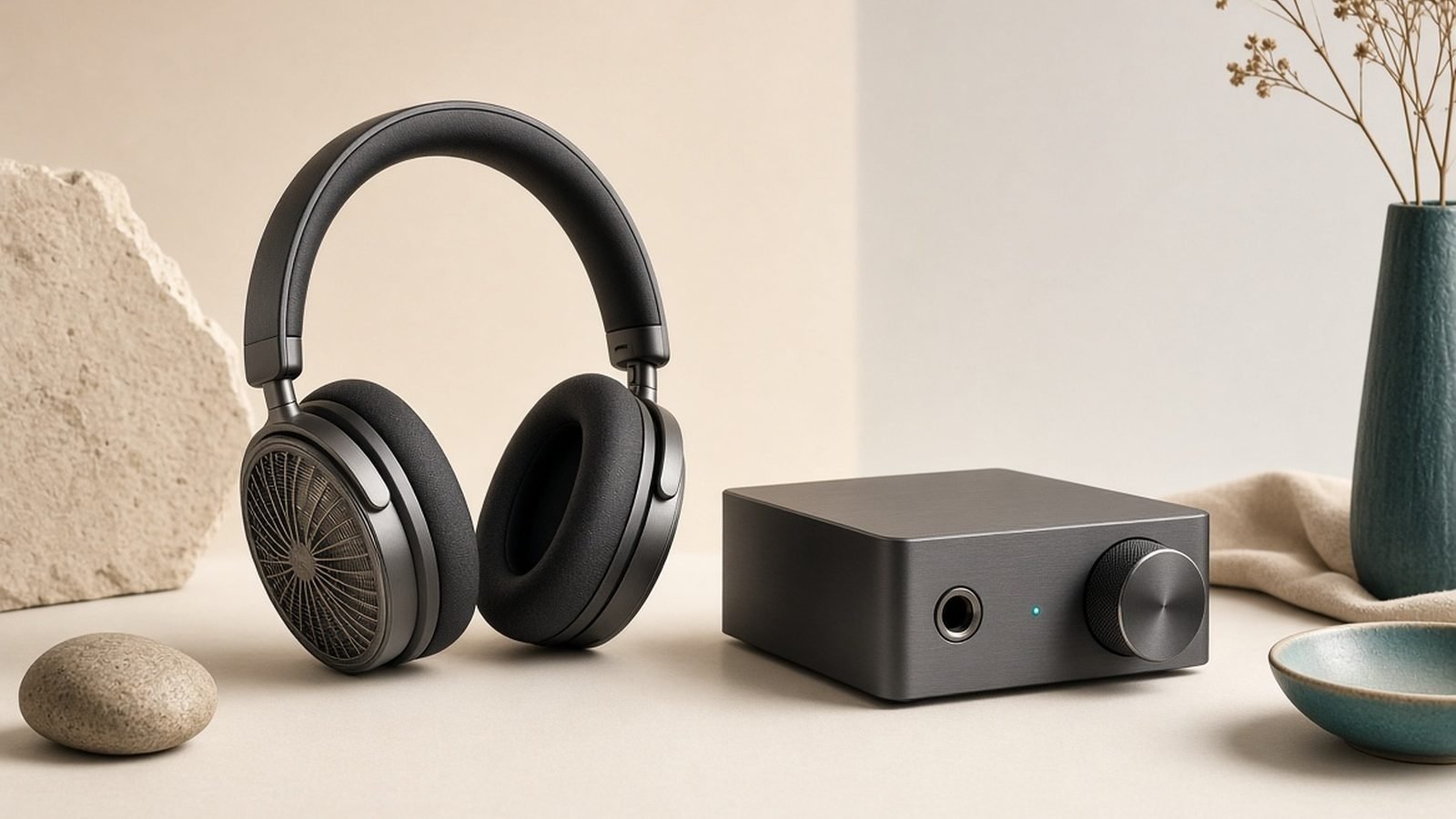
HiFiMan is the brand that made planar magnetic sound — once an exotic, expensive technology — accessible to ordinary headphone enthusiasts. In 2026 it remains one of the most important names in the hobby, offering open-back planar headphones from around a hundred dollars to five-figure flagships, plus a smaller line of players and earphones. The short verdict: HiFiMan delivers some of the best sound-per-dollar in all of headphones, with planars like the Sundara routinely cited as reference value picks and its flagships regarded as genuinely world-class. But the brand is dogged by real weaknesses — inconsistent quality control, build and comfort that can feel cheap for the price, and a customer-support and warranty reputation that ranks among the more frustrating in audio.
If you want the most sound quality your money can buy and you’re comfortable in the enthusiast world, HiFiMan is one of the first brands to consider. If you want dependable build, easy support, and a worry-free ownership experience, you’ll want to weigh the risks carefully first.
Company overview
HiFiMan was founded in 2007 by Dr. Fang Bian, who started the company in New York before its operations and manufacturing became centered in China, where it is now headquartered in Tianjin. The brand built its name on planar magnetic headphones — a driver technology that uses a thin, flat diaphragm and can deliver exceptionally detailed, low-distortion sound — and on making that technology far cheaper than it had ever been.
The company remains privately held and independent, and it designs and manufactures its own drivers, including proprietary technologies it markets heavily, such as its ultra-thin diaphragm and stealth magnet designs. Its scale and vertical integration let it compete at every price point simultaneously, from budget planars to cost-no-object flagships, which is unusual for a specialist headphone maker.
Its reputation is genuinely split. Among enthusiasts, HiFiMan’s sound quality and value are widely admired, and several of its models are considered benchmarks. At the same time, the brand carries a long-standing reputation for uneven build, quality control, and after-sales support that tempers the enthusiasm. Owning a HiFiMan is often described as a trade-off: exceptional sound in exchange for accepting some risk.
What HiFiMan makes
HiFiMan’s 2026 catalog is centered on headphones but spans a few categories:
- Budget planar headphones — entry models like the HE400se that bring planar sound to around a hundred dollars.
- Mid-range open-back planars — the acclaimed Sundara and the Edition XS, widely recommended sweet-spot picks.
- High-end planars — the Ananda and Arya families for serious listeners.
- Flagship planars — the Susvara and other cost-no-object models regarded among the best headphones ever made.
- Digital audio players and dongles — a smaller line of sources to pair with its headphones.
- True-wireless and IEMs — occasional forays into earphones, though these are not the brand’s core strength.
The consistent thread is planar magnetic sound: HiFiMan’s identity is built almost entirely on open-back planar headphones, and that’s where its reputation lives.
Standout HiFiMan products in 2026
HiFiMan Sundara — around $299 / £279. The open-back planar that became the default “best value audiophile headphone” recommendation, praised for detailed, spacious, natural sound that embarrasses far pricier rivals. It’s a fixture on our Best Headphones 2026: Over-Ear Picks for Every Budget shortlist and one of the most-recommended enthusiast headphones of its era.
HiFiMan HE400se — around $109 / £99. An entry-level open-back planar that brings the technology to around a hundred dollars, a common first step into audiophile headphones and a frequent budget pick.
HiFiMan Edition XS — around $499 / £459. A larger, more spacious open-back planar praised for its wide soundstage and value at its price, often cross-shopped with the Sundara as a step up.
HiFiMan Ananda Nano — around $599 / £549. A refined open-back planar aimed at serious listeners, offering more resolution for those ready to spend beyond the sweet spot.
HiFiMan Arya Organic — around $1,299 / £1,199. A near-flagship open-back planar widely admired for its detail and imaging, a target for enthusiasts building toward the top of the range.
HiFiMan Susvara Unveiled — around $6,999 / £6,499. A cost-no-object flagship regarded among the finest headphones ever made, demanding a powerful amplifier and representing the ceiling of the brand’s engineering.
Strengths
Best-in-class sound per dollar. This is the core reason to buy HiFiMan. Its planars, especially the Sundara and HE400se, deliver detail and openness that routinely outclass headphones costing far more.
Planar magnetic expertise. HiFiMan designs and manufactures its own drivers and helped democratize planar technology, giving it genuine engineering credibility rather than a rebadged-parts reputation.
A ladder at every price. Few brands let you climb from a $109 entry planar to a flagship in a single, consistent house sound, making HiFiMan a natural home for enthusiasts as their budgets grow.
Reference-grade flagships. Models like the Susvara are considered among the best headphones ever produced, giving the brand a halo that few rivals can match.
Weaknesses & criticisms
Inconsistent quality control. This is the brand’s most persistent criticism. Reports of driver imbalance, rattles, finish flaws, or dead units on arrival are common enough that many buyers plan to test units carefully and be ready to exchange.
Build and comfort don’t match the price. Headbands, yokes, and finishes can feel cheap or fragile for what you’re paying, and comfort varies. Some models have a reputation for creaky or failure-prone parts.
Frustrating support and warranty. HiFiMan’s after-sales reputation is among the weaker in audio. Warranty claims and repairs can be slow, and dealing with the company directly is a frequent source of complaint, so buying from a retailer with a good return policy matters more than usual.
Erratic pricing and model churn. Frequent price swings, sales, and overlapping models can make the lineup confusing and leave recent buyers feeling stung when prices drop.
Reliability & support
Reliability is HiFiMan’s Achilles’ heel. While many owners enjoy years of trouble-free listening, the brand’s quality control is genuinely inconsistent, and the rate of arrival defects and early failures is high enough to be a recurring theme in the community. The open-back planar design is not inherently fragile, but build materials and assembly on some models feel below the price, and certain older headphones earned reputations for specific failure points. This is a brand where inspecting a new unit promptly and being prepared to return it is sensible advice rather than paranoia.
After-sales support compounds the issue. HiFiMan’s warranty handling and repair turnaround are widely criticized as slow and inconsistent, and direct dealings with the company can be frustrating. The single most important protection for a buyer is to purchase from an authorized retailer with a strong return and exchange policy, so a defective unit can be swapped quickly without relying on the manufacturer’s own process. Warranty terms exist but vary by region and product, and they should not be counted on as a substitute for a good dealer. For a brand whose sound is this good, the ownership experience is the part that requires the most caution.
Who should buy HiFiMan
Buy HiFiMan if your top priority is sound quality per dollar and you’re comfortable in the enthusiast world, ideally buying from a retailer with an easy return policy. It’s the natural pick for listeners wanting their first real audiophile headphone, enthusiasts climbing a planar ladder, and anyone chasing reference-grade sound without paying reference-grade prices at the lower tiers. The Sundara and HE400se are among the safest sound-quality recommendations in all of headphones.
Look elsewhere if you want dependable build, easy support, and a worry-free ownership experience. Buyers who prize reliability and service over the last few percent of sound quality may be happier with a mainstream premium brand. If you do buy HiFiMan, protect yourself with a good dealer. For where its headphones sit against the field, our Best Headphones 2026: Over-Ear Picks for Every Budget guide compares them directly.
FAQ
Is HiFiMan a good brand?
Yes, with a caveat. HiFiMan makes some of the best-sounding headphones for the money, and its planars like the Sundara are widely considered reference value picks. The caveat is real: inconsistent quality control, cheap-feeling build on some models, and a weak support reputation mean the ownership experience carries more risk than most rivals.
Is HiFiMan reliable?
This is its weakest area. Many owners have years of trouble-free use, but quality control is inconsistent, and arrival defects or early failures are common enough to be a recurring complaint. Buying from a retailer with an easy return and exchange policy is strongly advised so you can swap a bad unit quickly.
Where is HiFiMan from and who owns it?
HiFiMan was founded in 2007 by Dr. Fang Bian, originally in New York, and is now headquartered in Tianjin, China, where it designs and manufactures its own planar drivers. It remains a privately held, independent company.
Is HiFiMan better than Sennheiser?
They excel at different things. HiFiMan generally offers better sound-per-dollar with its planars, while Sennheiser is known for more consistent build quality, comfort, and dependable support. If sound value is everything, HiFiMan appeals; if you want a worry-free ownership experience, Sennheiser is the safer choice.
Is the HiFiMan Sundara worth buying in 2026?
For sound quality, absolutely. The Sundara remains one of the best value open-back planar headphones available, with detailed, spacious sound that outclasses pricier rivals. Just buy from a retailer with a good return policy so you can exchange it promptly if your unit has a QC flaw.
Do HiFiMan headphones need a special amplifier?
The budget and mid-range planars like the Sundara benefit from a decent headphone amp but aren’t extremely demanding, while flagships like the Susvara genuinely require a powerful amplifier to perform. Plan your source accordingly, especially as you move up the range.
Zen Tech Hub may earn a commission from links on this page, at no extra cost to you.