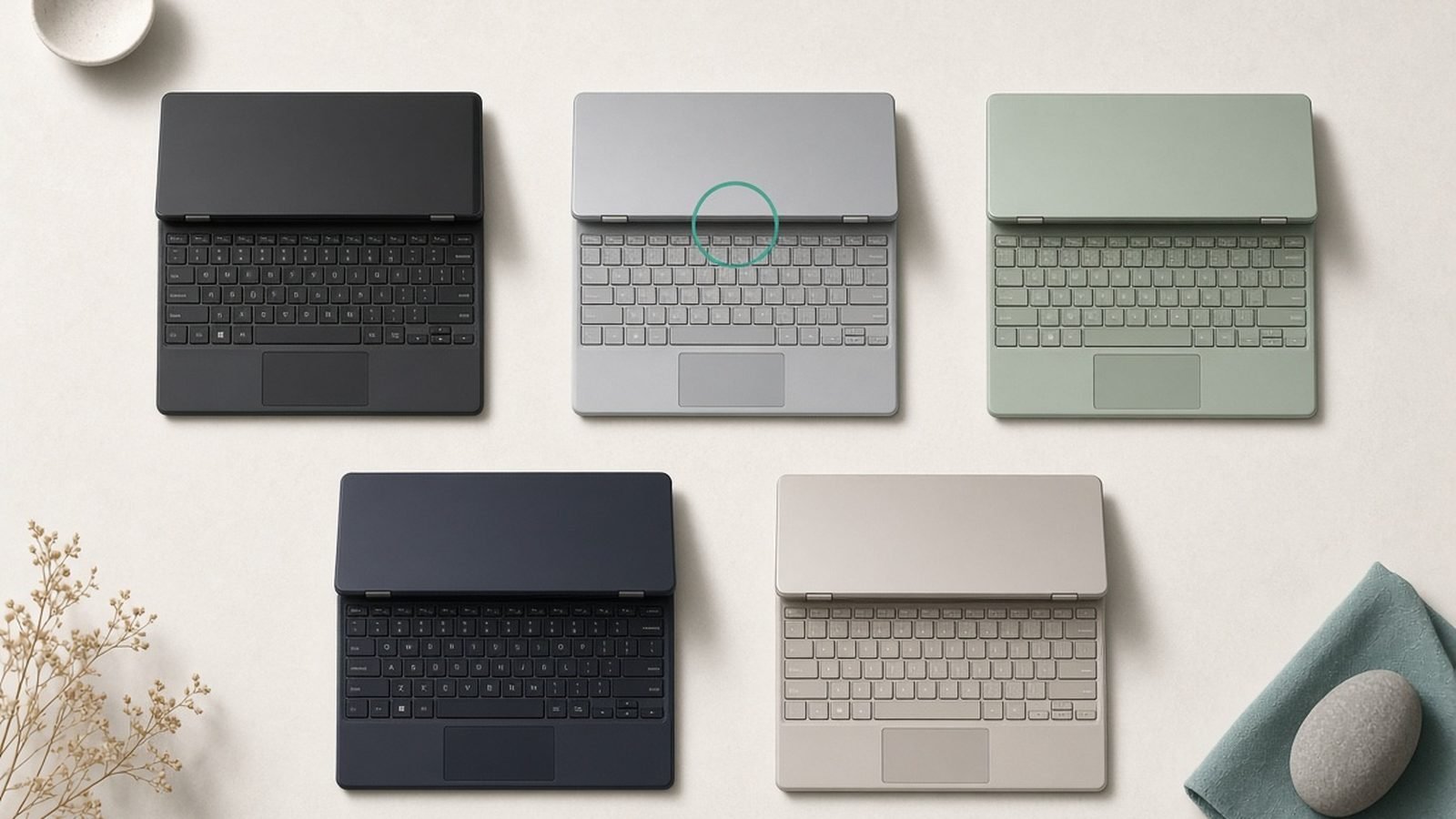
Microsoft is a good brand, but it’s best understood as a software and services company that also makes premium hardware. It is best known for Windows and Office — software that runs a huge share of the world’s PCs and businesses — plus the Xbox game consoles, the Surface line of laptops and tablets, and the Copilot AI assistant. Its hardware is polished and well-designed, though it’s a smaller part of the business than its software and cloud services.
The one-line verdict: Microsoft’s real strength is the software and ecosystem — Windows, Microsoft 365, Copilot, and Xbox’s Game Pass — and its Surface hardware is genuinely premium and well-built. It’s worth buying if you want top-tier Windows devices, a productivity-first ecosystem, or the best value in gaming via Game Pass, with the caveat that Surface commands Apple-like prices and Windows itself carries more ads and clutter than it used to.
Company overview
Microsoft was founded in 1975 by Bill Gates and Paul Allen and is headquartered in Redmond, Washington. It is a public company (NASDAQ: MSFT) and one of the most valuable companies in the world, with a workforce of well over 200,000 people. Its business spans Windows, Office/Microsoft 365, the Azure cloud platform, LinkedIn, Xbox and gaming, and increasingly AI through its Copilot products and partnership with OpenAI.
What makes Microsoft notable is its dominance of productivity and enterprise computing. Windows and Microsoft 365 are the default tools for a vast number of businesses and schools, and Azure is one of the largest cloud platforms in the world. Microsoft’s consumer hardware — Surface and Xbox — sits on top of that foundation, designed to show off Windows and the Xbox platform at their best rather than to lead the company’s revenue.
What Microsoft makes
Microsoft spans software, services, and hardware:
- Windows — the operating system on the majority of the world’s PCs.
- Microsoft 365 / Office — Word, Excel, PowerPoint, Outlook, Teams, and OneDrive.
- Surface — premium laptops, 2-in-1 tablets (Surface Pro), and the Surface Laptop line.
- Xbox — game consoles (Xbox Series X/S), Game Pass subscription, and Xbox Cloud Gaming.
- Copilot — AI assistant built into Windows, Microsoft 365, and the Edge browser.
- Azure — cloud computing for businesses.
- Other — the Edge browser, LinkedIn, and accessories like keyboards and mice.
Standout products in 2026
Windows is the platform to know first: it runs the vast majority of PCs, and it’s the reason Windows laptops offer more choice than any other ecosystem — see our MacBook vs Windows Laptop 2026: Which Is Right for You? comparison and the wider Best Laptops 2026: Top Picks for Every Need guide. Microsoft’s own Surface Laptop and Surface Pro are its flagship hardware, competing directly with the MacBook Air on design and build while running full Windows.
On gaming, Microsoft’s strongest pitch is value. Xbox Game Pass gives access to a large library for a monthly fee, and the Xbox Series X remains a core recommendation for living-room gaming. The console features in our Best Gaming TVs for PS5 & Xbox 2026: 120Hz Top Picks guide, and Xbox controllers are perennial picks in Best Game Controllers 2026: PC, Xbox & PlayStation and Best PC Controllers 2026: Wired, Wireless and Pro Picks, with the Elite Series 2 covered in DualSense Edge vs Xbox Elite Series 2: Best Pro Controller?.
On AI, Copilot is now built throughout Windows and Microsoft 365, and it competes with the assistants covered in our Best AI Chatbots 2026: ChatGPT vs Claude vs Gemini & More and ChatGPT vs Microsoft Copilot 2026: Which Should You Use? pieces.
Strengths
Software and productivity dominance. Windows and Microsoft 365 are the standard for work and school. If your world runs on Office, Teams, and OneDrive, nothing integrates better.
Premium, well-built Surface hardware. Surface Laptops and Surface Pro tablets are genuinely premium — excellent screens, strong build quality, and a clean design that rivals Apple’s.
Xbox Game Pass value. Game Pass is one of the best deals in gaming, and Microsoft’s cross-play, cloud gaming, and backward compatibility make Xbox a flexible platform beyond just the console.
Copilot and AI integration. Microsoft moved fast on AI, embedding Copilot into Windows, Office, and Edge, which is a real productivity advantage for many workflows.
Enterprise trust and ecosystem. Deep business support, security tooling, and cloud services give Microsoft credibility that consumer-only brands can’t match, and it flows down to consumer devices.
Weaknesses & criticisms
Windows clutter and ads. Modern Windows ships with more promotional content, suggested apps, and nudges toward Microsoft services than many users want, and the setup process pushes accounts and subscriptions hard.
Surface pricing and repairability. Surface hardware is premium-priced, and older models were criticized for being difficult to repair, though newer designs have improved somewhat.
Fragmented Xbox exclusives strategy. Microsoft’s approach to console exclusives has shifted, with some former Xbox exclusives now on rival platforms, which has muddied the case for buying an Xbox purely for its games.
Update and reliability annoyances. Windows updates occasionally cause bugs or interrupt work, and the sheer variety of PC hardware means the Windows experience is less consistent than a closed platform like macOS.
AI and privacy scrutiny. Aggressive Copilot integration and features like Recall drew privacy concerns, and Microsoft has had to adjust how some AI features handle user data.
Reliability & support
Surface hardware is generally reliable and well-built, and it has matured a lot since the early generations that had firmware and reliability complaints. Xbox consoles have a strong reliability record. On the software side, Windows itself is stable for most users, though its openness to endless hardware combinations means experiences vary more than on Apple’s tightly controlled platform, and update-related hiccups are a recurring gripe.
Support benefits from Microsoft’s enterprise heritage. Consumers get online support, warranty service, and Microsoft Store assistance, while businesses get extensive documentation, security tooling, and support agreements. There’s no widespread Genius Bar equivalent for walk-in help, so consumer hardware support is mostly online or mail-in, which is adequate but not a standout.
Who should buy Microsoft products
Microsoft is the right choice if your life runs on Windows and Office, you want premium Windows hardware in the Surface line, you value Copilot’s AI integration, or you want the best value in gaming through Xbox Game Pass. It suits professionals and students in Microsoft-centric workplaces, PC gamers who want a flexible platform, and anyone who prefers the openness and choice of the Windows ecosystem.
Microsoft is a weaker fit if you want the simplest, ad-free out-of-box software experience, the tightest hardware-software integration, or a console with the strongest slate of exclusive games. Buyers committed to Apple’s ecosystem, or gamers focused on PlayStation exclusives, will likely be happier elsewhere.
FAQ
Is Microsoft a good brand?
Yes. Microsoft is a good brand, strongest in software and services — Windows, Microsoft 365, Copilot, and Xbox Game Pass — with genuinely premium Surface hardware. The main drawbacks are a cluttered, ad-heavy modern Windows and Apple-like pricing on Surface devices.
Where is Microsoft from?
Microsoft is an American company headquartered in Redmond, Washington. It was founded in 1975 by Bill Gates and Paul Allen. Its Surface and Xbox hardware is designed in the US and manufactured through global partners.
Are Surface laptops worth it?
Surface Laptops and Surface Pro tablets are worth it for buyers who want premium, well-designed Windows hardware with excellent screens and build quality. They compete with the MacBook Air on polish but cost a premium, so budget-focused buyers can find better value from other Windows makers.
Is Microsoft reliable?
Microsoft’s Surface hardware and Xbox consoles are reliable and well-built, and Windows is stable for most users. The main reliability annoyances come from occasional Windows update bugs and the inconsistency that comes with Windows running on countless hardware combinations.
What is Microsoft best known for?
Microsoft is best known for Windows, the world’s most-used desktop operating system, and the Office/Microsoft 365 productivity suite. In hardware it is best known for the Surface line and the Xbox game consoles, and increasingly for its Copilot AI assistant.
Is Xbox Game Pass worth it?
For many gamers, yes. Game Pass offers a large rotating library, day-one first-party releases, and cloud gaming for a monthly fee, making it one of the best values in gaming. Whether it’s worth it depends on how many of its games you’d actually play.
Zen Tech Hub may earn a commission from links on this page, at no extra cost to you.