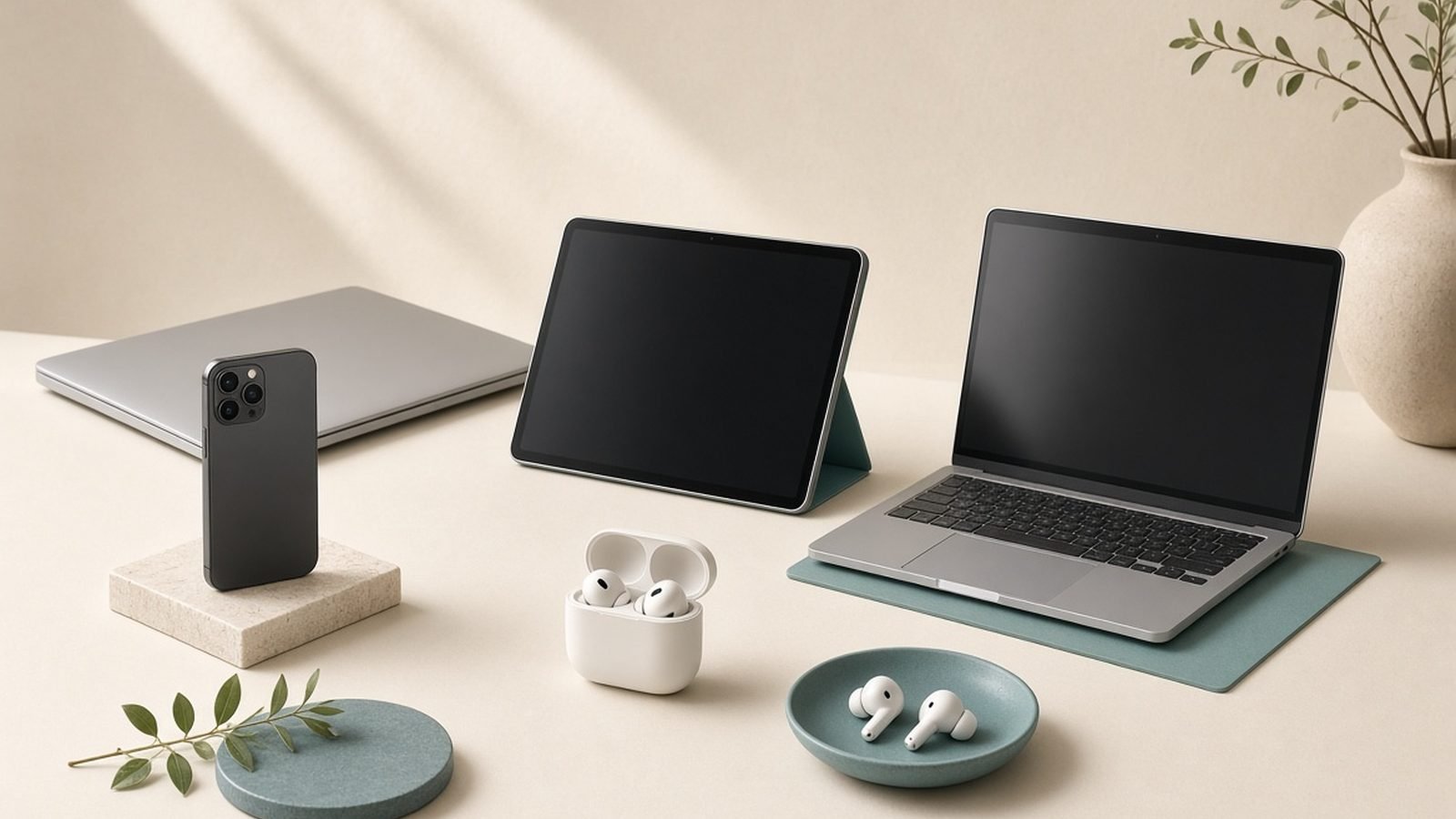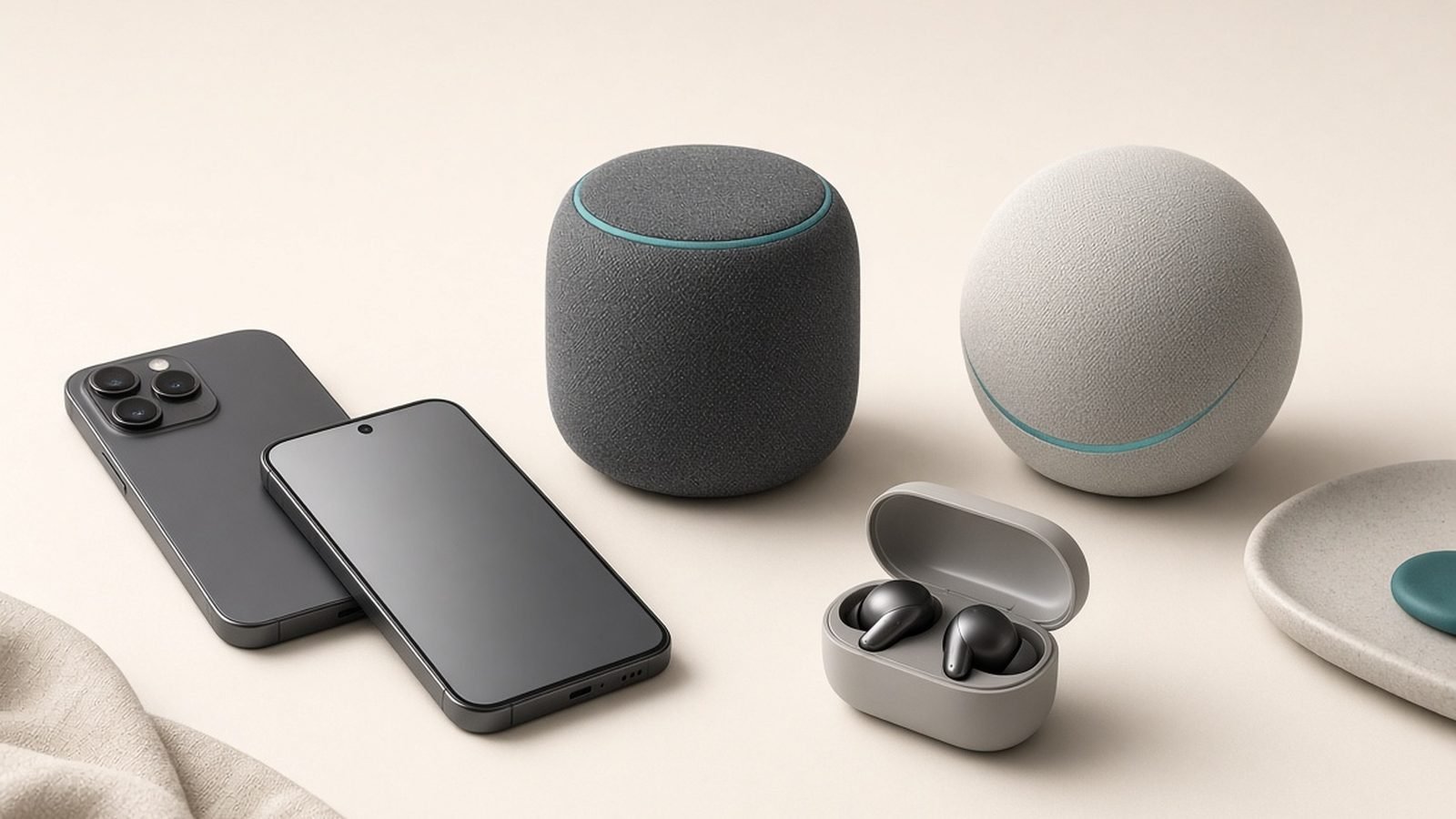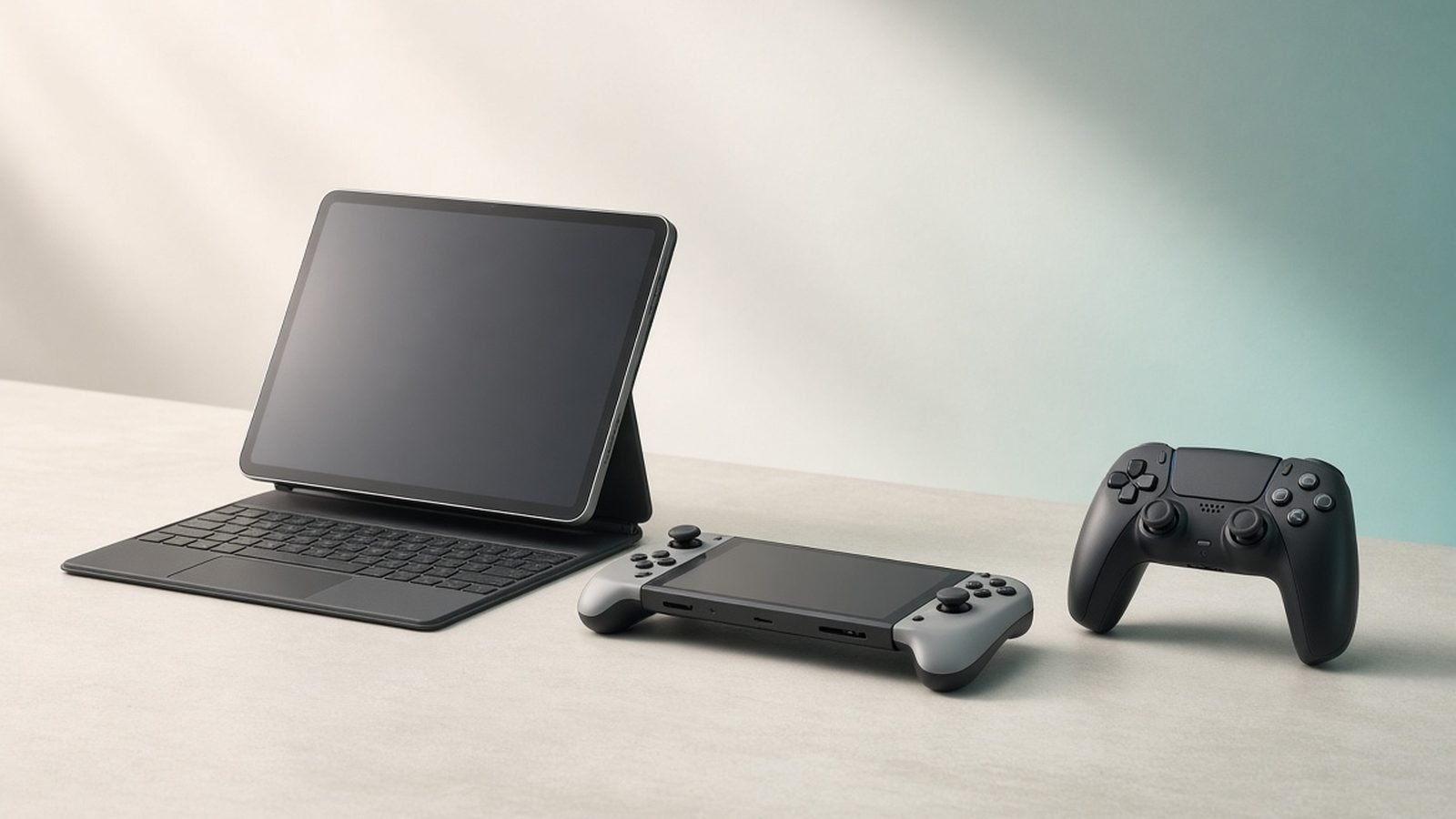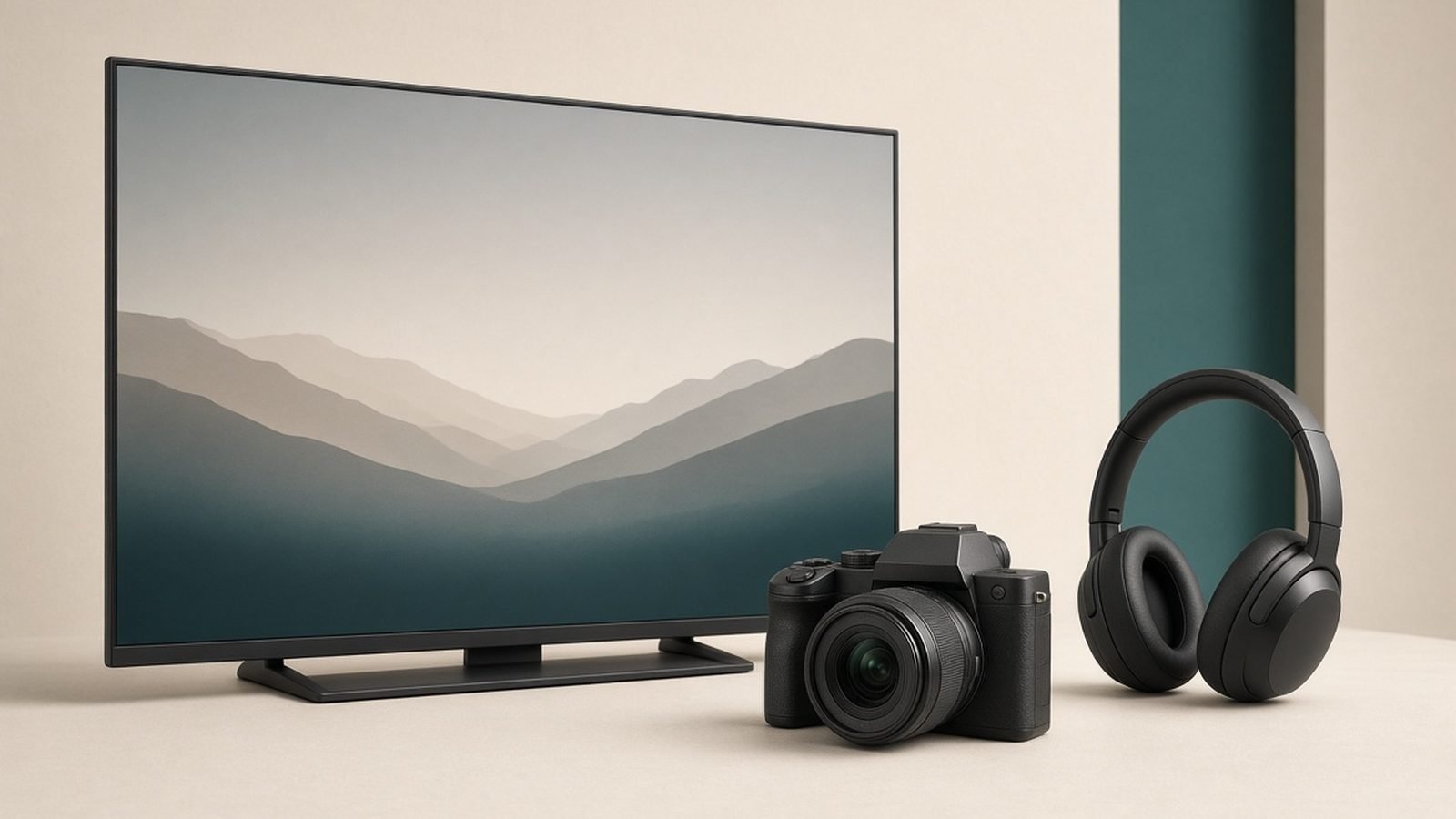
Samsung is a good brand and one of the few technology companies that competes at the top of almost every category it enters — phones, TVs, monitors, appliances, memory chips, and displays. It is best known for the Galaxy line of Android phones and for making some of the best televisions and displays in the world, many of which it supplies to competitors. The trade-off is that Samsung’s range is huge and uneven: the flagships are excellent, but the budget and mid-range gear varies, and its software has historically carried more bloat than rivals.
The one-line verdict: Samsung is the strongest all-round hardware brand in consumer tech, with class-leading displays and genuinely premium flagships — worth buying if you want top-tier screens, Android flexibility, and one brand for phone, TV, and appliances, as long as you pick the right model in a very wide lineup.
Company overview
Samsung Electronics is part of South Korea’s Samsung Group and is headquartered in Suwon, South Korea. The wider conglomerate traces back to 1938, with Samsung Electronics founded in 1969. It is one of the largest technology companies in the world by revenue and one of the biggest employers in South Korea, with a global workforce in the hundreds of thousands.
What makes Samsung notable is its vertical reach. It doesn’t just assemble devices — it manufactures the underlying components. Samsung is among the world’s largest makers of memory chips (DRAM and NAND flash) and OLED display panels, which it sells to rivals including, at times, Apple. That means when you buy a Samsung phone or TV, much of the critical hardware inside is made in-house. Few competitors can say the same.
What Samsung makes
Samsung’s catalog is one of the broadest in the industry:
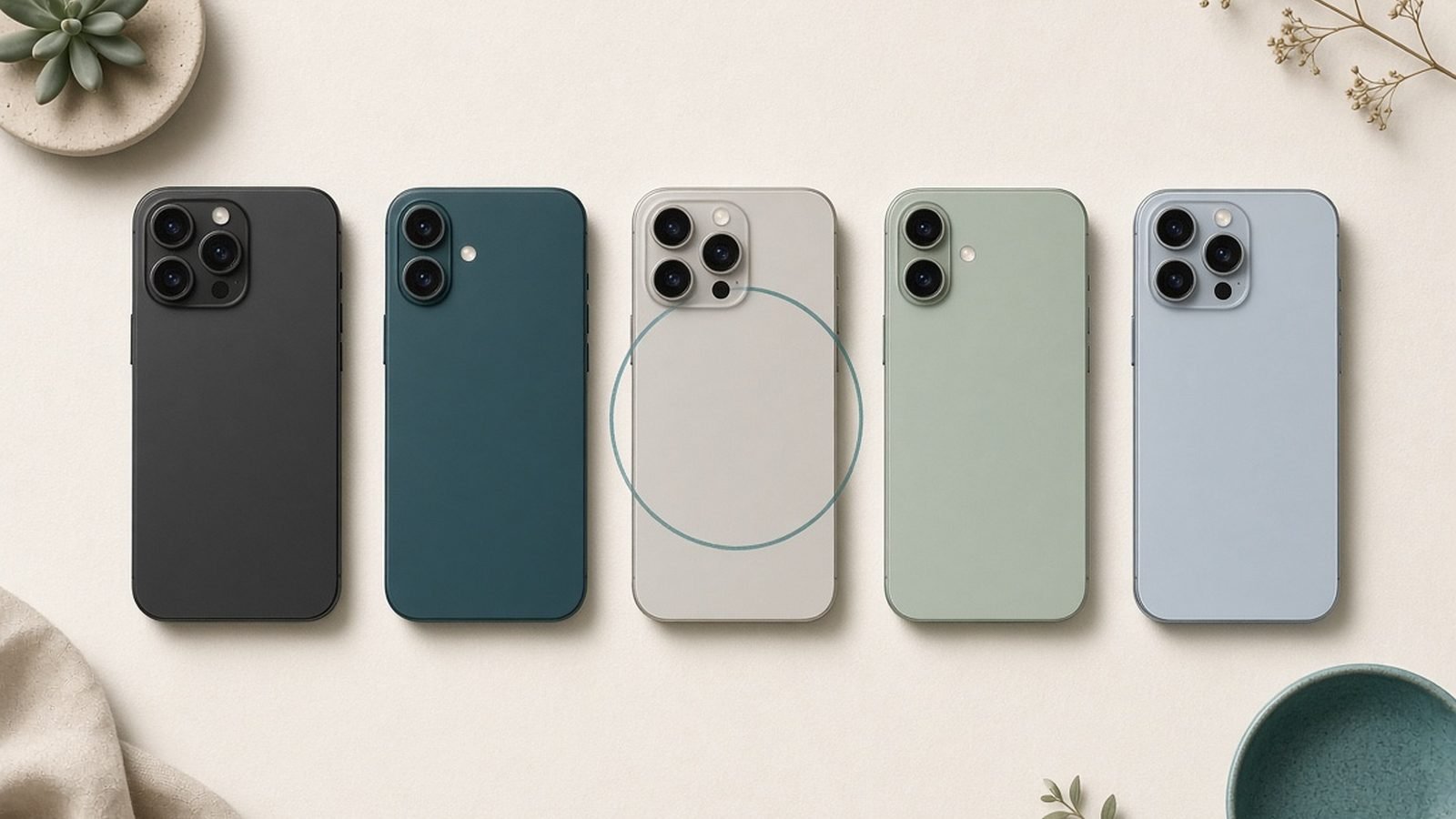
- Galaxy smartphones — the S series (flagship), Z Fold and Z Flip (foldables), and A series (budget/mid-range).
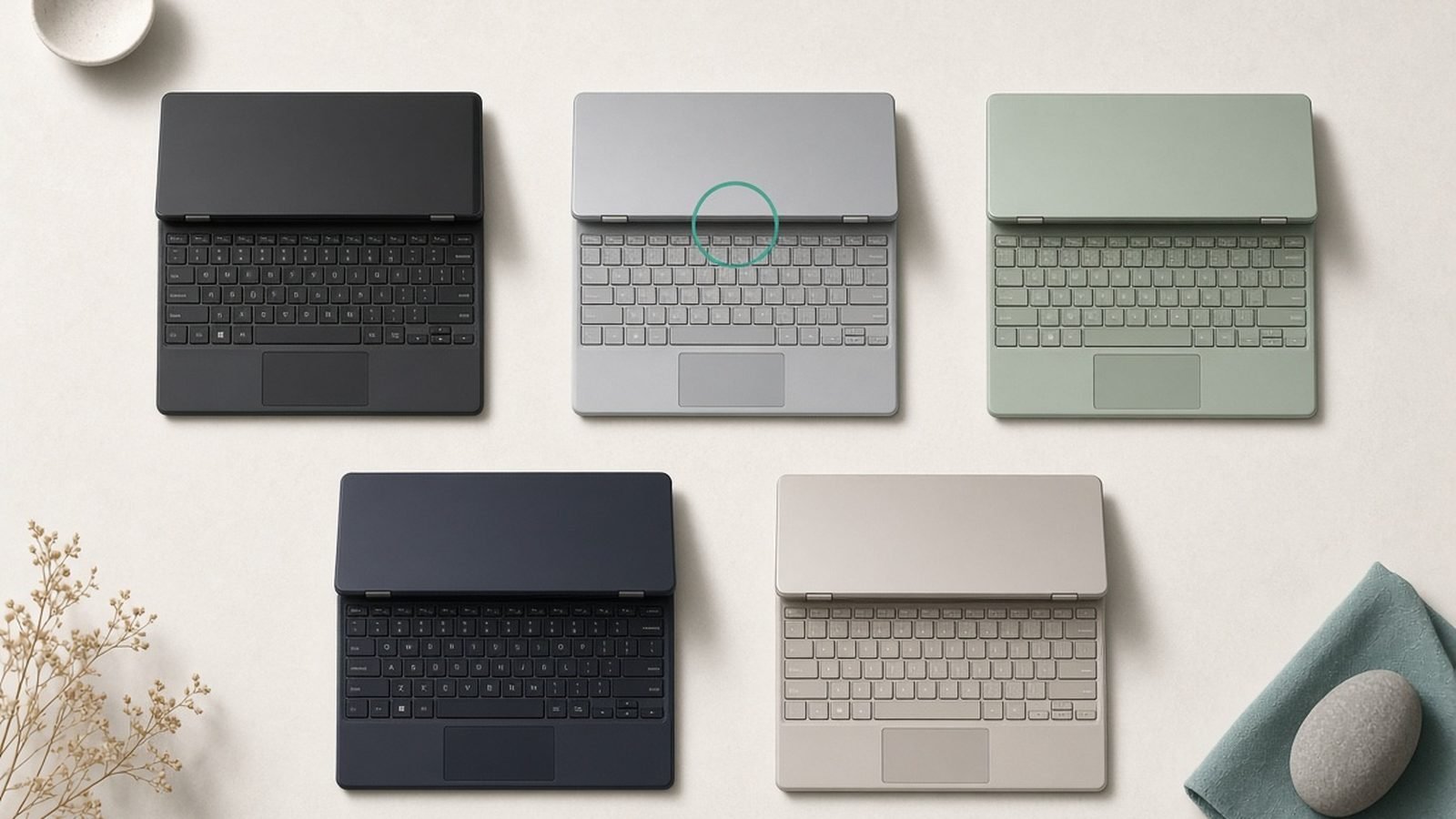
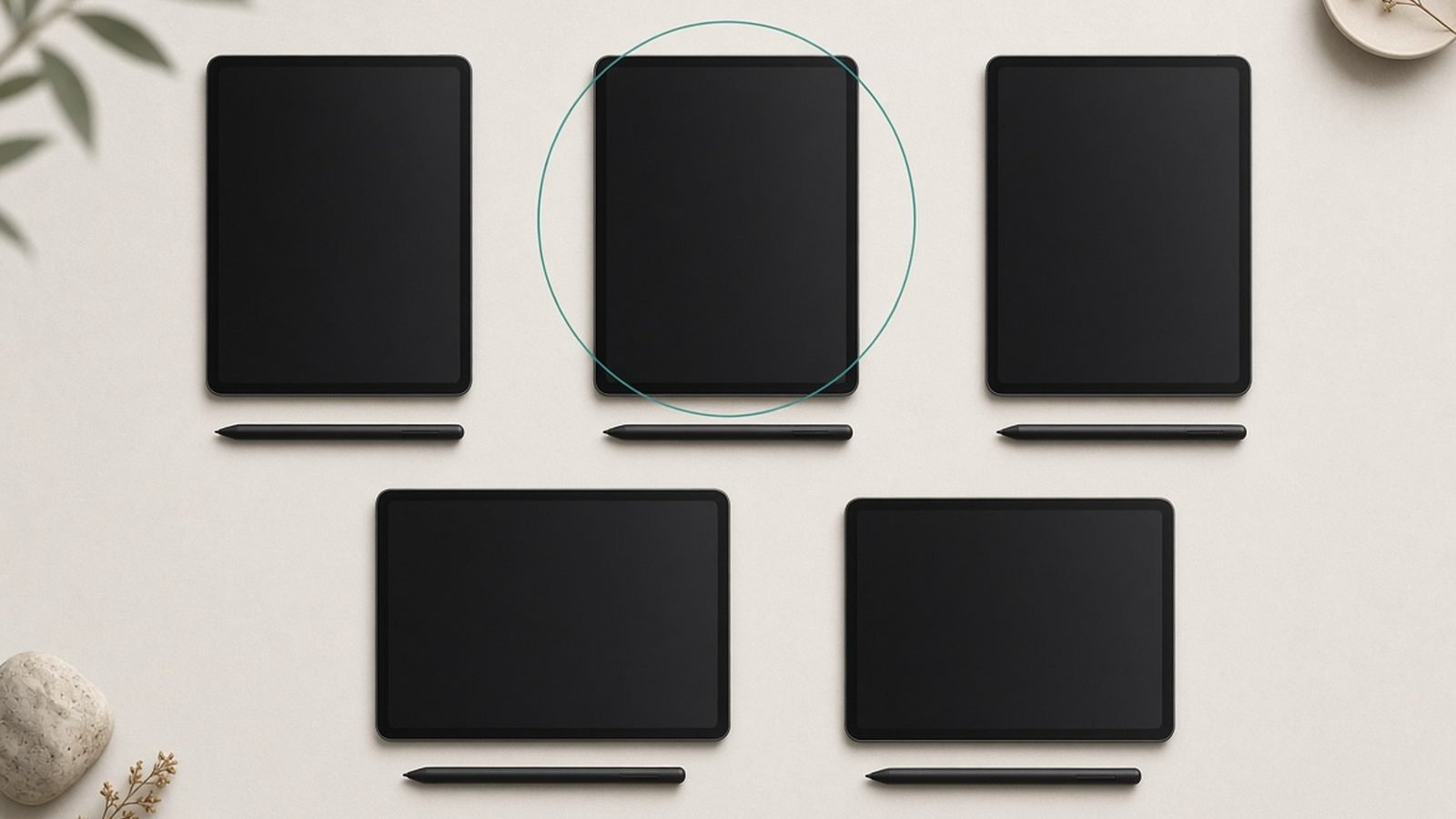
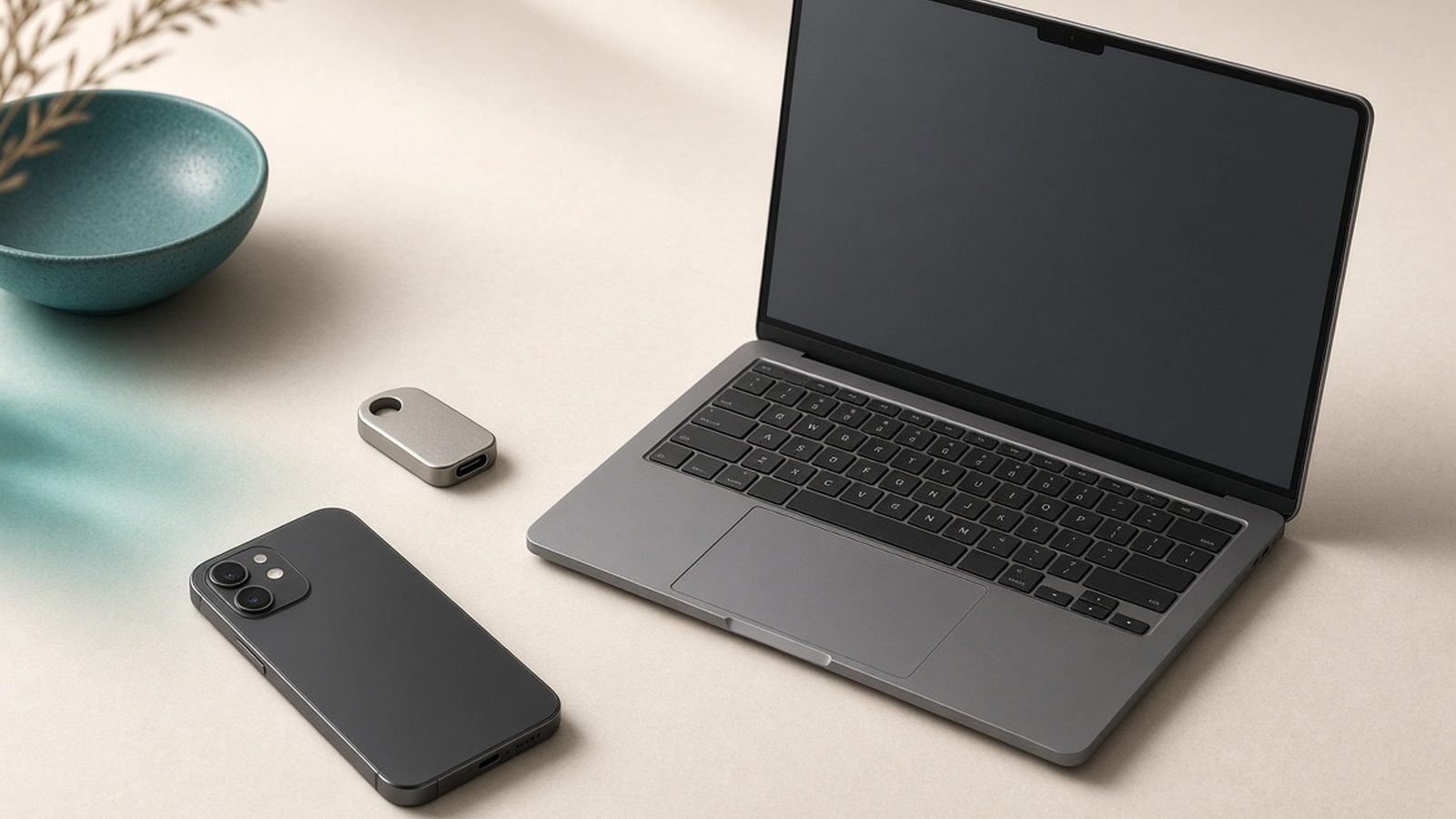
- Galaxy tablets and laptops — the Galaxy Tab and Galaxy Book lines.
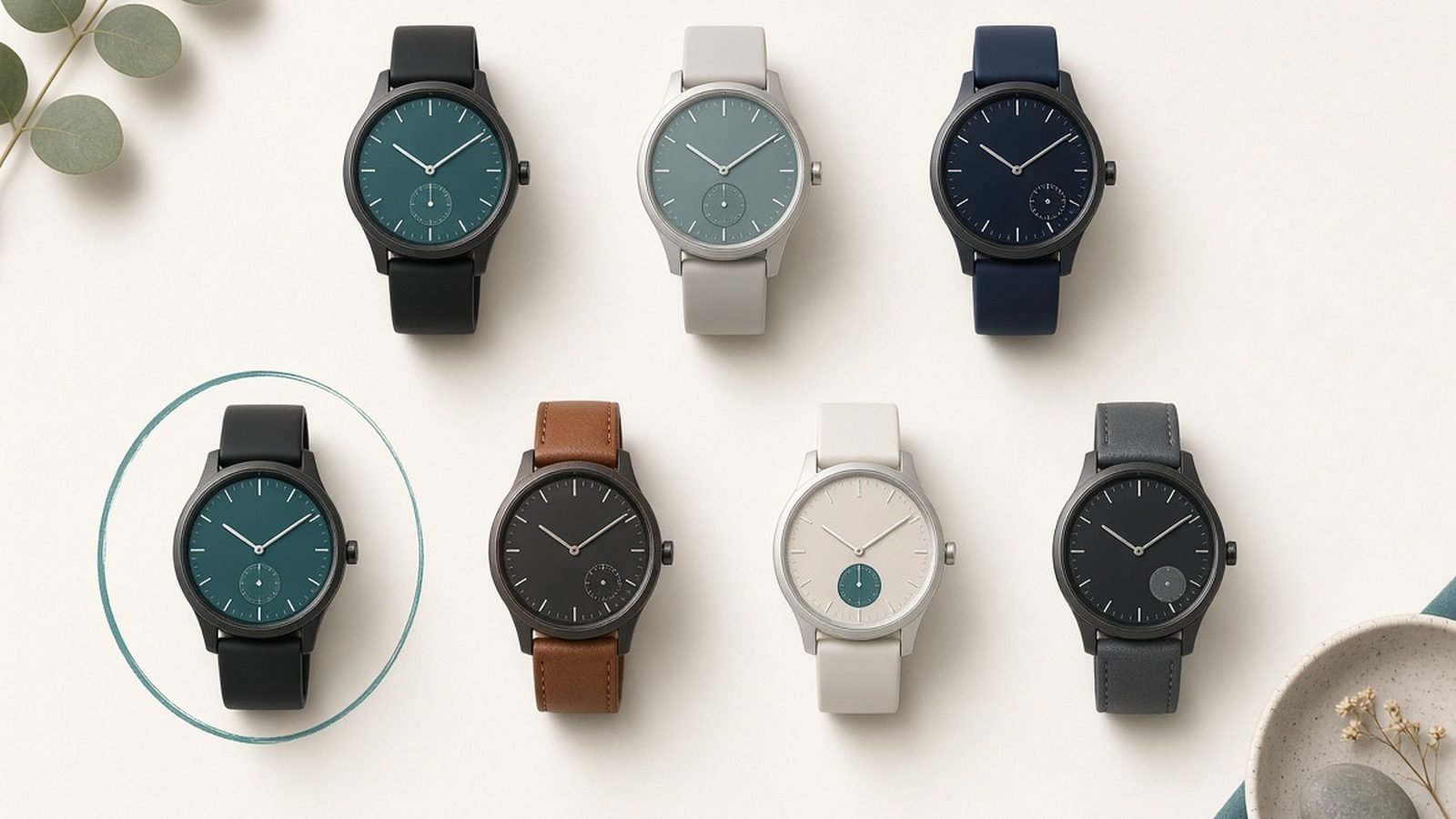
- Wearables — Galaxy Watch smartwatches and the Galaxy Ring.
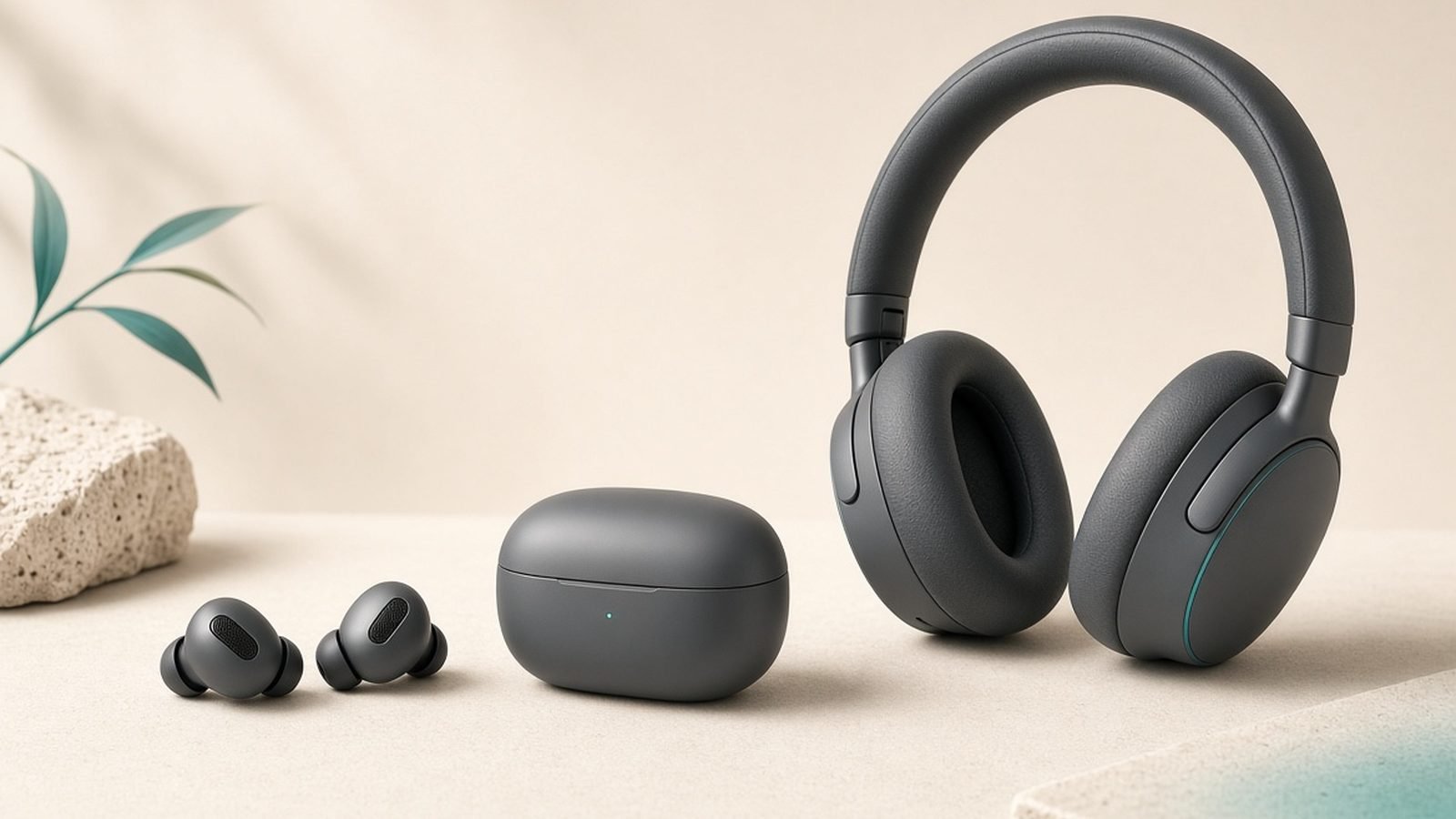
- Galaxy Buds — wireless earbuds.
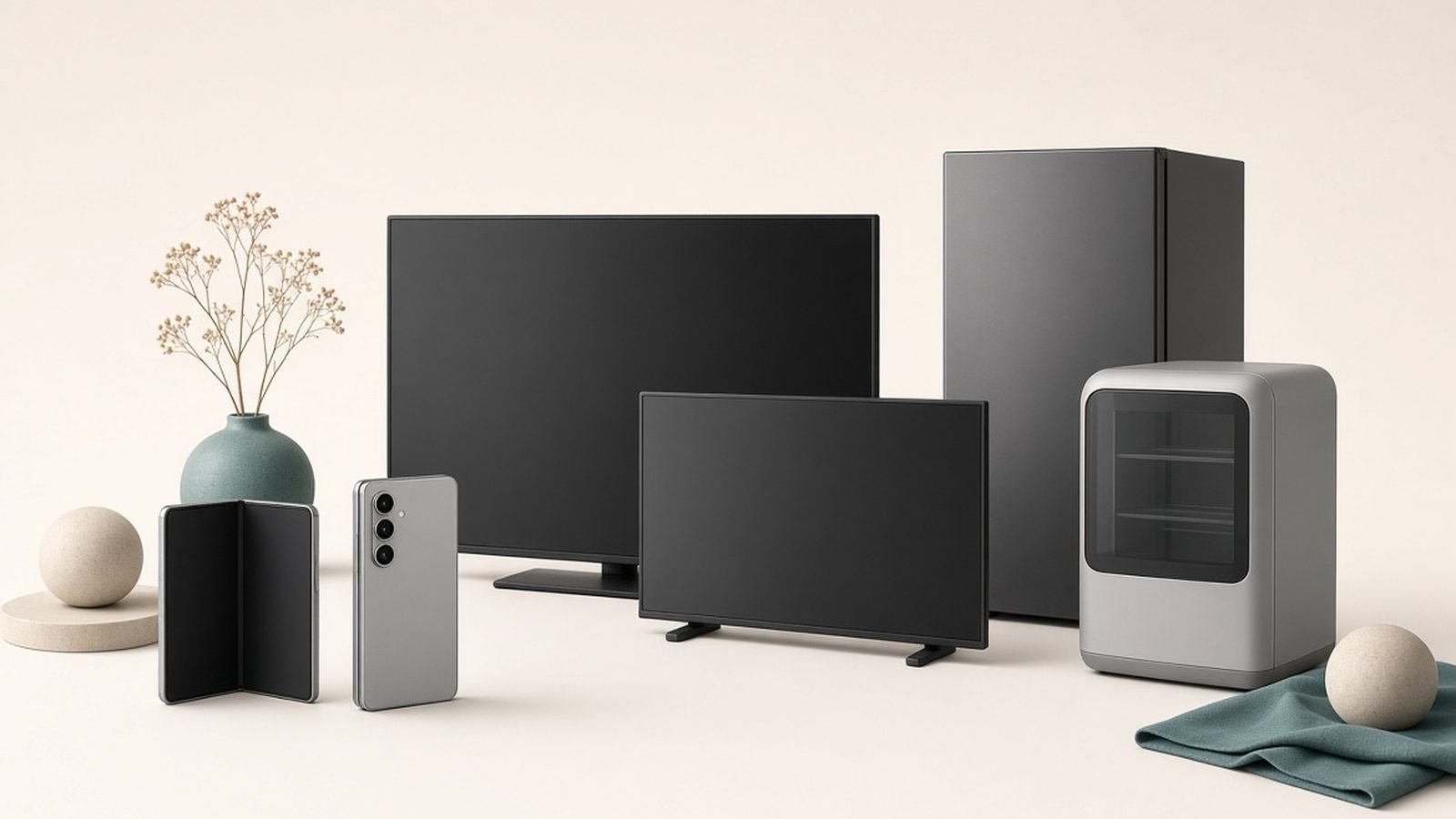
- TVs and displays — QLED, Neo QLED (Mini LED), OLED, and The Frame, plus a large monitor lineup.
- Home appliances — refrigerators, washers, dryers, ovens, and vacuums.
- Components — memory chips and display panels sold across the industry.
Standout products in 2026
The Galaxy S26 Ultra is Samsung’s halo phone and one of the best Android devices you can buy, pairing a versatile camera system, a bright display, and the built-in S Pen. Our full write-up is in the Samsung Galaxy S26 Ultra Review 2026: Android's Best, and if you’re weighing it against Apple, see iPhone 17 Pro vs Galaxy S26 Ultra 2026: Which Wins? and the Pixel matchup in Pixel 10 Pro vs Galaxy S26 Ultra 2026: Best Android?. It’s a headline pick in our Best Smartphones 2026: Top Picks for Every Budget and Best Android Phones 2026: Flagship to Budget guides.
Foldables are where Samsung still leads at scale: the Galaxy Z Fold 7 is its most refined big-screen foldable yet (Samsung Galaxy Z Fold 7 Review 2026: Best Foldable?), and it anchors our Best Foldable Phones 2026: Fold & Flip Compared & Ranked roundup. On the display side, Samsung’s TVs are perennial recommendations — the S90F OLED shows up in comparisons like LG C5 vs Samsung S90F: Which OLED Should You Buy?, and Samsung panels feature throughout our Best OLED TVs 2026: Picture-Quality Kings and Best TVs 2026: OLED, Mini-LED & Budget Picks Compared guides. In wearables, the Galaxy Ring competes directly with Oura (Oura Ring 4 vs Samsung Galaxy Ring: Which Wins in 2026?).
Strengths
World-class displays. Whether it’s a phone screen, a monitor, or a TV, Samsung’s panels are consistently among the brightest and best-looking in their class. This is a genuine, hard-to-copy advantage rooted in its panel manufacturing.
Premium flagship hardware. The Galaxy S Ultra and Z Fold lines match or beat any Android rival on build, cameras, and features, and the S Pen remains unique among mainstream flagships.
Breadth and one-brand convenience. Samsung is one of the very few companies where you can buy your phone, tablet, watch, earbuds, TV, and fridge from the same maker, with SmartThings tying the smart-home pieces together.
Long software support (now). Samsung has caught up to Apple on updates, offering years of Android and security updates on its flagships — a major improvement over its past reputation.
Component leadership. As a top memory and display manufacturer, Samsung controls its own supply of the parts that matter most, which helps quality and availability.
Weaknesses & criticisms
Software bloat and duplicate apps. One UI is capable but heavy, and Samsung has long shipped its own apps alongside Google’s, plus more ads and promotional notifications in some regions than buyers would like.
Inconsistent mid-range and budget lineup. The Galaxy A series is popular but sprawling, and value varies a lot model to model. It’s easy to buy the wrong one without research.
Too many models. Samsung’s habit of releasing dozens of near-identical products across every category makes shopping confusing and can leave some models feeling like filler.
Appliance service reputation. In some markets, Samsung appliances have drawn criticism over repair wait times and service quality, and long-term reliability on complex appliances is more mixed than its electronics.
One UI updates can slow older phones. Major software updates occasionally introduce bugs or performance dips on older Galaxy hardware, though support length itself is strong.
Reliability & support
On its core electronics — phones, TVs, and monitors — Samsung is a reliable brand with solid build quality and low failure rates, and its flagship software support now rivals Apple’s. TVs and displays in particular have a strong reliability record. The picture is more mixed on large home appliances, where owner feedback and service experiences vary by region and product line.
Support is decent but not a standout the way Apple’s in-store network is. Samsung offers phone, chat, and mail-in service, Samsung Care+ extended coverage, and a growing number of walk-in service centers and partner locations. Experiences vary by country, and appliance service in particular gets more complaints than its phone and TV support.
Who should buy Samsung products
Samsung is the right choice if you want the best displays in the business, a premium Android phone with real flexibility, the leading foldables, or the convenience of buying much of your tech and home gear under one brand. It suits power users who like customization, S Pen fans, home-cinema buyers, and anyone building a SmartThings smart home.
Samsung is a weaker fit if you want the simplest possible software with no bloat, a small and easy-to-navigate product range, or the most consistent budget-tier value without research. iPhone buyers who want tight ecosystem lock-in, or shoppers who prefer a stripped-back Android experience like the Pixel’s, may be happier elsewhere.
FAQ
Is Samsung a good brand?
Yes. Samsung is a good brand, especially for phones, TVs, and displays, where it competes at the very top of the market. Its flagships are premium and well-supported. The main drawbacks are software bloat, an overly large lineup, and more mixed reliability on home appliances.
Where is Samsung from?
Samsung is a South Korean company headquartered in Suwon, South Korea. Samsung Electronics was founded in 1969 as part of the wider Samsung Group, which dates back to 1938. It manufactures many of its own chips and display panels.
Is Samsung reliable?
Samsung’s electronics — phones, TVs, and monitors — are reliable, with solid build quality and long software support on flagships. Reliability is more variable on large home appliances, where service experiences and long-term durability get more mixed feedback.
Is Samsung better than Apple?
Neither is strictly better; it depends on your priorities. Samsung offers better displays, more hardware variety, foldables, and Android flexibility. Apple offers tighter ecosystem integration, simpler software, and stronger in-person support. Many buyers choose based on which ecosystem their other devices use.
Are Samsung phones worth it?
Samsung’s flagship Galaxy S and Z phones are worth it for buyers who want top-tier Android hardware, excellent screens, and the S Pen. Its budget A series is more hit-or-miss, so it pays to check reviews before choosing a specific mid-range model.
What is Samsung best known for?
Samsung is best known for its Galaxy smartphones and for making some of the world’s best TVs and display panels. Behind the scenes, it is also one of the largest manufacturers of memory chips and OLED screens, which it supplies to other tech companies.
Zen Tech Hub may earn a commission from links on this page, at no extra cost to you.