Nokia-branded phones in 2026 are made by HMD Global, and the brand’s identity is clear: rugged, no-nonsense, near-stock Android at affordable prices, with an unusually strong stance on repairability. If you want a cheap, tough phone that won’t nag you with bloat, or a genuinely fixable device you can keep running for years, HMD’s Nokia line is one of the few brands that actually delivers on that promise. The trade-off is that these are humble phones — modest cameras, modest performance, and a high-end catalog that has largely faded. And there is a wrinkle worth knowing: HMD is transitioning toward its own “HMD”-branded devices, so the Nokia name is becoming less central than it once was.
Verdict: A trustworthy budget and rugged-phone brand with a rare focus on repairability and clean software. Best for value, durability and simplicity seekers; not for anyone wanting flagship power or standout cameras.
Company overview
The Nokia smartphone brand you can buy today is licensed to and manufactured by HMD Global, a Finland-based company founded in 2016 by former Nokia employees. Nokia Corporation itself still exists as a major telecom-infrastructure company but no longer makes consumer phones directly — HMD holds the licensing rights to put the Nokia name on handsets. HMD is headquartered in Espoo, Finland, near Nokia’s own roots, which is central to its “Finnish design, built to last” marketing.
In plain terms, HMD’s reputation is “honest, durable, and clean.” Its phones earned goodwill for shipping near-stock Android (much of the range participated in Android One), for solid build quality, and more recently for a strong repairability push with self-repair kits and spare-part availability. The main reputational knock is that HMD never re-established Nokia as a serious flagship contender, and its higher-end models have struggled to stand out. In 2026 the company is increasingly promoting its own HMD-branded phones alongside the Nokia line.
What Nokia (HMD) makes
HMD’s catalog centers on accessible, durable phones:
- Nokia budget smartphones — the C and G series, affordable Android phones with long battery life and clean software.
- Repairable “fixable” phones — models designed with easy-access batteries, screens and parts, sold alongside official repair guides and kits.
- Rugged phones — the Nokia XR line of toughened, drop- and water-resistant handsets aimed at outdoor and industrial users.
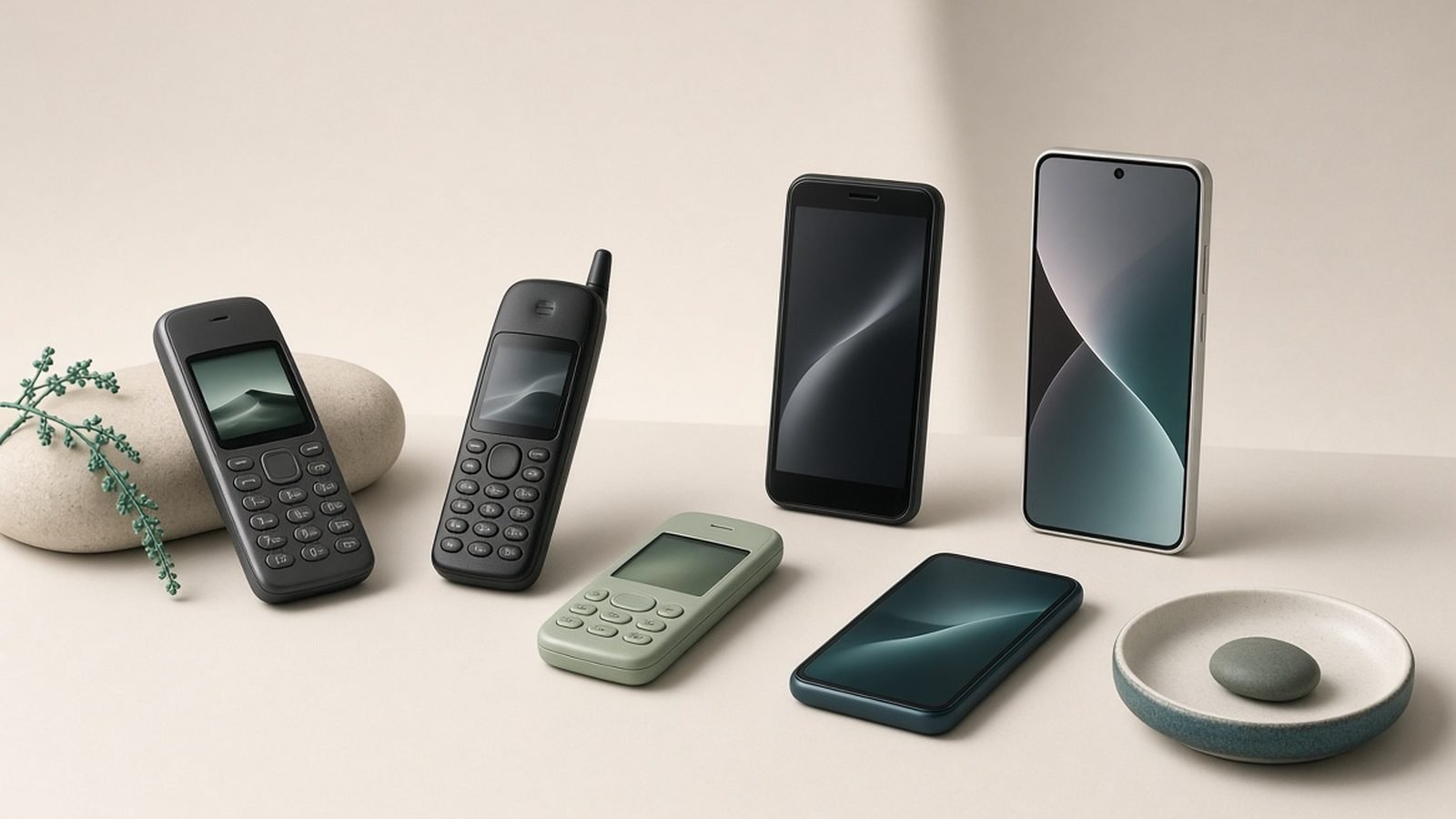
- Feature phones — HMD keeps the classic Nokia feature-phone flame alive with 4G/keypad devices and nostalgia reboots of iconic models.
- HMD-branded devices — increasingly, HMD sells phones under its own name and has explored collaborations and family-focused, wellbeing-oriented devices.
The software approach is near-stock Android with minimal bloat, historically one of HMD’s most praised traits.
Standout Nokia (HMD) products in 2026
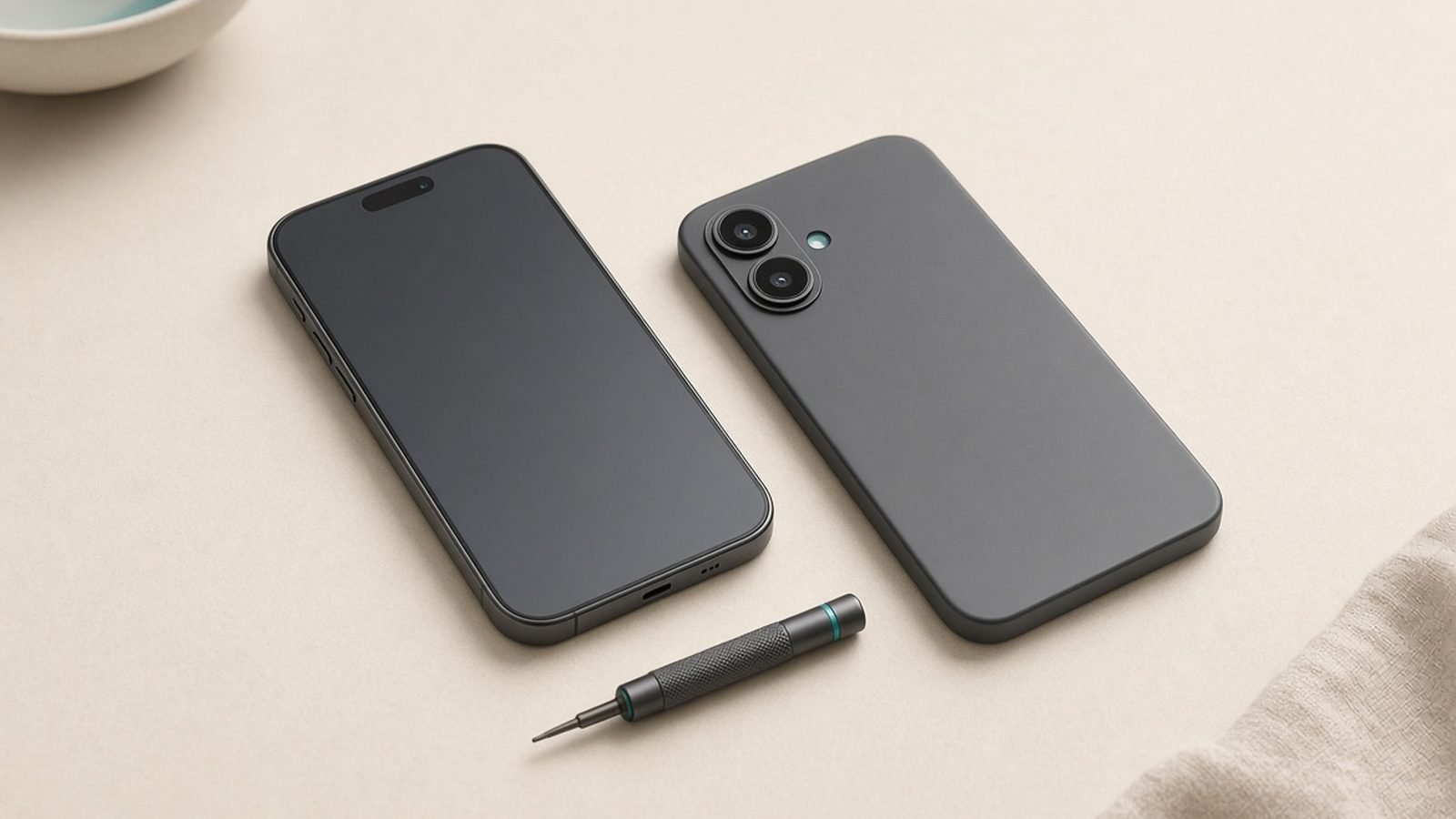
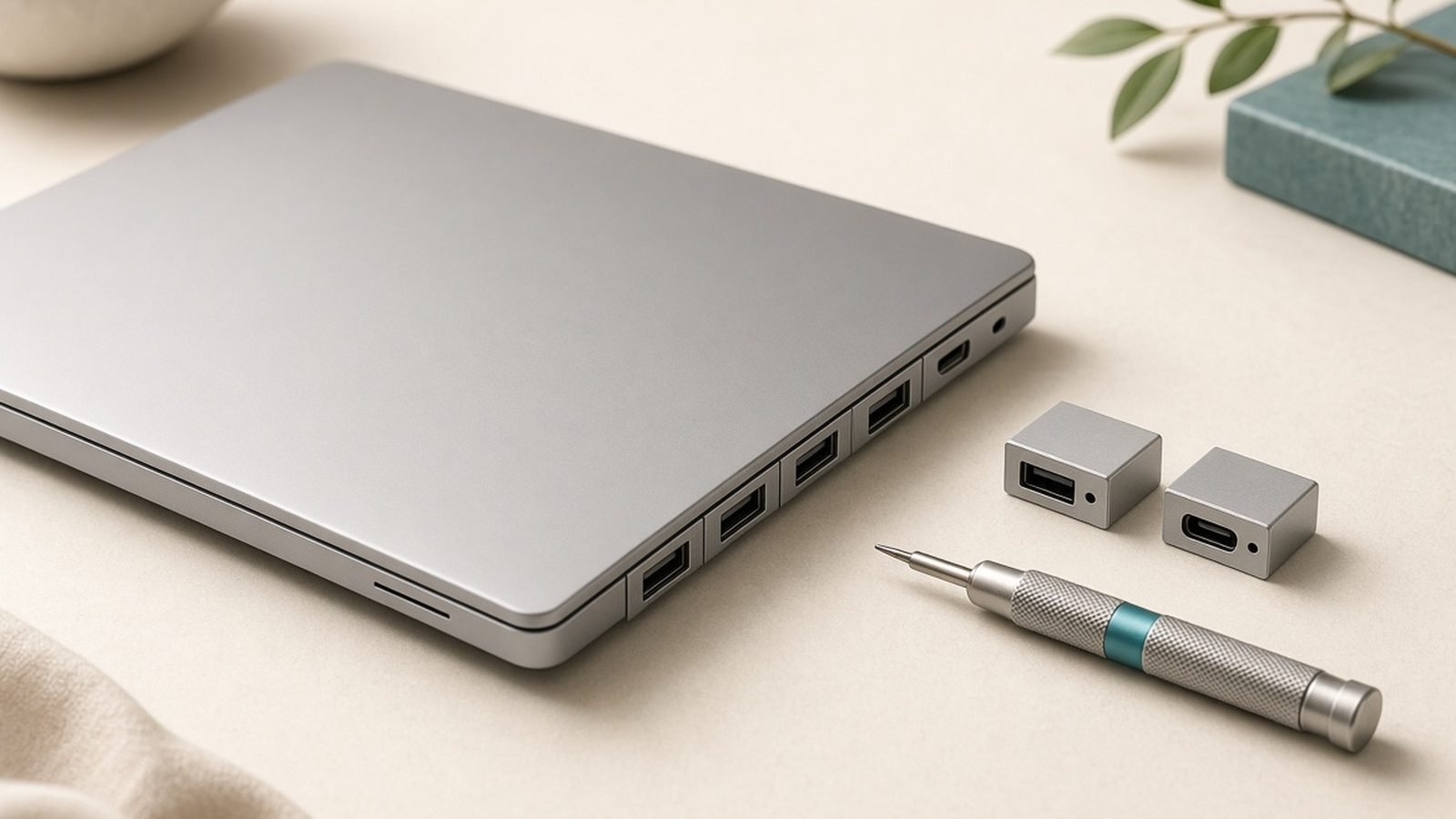
The most distinctive thing HMD makes is not a single phone but a philosophy of repairability — several models are built so you can replace the battery, screen or charging port yourself with a basic toolkit, and HMD publishes guides and sells the parts. For anyone tired of throwaway electronics, these are among the few affordable phones that fit into our Best Budget Smartphones 2026: Under $400 / £400 thinking on long-term value.
The line-up worth knowing in 2026:
- Nokia G-series — the mainstream budget pick, with multi-day battery life and clean Android, a sensible cross-shop for readers of our Best Android Phones 2026: Flagship to Budget guide who want to spend less.
- Nokia C-series — ultra-affordable entry phones for first devices, kids or backups.
- Nokia XR rugged line — MIL-STD-810 toughness, extended warranties and long update support for people who are hard on their phones.
- Nokia feature phones — 4G keypad devices and nostalgia reboots that remain genuinely useful as second phones or digital-detox tools.
If you want the practical, everyday pick, start here:
Strengths
Repairability. This is HMD’s standout differentiator. Self-repair kits, official spare parts and clear guides make its phones some of the easiest and cheapest to keep alive — a rare and genuinely valuable trait in a disposable market.
Clean, near-stock software. HMD’s Nokia phones ship with minimal bloat and an interface close to what Google intends, which keeps them fast and uncluttered even on modest hardware.
Build quality and durability. Nokia phones have a long-standing reputation for feeling tougher than their price suggests, and the XR rugged line takes that to extremes with military-grade durability and long warranties.
Value and battery life. The budget line delivers dependable multi-day battery life and honest pricing, with none of the aggressive upselling some rivals use.
Trust and simplicity. For older users, first phones and people who just want something that works, the Nokia name and clean software carry real reassurance.
Weaknesses & criticisms
Modest performance and cameras. These are budget phones and they behave like it. Chipsets are entry-level, and cameras are usually adequate in daylight but fall well behind Pixel, Samsung and even Motorola on processing and low light.
No real flagship. HMD never rebuilt Nokia into a premium contender; its higher-end attempts largely failed to gain traction, so power users have little reason to look here.
Update track record has slipped. HMD once leaned heavily on Android One and timely updates, but in recent years update speed and consistency have been criticized as less reliable than the early promise suggested.
Brand uncertainty. With HMD pushing its own brand and refocusing its lineup, the future prominence and support of the Nokia name is less certain than it was, which can affect long-term confidence.
Thin premium ecosystem. There is little in the way of a wider accessory, wearable or ecosystem story — this is essentially a phone brand, and a mostly budget one.
Reliability & support
Based on aggregated user feedback, Nokia (HMD) phones are generally reliable and physically durable — build quality is a consistent bright spot, and the rugged XR models are built to survive abuse. The most common complaints center on modest performance over time and on update timing rather than hardware breakage.
Warranty is typically the standard one- to two-year manufacturer coverage depending on region and model, with the rugged line sometimes carrying extended warranties. HMD’s repairability program is a genuine support advantage: official parts and self-repair options mean out-of-warranty fixes can be cheaper and faster than with brands that force a mail-in service. That said, formal service-center coverage varies widely by country, and the company’s brand transition adds some uncertainty about long-term software support.
For update longevity, check the exact commitment on the specific model — rugged and newer devices tend to get longer support than the cheapest entry phones.
Who should buy Nokia (HMD)
Buy Nokia (HMD) if you want: an affordable, durable, clean-Android phone with real repairability, a rugged device for tough conditions, or a simple, trustworthy handset for a first-time or older user. It suits value buyers, sustainability-minded shoppers who want to keep a phone running for years, and anyone who dislikes bloatware.
Look elsewhere if you want: flagship performance, top-tier cameras, or a phone with the longest guaranteed update support and a rich ecosystem. Power users and photography-first buyers should look at the picks in our Best Smartphones 2026: Top Picks for Every Budget guide instead.
FAQ
Is Nokia a good brand in 2026?
For budget, durable and simple phones, yes. Nokia-branded devices from HMD are known for clean software, solid build quality and industry-leading repairability. They are not a good fit for anyone who wants flagship power or standout cameras, but for affordable, long-lasting everyday phones they are a strong, honest option.
Is Nokia (HMD) reliable?
Generally yes. Nokia phones have a long reputation for durability, and HMD’s rugged XR line is built to military-grade standards. Most complaints are about modest performance and update timing rather than hardware failures, so reliability is one of the brand’s stronger points.
Where is Nokia from and who owns Nokia phones?
Nokia Corporation is a Finnish company, but today’s Nokia-branded phones are made by HMD Global, a separate Finland-based company that licenses the Nokia name. HMD, founded in 2016 by former Nokia staff, is headquartered in Espoo, Finland. Nokia itself now focuses on telecom network infrastructure.
Is Nokia better than Motorola?
They serve similar budget-and-value buyers. Nokia (HMD) stands out for repairability and rugged durability; Motorola generally offers slightly better cameras, design flair and a foldable option. Repairability and toughness fans lean Nokia; buyers wanting a bit more polish and a Razr option lean Motorola.
Are Nokia phones easy to repair?
Yes — this is one of HMD’s biggest advantages. Several Nokia and HMD models are designed for self-repair, with official spare parts, guides and kits that let you replace batteries and screens yourself. That makes them cheaper and more sustainable to keep running than most phones.
Does Nokia still make feature phones?
Yes. HMD continues to sell Nokia-branded 4G feature phones and nostalgia reboots of classic models. They remain popular as affordable second phones, backups, or intentional “digital detox” devices with long battery life.
Zen Tech Hub may earn a commission from links on this page, at no extra cost to you.