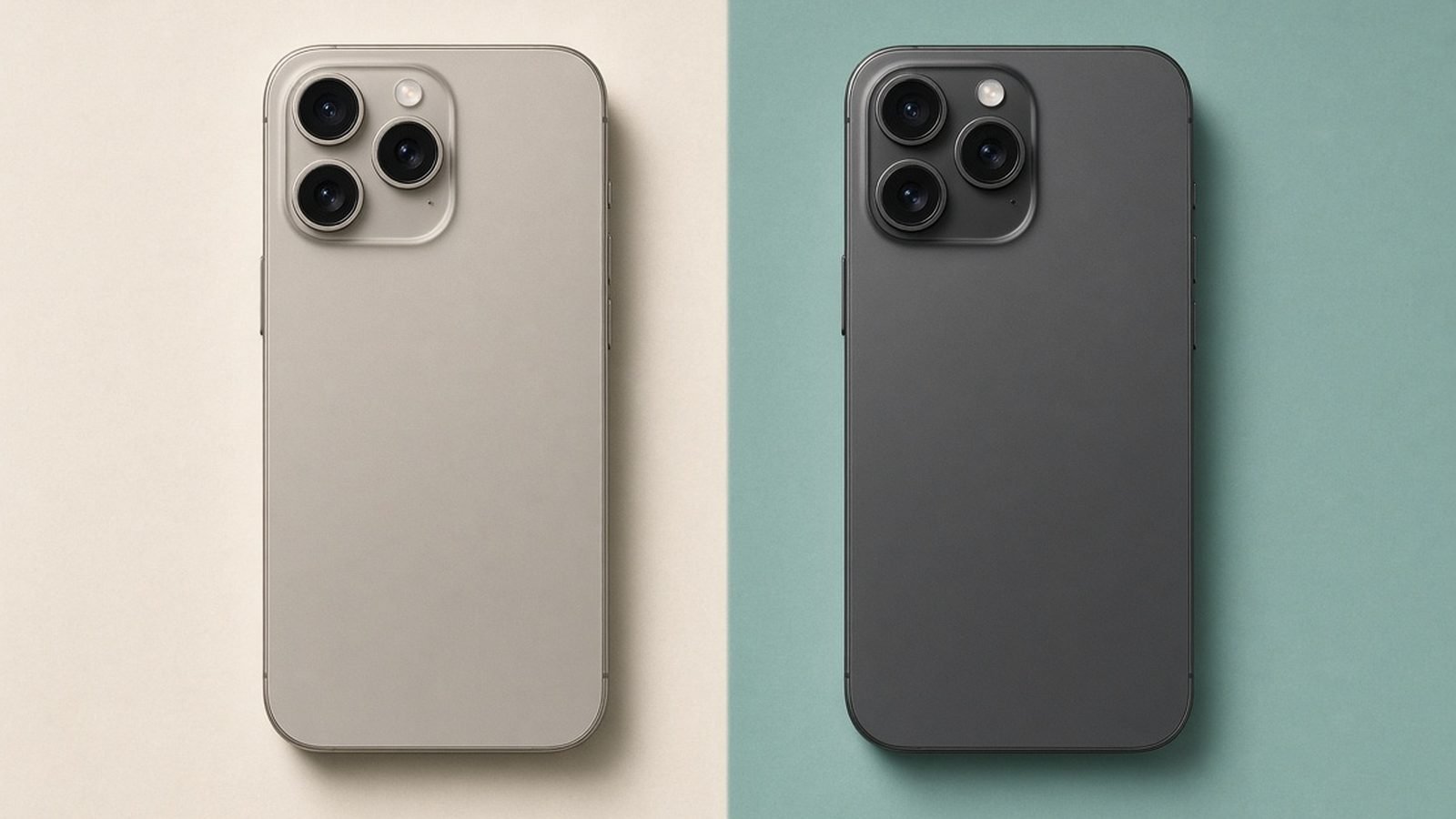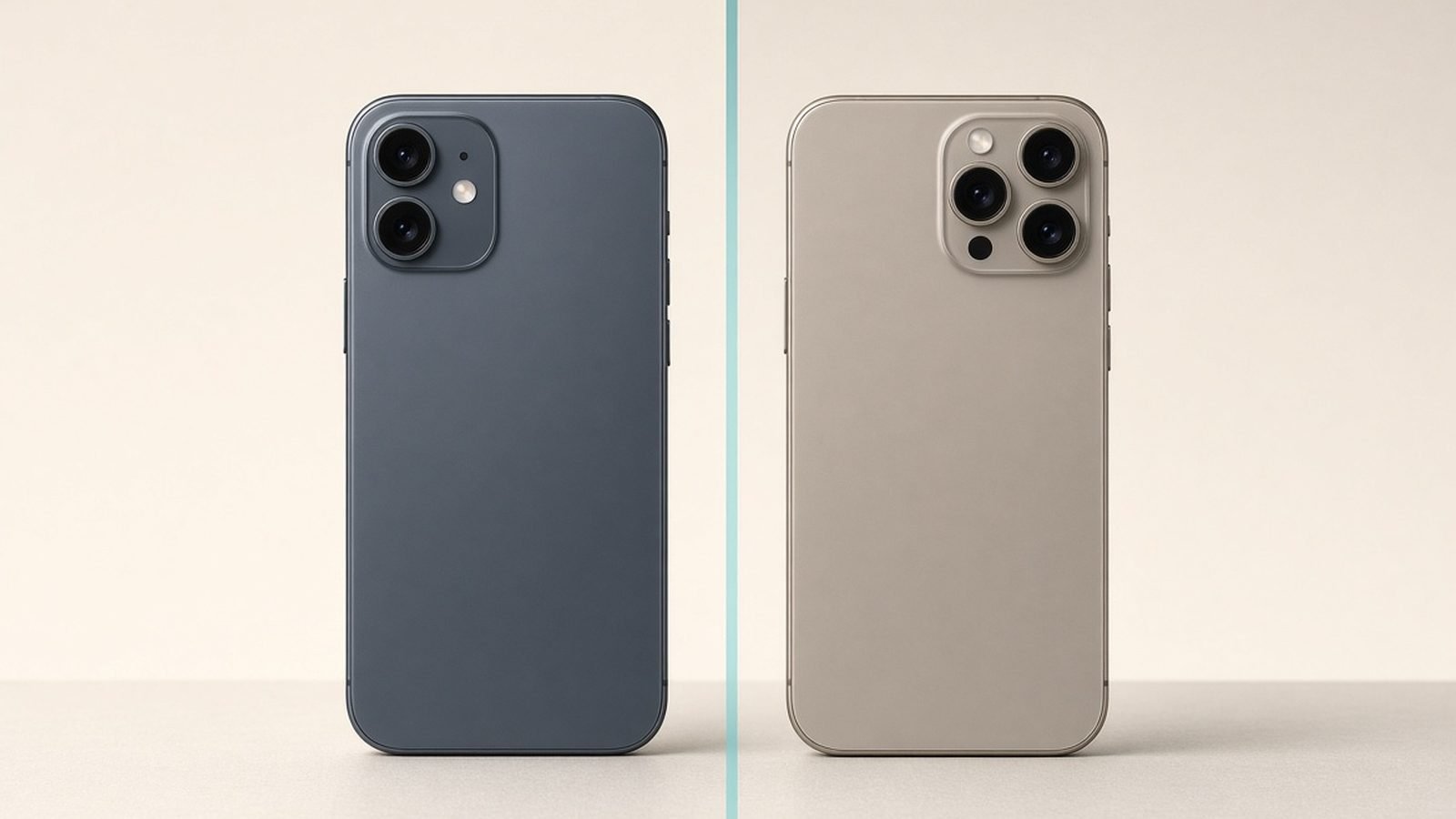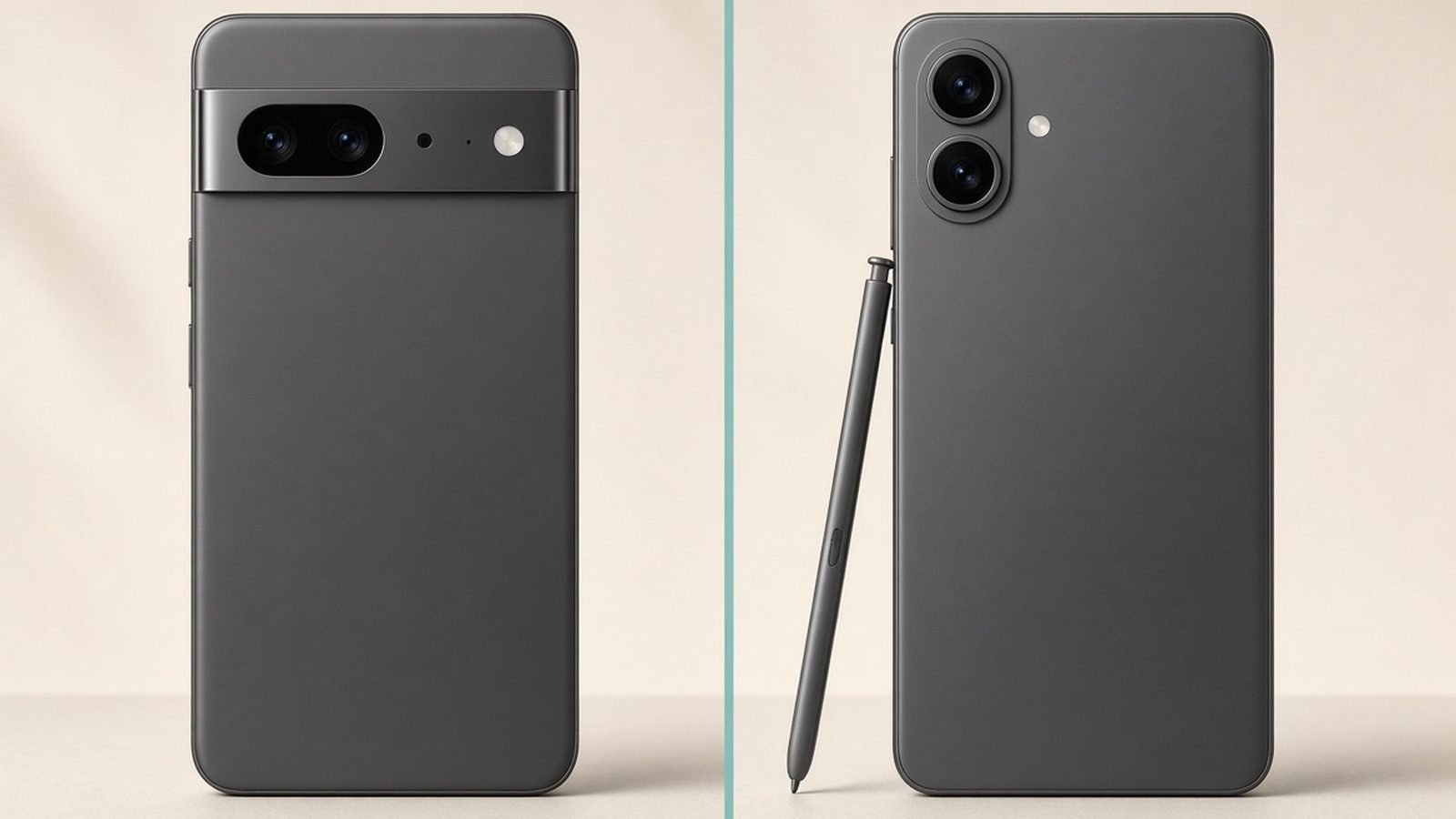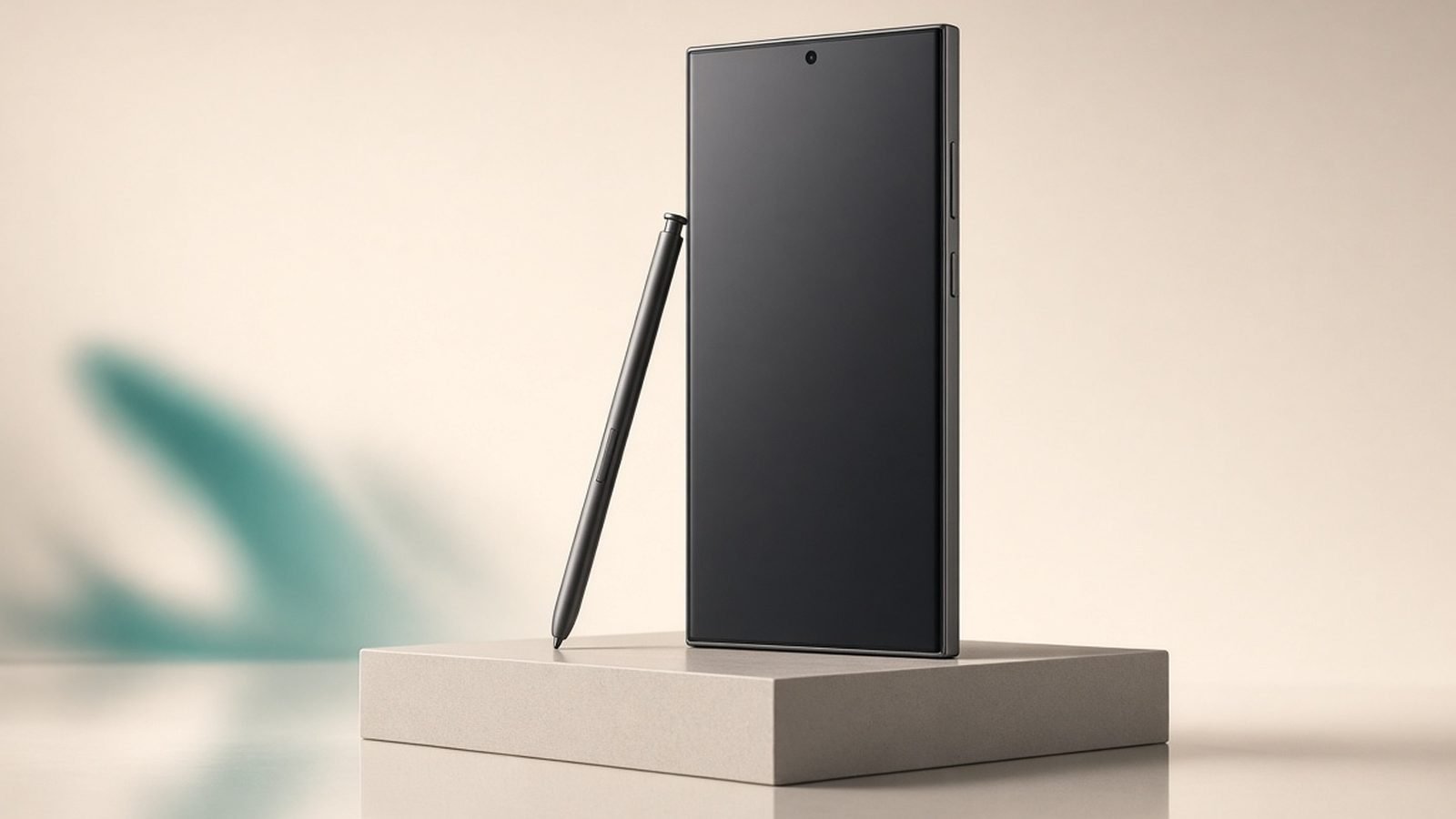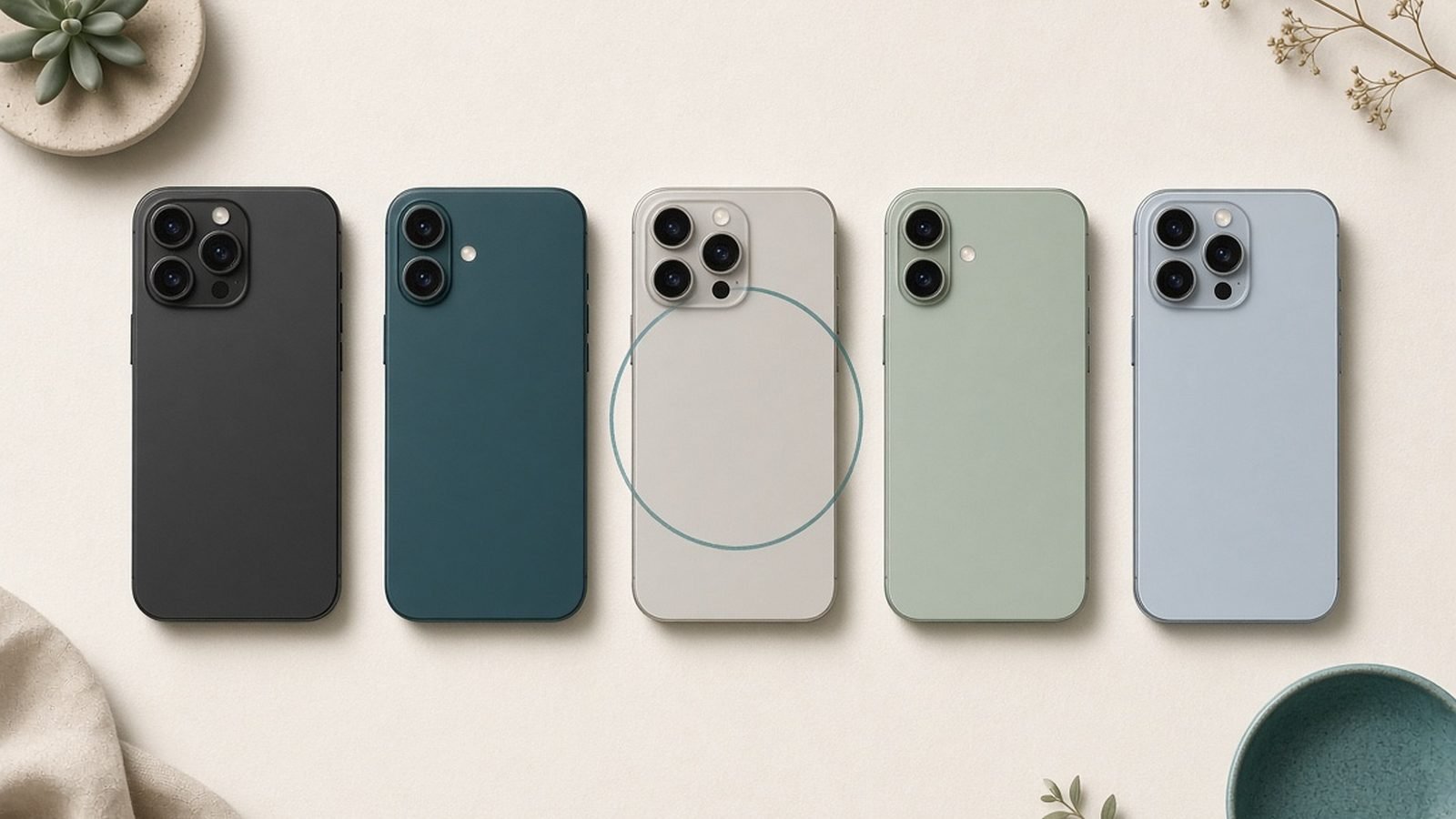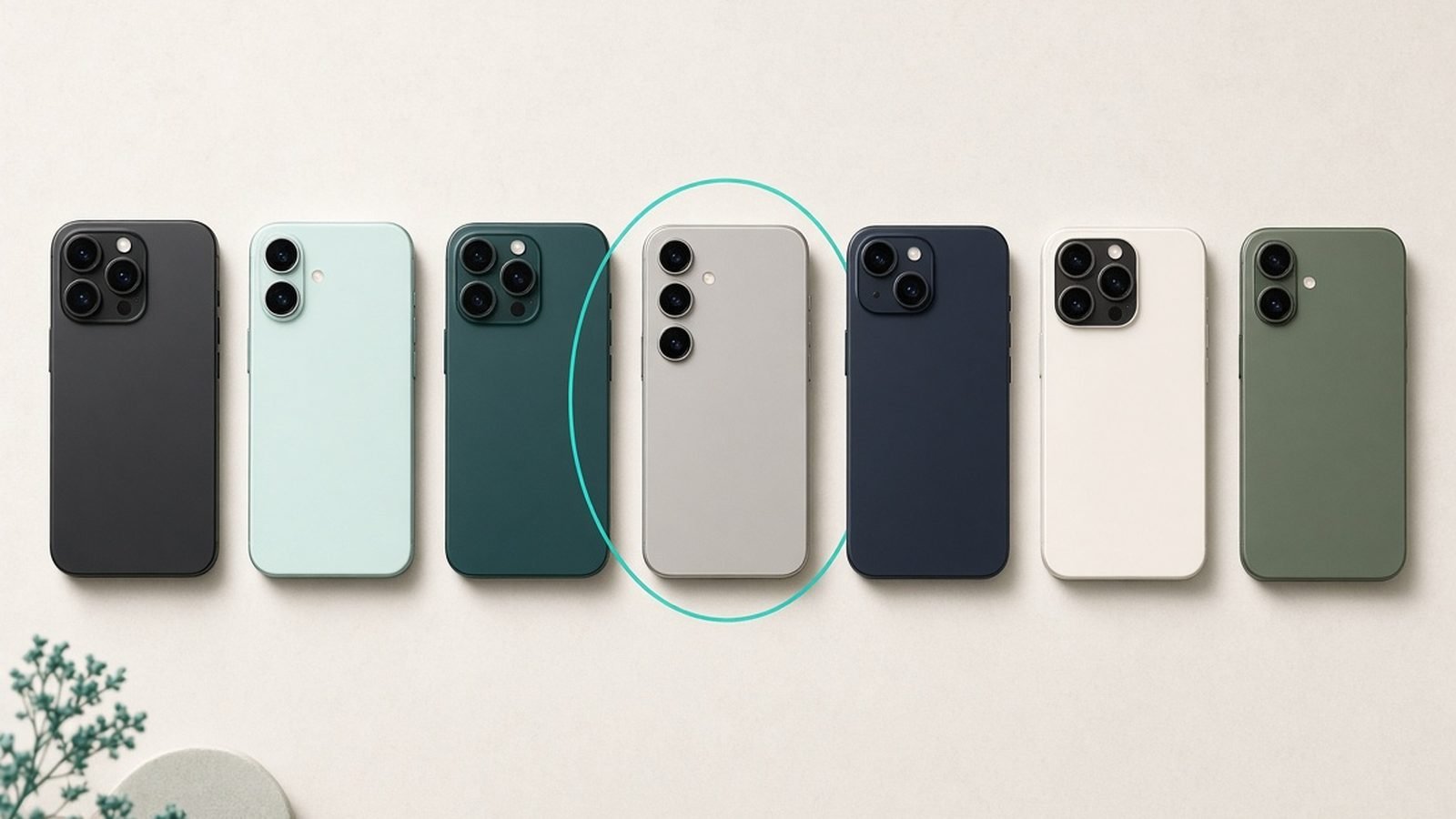
The best smartphone in 2026 for most people is the iPhone 17 Pro — it pairs the fastest silicon in any phone with a camera system that finally holds its own against Samsung and Google, and it does so with software support that runs well past the point most Android phones stop updating. But “best” is personal, and the honest answer depends on whether you live in Apple’s world or Google’s, how much you shoot, and how much you want to spend.
This guide ranks seven phones we’d actually recommend in 2026, from a $1,099 / £1,099 flagship down to a genuinely good budget pick under $500 / £450. Every pick names who it’s for and what you give up. If you already know you want Android, our dedicated Best Android Phones 2026: Flagship to Budget guide goes deeper; camera-first buyers should start with Best Camera Phones 2026: For Photos & Video.
Best smartphones 2026 at a glance
| Pick | Phone | Best for | Price (US / UK) |
|---|---|---|---|
| Best overall | iPhone 17 Pro | Most people, iOS users | around $1,099 / £1,099 |
| Best Android | Galaxy S26 Ultra | Power users, S Pen fans | around $1,299 / £1,249 |
| Best camera | Pixel 10 Pro | Photography, clean Android | around $999 / £999 |
| Best value flagship | iPhone 17 | Most iPhone buyers | around $799 / £799 |
| Best fast Android | OnePlus 15 | Speed, charging, battery | around $899 / £849 |
| Best budget | Pixel 10a | Under-$500 buyers | around $499 / £449 |
| Most distinctive | Nothing Phone 3 | Design, mid-range value | around $799 / £749 |
How we picked
Zen Tech Hub rankings are built from published specifications, manufacturer documentation, pricing across US and UK retailers, and aggregated owner feedback — not from lab benchmarks we didn’t run or hands-on testing we didn’t do. We weight the things that matter over a two-to-three-year ownership window: software support length, real-world battery behaviour, camera consistency, repairability and resale value. Where owner consensus contradicts the spec sheet, we say so. No manufacturer sees or influences these rankings.
Best overall: iPhone 17 Pro
A19 Pro chip, 6.3-inch 120Hz OLED, triple 48MP camera system — around $1,099 / £1,099
The iPhone 17 Pro is the phone we’d hand to someone who just wants the best without a research project. Apple’s A19 Pro is comfortably the fastest chip in any phone this year, and the gap shows most in the places benchmarks don’t: sustained gaming, video export, on-device AI, and how fresh the phone still feels three years in.
The bigger 2026 story is the camera. All three rear lenses are now 48MP, including a genuinely useful tetraprism telephoto, and Apple’s colour science has shifted away from the over-processed look that used to lose it comparisons against the Google Pixel 10 Pro Review 2026: Smartest Camera Phone. It’s now a top-two phone camera rather than a clear third. Video remains the best in the business — nothing else touches it for stabilisation and editing flexibility.
The trade-offs are familiar. It’s expensive, the base 256GB storage is the only sensible starting point, and if you want a smaller or lighter phone you’ll feel the titanium heft. But for iOS users and switchers who value longevity, this is the safest premium buy of the year. Read our full iPhone 17 Pro Review 2026: Apple's Best Yet? for the deep dive.
Pros:
- Fastest silicon in any phone, with years of headroom
- Class-leading video and a much-improved 48MP triple-camera system
- Longest practical software support of any phone here
- Strong resale value protects the high entry price
Cons:
- Expensive, and 256GB is the only sensible base tier
- Heavy compared with the standard iPhone 17
- Incremental design change over the iPhone 16 Pro
Who it’s for: iOS users and switchers who want the best all-rounder and plan to keep it three-plus years.
Best Android: Samsung Galaxy S26 Ultra
Snapdragon 8 Elite Gen 2, 6.9-inch 120Hz OLED, 200MP main camera, built-in S Pen — around $1,299 / £1,249
If Android is non-negotiable and money is secondary, the Galaxy S26 Ultra is the most capable phone on the market. Nothing else combines this screen, this camera versatility, the S Pen, and Samsung’s seven years of OS updates in one package. It is the Android phone that does everything.
The 200MP main sensor and dual telephoto setup (a 3x and a 5x periscope) give it the most flexible zoom range of any mainstream phone — genuinely useful from macro to distant detail. The Snapdragon 8 Elite Gen 2 keeps it fast, and Samsung’s Galaxy AI suite is the most fully realised on Android. Battery life is a real strength thanks to the large 5,000mAh-class cell.
The catches: it’s big, heavy, and the most expensive phone here. Samsung’s charging still tops out slower than Chinese rivals like the OnePlus 15, and One UI remains busier than stock Android. But for power users, the Ultra earns its price. See our Samsung Galaxy S26 Ultra Review 2026: Android's Best for the full breakdown.
Pros:
- Most versatile camera system on Android, with dual telephoto zoom
- Built-in S Pen — still unique at the flagship level
- Seven years of OS and security updates
- Big, bright display and dependable all-day battery
Cons:
- The most expensive phone in this guide
- Large and heavy; not a one-handed device
- Charging speed lags behind OnePlus and other rivals
Who it’s for: Android power users who want maximum versatility, S Pen input and the longest zoom.
Best camera: Google Pixel 10 Pro
Tensor G5, 6.3-inch 120Hz OLED, triple 50MP-class camera, 7 years of updates — around $999 / £999
The Pixel 10 Pro takes the best photos of any phone you can buy in 2026, full stop — and it does it while costing $100 less than the iPhone 17 Pro. Google’s computational photography still leads on point-and-shoot reliability: you pull the phone out, tap once, and get a keeper in tricky light more often than with anything else.
Beyond the camera, the Pixel 10 Pro is the cleanest, most helpful Android experience going. Tensor G5 isn’t the fastest chip here — it trails Apple and Qualcomm in raw benchmarks — but Google spends its silicon budget on AI features that actually get used: Call Screen, Magic Editor, on-device translation, and the best voice typing on any phone. Seven years of updates match Samsung.
The honest weaknesses are performance headroom and charging speed, both a step behind rivals, plus Tensor’s history of running warm under sustained load. If photography and clean software top your list, none of that will bother you. Full details in our Google Pixel 10 Pro Review 2026: Smartest Camera Phone.
Pros:
- Best-in-class point-and-shoot camera reliability
- Cleanest Android with the most genuinely useful AI features
- Seven years of updates at $100 below the iPhone 17 Pro
- Excellent display and compact-for-a-Pro size
Cons:
- Tensor G5 trails Apple and Qualcomm on raw performance
- Slower charging than most Android rivals
- Can run warm under heavy sustained load
Who it’s for: Anyone who values photography and a clean, smart Android experience over benchmark bragging rights.
Best value flagship: iPhone 17
A19 chip, 6.3-inch 120Hz OLED, dual 48MP camera — around $799 / £799
Most people buying an iPhone in 2026 should buy the standard iPhone 17, not the Pro. This is the year the base model finally got the 120Hz ProMotion display it always deserved, and with it the last real reason to spend up on a Pro evaporated for casual users.
You get the fast A19 chip (a notch below the Pro’s A19 Pro, but still faster than almost every Android), the same clean iOS experience, and a very good dual-camera system that covers the vast majority of shots. What you give up versus the Pro is the telephoto lens, the ProMotion-exclusive pro video modes, titanium build and a bit of camera polish — none of which most people use.
At $799 / £799 it undercuts the Pro by $300 and holds its value nearly as well. Unless you specifically need optical zoom or pro video, this is the smarter iPhone buy.
Pros:
- 120Hz display finally standard on the base iPhone
- Fast A19 chip and full iOS longevity for $300 less than the Pro
- Very good dual 48MP camera for everyday shooting
- Lighter than the Pro and easier to hold
Cons:
- No dedicated telephoto lens
- Misses the Pro’s best video modes and camera polish
- Base storage fills fast for heavy photo/video users
Who it’s for: The majority of iPhone buyers who want flagship experience without paying for Pro extras they won’t use.
Best fast Android: OnePlus 15
Snapdragon 8 Elite Gen 2, 6.8-inch 120Hz+ OLED, 6,000mAh-class battery, 100W+ charging — around $899 / £849
The OnePlus 15 is the phone for people who hate waiting. It charges from empty to full in around half an hour with the bundled charger, packs one of the biggest batteries in any mainstream flagship, and its OxygenOS animations still feel a touch snappier than the competition. If raw speed and endurance are what you want, this is the value flagship to beat.
It undercuts the Galaxy S26 Ultra by $400 while matching it on chip and screen quality. The camera is genuinely good now — a real weak-spot in older OnePlus phones that’s largely fixed — even if it still trails Samsung, Google and Apple in the very hardest light. Battery life is arguably the best here.
Two caveats keep it out of the top spots: software support (four to five years of updates versus seven for Samsung, Google and Apple) is shorter, and the camera, while good, isn’t class-leading. For the right buyer, neither matters much against the price and speed.
Pros:
- Fastest charging and best battery life in this guide
- Flagship chip and display for $400 less than the S26 Ultra
- Camera finally competitive with the mainstream flagships
- Fluid, lightweight software
Cons:
- Shorter update commitment than Apple, Google and Samsung
- Camera still a step behind the top three in hard light
- Divisive design and larger footprint
Who it’s for: Android buyers who prioritise charging speed, battery life and value over the longest software support.
Best budget: Google Pixel 10a
Tensor G5 (or G4-class), 6.1-inch OLED, dual camera, 7 years of updates — around $499 / £449
The Pixel 10a is the budget phone that embarrasses phones costing twice as much — mainly because it inherits Google’s camera pipeline. In good light it shoots photos indistinguishable from the flagship Pixels, which is remarkable at under $500 / £450. Add the same seven-year update promise and you have the longest-supported affordable phone on the market.
You accept sensible compromises for the price: a plastic (though well-built) body, a dimmer display than the Pro models, slower charging, and less performance headroom. But the fundamentals — camera, clean software, longevity — are flagship-grade, and nothing else near this price offers seven years of updates.
If your budget is firm and you still want a phone that ages gracefully, this is the pick. For more options at this price, see Best Budget Smartphones 2026: Under $400 / £400.
Pros:
- Flagship-class camera in good light, at a budget price
- Seven years of updates — unmatched under $500
- Clean, fast Android with Google’s best AI features
- Compact and easy to hold
Cons:
- Plastic build and dimmer screen than pricier Pixels
- Slower charging and less performance headroom
- Battery is adequate rather than outstanding
Who it’s for: Budget buyers who want a great camera and years of support without spending flagship money.
Most distinctive: Nothing Phone 3
Snapdragon flagship-class chip, 6.7-inch OLED, Glyph interface, distinctive transparent design — around $799 / £749
If you’re tired of every phone looking the same, the Nothing Phone 3 is the antidote. Its transparent back and Glyph LED interface are genuinely different, and Nothing’s stripped-back software is one of the more thoughtful Android skins going. It’s a flagship-class experience at an upper-mid-range price.
Performance, display and battery are all strong, and the cameras have improved to the point of being reliably good in most conditions. Nothing’s build quality punches above its price, and the design is the rare kind that draws comments in a good way.
The trade-offs: the camera still can’t match the top three flagships in difficult light, software support is shorter than the big players, and the Glyph interface is a love-it-or-ignore-it feature rather than a productivity revolution. As a statement phone with real substance, though, it’s the most interesting thing here.
Pros:
- Genuinely distinctive design and Glyph interface
- Clean, well-designed software with minimal bloat
- Strong performance and display for the price
- Good build quality that feels premium
Cons:
- Camera trails the top flagships in hard light
- Shorter update support than Apple, Google and Samsung
- Glyph features are more novelty than necessity
Who it’s for: Buyers who want a flagship-feeling phone that stands out, and who value design as much as spec-sheet supremacy.
How to choose
Five questions settle most decisions:
- iOS or Android? If you’re already invested in one ecosystem — messages, watch, laptop, family sharing — switching costs more than any spec difference. Start there.
- How much do you shoot? Photography-first buyers should weight the Google Pixel 10 Pro Review 2026: Smartest Camera Phone and iPhone 17 Pro heavily; casual shooters are well served by any phone here.
- What’s your real budget? The jump from the Pixel 10a to a flagship is $500-plus for benefits most people notice only occasionally. Be honest about what you’ll use.
- How long will you keep it? Seven-year support (Apple, Google, Samsung) transforms a phone’s cost-per-year. If you upgrade every two years, it matters less.
- Size and weight. The Ultra and Pro Max class phones are big. If you want something pocketable, check our Best Compact Phones 2026: Great Small Smartphones guide.
FAQ
What is the best smartphone in 2026?
For most people it’s the iPhone 17 Pro, which combines the fastest chip, a much-improved camera and the longest practical software support. If you want Android, the Galaxy S26 Ultra is the most capable overall, and the Pixel 10 Pro takes the best photos. The “best” depends on your ecosystem, budget and how much you shoot.
Should I buy an iPhone or an Android phone in 2026?
Stick with the ecosystem you’re already in unless you have a strong reason to switch — the cost of moving messages, accessories and habits usually outweighs spec differences. If you’re starting fresh, iOS offers the longest support and best video; Android offers more choice, better value at the low end, and the Pixel’s superior point-and-shoot camera.
Is the iPhone 17 worth it over the iPhone 17 Pro?
For most people, yes. The standard iPhone 17 finally has a 120Hz display and a fast A19 chip for $300 less than the Pro. You give up the telephoto lens, pro video modes and titanium build — extras that casual users rarely use. Only buy the Pro if you specifically need optical zoom or professional video.
Which phone has the best camera in 2026?
The Google Pixel 10 Pro takes the most reliable point-and-shoot photos, and the Galaxy S26 Ultra offers the most zoom versatility. The iPhone 17 Pro leads on video. For a full ranking across every use case, see our Best Camera Phones 2026: For Photos & Video guide.
What is the best budget phone in 2026?
The Google Pixel 10a at around $499 / £449 is the standout, thanks to its flagship-class camera and seven years of updates. If your budget is lower, our Best Budget Smartphones 2026: Under $400 / £400 guide covers strong picks under $400 / £400 from Samsung, Motorola and others.
How long will these phones get software updates?
Apple, Google and Samsung now all commit to roughly seven years of OS and security updates on their flagships and the Pixel 10a — the best in the industry. OnePlus and Nothing typically offer four to five years. Longer support meaningfully lowers a phone’s cost-per-year and improves resale value.
Zen Tech Hub may earn a commission from links on this page, at no extra cost to you.