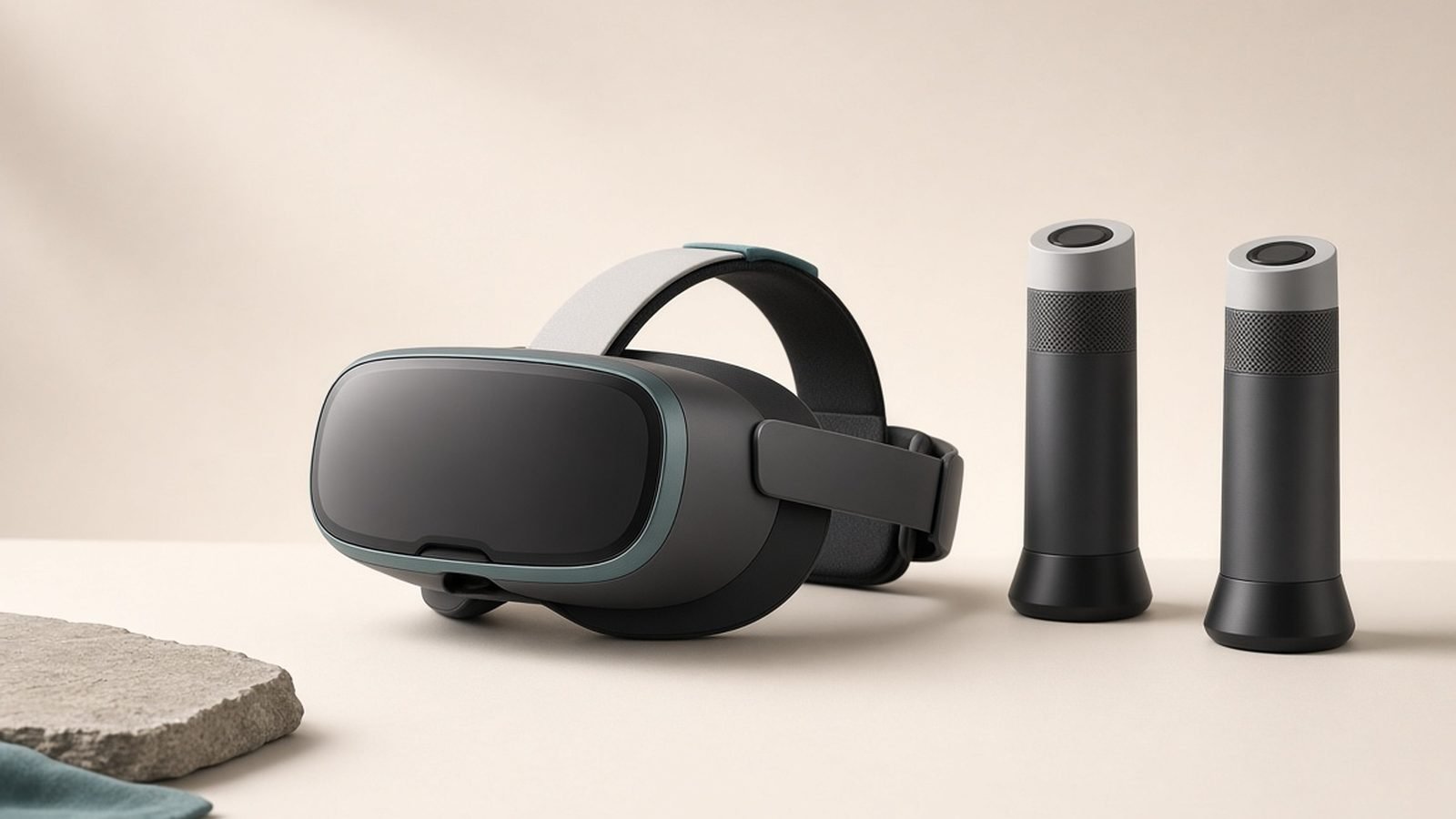
Pimax is the enthusiast’s VR brand — a company that chases the outer limits of resolution and field of view, building headsets for sim racers, flight simmers, and PC VR purists who want more than the mainstream offers. In 2026 it makes some of the sharpest, widest headsets you can buy, but it remains a specialist, high-risk, high-reward purchase. The short verdict: Pimax delivers genuinely class-leading image quality and immersion, but it’s dogged by inconsistent quality control, complicated setups, and a long-standing reputation for slow shipping and rough customer support.
Buy a Pimax if you’re a dedicated PC VR enthusiast or simmer who wants the best resolution and widest field of view and can tolerate fiddly setup and support risk. Look elsewhere if you want plug-and-play simplicity, standalone convenience, or dependable after-sales service.
Company overview
Pimax is a Chinese VR company headquartered in Shanghai, founded in 2015 and privately held. It carved out its identity by ignoring the mass market and instead building “enthusiast-first” PC VR headsets defined by extreme specs — very high resolutions and ultra-wide fields of view that mainstream headsets don’t attempt. It funded several products through crowdfunding campaigns, which is part of why its history includes long delays and shifting delivery timelines.
Pimax’s reputation is sharply polarized. Among hardcore PC VR users — especially the sim racing and flight sim communities — it’s respected for pushing image quality and immersion further than anyone else, and its best headsets genuinely deliver visuals rivals can’t match. But the brand also carries persistent baggage: quality-control inconsistency, complex and sometimes finicky setups, over-promised timelines, and customer-service and RMA experiences that many owners describe as frustrating. Pimax is the definition of high-risk, high-reward: buyers accept real hassle in exchange for visuals nothing else provides.
What Pimax makes
Pimax’s 2026 portfolio is narrowly focused on premium PC VR:
- High-resolution PC VR headsets — its core products, tethered headsets built around very high pixel counts and wide fields of view (the Crystal and wide-FOV lines).
- Ultra-wide field-of-view designs — headsets that stretch peripheral vision far beyond standard VR for maximum immersion, a Pimax signature.
- Modular and swappable components — optical engines, controllers, audio strap accessories, and (on some models) a standalone/PC-hybrid option.
- Controllers and base-station tracking — Pimax controllers plus support for SteamVR “Lighthouse” tracking for precision.
- Enthusiast and sim accessories — add-ons aimed specifically at sim racing and flight sim rigs.
There’s no mass-market or casual product here. Everything Pimax makes targets the enthusiast who prioritizes visual fidelity and immersion above cost and convenience.
Standout Pimax products in 2026
Pimax Crystal — around $1,599 / £1,499. The flagship: extremely high per-eye resolution, sharp glass aspheric lenses, and local dimming for strong contrast, aimed at users who want the clearest VR image available. It’s a headline pick on our Best VR Headsets 2026: Quest 3S to Galaxy XR Compared guide for enthusiasts chasing maximum fidelity.
Pimax Crystal Light — around $899 / £849. A lighter, more affordable version of the Crystal that trims some features (like onboard standalone processing) to lower weight and price while keeping the excellent optics. A more accessible way into Pimax’s image quality.
Pimax wide-FOV headsets. Pimax’s signature ultra-wide field-of-view designs stretch peripheral immersion well beyond standard VR — a genuine differentiator for sim racers and flight simmers who want to feel surrounded.
Pimax controllers & Lighthouse tracking support. Support for SteamVR base-station tracking delivers the precision serious simmers demand. If you’re comparing VR input with traditional pads, see our Best Game Controllers 2026: PC, Xbox & PlayStation guide.
Strengths
Class-leading image quality. Pimax’s best headsets deliver resolution and clarity that mainstream and even most premium rivals can’t match — the single biggest reason enthusiasts put up with everything else.
Ultra-wide field of view. Pimax’s signature wide-FOV designs offer immersion that standard headsets simply don’t attempt, a standout for sim racing and flight simulation.
Enthusiast-first engineering. Pimax builds for the users other brands ignore — high refresh rates, local dimming, modular optics, and SteamVR tracking support aimed squarely at demanding PC VR use.
No compromise on ambition. Where mainstream VR trends toward cheaper and simpler, Pimax keeps pushing the technical ceiling, which keeps it relevant to a passionate niche.
Weaknesses & criticisms
Inconsistent quality control. Pimax has a long-running reputation for unit-to-unit variability — dead pixels, lens or panel defects, and hardware quirks appear often enough in owner reports to be a real risk, not a rare exception.
Rough customer support and RMA. Support and returns are among the most-criticized aspects of the brand, with owners frequently reporting slow responses, difficult RMA processes, and frustrating resolutions. This is the single biggest reason to hesitate.
Complicated, demanding setup. Pimax headsets can be finicky to configure, benefit from base-station tracking, and place heavy demands on your PC to drive their high resolutions. They are not plug-and-play.
Delivery delays and over-promising. Rooted in its crowdfunding history, Pimax has repeatedly shipped late and adjusted timelines, and buyers should treat launch dates and promised features with caution.
High price and high PC requirements. The headsets are expensive, and getting the most from them requires a powerful (and costly) gaming PC, pushing total cost well beyond the headset itself.
Reliability & support
Reliability is Pimax’s weakest area and the thing prospective buyers must weigh most carefully. When a Pimax headset is a good unit, it can perform brilliantly for years, but quality control is inconsistent enough that some buyers receive units with defects, and the experience of resolving those problems is where the brand’s reputation suffers most. Warranty is typically one year, but the practical value of a warranty depends heavily on the support and RMA experience — and that’s precisely what many owners criticize.
Customer service and RMA are frequently described as slow, difficult, and frustrating, with communication and turnaround varying widely. As a smaller specialist company, Pimax simply doesn’t offer the polished, dependable after-sales support of a large consumer brand. Software and firmware updates do arrive and can improve the experience, but setup and tuning often fall to the user. The honest guidance: buy Pimax for the image quality with eyes open to real quality-control and support risk, and only if you’re comfortable troubleshooting and potentially fighting for a resolution if something goes wrong.
Who should buy Pimax
Buy a Pimax if you’re a committed PC VR enthusiast, sim racer, or flight simmer who wants the sharpest image and widest field of view available, owns (or will buy) a powerful gaming PC, and can tolerate fiddly setup plus the real possibility of quality-control and support hassle. For that user, nothing else delivers the same visual immersion. Enthusiasts comparing top-tier headsets will find Pimax featured in our Best VR Headsets 2026: Quest 3S to Galaxy XR Compared guide.
Look elsewhere if you want a simple, standalone, or plug-and-play experience, dependable customer service, or a lower-risk purchase. Mainstream and casual buyers — and anyone who’d be badly burned by a defective unit and a slow RMA — should choose a more polished, better-supported headset.
FAQ
Is Pimax a good brand?
For a specific enthusiast, yes. Pimax builds PC VR headsets with class-leading resolution and ultra-wide fields of view that rivals can’t match, which makes it beloved among sim racers and PC VR purists. But it’s held back by inconsistent quality control, complicated setups, delivery delays, and widely criticized customer support — so it’s a high-risk, high-reward brand, not a safe mainstream pick.
Is Pimax reliable?
This is Pimax’s weakest point. A good unit can perform brilliantly, but quality control is inconsistent enough that defects are a real risk, and the customer-service and RMA experience for resolving them is frequently criticized as slow and difficult. Buy only if you’re comfortable with that risk and with troubleshooting yourself.
Where is Pimax from and who owns it?
Pimax is a privately held Chinese VR company headquartered in Shanghai, founded in 2015. It has funded several products through crowdfunding, which is part of why its history includes delivery delays. It’s independent, with no large parent conglomerate.
Is Pimax worth it in 2026?
For dedicated PC VR enthusiasts and simmers who want the best possible image quality and widest field of view — and who have a powerful PC and tolerance for hassle — it can be worth it. For everyone else, the setup complexity, cost, and quality-control and support risks make it hard to recommend.
Pimax or Valve Index — which should I choose?
Pimax wins decisively on raw image quality and field of view; the Valve Index is lower-resolution but far more polished, better supported, and easier to live with, with excellent controllers. Choose Pimax for maximum visual fidelity if you accept the risk; choose the Index (or another mainstream headset) for a smoother, more dependable experience.
Why does Pimax get criticized for customer support?
Owners frequently report slow responses, difficult RMA processes, and frustrating resolutions when hardware goes wrong — a pattern rooted in Pimax being a smaller specialist company without large-brand after-sales infrastructure. Combined with inconsistent quality control, it’s the most common reason buyers hesitate despite the excellent optics.
Zen Tech Hub may earn a commission from links on this page, at no extra cost to you.