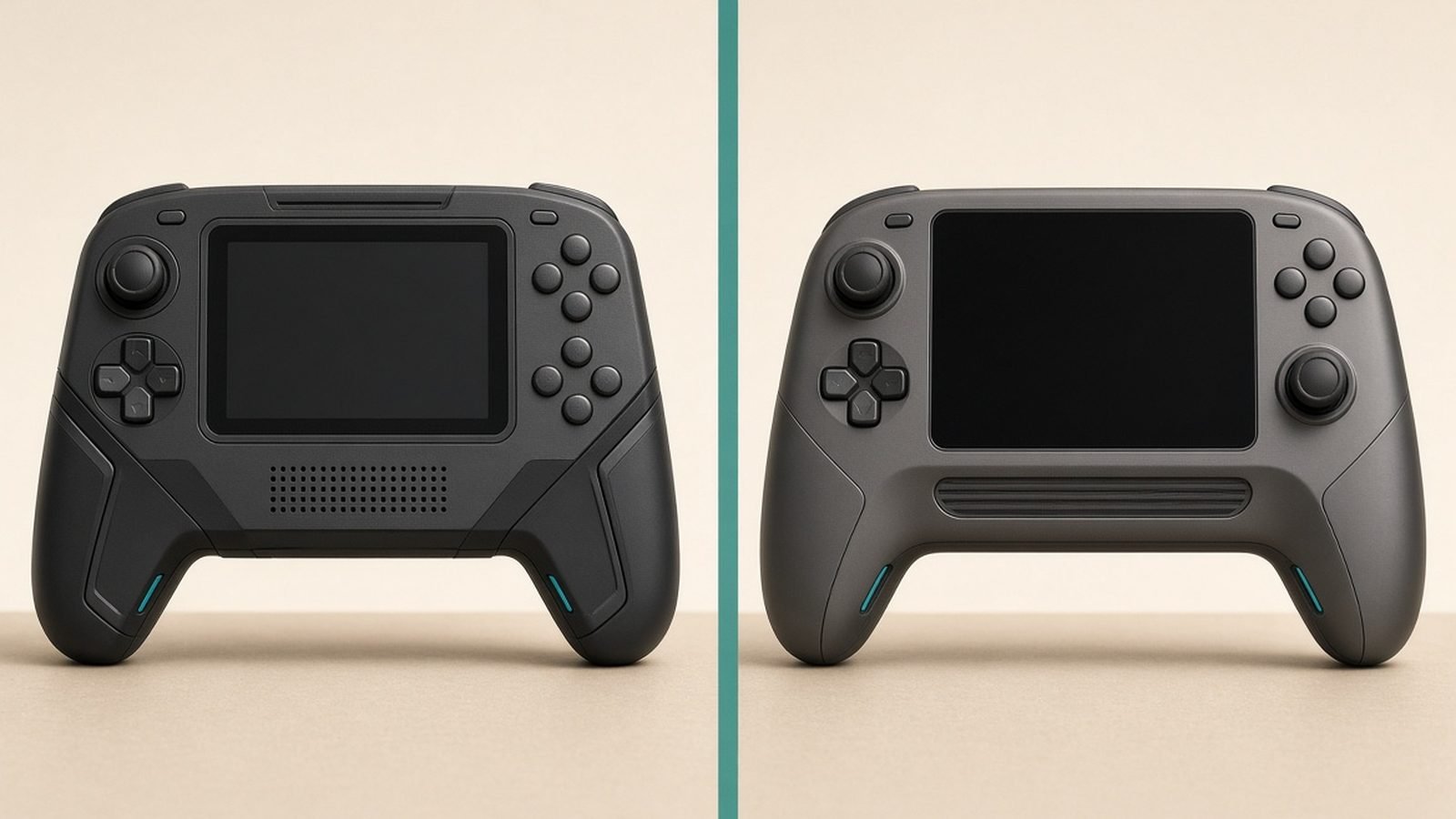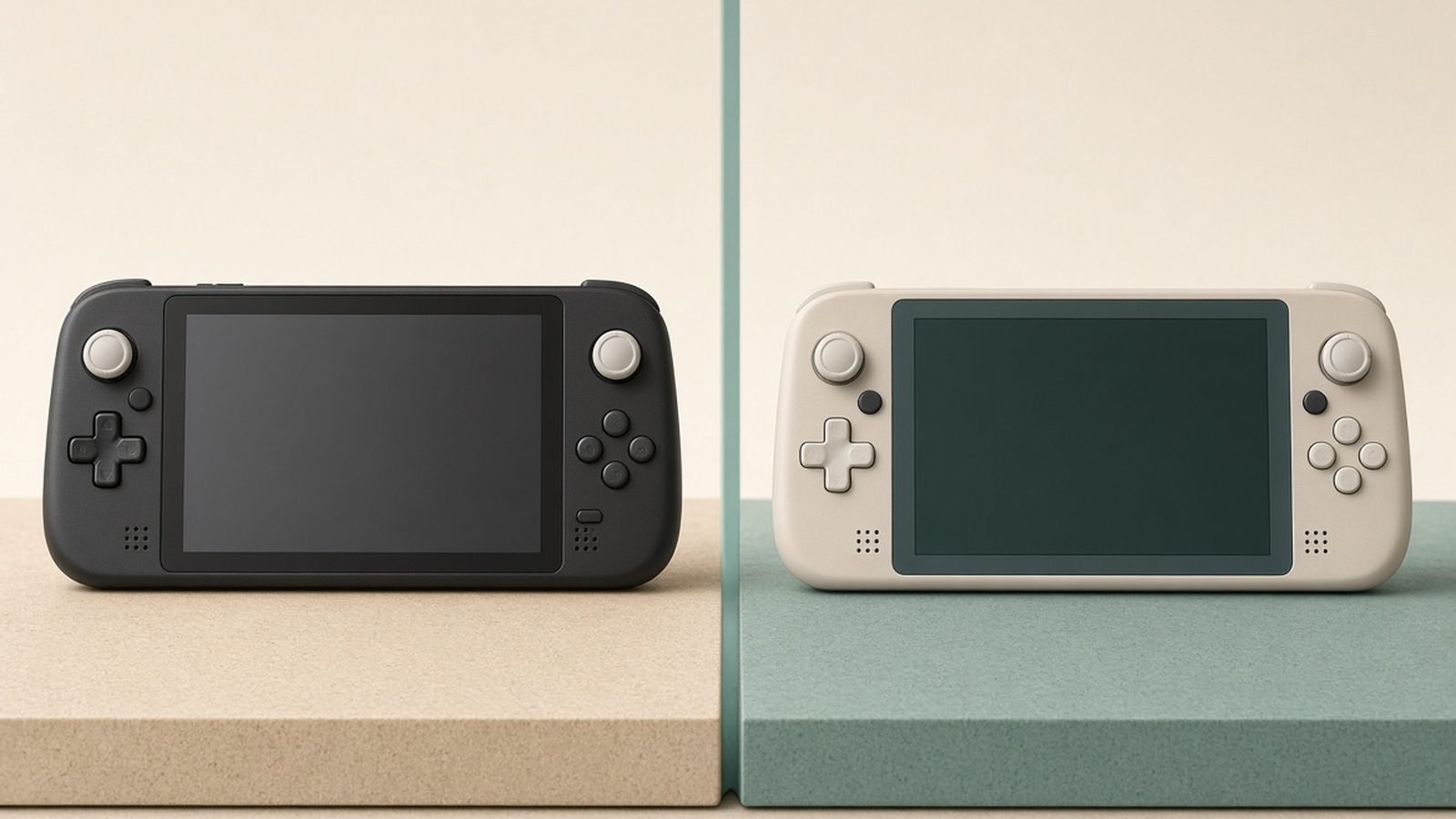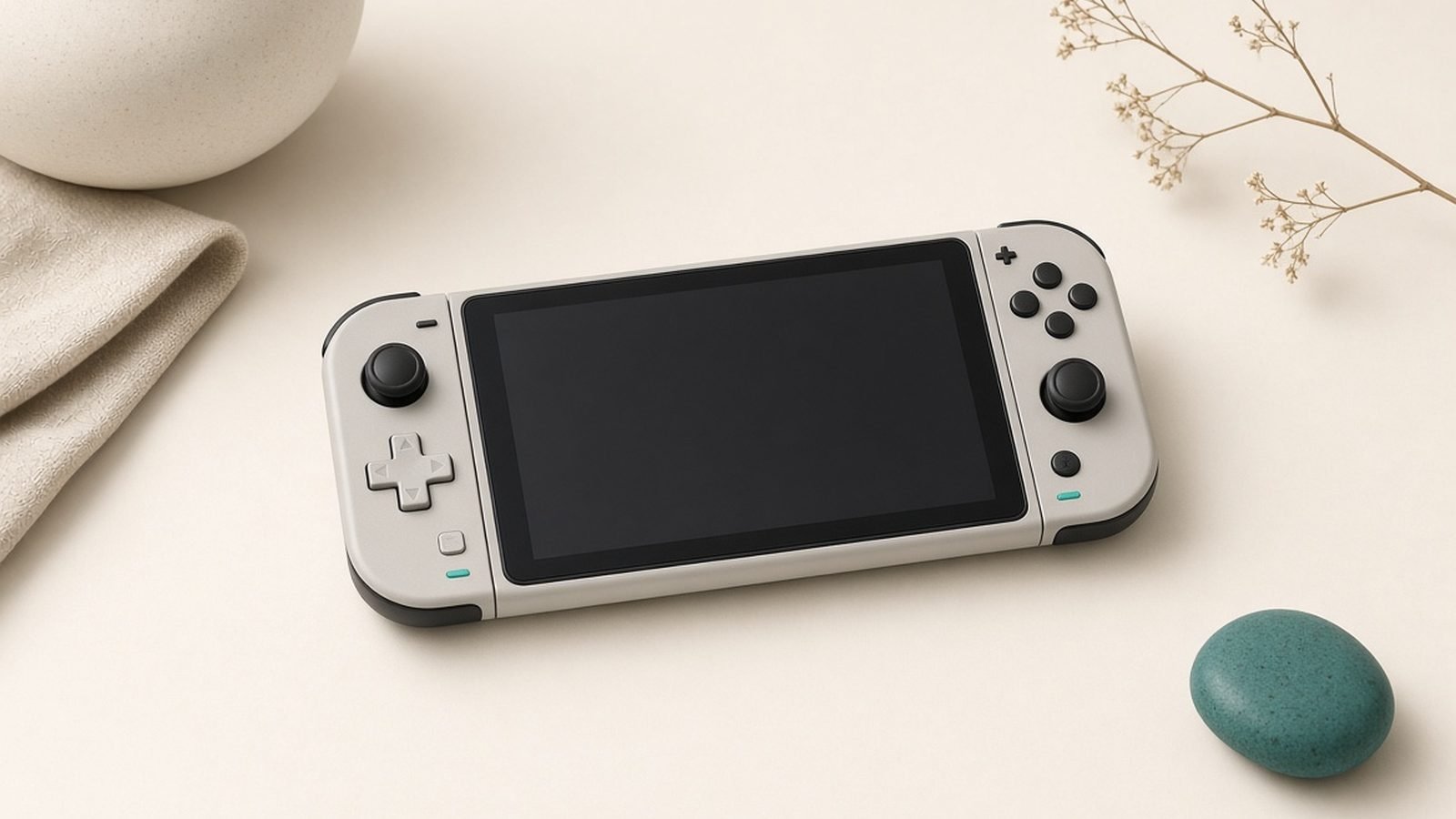
Valve is the company that quietly runs PC gaming — the maker of Steam, Half-Life, Counter-Strike, and Dota 2, and the hardware team behind the Steam Deck. In 2026 it sits in an unusual position: a software giant that also builds some of the most interesting gaming hardware around. The short verdict: Valve makes excellent, open, enthusiast-friendly products, and the Steam Deck reinvented handheld PC gaming, but the company is small, hardware supply and support can be patchy, its release cadence is glacial, and its ecosystem power over Steam draws legitimate criticism.
Buy into Valve if you want an open, tinkerable handheld PC, the biggest game library in existence, and hardware made by people who clearly love PC gaming. Look elsewhere if you want mainstream customer support, polished consumer hand-holding, or the newest, most powerful handheld specs on the market.
Company overview
Valve Corporation is a privately held American company headquartered in Bellevue, Washington, founded in 1996 by former Microsoft employees Gabe Newell and Mike Harrington. It’s famously private and independent — no outside conglomerate owns it, and Newell retains significant control — which lets Valve operate on its own timeline and refuse to chase quarterly expectations.
Valve’s reputation is a study in contrasts. It’s revered by PC gamers for Steam, for landmark games like Half-Life and Portal, and for pushing open, Linux-friendly hardware with the Steam Deck. It’s also criticized for the enormous, near-monopolistic influence Steam holds over PC game distribution and its 30% platform cut, for a flat, unusual corporate structure that produces long gaps between products, and for support and communication that feel thin for a company of its cultural weight. Valve is loved as a builder and distrusted as a gatekeeper — often by the same people.
What Valve makes
Valve’s 2026 portfolio spans software, services, and hardware:
- Steam — the dominant PC game store and platform, plus Steam Cloud, Workshop mods, and the Steam social layer.
- Gaming hardware — the Steam Deck handheld PC (LCD and OLED models) is the flagship device, alongside the Steam Controller and the Index VR headset.
- SteamOS — Valve’s Linux-based operating system that powers the Deck and is increasingly offered to third-party handhelds.
- First-party games — Half-Life, Counter-Strike 2, Dota 2, Portal, Team Fortress 2, and the Half-Life: Alyx VR title.
- Developer tools and services — Steamworks, the Source engine, Proton (its Windows-game compatibility layer for Linux).
Steam is the profit engine; the hardware exists to expand and defend the PC gaming ecosystem Valve depends on.
Standout Valve products in 2026
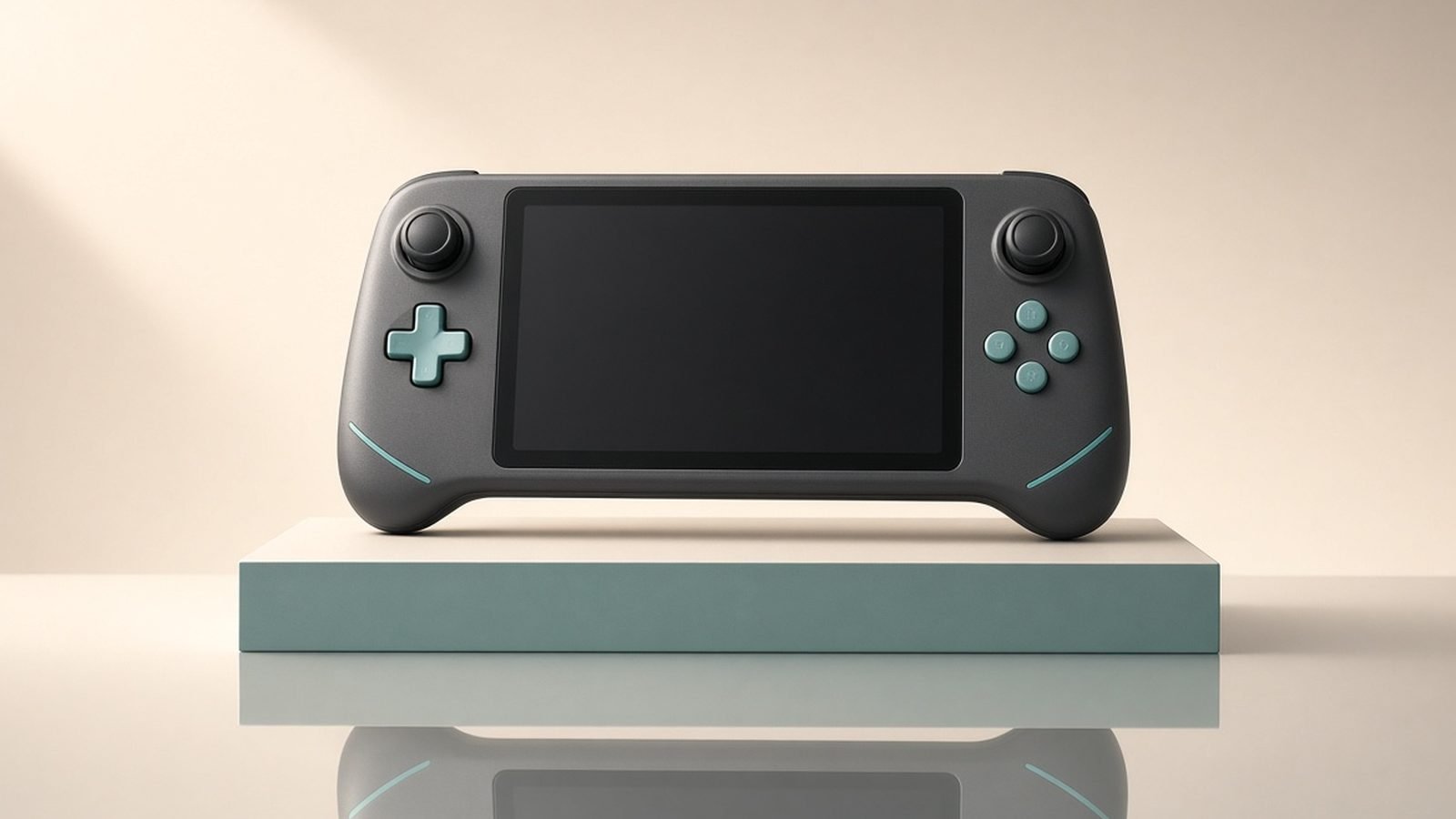
Steam Deck OLED — around $549 / £479. The flagship handheld and the best version of the Deck: a brighter, higher-contrast OLED screen, better battery life, and refined ergonomics over the original LCD model. It plays your existing Steam library, is fully tinkerable, and remains a landmark device. It’s a fixture on our Best Gaming Handhelds 2026: Steam Deck & Rivals guide.
Steam Deck LCD — around $399 / £349. The cheaper entry point. Same core experience with a dimmer LCD screen and shorter battery life, but still an excellent value way into handheld PC gaming.
Valve Index — around $999 / £919 (full kit). Valve’s high-end PC VR headset, still respected for its high-refresh display, excellent “knuckle” controllers with finger tracking, and speaker design — though it’s aging and due for a successor.
SteamOS (for third-party handhelds) — free. Increasingly available beyond the Deck, letting rival handhelds run Valve’s polished, gaming-first Linux OS. A quietly significant product that extends Valve’s ecosystem influence.
Steam Controller (2nd gen) — around $69 / £59. Valve’s dual-trackpad gamepad, aimed at players who want fine control for games not designed for a controller. A niche but distinctive option worth knowing about if you’re comparing pads in our Best Game Controllers 2026: PC, Xbox & PlayStation guide.
Strengths
The Steam library and ecosystem. Owning a Valve device means access to the largest game catalog in the world, frequent deep discounts, mod support via Workshop, and cloud saves. No competing storefront comes close on breadth or sales.
Open, tinker-friendly hardware. The Steam Deck is essentially a small PC. You can install other operating systems, run non-Steam games and emulators, upgrade the SSD, and modify it freely. Valve even publishes repair guides and sells spare parts — a rarity in modern gaming hardware.
Genuine value and pricing. The Deck delivered handheld PC gaming at prices that undercut expectations, and Proton has made a huge share of Windows games run well on Linux at no extra cost.
Ecosystem goodwill and longevity. Steam accounts and libraries have been reliably maintained for two decades, and Valve’s commitment to backward compatibility and long support earns deep trust from PC gamers.
Weaknesses & criticisms
Small company, thin support. Valve is tiny relative to its influence. Customer service, RMA turnaround, and communication can be slow and inconsistent, and regional hardware availability has historically been patchy.
Steam’s market dominance. Valve’s roughly 30% cut on Steam sales and its overwhelming control of PC distribution draw ongoing criticism from developers and antitrust watchers. Owning the platform gives Valve outsized power over the whole PC market.
Glacial release cadence. Valve’s flat structure produces long, unpredictable gaps between products and games. The “Valve time” joke exists because major releases can take years, and some products (the Index, the Steam Controller line) go long stretches without updates.
Handheld specs get outpaced. The Steam Deck prioritizes value and openness over raw power, so newer Windows handhelds from other brands often post higher frame rates. The Deck’s edge is software and ecosystem, not benchmarks.
Linux quirks. SteamOS and Proton are impressive, but not every game runs perfectly, anti-cheat compatibility varies, and less technical buyers occasionally hit friction that a console would never present.
Reliability & support
The Steam Deck has proven broadly reliable, and Valve’s decision to make it genuinely repairable — publishing teardown guides and selling replacement parts through partners — is a standout in an industry that usually discourages self-repair. Build quality is solid for the price, and the OLED model refined several early ergonomic and battery complaints.
Support is the softer spot. Valve is a small operation, and its customer-service and RMA experience can be slower and less predictable than what you’d get from a large console maker, with quality varying by region. Warranty coverage is standard for the category — typically one year on hardware, with regional variation. The honest guidance: the hardware itself is dependable and unusually user-serviceable, but set expectations for lighter-touch official support, and know that part of the Deck’s reliability story is that you can fix a lot yourself. For most enthusiasts that trade-off is a feature, not a flaw.
Who should buy Valve
Buy a Valve device if you’re a PC gamer who wants an open, portable window into your Steam library, values tinkering and repairability, and appreciates hardware built by people who share your hobby. The Steam Deck OLED is one of the easiest recommendations in handheld gaming for anyone comfortable with a device that’s more “small PC” than “locked console.”
Look elsewhere if you want polished, hand-holding consumer support, guaranteed compatibility with every game out of the box, or the highest raw performance in a handheld regardless of ecosystem. Less technical buyers who want a simple, closed, plug-and-play machine may be happier with a Nintendo Switch 2 or a Windows handheld with vendor support — compare them in our Best Gaming Handhelds 2026: Steam Deck & Rivals guide.
FAQ
Is Valve a good brand?
Yes, especially for PC gamers. Valve makes excellent, open, value-focused hardware, runs the best game store and library in existence, and earns deep trust for long-term support. The caveats are its small size and thin customer service, its dominant grip on PC distribution, and a famously slow release pace. It’s a beloved builder with real gatekeeper criticisms attached.
Is Valve reliable?
The Steam Deck has been broadly reliable, and Valve stands out for making it genuinely repairable, with published guides and available spare parts. Build quality is good for the price. Official support and RMA can be slower than a big console maker’s, so part of the reliability picture is that the hardware is easy to service yourself.
Where is Valve from and who owns it?
Valve is an American company headquartered in Bellevue, Washington, founded in 1996 by Gabe Newell and Mike Harrington. It’s privately held and independent — no larger conglomerate owns it — which is why it can operate on its own unusual timeline.
Is the Steam Deck worth it in 2026?
For PC gamers, yes. The Steam Deck OLED plays your existing Steam library on the go, is fully tinkerable, and offers strong value. It won’t top the newest Windows handhelds on raw frame rates, and it asks for a bit more technical comfort than a console, but the ecosystem and openness make it a standout — see our Best Gaming Handhelds 2026: Steam Deck & Rivals guide.
Does the Steam Deck run all my Steam games?
Most of them, thanks to Valve’s Proton compatibility layer, and Valve rates titles as “Verified” or “Playable” to guide you. The main exceptions are some games with anti-cheat systems that don’t support Linux, plus the occasional title with quirks. Check a game’s Deck compatibility rating before assuming it’ll run flawlessly.
Is Valve better than Nintendo for handheld gaming?
They aim at different players. Valve’s Steam Deck offers an open PC platform with a giant library and deep tinkering; Nintendo’s Switch 2 offers polished exclusives, simplicity, and family friendliness. Enthusiasts who want power and openness lean Valve; players who want plug-and-play exclusives lean Nintendo.
Zen Tech Hub may earn a commission from links on this page, at no extra cost to you.