Sceptre is the definition of an ultra-budget brand: a US-based maker of very cheap TVs and monitors that consistently ranks among the lowest-priced options in any size class, and in 2026 it remains a go-to for buyers who want a working screen for the least possible money. If your priority is spending as little as possible on a bedroom, dorm, garage or second-room set, Sceptre delivers. The caveats are significant and honest: picture quality, smart features, build and support are all basic, warranties are short, and this is emphatically not a set to buy if you care about image quality or long-term ownership.
Verdict: A rock-bottom-price brand that does one thing — cheap — well. Best for secondary screens and the tightest budgets; a poor fit for anyone who wants good picture quality, smart features or lasting reliability.
Company overview
Sceptre Inc. is an American company headquartered in City of Industry, California, that has specialized in affordable displays for decades. It operates a lean, value-only business model: it designs and sources budget TVs and monitors, often using widely available panels and reference designs, and sells them at aggressively low prices primarily through US retailers like Walmart, Amazon and warehouse chains. It’s a privately held, relatively low-profile company — you won’t find flashy marketing or flagship halo products.
Sceptre’s reputation is unambiguous and, to its credit, honest: it competes purely on price. It is not trying to match TCL or Hisense on features, let alone Samsung or Sony on quality. Instead it targets the very bottom of the market, where the buying decision is dominated by the sticker price. That positioning makes it a familiar name in US budget-TV aisles, but it also means the brand carries none of the premium or even mid-tier expectations that others do.
What Sceptre makes
Sceptre’s range is narrow and price-focused:
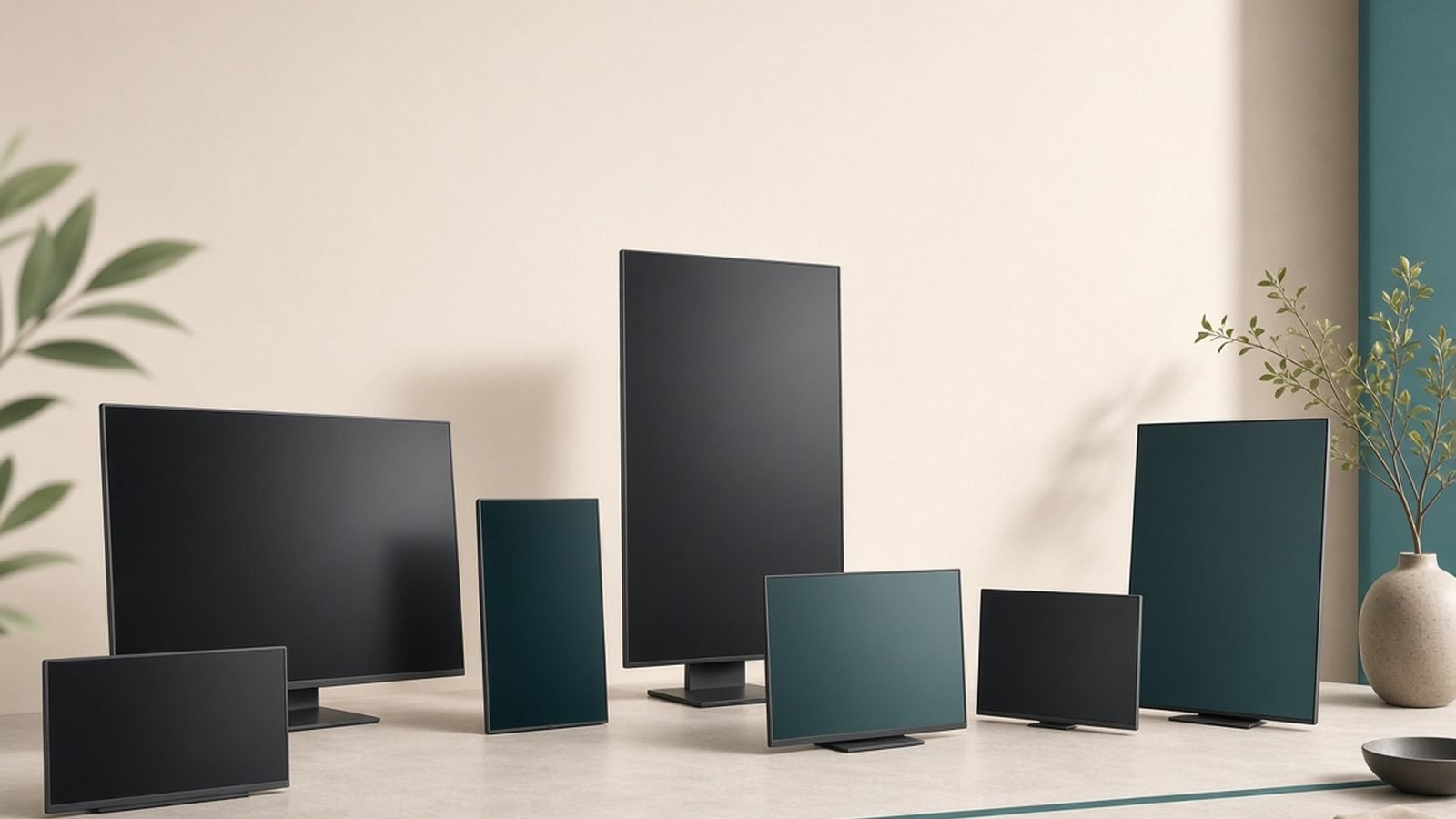
- Televisions — LED and 4K LCD TVs across small to large sizes, mostly at the entry level. Some models are basic non-smart “dumb” TVs; others include a simple smart platform.
- Computer monitors — budget desktop monitors, including some higher-refresh and curved gaming models at very low prices.
- Simple soundbars and accessories — occasional low-cost audio and display accessories to round out the range.
That’s essentially it. Sceptre doesn’t spread into phones, appliances or a broad ecosystem — it stays in the low-cost display lane it knows.
Standout Sceptre products in 2026
The “standouts” here are defined by price, not prestige — the sets that offer the most screen for the least money, which is exactly why Sceptre appears in ultra-budget roundups like our Best Budget TVs 2026: Great Picture for Less guide.
Across the range:
- Sceptre 4K UHD LED TVs — the core sellers, offering 4K resolution at prices that routinely sit at or near the cheapest in their size.
- Sceptre non-smart LED TVs — genuinely useful for buyers who want a plain screen (for a console, signage or a streaming stick) without a slow built-in OS.
- Sceptre curved and high-refresh monitors — budget gaming-oriented displays that undercut mainstream monitor brands; worth weighing against our Best 4K Monitors 2026: Work & Creative Displays picks if you’re comparing up-market.
- Sceptre small-size bedroom TVs — cheap 24- to 32-inch sets for secondary rooms.
For most buyers the flagship pick is simply a low-cost 4K set:
Strengths
Unbeatable prices. Sceptre’s entire reason to exist is cost, and it delivers — its TVs and monitors are consistently among the cheapest available in the US.
Simplicity. Some Sceptre TVs are basic non-smart panels, which is genuinely appealing for buyers who want a plain screen for a streaming stick or console without a sluggish built-in OS.
Wide, easy availability. Heavy presence at Walmart, Amazon and warehouse retailers makes them easy to find, buy and return.
Good enough for secondary use. For a garage, dorm, kids’ room or spare bedroom, a Sceptre set does the job at a price that’s easy to justify.
No pretension. The brand is honest about what it is — cheap, functional displays — with none of the misleading premium positioning some budget brands attempt.
Weaknesses & criticisms
Basic picture quality. Brightness, contrast, color accuracy and local dimming are minimal to nonexistent. HDR support, where present, is largely nominal. This is entry-level image quality.
Weak or clunky smart features. Smart models tend to run slower, less-supported platforms with limited apps and sluggish interfaces compared with Fire TV or Google TV sets.
Short warranties and thin support. Sceptre typically offers a short (often one-year) warranty, and aggregated feedback frequently cites frustrating customer service and RMA experiences.
Build and longevity concerns. Cheap materials and components mean more reports of panel, backlight and port failures than you’d see from mid-tier brands, and repairs rarely make economic sense.
Little software support. Firmware updates and long-term feature improvements are minimal, so these are best treated as short-to-medium-term buys.
Reliability & support
Reliability is where Sceptre’s rock-bottom pricing shows its cost. Based on aggregated user feedback, the sets work fine for many buyers, but the failure rate and unit-to-unit variance are higher than you’ll see from mid-tier value brands like TCL or Hisense — more reports of dead pixels, backlight problems, port failures and units that fail earlier than a mainstream TV would. That’s the honest trade-off for the lowest prices in the market.
Support compounds the concern. Warranties are typically short (often one year), and aggregated feedback commonly describes customer service and RMA processes as slow or difficult. Because the products are so inexpensive, repairs are usually uneconomical, and the practical reality is that a failed Sceptre is often replaced rather than fixed. Software support is minimal. None of this is disqualifying for a cheap secondary screen bought with clear expectations — but anyone planning to rely on the set as a main TV for many years should factor the higher risk in and consider spending up.
Who should buy Sceptre
Buy Sceptre if you: want the cheapest possible working screen for a secondary room, dorm, garage or console, and you value spending the least money over picture quality, smart features or long-term durability. A plain non-smart Sceptre paired with a streaming stick is a genuinely sensible ultra-budget setup.
Look elsewhere if you: want good picture quality, a smooth smart platform, solid build or a set you’ll keep for many years. In those cases even a step up to a value brand from our Best Budget TVs 2026: Great Picture for Less guide — or a mid-tier set from our Best TVs 2026: OLED, Mini-LED & Budget Picks Compared list — is worth the extra money.
FAQ
Is Sceptre a good brand?
For its narrow purpose, yes — Sceptre makes some of the cheapest TVs and monitors in the US, and they work well enough as secondary or budget screens. But picture quality, smart features, build and support are all basic, so it’s a good brand only if your top priority is spending as little as possible, not image quality or longevity.
Is Sceptre reliable?
Less so than mid-tier value brands. Sceptre sets function fine for many buyers, but aggregated feedback shows a higher failure rate and more unit-to-unit variance than brands like TCL or Hisense, along with short warranties and inconsistent support. For a cheap secondary screen that’s an acceptable trade; for a main TV you’ll keep for years, the risk is real.
Where is Sceptre from and who owns it?
Sceptre Inc. is an American company headquartered in City of Industry, California. It’s a privately held, low-profile display maker that has specialized in ultra-affordable TVs and monitors for the US market for decades, competing purely on price.
How does Sceptre compare to TCL?
TCL sits a clear step above Sceptre on picture quality, smart-platform experience, build and support, at modestly higher prices. Sceptre is cheaper still and more basic. If you can stretch the budget slightly, TCL is the better all-round buy; Sceptre wins only when the absolute lowest price is the deciding factor.
Are Sceptre monitors any good?
They’re serviceable budget monitors that undercut mainstream brands, including some curved and higher-refresh gaming models. Expect basic panel quality, limited color accuracy and minimal extras. They’re fine for casual use on a tight budget, but buyers who care about color or long-term quality should compare against our Best 4K Monitors 2026: Work & Creative Displays picks.
What warranty do Sceptre TVs come with?
Sceptre TVs typically carry a short warranty, often around one year. Aggregated feedback frequently notes that support and RMA experiences can be slow or frustrating, and because the sets are so inexpensive, repairs are often uneconomical. Buy with that in mind and keep expectations aligned with the low price.
Zen Tech Hub may earn a commission from links on this page, at no extra cost to you.