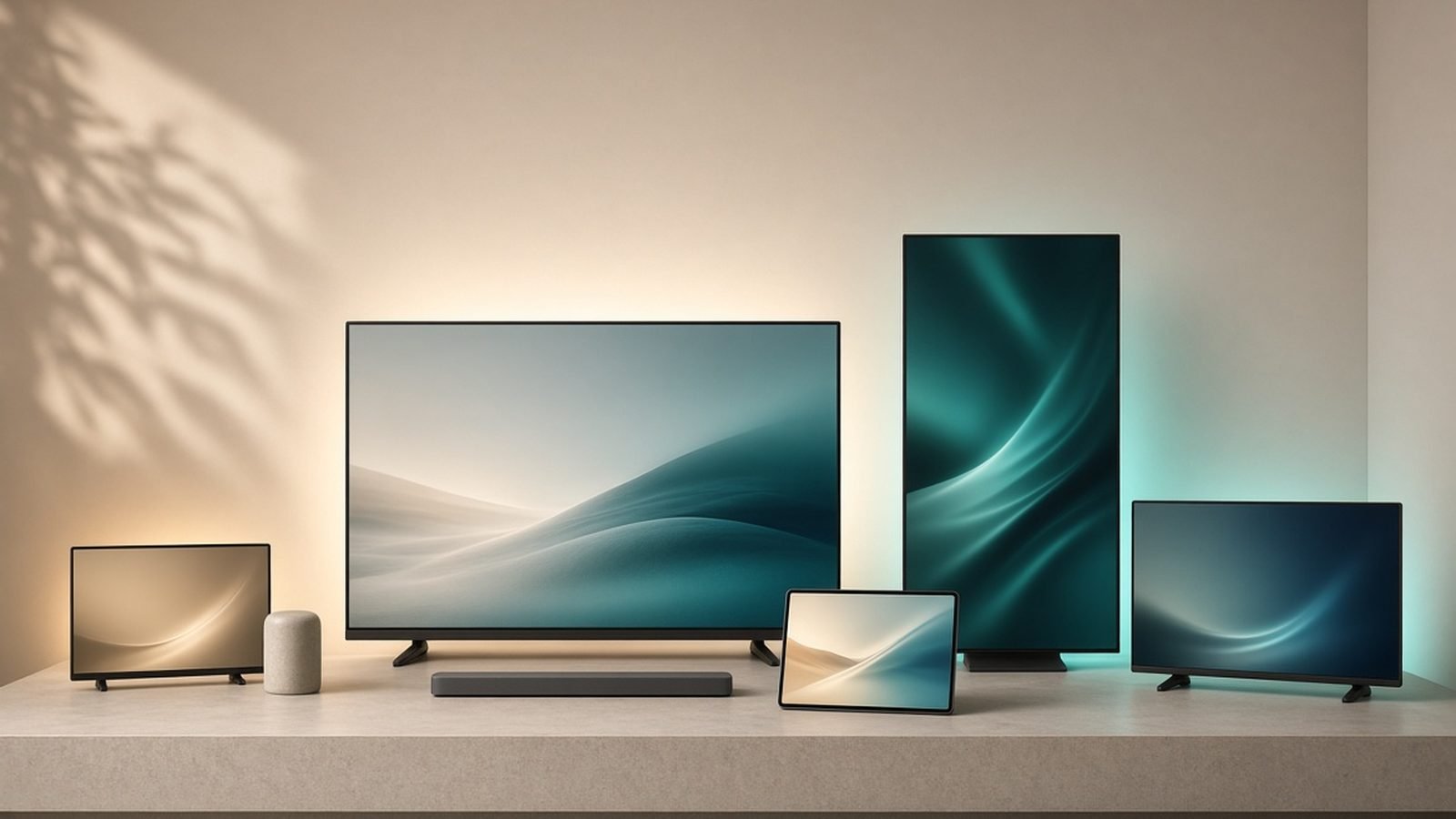
Philips-branded TVs and monitors are among the more interesting displays you can buy — the TVs are the only ones with Ambilight, the LED bias-lighting system that glows the wall behind the screen to match on-screen color, and the monitors offer strong value for productivity and gaming. The wrinkle most buyers do not realize: on displays, “Philips” is now a licensed brand name. The TVs are made by TP Vision and the monitors by MMD, both under the TPV Technology umbrella, not by Royal Philips itself. Verdict: Philips displays are a good buy for the Ambilight experience and solid value monitors, mainly in Europe and select regions — just know you are buying a licensed brand, and check regional availability and support before committing.
This profile focuses on Philips as a display brand — TVs and monitors — and is upfront about the licensing that shapes the experience.
Company overview
Royal Philips is a Dutch multinational headquartered in Amsterdam, founded in 1891. Historically it was one of the world’s great consumer-electronics companies — a pioneer of everything from light bulbs to the compact cassette, CD, and DVD. Over the past two decades, however, Philips has deliberately pivoted away from consumer electronics to become a health-technology company focused on medical imaging, patient monitoring, and personal health.
To keep its famous brand alive on TVs and monitors, Philips licenses the name to companies within TPV Technology, a large Taiwanese/Hong Kong display manufacturer:
- Philips TVs are designed, built, and sold by TP Vision, a TPV company, in Europe and various other regions.
- Philips monitors are handled by MMD, also part of TPV.
This matters for two reasons. First, the Philips display experience — features, software, support — is defined by TP Vision and MMD, not Royal Philips. Second, availability is regional: Philips TVs are widely sold in Europe and parts of Asia but are largely absent from the mainstream US TV market, while Philips monitors have broader global reach. Royal Philips itself still makes consumer personal-care and grooming products (shavers, the Sonicare toothbrush line, Avent baby care), which are separate from the licensed display business.
What Philips (displays) makes
Focusing on the display side that most tech buyers care about:
- Televisions (via TP Vision): OLED TVs (the premium line, most with Ambilight), mini-LED and LED LCD sets across mid and budget tiers, all typically running Google TV / Android TV in recent generations.
- Ambilight: The signature feature — rear-mounted LEDs that project color onto the wall to extend and match the on-screen image. It is unique to Philips TVs and the brand’s biggest differentiator.
- Monitors (via MMD): A very broad range — productivity displays, large-format and ultrawide “B-line” and “E-line” monitors, USB-C docking monitors, and the “Evnia” gaming sub-brand of high-refresh and curved gaming displays.
- Personal care (Royal Philips, separate): Shavers, Sonicare toothbrushes, and Avent — well regarded but outside the scope of this display-focused profile.
Standout Philips products in 2026
Philips OLED TVs with Ambilight. The flagship Philips OLEDs combine a high-quality OLED panel with three- or four-sided Ambilight and the P5 picture processor. The result is genuinely immersive — the wall-glow effect makes the screen feel larger and reduces eye strain in a dark room. These sets earn a place in our Best TVs 2026: OLED, Mini-LED & Budget Picks Compared roundup and appear alongside rivals in Best OLED TVs 2026: Picture-Quality Kings.
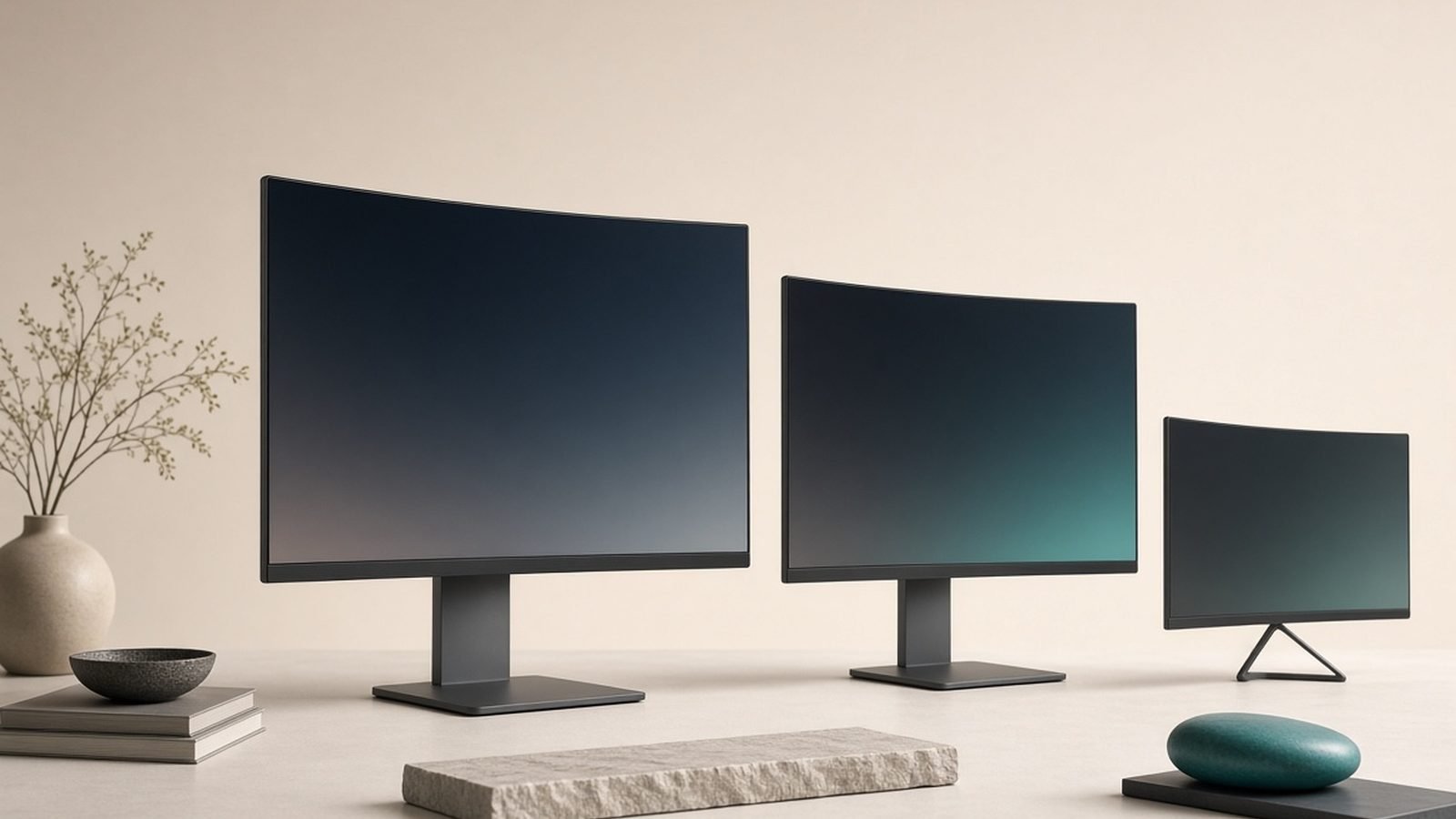
Philips Evnia gaming monitors. MMD’s Evnia line includes high-refresh QD-OLED and mini-LED gaming monitors — 240Hz+ panels, ultrawide curves, and strong HDR — that compete directly with Samsung, LG, and MSI. They feature in our Best Gaming Monitors 2026: OLED, 4K & High Refresh guide.
Philips 4K productivity and USB-C monitors. Philips is a value leader in office and creator displays. Its large 4K and ultrawide monitors, many with built-in USB-C docking and KVM switches, are practical, well-priced picks that show up in Best 4K Monitors 2026: Work & Creative Displays.
Philips mid-range LED and mini-LED TVs (with Ambilight). For buyers who want the Ambilight effect without OLED pricing, Philips’ LCD sets bring the signature feature to more affordable models — a differentiator no rival can match at any price.
Strengths
Ambilight is genuinely unique and immersive. No other TV brand offers wall-projected bias lighting integrated with the on-screen image. It reduces eye strain in dark rooms, makes the picture feel bigger, and is the single best reason to choose Philips.
Strong value in monitors. Philips (MMD) monitors consistently offer good specs — resolution, USB-C docking, KVM, ultrawide formats — for less than premium-brand equivalents, making them a smart choice for offices and home setups.
Competitive gaming displays via Evnia. The Evnia sub-brand brings legitimately high-end QD-OLED and high-refresh panels into the mix at aggressive prices.
Good picture processing on premium TVs. The P5 processor delivers solid upscaling and color, and the OLED sets are well-regarded performers in the European market.
Modern smart platform. Recent Philips TVs run Google TV / Android TV, giving a large app library and Chromecast built in, which is more open than some rivals’ closed platforms.
Weaknesses & criticisms
It is a licensed brand, not “real” Philips. The displays are made by TP Vision and MMD under license, not by Royal Philips. That is not inherently bad, but it means brand heritage does not guarantee the experience, and accountability sits with the licensee.
Very limited US TV availability. Philips-branded TVs are essentially absent from the mainstream US market. American buyers looking at “Philips TVs” often encounter unrelated low-end models from other licensees — this profile refers to the TP Vision Philips sets sold mainly in Europe and Asia.
Software can be sluggish and buggy. Android TV / Google TV on Philips sets has drawn criticism over the years for slowdowns, occasional bugs, and inconsistent update support depending on the model.
Ambilight adds cost and setup considerations. The signature feature needs a suitable wall behind the TV to look its best, and it raises the price versus a plain equivalent — so it is not for everyone or every room.
Support and QC vary by region and model. As with many value-forward brands, owner feedback on reliability and customer service is mixed, and the regional licensing structure can make warranty service less consistent than a first-party global brand.
Reliability & support
Philips display reliability is roughly in line with other mainstream value brands: the premium OLEDs and better monitors are generally dependable, while the wider range shows more variance. Because TP Vision and MMD operate regionally, the ownership experience — warranty terms, service network, update cadence — depends heavily on where you live. Philips displays are best supported in Europe, where TPV’s presence is strongest.
Warranties are typically one to two years in the UK and EU under consumer law, with monitors sometimes carrying longer or panel-specific terms. Software support for TVs is the more common complaint: Android/Google TV updates and long-term app support can be inconsistent across model years. The practical advice mirrors other brands here — buy a specific well-reviewed model, confirm the licensee and warranty coverage in your region, and factor in a possible external streamer if you want the snappiest interface. On monitors, MMD’s track record is solid and business-focused, and the productivity range in particular is a dependable pick.
Who should buy Philips
Buy a Philips TV if the Ambilight experience appeals to you and you live in a region (mainly Europe or parts of Asia) where TP Vision’s sets are properly sold and supported — it is the one truly distinctive TV feature on the market, and the OLED models back it with a good picture. Buy Philips monitors almost anywhere: they are strong value for productivity, USB-C docking setups, and, via Evnia, high-refresh gaming.
Look elsewhere if you are a US buyer wanting a mainstream, well-supported TV (Samsung, LG, Sony, Hisense, and TCL are safer bets there), if you want the absolute best software experience and update longevity, or if you do not care about Ambilight and simply want the most picture per dollar — in which case compare the value sets in our Best Budget TVs 2026: Great Picture for Less guide. Gamers should also weigh Philips Evnia against the panels in Best Gaming Monitors 2026: OLED, 4K & High Refresh before deciding.
FAQ
Is Philips a good brand?
For displays, yes — with nuance. Philips TVs offer the unique Ambilight feature and good picture quality, and Philips monitors are strong value. Just know these are licensed products (TP Vision for TVs, MMD for monitors) sold mainly in Europe and select regions, not first-party Royal Philips electronics.
Is Philips reliable?
Its premium OLED TVs and better monitors are generally reliable, though the wider range shows more variance, and software updates on TVs can be inconsistent. Monitors, handled by MMD, have a solid, business-focused track record.
Who makes Philips TVs and monitors, and where is Philips from?
Royal Philips is a Dutch company (Amsterdam, founded 1891) that now focuses on health technology. Its display brand is licensed: Philips TVs are made by TP Vision and Philips monitors by MMD, both part of Taiwan/Hong Kong-based TPV Technology.
What is Ambilight and is it worth it?
Ambilight is Philips’ signature feature — rear LEDs that project color onto the wall to match the on-screen image, making the picture feel larger and easing eye strain in dark rooms. If you watch in a dim room with a suitable wall behind the TV, many owners find it genuinely worth the premium.
Can I buy Philips TVs in the US?
Mostly no — the TP Vision Philips TV lineup is sold chiefly in Europe and parts of Asia and is largely absent from the mainstream US market. US shoppers who see “Philips” TVs are often looking at unrelated licensed budget models. Confirm the maker and support before buying.
Are Philips monitors good for gaming?
Yes. The Philips Evnia gaming sub-brand includes high-refresh QD-OLED and mini-LED displays that compete with Samsung and LG at aggressive prices. See our Best Gaming Monitors 2026: OLED, 4K & High Refresh roundup for current picks.
Zen Tech Hub may earn a commission from links on this page, at no extra cost to you.