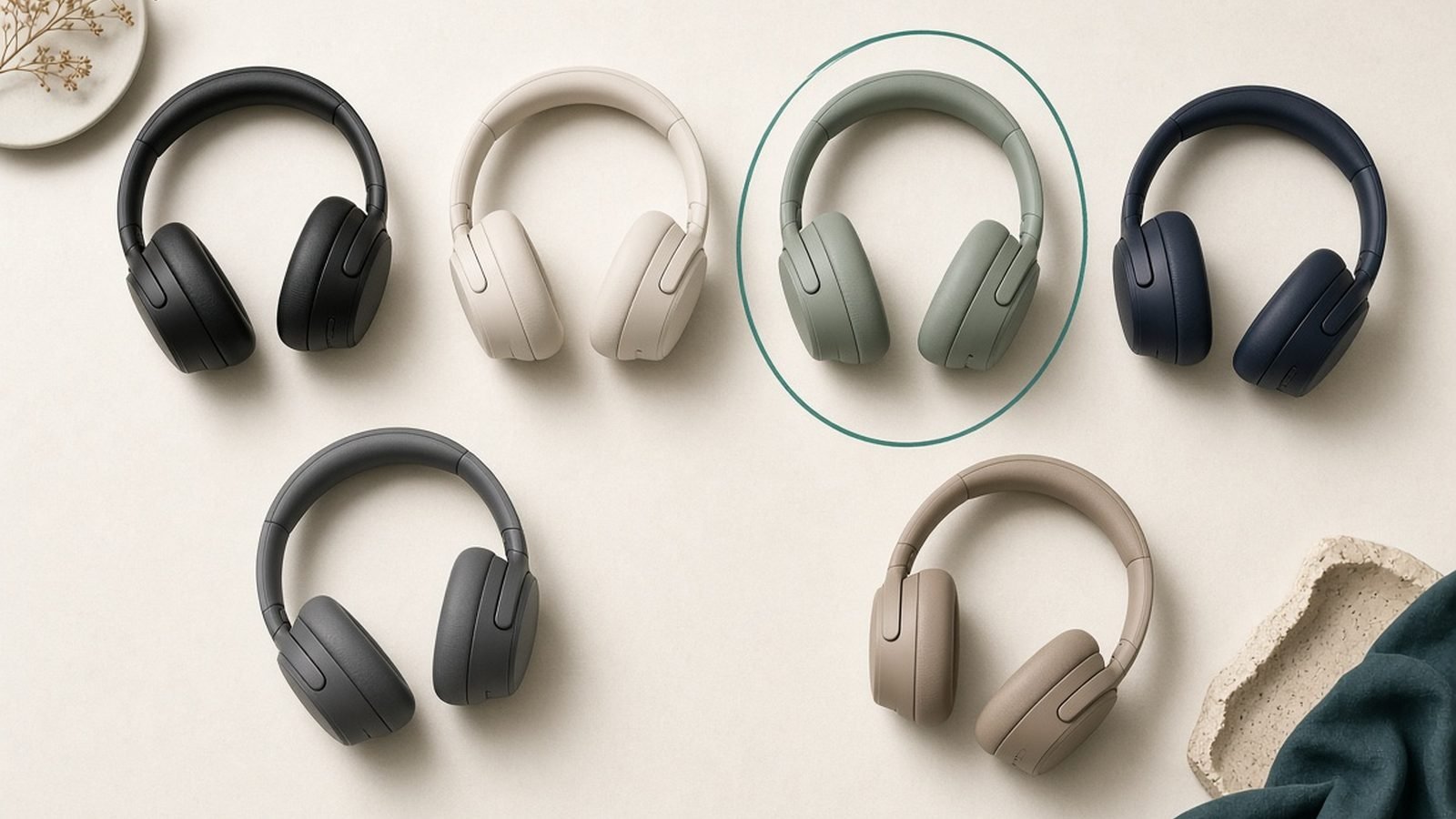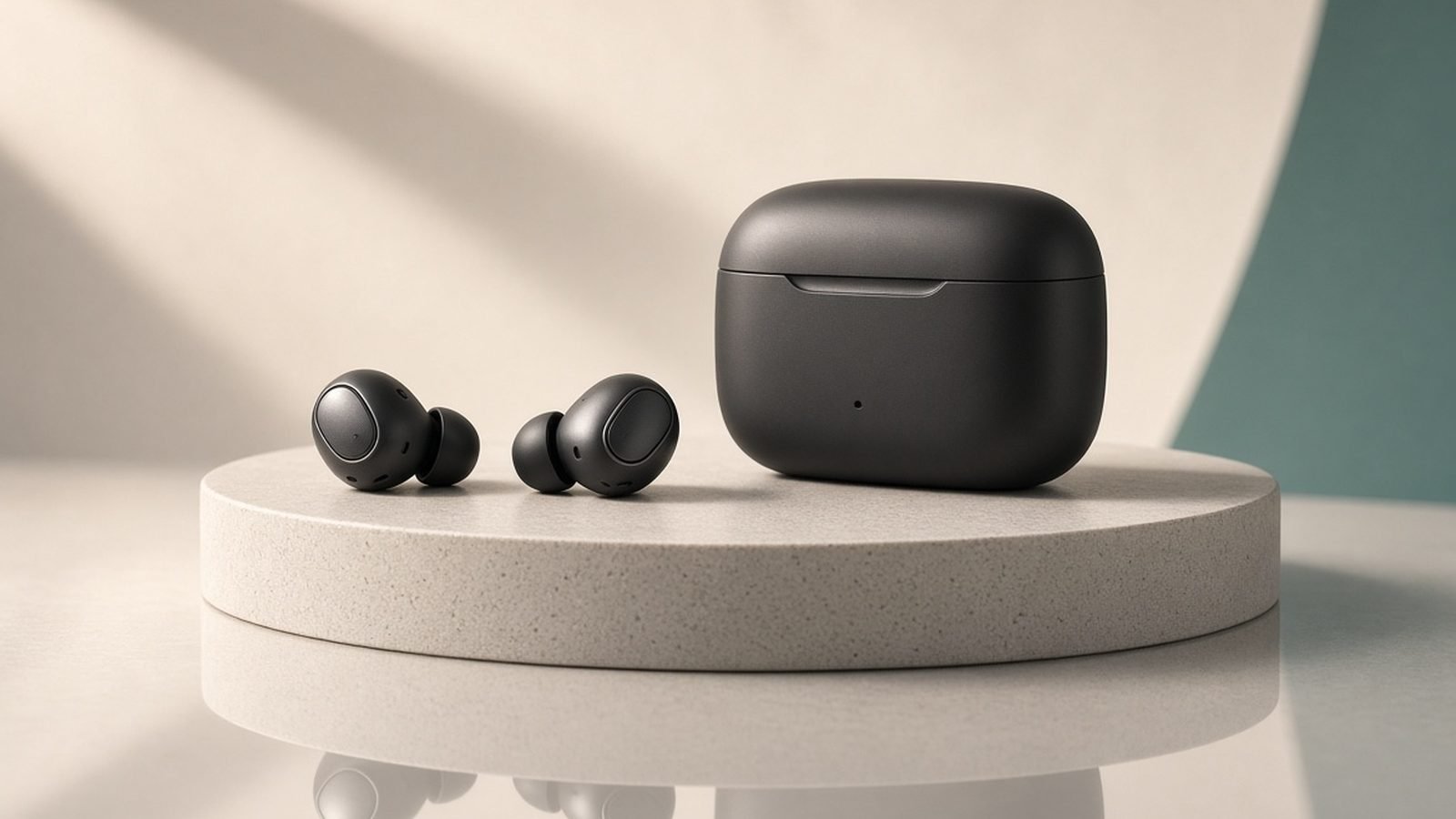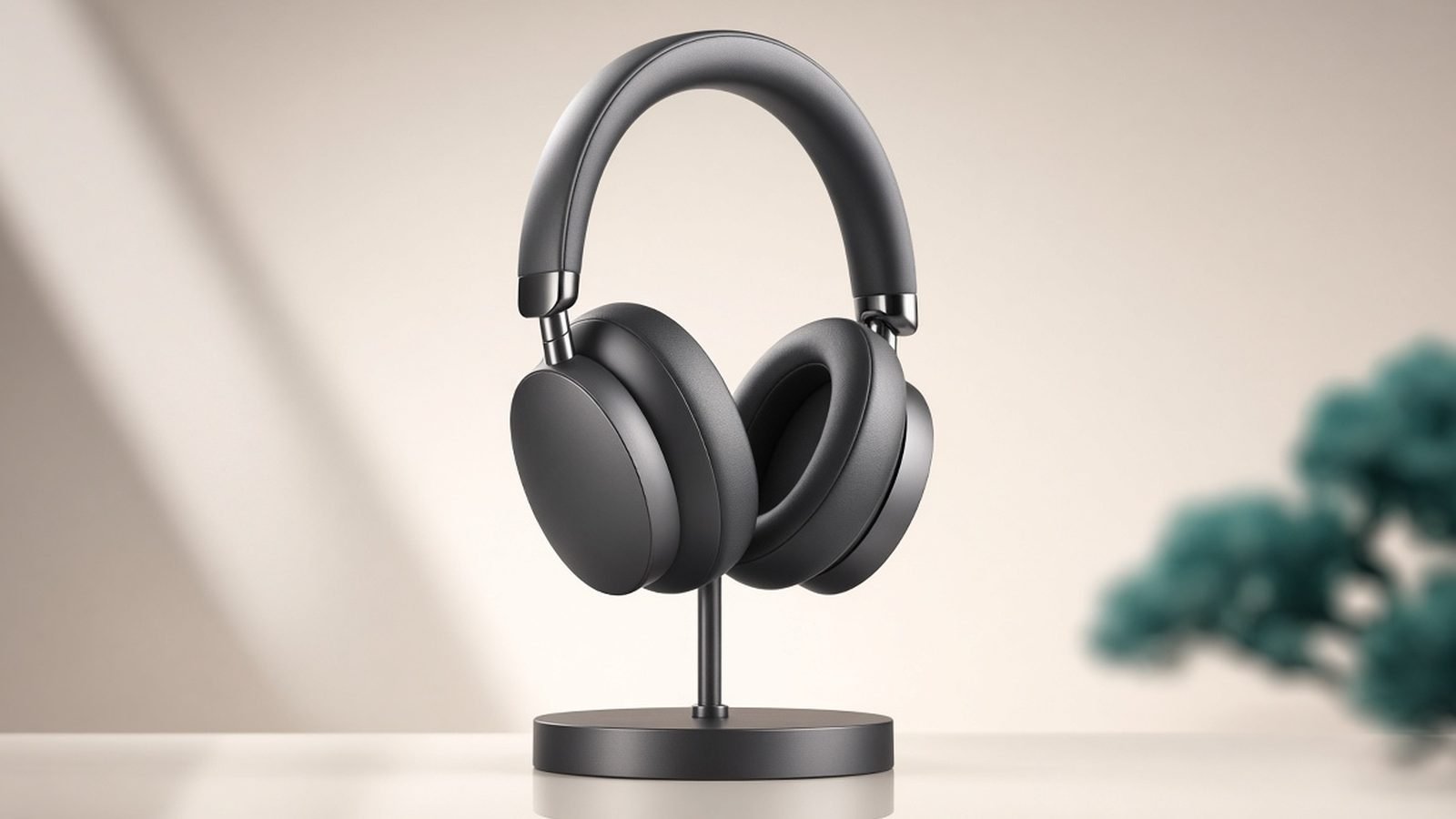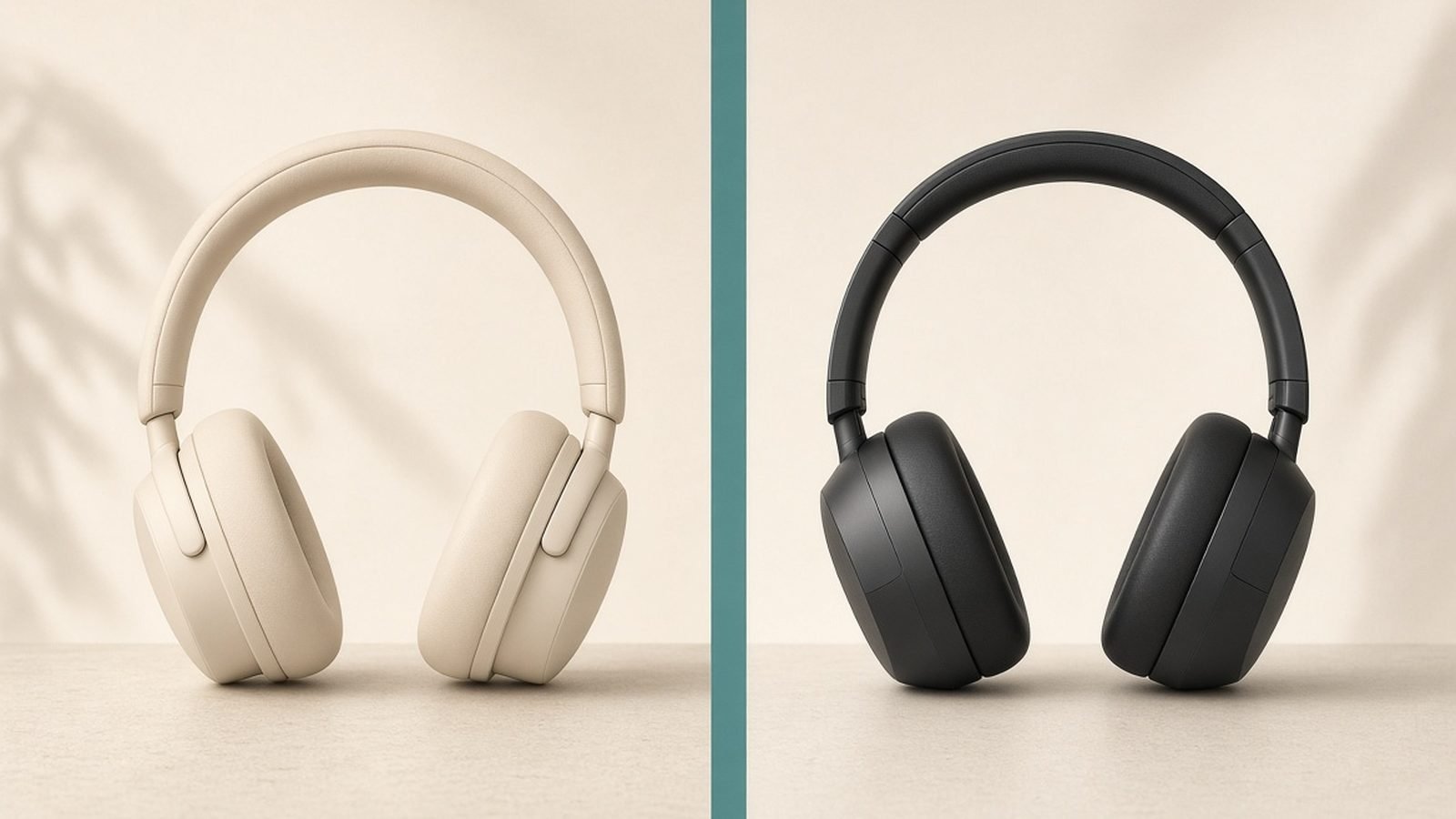
The Sony WH-1000XM6 vs Bose QuietComfort Ultra Headphones (2nd Gen) is the premium headphone decision of 2026. Both cost around $449 / £399–449 at list, both silence a plane cabin better than almost anything else on the market, and both are backed by decades of noise-cancelling pedigree. So which one deserves your money?
In our research — spec-level analysis, cross-referencing every major review, and aggregating hundreds of owner reports across both models — a clear pattern emerges. Sony wins on sound and features. Bose wins on comfort and raw hush in the most punishing environments. The right pick depends on how you’ll actually use them, and that’s exactly how we’ll settle it.
TL;DR: Which One Should You Buy?
Buy the Sony WH-1000XM6 if: you want the best all-rounder — more detailed, more dynamic sound, class-leading ANC, better call quality and a deeper feature set. It’s the stronger pick for most people, and it’s frequently discounted below the Bose. This is our overall winner.
Buy the Bose QuietComfort Ultra 2nd Gen if: flight noise is your nemesis and you wear headphones for 8+ hours at a stretch. Bose still edges the deepest low-frequency hush and remains the comfort king.
Wildcard: the Sennheiser HDB 630 (around $499.95 / £449) trades a little ANC strength for the most natural sound of the three and a monster 60-hour battery. For the audio-first buyer, it’s genuinely tempting.
Check price: Sony WH-1000XM6 Check price: Bose QuietComfort Ultra Headphones (2nd Gen)
Spec Comparison at a Glance
| Sony WH-1000XM6 | Bose QC Ultra 2nd Gen | |
|---|---|---|
| List price | around $449.99 / £399 | around $449 / £449.95 |
| Street price (typical deal) | around $428 / £329 | around $379 / £380 |
| Weight | ~254g | ~250g |
| Folding design | Yes (hinges return) | Yes |
| Battery (ANC on) | ~30 hrs | ~30 hrs (~23 hrs with Immersive Audio) |
| Quick charge | ~3 hrs from 3 mins | ~2.5 hrs from 15 mins |
| Codecs | SBC, AAC, LDAC, LC3 | SBC, AAC, aptX Adaptive (Lossless via Snapdragon Sound) |
| Chip/processing | HD NC Processor QN3, 12 mics | Updated ANC platform, CustomTune |
| Wired listening | 3.5mm, works passively | USB-C/analogue, requires battery power |
| Spatial audio | 360 Reality Audio, head tracking | Bose Immersive Audio |
| Multipoint | Yes (2 devices, LDAC retained) | Yes (2 devices) |
Price and Deals Compared (US/UK)
At full retail, this is nearly a dead heat: the Sony WH-1000XM6 lists at around $449.99 / £399 and the Bose QuietComfort Ultra 2nd Gen at around $449 / £449.95. The UK gap is notable — Sony’s £399 list undercuts Bose by £50 before any discount.
Street pricing changes the picture month to month. In the US, the Bose has dipped to around $379 during sale events, while the Sony more typically sits around $428 with deeper cuts around Prime Day and Black Friday. In the UK, the XM6 has been spotted as low as around £329, which makes it the value pick at that price — a flagship for upper-mid-range money.
The takeaway: never pay full list for either. Whichever you’re leaning toward, check both retailers below before you commit, because a $50–70 swing can and should tip a close decision.
Check price: Sony WH-1000XM6 Check price: Bose QuietComfort Ultra Headphones (2nd Gen)
If both feel like too much, our guide to the Best Noise Cancelling Headphones Under $200 in 2026 covers the models that deliver 80% of this performance for half the price.
Design, Comfort and Portability
Sony fixed the XM5’s biggest complaint: the WH-1000XM6 folds again. The hinges are back, the case is smaller than the XM5’s (though still chunkier than Bose’s), and the magnetic clasp is a small daily pleasure. Build quality is excellent, the headband is wider and better padded than before, and at roughly 254g it disappears on your head for a two-hour session.
The Bose QC Ultra 2nd Gen continues the QuietComfort tradition of being the most comfortable over-ear you can buy. The clamping force is lighter, the earcup padding is plusher, and based on hundreds of owner reports it’s the one long-haul flyers and all-day wearers consistently describe as “forgettable” — the highest compliment a headphone can earn. Its case is also slimmer than Sony’s.
Two practical notes. Bose’s earcups are slightly shallower, so if you have larger ears, try before you buy. And glasses-wearers report fewer pressure hotspots with Bose over 6+ hour stretches, though the XM6 has narrowed this gap considerably over the XM5.
Comfort verdict: Bose by a nose for marathon sessions; Sony is entirely comfortable and travels almost as well.
Noise Cancelling Head-to-Head: What the Evidence Shows on Plane, Train and Office
This is the headline fight in any Sony XM6 vs Bose Ultra ANC comparison, and it’s closer than either fanbase admits. Here’s how the two stack up by environment, based on our research across published measurements and aggregated traveller feedback.
On a plane. Bose retains a slim edge against deep, constant engine drone — the sub-150Hz rumble that dominates a cabin. The QC Ultra 2nd Gen’s updated ANC platform and CustomTune calibration (which measures your ear canal each time you put them on) produce the more absolute low-end hush. The XM6’s QN3 processor and 12-microphone array run it desperately close; most people would need to A/B them on the same flight to notice. If someone asks us “Sony or Bose for flights?”, Bose gets the nod — barely.
On a train or city commute. Sony pulls level, and arguably ahead. The XM6 is stronger against variable, unpredictable noise — announcements, track clatter, wind buffeting at speed — thanks to its Adaptive NC Optimizer adjusting in real time. Sony’s Ambient Sound mode is also the more natural-sounding transparency of the two, which matters when you need to catch a platform announcement.
In the office. Effectively a draw on hush, but the two behave differently with voices. Neither fully silences nearby chatter — no ANC does, physics being physics — but owners consistently report Sony’s mid-band attenuation takes more edge off keyboard clatter and HVAC whine, while Bose’s lower-frequency floor makes an open-plan office feel calmer overall. Sony’s Speak-to-Chat (music pauses when you talk) is genuinely useful at a desk; Bose has no direct equivalent.
ANC verdict: Bose wins the plane, Sony wins the commute, the office is a tie. Total score: even — pick based on where you spend your hours.
Sound Quality and Codecs: LDAC vs aptX Adaptive
Here’s where the WH-1000XM6 vs QuietComfort Ultra headphones sound quality question gets a clear answer: Sony is the better-sounding headphone, and it isn’t especially close.
The XM6 delivers noticeably more detail, sharper dynamics and better rhythmic timing than the XM5 it replaced — enough that What Hi-Fi named it their best overall headphone of 2026. Bass is deep but controlled, the midrange is expressive, and complex mixes stay organised at volume. It’s the rare flagship ANC headphone that genuinely rewards attentive listening.
Credit to Bose: the QC Ultra 2nd Gen is a real improvement over the first generation. It’s warmer, fuller and less processed-sounding than before, with a likeable, punchy character that flatters podcasts and pop. But push both with dense or dynamic material and the Sony resolves more texture and swings harder from quiet to loud.
Codecs split along ecosystem lines. Sony offers LDAC (up to 990kbps, broadly supported on Android) plus LC3; Bose counters with aptX Adaptive and aptX Lossless on Snapdragon Sound phones. iPhone users get AAC on both, so codec bragging rights are moot on iOS. One quirk worth knowing: the Bose requires battery power even for wired listening, while the Sony’s 3.5mm connection works passively with a dead battery — a small thing until you’re 11 hours into a 14-hour flight. For a plain-English breakdown of what these codecs actually change, see Bluetooth Codecs Explained: AAC vs aptX vs LDAC vs LC3.
Sound verdict: Sony, comfortably.
Call Quality and Multipoint
The XM6’s 12-microphone array with AI-trained noise reduction is, in our research, the more consistent performer for calls. Owner reports from windy streets and busy cafés describe voices staying intelligible where lesser headphones dissolve into mush. The Bose is good — improved over gen 1, with solid wind handling — but Sony’s voice isolation earns more unprompted praise.
Both support two-device multipoint, and both handle the laptop-plus-phone juggle without drama. Sony deserves specific credit for keeping LDAC active during multipoint, something earlier XM models forced you to choose between. Bose’s connection stability is excellent, though a minority of owners report occasional multipoint handoff hiccups with certain laptop Bluetooth stacks.
Calls verdict: Sony, especially for anyone who takes meetings from loud places.
Battery Life and Charging: XM6 vs Bose Battery Life
On paper, it’s a tie: both are rated at roughly 30 hours with ANC on. In practice there are two asterisks that matter.
First, Bose’s Immersive Audio is a battery hog — enable it and you’re looking at around 23 hours. If spatial sound is why you’re buying Bose, budget for the lower figure. Second, quick-charge behaviour differs: Sony claims around 3 hours of playback from a 3-minute top-up, while Bose delivers around 2.5 hours from 15 minutes. Sony’s panic-charge before a flight is the more useful trick.
Both figures trail the class leaders — the Sennheiser HDB 630 below doubles them — but 30 hours covers even a Sydney long-haul with margin. Neither offers wireless charging; both charge via USB-C.
Battery verdict: effectively a tie, with Sony’s faster top-up as the tiebreaker.
Apps and Extra Features: Immersive Audio vs Sony DSEE
Sony’s Sound Connect app is the deeper toolbox: a 10-band EQ, DSEE Extreme upscaling for compressed streams, 360 Reality Audio with head tracking, Speak-to-Chat, wear detection, location-based Adaptive Sound Control that learns your routine, and a Cinema/Background Music listening mode. It borders on overwhelming, but the essentials are easy to find, and the EQ alone lets you reshape the XM6 to taste.
Bose keeps things simpler. The Bose app centres on Immersive Audio — genuinely one of the more convincing spatial implementations, with Still and Motion modes — plus adjustable CustomTune-driven ANC modes and a basic EQ. Owners praise the app’s clarity; power users find it thin next to Sony’s.
Immersive Audio vs DSEE is really a philosophy question. Bose bets on spatial presentation; Sony bets on extracting maximum fidelity from whatever you feed it. In our research, more owners keep DSEE switched on daily than keep Immersive Audio on (that battery penalty again).
Features verdict: Sony for depth, Bose for simplicity.
Which Is Better for Travel, Work and Everyday Use?
Still torn? Match the headphone to your life.
The frequent flyer: Bose QC Ultra 2nd Gen. The deepest engine-drone suppression, the plushest fit for a 10-hour wear, the slimmer case. This is the one persona where Bose is the outright answer — with the caveat that its wired mode dies with the battery, so keep it topped up.
The commuter: Sony WH-1000XM6. Better against variable street and rail noise, more natural transparency mode for announcements, superior call handling when you dial in from the platform, and the fold-flat design slips into a smaller bag footprint than you’d expect.
The desk worker: Sony WH-1000XM6. Speak-to-Chat, stronger multipoint behaviour, best-in-class meeting-call clarity, and sound quality that makes eight hours of background listening a pleasure rather than wallpaper.
The pure music lover: Sony — or read on, because the Sennheiser below exists precisely for you. If you’re primarily an earbuds person anyway, Sony’s brilliant in-ear sibling is worth a look too: Sony WF-1000XM6 Review: The New Earbuds King? (2026).
The Verdict — and the Value Alternative
Sony WH-1000XM6 — Best for Most People
Pros:
- Exceptional detail, dynamics and timing — the best-sounding mainstream ANC flagship
- ANC that trades blows with Bose and wins on commutes
- Folding design returns; superb call quality; LDAC with multipoint
- Deep, genuinely useful app; passive wired listening
- Frequently discounted to around $428 / £329
Cons:
- No aptX support for Snapdragon Sound phones
- Case is bulkier than Bose’s
- Feature-dense app can overwhelm
The XM6 is the better headphone for most buyers: it matches Bose where Bose is strongest and beats it nearly everywhere else. At UK street prices especially, it’s the clear value play among flagships.
Bose QuietComfort Ultra Headphones (2nd Gen) — Best for Flyers and Comfort
Pros:
- Low-frequency ANC still the benchmark for aircraft drone
- Supreme long-wear comfort; lighter clamp, plusher pads
- Improved, fuller sound over gen 1; convincing Immersive Audio
- aptX Adaptive/Lossless for Snapdragon Sound phones
- Often around $379 / £380 on deal
Cons:
- Sony sounds more detailed and dynamic
- Wired listening requires battery power
- Immersive Audio cuts battery to ~23 hours; higher UK list price
If your headphones live on your head from gate to gate, the Bose earns its keep. It’s a very good headphone that happens to share a shelf with a slightly better one.
Sennheiser HDB 630 — The Audio-First Alternative
Pros:
- The most natural, refined sound of the three
- Around 60 hours of battery — double Sony and Bose
- Includes a USB-C dongle for lossless wireless from laptops
Cons:
- ANC is a clear step behind both rivals
- Pricier at around $499.95 / £449, and less widely discounted
The third option worth knowing about. If you’d trade a little hush for tonal honesty and a battery you charge fortnightly, the HDB 630 is the connoisseur’s pick — just don’t buy it primarily for noise cancelling.
Final call: the Sony WH-1000XM6 wins this comparison. It’s the best noise cancelling headphone of 2026 for most people, and unless you fly weekly or prize comfort above all else, it’s the one we’d put our own money on. For more picks across every budget, browse our Audio.
FAQ
Is the Sony WH-1000XM6 or Bose QuietComfort Ultra better for flights?
Bose, by a slim margin. The QC Ultra 2nd Gen suppresses deep engine drone slightly better and stays more comfortable over 10+ hour wears. The XM6 runs it extremely close and counters with passive wired listening if the battery dies mid-flight — something the Bose can’t do. Frequent long-haul flyers should lean Bose; everyone else, Sony.
Which sounds better, the XM6 or the QC Ultra 2nd Gen?
The Sony WH-1000XM6. It resolves more detail, times rhythms better and handles dynamic swings more convincingly — reviewers and owners are unusually unanimous on this. The Bose 2nd Gen is warmer and fuller than its predecessor and perfectly enjoyable, but the XM6 is the choice for critical listening, especially with LDAC on Android.
Do both headphones support multipoint Bluetooth?
Yes — both connect to two devices simultaneously and switch between, say, a laptop and phone automatically. The Sony has one meaningful advantage: it keeps the high-quality LDAC codec active during multipoint, where earlier Sony models forced a downgrade. Owner reports give Sony the slight edge for handoff reliability in mixed laptop-phone setups.
How long do the batteries last on the XM6 vs the Bose Ultra?
Both are rated around 30 hours with ANC on. Enable Bose’s Immersive Audio and that drops to roughly 23 hours. Sony’s quick charge is more useful in a pinch — about 3 hours of playback from a 3-minute charge, versus Bose’s 2.5 hours from 15 minutes. Neither matches the Sennheiser HDB 630’s ~60 hours.
Are the WH-1000XM6 worth it over the cheaper XM5?
For most upgraders, yes. The XM6 brings audibly better sound, a stronger QN3 ANC processor, superior call quality and the return of the folding design. If you find an XM5 heavily discounted and you’re on a budget, it remains very good — but the XM6’s improvements are the biggest generational jump Sony has made in years.
Which noise cancelling headphones should I buy under $200?
Neither of these — both sit at flagship pricing even on deal. The good news is that models from Sony, Anker Soundcore and Sennheiser’s mid-range deliver a surprising share of this performance for less than half the price. See our full guide: Best Noise Cancelling Headphones Under $200 in 2026.
Zen Tech Hub may earn a commission from links on this page, at no extra cost to you.