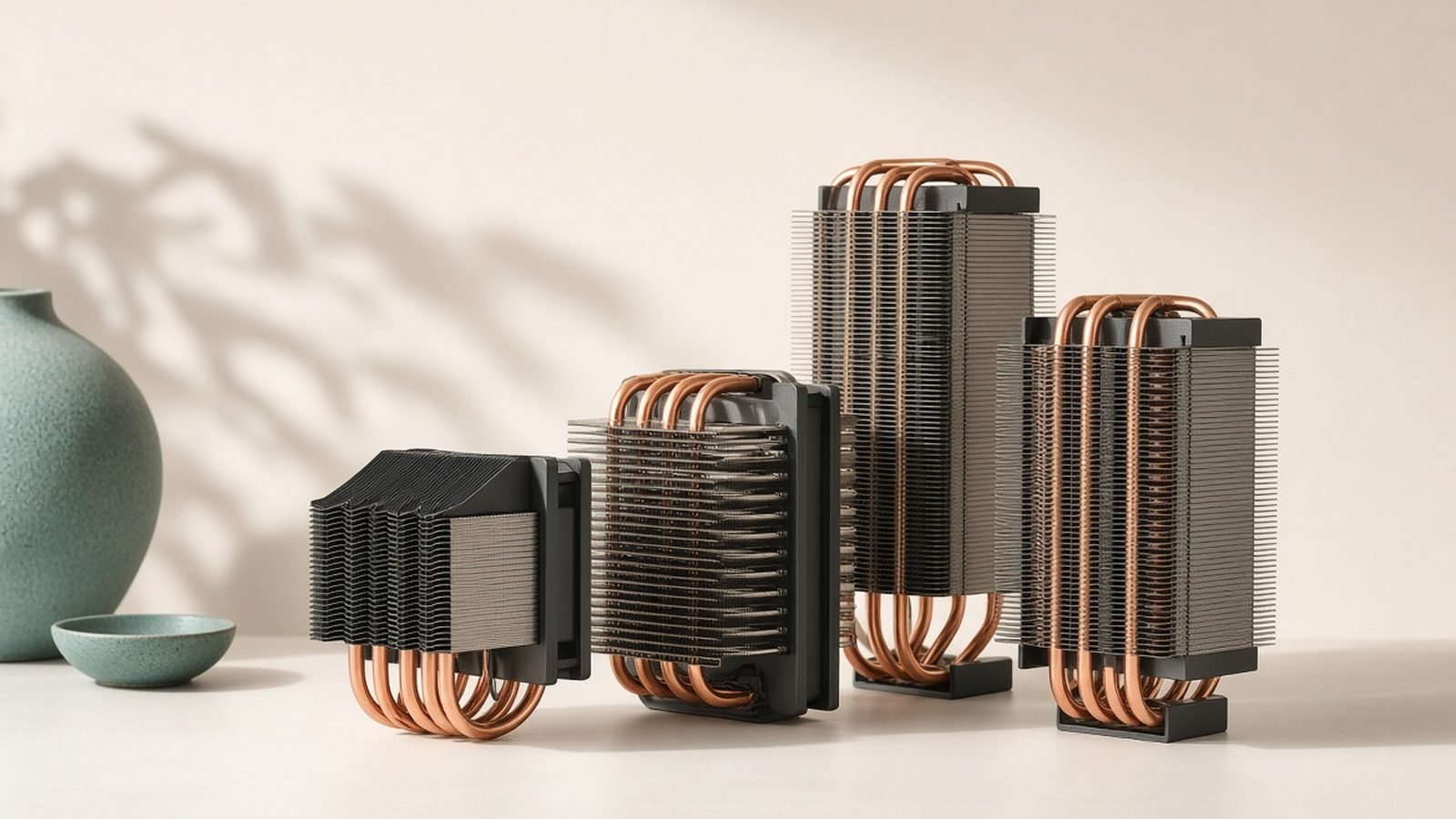
Thermalright is the value phenomenon of modern PC cooling — the veteran cooler maker whose Peerless Assassin and Phantom Spirit air coolers deliver near-flagship performance for around a third of the price of premium rivals, and have become default budget recommendations across the enthusiast world. The short verdict: pound for pound, Thermalright offers some of the best cooling value you can buy, with air coolers that trade blows with coolers costing three times as much, plus dirt-cheap fans, thermal paste and AIOs. The catches are inconsistent packaging and accessories, minimal software and support polish, and a sprawling, confusingly named product range.
Buy Thermalright if you want maximum cooling performance for minimum money and don’t mind a rougher-around-the-edges experience. Look elsewhere if you want premium fit-and-finish, refined RGB software, or a brand with strong Western support and RMA.
Company overview
Thermalright is a cooling specialist founded in 2001, with Taiwanese origins and manufacturing based in China. It has a long heritage: for years it was known among enthusiasts for high-end air coolers like the Ultra-120 and Silver Arrow, which were reference-grade in their day. After a quieter period, the brand surged back to prominence in the current era by pivoting to aggressive value — delivering coolers with excellent thermals at prices that dramatically undercut the established premium names.
Among builders, Thermalright’s reputation today is defined by that value story. Its Peerless Assassin 120 and Phantom Spirit 120 are among the most-recommended budget-and-mid air coolers anywhere, praised for delivering performance close to coolers costing far more. The honest framing is that Thermalright competes almost purely on price-to-performance: its cooling is genuinely excellent, but the surrounding experience — packaging consistency, accessory quality, software, branding clarity and Western support — is less polished than premium rivals. It’s the brand you recommend when someone wants the most cooling for the least money.
What Thermalright makes
Thermalright’s 2026 lineup is broad and heavily value-focused:
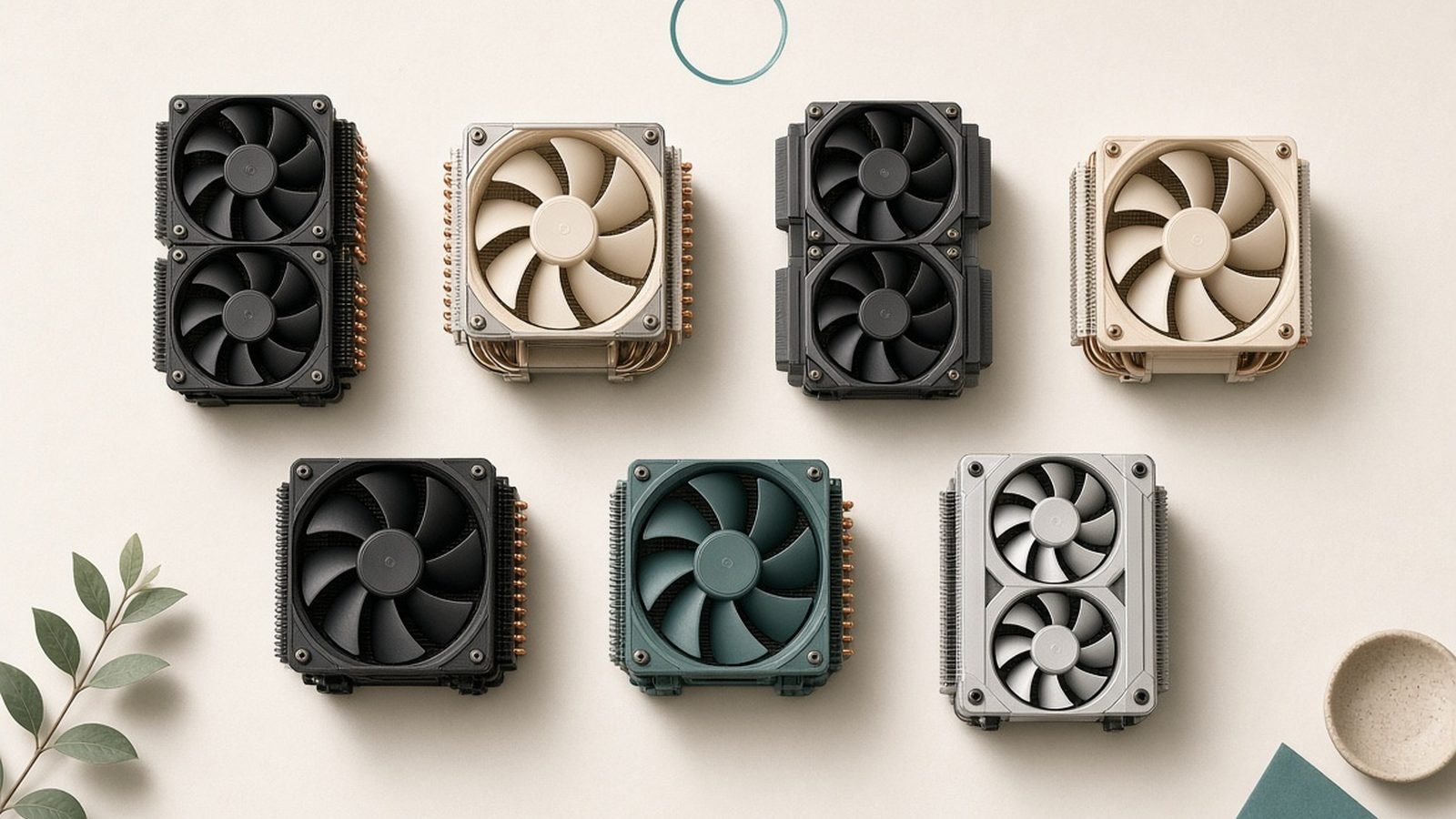
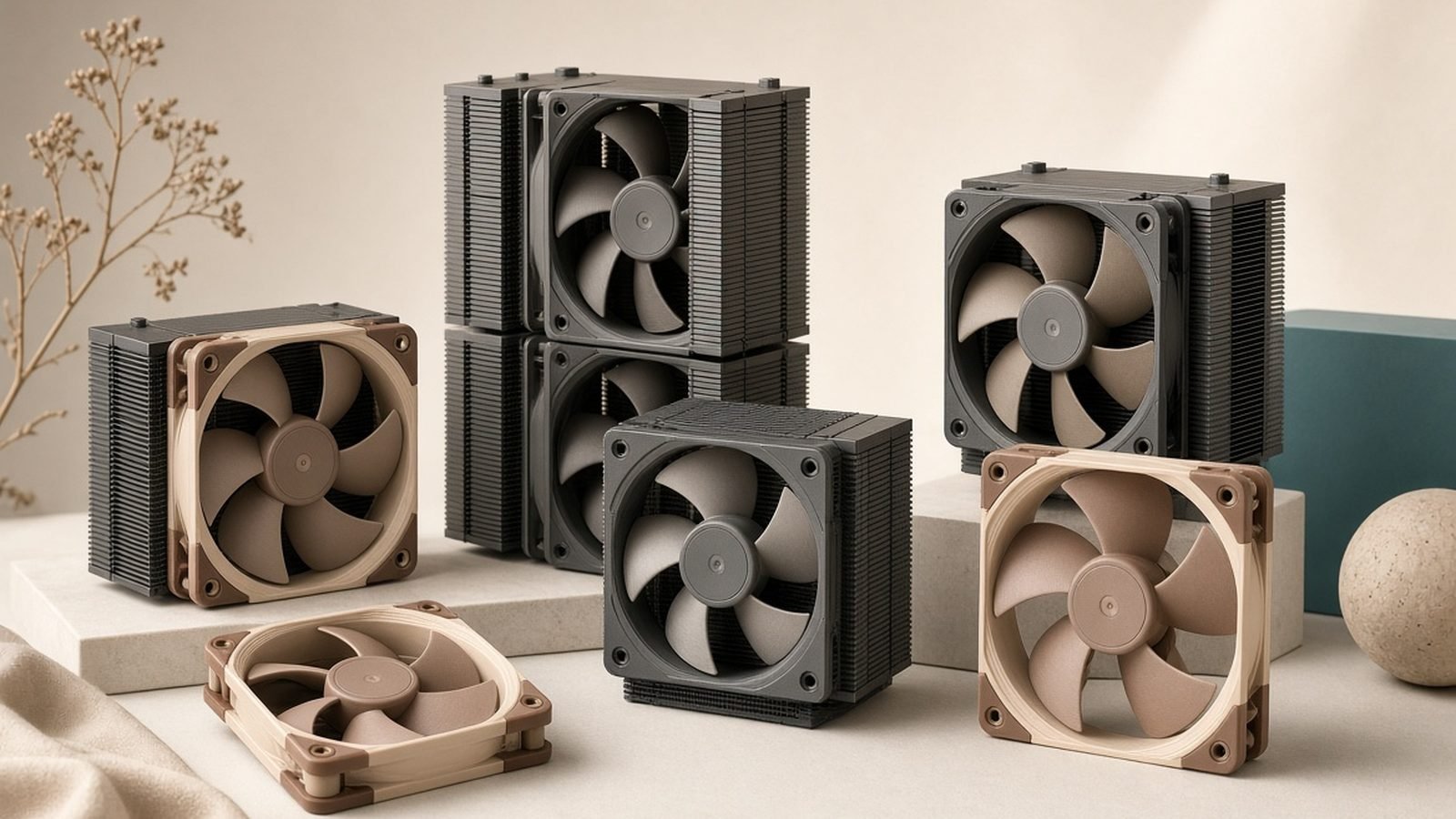
- CPU air coolers — the celebrated Peerless Assassin 120 and Phantom Spirit 120 dual-tower coolers, the Assassin X single-tower budget line, and larger flagships like the Frozen/Royal Knight series.
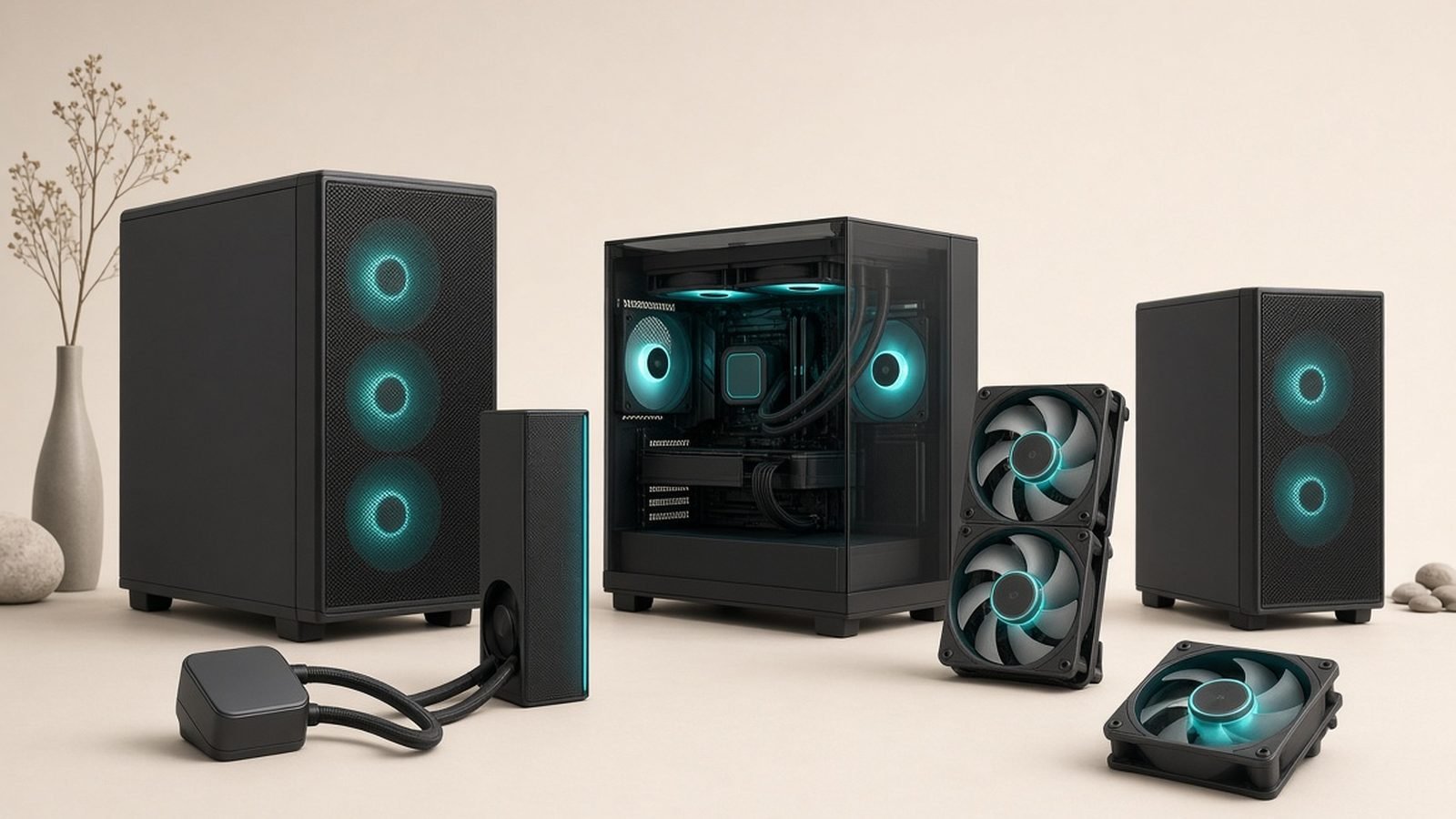
- AIO liquid coolers — the Frozen Notte, Frozen Warframe and other 240/360mm AIOs, often at prices well below rivals.
- Cooling fans — the TL-series fans (TL-C12, TL-D12, etc.), widely used and cheap, plus RGB variants.
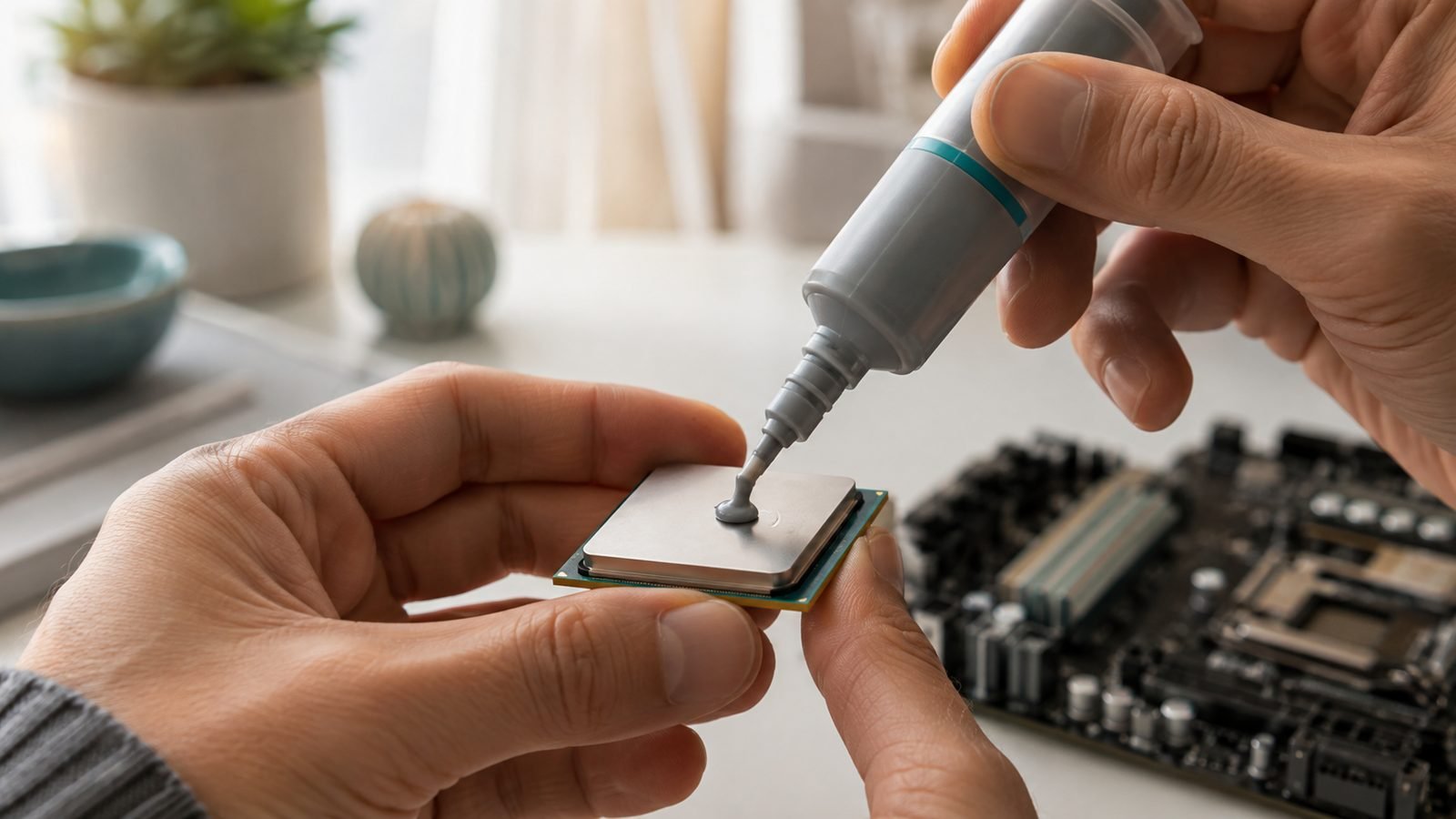
- Thermal paste — the popular TF7, TFX and TF8 compounds, frequently recommended for their value.
- Accessories — contact frames (for Intel LGA1700/1851 chips), mounting kits, thermal pads, and heatsinks.
Standout Thermalright products in 2026
Thermalright Phantom Spirit 120 SE — around $35 / £33. A dual-tower air cooler that delivers cooling close to premium flagships for a fraction of the price, and is arguably the single best value air cooler on the market. It’s a headline pick on our Best CPU Coolers 2026: Top Air & AIO Liquid Picks guide.
Thermalright Peerless Assassin 120 SE — around $32 / £30. The cooler that made Thermalright a household name among builders, offering excellent dual-tower cooling at a budget price — a perennial value recommendation on our Best CPU Coolers 2026: Top Air & AIO Liquid Picks shortlist.
Thermalright Assassin X 120 Refined SE — around $18 / £16. A single-tower budget cooler that outperforms far pricier options in its class, ideal for mainstream CPUs and value builds where every dollar counts.
Thermalright TL-C12 fans — around $5 / £5 (single). Cheap 120mm fans with solid airflow and static pressure, popular for filling out cases and radiators — a natural pairing for value chassis on our Best PC Cases 2026: Airflow, Looks & Value guide.
Thermalright Frozen Notte 360 — around $70 / £65. A 360mm ARGB AIO that undercuts most rivals while delivering strong thermals, a value pick for builders who want liquid cooling on a budget.
Thermalright TF7 — around $7 / £6. A high-performance thermal paste that’s a cheap, easy upgrade for any build, frequently recommended regardless of cooler brand.
Strengths
Extraordinary value. This is Thermalright’s defining trait. Its air coolers deliver performance close to premium flagships for a third of the price, and its fans and paste are similarly cheap-yet-capable. On pure price-to-performance, few brands compete.
Genuinely strong cooling. Thermalright doesn’t just win on price — its dual-tower coolers post excellent temperatures in independent testing, comfortably handling mainstream and even high-end CPUs.
Broad, accessible range. From sub-$20 single-tower coolers to 360mm AIOs, Thermalright covers nearly every budget, and its products are widely available through major online retailers.
Useful extras. Thermalright’s cheap contact frames (which fix the bending issue on modern Intel sockets) and thermal pastes are handy, well-priced accessories that many builders buy regardless of their main cooler.
Weaknesses & criticisms
Inconsistent polish and accessories. Thermalright’s packaging, mounting hardware and included accessories can feel cheaper and less consistent than premium rivals. The cooling is excellent, but the surrounding experience is more hit-or-miss.
Confusing product naming. The range is sprawling, with many similarly named variants (SE, Refined, ARGB, Black, Plus) that make it genuinely hard to know exactly which model you’re buying. Buyers need to check reviews of the specific SKU.
Minimal software and RGB ecosystem. Thermalright offers little in the way of control software or a coordinated RGB platform. For builders who want synchronized, software-driven lighting, that’s a real gap.
Weaker Western support. Thermalright’s customer service and RMA process are less developed in Western markets than premium brands, and warranty claims can be slower or more cumbersome. Owners largely buy on the assumption the hardware just works.
Reliability & support
Thermalright’s core products — its air coolers and fans — are simple, robust and well-proven, and owner reports for the popular Peerless Assassin and Phantom Spirit models are strongly positive on longevity. As straightforward heatsink-and-fan hardware, they carry inherently low failure risk, which is a big part of why the value proposition holds up: you’re not sacrificing durability for the low price.
Support is the area where Thermalright most clearly trails premium brands. Its Western customer-service and RMA operations are less developed, warranty terms are shorter than the longest in the category, and claims can be slower or run through the retailer rather than a polished first-party channel. AIOs, being more complex than air coolers, carry a bit more inherent risk, so buyers who want the safest long-term bet may lean toward the air coolers. The bottom line: Thermalright’s hardware reliability is strong and a big reason it’s recommended, but if responsive support and generous warranties matter to you, a premium brand is the safer choice.
Who should buy Thermalright
Buy Thermalright if you want the most cooling performance for the least money and you’re comfortable with a rougher-around-the-edges experience. The Phantom Spirit 120 SE and Peerless Assassin 120 SE are among the best value air coolers available, the Assassin X line covers ultra-budget builds, and the cheap fans and paste round out a value build nicely. It’s ideal for budget builders and anyone who prioritizes thermals-per-dollar above all.
Look elsewhere if you want premium fit-and-finish, a polished RGB-and-software ecosystem, long warranties, or strong first-party Western support. Builders who value the total ownership experience — not just raw cooling value — will find better-suited (pricier) options elsewhere.
FAQ
Is Thermalright a good brand?
Yes, especially for value. Thermalright’s Peerless Assassin and Phantom Spirit air coolers deliver near-flagship cooling for a fraction of premium prices, and its fans and paste are cheap and capable. The main trade-offs are inconsistent accessories, confusing model naming, minimal software, and weaker Western support.
Is Thermalright reliable?
Its air coolers and fans are reliable — simple, robust hardware with strong owner-reported longevity and low failure risk. AIOs are more complex and carry a bit more inherent risk. The weaker point is support and warranty rather than the hardware itself.
Where is Thermalright from and who owns it?
Thermalright is a cooling specialist founded in 2001 with Taiwanese origins and manufacturing in China. It’s a long-established brand, once known for high-end air coolers, that returned to prominence through aggressive value.
Is Thermalright as good as Noctua?
For cooling value, Thermalright is remarkable — a Phantom Spirit costs a fraction of a comparable Noctua while delivering close thermal performance. Noctua leads on fan refinement, quiet operation, warranty length and support. If budget is the priority, Thermalright; if you want the polished gold standard, Noctua. See our Best CPU Coolers 2026: Top Air & AIO Liquid Picks guide.
Why is Thermalright so cheap?
Thermalright competes almost purely on price-to-performance, keeping costs down on packaging, accessories, software, branding and Western support while investing in the core heatsink-and-fan performance. The result is excellent cooling for very little money, with a more basic surrounding experience.
Which Thermalright cooler should I buy?
For most builders, the Phantom Spirit 120 SE offers the best balance of performance and price; the Peerless Assassin 120 SE is a close, slightly cheaper alternative; and the Assassin X 120 covers ultra-budget builds. Because the range has many similarly named variants, check reviews of the exact SKU before buying.
Zen Tech Hub may earn a commission from links on this page, at no extra cost to you.