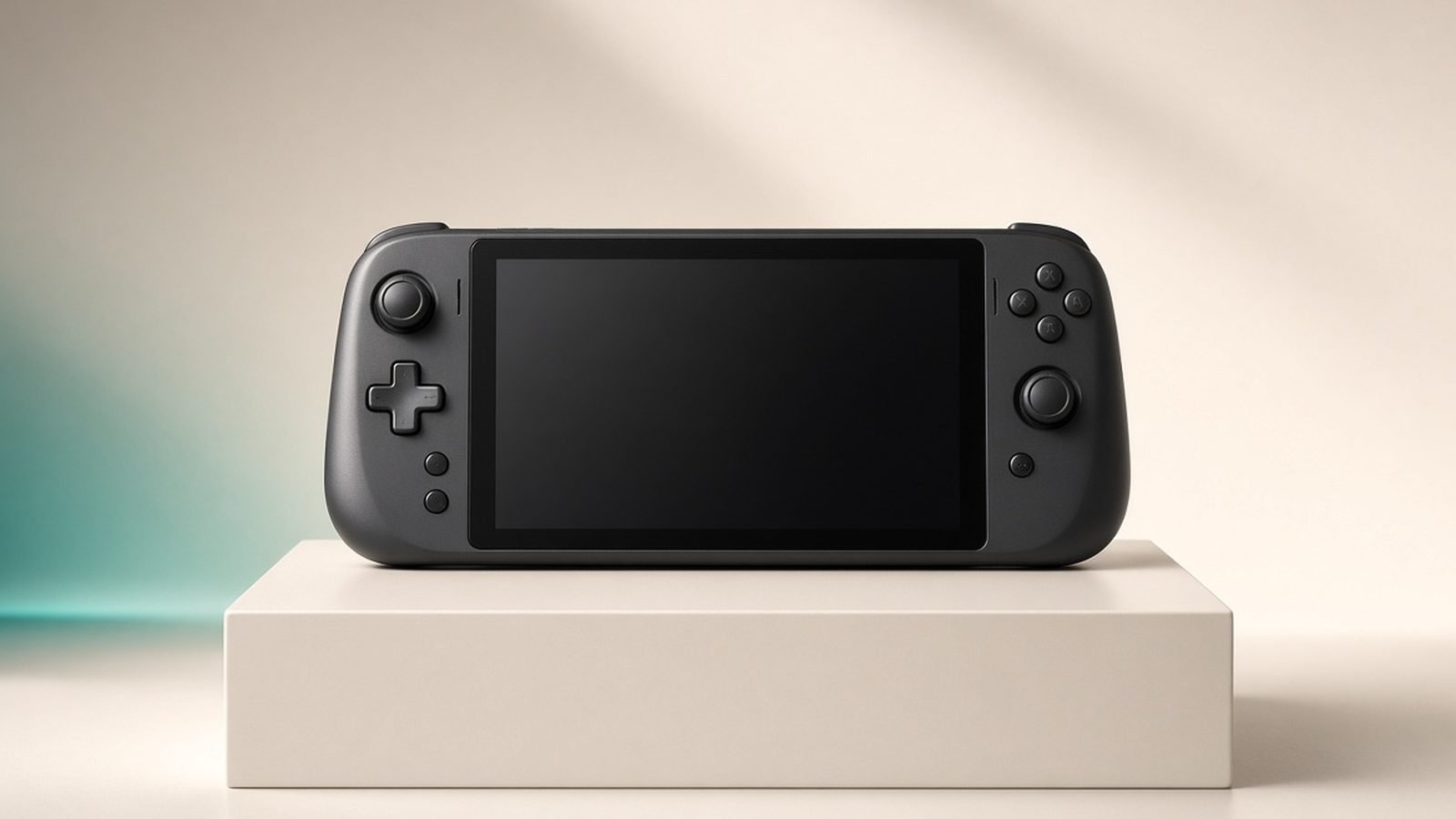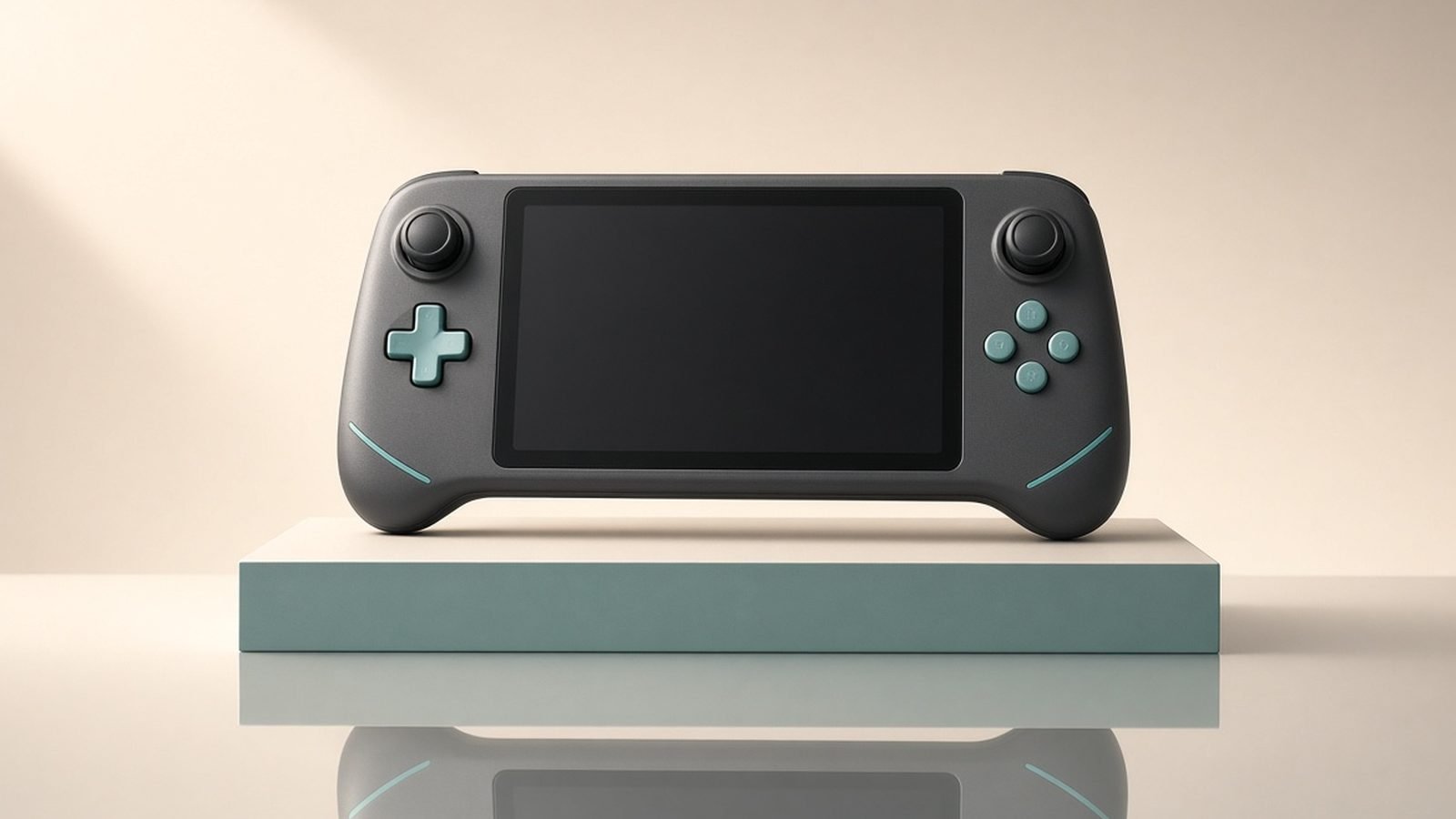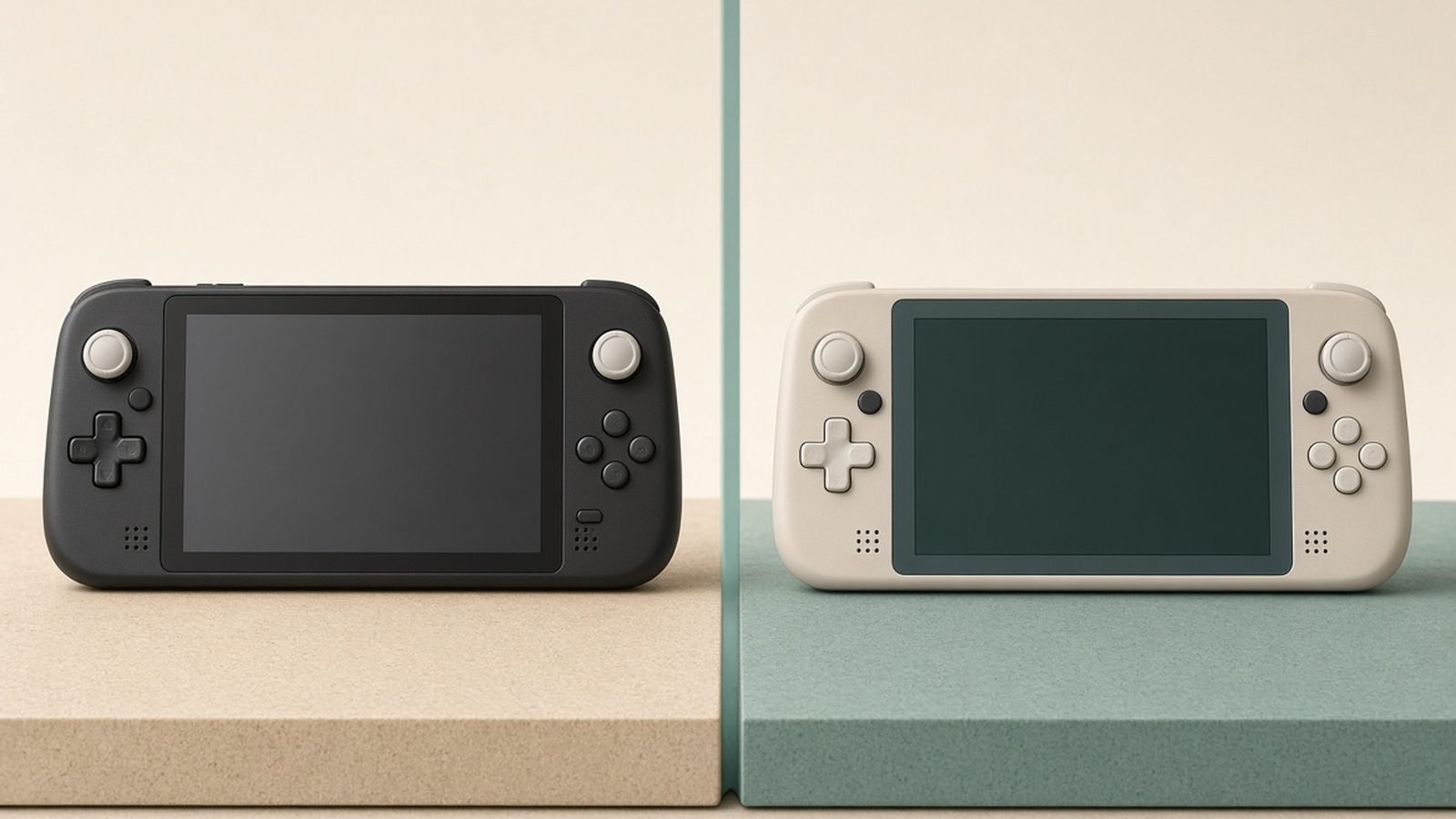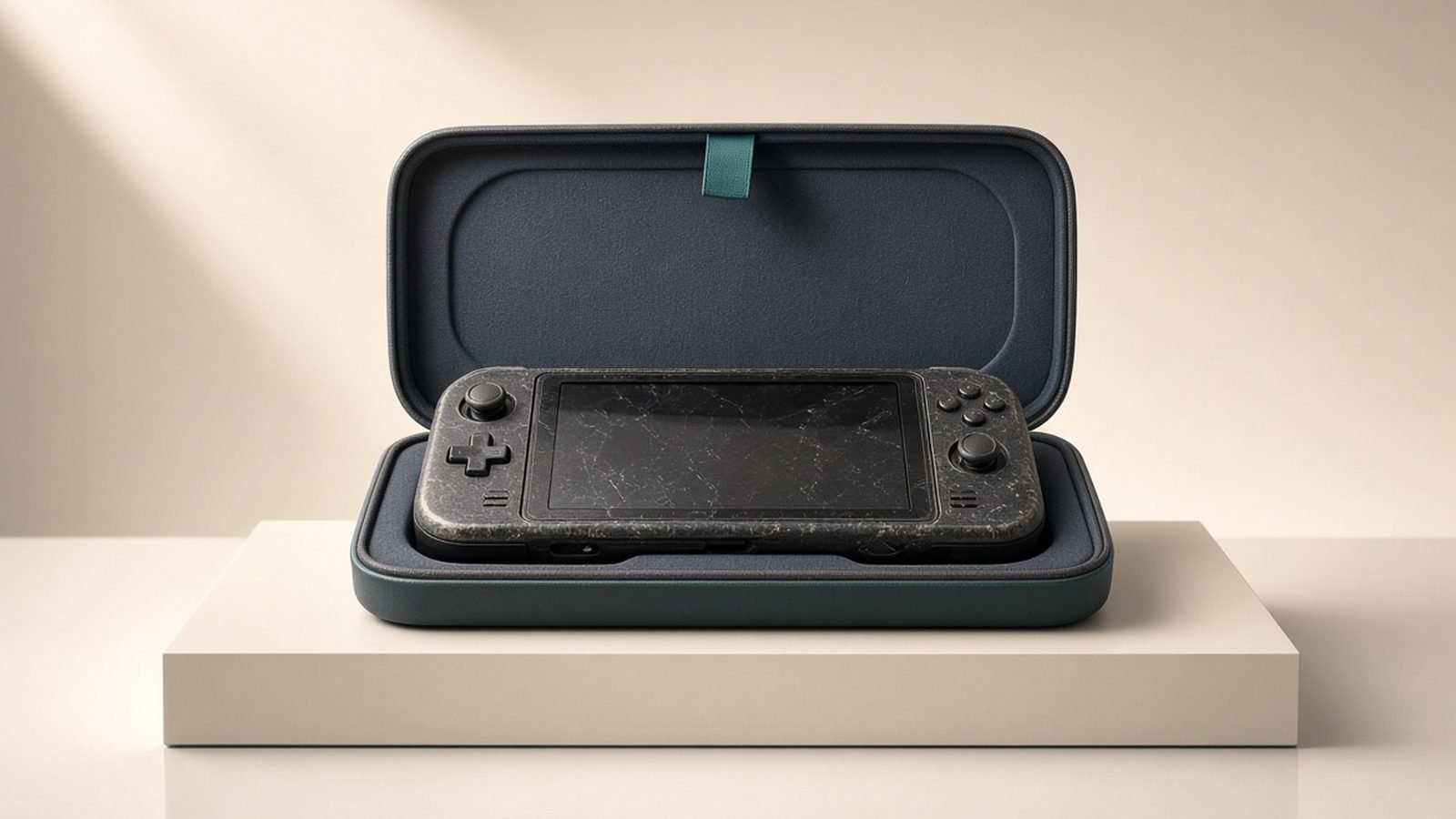
The best gaming handheld for most people in 2026 is the Valve Steam Deck OLED — not because it is the fastest, but because it is the most complete: a gorgeous OLED screen, class-leading battery efficiency, and the smoothest handheld software anyone makes. If you want raw performance for the newest AAA games, the Asus ROG Ally X is the better Windows pick, and the Lenovo Legion Go and MSI Claw 8 AI+ cover the big-screen and Intel-powered ends of the market.
This guide leads with what these machines actually cost right now, after a year of RAM shortages and tariffs pushed handheld prices upward across the board. We have matched current US and UK pricing against the specs and against aggregated owner feedback to figure out which handheld earns your money at each budget. If you want the deeper single-device breakdowns, we link them throughout.
Update, 5 October 2026: two of the five picks were not on sale from their makers when prices were re-read. The 2024 ROG Ally X was out of stock at Asus’s US store and no longer listed at Asus UK, and the original Legion Go was not listed on Lenovo’s US or UK handheld pages, which now show the Legion Go Gen 2 and the Legion Go S. Each section below says what was listed instead. The picks have not been re-assessed against those newer models; our Best Handheld Gaming PCs 2026 guide covers the handhelds on sale now.
Best gaming handheld 2026 at a glance
| Pick | Product | Best for | Price (US / UK) |
|---|---|---|---|
| Best overall | Valve Steam Deck OLED 512GB | Software polish, battery, value-for-experience | $789 / £649 |
| Best Windows power | Asus ROG Ally X | Raw AAA performance on Windows | $799.99, out of stock at Asus US / not listed at Asus UK |
| Best big screen | Lenovo Legion Go | 8.8in display, detachable controllers | Not listed at Lenovo (about $999 / £849 in July 2026) |
| Best Intel option | MSI Claw 8 AI+ | Long battery, big 8in screen, Intel Arc | $1,299.99 / £829 |
| Best budget | Asus ROG Ally (Z2 A) | Newcomers who want Windows under $600 | $599.99 / £449 |
Prices read 5 October 2026: the Steam Deck from Valve’s Steam store (stock not checked); both Asus models from Asus’s US and UK stores, where the Z2 A machine is sold as the ROG Xbox Ally; the MSI Claw 8 AI+ (32GB / 1TB) from MSI’s US store and from Currys in the UK (Scan listed it at £829.99). The Legion Go figure is the July 2026 one and was not re-read, because Lenovo no longer listed that model. Prices move fast in 2026, so check on the day.
How we picked
We are a small editorial team, not a test lab, so let us be straight about method. These picks come from spec research, manufacturer documentation, retail pricing across US and UK stores, and aggregated owner reports from forums, Reddit, and long-term reviews. Where we say a machine “runs hot” or “wakes from sleep badly,” that reflects patterns in owner feedback — not a stopwatch in our hands. We never invent benchmark numbers.
What reshaped the rankings this year is money. Component costs climbed, US import tariffs bit, and DRAM shortages squeezed every device shipping with fast LPDDR5X. Valve’s 2026 Steam Deck price rise and steady creep on the Legion and Ally lines mean the value order looks different than it did in 2025. We have weighted price heavily because that is where buyers are actually feeling the pinch.
Best overall: Valve Steam Deck OLED
7.4in 1280x800 90Hz OLED HDR | custom “Aerith Plus” APU | SteamOS | $789 / £649 (512GB)
The Steam Deck OLED is still the handheld we would hand to most people, even after Valve pushed the 512GB model to $789 / £649 (Valve’s Steam store, 5 October 2026; stock was not checked). What you are buying is not the fastest chip — it is the most thoughtfully finished device in the category. The OLED HDR panel is genuinely lovely, with deep blacks and punchy highlights that make bigger LCD rivals look washed out, and the 90Hz refresh keeps the whole interface feeling premium.
The real moat is SteamOS. Suspend and resume is close to flawless: tap the power button, walk away, tap again days later, and you are exactly where you left off. Twin trackpads make strategy games and point-and-click menus workable in a way slab-style rivals fumble. Battery efficiency is best-in-class thanks to the lower-power chip and 800p resolution, so you get real hours out of lighter games and emulation.
The trade-off is raw performance. The APU dates to 2023, so the heaviest 2026 blockbusters push you to low settings, FSR upscaling, and the occasional sub-30fps dip. For indies, older AAA titles, and the enormous Steam back catalogue, though, it remains a joy. Our full Steam Deck OLED Review 2026: Still the One to Beat? goes deeper on whether the higher price still adds up.
Pros:
- Beautiful OLED HDR screen at 90Hz
- Best-in-class battery efficiency
- The most mature, console-smooth handheld software (SteamOS)
Cons:
- 2026 price rise dents the old value case
- 2023-era APU is the slowest of our top picks
- 800p resolution shows its age
Who it’s for: Indie and back-catalogue players who prize battery life, screen quality, and software polish over maxing out frame rates. The trade-off is power, and for the right library you will never miss it.
Best Windows power: Asus ROG Ally X
7in 1080p 120Hz IPS | Ryzen Z1 Extreme, 24GB LPDDR5X | Windows 11 | $799.99, out of stock at Asus US (5 October 2026)
The 2024 ROG Ally X is the Windows handheld this guide picked for power, and on 5 October 2026 it was hard to buy new from its maker: Asus’s US store listed it at $799.99 but out of stock, and Asus’s UK site no longer listed it. The model Asus sold in both countries on that date was the ROG Xbox Ally X, $999.99 / £859 and in stock. That is a different machine, built on AMD’s Ryzen AI Z2 Extreme rather than the Z1 Extreme, and it has not been assessed for this guide; our Steam Deck OLED vs ROG Xbox Ally X comparison covers it. What follows describes the 2024 model.
Asus fixed the biggest complaints about the original Ally: the battery doubled to 80Wh, RAM jumped to 24GB, the SD card slot moved away from the exhaust that used to cook cards, and the grips got deeper and more comfortable. The result is a handheld that plays the newest AAA releases at higher settings than the Steam Deck can manage.
The 7-inch 1080p 120Hz IPS screen is sharp and fast, if not OLED-vivid, and the Ryzen Z1 Extreme with 24GB of memory has real headroom for demanding titles. Because it runs full Windows 11, you also get Game Pass, any storefront, any launcher, and non-gaming apps — the flexibility SteamOS cannot match.
The catch is that flexibility. Windows on a handheld still needs tidying on first setup, and owner reports mention occasional sleep and wake quirks that SteamOS devices simply do not have. It is heavier than the Deck, and Armoury Crate remains fiddlier than Valve’s front end. Our ASUS ROG Ally X Review 2026: The Best Windows Handheld? covers the day-to-day experience in full.
Pros:
- Big 80Wh battery — a huge jump over the original Ally
- Strong AAA performance from the Z1 Extreme and 24GB RAM
- Full Windows flexibility (Game Pass, any launcher)
Cons:
- Windows sleep/wake can be finicky
- IPS panel, not OLED
- Front end (Armoury Crate) is clunkier than SteamOS
- Out of stock at Asus US and not listed at Asus UK on 5 October 2026
Who it’s for: Players who want the strongest Windows handheld for new AAA games and will accept a little OS fuss for the extra power and Game Pass access.
Best big screen: Lenovo Legion Go
8.8in 1600p 144Hz IPS | Ryzen Z1 Extreme | Windows 11 | about $999 / £849 in July 2026; not listed at Lenovo on 5 October 2026
Availability, 5 October 2026: Lenovo’s US and UK handheld pages no longer listed this original Legion Go. Both showed its successor, the Legion Go Gen 2, which Lenovo describes as an 8.8-inch 144Hz OLED handheld with Ryzen Z2-series chips. Lenovo UK priced it from £1,500 to £2,580 depending on configuration; no priced US listing was found. Those figures are far above the price this pick was chosen at, and other retailers were not checked for remaining stock of the original, so read this section as a description of the original model rather than a current buying recommendation.
The Legion Go is the handheld for people who think most portables have screens that are too small. Its 8.8-inch 1600p 144Hz display is enormous and sharp, and the party trick is detachable controllers that slide off both sides — pop out the built-in kickstand, set the screen down, and you are playing like a tiny console. The right controller even has an FPS mode that stands upright on a mouse-style puck for shooters.
Under the hood sits the same Ryzen Z1 Extreme found in the Ally X, so performance is comparable, with the higher-resolution screen asking a bit more of it. For docked play and desk setups the big panel is a genuine advantage, and the modular controllers are more useful than they first sound.
The downsides come with the size. It is heavy and wide, which owner reports flag as tiring in long handheld sessions, and battery life trails the more efficient picks here. At around $999 / £849 when last checked in July 2026 it was a premium buy, and the detachable controllers, while clever, add complexity some people would rather not manage. It is a specialist’s handheld more than a default recommendation.
Pros:
- Huge, sharp 8.8in 144Hz screen
- Detachable controllers plus kickstand for console-style play
- Same capable Z1 Extreme chip as the Ally X
Cons:
- Heavy and wide; tiring in handheld mode
- Battery life trails the Deck and Ally X
- Premium price, and no longer listed by Lenovo on 5 October 2026
Who it’s for: Buyers who want the biggest screen and a device that doubles as a tabletop console, and who will forgive the weight for it.
Best Intel option: MSI Claw 8 AI+
8in 1920x1200 120Hz IPS | Intel Core Ultra 7 (Lunar Lake), Arc graphics | Windows 11 | $1,299.99 / £829
The Claw 8 AI+ is the handheld that finally made Intel’s silicon competitive in this class. Early Claw models struggled, but the 8-inch AI+ with a Lunar Lake Core Ultra 7 and Intel Arc graphics turned things around: owner reports and reviews consistently praise its battery life, which is among the best of the Windows handhelds thanks to Intel’s efficient chip. The larger 8-inch 1920x1200 120Hz screen is roomy and pleasant.
Performance lands broadly in the same neighbourhood as the AMD Z1 Extreme devices, with Intel’s XeSS upscaling as an alternative to AMD’s FSR. Build quality is solid, the Hall-effect sticks resist drift, and MSI Center M has improved as a front end, even if it still is not as clean as SteamOS.
The reasons it is not our top Windows pick are real. Intel Arc drivers on handhelds have historically been less predictable than AMD’s in older or niche titles, so compatibility can be hit-or-miss on some games, and MSI’s software updates matter more here than on rival hardware. If battery life and screen size top your list and you are comfortable with occasional driver quirks, though, it is a strong, distinctive choice.
US vs UK: this is the pick where the two countries differ most. On 5 October 2026 MSI’s US store listed the Claw 8 AI+ with 32GB of memory and a 1TB drive at $1,299.99, in stock, which is $300 more than Asus asked for the ROG Xbox Ally X. In the UK, Currys had it at £829 (reduced from £879) and Scan at £829.99, both in stock, which is £30 less than the Xbox Ally X at Asus UK. At those prices it is much easier to recommend in the UK than in the US.
Pros:
- Excellent battery life for a Windows handheld
- Large, sharp 8in 120Hz screen
- Reliable Hall-effect sticks
Cons:
- Intel Arc drivers less predictable than AMD in some games
- MSI front end still trails SteamOS
- Premium price for the segment, above all in the US ($1,299.99 at MSI’s store)
Who it’s for: Windows-handheld buyers who prioritise battery life and a big screen, and want an Intel alternative to the AMD-dominated field.
Best budget: Asus ROG Ally (Z2 A)
7in 1080p 120Hz IPS | Ryzen Z2 A | Windows 11 | $599.99 / £449
If you want into current-gen PC handhelds without spending four figures, the standard ROG Ally with the Z2 A chip is the value pick at $599.99 / £449 (Asus’s US and UK stores, 5 October 2026, in stock at both, where it is sold as the ROG Xbox Ally). It keeps the good bones of the pricier Ally X — the same comfortable grips and the sharp 7-inch 1080p 120Hz screen — while dropping to a more modest chip and a smaller battery to hit the price.
The Z2 A is roughly Steam Deck-class in performance, so this is not the handheld for maxing out the latest AAA games. Think 1080p with settings dialled back, or 720p for a smoother ride. For its price, that is a fair trade, and it is a lot of capable, comfortable Windows hardware for the money, with Game Pass and full library flexibility.
The usual Windows caveats apply: some sleep and wake fiddliness, a little first-setup housekeeping, and no case in the box. But for a newcomer who wants flexibility over four-figure horsepower, it is the sensible entry point of 2026.
Pros:
- Cheapest current-gen Windows handheld here
- Same comfortable grips and sharp screen as the Ally X
- Full Windows and Game Pass access
Cons:
- Z2 A performance is Steam Deck-class, not flagship
- Smaller battery than the Ally X
- No case included
Who it’s for: Budget buyers and newcomers who want Windows flexibility and good ergonomics under $600, and who play mostly older or lighter games.
How to choose a gaming handheld
Cut through the marketing and it comes down to four questions.
SteamOS or Windows? SteamOS (Steam Deck) is smoother on a handheld: instant sleep/wake, console-like simplicity, no popups. Windows (Ally, Legion, Claw) is more flexible — Game Pass, any launcher, any app — but needs tidying and can be quirky. Pick SteamOS if your library lives on Steam and you want it to just work; pick Windows if flexibility matters more than polish.
How much power do you actually need? If you mostly play indies, emulation, and older AAA titles, the Steam Deck’s efficient chip is plenty. If you want the newest 2026 blockbusters at higher settings, you want a Z1 Extreme device like the Ally X or Legion Go.
Screen and size. OLED (Steam Deck) wins on contrast; the Legion Go and Claw win on sheer size. Bigger screens mean more weight, which matters over long sessions.
Battery. The Steam Deck OLED and MSI Claw 8 AI+ lead on efficiency. Powerful Windows chips run demanding games hotter and shorter, so a big battery like the Ally X’s 80Wh is worth prioritising if runtime matters.
Whichever you choose, a good controller for docked play and a solid headset round out the setup — see our Best Game Controllers 2026: PC, Xbox & PlayStation and Best Gaming Headsets 2026: Top Picks Compared & Ranked guides. If a handheld feels too limiting, a portable Best Gaming Laptops 2026: RTX 50-Series Picks Ranked pick gives you more power for not much more bulk.
FAQ
What is the best gaming handheld in 2026 overall?
The Valve Steam Deck OLED, for most people. It is not the fastest, but it pairs the best handheld software (SteamOS), best battery efficiency, and a gorgeous OLED screen into the most complete package. At $789 / £649 (Valve’s Steam store, 5 October 2026) it lost its old bargain status, so if you specifically want maximum AAA performance, a Windows handheld such as the Asus ROG Ally X is the alternative, though the 2024 model was out of stock at Asus US on that date.
Steam Deck OLED vs ROG Ally X — which should I buy?
Buy the Steam Deck OLED for software polish, battery life, and a big Steam library of indies and older games. Buy the ROG Ally X if you want stronger performance in the newest AAA titles, Game Pass, and Windows flexibility, and you will tolerate occasional OS quirks. The Deck is smoother; the Ally X is more powerful and more flexible.
Is a Windows handheld worth the extra hassle?
It depends on your library. Windows handhelds (Ally X, Legion Go, MSI Claw) give you Game Pass, every storefront, and non-gaming apps, plus more raw power. The cost is fiddlier sleep/wake, first-setup housekeeping, and busier front ends. If those trade-offs do not bother you and you want maximum flexibility, yes — otherwise SteamOS is the calmer experience.
Which handheld has the best battery life?
The Steam Deck OLED and MSI Claw 8 AI+ lead on efficiency. The Deck’s low-power chip and 800p screen sip battery in lighter games, while the Claw’s Intel Lunar Lake chip is unusually efficient for a Windows handheld. The ROG Ally X counters with a large 80Wh battery, which helps it last despite its more power-hungry chip.
Do I need a dock or accessories?
Not to start, but a dock is the single most useful add-on — it turns any handheld into a TV and desktop machine with power pass-through and USB ports, often for around $40 / £36. A fast microSD card, a protective case, and a spare charger are the other common first buys. Valve sells the Deck direct with no affiliate program, so accessories are where owners usually spend next.
Zen Tech Hub may earn a commission from links on this page, at no extra cost to you.