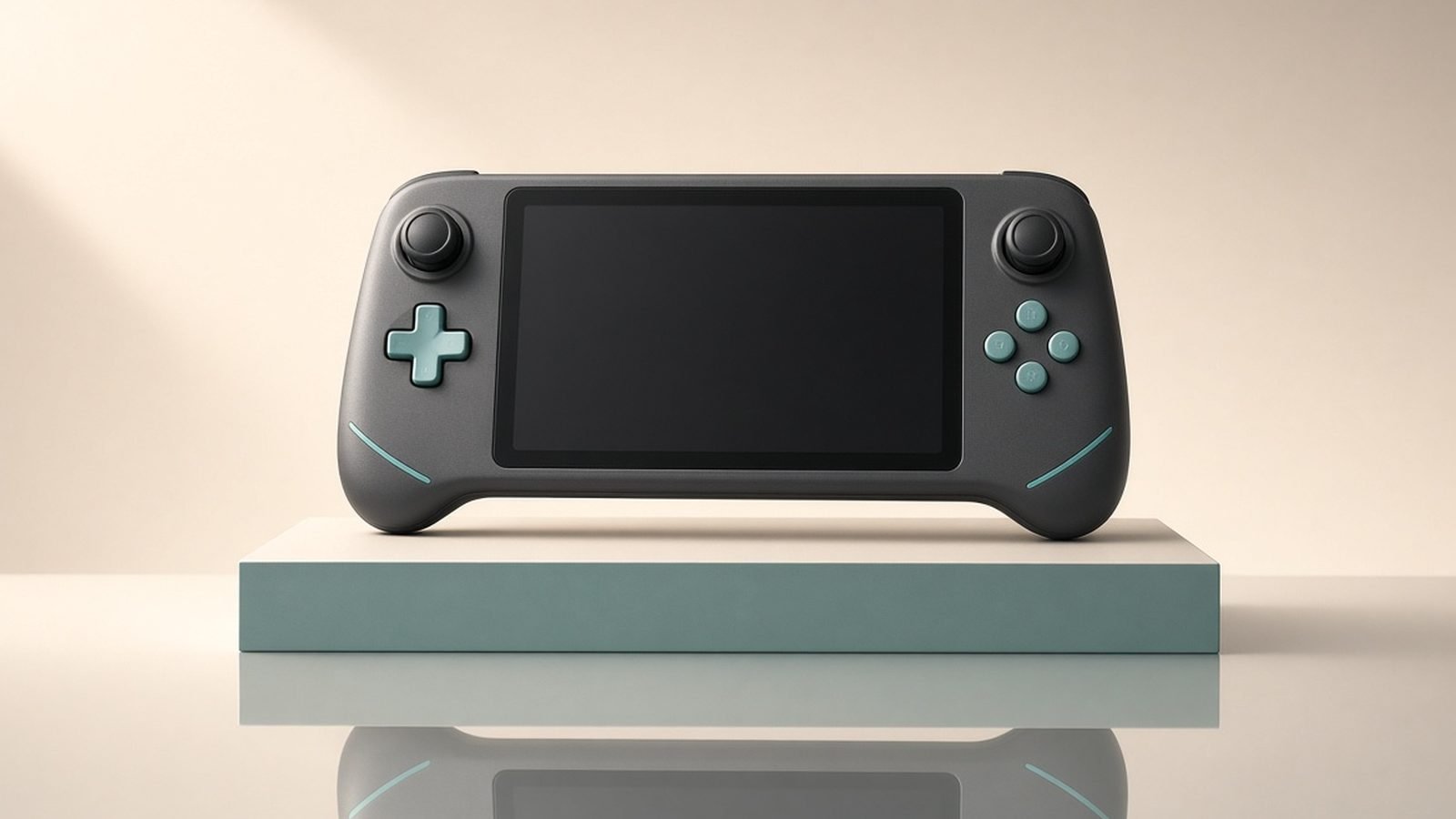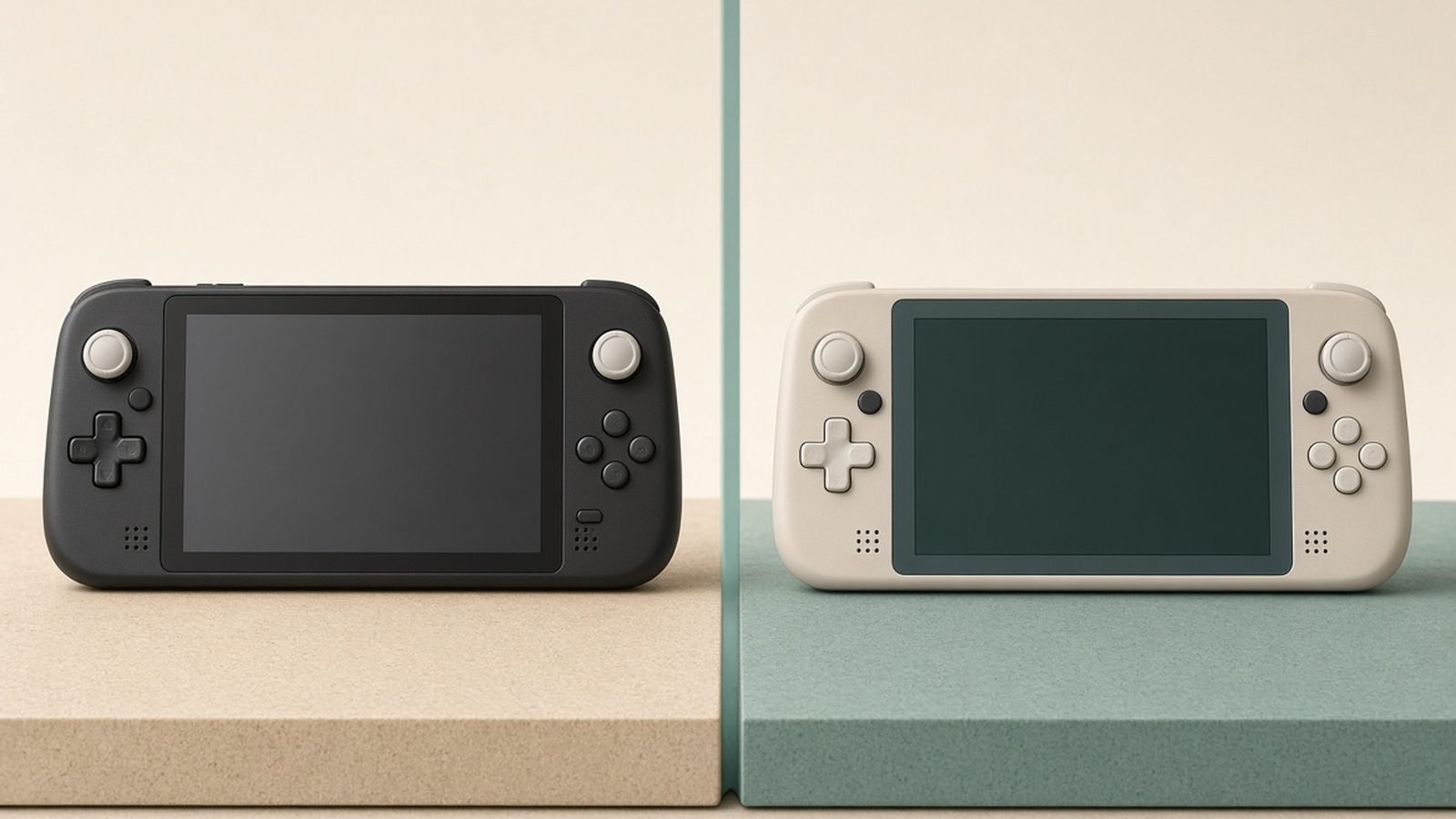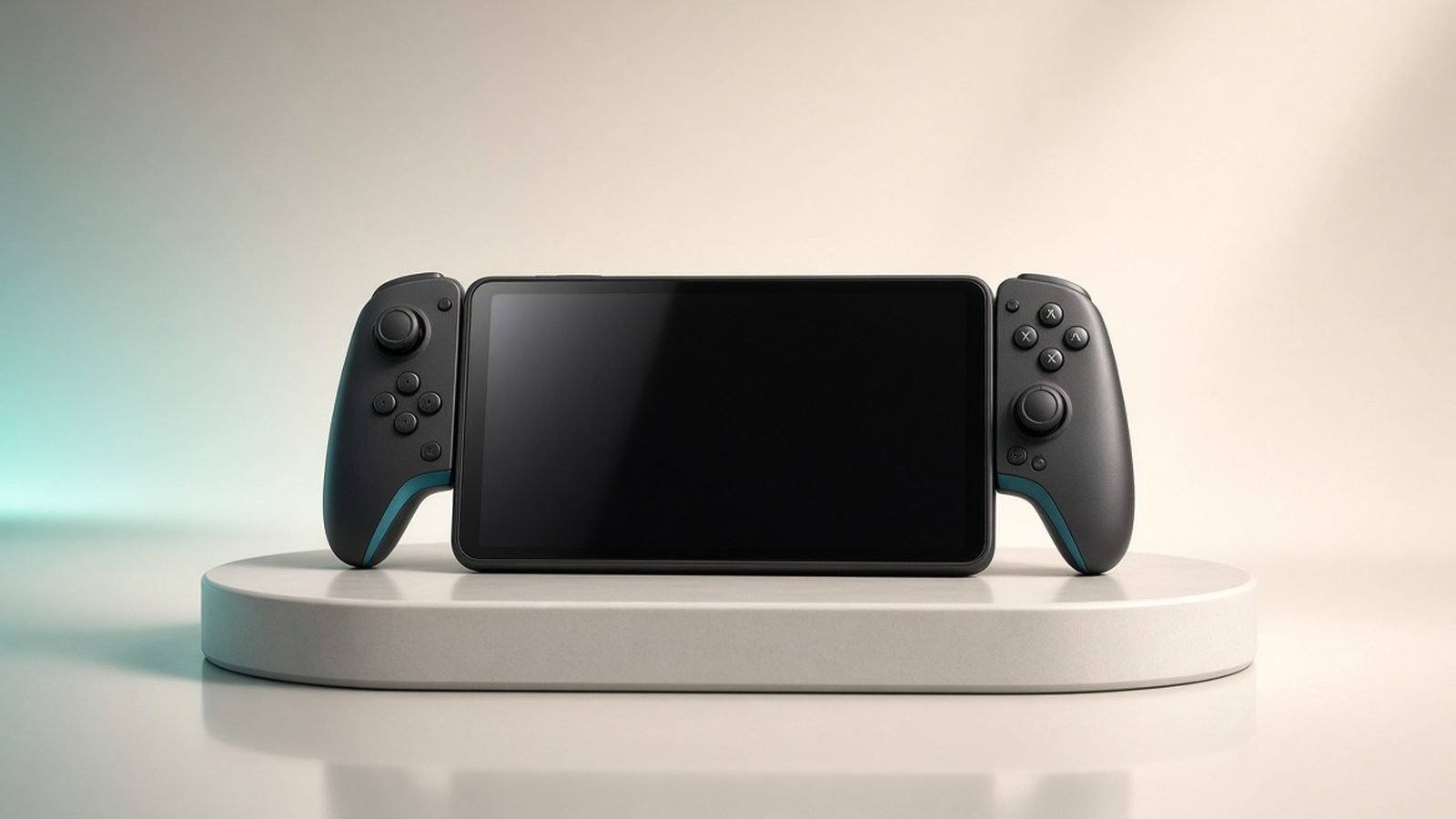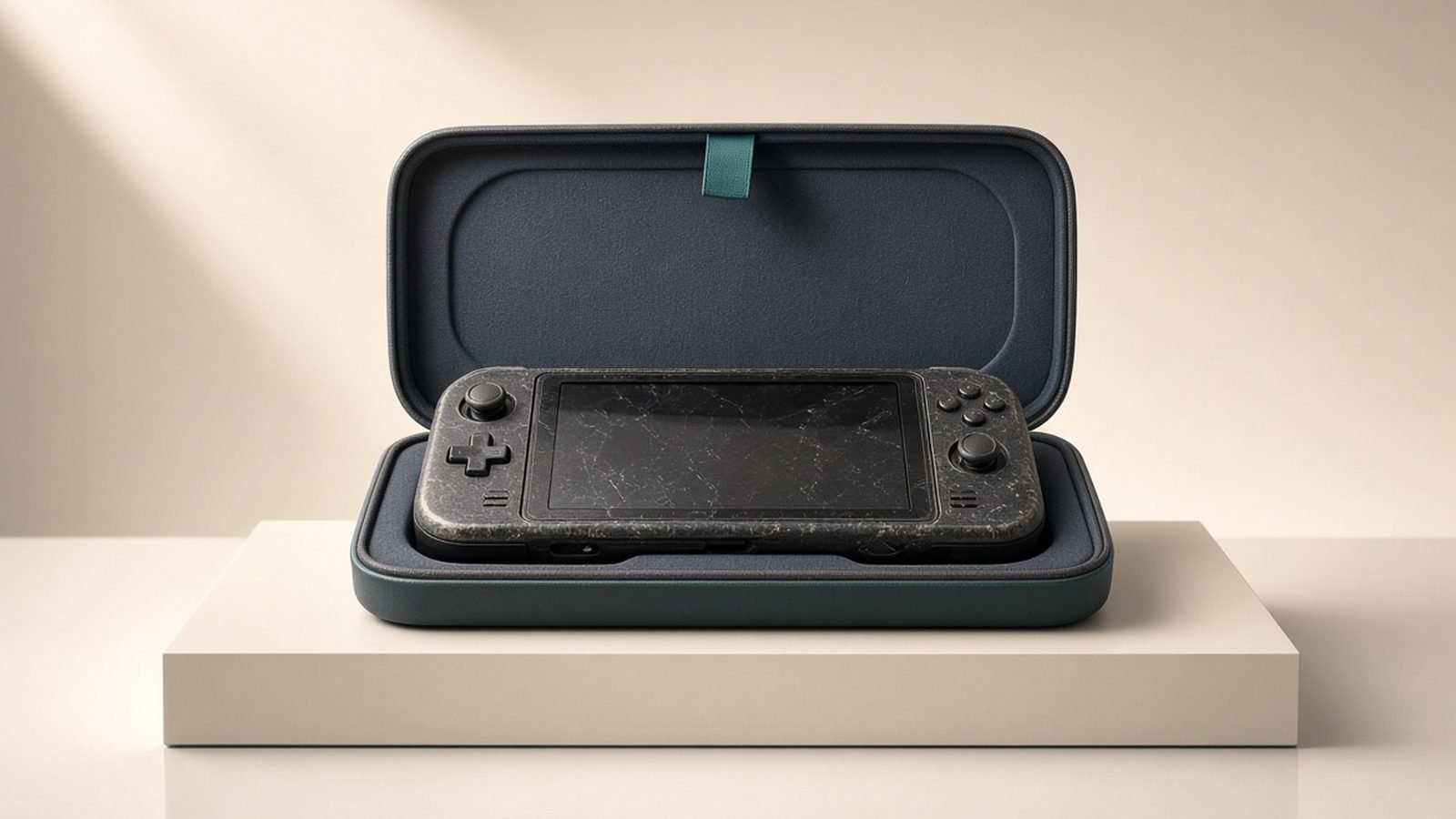
Short answer: the Steam Deck OLED is still one of the best handhelds you can hold in your hands, but whether it is worth it in 2026 is a genuinely harder question than it was a year ago. Valve pushed the 512GB model up to $789 / £649, and that price rise changes the maths for a machine running a 2023-era chip. This Steam Deck OLED review for 2026 is about who should still buy it, who should look elsewhere, and whether waiting for a Steam Deck 2 makes sense.
We have not run our own lab bench here. What follows is expert analysis built from spec research, current retail pricing, and aggregated owner feedback across forums and long-term reviews.
Verdict up front
The Steam Deck OLED remains the most polished handheld experience on the market. SteamOS, suspend/resume, and that gorgeous HDR screen are still class-leading. But the price increase has stripped away the “unbeatable value” argument that made the original an easy recommendation.
Buy it if you want the smoothest software experience, play mostly indies, older AAA games, and back-catalogue titles, and value battery life over raw frame rate.
Skip it if you are chasing the newest, heaviest 2026 releases at high settings — the 2023 APU shows its age, and faster rivals now exist at a similar price.
Check price: Steam Deck OLED 512GB
Quick comparison
| Handheld | Approx. price (US / UK) | Screen | Best for |
|---|---|---|---|
| Steam Deck OLED 512GB | $789 / £649 | 7.4in OLED HDR, 90Hz | Software polish, efficiency, battery |
| Lenovo Legion Go S (SteamOS) | $1,607.99 (US; UK not re-checked) | 8in LCD, 120Hz | More raw performance, bigger screen |
| Add a dock (JSAUX) | $40 / £36 | — | TV play, desk setup |
Steam Deck prices: Valve’s Steam store, 5 October 2026. Legion Go S: Lenovo’s US store, 5 October 2026. The dock price is from the July 2026 check.
What changed in 2026: the $789 price problem
Let’s deal with the elephant first. The Steam Deck OLED price increase moved the 512GB model to $789 / £649 and the 1TB to $949 / £779 (Valve’s Steam store, 5 October 2026). Valve pointed to component and manufacturing costs. Steam’s store data still carried a price for the 256GB LCD model, $399 / £349, on that date; its stock was not checked.
US vs UK: the pound price is where this page was wrong. Valve’s UK store listed the 512GB model at £649 on 5 October 2026, £80 above the £569 shown here before, and the 1TB model at £779. UK readers should weigh the alternatives below against £649, not the earlier figure.
That matters because the original Steam Deck’s whole pitch was value. It undercut every gaming handheld PC while offering software nobody could match. At $789, the Deck no longer wins on price — it now sits right in the thick of the 2026 handheld market, where several rivals offer more horsepower for similar money.
The hardware did not get better. The chip is the same efficient-but-aging APU it launched with. So the question “should I buy a Steam Deck in 2026” is now genuinely about what you value, not just about grabbing the obvious bargain.
Design and that OLED screen
The physical Deck is still excellent. It is large and a bit heavy at around 640g, but the weight distribution, generous grips, and long controls make it comfortable for long sessions. The trackpads remain a quiet superpower for strategy games, point-and-click adventures, and mouse-driven menus that other handhelds fumble.
The star is the 7.4-inch OLED HDR panel at 90Hz. Based on owner reports and display analysis, it is still one of the best screens in any handheld: deep blacks, punchy HDR highlights, and a smooth 90Hz refresh that makes the whole interface feel premium. Rivals with bigger LCD panels look washed out next to it.
Build quality holds up too. In our research, long-term owners consistently praise the OLED revision’s improved battery, cooler operation, and quieter fans versus the original LCD model. This is a mature, well-sorted piece of hardware — that part of the “worth it in 2026” argument still lands.
Performance against 2026 releases
Here is where the years show. The Deck’s APU was built for 2023, and the newest, most demanding 2026 titles ask a lot more of a handheld than they did back then.
For indies, 2D games, emulation, and the enormous back catalogue of older AAA titles, the Deck is still fantastic — it runs the games most people actually play, at a locked, comfortable frame rate. Based on aggregated owner feedback, the trouble starts with cutting-edge, graphically heavy 2026 releases, where you are dropping to low settings, leaning on FSR upscaling, and accepting sub-30fps in the worst cases.
Compared with the newest Steam Deck OLED vs new handhelds matchups, faster chips now deliver clearly higher frame rates in demanding games. If your library is mostly 2026 blockbusters at high settings, the Deck is no longer the tool for the job. If it is not, you may never notice the gap.
For a deeper head-to-head on the raw-power side, see our Steam Deck OLED vs ROG Xbox Ally X: Which to Buy in 2026 comparison.
Battery life and SteamOS experience
This is the Deck’s home turf. Steam Deck OLED battery life remains a genuine strength: the OLED model’s larger battery and efficient chip stretch to several hours in lighter games, and the whole system is tuned to sip power rather than gulp it. Playing a demanding title will still drain it faster, but per-watt, few handhelds are as efficient.
SteamOS is the real reason people stay. Suspend and resume is close to flawless — tap the power button, walk away, tap again, and you are exactly where you left off, even days later. No other handheld nails this the way the Deck does. The interface is built for a controller, updates are painless, and Proton compatibility keeps improving. If you want to squeeze out more runtime, our guide on How to Improve Steam Deck Battery Life: 12 Real Fixes has practical settings.
That software maturity is a big part of why the Deck is still worth considering even at the higher price. Hardware ages; a polished OS keeps paying off.
Who should still buy one (and who shouldn’t)
Still a great buy for: players with big Steam libraries full of indies, older AAA games, and back-catalogue gems; anyone who values suspend/resume and long battery life; and people who want the least fiddly handheld software out there.
Look elsewhere if: you want maximum frame rate in the newest 2026 releases, you prefer a Windows handheld for Game Pass and non-Steam launchers, or you simply cannot stomach paying $789 for a chip from 2023.
The Deck’s trade-off in 2026 is clear: you are paying more than before for the best experience, not the best performance. Whether that is a good deal is entirely about your library.
Check price: Steam Deck OLED 512GB
Alternatives at the new price
Now that the Deck costs around $789, the alternatives deserve a serious look.
Lenovo Legion Go S (SteamOS)
On paper this is the most direct rival: “SteamOS but faster.” On price it no longer is. Lenovo’s US store listed the Legion Go S Powered by SteamOS at $1,607.99 on 5 October 2026, roughly twice the Deck’s $789, next to a second Legion Go S listing at $699.99 (shown as 40% off $1,173.99) whose chip and storage that page did not state. This review previously gave about $830 / £650; no UK price was re-checked. The Legion Go S runs the same Steam-first software on a more powerful chip with a bigger 8-inch, 120Hz display, and reviews in 2026 have positioned it as the Steam machine to beat for people who want more raw performance without leaving the SteamOS ecosystem. At $1,607.99, though, it is a different budget rather than an alternative at the Deck’s price; our handheld gaming PC picks for every budget set out where each price tier now sits.
Pros: stronger performance in demanding games; larger, high-refresh screen; familiar SteamOS. Cons: pricier; heavier and larger; battery life generally trails the Deck’s efficiency; LCD can’t match OLED contrast.
If your top priority is frame rate and you are already sold on SteamOS, this is the one to weigh against the Deck.
Check price: Legion Go S (SteamOS)
Steam Deck Dock (JSAUX)
Whichever handheld you pick, a dock transforms it into a living-room and desktop machine. The JSAUX HDMI 2.0 dock is a cheap, reliable way to hook the Deck to a TV or monitor with power pass-through and USB ports, at around $40 / £36. It is the single most useful — and most popular — Deck accessory, and the obvious first add-on.
Pros: inexpensive; adds TV output, ethernet, and USB; great value. Cons: HDMI 2.0 caps you at 4K60; not an official Valve unit.
For the wider field, including Windows handhelds, our Best Handheld Gaming PCs 2026: Picks for Every Budget roundup covers every current option.
Should you wait for Steam Deck 2?
The Steam Deck 2 rumors are swirling, and Valve has been open in the past that it wants a true generational leap — a meaningful jump in performance without wrecking battery life — rather than a small annual bump. Nothing is confirmed, and Valve has historically taken its time.
Our honest take: if you need a handheld now and mostly play the kinds of games the Deck excels at, there is no reason to wait indefinitely for an unannounced product. If you specifically want more power for heavy 2026 titles, either buy a faster rival today or hold out — but do so knowing a Steam Deck 2 could still be a long way off, and early stock plus launch pricing rarely favour the impatient.
If you are also weighing Nintendo’s side of the fence, our Switch 2 vs Steam Deck OLED: Which Handheld Wins in 2026? comparison breaks down that decision.
FAQ
Is the Steam Deck OLED still worth it in 2026? Yes, if you value software polish, battery life, and a huge library of indies and older AAA games. The OLED screen and SteamOS remain class-leading. The catch is the higher $789 price and a 2023-era chip that struggles with the most demanding 2026 releases, so it is worth it for the right player, not for everyone.
Why did the Steam Deck OLED price go up? Valve raised prices in 2026, taking the 512GB model to around $789 and the 1TB to roughly $949, citing component and manufacturing costs. Steam’s store data still carried a price for the 256GB LCD model, $399 / £349, on 5 October 2026; its stock was not checked.
Steam Deck OLED vs new handhelds — which is faster? Newer 2026 handhelds, including the Lenovo Legion Go S (SteamOS), generally out-perform the Deck in demanding games thanks to more modern chips. The Deck counters with better efficiency, longer battery life, and the most refined software, so “faster” does not automatically mean “better for you.”
How is the Steam Deck OLED battery life? It is a genuine strength. The OLED model’s larger battery and efficient APU deliver several hours in lighter games, though demanding titles drain it faster. Per-watt, few handhelds match it, and SteamOS suspend/resume means you rarely waste charge between sessions.
Should I wait for a Steam Deck 2? Only if you specifically need more performance and can wait an unknown amount of time. Steam Deck 2 rumors point to a real generational leap, but nothing is confirmed and Valve tends to move slowly. If the current Deck suits your library, buying now is reasonable.
Want the full picture before you decide? Browse our Gaming for more handheld reviews, comparisons, and buying guides.
Zen Tech Hub may earn a commission from links on this page, at no extra cost to you.