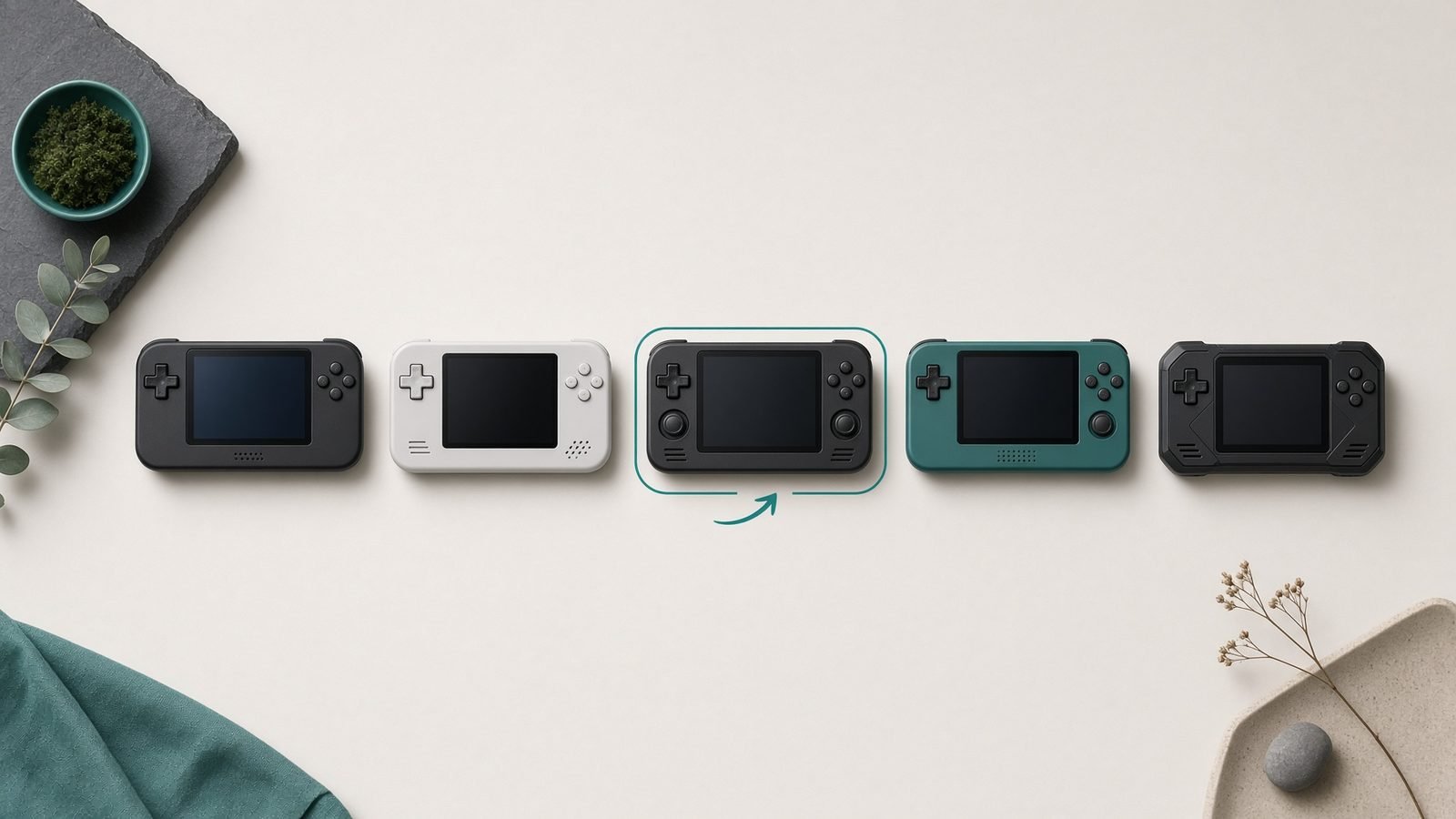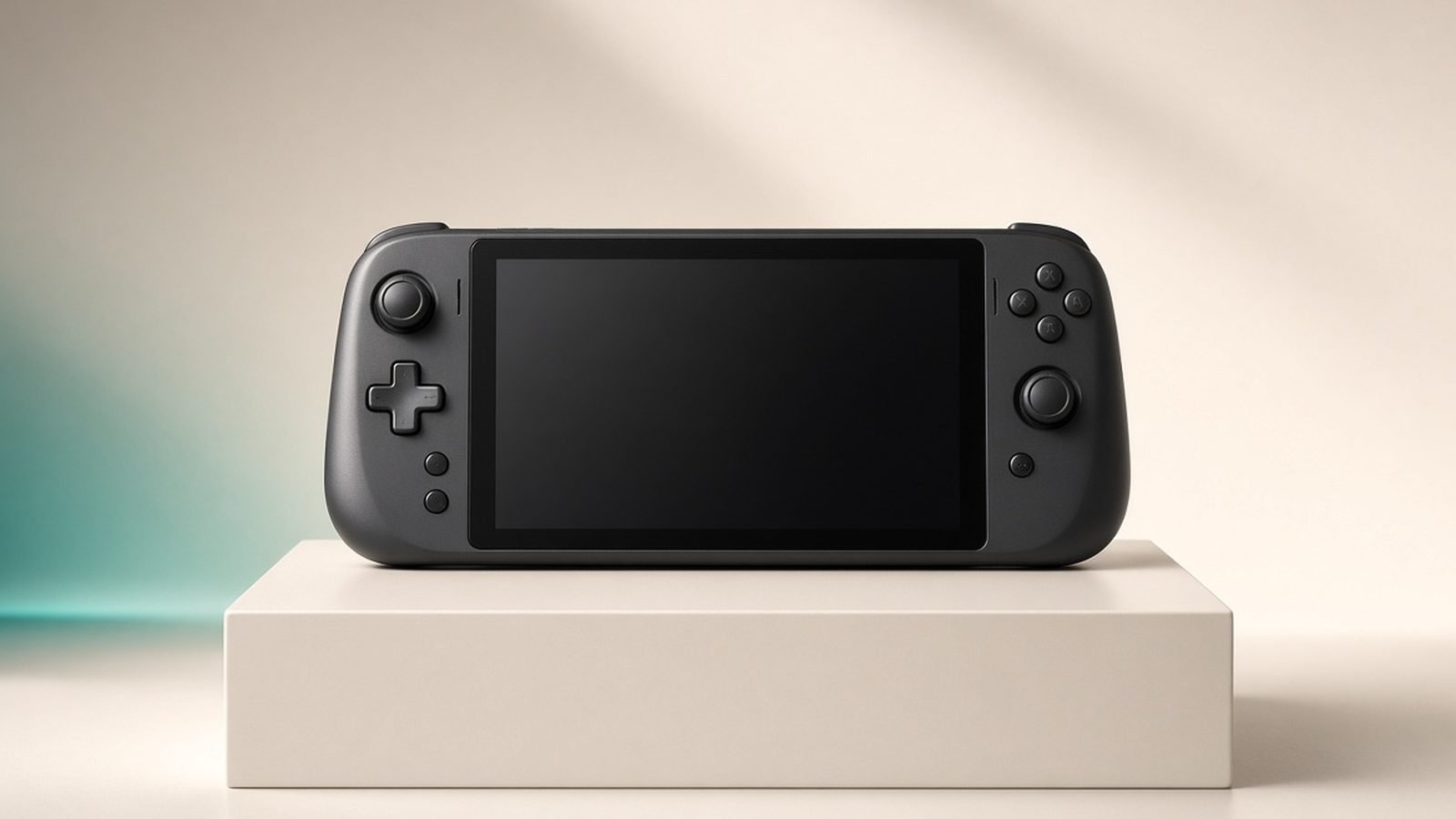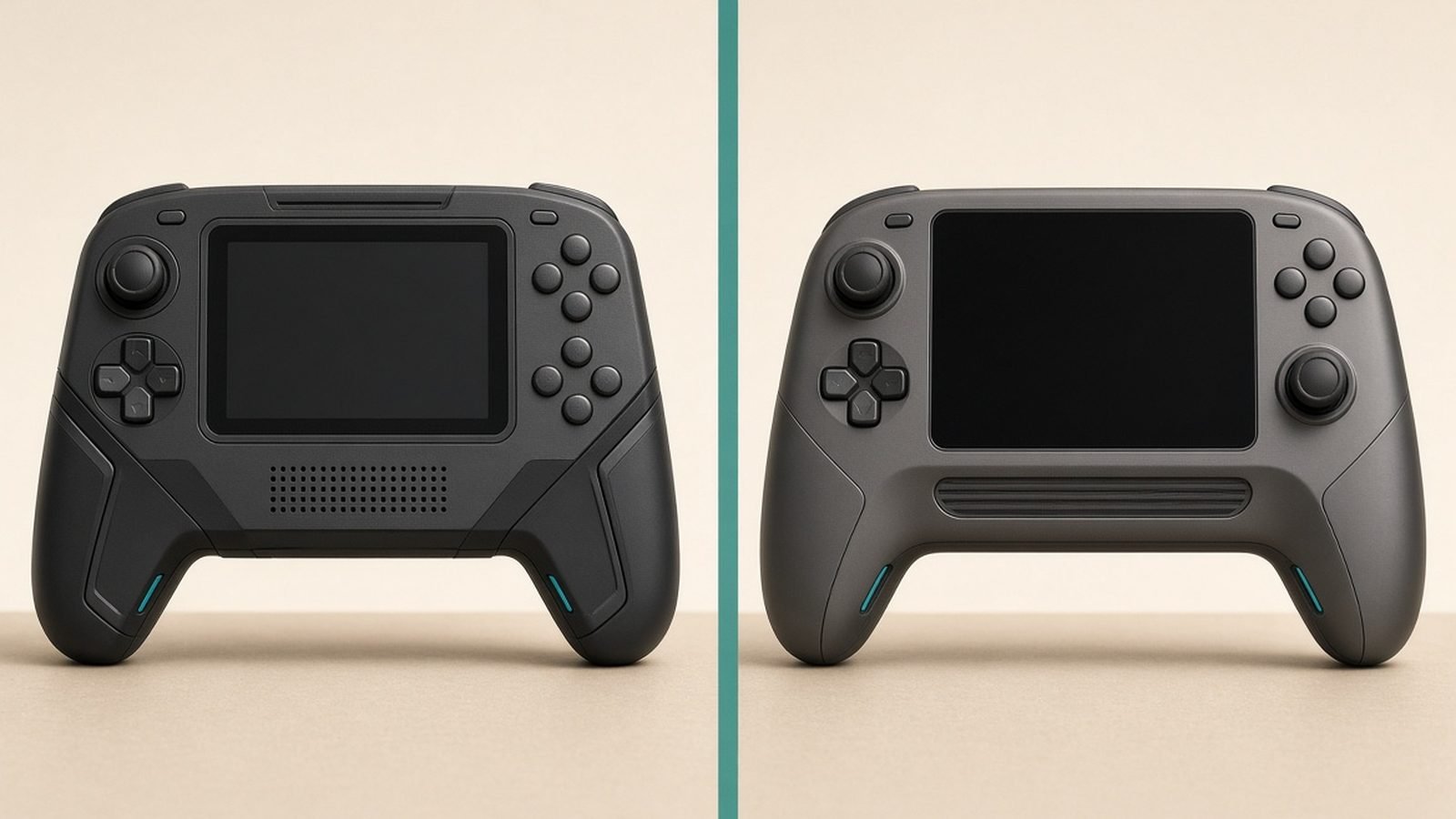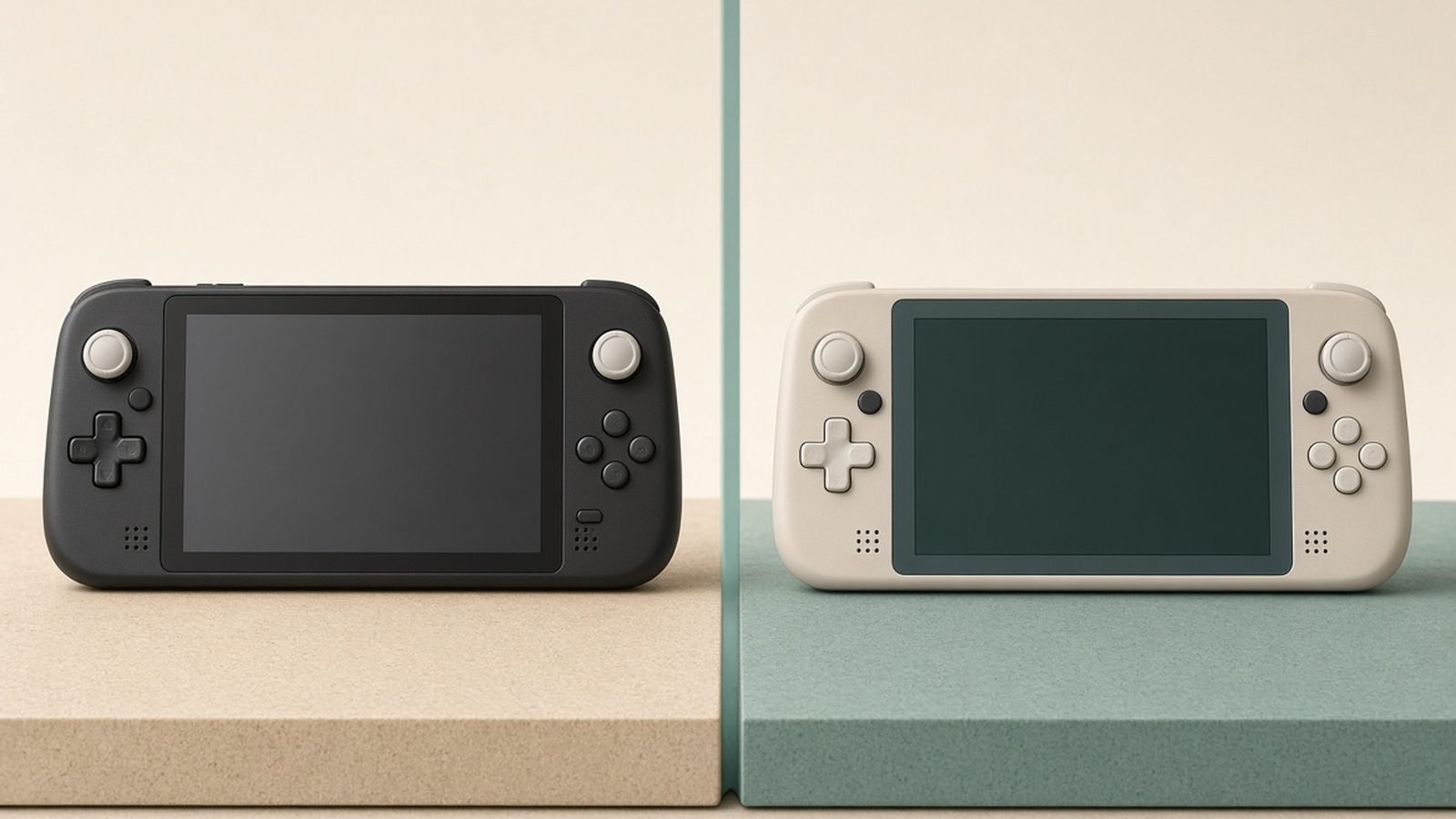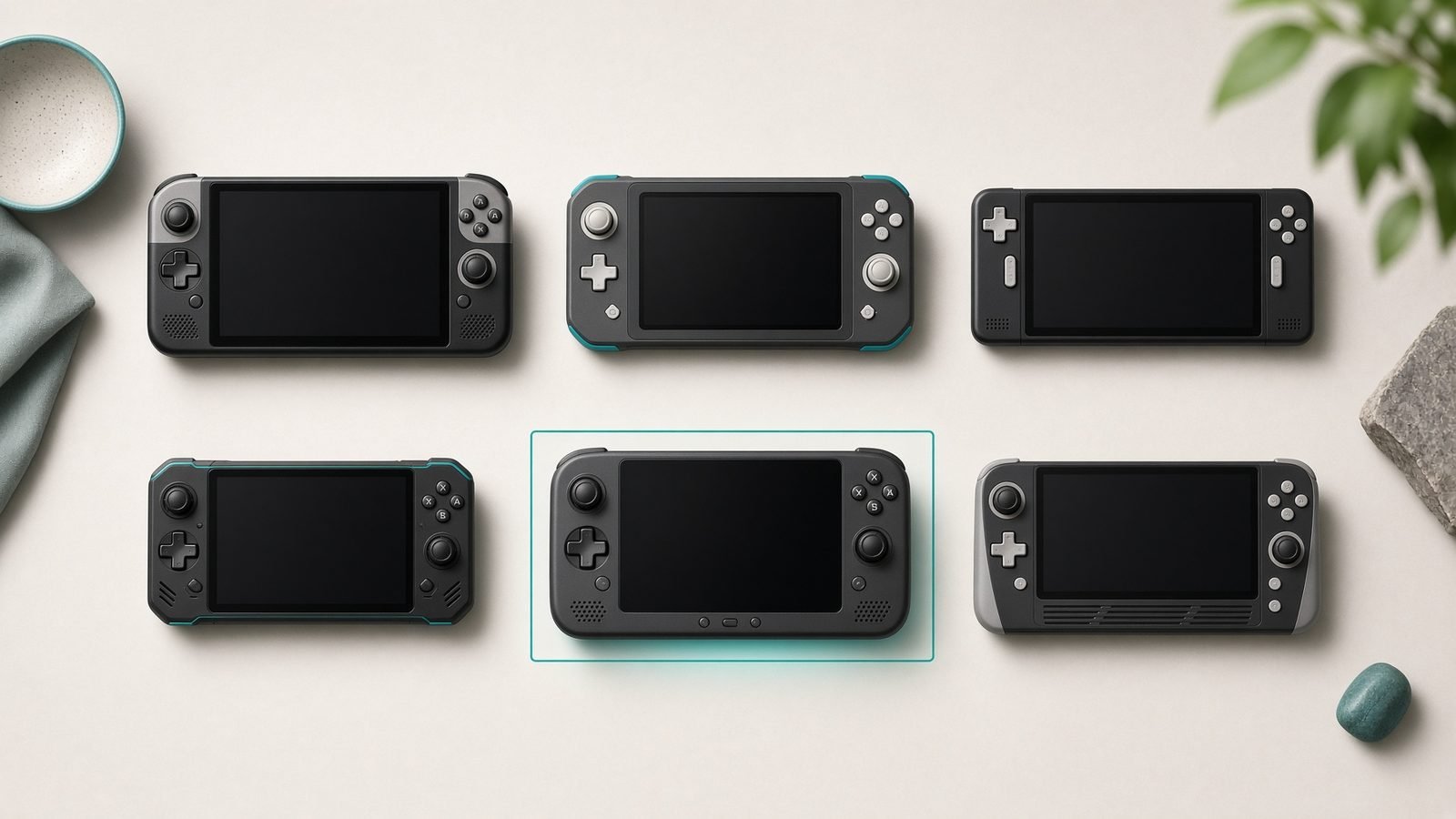
Finding the best handheld gaming PC in 2026 is harder than it was a year ago — not because the hardware got worse, but because the prices got weird. A wave of tariffs and a global RAM shortage pushed every major handheld up in cost through the first half of the year, and Valve’s mid-year Steam Deck hike was the one that broke people’s spreadsheets. The rankings that made sense in 2025 no longer hold.
So this guide leads with the thing most rival lists quietly ignore: what these machines actually cost right now. We’ve pulled current US and UK pricing, matched it against the specs, and weighed it against aggregated owner feedback to figure out which handheld deserves your money at each budget. Whether you want the cheapest way into PC gaming on the go or a premium OLED flagship, there’s a pick here for you.
How we picked (and the 2026 price-rise context)
We’re a small editorial team, not a lab, so let’s be straight about method. These picks come from spec research, manufacturer documentation, retailer pricing across US and UK stores, and aggregated owner reports from forums, Reddit, and long-term reviews. Where we say a machine “runs hot” or “wakes from sleep badly,” that reflects patterns in owner feedback — not a stopwatch in our hands.
What changed in 2026 is money. Component costs climbed, import tariffs hit US pricing, and DRAM shortages squeezed every device that ships with 16GB or 24GB of fast LPDDR5X. Valve’s store lists the Steam Deck OLED 512GB at $789 / £649 (5 October 2026) — a machine that launched at $549. Lenovo moved furthest: Insider Gaming reported on 3 April 2026 that the Ryzen Z2 Extreme Legion Go 2 had gone from $1,349.99 to $1,999.99, and Lenovo’s US store now asks $1,607.99 for the Legion Go S with SteamOS. Even Asus nudged its ROG Xbox Ally line.
The upshot: value has been reshuffled. The Steam Deck is no longer the automatic budget champion, and a Windows handheld you’d have skipped in 2025 now looks smart. Here’s how it shakes out.
Spec and price comparison table (USD/GBP)
| Handheld | Price (USD / GBP) | Chip | Screen | OS | Weight | Best for |
|---|---|---|---|---|---|---|
| Asus ROG Xbox Ally X | $999.99 / £859 | Ryzen AI Z2 Extreme | 7in 1080p 120Hz IPS | Windows 11 (Xbox FSE) | ~715g | Best overall |
| Lenovo Legion Go S (SteamOS) | $1,607.99 / not listed by Lenovo UK | Ryzen Z1 Extreme | 8in 1920x1200 120Hz IPS | SteamOS | ~640g | SteamOS on a bigger screen |
| Lenovo Legion Go 2 | $1,999.99 (April 2026 report) / £1,770 | Ryzen AI Z2 Extreme | 8.8in 144Hz OLED | Windows 11 | ~920g+ | Best premium screen |
| Valve Steam Deck OLED 512GB | $789 / £649 | Custom “Aerith Plus” APU | 7.4in 1280x800 90Hz OLED | SteamOS | ~640g | Still great all-rounder |
| Asus ROG Xbox Ally (Z2 A) | $599.99 / £449 | Ryzen Z2 A | 7in 1080p 120Hz IPS | Windows 11 (Xbox FSE) | ~670g | Best budget |
Prices read on 5 October 2026 from each maker’s own store: Asus US and UK (both Xbox Ally models shown in stock; the UK Ally is reduced from £499), Valve’s Steam store for the US and UK, Lenovo US for the Legion Go S (Ryzen Z1 Extreme, 32GB, 1TB) and Lenovo UK for the Legion Go 2 (Ryzen Z2 Extreme, 32GB, 1TB; the range starts at £1,500). The US Legion Go 2 figure is Insider Gaming’s report of 3 April 2026, which also said the model was unavailable at the time; it was not re-read this month. Lenovo’s UK handheld page showed no Legion Go S for sale, and Steam Deck stock was not checked. Prices move fast in 2026 — check on the day.
Best overall: Asus ROG Xbox Ally X
The ROG Xbox Ally X is the handheld we’d hand to most people who want power without a science project. Asus co-designed it with Microsoft, and the headline feature is the Xbox Full Screen Experience — a console-style front end that boots straight into your library and strips out most of the Windows desktop cruft that makes rival Windows handhelds feel like laptops in disguise.
Under the hood sits the Ryzen AI Z2 Extreme, currently the strongest silicon you can get in this class, paired with a 7-inch 1080p 120Hz IPS panel. The grips are the real story, though: they’re shaped like a proper Xbox controller rather than a flat slab, and in owner reports that ergonomic advantage comes up again and again for long sessions.
It’s not perfect. At $999.99 in the US and £859 in the UK (Asus stores, 5 October 2026) it’s expensive, the screen is IPS rather than OLED, and Asus still doesn’t include a case at this price — a genuine annoyance for a machine you’re meant to travel with. If you’re cross-shopping the rog xbox ally x vs legion go 2, the Ally X is the lighter, cheaper, more comfortable one; the Legion wins only on screen.
Pros - Fastest chip in its class (Ryzen AI Z2 Extreme) - Xbox Full Screen Experience tames Windows - Genuinely comfortable controller-style grips
Cons - Premium price, and it climbed in 2026 - IPS panel, not OLED - No case in the box
Who it’s for: Anyone who wants the best all-round Windows handheld and will actually use the horsepower. It’s our pick for the best gaming handheld 2026 overall.
SteamOS on a bigger screen: Lenovo Legion Go S (SteamOS)
If the windows vs steamos handheld debate keeps you up at night, the Legion Go S in its SteamOS trim is the tidiest answer on software — and, after the 2026 price rises, an expensive one. This is the first non-Valve device to ship officially with SteamOS, and it matters: SteamOS is simply smoother than Windows on a handheld. Instant sleep and wake, no random driver popups, no taskbar to fat-finger — it behaves like a console.
The hardware is a strong match for it. You get a Ryzen Z1 Extreme, an 8-inch 1920x1200 120Hz screen that’s noticeably roomier than a Steam Deck’s, and Lenovo’s comfortable rounded chassis. At its launch pricing that made it the middle step between the aging Steam Deck and the flagships; the October price below changes that.
Two caveats. First, and now decisive, the price: Lenovo’s US store listed the Ryzen Z1 Extreme model (32GB, 1TB) at $1,607.99 on 5 October 2026 — more than the ROG Xbox Ally X and roughly twice the Steam Deck OLED. A Ryzen Z2 Go version (16GB, 512GB, SteamOS) was listed at $699.99, but its own product page read “Available Soon”, and Lenovo’s UK handheld page showed no Legion Go S at all. At these prices the Steam Deck OLED is the SteamOS handheld to look at first; the Legion Go S makes sense only if the larger 1200p screen is worth the difference to you. Second, there’s a single trackpad and it’s a bit clunky compared to the Deck’s twin pads — fine for most games, fiddly for point-and-click strategy. Still, as steam deck alternatives go, this is the one that keeps the software experience you actually want.
Pros - Official SteamOS — console-smooth on a handheld - Big, sharp 8in 120Hz display - Comfortable, well-built chassis
Cons - Costs more than the Ally X in the US ($1,607.99) - Single trackpad feels clunky - Z1 Extreme is a step behind the newest chips
Who it’s for: Steam-library loyalists who want a bigger, faster device than the Deck without switching to Windows, and who will pay about twice the Deck’s price for it.
Check price: Legion Go S (SteamOS)
Best premium screen: Lenovo Legion Go 2
The Legion Go 2 is the flex pick — the handheld you buy when the display is non-negotiable. Its 8.8-inch 144Hz OLED is the best screen on any handheld gaming PC in 2026, full stop: enormous, vivid, fast, and HDR-capable in a way that makes everything else here look ordinary next to it.
It backs that up with the Ryzen AI Z2 Extreme and detachable Hall-effect controllers that slide off the sides, letting you prop the screen up and play like a tiny console. For people who want one device to rule couch, desk, and travel, the concept is genuinely compelling.
The problem is everything that comes with a screen this big. It’s heavy — comfortably over two pounds (920g+) — which owner reports flag as fatiguing in handheld mode. The glossy panel is a fingerprint and reflection magnet. And the price is brutal: £1,770 at Lenovo’s UK store for the Ryzen Z2 Extreme, 32GB, 1TB model on 5 October 2026 (the range starts at £1,500 with a Ryzen Z2 and 16GB), and $1,999.99 in the US as Insider Gaming reported on 3 April 2026, up from $1,349.99 at launch. This is a want, not a value buy.
Pros - Class-leading 8.8in 144Hz OLED - Fast Z2 Extreme chip - Detachable Hall-effect controllers
Cons - Heavy; tiring in handheld mode - Glossy screen shows glare and prints - Premium price that keeps climbing
Who it’s for: Enthusiasts who want the best display money can buy and will forgive the weight and cost.
Still great: Valve Steam Deck OLED 512GB
The Steam Deck OLED is still one of the best handheld consoles for PC games — it just isn’t the bargain it used to be. Valve’s 2026 price rise put the 512GB model at $789 / £649 (Steam store, 5 October 2026), and that stings for a device whose custom “Aerith Plus” APU is now the slowest chip in this lineup on paper.
So why is it still here? Because the whole package remains superbly judged. The OLED HDR screen is gorgeous, battery efficiency is best-in-class thanks to that lower-power chip and 800p resolution, and SteamOS is the most mature, polished handheld software on the market. Valve tuned this device end to end, and it shows in the little things — sleep/resume that just works, twin trackpads, excellent community support.
The trade-off is raw performance: you’ll turn settings down sooner than on a Z2 machine, and the higher 2026 price makes that compromise harder to swallow than it was at $549. If you mainly play indies, older titles, and well-optimized games, though, it’s still a joy — and it sips battery while doing it.
Pros - Beautiful OLED HDR screen - Best-in-class battery efficiency - Most mature handheld software (SteamOS)
Cons - 2026 price rise guts the value case - Aging APU is the slowest here - 800p resolution shows its age
Who it’s for: Indie and back-catalog players who prize battery life, screen quality, and software polish over frame rates.
Valve sells the Deck direct with no affiliate program, so if you buy one, grab a better case, a fast microSD card, and a dock to get the most from it.
Check price: Steam Deck OLED accessories (case, dock, microSD)
Best budget: Asus ROG Xbox Ally (Z2 A)
If you want the best handheld gaming PC under $600, this is it. The standard ROG Xbox Ally with the Ryzen Z2 A is the cheapest current-gen Windows handheld you can buy at $599.99 in the US and £449 in the UK (Asus stores, 5 October 2026; the UK price is a reduction from £499, and Scan listed it at £449.99), and it inherits the things that make the pricier Ally X good: the comfortable controller-style grips, the same 7-inch 1080p 120Hz IPS screen, and the Xbox Full Screen Experience that keeps Windows out of your way.
The compromise is the chip. The Z2 A is roughly Steam Deck-class in performance, so this isn’t the handheld for maxing out the latest AAA releases — think 1080p with settings dialed back, or 720p for a smoother ride. For its price, that’s a fair deal, and it’s a lot of comfortable, capable hardware for the money.
The usual Windows caveats apply: owner reports mention occasional sleep/wake quirks that SteamOS devices don’t suffer, and you’ll spend a little time tidying the OS on first setup. But for a newcomer who wants Game Pass, a full Windows library, and the best grips in the business without spending four figures, it’s the value champ of 2026.
Pros - Cheapest current-gen Windows handheld - Same comfy grips as the Ally X - Sharp 1080p 120Hz screen
Cons - Z2 A performance is Steam Deck-class, not flagship - Windows sleep/wake can be finicky - No case included
Who it’s for: Budget buyers and newcomers who want Windows flexibility, Game Pass, and great ergonomics under $600.
Check price: ROG Xbox Ally (Z2 A)
Which handheld should you buy?
Cut through the noise and it’s this simple:
Most people: the ROG Xbox Ally X. It’s the best blend of power, comfort, and a Windows experience that finally behaves, and it undercuts the Legion flagship.
On a budget: the ROG Xbox Ally (Z2 A) at $599.99 / £449. Steam Deck-class performance with better grips and a sharper screen.
Steam-library purist: the Legion Go S (SteamOS) for console-smooth software on bigger, faster hardware — but at $1,607.99 in the US it now costs about twice the Steam Deck OLED, so start with the Deck unless the larger screen matters most.
Screen snob with the budget: the Legion Go 2 and its stunning 8.8in OLED — if you can handle the weight and the price.
Efficiency and polish over power: the Steam Deck OLED, still lovely, just no longer cheap.
US vs UK: in the handheld gaming PC UK market the order is the same but the gaps are not. The budget Ally is the better deal in the UK (£449, reduced, against $599.99), while the Ally X carries a larger premium there (£859 against $999.99). The Steam Deck OLED 512GB is £649 against $789. Lenovo’s UK store listed the Legion Go 2 from £1,500 and showed no Legion Go S on its handheld page on 5 October 2026, so the SteamOS Legion is the one pick UK buyers may not find direct from the maker.
If you want to go deeper on any single machine, we’ve got dedicated breakdowns: Steam Deck OLED in 2026 Review: Still Worth It After the Price Rise?, the head-to-head Steam Deck OLED vs ROG Xbox Ally X: Which to Buy in 2026, and Switch 2 vs Steam Deck OLED: Which Handheld Wins in 2026? if you’re weighing a handheld PC against Nintendo’s latest. Deck owners should also read How to Improve Steam Deck Battery Life: 12 Real Fixes. For everything else, start at the Gaming.
FAQ
What’s the best handheld gaming PC in 2026 overall?
The Asus ROG Xbox Ally X. It pairs the fastest chip in its class (Ryzen AI Z2 Extreme) with genuinely comfortable controller-style grips and the Xbox Full Screen Experience, which tames Windows better than any rival. At $999.99 / £859 it’s not cheap, but it’s the most complete all-rounder — powerful, portable, and the least fiddly Windows handheld you can buy right now.
Is the Steam Deck still worth buying after the 2026 price rise?
Yes, but with eyes open. At $789 / £649 the Steam Deck OLED lost its budget crown, and its APU is now the slowest here. What you’re paying for is the best battery efficiency, a gorgeous OLED screen, and the most mature handheld software. It’s ideal for indies and back-catalog games; less so if you want to max out new AAA titles.
Windows or SteamOS — which handheld OS is better?
SteamOS is smoother on a handheld: instant sleep/wake, console-like simplicity, fewer popups. Windows is more flexible — Game Pass, any launcher, any app — but needs tidying and can be quirky. Pick SteamOS (Steam Deck or Legion Go S) if your library is on Steam and you want it to just work; pick Windows (ROG Xbox Ally) if you want maximum flexibility.
What’s the best handheld gaming PC under $600?
The standard Asus ROG Xbox Ally with the Z2 A chip, at $599.99 / £449. It’s the cheapest current-gen Windows handheld, with the same comfortable grips and 1080p 120Hz screen as the pricier Ally X. Performance is roughly Steam Deck-class, so temper AAA expectations, but for the money it’s the best budget entry point in 2026.
Which handheld has the best screen?
The Lenovo Legion Go 2, hands down. Its 8.8-inch 144Hz OLED is the largest, fastest, and most vivid display on any handheld gaming PC in 2026. The catch is the package around it: the device weighs over two pounds, the glossy panel attracts glare, and it costs £1,770 at Lenovo UK and was reported at $1,999.99 in the US in April 2026 — so you’re paying, and carrying, a lot for that screen.
Zen Tech Hub may earn a commission from links on this page, at no extra cost to you.