The Apple Watch Series 11 vs Ultra 3 debate really comes down to one honest question: do you actually need what the extra money buys? Both watches share the same core health engine, the same watchOS, and most of the same everyday smarts. The Ultra 3 adds satellite messaging, nearly double the battery life, a bigger, brighter display and rugged hardware — for roughly $400 / £380 more. For most people that gap is the whole story, so let’s settle it quickly and then dig into the detail.
The 30-second verdict
Buy the Series 11 if you want every headline health feature — ECG, sleep score, hypertension notifications — in a lighter, more comfortable case at half the price. It’s the right watch for the vast majority of buyers.
Buy the Ultra 3 if you’re a serious endurance athlete, a hiker or someone who goes genuinely off-grid, and you’ll use satellite messaging, dual-band GPS and the 42-hour battery. If those words don’t describe you, you’re paying a premium for capability you won’t touch.
Check price: Apple Watch Series 11 Check price: Apple Watch Ultra 3
Apple Watch Series 11 vs Ultra 3: spec comparison
| Spec | Apple Watch Series 11 | Apple Watch Ultra 3 |
|---|---|---|
| Price (from) | around $399 / £369 | around $799 / £749 |
| Case sizes | 42mm / 46mm | 49mm |
| Case material | Aluminium / titanium | Aerospace-grade titanium |
| Display | Always-on LTPO OLED | Brighter wide-angle always-on OLED |
| Peak brightness | Up to ~2,000 nits | Up to ~3,000 nits |
| Battery (typical use) | ~24 hours | ~42 hours |
| Low Power Mode | Extends to ~48h | Extends to ~72h+ |
| GPS | Single-band (L1) | Precision dual-band (L1 + L5) |
| Satellite messaging | No | Yes |
| Action Button | No | Yes |
| Water resistance | 50m (WR50) | 100m (WR100) + EN13319 dive spec |
| Health suite | ECG, sleep score, hypertension alerts | Same, plus depth and water-temp sensors |
| Weight (approx.) | ~30–38g | ~55g (titanium) |
Prices reflect Apple’s launch RRP and typical UK pricing; retailers discount the Series 11 far more often than the Ultra 3, so real-world gaps can widen.
Price gap: $400 / £380 difference in real terms
At list price the Ultra 3 costs about double the Series 11. That’s a $400 / £380 swing — enough to buy a pair of running shoes, a year of a training app subscription, and still have change.
Here’s the nuance we always flag. The Series 11 goes on sale regularly through the year, and the aluminium model in particular sees steep discounts. The Ultra 3, based on owner reports and Apple’s own pricing history, holds its price hard and rarely drops much below RRP in its first year. So the “real” gap you’ll pay is often larger than the sticker suggests, not smaller.
Unless you can point to a specific Ultra feature you’ll rely on, that money is better spent elsewhere.
Design, size and wearability compared
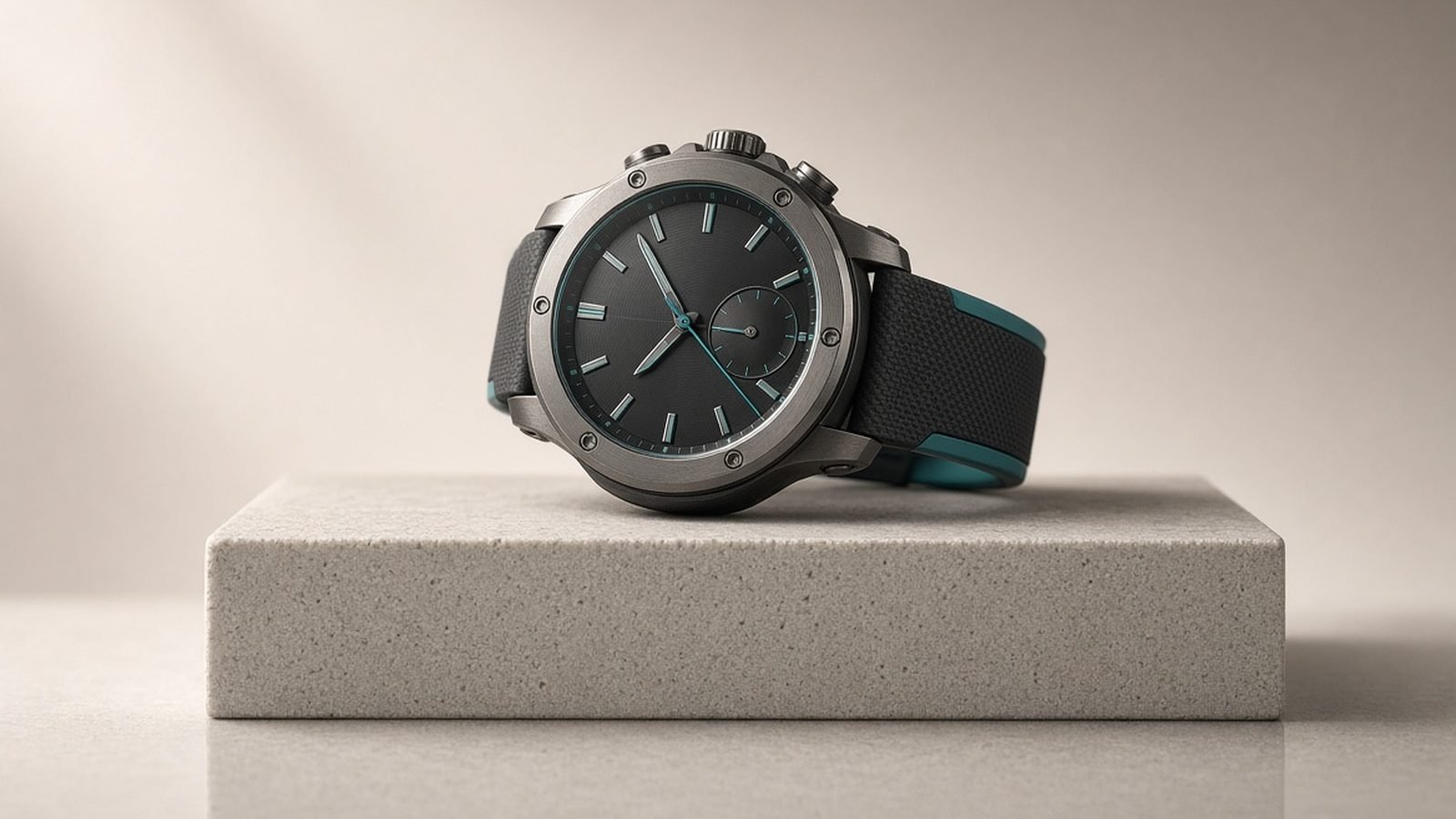
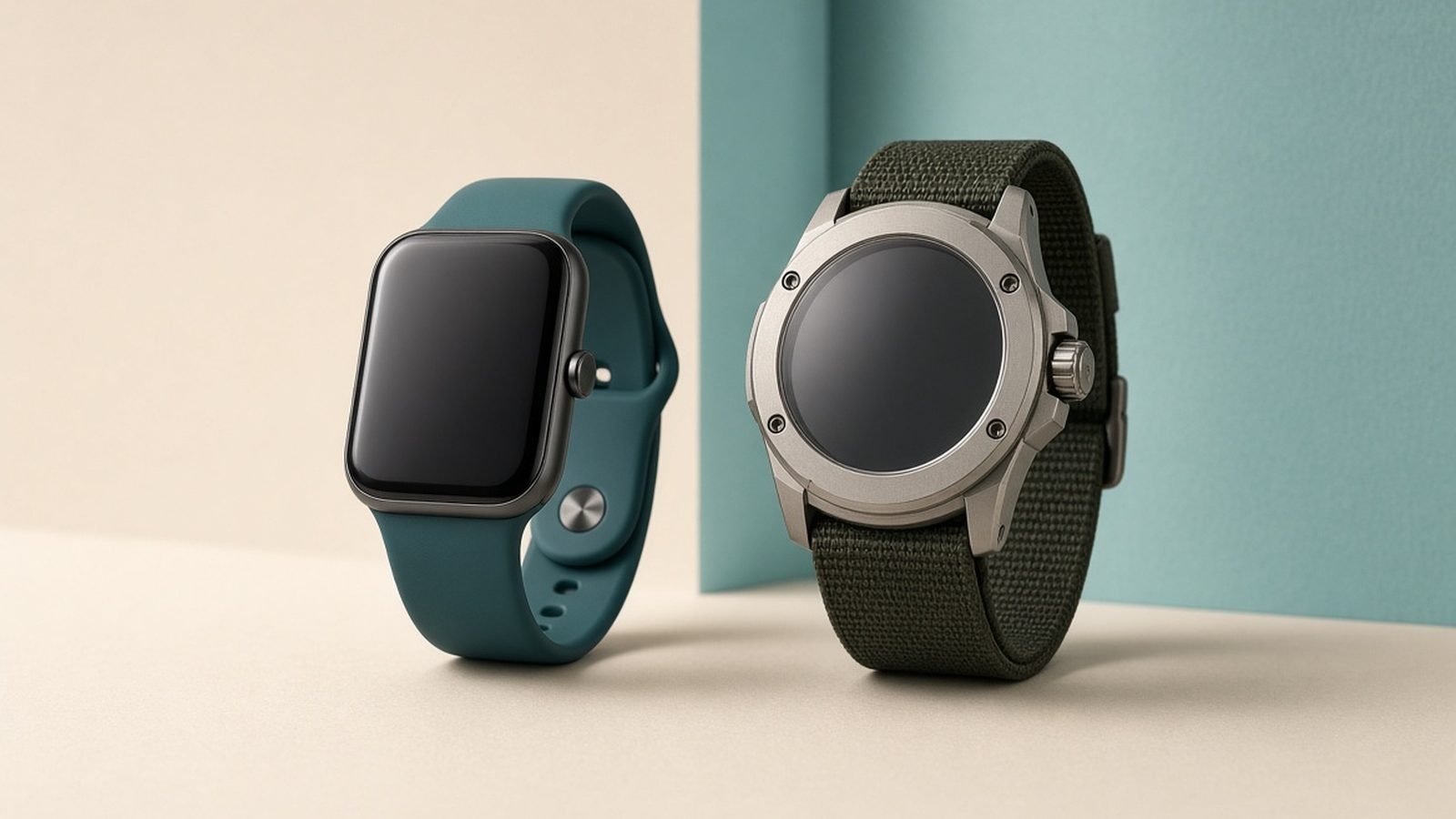
Size is where the apple watch ultra 3 vs series 11 size question gets personal. The Ultra 3 is a single 49mm titanium slab. It’s confident and legible, but on a slim wrist it looks and feels like a lot of watch. Based on owner feedback, people with smaller wrists frequently find it top-heavy for sleep tracking and all-day wear.
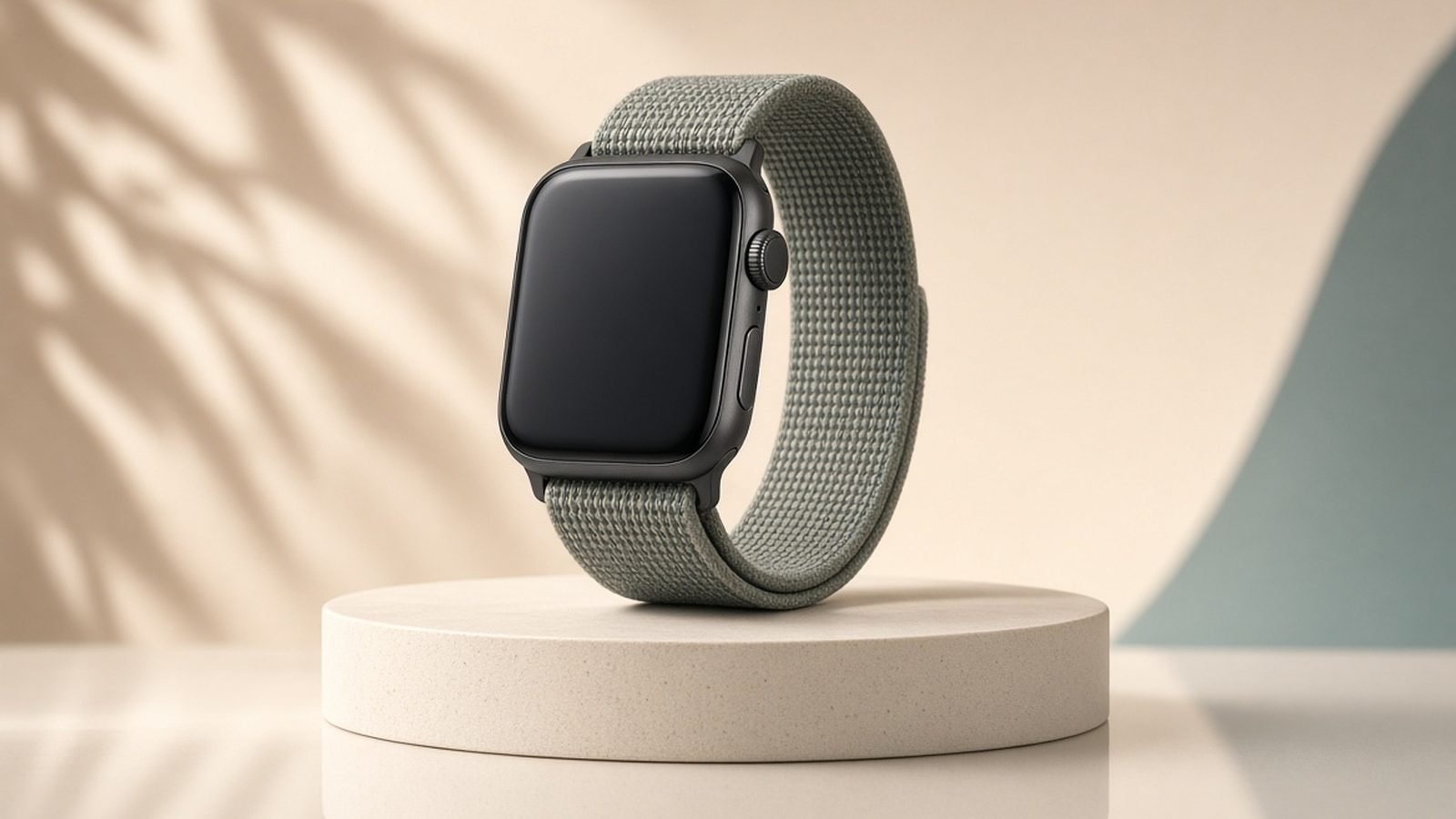
The Series 11 comes in 42mm and 46mm, in aluminium or titanium, and it’s meaningfully lighter — roughly half the weight in aluminium form. That makes it the easier watch to forget you’re wearing, which matters for sleep and 24/7 use.
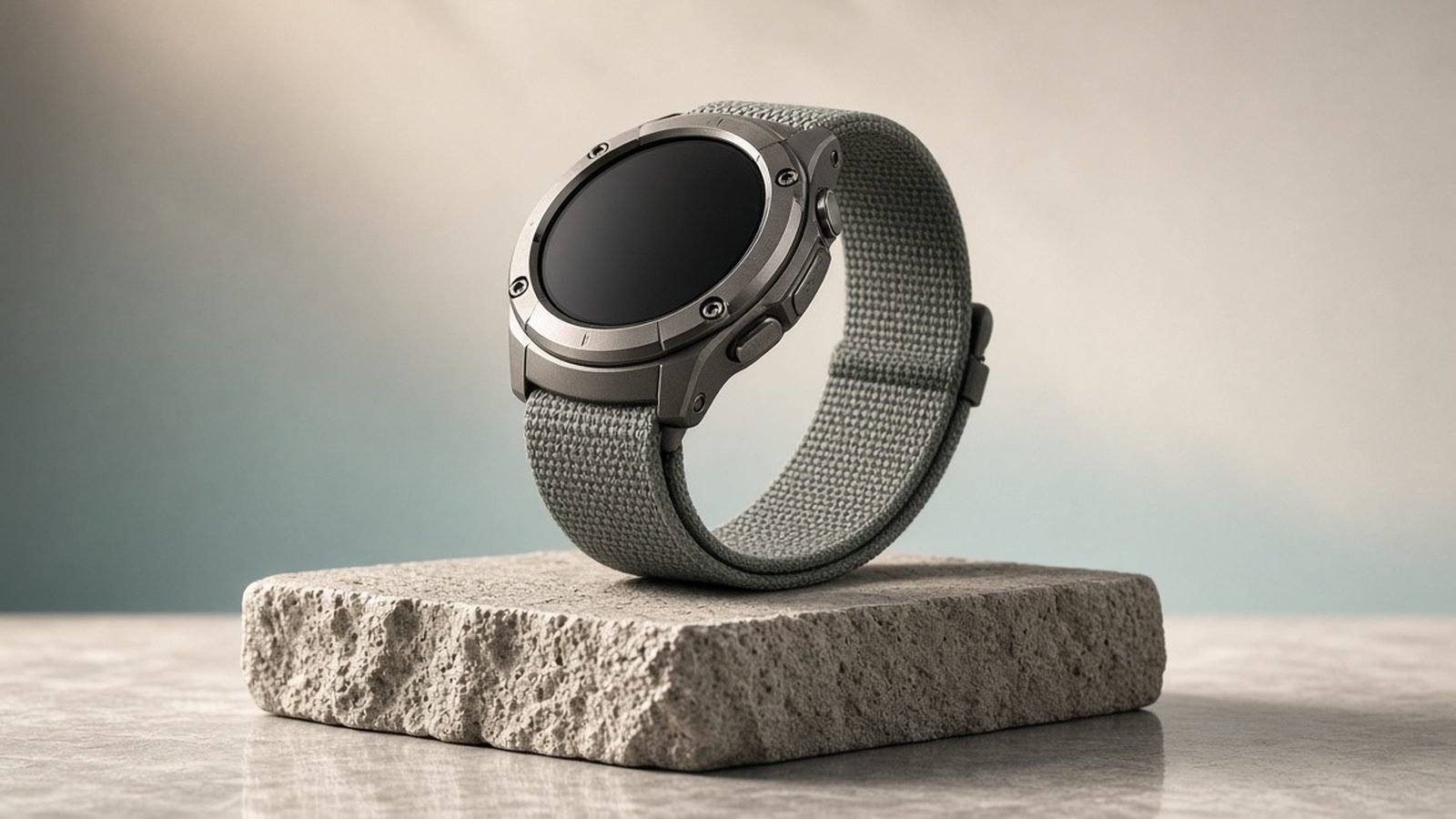
The Ultra’s trade-off buys durability: aerospace-grade titanium, a raised lip protecting the display, and the tactile Action Button you can map to workouts, waypoints or a torch.
Series 11 pros: lighter, two sizes, more comfortable for sleep, more discreet. Series 11 cons: less rugged, no Action Button, smaller battery.
Ultra 3 pros: tough titanium build, Action Button, one commanding size, dive-rated. Ultra 3 cons: heavy, single large size, awkward on small wrists.
Display brightness and always-on differences
Both watches use an always-on LTPO OLED, so the everyday experience of glancing at the time or a notification is similar indoors. The difference shows up outside.
The Ultra 3’s wide-angle OLED pushes to roughly 3,000 nits and stays readable at sharp off-axis angles — useful when it’s on your wrist mid-stride or clipped to a pack strap in direct summer sun. The Series 11 tops out around 2,000 nits, which is still bright and perfectly readable in daylight for most people.
If you train outdoors in harsh light or want the largest, most legible face Apple makes, the Ultra edges it. For everyone else the Series 11 display is more than enough.
Battery life: 24 hours vs 42 hours in real use
Battery is the most quoted line in the apple watch ultra 3 vs series 11 battery comparison, and it’s a genuine difference.
The Series 11 is built around a roughly 24-hour cycle. In practice that’s comfortably all-day-plus, and it covers a night of sleep tracking if you top up during a morning shower or commute. Owners who track sleep tend to settle into a “charge while I get ready” rhythm.
The Ultra 3 targets around 42 hours in typical use, stretching well past 72 hours in Low Power Mode. That’s the difference between charging daily and charging every second or third day — and for multi-day hikes, long-course triathlons or expedition use, it’s the whole point of the watch.
If daily charging annoys you, or your workouts run long with GPS blazing, the Ultra’s endurance is the single most compelling reason to upgrade. If you charge your phone nightly anyway, the Series 11’s battery is a non-issue.
If you’re fighting shorter-than-expected runtime on any model, our Apple Watch Battery Draining Fast? 12 Fixes That Work guide covers the usual culprits.
Health and safety: satellite messaging vs shared features
This is where buyers often overpay by accident. Nearly every marquee health feature is shared. Both watches offer ECG, blood oxygen (region dependent), sleep stages and sleep score, hypertension notifications, temperature sensing, high and low heart-rate alerts, Crash Detection and Fall Detection.
So the health case for the Ultra is thin. What the apple watch ultra 3 satellite feature adds is safety of a different kind: the ability to send messages and, in supported regions, contact emergency services with no cellular or Wi-Fi signal at all. For backcountry hikers, sailors and remote-road drivers, that’s a meaningful safety net the Series 11 simply doesn’t have.
The Ultra also adds a depth gauge, water-temperature sensor and a full dive spec for snorkelling and recreational diving.
For a deeper look at the shared sensors, see our Apple Watch Series 11 Review: 10 Months On, Still Worth It?.
Sport and outdoor features for runners and hikers
Choosing series 11 or ultra 3 for running depends on how you run.
For 5K-to-marathon road running, the Series 11 is excellent. You get the full Workout app, pace and heart-rate zones, training load and recovery metrics, and route tracking that’s accurate for everyday training.
Where the Ultra 3 pulls ahead is precision and endurance. Its dual-band GPS (L1 + L5) locks tighter in cities lined with tall buildings and under tree cover, where single-band GPS can wander. Pair that with the longer battery and it’s the better tool for ultramarathons, trail running and long hikes where a run might outlast a Series 11 charge. The customisable Action Button to mark laps or waypoints mid-effort is a real quality-of-life win for athletes.
Casual and committed runners are well served by the Series 11. Ultra-distance and off-grid athletes are the true audience for the Ultra 3.
Still weighing other brands? Our Best Smartwatches 2026: 7 Top Picks for Every Budget roundup puts both in wider context, and the Wearables gathers all our watch coverage.
Which one should you buy?
For around 85% of buyers, the Series 11 is the smart pick. Same core health features, lighter and more comfortable, two case sizes, and hundreds saved — money better spent almost anywhere else. It’s the default recommendation.
Choose the Ultra 3 only if you can name the feature you’re buying: satellite messaging for off-grid safety, 42-hour battery for multi-day adventures, dual-band GPS for trail accuracy, or the dive spec. For that user, it’s worth every penny. For everyone else, it’s capability paid for and left unused.
So, is the Apple Watch Ultra 3 worth it? Yes — for endurance athletes and genuine off-grid users. No — if you bought it for the health features, because the Series 11 already has them.
FAQ
Is the Apple Watch Ultra 3 worth it over the Series 11?
Only if you’ll use its unique features: satellite messaging, 42-hour battery, dual-band GPS or the dive spec. All the headline health tools — ECG, sleep score, hypertension alerts — are on both. If you’re not a serious athlete or off-grid adventurer, the Series 11 delivers the same wellness experience for roughly $400 / £380 less.
What’s the real battery difference between them?
The Series 11 targets about 24 hours of typical use, which comfortably covers a day plus a night of sleep tracking with a short daily top-up. The Ultra 3 aims for around 42 hours, stretching past 72 hours in Low Power Mode. In practice that’s daily charging versus charging every two to three days.
Is the Ultra 3 too big for small wrists?
It can be. The Ultra 3 comes only in a 49mm titanium case weighing around 55g, and owner reports suggest it feels bulky and top-heavy on slimmer wrists, especially overnight. The Series 11 offers 42mm and 46mm options at roughly half the weight, making it the more comfortable choice for smaller wrists.
Which is better for running, the Series 11 or Ultra 3?
For road running from 5K to marathon, the Series 11 is more than capable. The Ultra 3 is the better tool for trail, ultra-distance and off-grid running thanks to dual-band GPS for tighter accuracy, longer battery for multi-hour efforts, and the Action Button for marking laps or waypoints on the move.
Do both watches get the same watchOS features?
Yes. Both run the same version of watchOS with the same apps, complications, notifications and health features. The Ultra 3’s advantages are hardware-based — brighter display, bigger battery, satellite connectivity, rugged titanium and extra sensors — not software exclusives, so day-to-day software experience is identical.
Zen Tech Hub may earn a commission from links on this page, at no extra cost to you.