If you want the most battery capacity and home-backup capability for your money, Bluetti is one of the strongest value picks in portable power in 2026 — its AC and EP lines routinely deliver more watt-hours per dollar than the big-name rivals, with generous expandability and long-life batteries. The trade-off tends to be charging speed and the polish of the support experience. Verdict: buy Bluetti if capacity, expandability, and value are your priorities — especially for home backup and off-grid living — but if you want the fastest charging and slickest app, EcoFlow may suit you better, and Jackery is the easier grab-and-go choice.
Bluetti has built a loyal following among off-grid and preparedness buyers. This profile covers what it makes, where it wins, and the honest downsides.
Company overview
Bluetti is a portable-power brand operated by PowerOak, a company with roots in energy storage, and it is headquartered in Shenzhen, China, with significant sales operations across North America, Europe, and Australia. It became widely known through crowdfunding and direct-to-consumer sales, carving out a reputation for large-capacity power stations and expandable home-backup systems at aggressive prices. Alongside EcoFlow and Jackery, it is one of the category’s leading names.
Bluetti’s positioning is value and capacity first. It was an early and consistent adopter of LiFePO4 (lithium iron phosphate) batteries across its range, emphasizing long cycle life and safety, and it offers some of the most cost-effective large-capacity and expandable systems available. Its ecosystem stretches from small portable units to modular home-backup setups and solar. The brand’s reputation among enthusiasts is strong on hardware and value; the recurring criticisms concern slower charging on some models compared with EcoFlow, and customer-service and warranty experiences that can be inconsistent by region.
What Bluetti makes
Bluetti’s catalog centers on energy storage and generation:
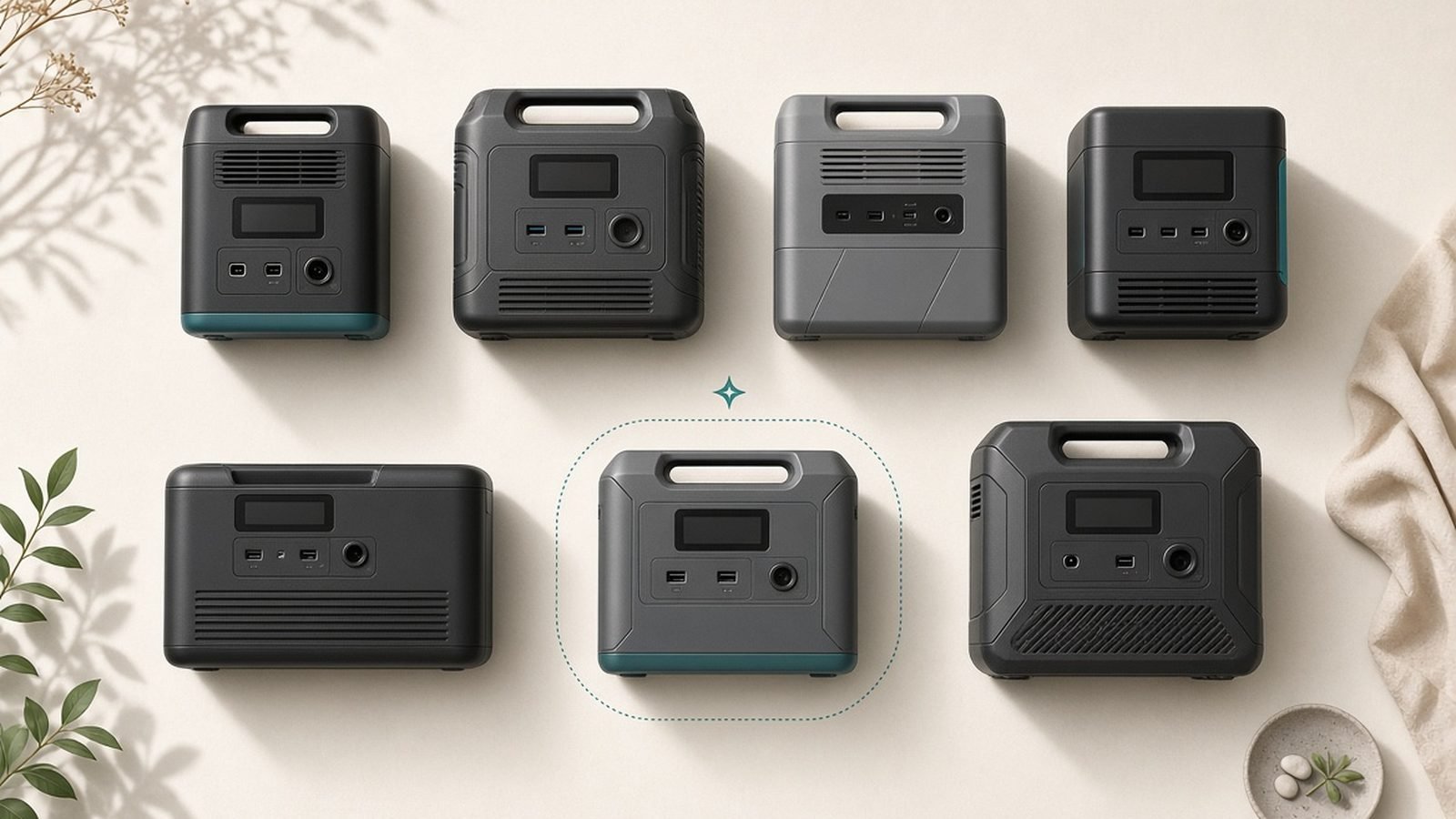
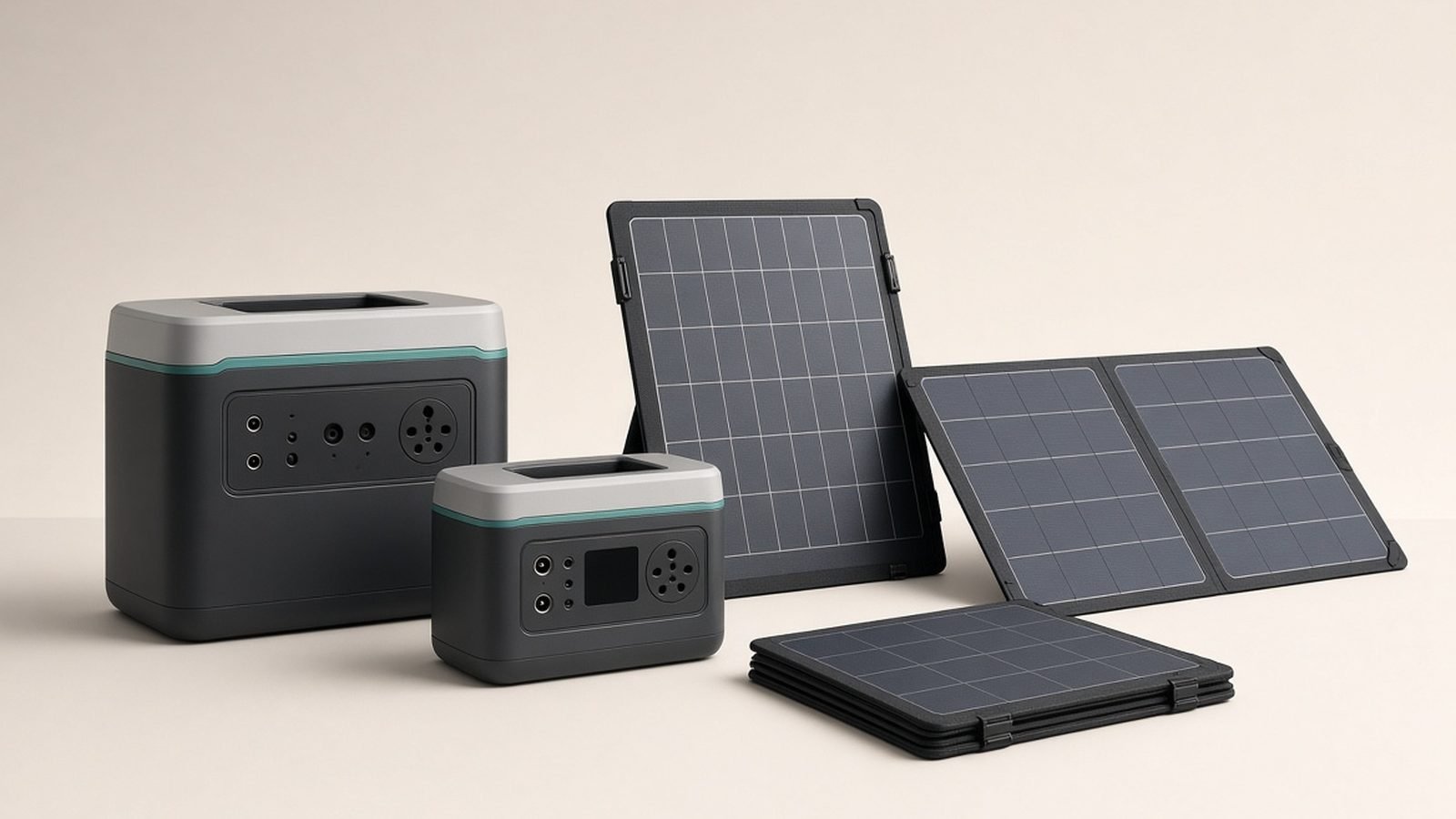
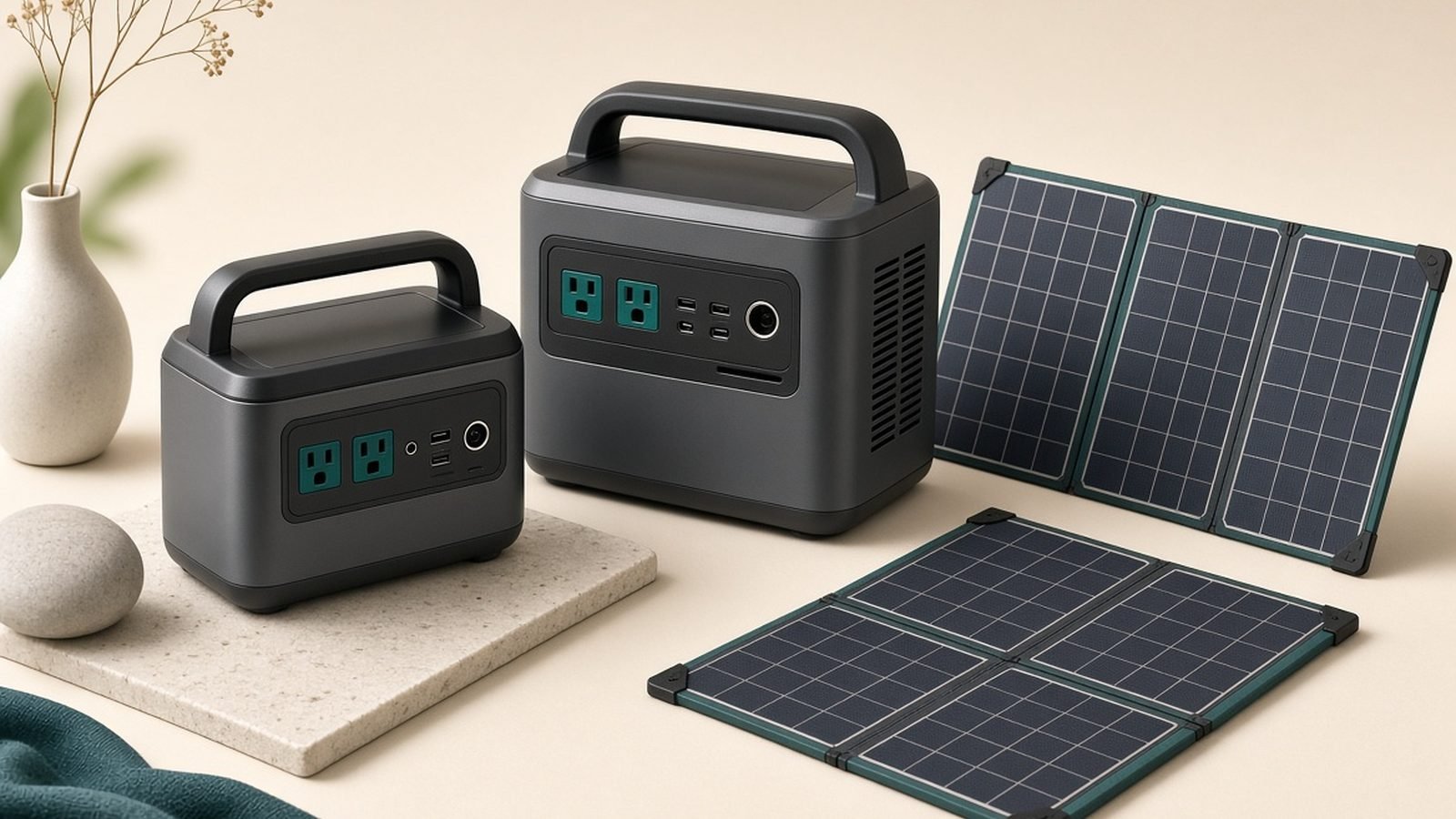
- Portable power stations: The AC line (e.g. AC180-class units) and smaller EB models covering camping, RVs, job sites, and emergency use.
- Expandable home backup: The AC and EP series with add-on battery modules that scale to large capacities for whole-home or partial-home backup.
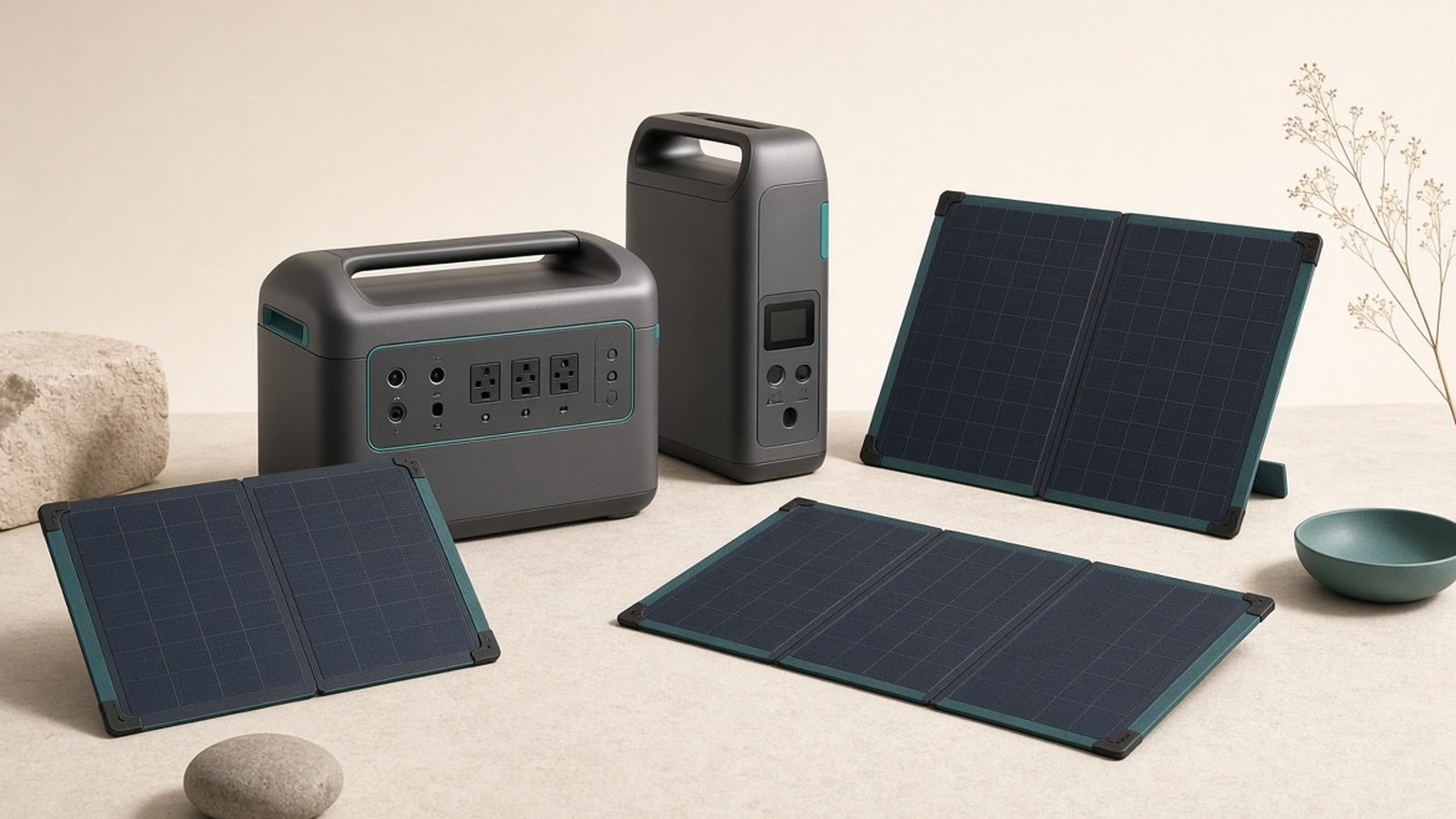
- Solar panels: Portable folding and rigid panels to recharge stations off-grid.
- Modular energy systems: Higher-end setups designed for serious off-grid and home-integration use.
- Accessories: Extra battery modules, charging enhancers, and app-based monitoring.
Standout Bluetti products in 2026
Bluetti AC180 (and AC-series siblings). A popular mid-size portable station: strong capacity, LiFePO4 cells, fast AC recharge relative to earlier Bluetti units, and solid output. It is a core pick in our Best Portable Power Stations 2026: The Complete Guide guide.
Bluetti AC / EP expandable systems. The larger units with add-on batteries that scale to big capacities for home backup — the ones to compare in a Best Portable Power Stations 2026: The Complete Guide shortlist, where Bluetti’s value per watt-hour is often the standout.
Bluetti EB-series compact stations. Smaller, lighter units for weekend trips and device charging — a natural step up for readers coming from Best Power Banks for Laptops in 2026: 100W+ Picks Compared who need more runtime.
Bluetti solar panels. Folding portable panels that pair with the stations for off-grid recharging, central to building a Best Portable Power Stations 2026: The Complete Guide setup around Bluetti.
Bluetti modular home-energy systems. For serious off-grid and partial-home-integration buyers, Bluetti’s higher-end modular systems offer capacity and expandability that few rivals match at the price.
For most people, an AC-series station is the right entry point; expand with extra batteries or step into the EP systems only when whole-home backup is the goal.
Strengths
Outstanding value and capacity per dollar. Bluetti consistently offers more watt-hours and expandability for the money than most rivals, especially on larger systems.
Long-life LiFePO4 batteries throughout. An early, consistent adopter of lithium iron phosphate cells rated for thousands of cycles, favoring longevity and safety.
Strong expandability. Add-on battery modules let a single system scale from portable use to substantial home backup.
Good output and features. Solid continuous and surge output, plenty of ports, and app monitoring on current models.
Enthusiast-favored for off-grid and prepping. A loyal community and product range aimed squarely at serious off-grid, RV, and emergency-preparedness buyers.
Weaknesses & criticisms
Charging can be slower than EcoFlow. While recent AC models improved AC recharge speed, Bluetti historically trailed EcoFlow’s fast charging, and some units still do.
Support and warranty experiences vary. Customer-service and RMA experiences are inconsistent by region and issue, a common complaint for fast-growing direct-to-consumer power brands.
Heavier, more utilitarian designs. Bigger capacity often means bigger, heavier units, and the styling is functional rather than refined.
Sprawling, fast-changing lineup. Many models and variants make it hard to know which unit is current and how batteries and panels cross-compatibility works.
App and firmware quirks. As with rivals, some features rely on the app, and firmware can occasionally be finicky.
Reliability & support
Bluetti’s hardware reliability is generally well regarded, helped by its consistent use of LiFePO4 cells rated for long cycle life and by solid inverter and output performance that matches specs in typical use. The company backs products with multi-year warranties (commonly around five years on many current power stations), which is competitive and reflects reasonable confidence in the batteries. For buyers focused on capacity and longevity, the fundamentals are strong.
The weaker link is the service experience rather than the hardware: customer-support responsiveness and warranty-claim handling draw inconsistent reviews depending on region, and resolving issues can take patience. Because the lineup evolves quickly, confirm you are buying the current model and that any solar panels and expansion batteries are compatible with your exact unit. Firmware and app behavior are generally fine but occasionally quirky. Overall, Bluetti is a dependable, value-led choice on hardware, with the main caveat being to set expectations about support and, on some models, charging speed.
Who should buy Bluetti
Buy Bluetti if value, capacity, and expandability are your priorities — particularly for home backup, off-grid living, RVs, and emergency preparedness where more watt-hours per dollar and modular growth matter most. It suits budget-conscious buyers who still want long-life LiFePO4 batteries and serious capacity, and enthusiasts building an off-grid or solar setup. The AC line fits most; the EP and modular systems are for whole-home ambitions.
Look elsewhere if you want the fastest charging and the most polished app, where EcoFlow generally leads, or the simplest grab-and-go unit, where Jackery is easier. Compare all three in Best Portable Power Stations 2026: The Complete Guide, and weigh whole-home options in Best Portable Power Stations 2026: The Complete Guide and Best Portable Power Stations 2026: The Complete Guide.
FAQ
Is Bluetti a good brand?
Yes — Bluetti is one of the best value brands in portable power, offering strong capacity, expandability, and long-life LiFePO4 batteries for the money. The main trade-offs are charging speed on some models and inconsistent support experiences.
Is Bluetti reliable?
Generally yes. Its hardware uses long-life LiFePO4 cells, build quality is solid, and warranties are competitive (often around five years). The weaker area is customer service, which draws mixed reviews by region rather than frequent hardware failure.
Where is Bluetti from / who owns it?
Bluetti is operated by PowerOak and is headquartered in Shenzhen, China, with major sales operations across North America, Europe, and Australia. It grew largely through crowdfunding and direct-to-consumer sales.
Bluetti vs EcoFlow — which is better?
Bluetti usually wins on value and capacity per dollar, especially for home backup; EcoFlow usually wins on charging speed and app polish. Choose Bluetti for value and expandability, EcoFlow for features and fast charging — compare both in Best Portable Power Stations 2026: The Complete Guide.
Bluetti vs Jackery — which should I buy?
Bluetti offers more capacity and expandability for the money and skews toward home backup and off-grid use; Jackery is simpler and easier for grab-and-go camping. Match the unit to your capacity and use case with Best Portable Power Stations 2026: The Complete Guide.
Does Bluetti use LiFePO4 batteries?
Yes — Bluetti was an early, consistent adopter of lithium iron phosphate (LiFePO4) cells across its current range, which favors long cycle life and safety over the older lithium-ion chemistry some rivals used.
Zen Tech Hub may earn a commission from links on this page, at no extra cost to you.