Tuya is the brand you own without knowing it — the platform behind a huge share of the cheap smart plugs, bulbs, sensors, and cameras sold under hundreds of no-name labels, all controlled through the Smart Life or Tuya Smart apps. In 2026 it remains the fastest, cheapest way to make a home “smart.” Verdict: use Tuya-powered devices for low-cost, app-controlled convenience if you accept a cloud-dependent system and are comfortable with a Chinese platform’s data practices; look elsewhere if you prioritize privacy, local control, or long-term independence from a single vendor’s cloud.
Tuya’s genius is invisibility and low prices; its weaknesses are the cloud dependence and privacy questions that come with them. This profile covers what Tuya actually is, where it wins, and the caveats that matter.
Company overview
Tuya (Tuya Smart, legally Tuya Inc.) is a Chinese IoT company founded in 2014 and headquartered in Hangzhou, China. It is publicly listed on both the New York Stock Exchange and the Hong Kong Stock Exchange. Crucially, Tuya is not really a consumer brand in the normal sense — it is a platform-as-a-service (PaaS) company. It provides the cloud, firmware, and app infrastructure that thousands of other manufacturers use to build and sell white-label smart devices. That is why a bewildering array of budget gadgets from different “brands” all use the same Smart Life app and behave identically: they are all running Tuya’s platform underneath.
Tuya’s reputation is genuinely split. Among value shoppers and installers, it is beloved for making smart-home tech absurdly cheap and easy. Among privacy advocates, security researchers, and enthusiasts, it draws real criticism for being cloud-dependent, opaque about data handling, and headquartered in a jurisdiction that has prompted scrutiny from Western regulators and security-conscious buyers. Both views are accurate, which is exactly why a balanced look matters before you fill your home with Tuya devices.
What Tuya makes
Tuya’s “products” are mostly infrastructure and software that power other companies’ hardware:
- IoT PaaS platform: The cloud backend, device firmware, and connectivity that manufacturers embed in their products.
- Smart Life and Tuya Smart apps: The consumer apps that control the vast ecosystem of Tuya-powered devices from any brand.
- Reference designs and modules: Wi-Fi/Bluetooth/Zigbee modules and blueprints that let manufacturers ship a working smart device fast and cheap.
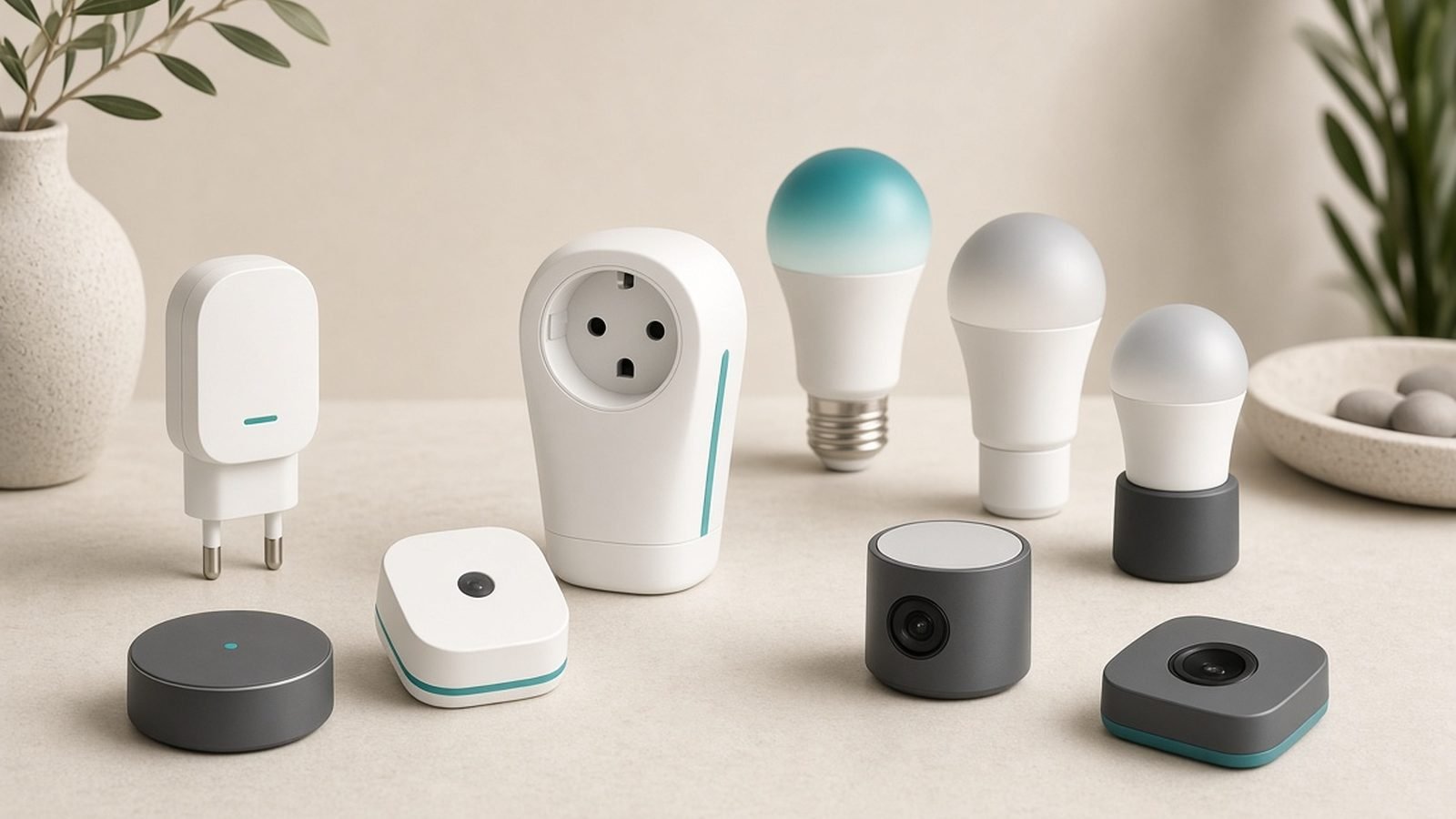
- Powered device categories: Through partners, effectively everything — smart plugs, bulbs and LED strips, sensors, cameras, thermostats, locks, and robot vacuums, all under third-party labels.
Standout Tuya products in 2026
Because Tuya is a platform, its “standout products” are the ecosystem and app rather than a single flagship gadget.
Smart Life app. The real hero product is the app that unifies thousands of white-label devices under one roof, letting you control plugs, bulbs, cameras, and sensors from dozens of brands in a single place, with scenes and automations. It is the reason people tolerate the no-name hardware — see how it fits a broader Best Smart Home Devices 2026: Where to Start plan.
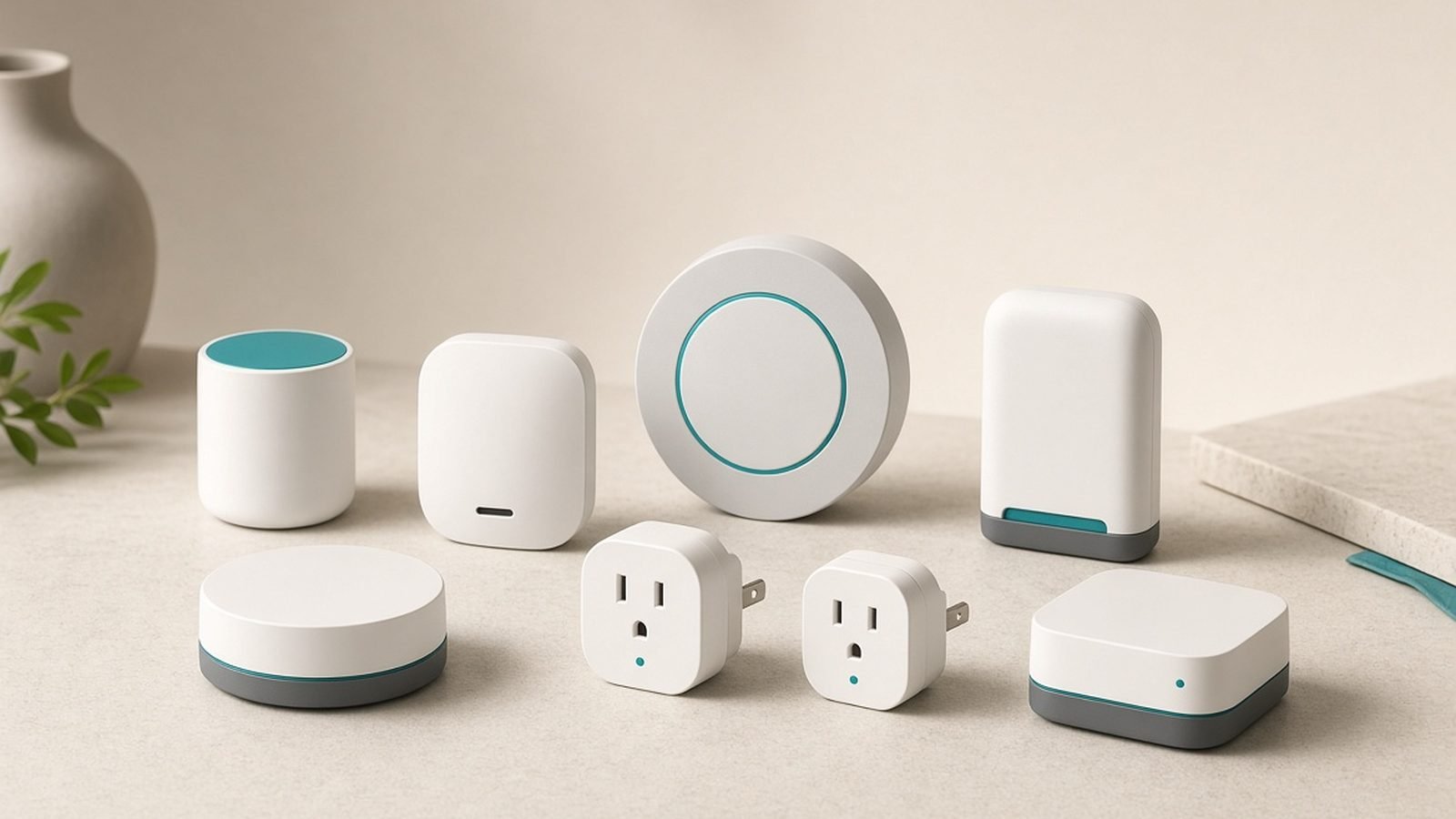
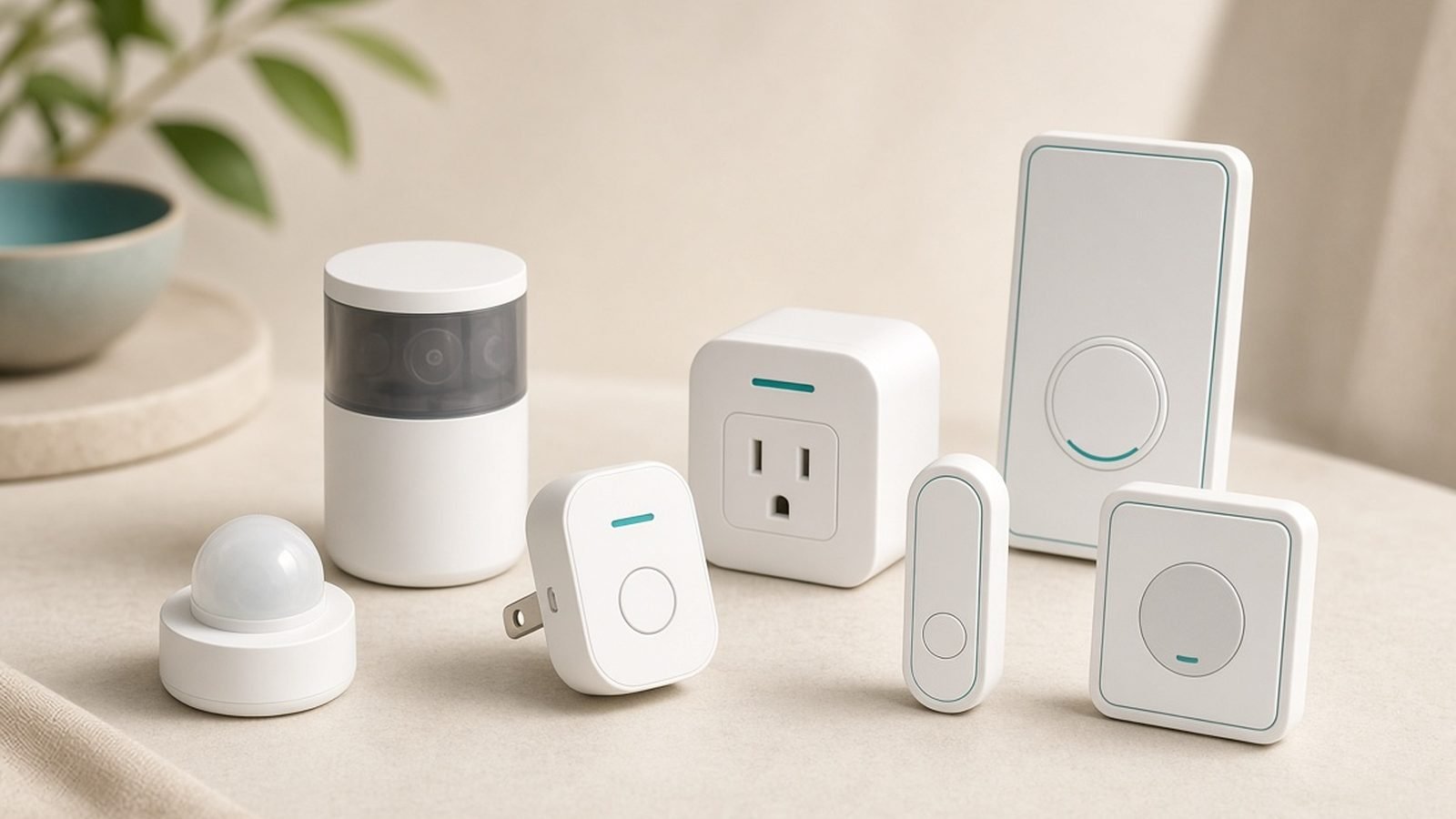
Tuya-powered smart plugs and bulbs. The category Tuya arguably conquered: dirt-cheap Wi-Fi plugs and color bulbs sold under countless labels, all set up in seconds through Smart Life. For basic automation on a budget, nothing is cheaper.
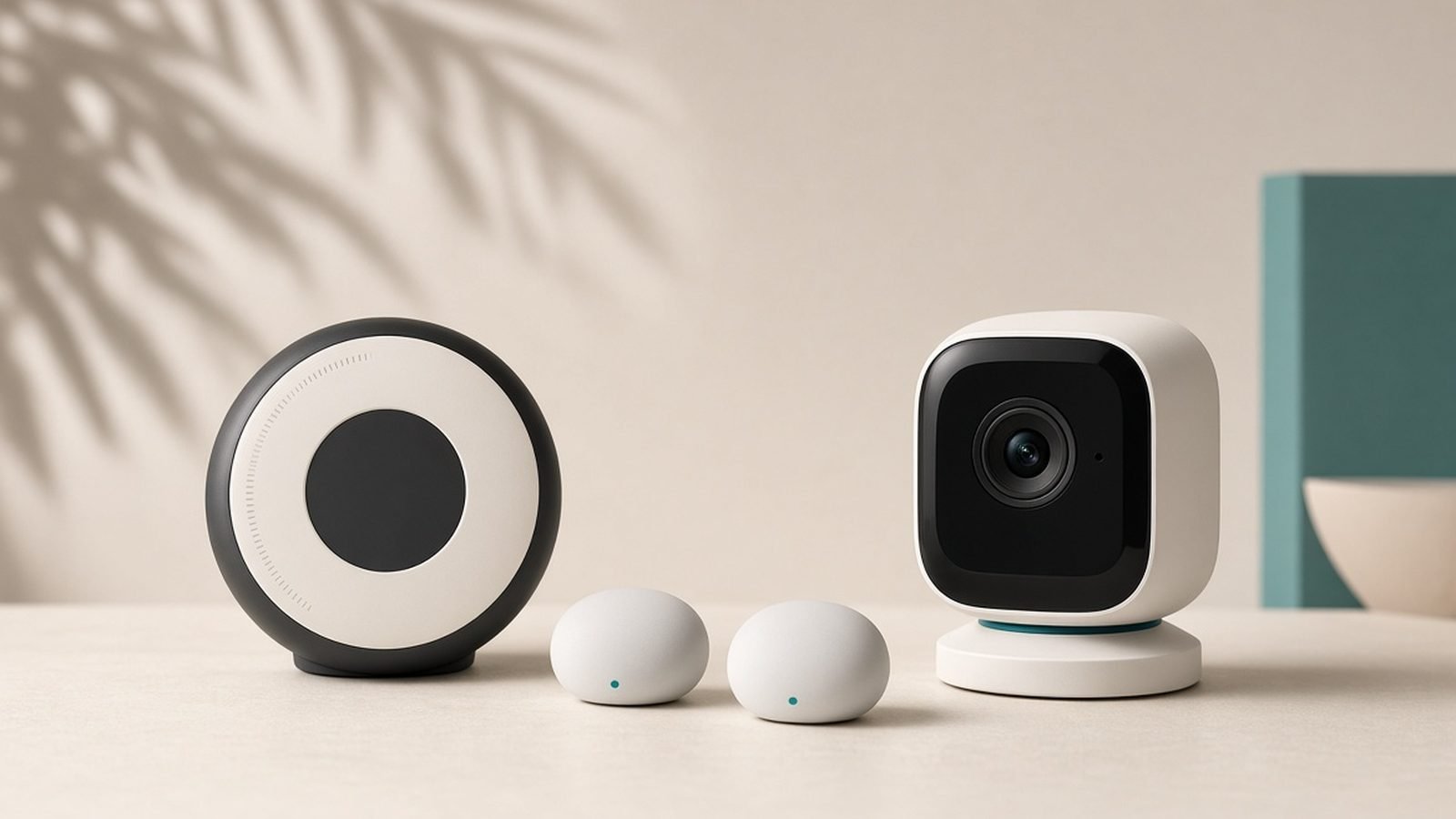
Tuya-powered cameras and sensors. Inexpensive Wi-Fi cameras, motion sensors, and contact sensors flood the market on Tuya’s platform. They work, but the cloud dependence and privacy questions are most acute here — cross-shop dedicated brands and read What Is Matter? The Smart Home Standard Explained (2026) before betting your security on them.
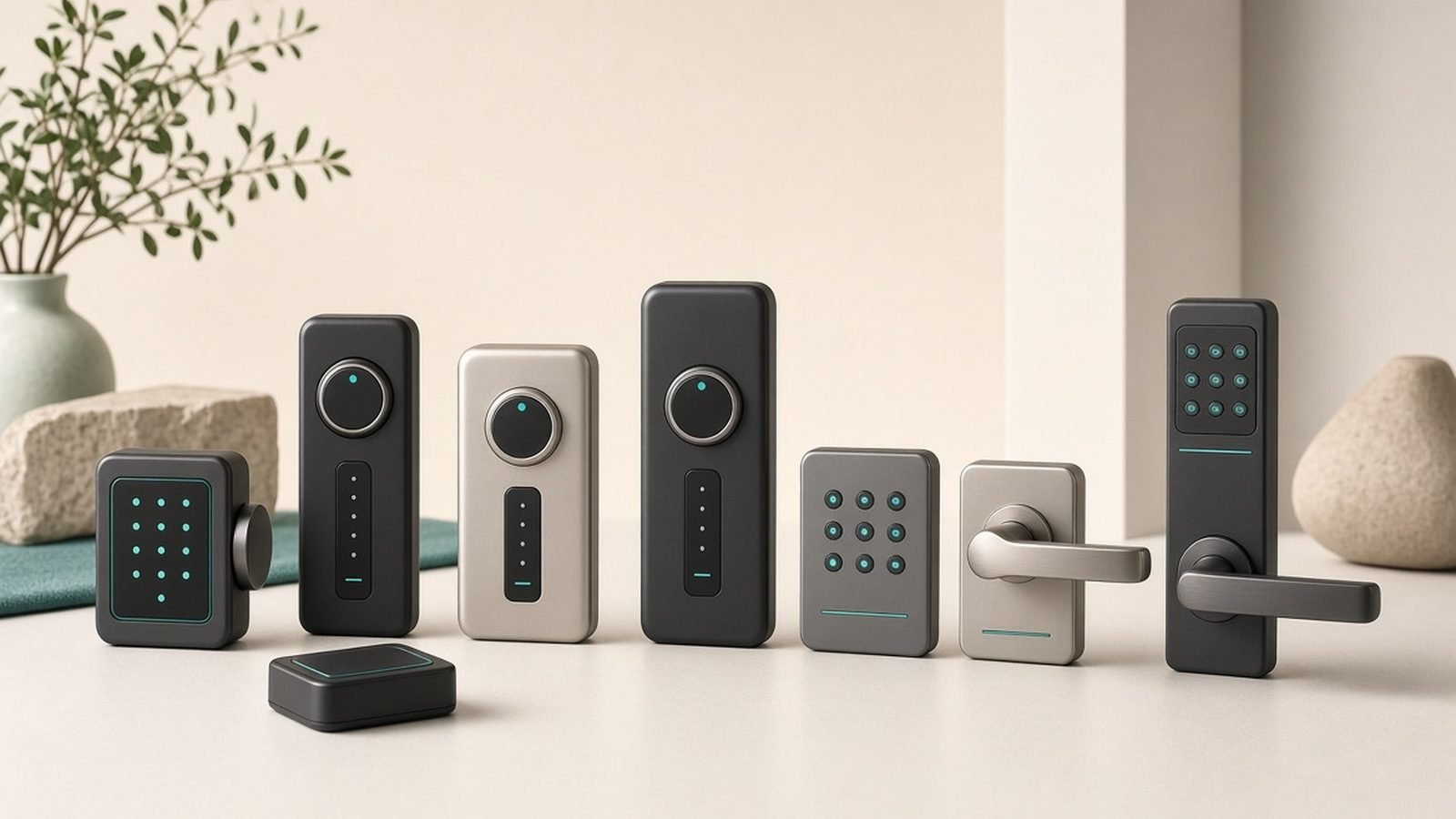
Tuya-powered locks. A growing category of budget smart locks run on Tuya; they are cheap and app-driven, but for a front door, weigh them carefully against established security brands in our Best Smart Locks 2026: Keyless Entry Compared & Ranked guide, where physical security and update track record matter more than price.
Tuya-powered devices are the budget floor of the market — smart plugs around $8–$12 / £7–£11 and bulbs around $10–$15 / £9–£13 are typical — which is central to the brand’s appeal.
Strengths
Rock-bottom prices. Tuya’s platform is why smart plugs and bulbs cost a fraction of name-brand equivalents; it democratized the smart home by making the hardware cheap.
One app for a huge ecosystem. The Smart Life app unifies thousands of devices from countless brands, so a mixed bag of budget gadgets still lives in a single, coherent app with scenes and automations.
Easy setup. Tuya devices are designed for painless onboarding — scan, connect to Wi-Fi, done — which makes them approachable for total beginners.
Voice-assistant compatibility. Most Tuya-powered devices work with Alexa and Google Assistant, so they slot into existing voice setups without fuss.
Massive availability. Because so many manufacturers use Tuya, its devices are everywhere and in every category, making it easy to find a cheap gadget for almost any need.
Weaknesses & criticisms
Cloud dependence. This is the core weakness. Most Tuya devices route through Tuya’s cloud servers, so functionality can degrade or fail without internet, and you are reliant on Tuya’s servers staying up and staying accessible in your region.
Privacy and security scrutiny. As a China-headquartered platform handling data from millions of homes, Tuya has drawn criticism and regulatory scrutiny in Western markets over data handling and transparency. Security researchers have flagged concerns with parts of the ecosystem over time. Privacy-conscious buyers treat cloud cameras and locks on Tuya with particular caution.
Little local control. Out of the box, Tuya is a cloud-first system with limited local operation, the opposite of privacy-focused platforms like Home Assistant. Enthusiasts often go to lengths to “localize” or reflash Tuya devices precisely to escape the cloud.
White-label opacity. Because the hardware is sold under countless anonymous brands, quality, support, and longevity vary wildly, and there is often no meaningful manufacturer to hold accountable if a device fails.
Uncertain long-term support. Individual white-label “brands” come and go, and firmware/update commitments are inconsistent, so a cheap device may be effectively abandoned.
Reliability & support
Day to day, Tuya-powered devices are reasonably reliable for simple tasks — a plug turns on, a bulb changes color — and the Smart Life app is generally stable. The reliability caveats are structural rather than about individual defects: because the system leans on Tuya’s cloud, outages, regional access issues, or a vendor pulling support can knock out functionality in ways a local system would not. Response times for cloud commands are also at the mercy of server load and your connection.
Support is where the white-label model hurts most. There is rarely a real manufacturer behind the specific “brand” on the box, so warranty and support quality range from decent to nonexistent, and you are often reliant on the retailer rather than Tuya itself. Tuya as a platform doesn’t provide consumer support for the end devices; that falls to whichever seller shipped them. The practical result: buy Tuya devices as cheap, semi-disposable conveniences, not as heirloom hardware you expect to be supported for a decade. For anything security-critical, the reliability and support picture argues for spending more on an accountable, ideally local-capable brand.
Who should buy Tuya
Use Tuya-powered devices if your priority is making a home smart cheaply and easily, you are comfortable with a cloud-based system, and the devices are for low-stakes convenience — smart plugs, mood lighting, and simple automations. It is ideal for beginners dipping a toe in, renters who want temporary convenience, and anyone furnishing a lot of rooms on a tight budget through the Smart Life app.
Look elsewhere if you prioritize privacy, want local control, or are outfitting security-critical devices like cameras and door locks — a local-first platform like Home Assistant or accountable name brands are safer bets. Weigh the trade-offs in our Best Smart Home Devices 2026: Where to Start guide, treat security devices with extra care via Best Smart Locks 2026: Keyless Entry Compared & Ranked, and read What Is Matter? The Smart Home Standard Explained (2026) if you want devices that can eventually work without a single vendor’s cloud.
FAQ
Is Tuya a good brand?
Tuya is a good platform for cheap, easy, app-controlled smart-home convenience, and its Smart Life app unifies a huge ecosystem. But it is cloud-dependent and has drawn privacy scrutiny, so it is a qualified yes: great for low-stakes budget gadgets, less ideal for privacy-sensitive or security-critical uses.
Is Tuya reliable?
Reasonably reliable for simple tasks, with a generally stable app. The main reliability concern is structural: because most devices depend on Tuya’s cloud, internet outages or server/regional issues can disrupt functionality, unlike a local-first system.
Is Tuya safe to use?
For basic devices like plugs and bulbs, most users have no issues. However, as a China-headquartered cloud platform, Tuya has faced privacy and security scrutiny in Western markets, and researchers have raised concerns over time. Privacy-conscious buyers are especially cautious with Tuya-powered cameras and locks.
Where is Tuya from and who owns it?
Tuya (Tuya Inc.) is a Chinese IoT company founded in 2014 and headquartered in Hangzhou, China. It is publicly traded on both the New York and Hong Kong stock exchanges. It is a platform company, not a traditional consumer brand.
Why do so many different brands use the same Smart Life app?
Because Tuya is a platform-as-a-service provider: hundreds of manufacturers build white-label devices on Tuya’s cloud, firmware, and app infrastructure. They all use the Smart Life (or Tuya Smart) app, which is why gadgets from many “brands” behave identically.
Does Tuya support Matter or local control?
Tuya has added some Matter-compatible products and offers limited local options, but its ecosystem is fundamentally cloud-first. Enthusiasts often reflash Tuya devices to run locally with platforms like Home Assistant. See What Is Matter? The Smart Home Standard Explained (2026) for how Matter can reduce dependence on any single vendor’s cloud.
Zen Tech Hub may earn a commission from links on this page, at no extra cost to you.