If you run Home Assistant, SmartThings, or Hubitat and want to fill a house with sensors and buttons without spending a fortune, Third Reality is the budget brand the DIY community keeps recommending in 2026. It makes inexpensive Zigbee (and increasingly Matter) gadgets — motion sensors, contact sensors, buttons, smart plugs, and clever niche devices — that punch above their price. Verdict: buy Third Reality if you want affordable, hub-based smart-home hardware and you are comfortable tinkering; look elsewhere if you want premium build quality, a polished first-party app, or a brand with a long, proven support track record.
Third Reality’s whole appeal is value for hands-on users, and its weaknesses are the flip side of that same coin. This profile covers what it makes, where it shines, and the honest caveats.
Company overview
Third Reality is a smart-home hardware company based in California (Fremont/Milpitas area), focused on making affordable connected devices that work with the open smart-home ecosystem rather than a walled garden. It has built its reputation almost entirely within enthusiast communities — Reddit’s smart-home forums, the Home Assistant and SmartThings communities, and Hubitat users — where its low prices and steady stream of new gadgets have earned it a loyal following.
Third Reality is a smaller, more agile company than the big smart-home names, and it leans into that: it iterates quickly, listens to community feedback, and frequently releases devices that fill gaps the majors ignore (novelty items like a smart night light, a vibration sensor, or a “smart button” for automations). Its reputation is that of a scrappy value brand — genuinely useful and cheap, but without the polish, marketing, or long-term guarantees of an Aqara or a Philips. For the audience that wants inexpensive, standards-based hardware, that trade is usually worth it.
What Third Reality makes
Third Reality’s catalog is broad and budget-focused:
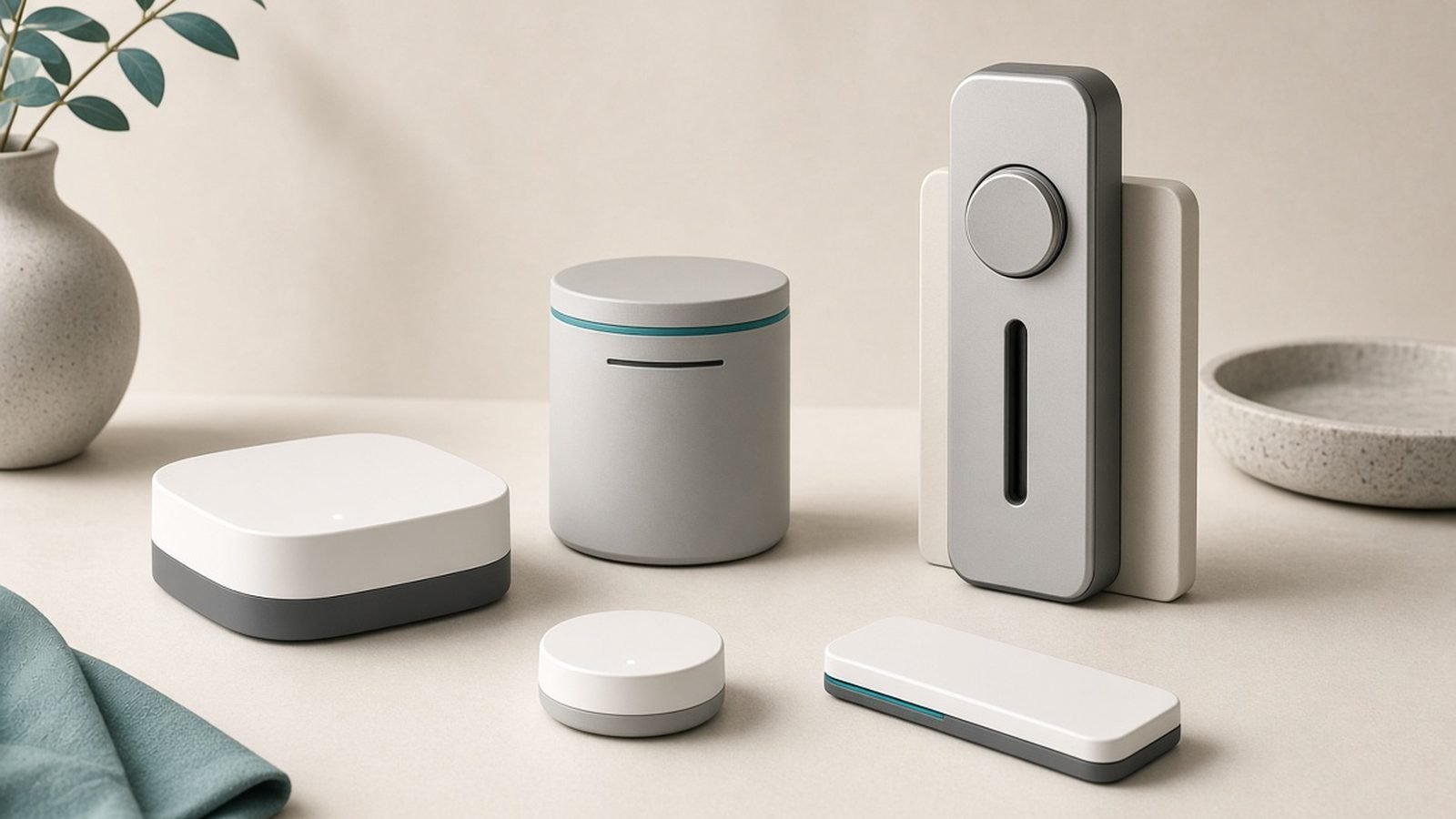
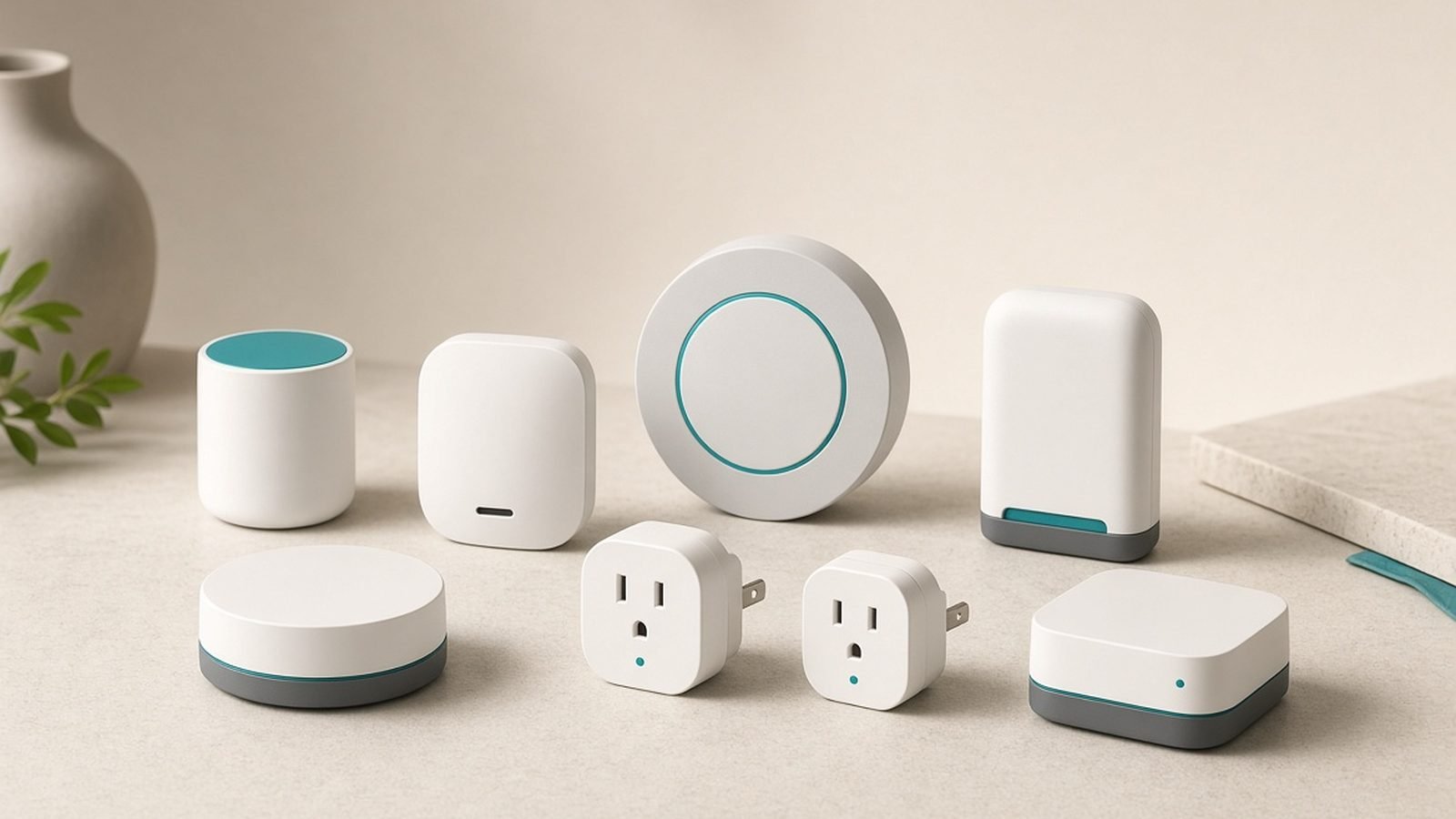
- Zigbee sensors: Motion sensors, door/window contact sensors, temperature/humidity sensors, and vibration sensors at low prices.
- Buttons and controllers: Smart buttons and multi-function switches designed to trigger automations, a Third Reality specialty.
- Smart plugs and outlets: Zigbee and Matter plugs, some with energy monitoring.
- Lighting and novelty devices: Smart night lights, LED strips, and quirky one-off gadgets that appeal to tinkerers.
- Matter devices: A growing line of Matter-over-Thread and Matter-over-Wi-Fi products as the brand moves toward the new standard.
Standout Third Reality products in 2026
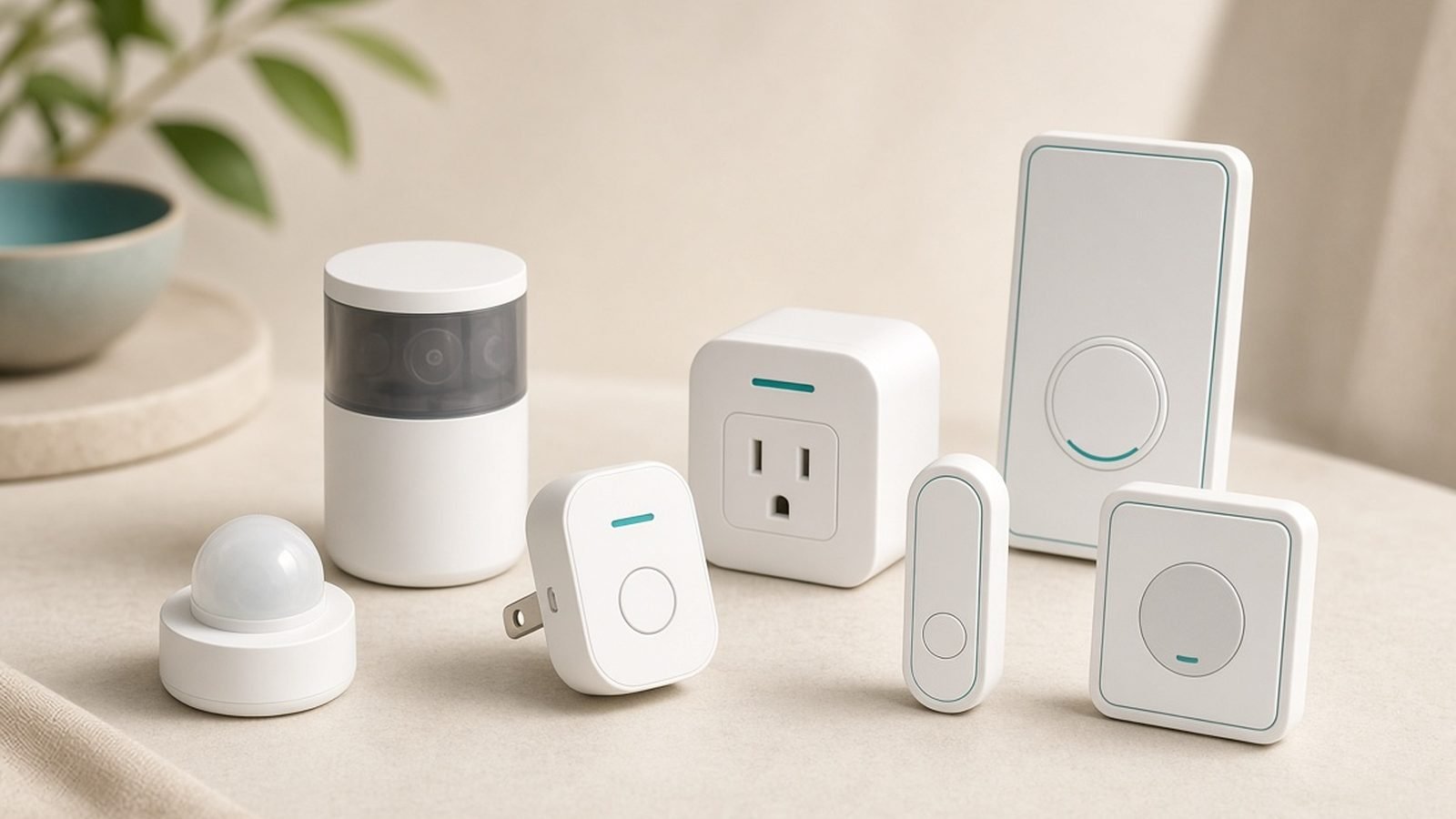
Third Reality Zigbee Motion Sensor. The motion sensor is a community staple: cheap, small, battery-powered, and reliable enough to scatter around a home for lighting and presence automations. At its price, it makes whole-home motion sensing genuinely affordable, and it slots straight into a broader Best Smart Home Devices 2026: Where to Start setup.
Third Reality Smart Button. A single- or multi-press Zigbee button that triggers scenes and automations — the kind of low-cost building block that DIY users buy in multiples to put a physical control on any automation, from lights to locks in a Best Smart Locks 2026: Keyless Entry Compared & Ranked routine.
Third Reality Zigbee Contact Sensor. An inexpensive door/window sensor for security and automation triggers; buying several to cover a whole house costs a fraction of premium-brand equivalents.
Third Reality Matter Smart Plug. As the brand pivots toward the new standard, its Matter plugs let you add controllable outlets that work across ecosystems without a proprietary hub — read What Is Matter? The Smart Home Standard Explained (2026) for why that cross-compatibility matters.
Most Third Reality devices sell for around $15–$25 / £13–£22, which is the whole point: it is one of the cheapest routes to a sensor-rich smart home.
Strengths
Outstanding value. This is the headline. Third Reality consistently undercuts premium brands, so you can deploy motion, contact, and button devices across an entire home for what a few name-brand sensors would cost.
Standards-based and hub-friendly. Its Zigbee and Matter devices work with open platforms — Home Assistant, SmartThings, Hubitat — rather than locking you into a proprietary app, which is exactly what its DIY audience wants.
Fills niche gaps. Third Reality releases clever, specific devices (smart buttons, vibration sensors, novelty lights) that bigger brands overlook, making it a go-to for filling automation gaps.
Responsive to the community. The brand is active in enthusiast forums and iterates based on feedback, sometimes fixing firmware quirks or adding requested features faster than larger companies.
Low-risk experimentation. Because devices are so cheap, they are ideal for experimenting with automations without a big financial commitment.
Weaknesses & criticisms
Budget build quality. You feel the price in the materials — plastics and finishes are basic, and the devices don’t have the premium heft or design of pricier rivals. They work, but they look and feel cheap.
Inconsistent firmware and pairing. Because it iterates fast and prices low, some devices have shipped with firmware quirks, occasional Zigbee pairing headaches, or spotty behavior on certain hubs that require community workarounds.
No polished first-party app. Third Reality depends on your hub’s software; there is no slick, hand-holding Third Reality app, so the experience is only as good as the platform you pair it with — not beginner-friendly.
Shorter, less-proven support track record. As a smaller, younger brand, it lacks the long-term update and warranty history of established players, so buyers take a bit more of a gamble on longevity.
Battery and reliability variance. Cheap sensors can vary unit-to-unit; most are fine, but the value equation includes accepting the occasional dud or shorter battery life.
Reliability & support
Third Reality’s reliability is best described as “good for the price.” The core sensors and buttons are dependable enough that the community deploys them widely, and most units run for a long time on a coin-cell battery. But because the brand competes on cost and speed, there is more unit-to-unit variance and more reliance on firmware updates and community troubleshooting than with premium brands. Pairing to a hub is usually straightforward but occasionally needs a retry or a specific procedure documented in a forum.
Support is community-forward rather than corporate. Third Reality is reachable and does provide firmware and help, and it has a reputation for engaging with users, but the practical safety net is the large base of Home Assistant and SmartThings users who have documented how to get each device working well. Warranties are standard-consumer and modest. For the budget, hands-on audience Third Reality targets, that is an acceptable trade; for someone who wants a set-and-forget device with a decade of guaranteed support, it is a reason to pay more elsewhere.
Who should buy Third Reality
Buy Third Reality if you run an open smart-home platform, want to add lots of sensors, buttons, and plugs cheaply, and you enjoy (or at least tolerate) a bit of tinkering. It is ideal for Home Assistant, SmartThings, and Hubitat users building sensor-rich automations on a budget, and for anyone who wants to experiment without spending premium money. Its smart buttons in particular are a community favorite for adding physical controls to automations.
Look elsewhere if you want premium materials, a polished consumer app that holds your hand, or a brand with a long, guaranteed support history — an Aqara, Philips Hue, or Aeotec device will feel more refined. Newcomers should start with our Best Smart Home Devices 2026: Where to Start guide to pick a platform, and read What Is Matter? The Smart Home Standard Explained (2026) before betting on Matter-only devices.
FAQ
Is Third Reality a good brand?
Yes, for budget-conscious, hands-on users. Third Reality makes cheap, standards-based Zigbee and Matter devices that work with open platforms like Home Assistant and SmartThings. The value is excellent; the trade-offs are basic build quality and a shorter support track record than premium brands.
Is Third Reality reliable?
Reliable for the price. Its sensors and buttons are dependable enough that the DIY community deploys them widely, though there is more unit-to-unit variance and occasional firmware or pairing quirks than with premium brands. Most devices run for a long time on a single battery.
Where is Third Reality from and who owns it?
Third Reality is a California-based smart-home hardware company (Fremont/Milpitas area). It is an independent, smaller company focused on affordable, standards-based devices rather than part of a large conglomerate.
Does Third Reality work with SmartThings and Home Assistant?
Yes. Third Reality’s Zigbee and Matter devices are designed to work with open platforms including SmartThings, Home Assistant, and Hubitat, which is a big part of why the DIY community favors the brand. There is no proprietary hub requirement.
Third Reality vs Aqara — which should I buy?
Third Reality is cheaper and more DIY-focused; Aqara offers more polish, better build quality, and a more coherent app/ecosystem (with HomeKit support on many devices). For rock-bottom prices and hub-based tinkering, choose Third Reality; for a more refined, semi-mainstream experience, consider Aqara.
Does Third Reality support Matter?
Increasingly, yes. Third Reality has a growing line of Matter devices (plugs and others) alongside its Zigbee catalog. Check the specific product’s listed protocol, and see What Is Matter? The Smart Home Standard Explained (2026) for what Matter compatibility gets you across ecosystems.
Zen Tech Hub may earn a commission from links on this page, at no extra cost to you.