Garmin makes the GPS sports watches serious runners, cyclists, triathletes, and outdoor adventurers actually train with — and in 2026 it has no real equal for depth of sports data and battery life. The short verdict: if your priority is training analytics, multi-week battery, rugged durability, and precise GPS, Garmin is the clear choice over an Apple Watch or a general smartwatch. The trade-offs are steep prices at the top end, a smartwatch and app experience that’s more functional than slick, and a lineup so large it’s genuinely confusing to shop.
Buy Garmin if you’re an athlete or outdoors enthusiast who wants a training tool that lasts for days or weeks between charges. Look elsewhere if you mainly want a polished everyday smartwatch, tight phone integration, or the lowest price.
Company overview
Garmin was founded in 1989 by Gary Burrell and Min Kao (the name is a portmanteau of their first names) and is headquartered in Olathe, Kansas, with the parent company incorporated in Switzerland. It’s publicly traded (NYSE: GRMN). Garmin began in GPS navigation — aviation, marine, and automotive — and that positioning heritage still runs through everything it makes.
Today Garmin is far more than watches. It’s a diversified GPS and sensor company spanning fitness wearables, outdoor and adventure devices, cycling computers and sensors, aviation avionics, marine electronics, and inReach satellite communicators. The fitness and outdoor wearables are the consumer face of the brand, but the underlying expertise in positioning, sensors, and rugged hardware is what separates Garmin from lifestyle smartwatch makers.
In late 2024 Garmin experienced a notable multi-day service outage that disrupted Garmin Connect syncing, a reminder that even a hardware-first company depends on cloud services — though the devices themselves keep recording data offline during such events.
What Garmin makes
Garmin’s wearable and adjacent consumer lineup in 2026 includes:
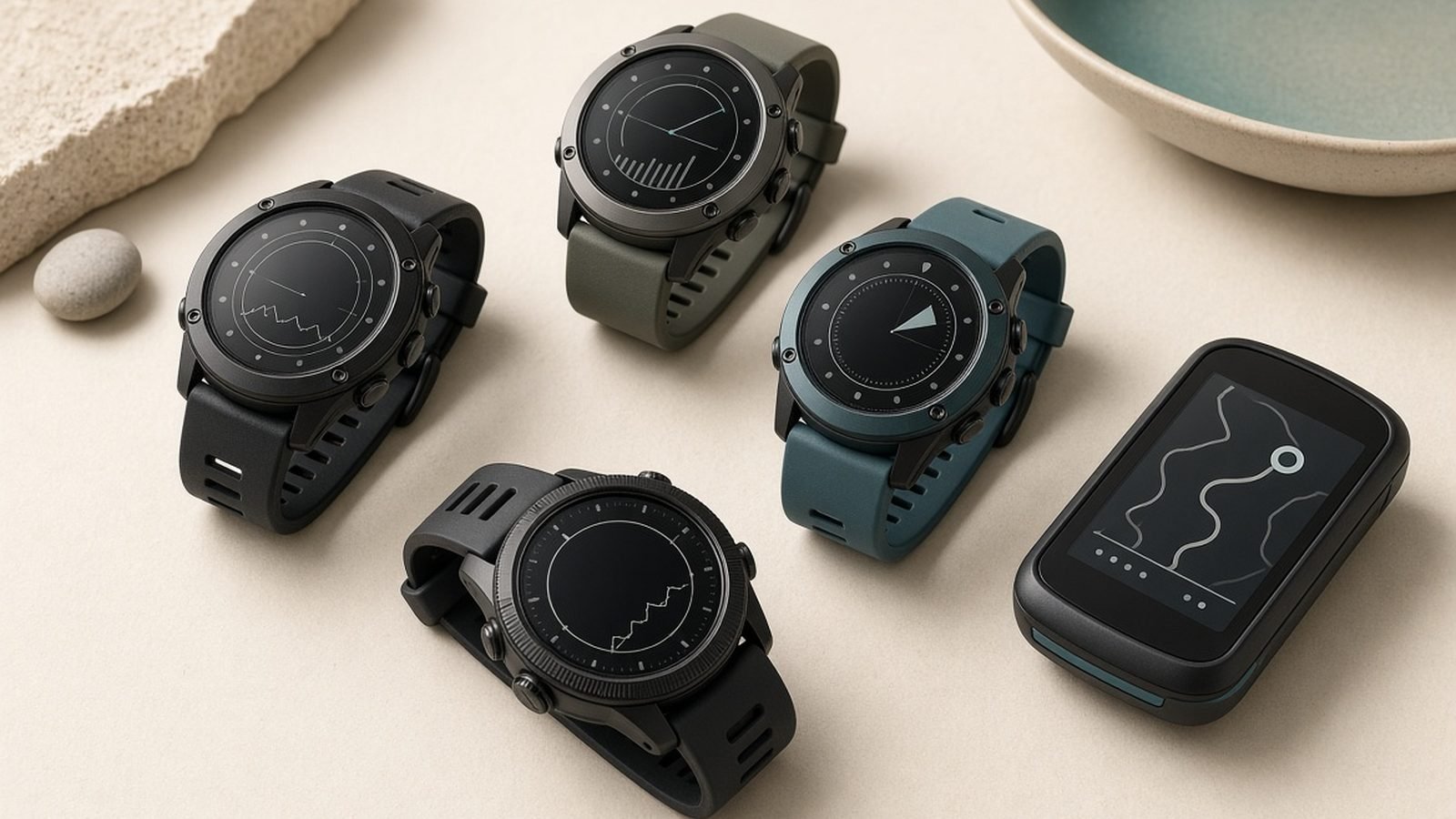
- Multisport and adventure watches — the flagship Fenix 8 and the premium titanium/solar variants, plus the rugged tactical and Enduro ultra-endurance models.
- Running and triathlon watches — the Forerunner line, from the entry Forerunner 165 up to the flagship Forerunner 970 with AMOLED display and advanced training metrics.
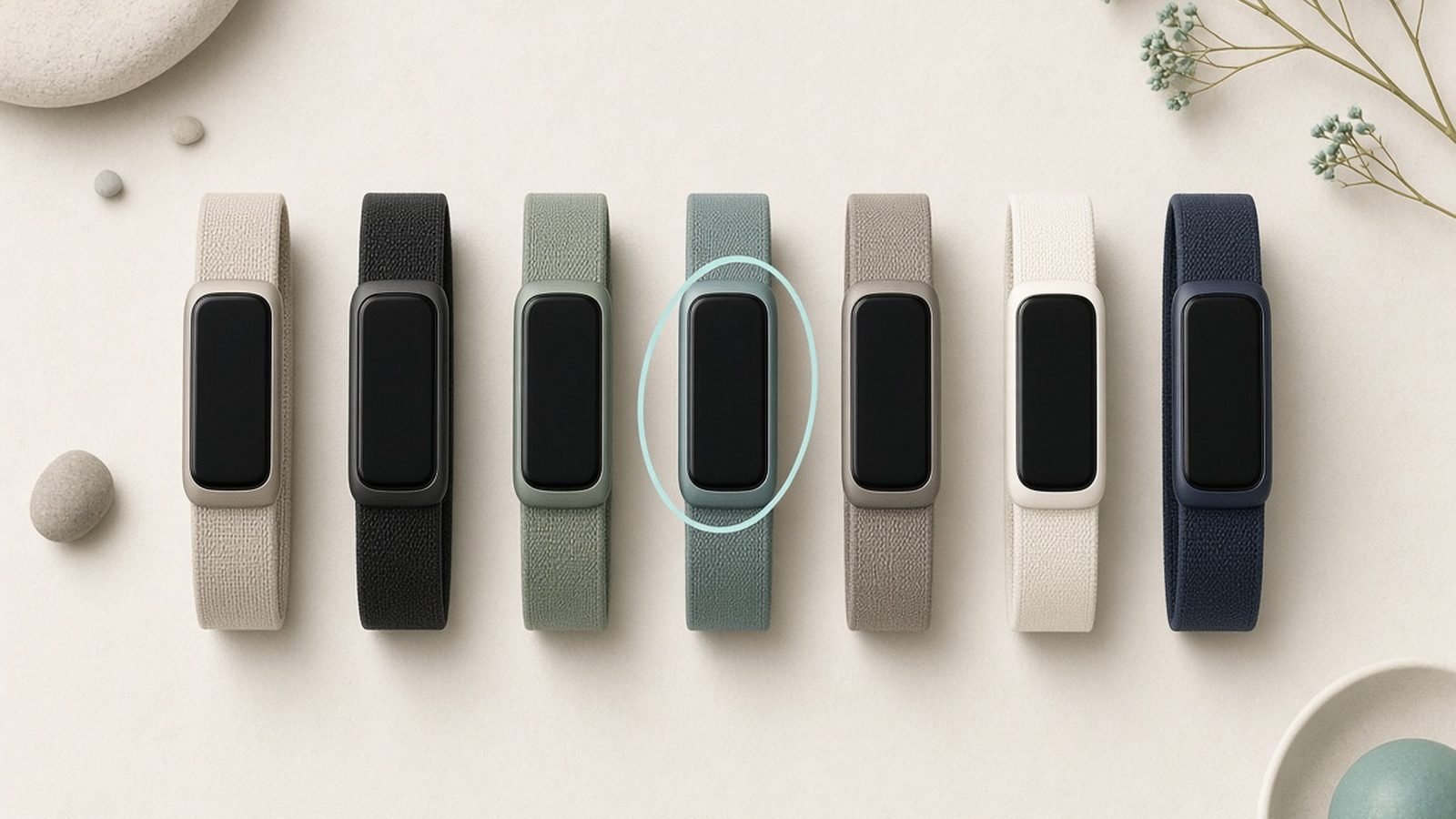
- Everyday and lifestyle wearables — the Venu AMOLED smartwatches, the vívoactive, and the slim Lily line, aimed at broader health and wellness use.
- Fitness bands — the vívosmart-style trackers for people who want stats without a full watch.
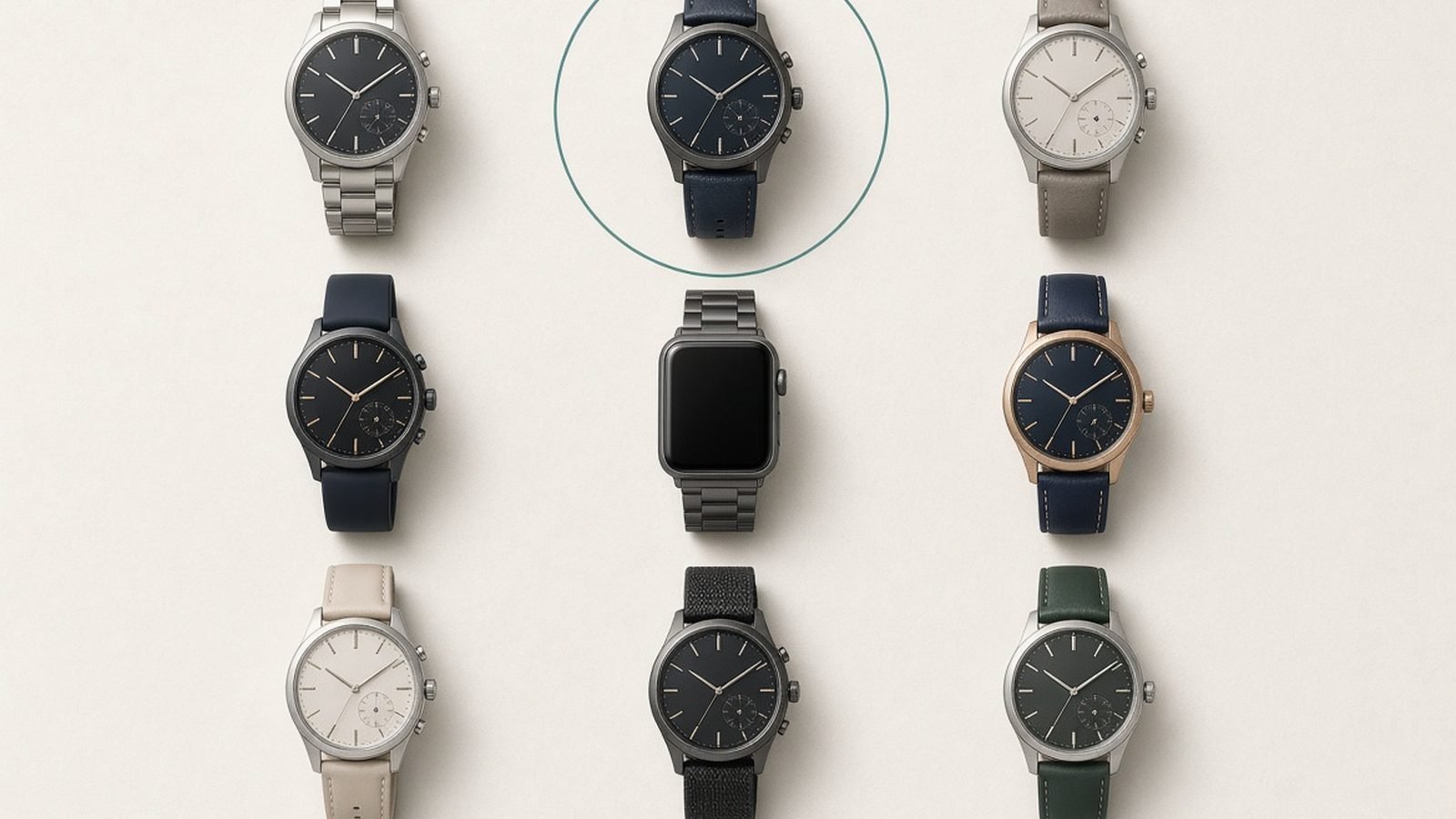
- Premium and luxury — the MARQ collection of high-end tool watches.
- Cycling — Edge bike computers, Rally power-meter pedals, Varia radar, and sensors.
- Outdoor and safety — inReach satellite messengers, handheld GPS units, and the Instinct rugged watch line.
Everything syncs to the Garmin Connect app, and Garmin runs Connect IQ, its own app store for watch faces, data fields, and apps.
Standout products in 2026
Garmin Fenix 8 — around $999+ / £959+. The flagship multisport adventure watch and the do-everything option: AMOLED or solar MIP display choices, a built-in flashlight on some models, multi-week battery, full mapping, and the deepest sports and outdoor feature set Garmin offers. It anchors our Best Running Watches 2026: Top Picks Compared & Ranked and Best Garmin Watch 2026: Which Model Is Right for You? guides. Expensive, but nothing matches its combination of battery, ruggedness, and data.
Garmin Forerunner 970 — around $749 / £629. The flagship running and triathlon watch: bright AMOLED screen, advanced running dynamics, a training readiness and load system that genuinely guides workouts, and long battery. A top pick on our Best Running Watches 2026: Top Picks Compared & Ranked and Best Smartwatches 2026: 7 Top Picks for Every Budget guides for dedicated athletes.
Garmin Forerunner 165 — around $249 / £249. The value entry point to serious Garmin training, with AMOLED display and the core metrics most runners actually use. Our usual recommendation for someone getting into structured training without spending flagship money.
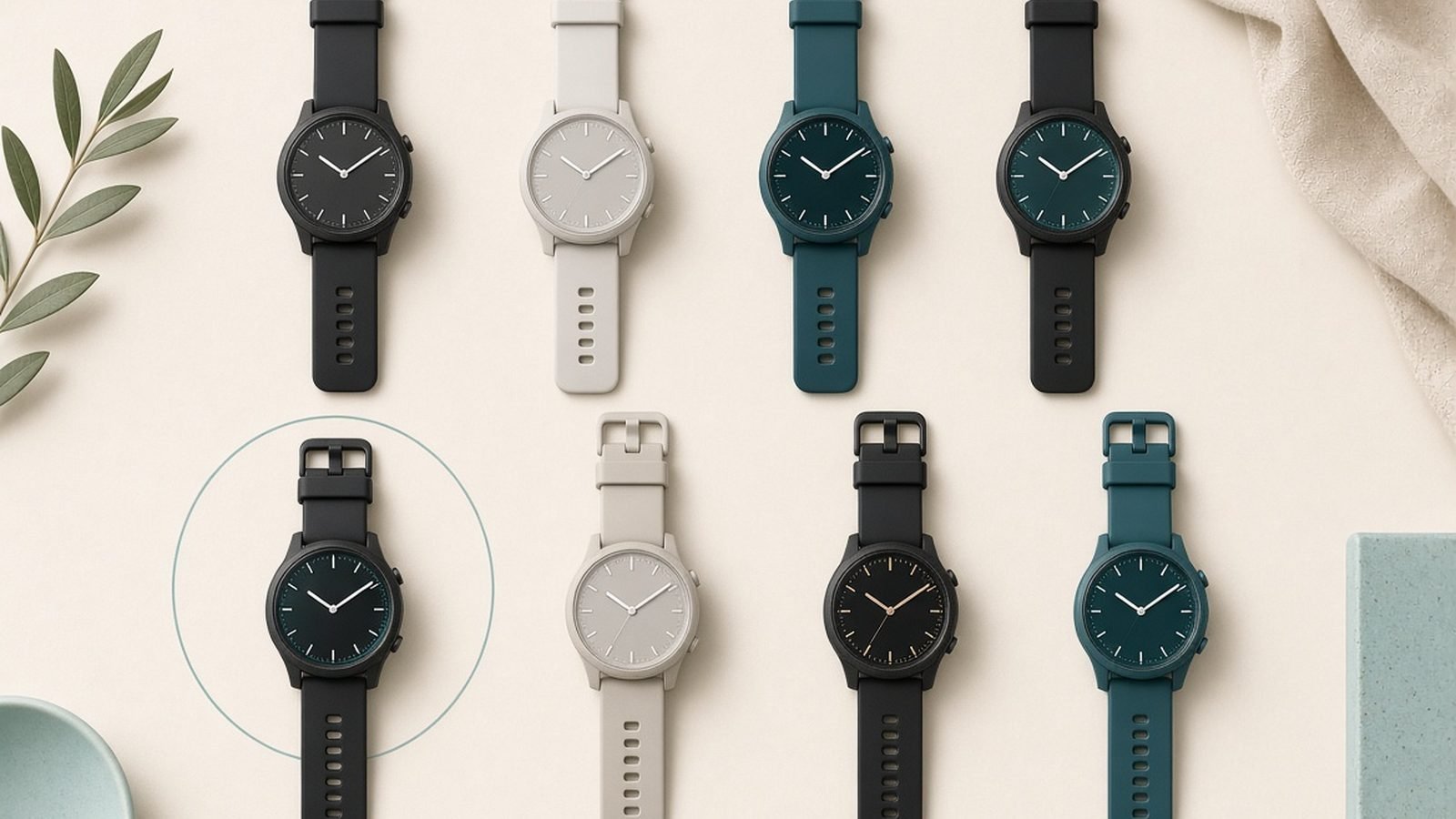
Garmin Venu (AMOLED line) — around $449 / £429. Garmin’s most smartwatch-like wearable, blending health tracking, a vivid display, and everyday features for people who want a lifestyle watch with Garmin’s health data underneath.
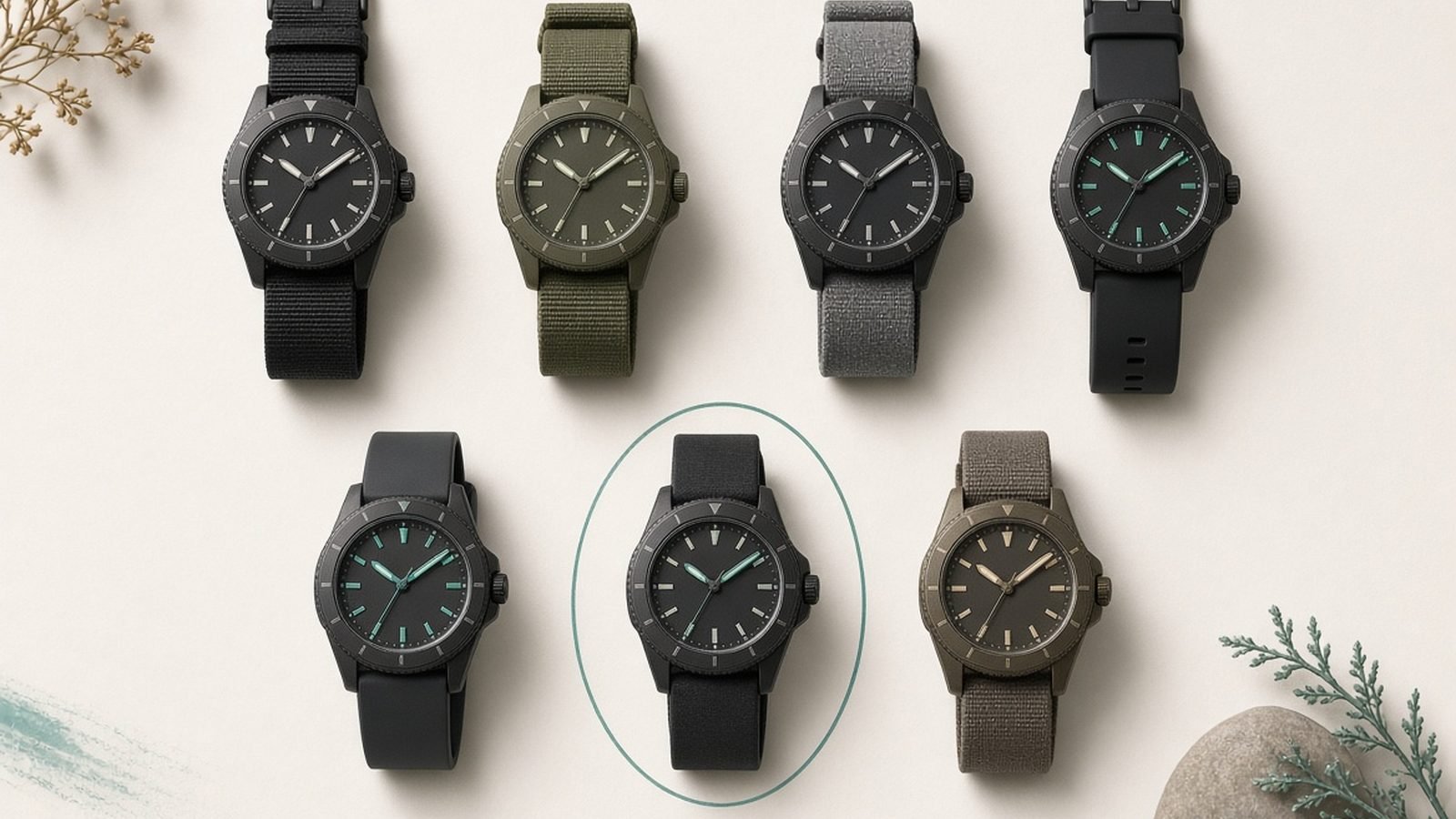
Garmin Instinct (rugged line) — around $299–$449 / £299–£429. Tough, MIL-STD-rated watches with enormous battery life and a distinctive look, popular with hikers and outdoor workers who prioritize durability over screen quality.
Garmin Edge cycling computers — around $299–$599 / £299–£599. The Edge series dominates dedicated cycling computers, with mapping, navigation, and deep integration with power meters and sensors.
Strengths
Sports and training depth. This is Garmin’s defining strength. Training load, recovery and readiness, VO2 max estimates, running dynamics, structured workouts, and race predictors go far beyond what general smartwatches offer. Athletes buy Garmin to actually guide training, not just count steps.
Battery life. Garmin watches routinely last days to weeks on a charge, and solar models extend that further. Compared with the roughly daily charging of most mainstream smartwatches, this is a genuine, everyday advantage — especially for multi-day events and expeditions.
GPS accuracy and mapping. With multi-band GNSS and full topographic and street mapping on higher-end models, Garmin’s positioning and navigation are excellent — the payoff of its GPS heritage.
Durability and platform breadth. Rugged, MIL-STD-rated builds, plus a coherent ecosystem across watches, cycling, and satellite communication (inReach) that no smartwatch maker matches for serious outdoor use.
Weaknesses & criticisms
Price and lineup complexity. The flagship watches are very expensive, and the overall range is bewildering — overlapping Fenix, Forerunner, Venu, Instinct, Epix, and Enduro lines with many sub-variants make it hard to know which to buy. Our Best Running Watches 2026: Top Picks Compared & Ranked guide exists partly to cut through that.
Smartwatch experience. As a general smartwatch, Garmin trails Apple and Samsung. Notifications, apps, voice assistants, and phone integration are functional but less polished, and the touch-and-button interface feels utilitarian next to a lifestyle smartwatch.
Software and cloud dependence. Garmin Connect is powerful but can feel dense, and the late-2024 outage showed the platform isn’t immune to downtime. Some newer features and subscriptions (Garmin Connect+) have also drawn criticism from users who expected everything included.
App and third-party ecosystem. Connect IQ is useful but far smaller and less refined than Apple’s or Google’s app ecosystems, so Garmin is a weaker choice if you want a phone-on-your-wrist experience.
Reliability & support
Garmin has a strong reliability reputation, particularly for durability. The watches are built to survive water, cold, impact, and years of hard training, and long-term owner reports are generally positive on build quality. Warranties are typically one year in most markets, with some regional and product variation.
The most common long-term issues, based on aggregated owner feedback, are battery capacity fading over several years of heavy GPS use, occasional sensor or optical heart-rate quirks, and software bugs introduced or fixed by firmware updates. The 2024 Garmin Connect outage is the standout service incident, but importantly the watches continued recording activities offline and synced once service returned. Garmin’s customer support is generally regarded as competent, and the hardware’s longevity is a frequent highlight in reviews. Overall, Garmin is a low-risk brand for reliability, with the usual caveat that any battery-powered wearable degrades over time.
Who should buy
Buy Garmin if you’re a runner, cyclist, triathlete, hiker, or outdoor adventurer who wants a serious training and navigation tool with multi-day battery and rugged durability. The Fenix 8 suits do-everything adventurers, the Forerunner line suits dedicated runners and triathletes, and the Instinct suits durability-first outdoor use. If training data and battery life matter more than a slick app experience, Garmin is the best choice available.
Look elsewhere if you mainly want a polished everyday smartwatch with tight phone integration, a large app ecosystem, and daily-charge convenience — an Apple Watch or Samsung Galaxy Watch will serve you better there. Our best smartwatches guide walks through who should pick which.
FAQ
Is Garmin worth it in 2026?
For athletes and outdoor users, absolutely — nothing matches Garmin’s training depth, battery life, and durability. For someone who mainly wants a general smartwatch for notifications and apps, the value case is weaker, and a mainstream smartwatch may fit better.
Is Garmin better than an Apple Watch?
For serious sports, training analytics, battery life, and outdoor use, yes. For everyday smartwatch polish, app ecosystem, and iPhone integration, the Apple Watch wins. They serve different priorities — our best smartwatches guide breaks it down by use case.
Which Garmin watch should I buy?
For dedicated running and triathlon, the Forerunner line (the 165 for value, the 970 for the flagship). For do-everything adventure and mapping, the Fenix 8. For rugged durability, the Instinct. For a lifestyle smartwatch feel, the Venu. Our Best Running Watches 2026: Top Picks Compared & Ranked guide helps narrow it down.
How long does Garmin battery life last?
It varies widely by model and usage, but Garmin watches commonly last from several days to a few weeks on a charge in smartwatch mode, far longer than most mainstream smartwatches. Solar models extend that further, and heavy GPS use shortens it. Battery capacity does fade over years of use.
Do Garmin watches need a subscription?
Core features work without any subscription — that’s a key Garmin selling point. Garmin does offer an optional Connect+ subscription for some added features and insights, which has drawn criticism, but you don’t need it to get the training data, mapping, and health tracking the watches are known for.
Are Garmin watches reliable and durable?
Yes. Garmin has a strong reputation for rugged, long-lasting hardware, with many models carrying MIL-STD durability ratings. The main long-term caveat is battery capacity fading after years of heavy GPS use, which is normal for any wearable.
Zen Tech Hub may earn a commission from links on this page, at no extra cost to you.