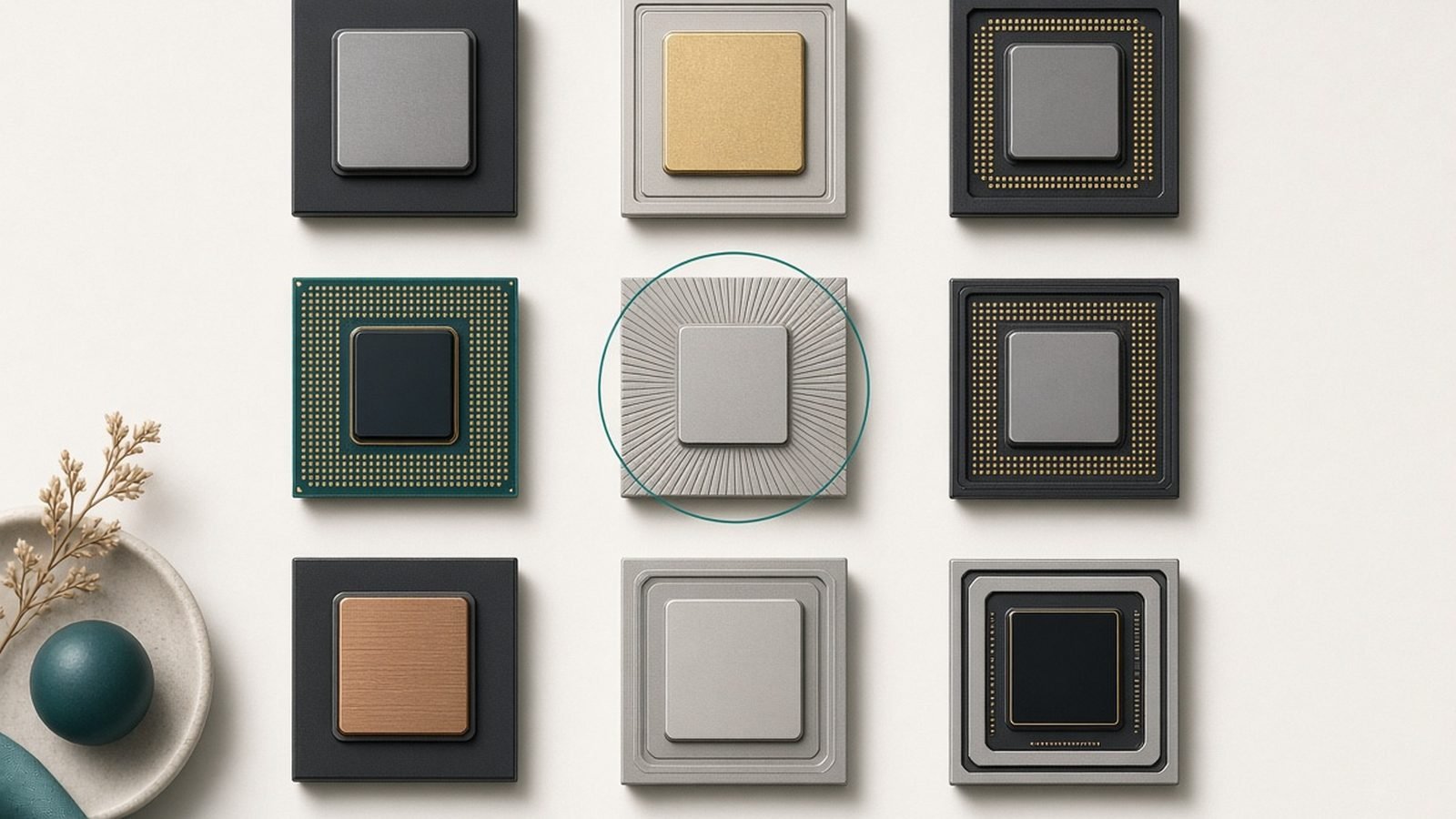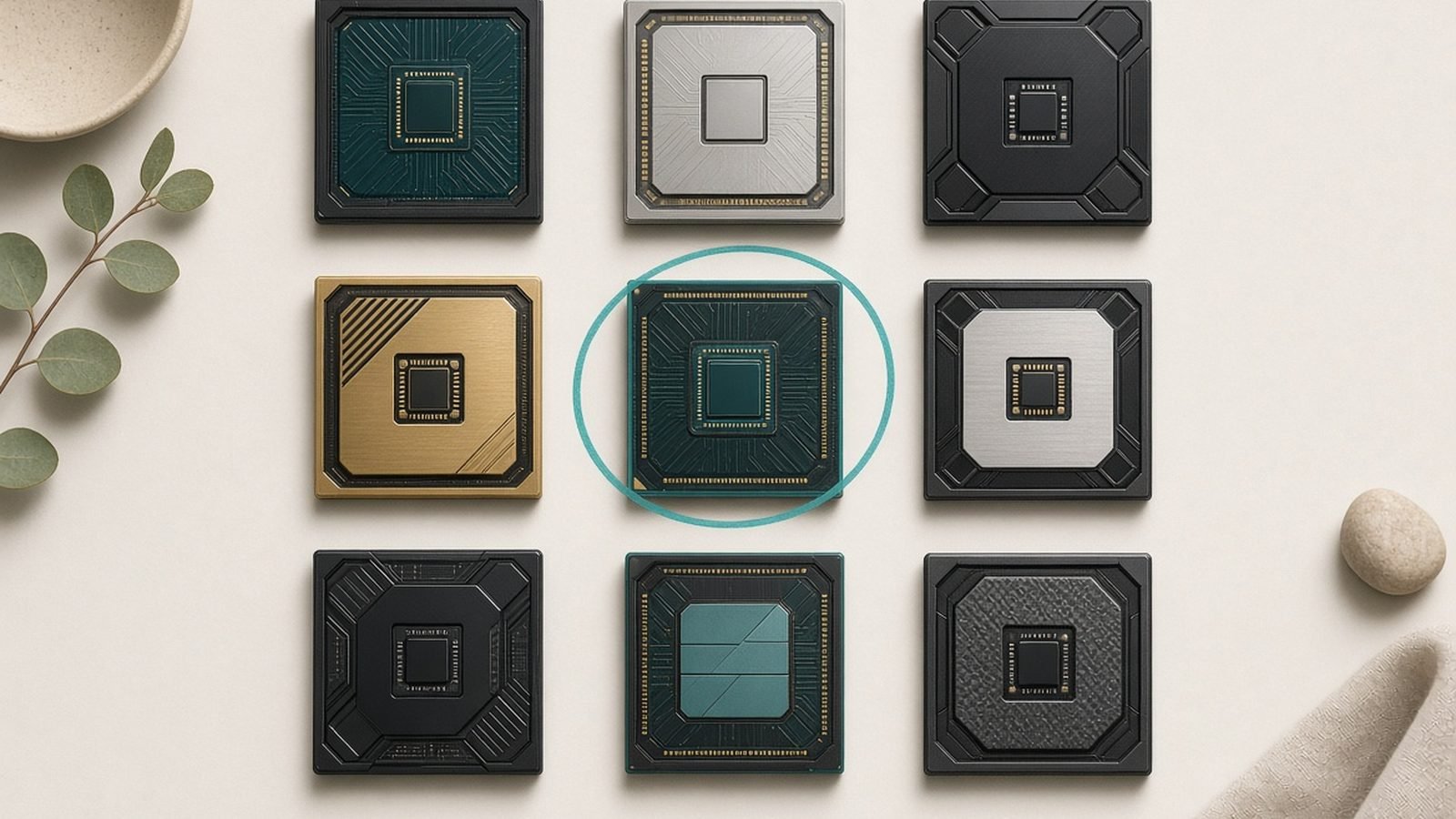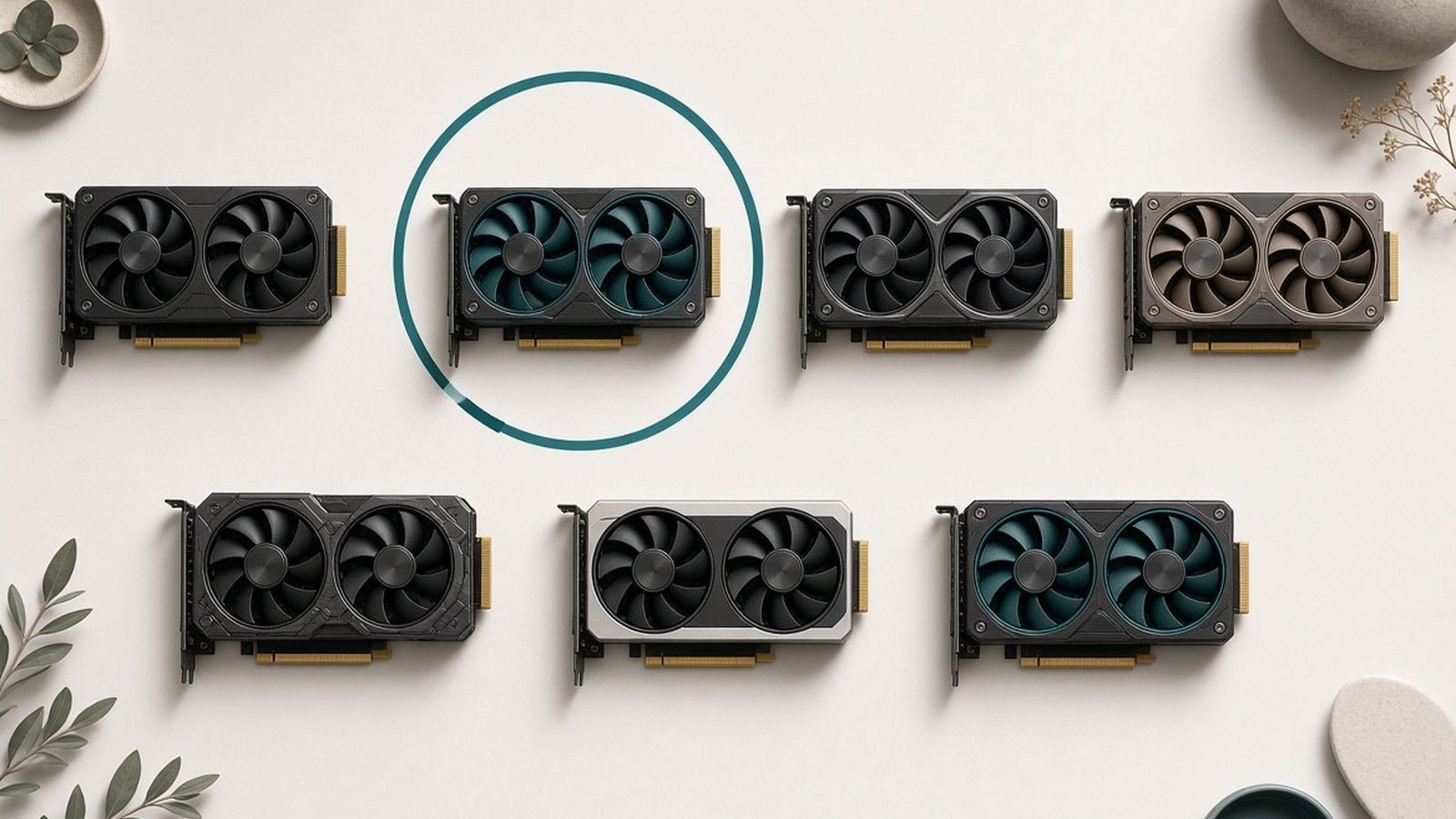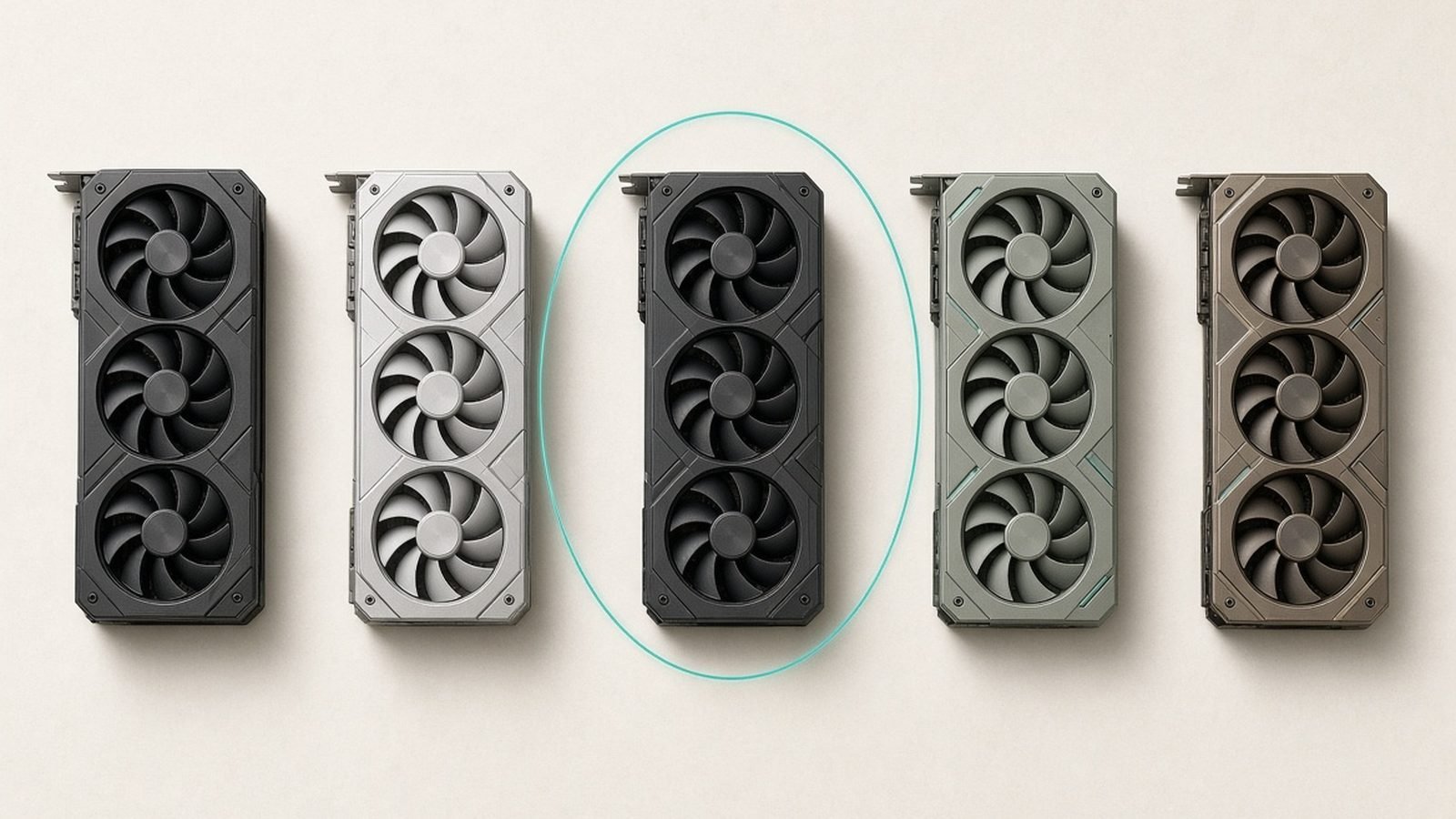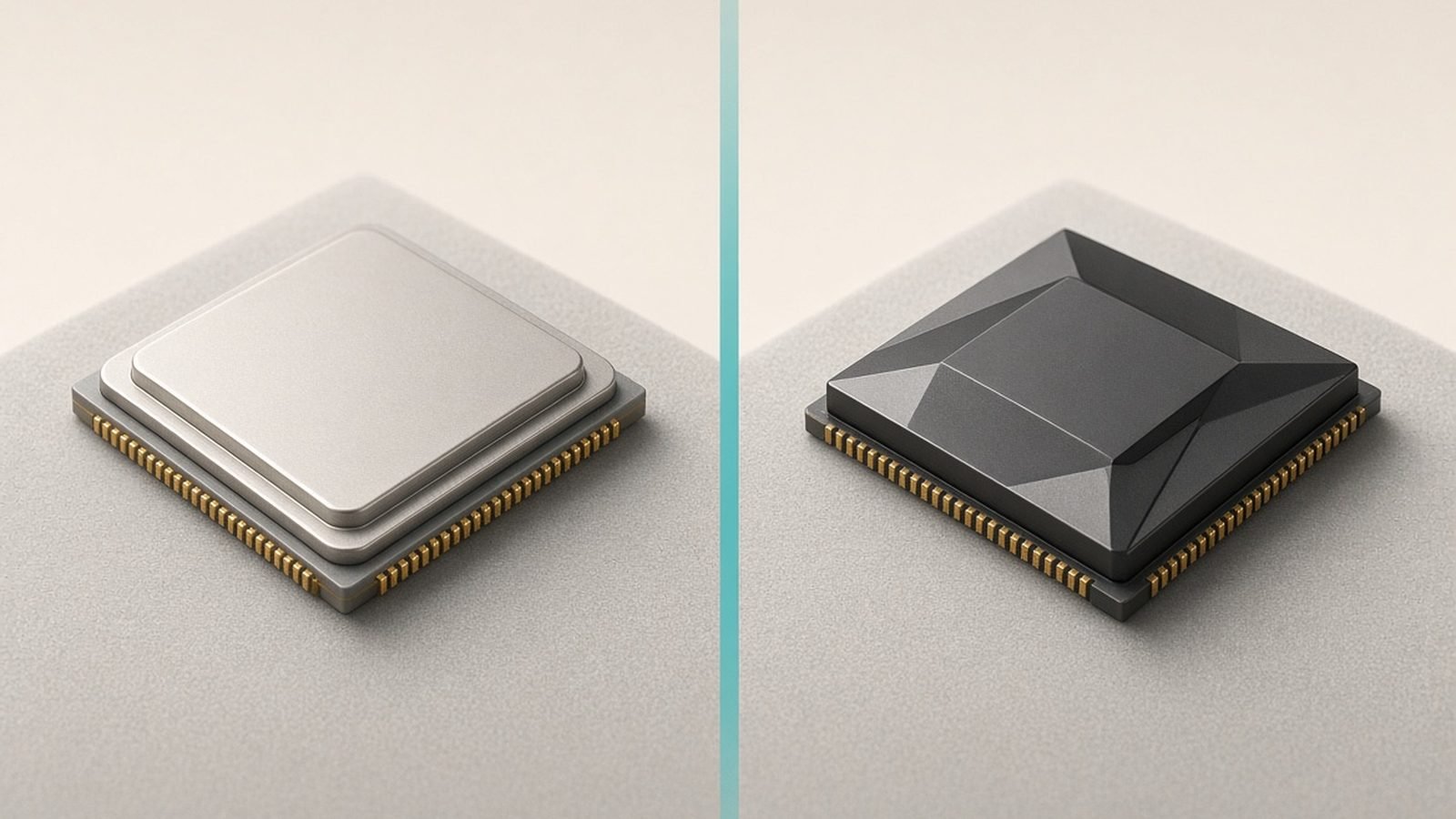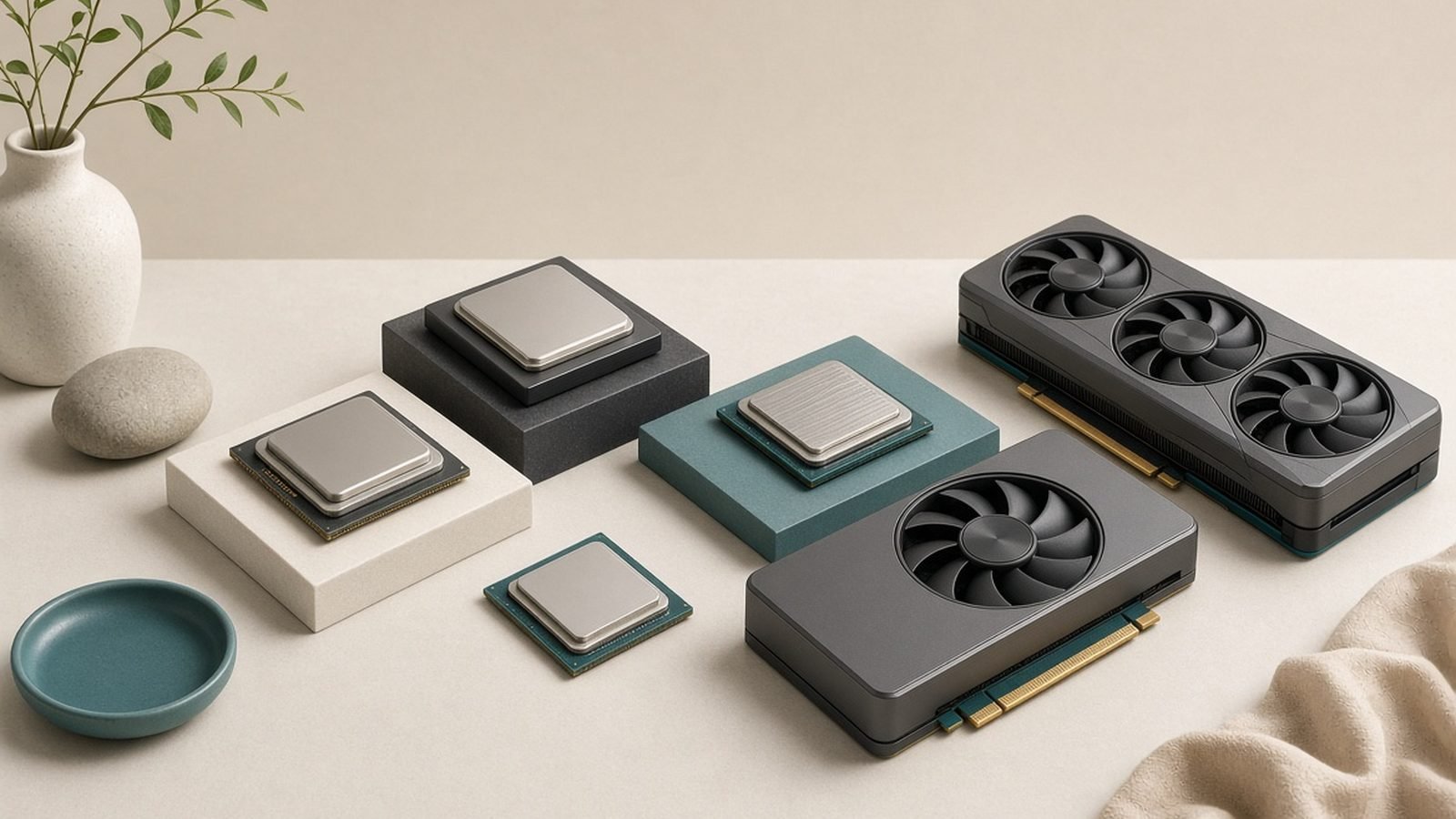
Buying Intel in 2026 is really two different decisions. Core Ultra processors are the mainstream choice — they sit in a huge share of laptops, prebuilt desktops and business machines — and the case for them rests on efficiency and all-core productivity, not on topping gaming charts. Arc graphics cards are the opposite kind of product: a newer challenger line whose appeal is solid 1080p performance and generous VRAM at aggressive prices. Verdict: buy Intel Core Ultra if you want efficient all-core productivity, a quiet-and-cool system, or widely available prebuilt machines — and take a serious look at Intel Arc if you are building a tight-budget PC. For gaming-first builds, weigh AMD carefully first.
Intel spent the last few years on the back foot against a resurgent AMD, plus some reliability controversy on its previous generation. Its current lineup is a meaningful reset. Here is where Intel is worth buying in 2026 and where it still trails.
Company overview
Intel Corporation, founded in 1968 and headquartered in Santa Clara, California, is the company that defined the PC processor era. For decades “Intel Inside” was synonymous with the CPU in your computer, and Intel remains one of the largest chipmakers in the world. Unlike AMD and Nvidia, Intel has historically been an integrated device manufacturer — it designs and manufactures chips in its own fabs — though it now also uses external foundries for some products and is expanding its own foundry business to make chips for others.
The last few years have been eventful: AMD’s Zen resurgence eroded Intel’s CPU lead, Intel entered discrete graphics with Arc, and its 13th/14th-gen Core desktop chips became the subject of a widely reported instability issue that Intel addressed with microcode fixes and extended warranties. The current Core Ultra generation moves to a new architecture and manufacturing approach aimed at better efficiency. Intel is a mainstream, everywhere brand — its CPUs power a huge share of laptops, desktops, and business machines.
What Intel makes
Intel’s consumer-relevant lineup:
- Core and Core Ultra CPUs: The mainstream processor line for desktops and laptops, now branded Core Ultra at the higher tiers, with integrated NPUs for on-device AI in newer parts.
- Intel Arc graphics cards: Discrete GPUs aimed mainly at the budget and mid-range, plus integrated Arc graphics inside many Core Ultra chips.
- Laptop platforms: Core Ultra mobile chips power a large portion of thin-and-light and business laptops, including “AI PC” designs with NPUs.
- Data-center CPUs (Xeon) and accelerators: Enterprise products, not consumer, but central to the business.
- Foundry services: Intel is building out contract manufacturing to fabricate chips for other companies.
- Software and tools: Drivers, XeSS (Intel’s AI upscaling), and utilities like the Intel Graphics software and performance tuning tools.
Standout products in 2026
Core Ultra 200S (Arrow Lake) desktop CPUs. Intel’s current desktop generation focuses on efficiency and strong all-core productivity. Compared with the hot-running previous generation, these chips draw less power and run cooler, making them attractive for creators, multitaskers, and anyone who wants a quieter system. They are competitive picks in Best CPUs 2026: Gaming & Productivity Processors, and if you are choosing between camps, our AMD vs Intel 2026: Which CPU Should You Buy? guide lays out the gaming-versus-productivity trade-off clearly.
Intel Arc B-series GPUs. Intel’s newer Arc cards have turned into a real budget-graphics option, offering solid 1080p and entry 1440p performance and generous VRAM at aggressive prices, with XeSS upscaling that has matured well. They regularly earn a value mention in Best Graphics Cards 2026: GPUs for Every Budget, especially for first-time builders on a strict budget. Pair one with an affordable high-refresh screen from Best Gaming Monitors 2026: OLED, 4K & High Refresh.
Core Ultra laptop chips (AI PCs). In laptops, Intel’s Core Ultra mobile processors deliver good efficiency and integrated NPUs for AI features, and they are exceptionally widely available across brands and price points.
For most buyers, the standout Intel purchase is a Core Ultra 200S desktop chip for a balanced productivity-and-gaming machine that stays cool and quiet.
Strengths
Efficient, capable productivity. Core Ultra 200S chips are strong all-core performers and notably more efficient than Intel’s prior generation, good for content creation and heavy multitasking.
Cooler, quieter operation. The efficiency gains translate into lower temperatures and less cooler noise, a real quality-of-life improvement over the previous generation.
Arc is a genuine budget-GPU option. Intel’s discrete graphics now offer competitive value at the low end, adding welcome competition to a segment dominated by two players.
Ubiquity and prebuilt availability. Intel remains everywhere — the easiest brand to find in laptops, business PCs, and off-the-shelf desktops, with broad software and platform support.
Integrated graphics and AI features. Many Core Ultra chips include capable integrated Arc graphics and NPUs, useful for laptops and compact builds without a discrete GPU.
Weaknesses & criticisms
Trails AMD in gaming. For gaming-first builds, AMD’s X3D chips generally lead, so pure gamers may get more frames elsewhere. Compare in the AMD Brand Profile 2026: Ryzen CPUs & Radeon GPUs profile.
Frequent socket changes. Intel has changed CPU sockets more often than AMD’s long-lived AM5, which can mean a new motherboard when you upgrade — worse long-term upgrade value.
Recent reliability reputation damage. The instability issues on 13th/14th-gen Core desktop chips hurt trust. Intel issued fixes and extended warranties, and current chips use a different design, but the episode lingers in buyer perception.
Arc software still maturing. Arc GPUs have improved a lot, but driver polish and performance in older or niche games can still be less consistent than the established players.
Uncertainty around Intel’s turnaround. Ongoing manufacturing and foundry ambitions carry execution risk; while this rarely affects a single purchase, it shapes the brand’s momentum.
Reliability & support
Intel’s core hardware is generally reliable, and its retail (boxed) CPUs typically carry a three-year warranty. The important recent caveat is the 13th/14th-gen desktop instability issue: Intel responded with microcode updates and extended those chips’ warranties, and its current Core Ultra generation uses a new architecture. If you are buying used or older Intel parts, make sure BIOS/microcode is up to date; new current-generation chips are not affected by that specific problem.
For Arc graphics cards, driver support has improved substantially and Intel updates them frequently, though the ecosystem is younger than Nvidia’s or AMD’s. Board-partner and Intel-built Arc cards carry standard warranties that vary by model. Intel’s platform and driver support, broad OEM relationships, and easy availability mean help and replacement parts are generally easy to find. Overall: dependable current hardware, with the previous-generation reliability episode being the main reputational scar to be aware of.
Who should buy
Buy Intel Core Ultra if you want efficient, cool-running all-core productivity, a quiet system, or the convenience of widely available prebuilt and business machines. Buy Intel Arc if you are building on a tight budget and want maximum GPU value at 1080p, or a capable integrated graphics laptop. Intel’s laptop chips are a safe, ubiquitous choice for AI PCs.
Lean AMD instead if gaming performance and long-term platform upgradability top your list (see AMD Brand Profile 2026: Ryzen CPUs & Radeon GPUs), and choose Nvidia for graphics if ray tracing, DLSS, and creator/AI software matter most (see Nvidia Brand Profile 2026: GeForce RTX GPUs & AI). Cross-shop all three using Best CPUs 2026: Gaming & Productivity Processors and Best Graphics Cards 2026: GPUs for Every Budget.
FAQ
Is Intel a good brand in 2026?
Yes. Intel’s Core Ultra CPUs are efficient and strong for productivity, and Intel Arc has become a real budget-GPU value. For gaming-first builds, though, AMD’s X3D chips generally lead.
Is Intel or AMD better?
It depends on use. AMD leads gaming CPU performance and platform longevity; Intel is competitive on all-core productivity, runs efficiently, and is easier to find in prebuilt systems. See AMD vs Intel 2026: Which CPU Should You Buy? for a full breakdown.
Are the old Intel CPU instability problems fixed?
The 13th/14th-gen desktop instability issue was addressed with microcode updates and extended warranties, and the current Core Ultra generation uses a different design that is not affected. If buying older Intel chips, ensure the BIOS/microcode is current.
Is Intel Arc worth buying?
For budget builds, increasingly yes. Newer Arc cards offer solid 1080p performance, generous VRAM, and improved XeSS upscaling at low prices. Driver polish in older games can still trail rivals, so it is best as a value pick rather than a high-end one.
Do Intel CPUs change sockets often?
More often than AMD’s long-lived AM5. That can mean buying a new motherboard when you upgrade the CPU, which slightly weakens Intel’s long-term upgrade value compared with AMD.
Does an Intel CPU need a discrete graphics card?
Not necessarily. Many Core Ultra chips include capable integrated Arc graphics that handle desktop work, media, and light gaming. Add a discrete GPU for serious gaming or creative workloads.
Zen Tech Hub may earn a commission from links on this page, at no extra cost to you.