Yes, GPD is a good brand — a pioneering Chinese maker of Windows handheld gaming PCs and ultra-small laptops that has been building pocketable x86 computers since long before the category went mainstream. The one-line verdict: GPD offers some of the most inventive, feature-packed handhelds and mini PCs you can buy — real keyboards, unusual form factors, generous ports — but it’s a small enthusiast-focused company where support logistics, firmware polish and per-model quality control are the trade-offs for that novelty.
GPD’s appeal is that it builds things the giants won’t: a handheld with a slide-out physical keyboard, a 7-inch clamshell laptop, a dual-screen mobile workstation. If you’re an enthusiast who wants something genuinely different and you’re comfortable being a self-reliant owner — the odd BIOS update, buying through a channel with a good return policy — GPD is one of the most exciting names in tech. If you want polished software, hand-holding support and a big-brand service network, temper expectations.
Company overview
GPD (Game Pad Digital, or Shenzhen GPD Technology) is a Chinese company based in Shenzhen, founded around 2016. It started by making Android handhelds and quickly pivoted to Windows-based pocket computers, effectively helping to invent the modern handheld-gaming-PC category years before Valve’s Steam Deck brought it to a mass audience. Today it sells worldwide, largely through its own store, crowdfunding campaigns and marketplaces like Amazon and AliExpress, often with regional distributors handling fulfilment.
GPD’s reputation is that of a scrappy, creative specialist. Among handheld and ultramobile enthusiasts it is regarded as one of the most important brands in the space — the one willing to ship a physical keyboard, a docking mechanism or a weird-but-wonderful form factor when nobody else will. It competes most directly with AYANEO, plus the handheld lines of larger players. As with many fast-moving direct-sell hardware brands, the criticisms are less about the ideas and more about the surrounding experience: support responsiveness, cross-border warranty logistics, and occasional early-firmware quirks on brand-new models.
What GPD makes
GPD focuses tightly on small, powerful x86 computers, spanning a few distinct lines:
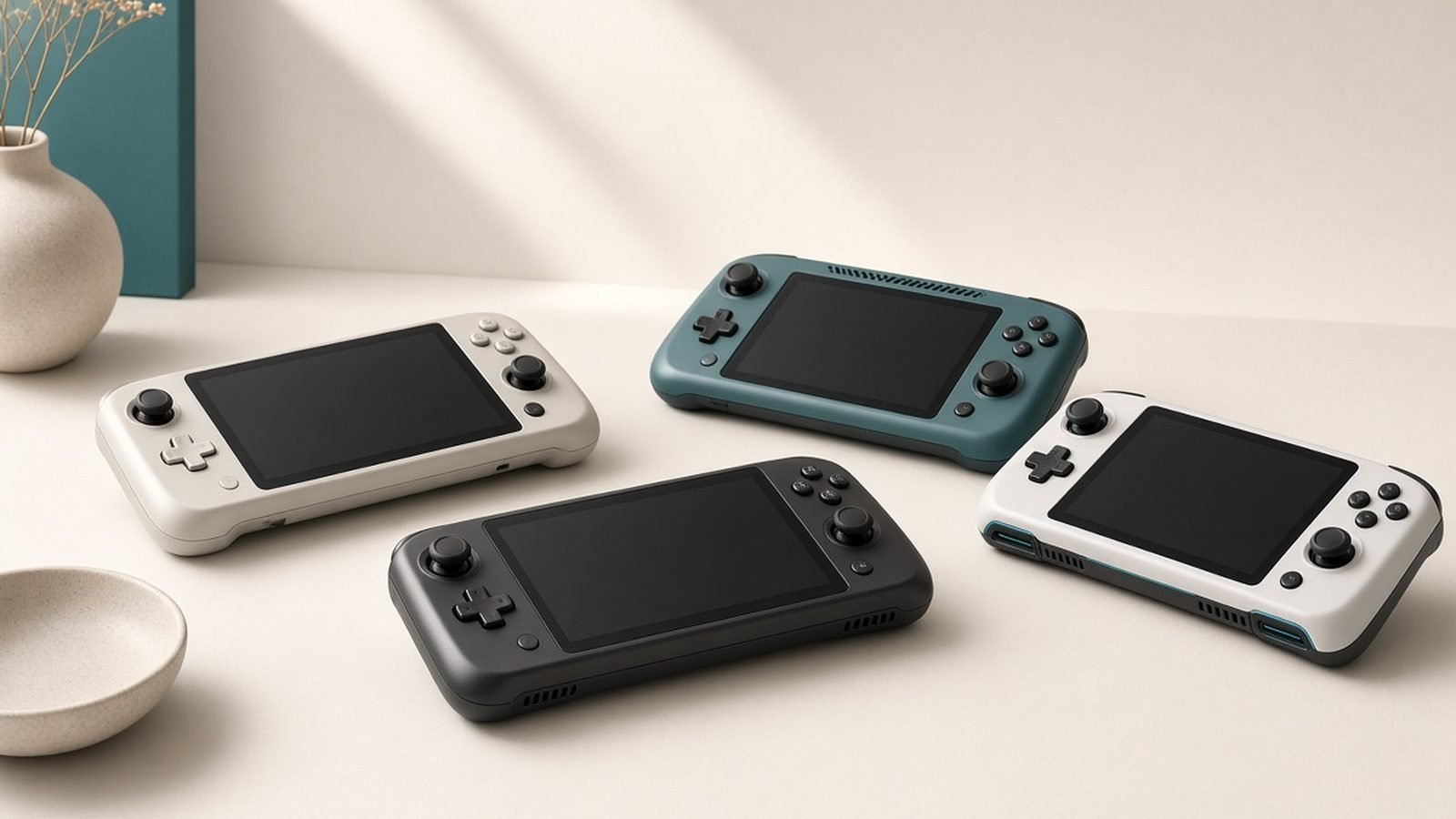
- Handheld gaming PCs — its best-known products, full Windows handhelds with game controls built in.
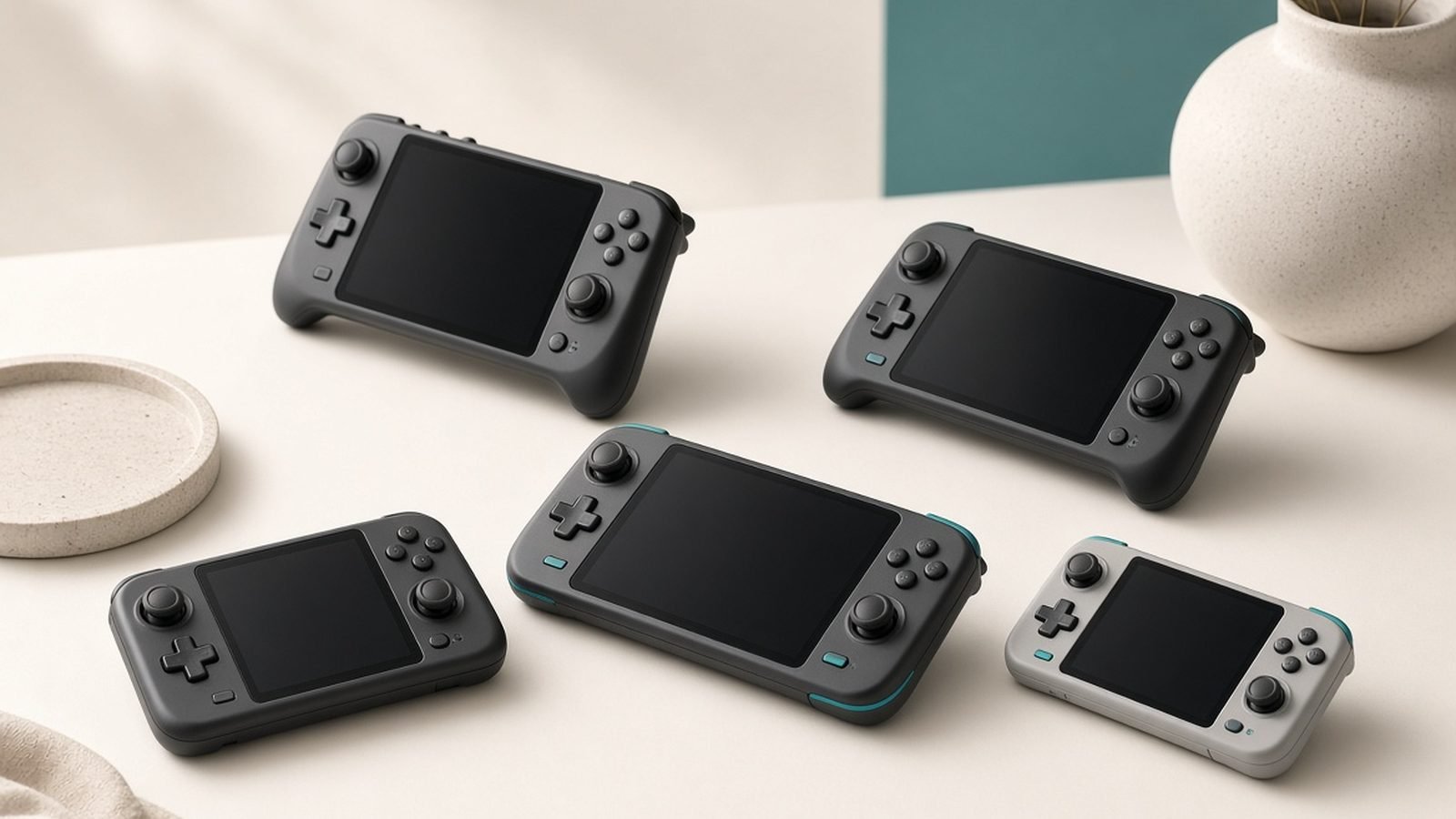
- GPD Win series — the flagship gaming handhelds, several of which include a slide-up display hiding a physical QWERTY keyboard, plus a more traditional Steam Deck-style variant.
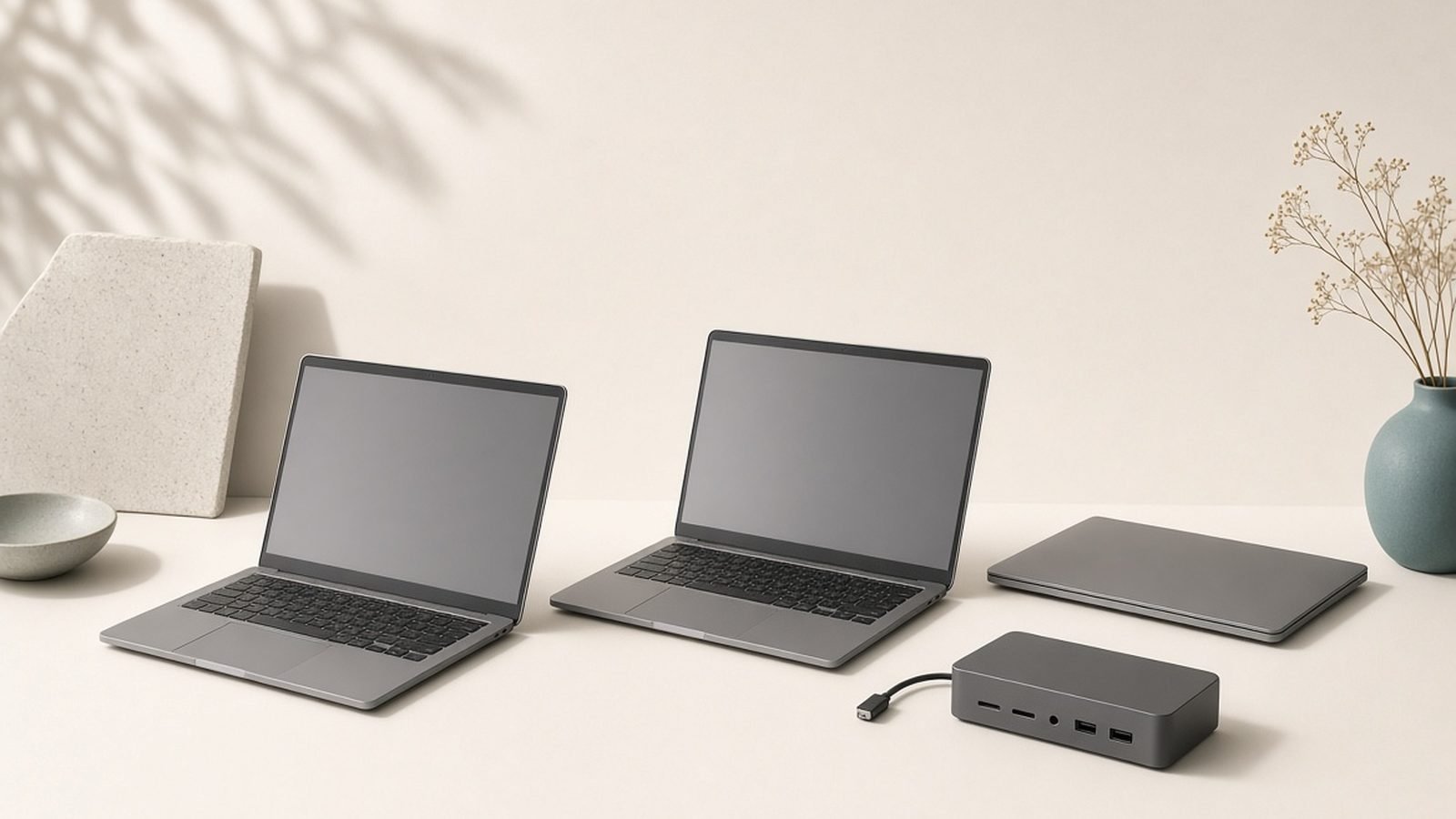
- GPD Pocket series — tiny 7- to 8-inch clamshell mini laptops aimed at developers, IT admins and travelers.
- GPD Duo — a dual-screen laptop/mobile-workstation concept with two OLED panels.
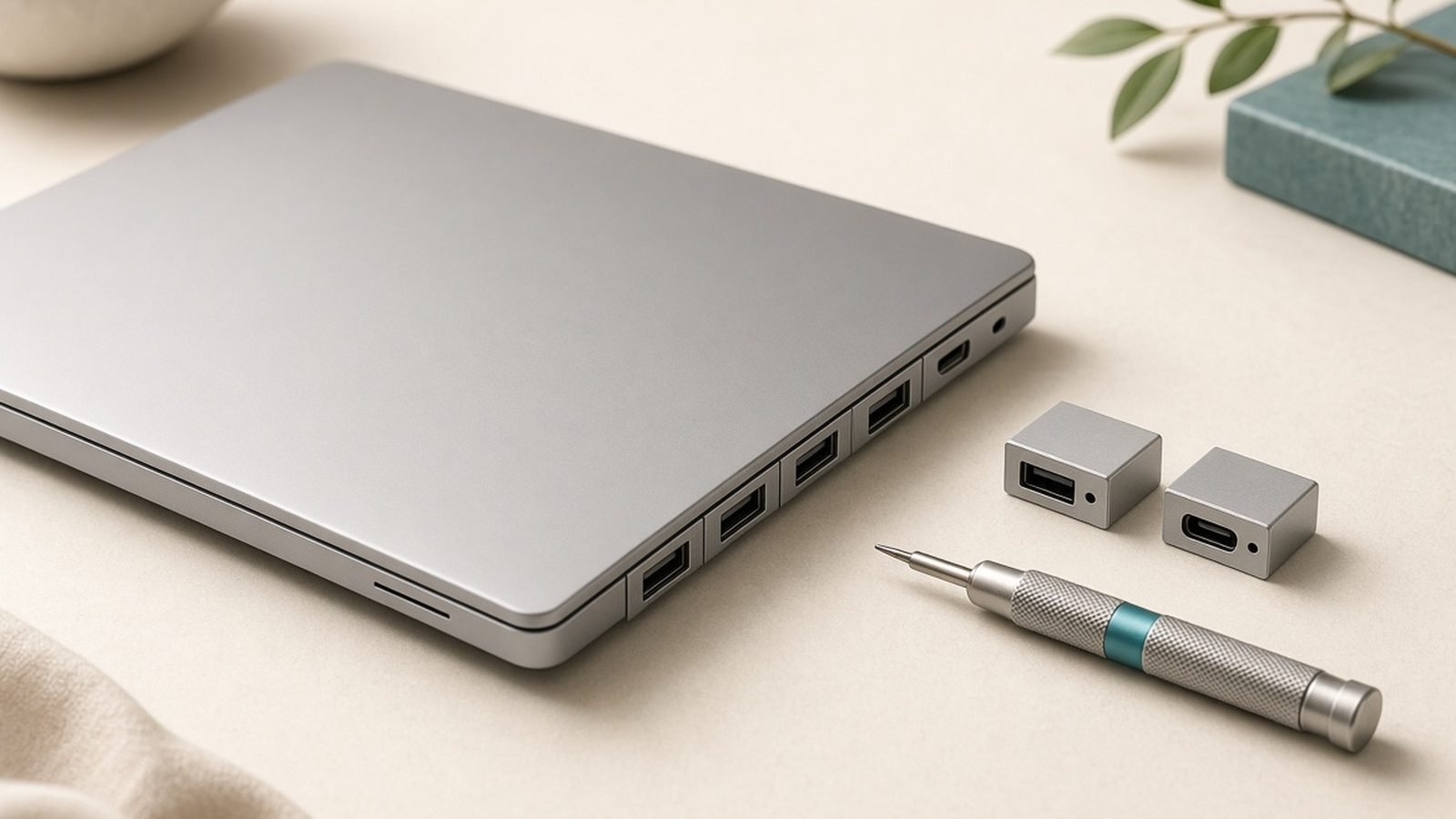
- GPD Micro PC / handheld servers — rugged pocket laptops with legacy ports (serial, Ethernet) beloved by network engineers.
- Accessories — docks, cases and controllers for its handhelds.
Standout GPD products in 2026
GPD Win-series (2026): The current Win handhelds remain the brand’s signature — pocketable Windows gaming machines with integrated controls, and in the keyboard-equipped models a genuinely unique slide-out QWERTY that no rival offers. A distinctive pick in Best Gaming Handhelds 2026: Steam Deck & Rivals for buyers who want productivity and gaming in one device.
GPD Win Mini (2026): A smaller, more affordable handheld that keeps a real keyboard beneath the screen — arguably the purest expression of GPD’s “tiny PC you can actually type on” philosophy, and a strong entry among options in Best Gaming Handhelds 2026: Steam Deck & Rivals.
GPD Pocket-series (2026): The ultra-small clamshell laptops are a niche unto themselves — a full Windows PC that fits in a jacket pocket, popular with developers, sysadmins and frequent flyers who want a real keyboard on the road. They sit at the extreme small end of Best Laptops 2026: Top Picks for Every Need.
GPD Duo: A dual-OLED-screen mobile workstation aimed at power users who want maximum screen real estate in a portable — an ambitious, unusual machine that shows the brand’s willingness to experiment.
GPD Micro PC: A rugged pocket laptop with legacy ports for network and field engineers — a cult favorite for a specific, underserved audience.
Our single top pick for most buyers is a current Win-series handheld for gaming-plus-productivity, or a Pocket model if you want the smallest possible real laptop.
Strengths
Genuinely original hardware. GPD ships form factors nobody else will — slide-out keyboards, dual screens, pocket clamshells. If you want something different, it’s often the only option.
Category pioneer. GPD helped create the Windows handheld space and iterates fast, staying near the front of an area it knows deeply.
Productivity-friendly handhelds. The physical keyboards on several models make its handhelds far more usable for real work than controller-only rivals.
Generous connectivity. Its machines tend to pack more ports — including legacy ones on the Micro PC — than the category norm.
Enthusiast focus. By concentrating on ultramobile PCs, GPD serves a passionate niche with attention the giants don’t bother to give.
Weaknesses & criticisms
Support and warranty logistics. The most common criticism. As a direct-selling Shenzhen company shipping internationally, RMA and warranty service can be slow or awkward, with cross-border returns adding friction. Buying through a marketplace or regional distributor with its own return policy mitigates this.
Firmware and software polish. New models can ship with early BIOS quirks, driver gaps, fan-curve or thermal-tuning issues that later updates address. Enthusiast forums are a useful sanity check before buying a fresh release.
Crowdfunding risk. Some products launch via crowdfunding, which carries the usual timeline and fulfilment uncertainties of backing early hardware.
Small screens and ergonomics. The tiny form factors that make GPD special also mean cramped keyboards and displays that don’t suit everyone.
Smaller-brand assurance. You don’t get the global service network, extended-warranty ecosystem or brand-longevity guarantees of a Dell, Lenovo or Asus.
Reliability & support
For a specialist making unusual hardware, GPD’s products are generally reliable, and the brand’s overall standing among ultramobile enthusiasts is well earned. Most units run for years without serious trouble, and the designs — while ambitious — are largely sensible. The caveats are those typical of a fast-moving direct-sell brand: newer models occasionally ship with firmware, driver or thermal quirks that get ironed out in updates, and there’s more unit-to-unit variance than you’d see from a giant with deeper QC resources.
Support is where expectations matter most. Warranty is typically one year, but because GPD sells direct and ships from overseas (or via regional distributors), RMA can involve slower turnaround and cross-border logistics. Our honest guidance: buy GPD through a marketplace or authorized distributor with a strong return window, check enthusiast forums for feedback on the specific model, keep your packaging, and be comfortable applying a firmware update if needed. Do that, and GPD offers experiences you can’t get anywhere else; skip that diligence and the support experience can be frustrating if something goes wrong.
Who should buy GPD
Buy GPD if you want something no mainstream brand makes — a handheld with a real keyboard, a pocket-sized Windows laptop, a dual-screen portable — and you’re a reasonably self-reliant, enthusiast buyer. Its Win series suits gamers who also want to type and get work done; its Pocket line is ideal for developers, sysadmins and travelers who need the smallest possible real PC. GPD handhelds stand out among the more adventurous options in Best Gaming Handhelds 2026: Steam Deck & Rivals.
Think twice if you want polished software out of the box, fast and simple warranty support, a large local service network, or the reassurance of a household-name brand. Mainstream ultraportables in Best Laptops 2026: Top Picks for Every Need or value machines in Best Budget Laptops 2026: Great Value Under $700 will serve those priorities better, and buyers who want a controller-only handheld with the smoothest software may prefer a Steam Deck.
FAQ
Is GPD a good brand?
Yes. GPD is a pioneering maker of Windows handheld gaming PCs and ultra-small laptops, known for inventive form factors like slide-out keyboards and pocket clamshells. It’s a favorite among ultramobile enthusiasts. The main trade-offs are support and warranty logistics typical of a direct-selling overseas brand, plus occasional firmware quirks on new models.
Is GPD reliable?
Generally yes — its handhelds and mini laptops have a solid reputation among enthusiasts and most run for years without trouble. Reliability is best judged per model, as newer units sometimes ship with firmware or thermal quirks that updates fix. Buying through a marketplace or distributor with a good return policy is wise.
Where is GPD from / who owns it?
GPD (Game Pad Digital) is a Chinese company based in Shenzhen, founded around 2016. It is an independent specialist in handheld gaming PCs and ultra-small computers, selling worldwide through its own store, crowdfunding and marketplaces.
Is GPD better than AYANEO?
They’re close rivals and both strong in Windows handhelds. GPD stands out for physical keyboards and unusual form factors like pocket laptops; AYANEO tends to lead on design polish, premium materials and a broader lineup. Both share similar direct-sell support caveats, so compare the specific models and current reviews.
Are GPD handhelds good for productivity, not just gaming?
Yes — that’s a key GPD advantage. Several models include a real physical keyboard, and the Pocket line is a full Windows laptop in miniature, making them far more usable for coding, admin and travel work than controller-only handhelds.
Do GPD handhelds run full Windows?
Yes. GPD’s handhelds and mini laptops run standard Windows on x86 processors, so they can install and run desktop applications and PC game stores just like a normal laptop, within the limits of their compact hardware.
Zen Tech Hub may earn a commission from links on this page, at no extra cost to you.